Medieval
77 items tagged with "Medieval"

Longsword
Longsword · Greatsword — Iconic two-handed sword of medieval Europe
The longsword is a versatile, double-edged sword widely used in medieval Europe. It features a straight blade and a cruciform hilt, optimized for both cutting and thrusting. Favored by knights and warriors, it balanced reach and maneuverability.
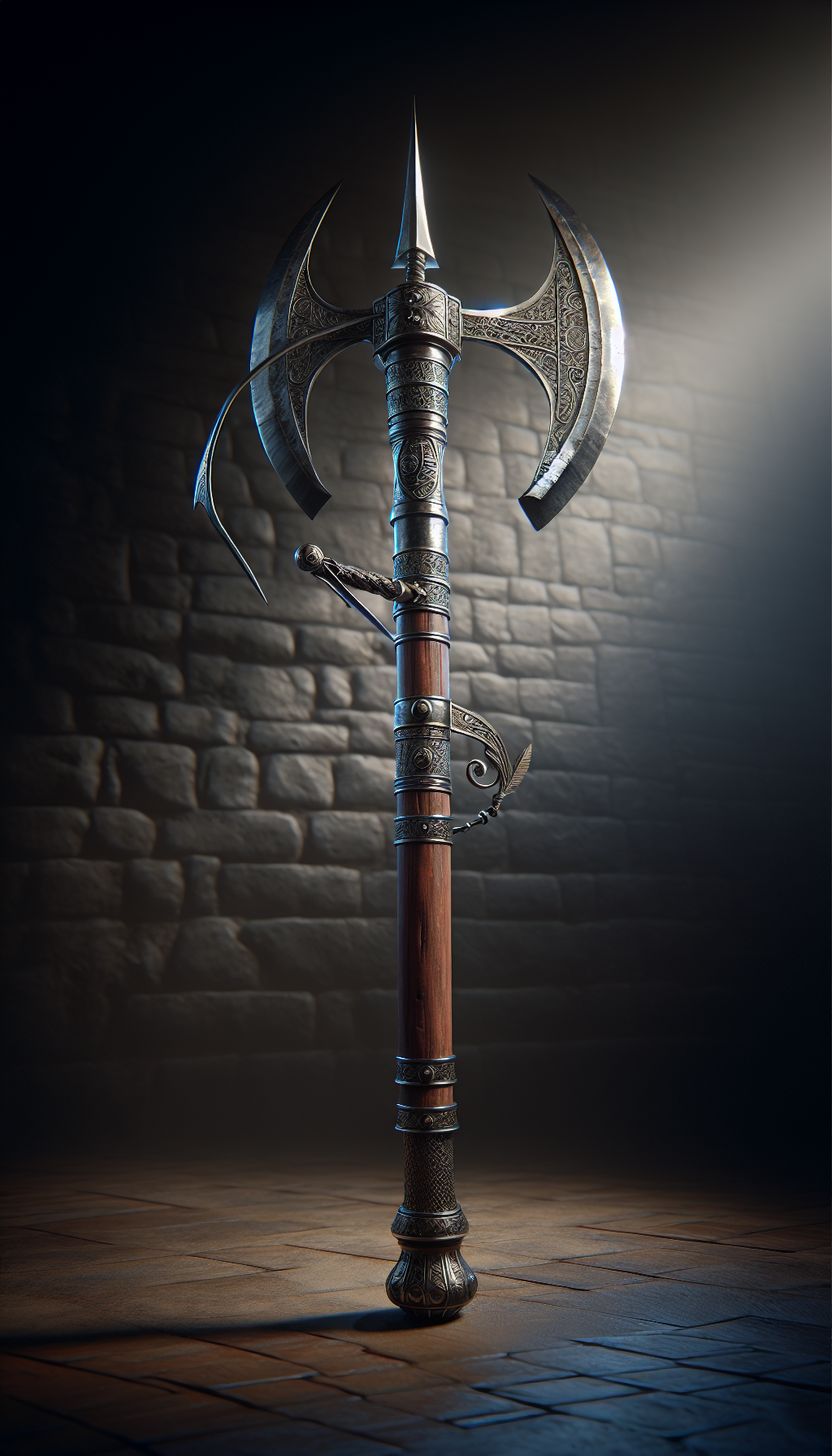
Halberd
Halberd · Polearm — Medieval weapon combining axe and spear
The halberd is a polearm featuring an axe blade, a spear tip, and a rear hook. It was primarily used by infantry in medieval Europe to counter armored opponents and cavalry. Its versatile design allowed for both offensive and defensive maneuvers.

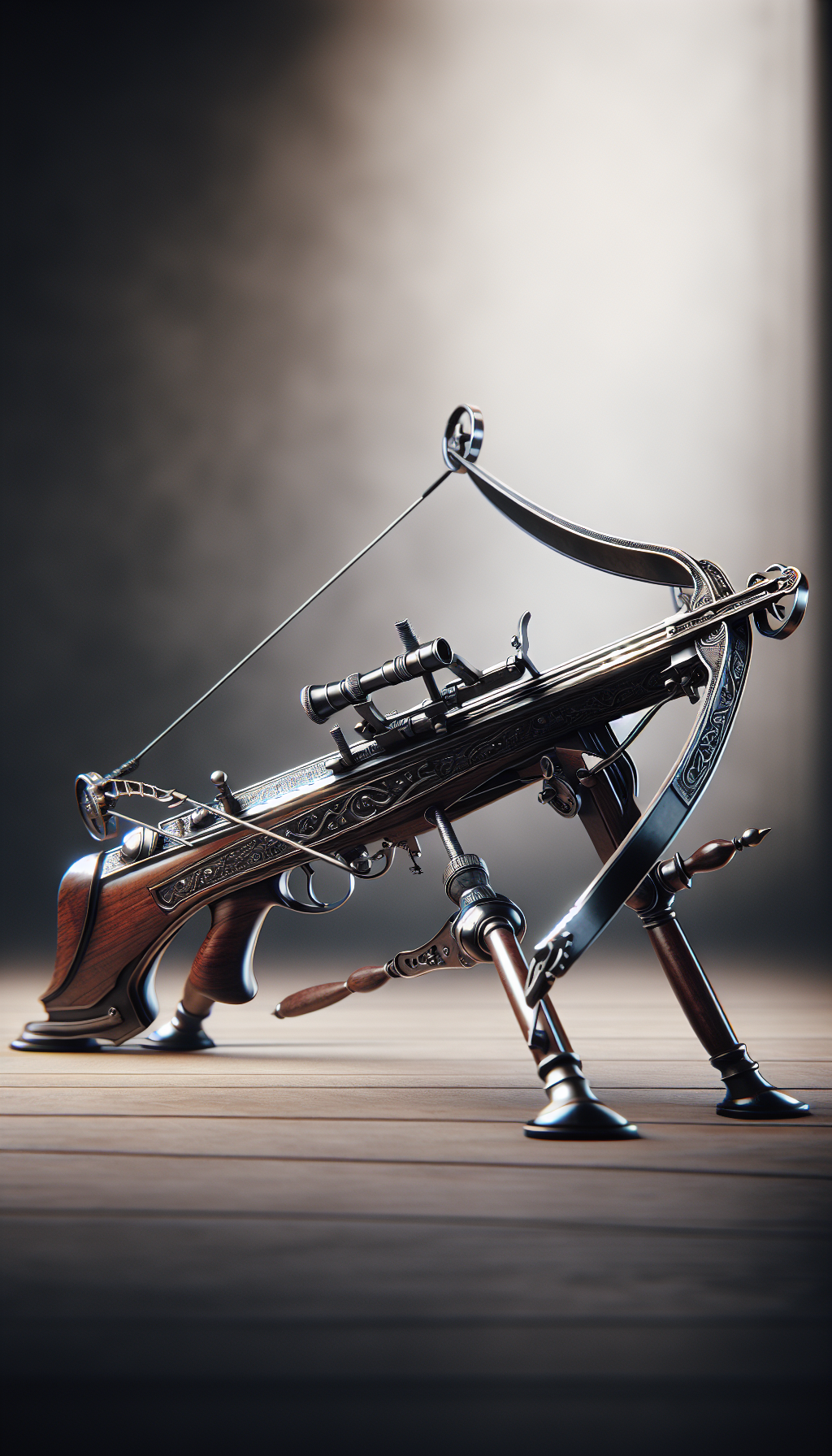
Crossbow
Crossbow · Arbalest — Mechanical Projectile Weapon
The crossbow is a ranged weapon that fires bolts using mechanical leverage. Unlike traditional bows, it employs a trigger mechanism, allowing users with less training to deliver powerful shots. It was widely used in medieval warfare and hunting.
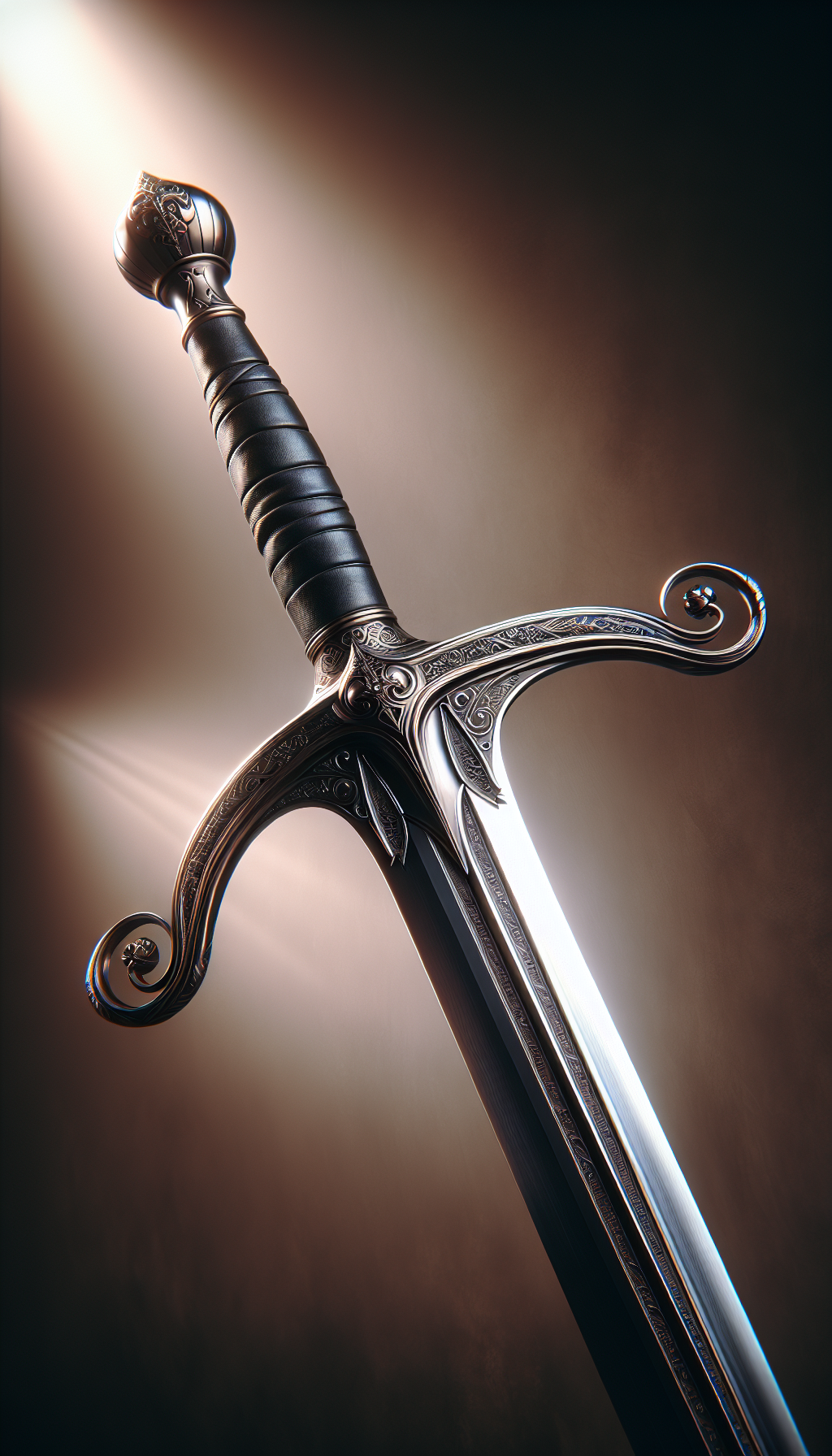
Two-Handed Sword
Greatsword · Zweihänder — A massive sword wielded with both hands
The two-handed sword is a large, heavy blade that requires both hands to wield effectively. It is notable for its reach and powerful strikes, making it formidable in battle. Its size grants great force but demands significant strength.
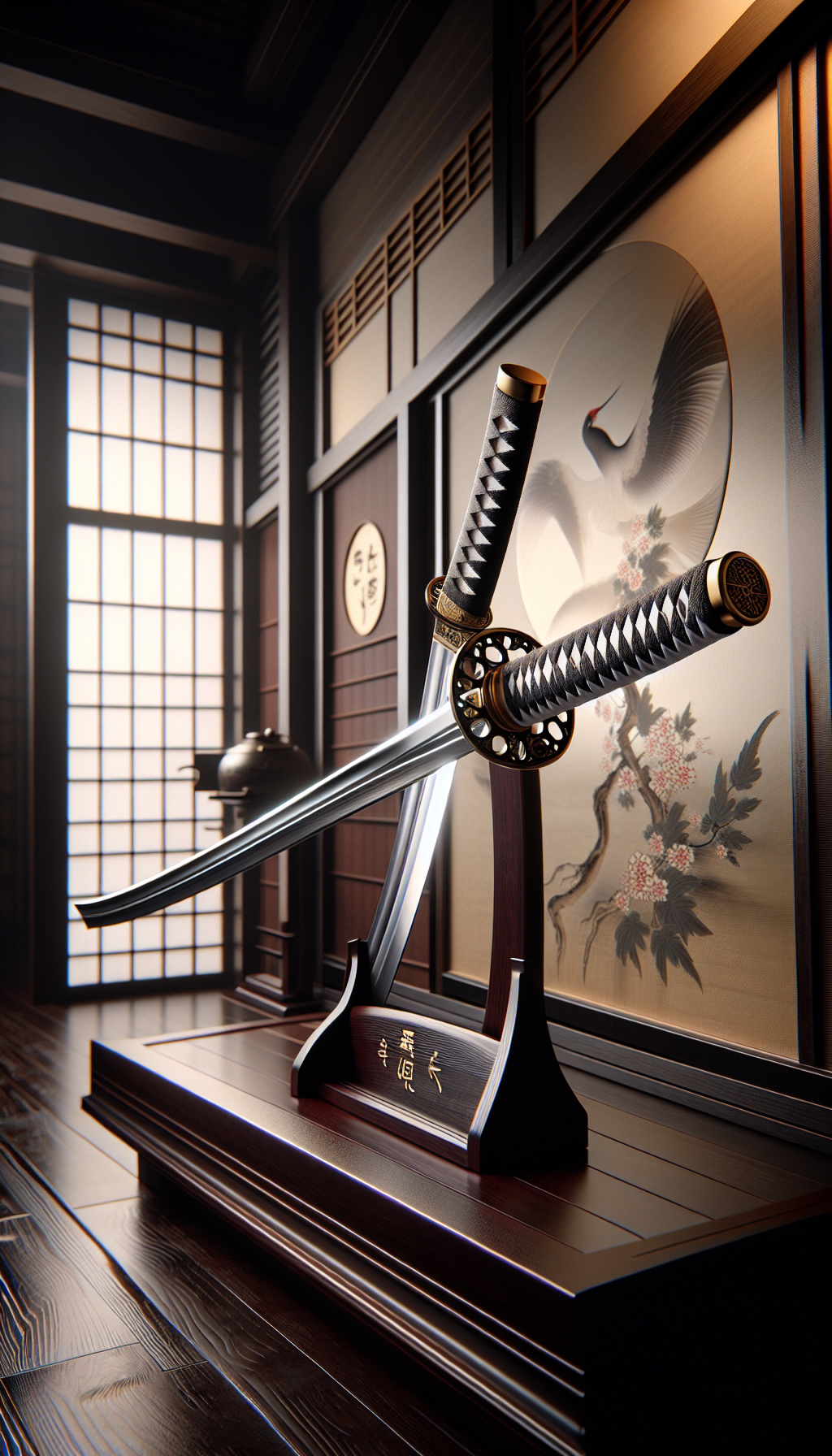
Katana
Katana · Japanese Sword — Iconic Curved Blade of the Samurai
The katana is the quintessential long sword used by Japanese samurai. Featuring a single-edged, curved blade, it is renowned for its cutting efficiency. It became a symbol of the samurai’s spirit and honor in medieval Japan.
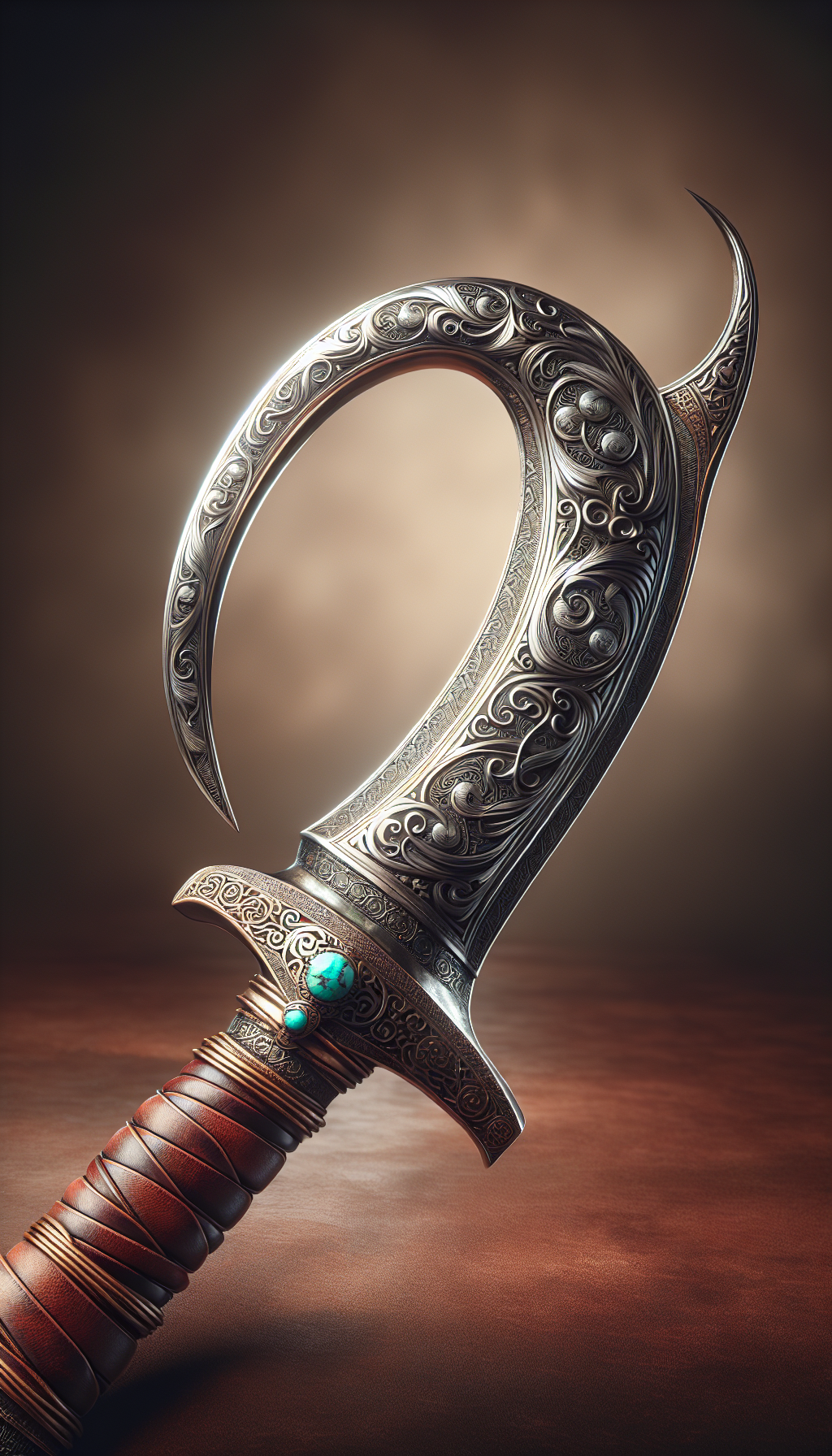
Scagimsha
Central Asian Curved Dagger · Nomad Warriors’ Weapon — A sleek, curved dagger favored by steppe warriors
The Scagimsha is a traditional curved dagger originating from Central Asia. It was primarily used by nomadic warriors for close combat, distinguished by its light weight and sweeping curve. The blade is effective for both slashing and thrusting.
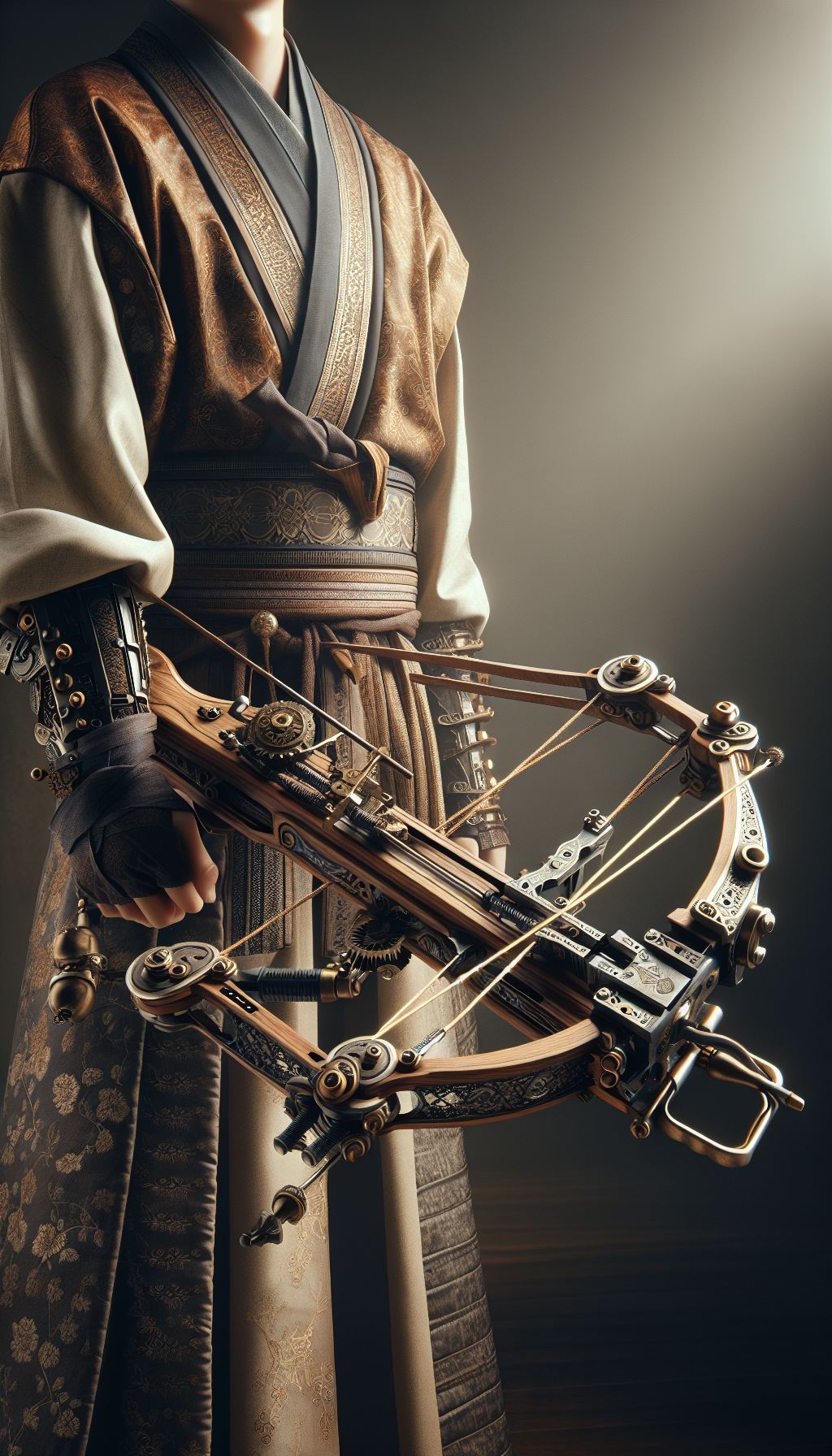
Bow Gun
Crossbow · Mechanical ranged weapon — Device with trigger mechanism for launching bolts
The bow gun, or crossbow, is a mechanical bow designed to make shooting projectiles easier and more powerful. Used extensively from medieval times through the Joseon era, it allowed even unskilled soldiers to deliver lethal force at a distance. Its strong draw and trigger system set it apart from traditional bows.
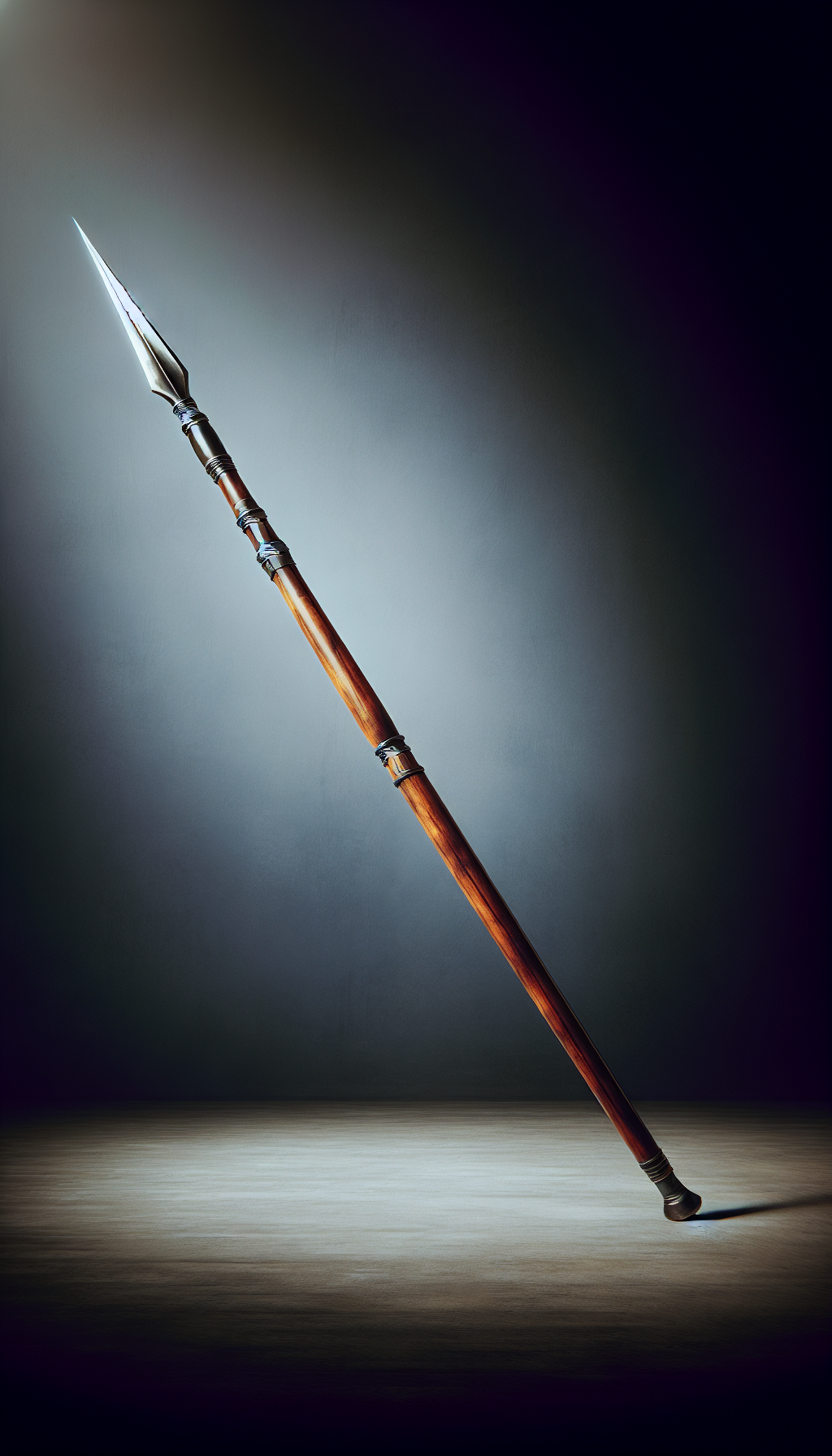
Pike
Long Spear · Infantry Weapon — Classic polearm
The pike is a long pole weapon with a sharp metal tip, used predominantly by infantry in formation combat. It was widely adopted in medieval and early modern Europe, serving to counter cavalry charges and assert battlefield control. Its exceptional length allowed soldiers to hold off enemies from a distance.
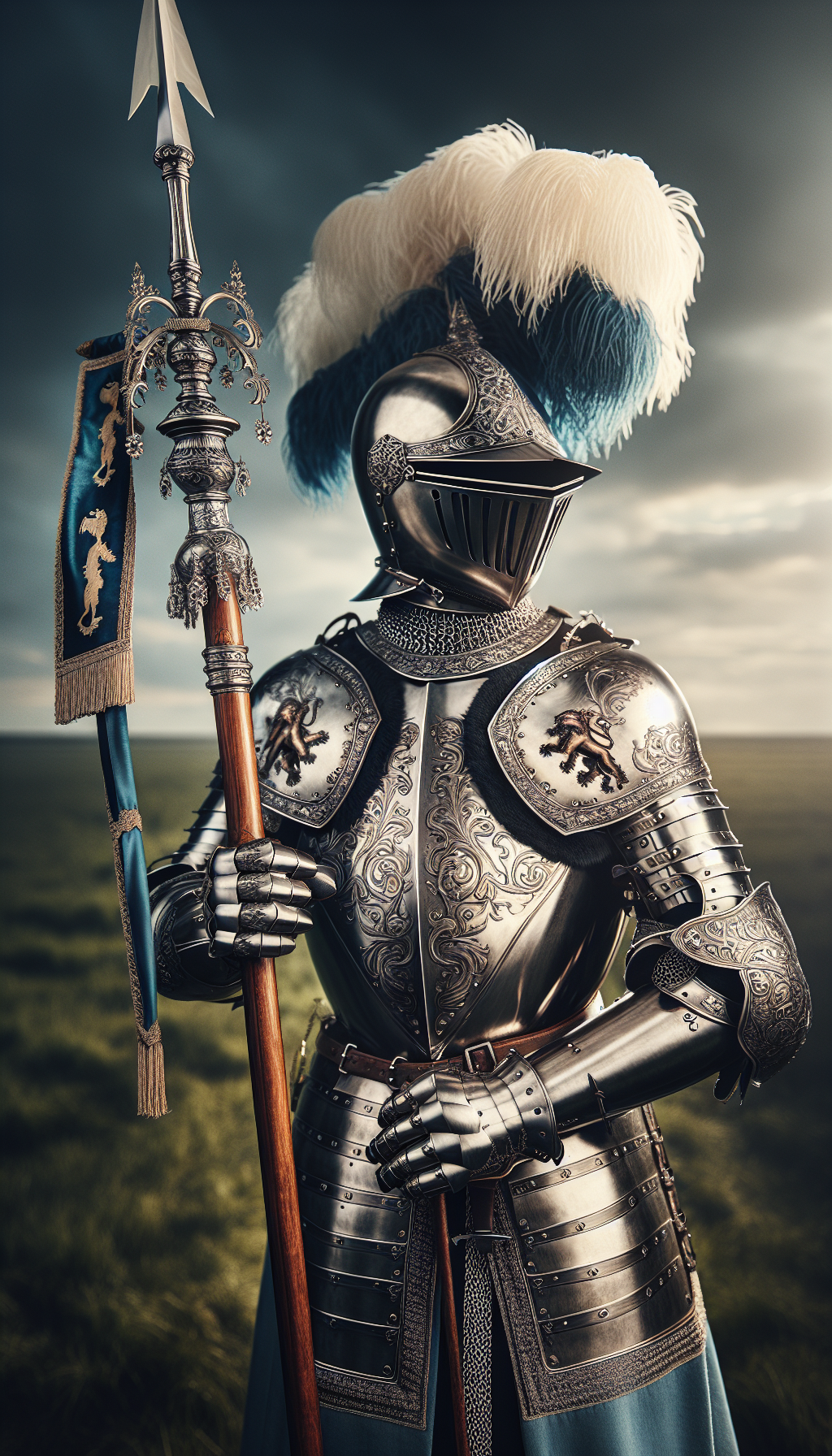
Lance
Lance · Long Spear — Cavalry pole weapon
The lance is a long spear primarily used by medieval European knights for mounted combat. Designed for charging enemies at high speed, it could pierce armor and deliver powerful impacts. Lances were also popular in jousting tournaments.
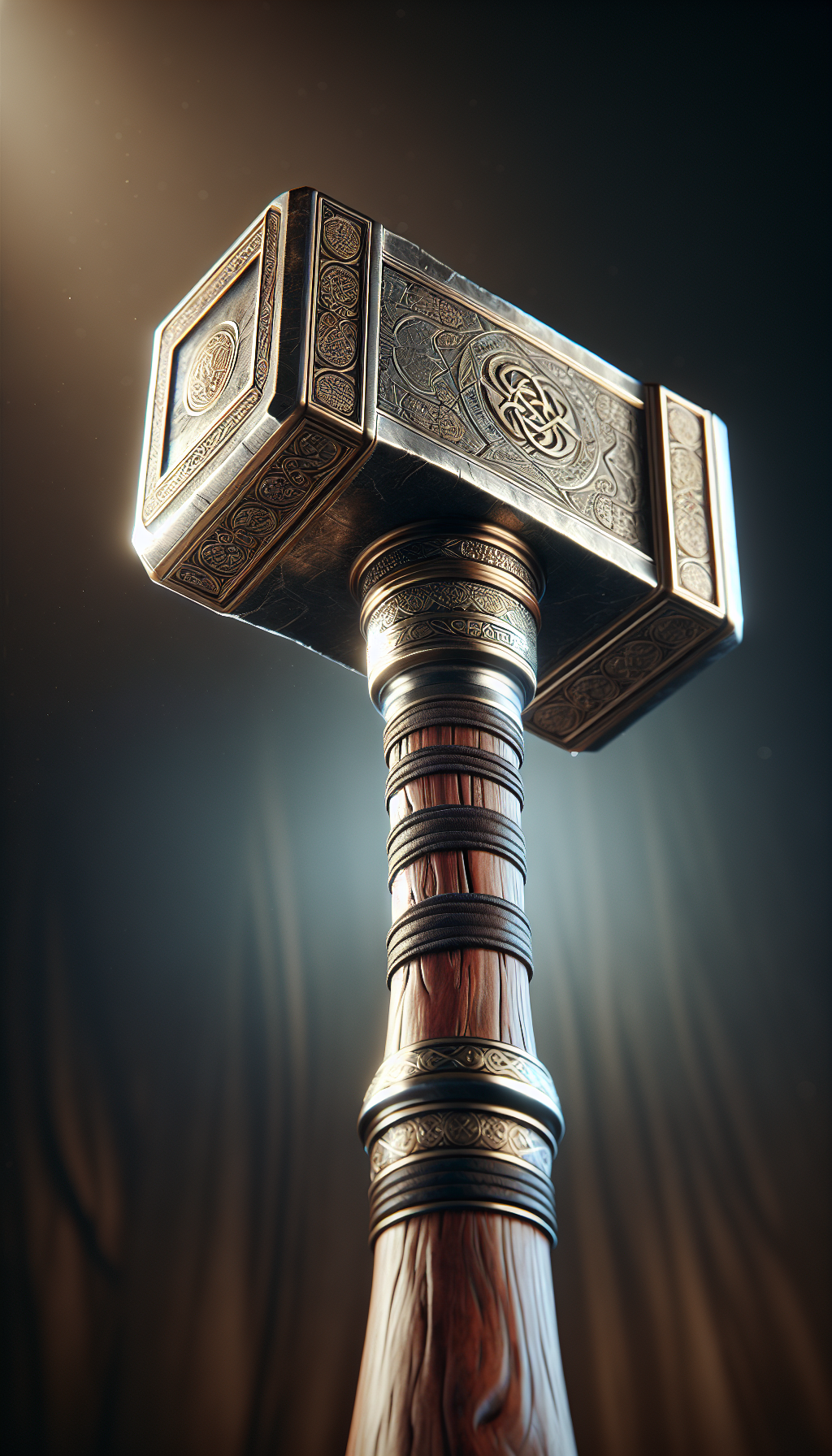
Hammer
Hammer · Warhammer — Weapon of blunt force and utility
The hammer is a weapon made of metal or wood, featuring a heavy, flat striking head. It is primarily used to crush or break enemy armor and shields. Hammers were commonly used by warriors across medieval Europe and East Asia.
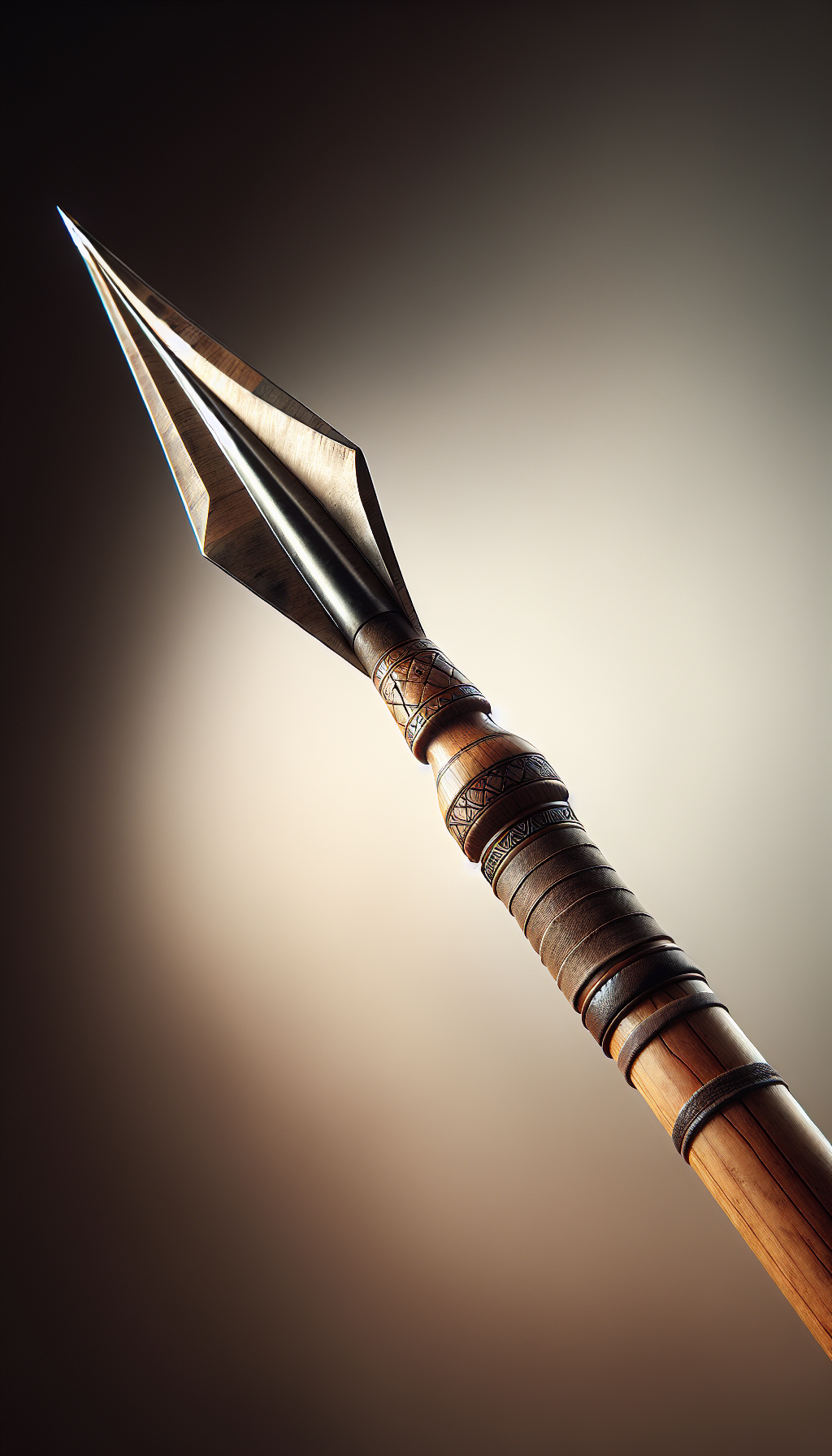
Tuchang (Thrown Spear)
Thrown Spear · Versatile missile weapon — Effective for ranged and close combat
The tuchang is a type of spear designed for throwing at distant targets. Used in both warfare and hunting, it features a lightweight shaft and balanced point for easy throwing. Widely employed from ancient to medieval times.
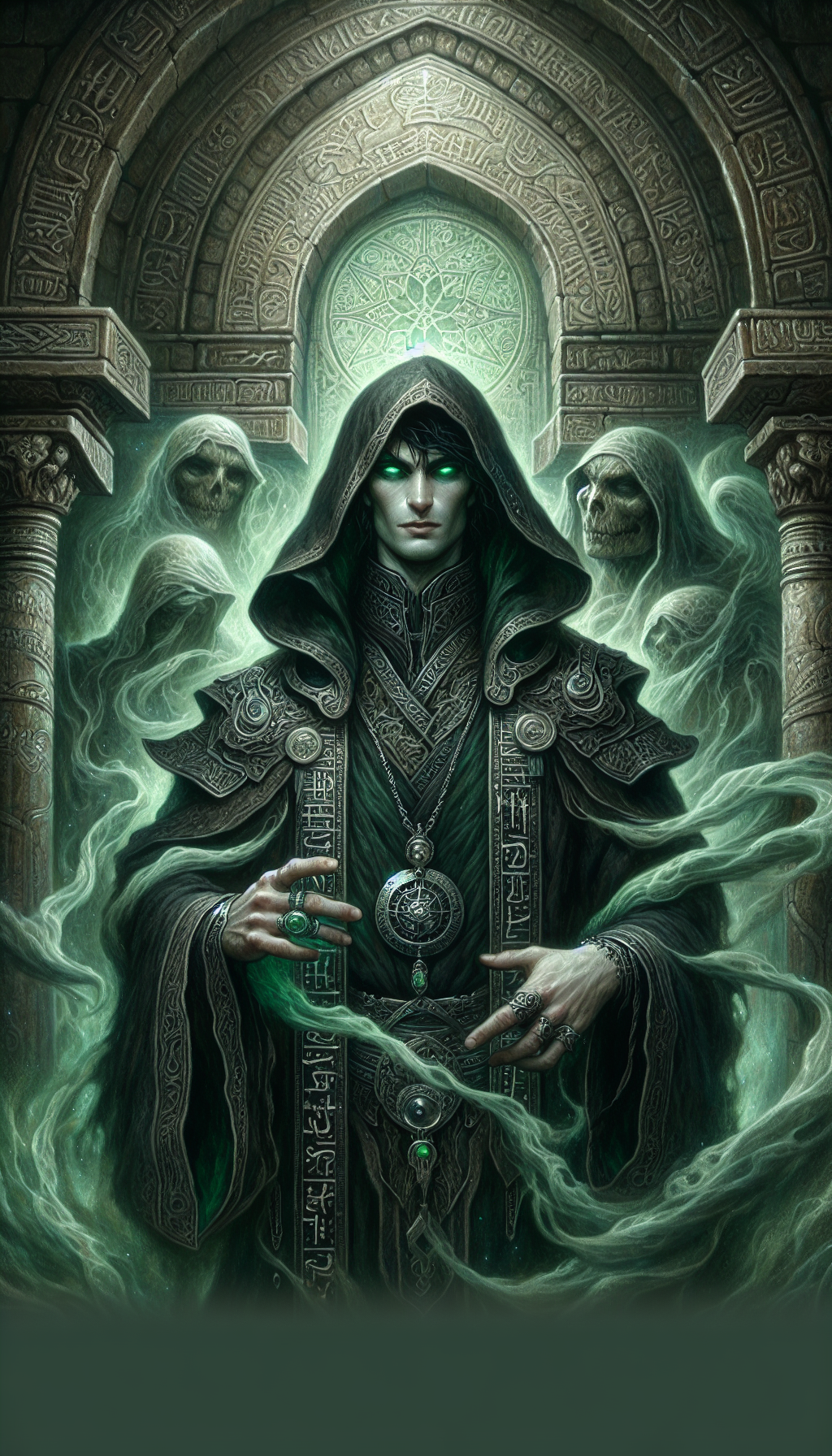
Necromancer
降靈術師 · Necromancer — A forbidden mage who controls death
A forbidden magical class that raises spirits of the dead or controls corpses for combat. Classified as illegal in most nations, but the power of necromancy surpasses all other magic. The most terrifying magical class capable of unlimited force replenishment.
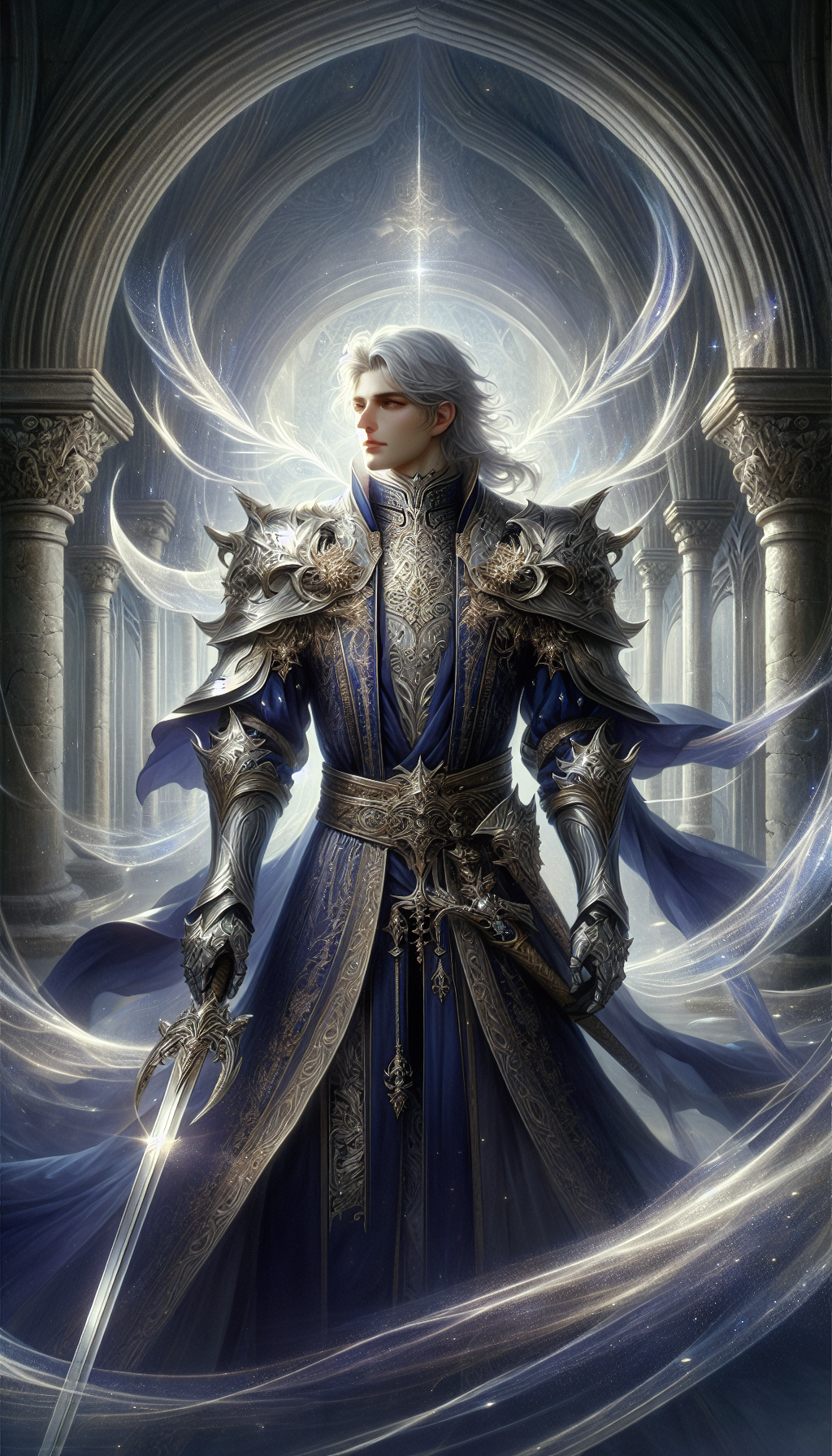
Sword Saint
劍聖 · Sword Saint — A legendary realm reached at the absolute limit of swordsmanship
The highest-tier combat class that has honed swordsmanship to its extreme, freely wielding sword qi (劍氣) and sword aura (劍罡). Without using any magic, they unleash mage-level attacks through pure sword energy alone, earning the title of living legend. An incredibly rare attainment — only one or two exist in any given era.
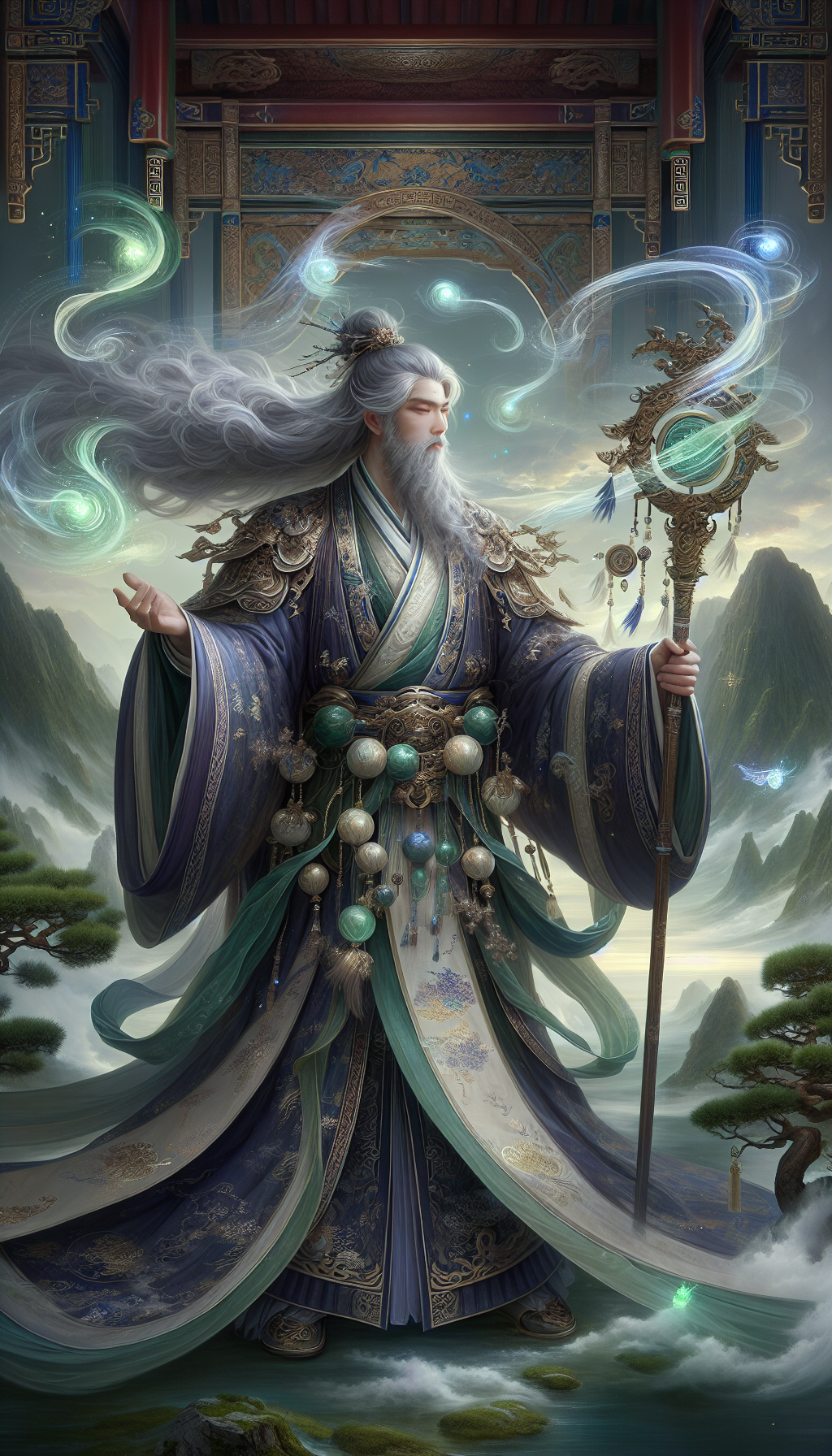
Taoist
道士 · Taoist — An Eastern sorcerer who commands the world through the principles of the Tao
The core magical class of Eastern fantasy, wielding talismans, Taoist arts, and celestial techniques based on the principles of Taoism (道敎). Where Western mages wield magic through theory and formulas, the Taoist grasps the natural order through the body and expresses it through Taoist arts. They train with the ultimate goal of immortality and transcendence (羽化登仙).
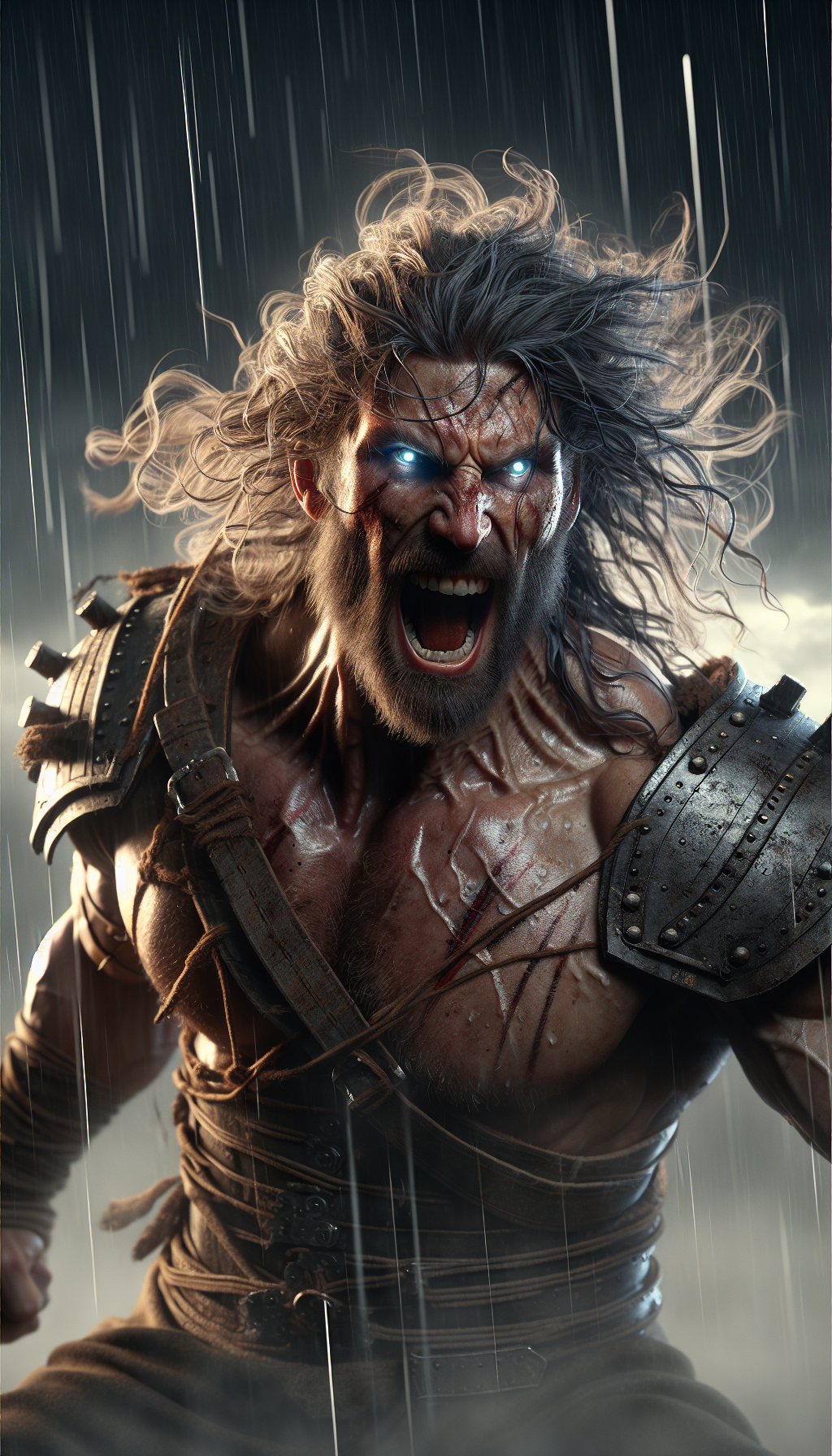
Berserker
狂戰士 · Berserker — The frenzied warrior who surpasses limits through rage
A combat class that abandons reason during battle to enter an instinctive rage state (Frenzy), unleashing explosive attack power. Ignoring defense and focusing purely on offense, in the frenzied state they may lose the ability to distinguish friend from foe. Originates from the Norse mythological berserker warriors.
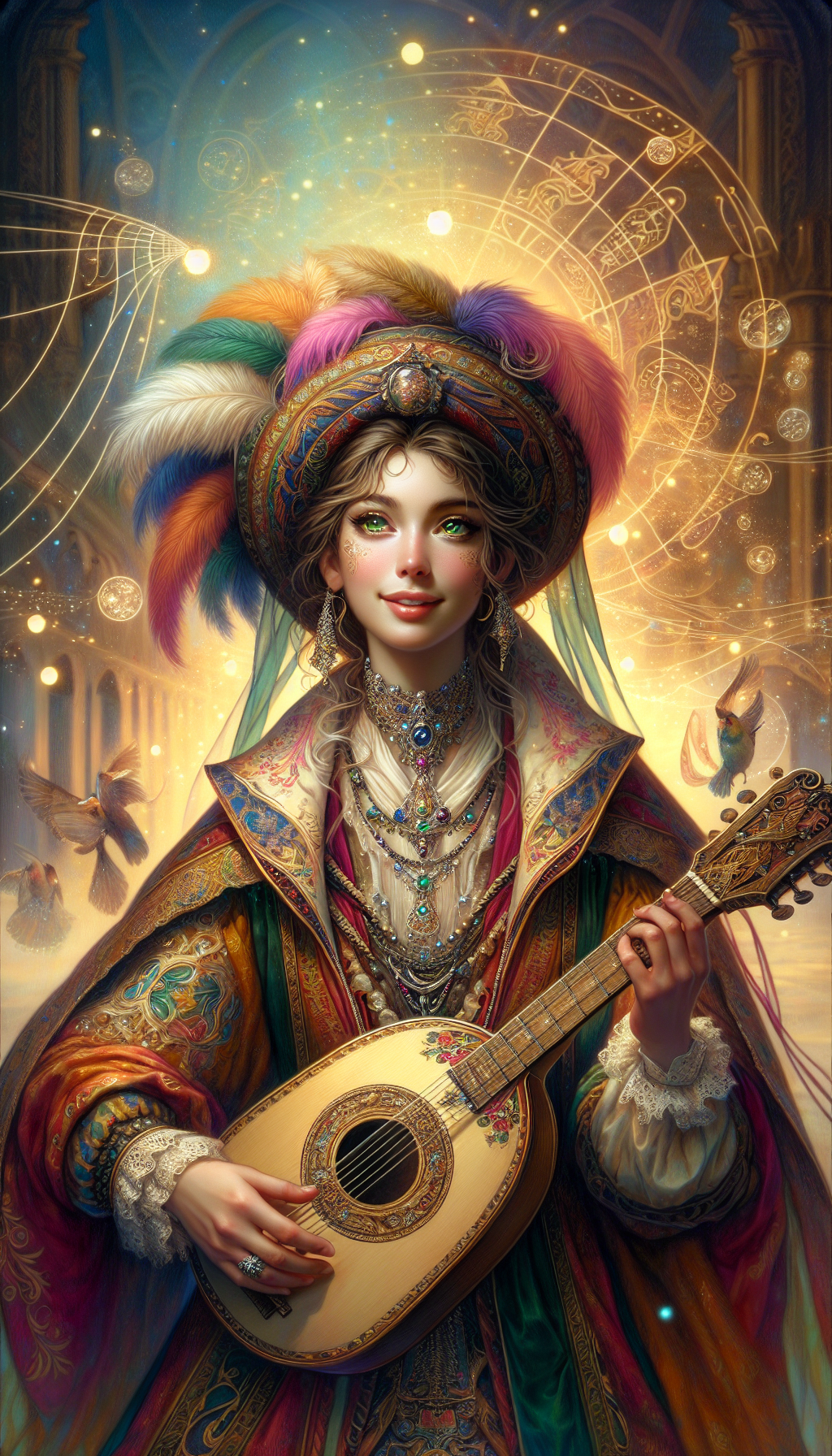
Bard
吟遊詩人 · Bard — A wandering artist who changes the world with song and story
A unique class that channels magic through music, poetry, and stories to influence those around them. In combat, they buff the entire party through performance or charm and confuse enemies. Welcomed everywhere in the world, they are an invaluable source of information, witnesses to history, and the ones who create legends.

Illusionist
幻術師 · Illusionist — A mage who erases the boundary between reality and illusion
A magical class that creates hallucinations and illusions to manipulate enemy perception. Rather than dealing direct damage, they are specialists in indirect combat — making enemies attack themselves, concealing allies, or turning the space itself into a labyrinth. Because the magic acts directly on the brain, it is difficult to resist.
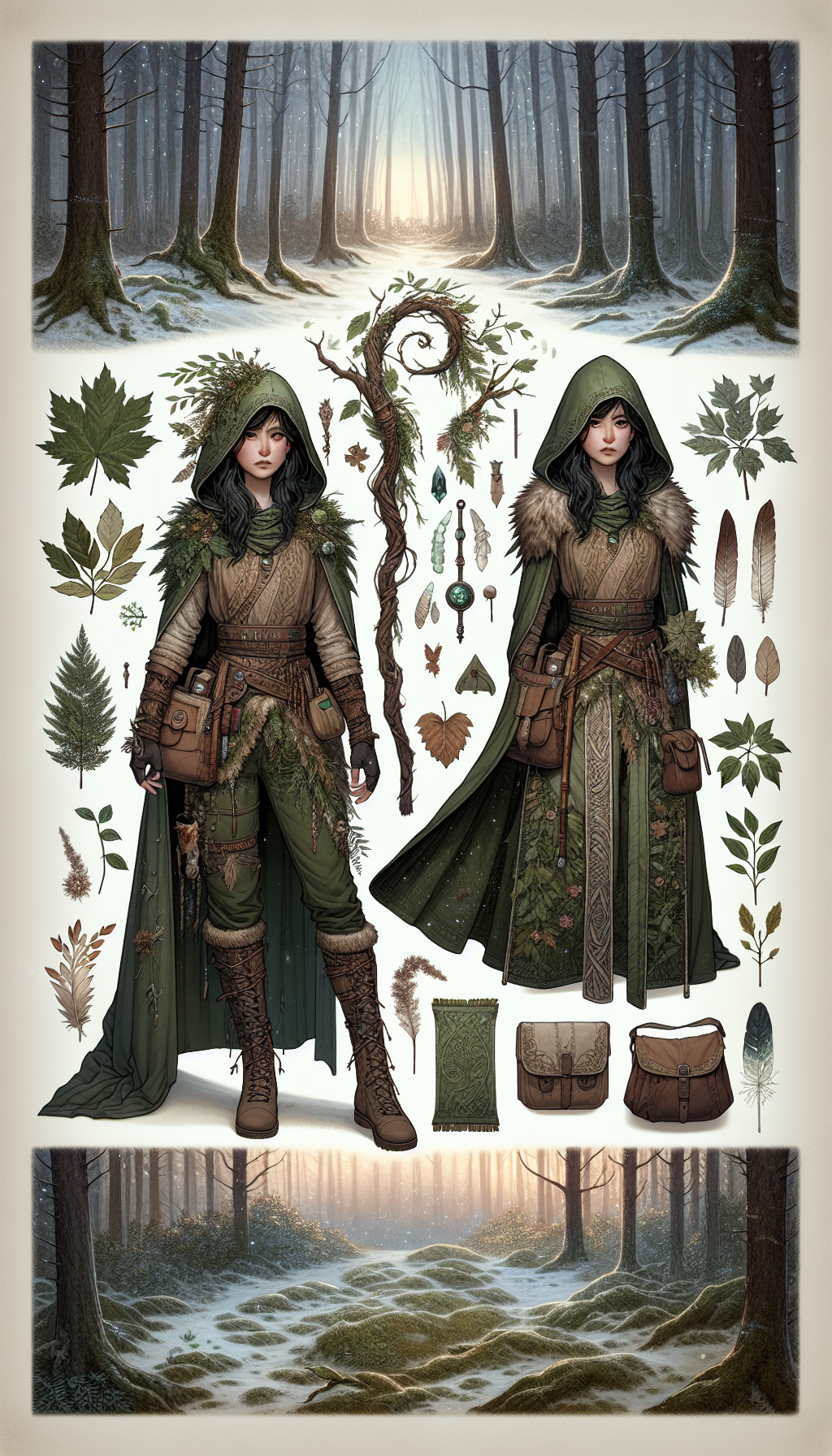
Ranger
遊擊手 · Ranger — A tracker who has become one with the wild
A class that integrates survival, tracking, and combat across natural environments such as forests, wastelands, and snowfields. A hybrid class combining the archer's ranged abilities with nature magic, animal empathy, and trap-setting. The strongest existence outside of civilization.
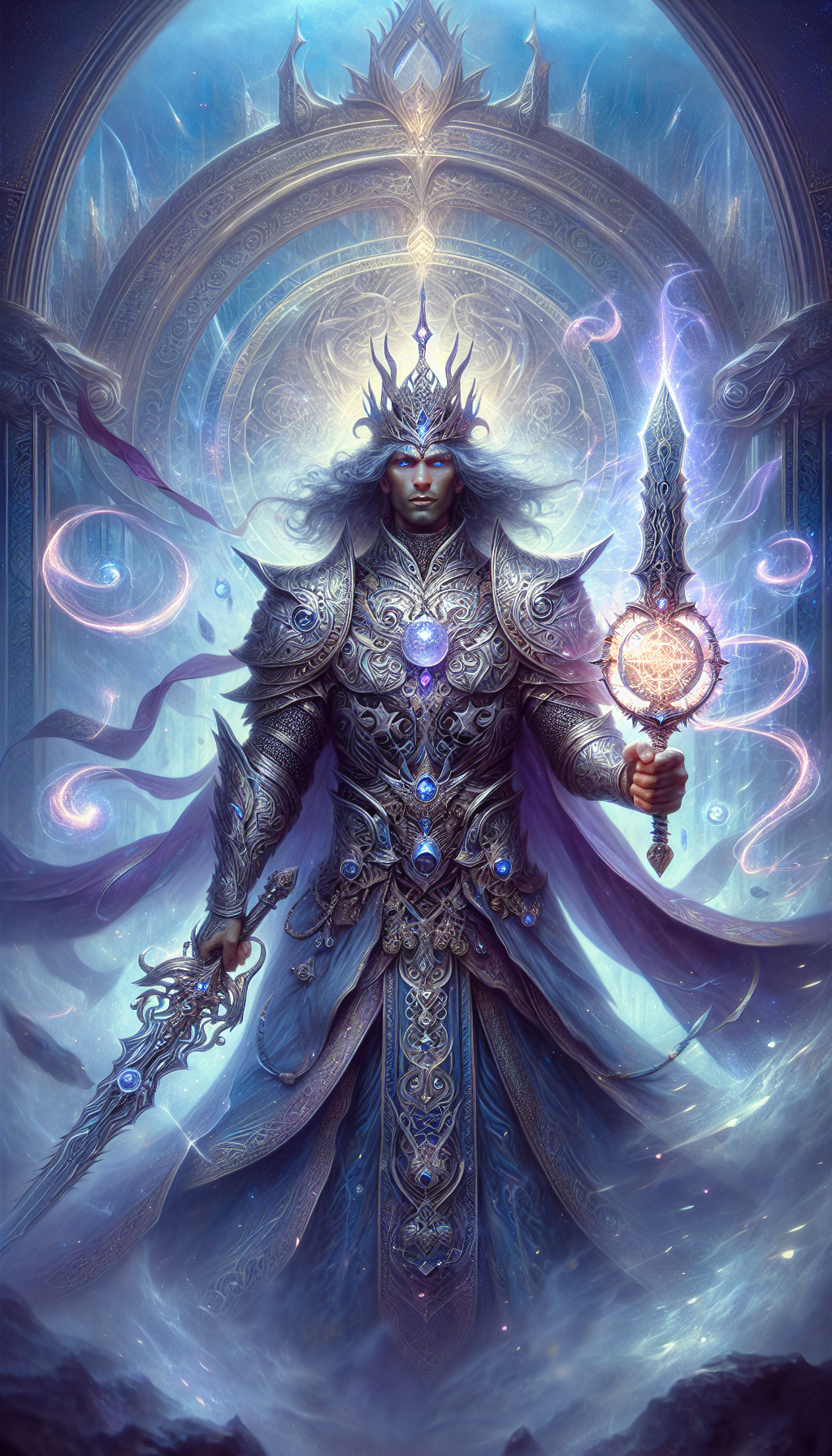
Magic Swordsman
魔劍士 · Magic Swordsman — A rare dual expert who channels magic through the blade
A rare class that has mastered both swordcraft and magic simultaneously. Characterized by infusing magic into the blade for elemental attacks or fighting while maintaining magical barriers. Requires significant proficiency in both magic and swordsmanship, making it extremely difficult to master.
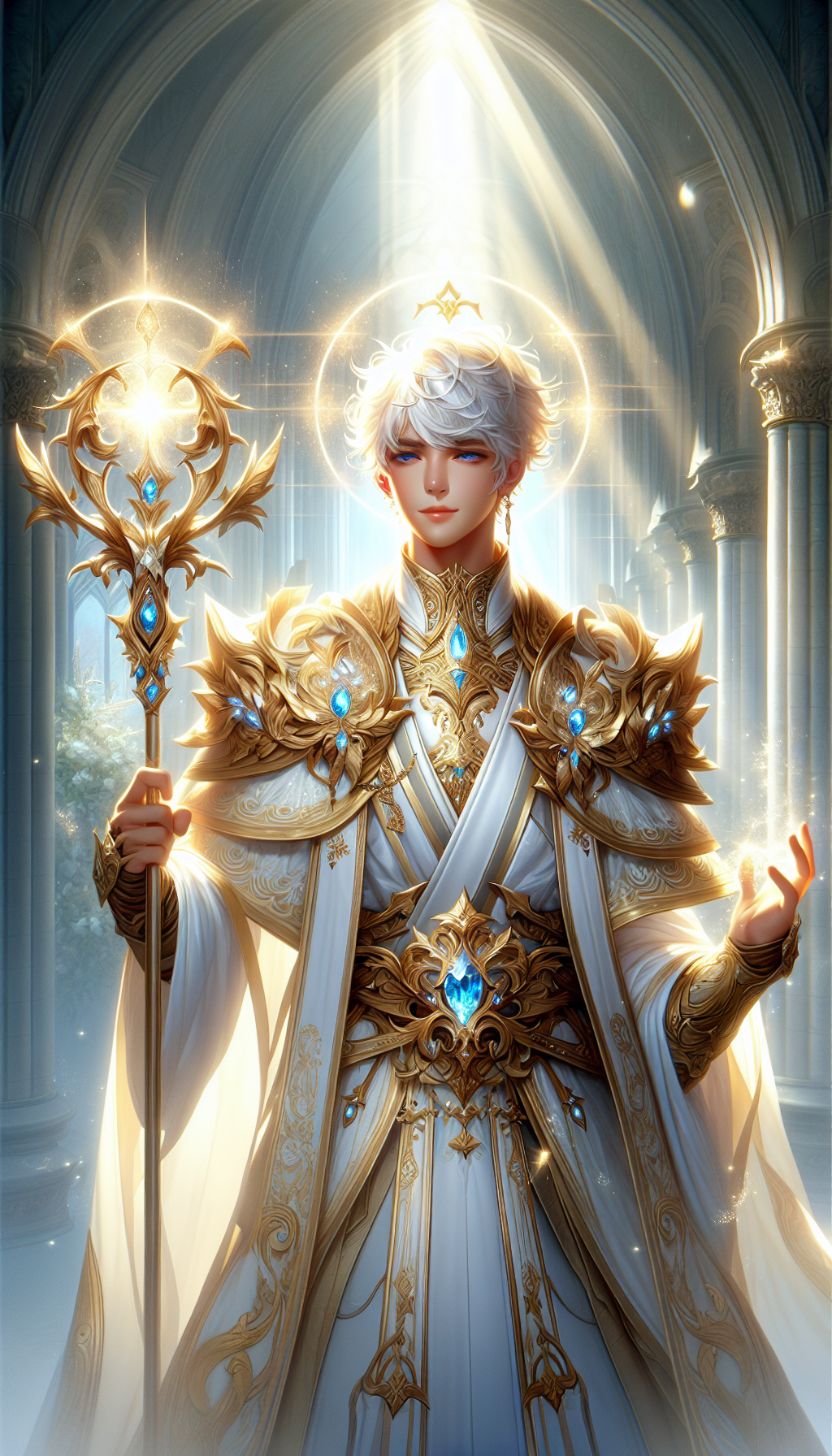
Paladin
聖騎士 · Paladin — A warrior of light blessed by divine grace
A hybrid class that simultaneously wields holy magic and melee combat. Combining the warrior's combat power with the cleric's healing and holy magic, the paladin fills the most versatile role in any party. They value justice, faith, and oaths — breaking an oath can transform them into a 'Fallen Paladin' who loses divine abilities.
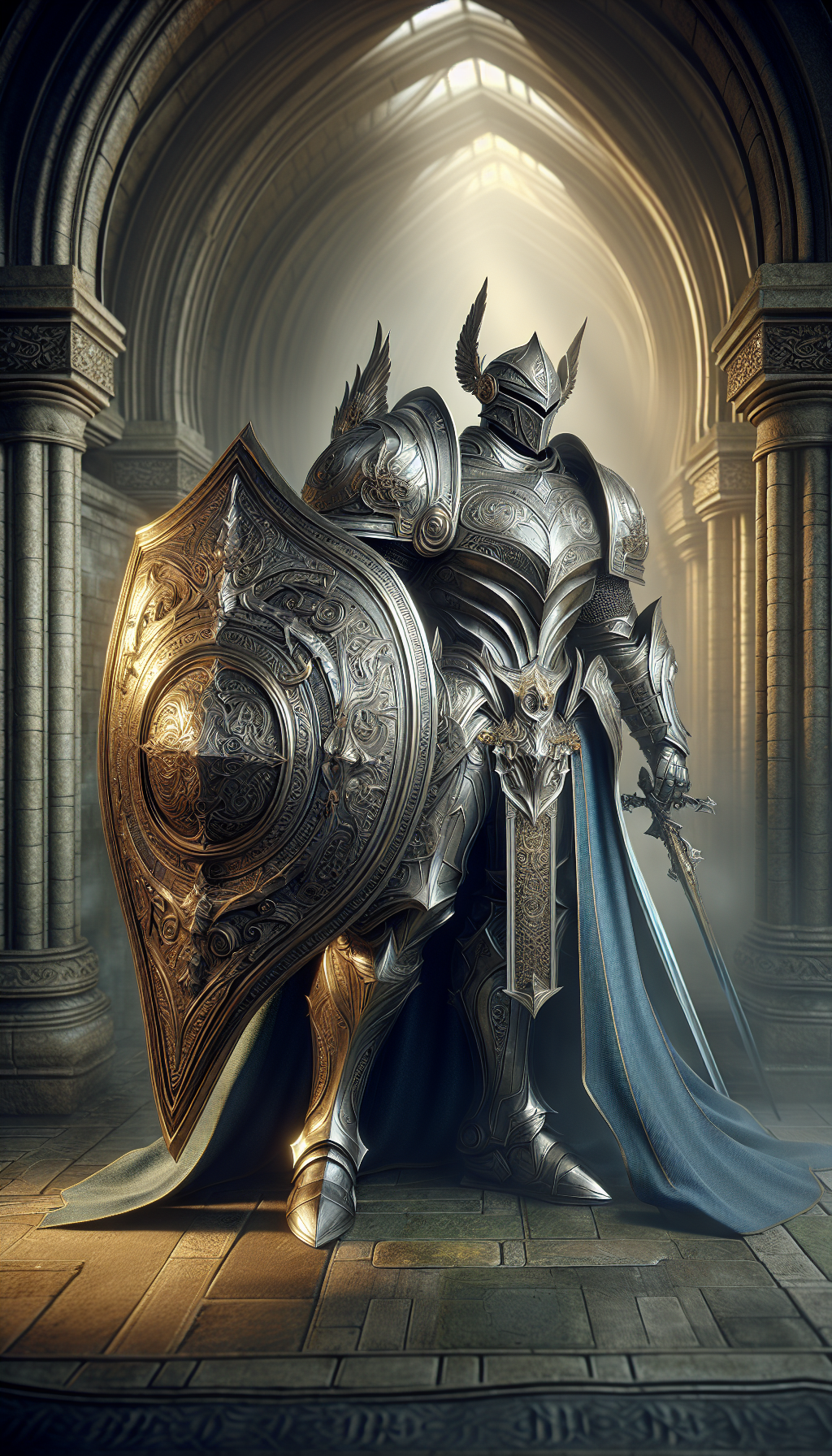
Guardian
守護者 · Guardian — An iron wall that holds back the world with a single shield
A combat class completely specialized in defense and party protection. While low on attack power, their unmatched defense and threat-generation ability allows them to absorb any enemy attack and shield their allies. Shield counters and guard-parries — converting defense into offense — are their signature techniques.
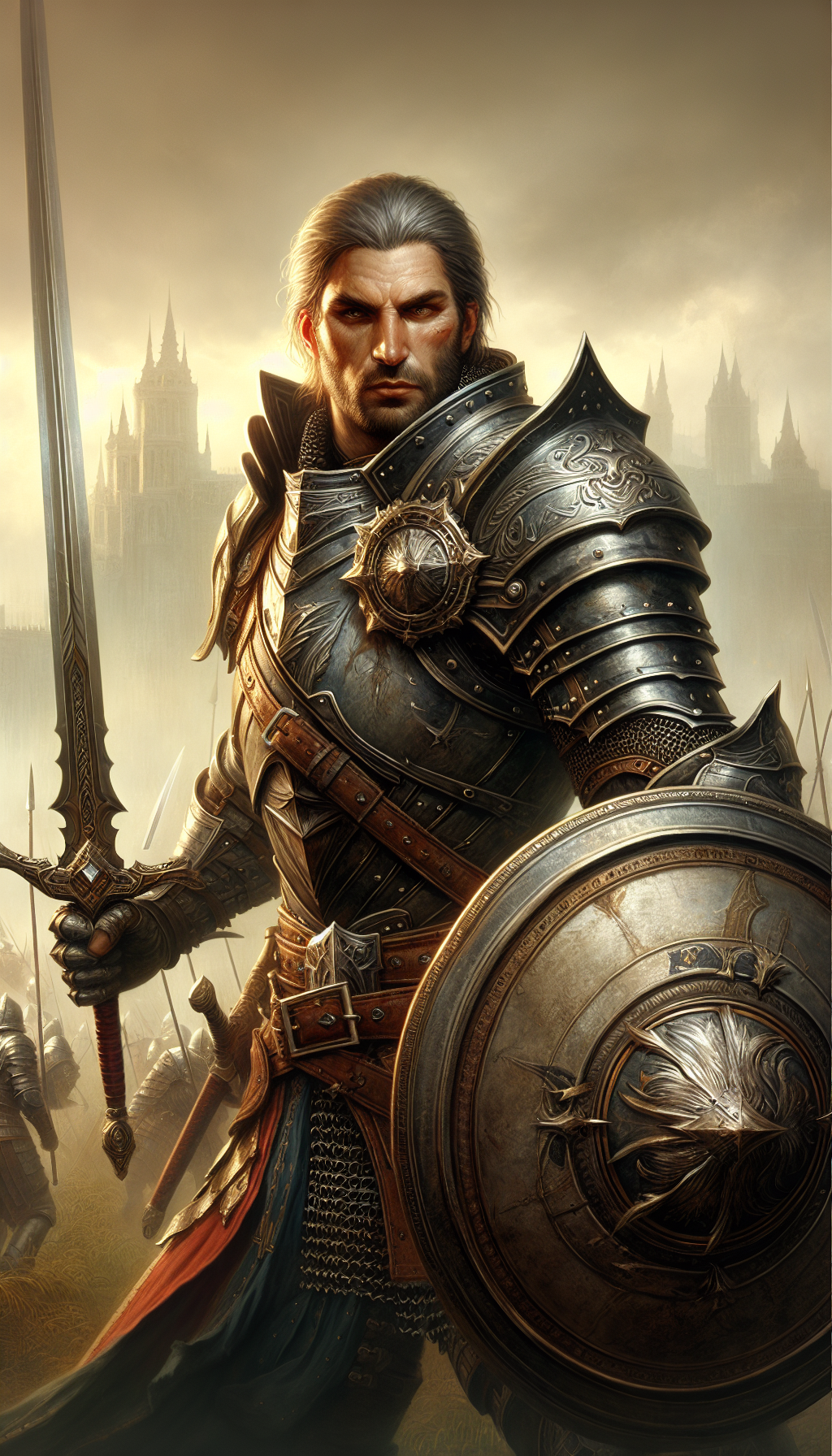
Warrior
戰士 · Warrior — The foundational melee combat class fighting with strength and endurance
The most fundamental combat class, engaging in close-quarters battle using physical weapons such as swords, axes, and blunt weapons. Known for high HP and defense, the warrior stands at the vanguard of any party. Depending on specialization, they branch into defensive (tank) or offensive (DPS) builds.
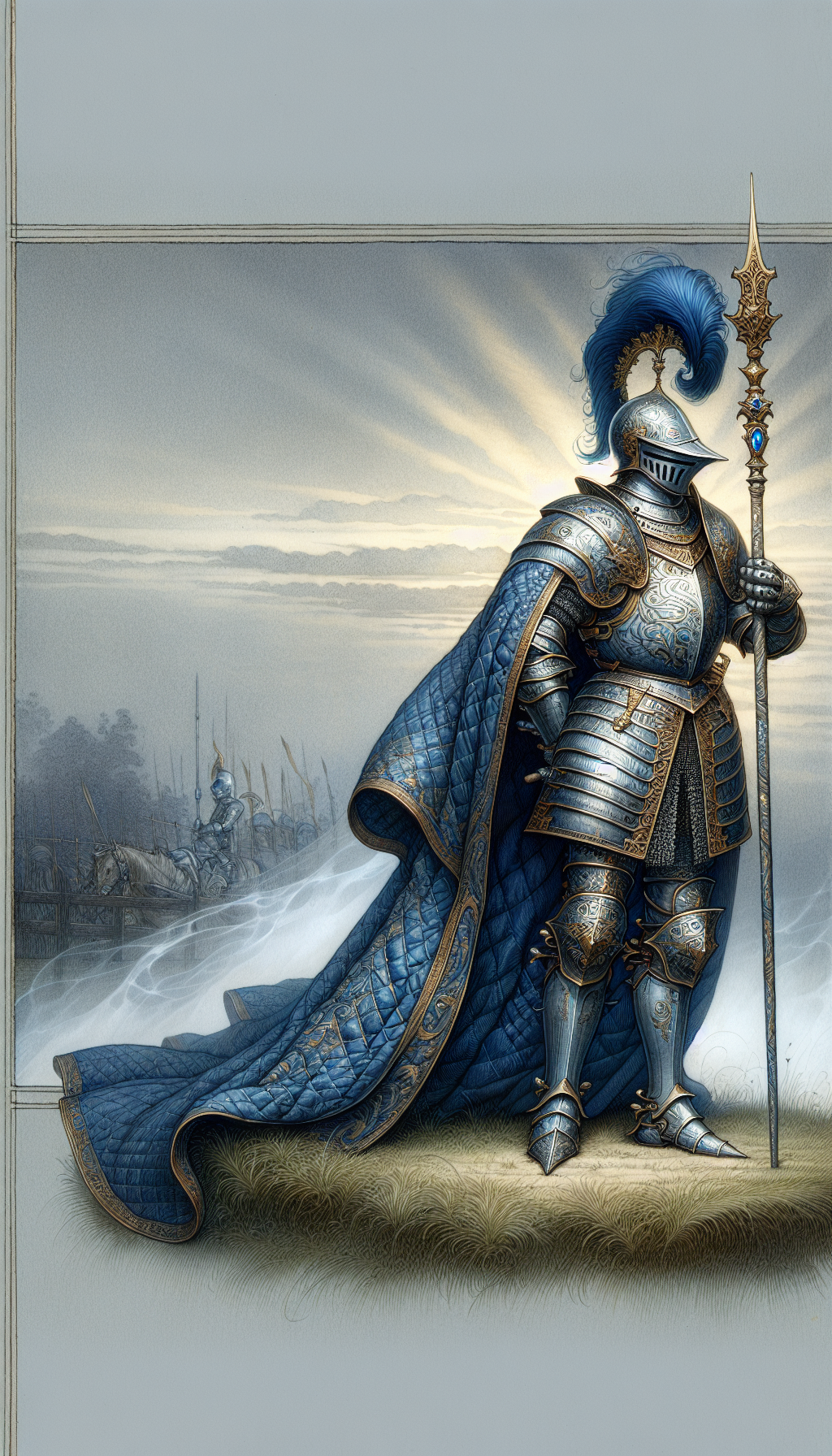
Lancer
槍騎士 · Lancer — A specialist in charges and piercing strikes
A combat class specializing in lances and mounted combat. The piercing force generated by a mounted charge can penetrate any armor, and the long reach allows precise targeting of large enemies' vital points. Lancers specializing in dragon hunting are sometimes called 'Dragon Slayers'.
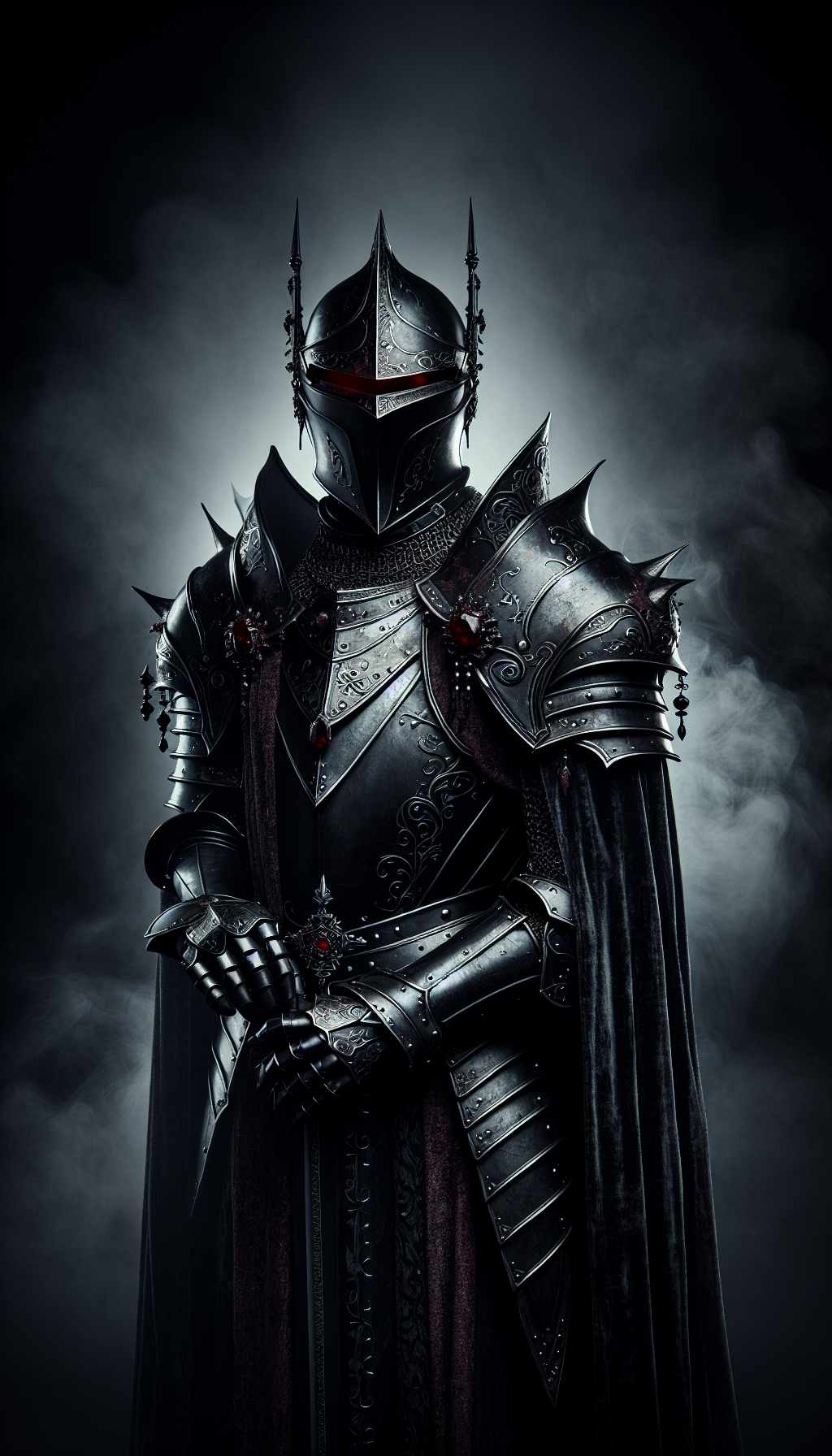
Dark Knight
暗黑騎士 · Dark Knight — A fallen warrior bound to darkness
A class combining the power of darkness with melee combat. The antithesis of the paladin, they consume their own life force to wield powerful dark magic. Known for overwhelming attack power and the ability to inflict fear, but as a price, they carry a curse that endlessly devours their own vitality.
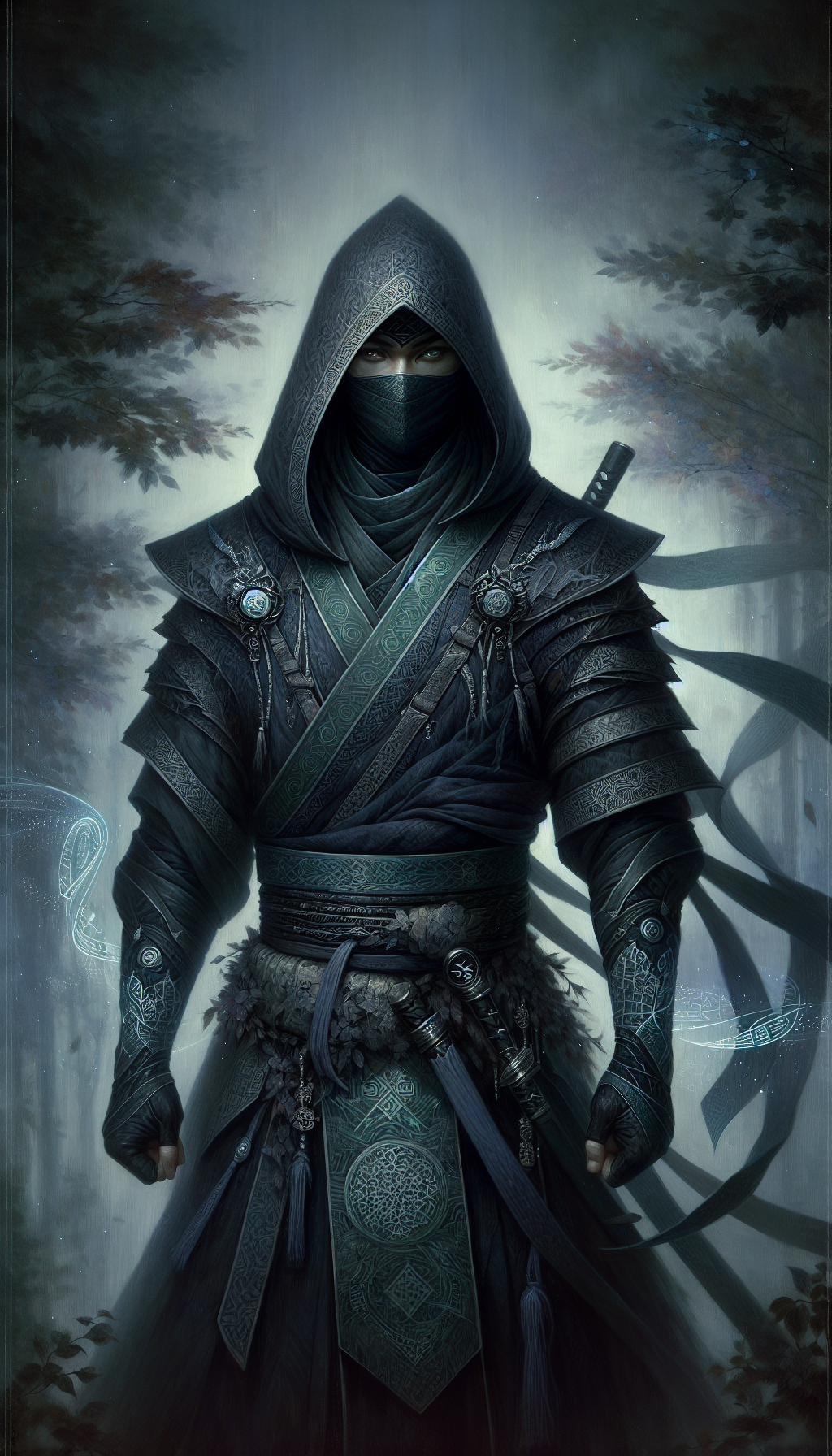
Ninja
忍者 · Ninja — A Japanese espionage warrior who fights through darkness and deception
A class specializing in espionage, infiltration, and assassination developed in Japan's Warring States period. Distinguished by adding ninjutsu (忍術), a unique magical skill set, to the rogue's and assassin's techniques. They wield various ninjutsu such as Shadow Clone Technique, Fire Escape Technique, and Transformation Technique. Unlike Western assassins, ninjas are often affiliated with an organization (a ninja clan or ninjutsu group).
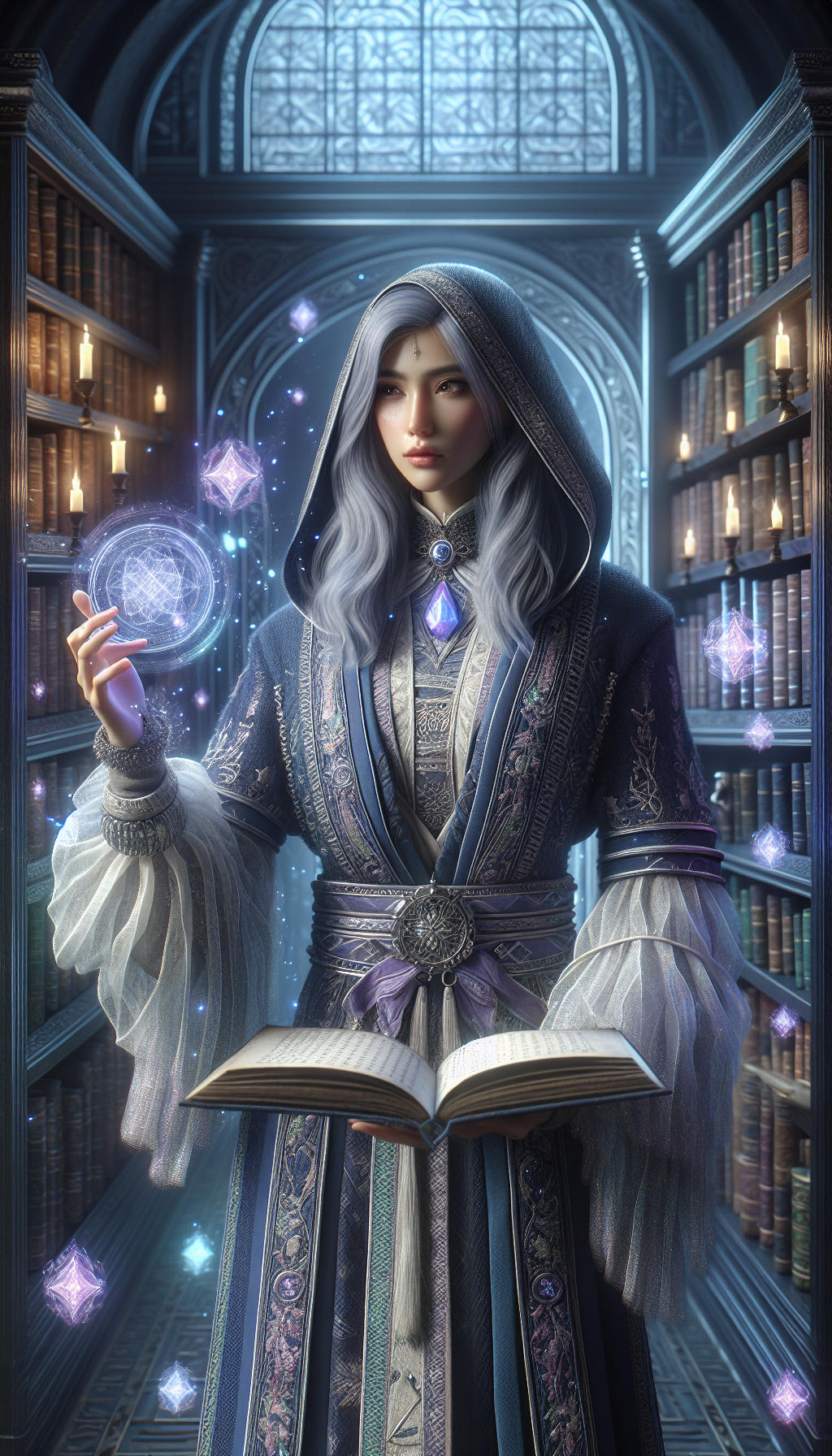
Mage
魔法師 · Mage / Wizard — A knowledge specialist who probes the principles of magic
The most fundamental magic class that studies magical theory and memorizes spells to wield magic. Specializes in powerful long-range attack magic, and branches into various advanced classes depending on specialty (elemental, summoning, binding, time, etc.). The lowest HP among all classes, offset by possessing the greatest magical firepower.
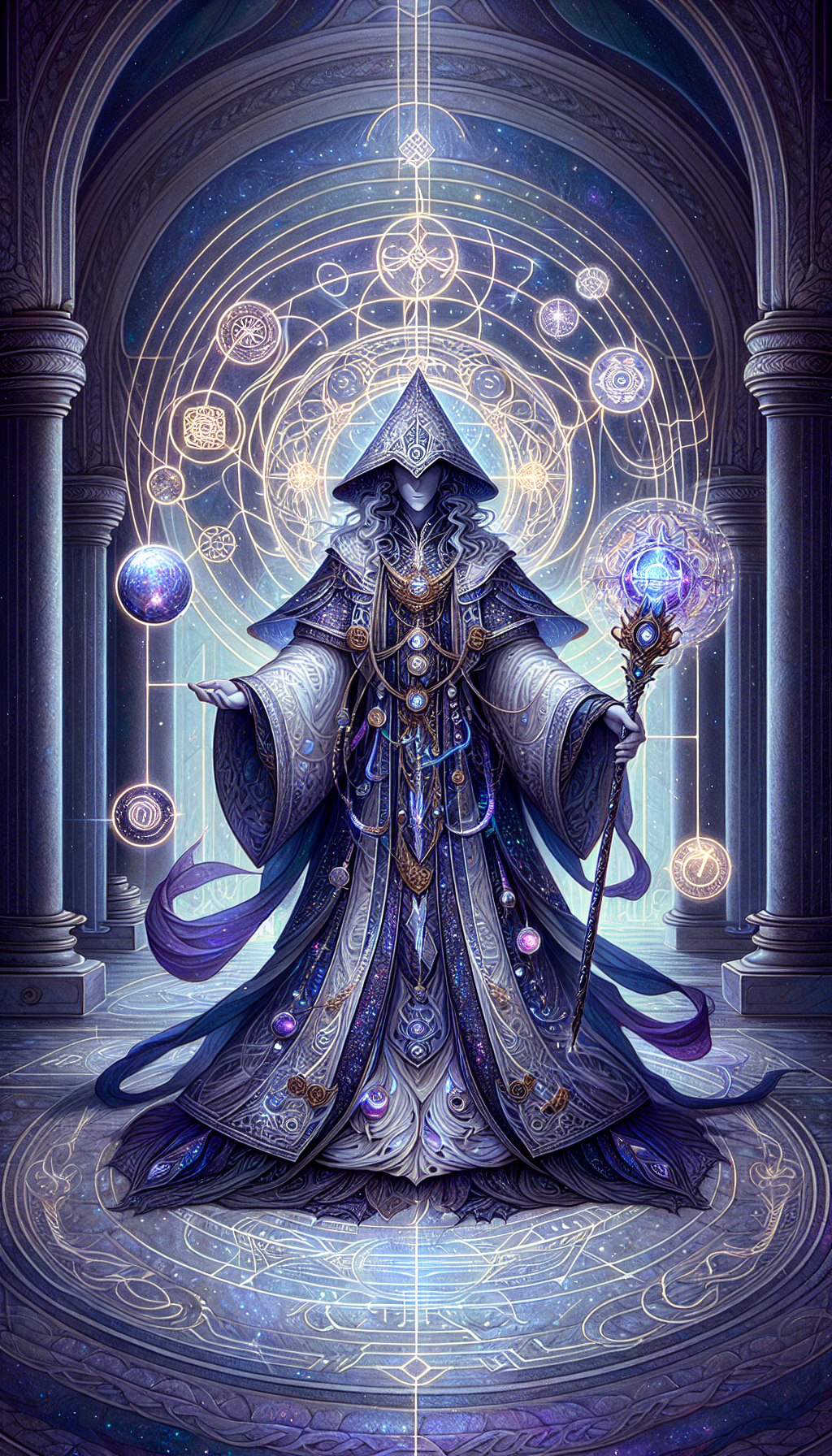
Sealer
封印師 · Sealer — A guardian of balance who seals danger and confines power
A magical class specializing in sealing powerful magical beasts, gods, curses, and forbidden powers. Their main role is neutralization, sealing, and purification rather than attack — an indispensable class when facing extreme entities like demon lords and ancient gods. They can also reverse the process, unleashing sealed power as combat strength.
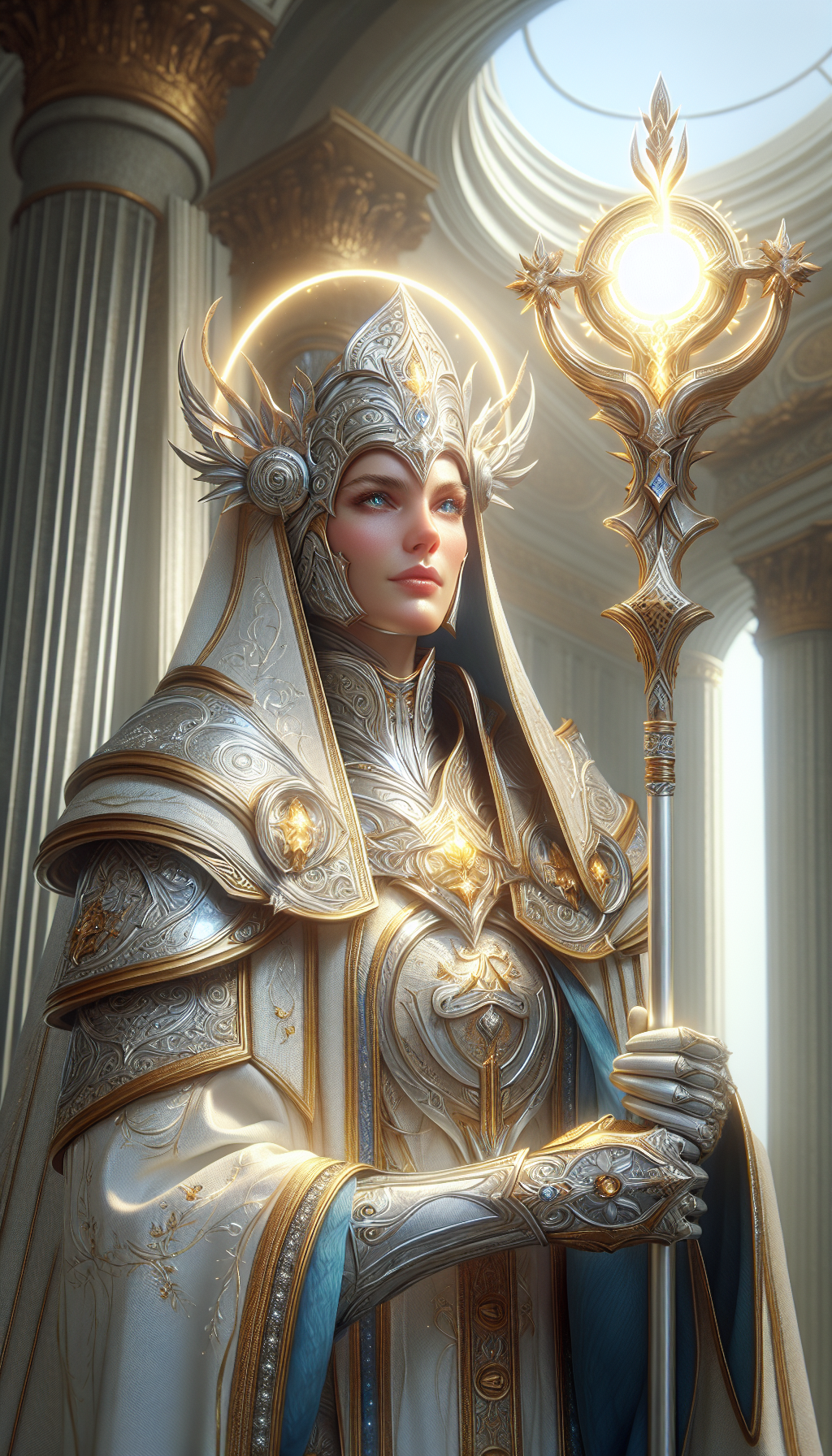
Cleric
聖職者 · Cleric — A battle priest who fights and heals through divine power
A class that prays to a deity and receives holy magic to use in battle. More offensive than a healer, combining holy attack magic and healing into a hybrid combat-support role. Particularly devastating against undead and demons. Combat style and available magic change completely depending on the deity they follow.
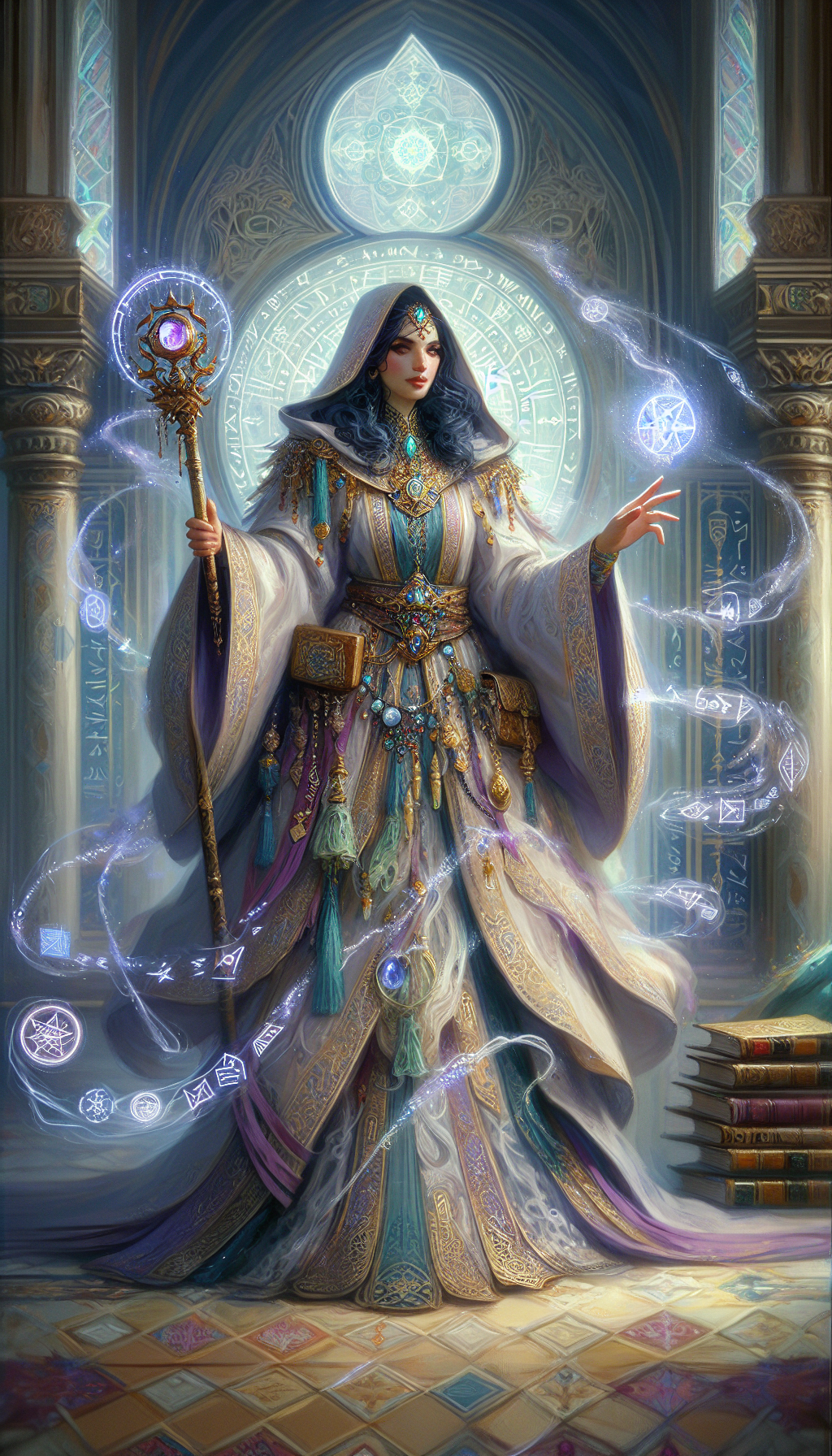
Summoner
召喚士 · Summoner — A commander-type mage who calls forth beings to battle
A magical class that summons beings from other dimensions or nature (spirits, magical beasts, angels, demons, undead spirits, etc.) and deploys them in combat. The summoner commands from the rear while their summons do the fighting. The number and quality of summons directly equals the summoner's combat power.
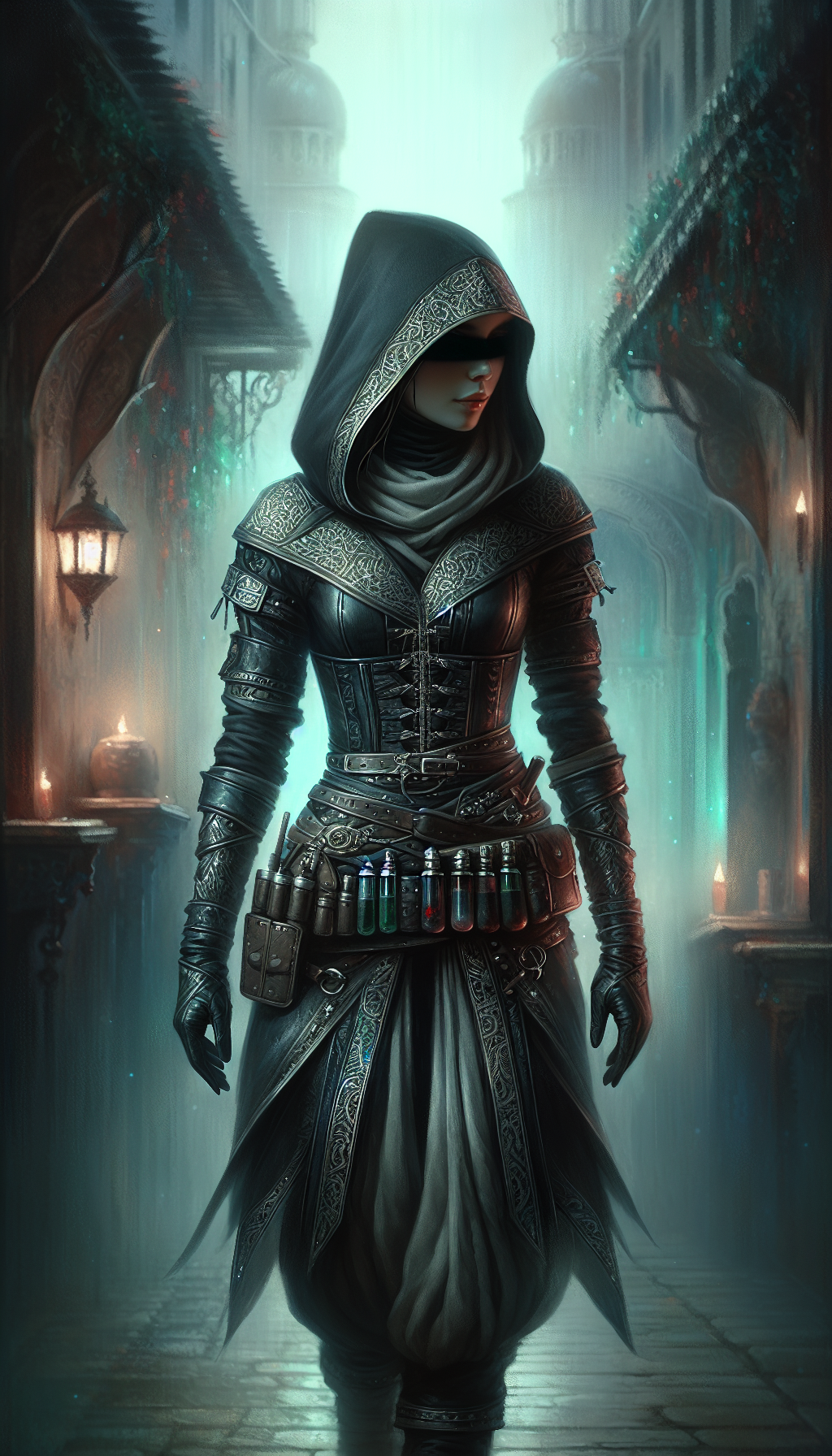
Assassin
暗殺者 · Assassin — A death specialist who finishes it all with a single strike
A class specialized in eliminating targets quietly and with certainty. Built upon the rogue's stealth techniques, adding killing techniques, poisons, anesthetics, and specialized weapons. Exists in every world as a political tool and necessary evil.
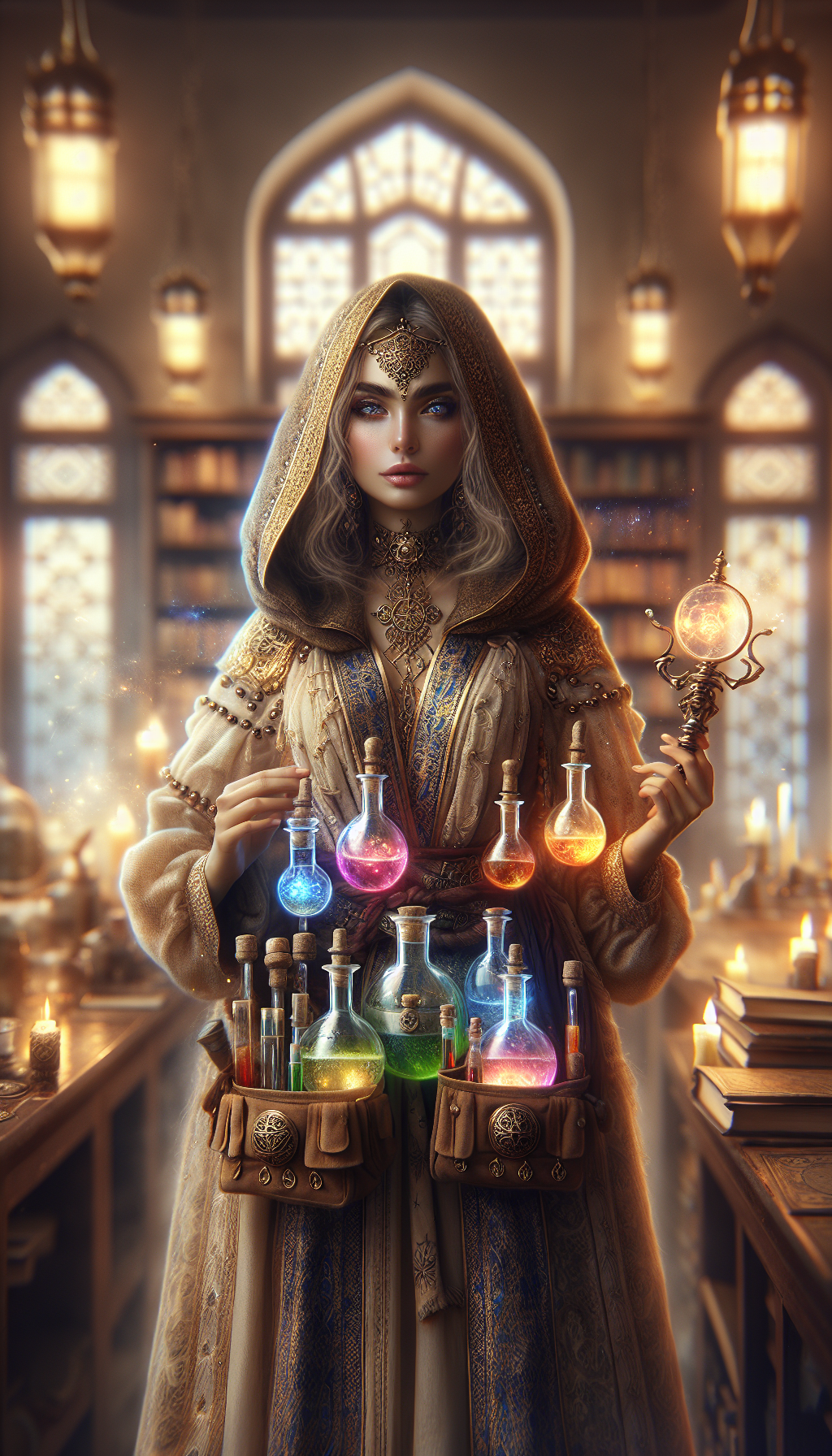
Alchemist
鍊金術師 · Alchemist — The boundary between science and magic who transforms matter
A class that supports combat and daily life through material transformation, medicine crafting, and magical tool creation. Specializes more in crafting and support than combat, though top-tier alchemists can also engage in combat using materials themselves as weapons. The Philosopher's Stone and the pursuit of immortality are the eternal goals of the alchemist.
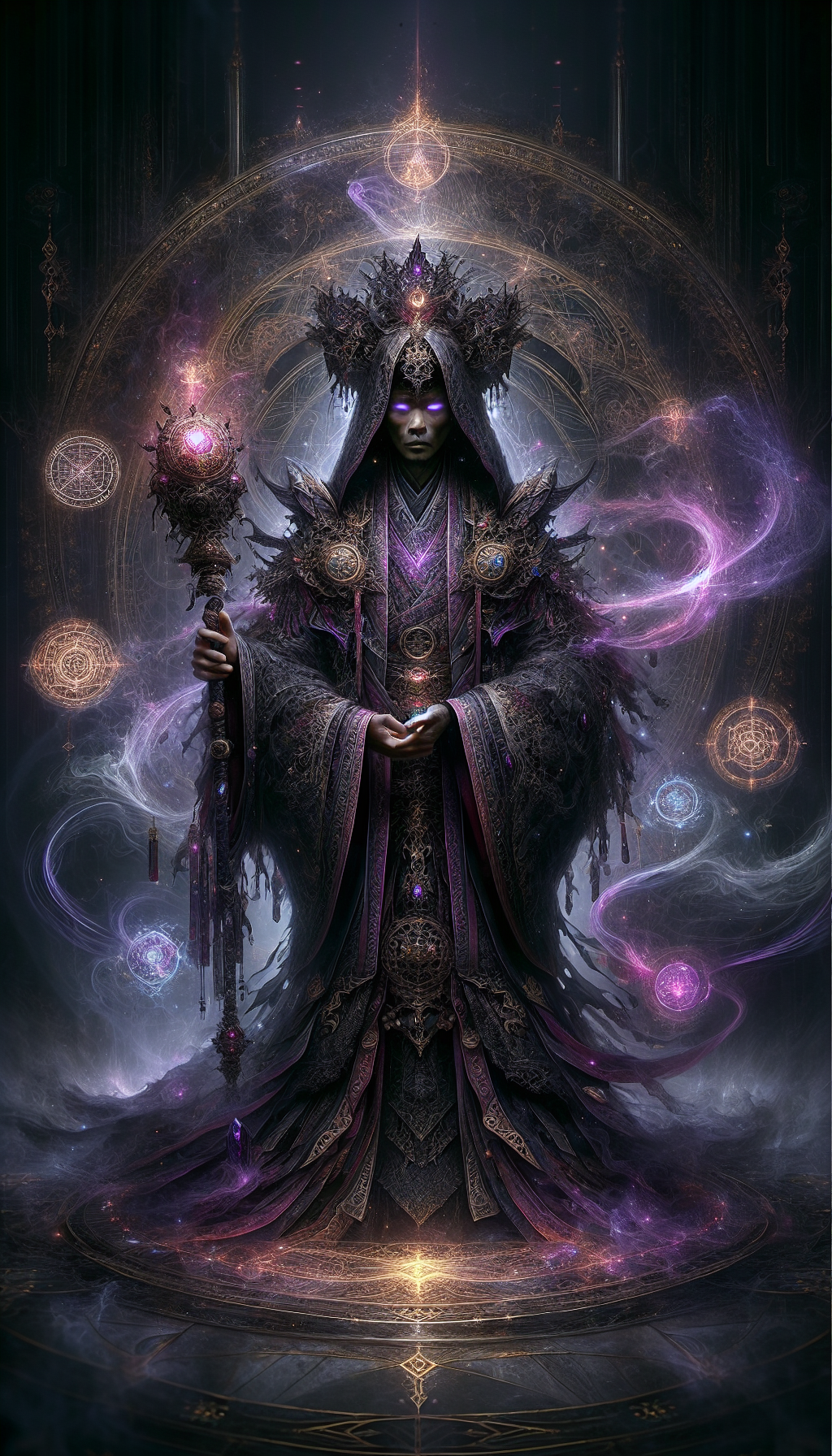
Warlock
術士 · Warlock — A cursed mage who has made a pact with a transcendent being
A class that borrows magical power by making a pact with a transcendent entity such as a demon, ancient god, or spirit. Unlike a mage who studies theory, the warlock receives abilities granted by their patron. The cost of the pact (soul, lifespan, free will, etc.) is always present.
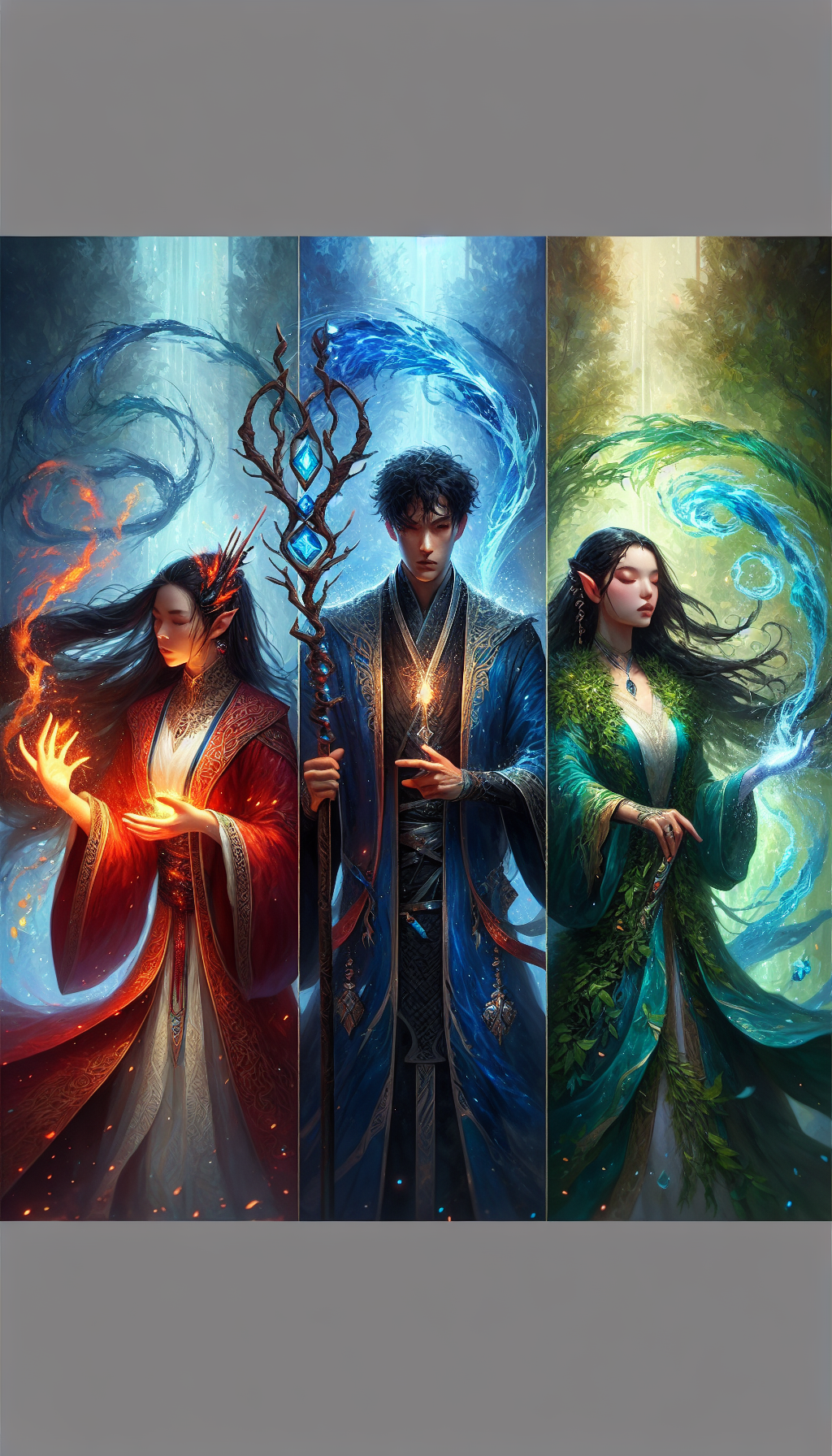
Elementalist
精靈師 · Elementalist — A mage who battles alongside nature's elemental spirits
A magical class that makes contracts with elemental spirits of nature — fire, water, wind, earth, lightning, light, and dark — or directly manipulates the elements themselves. Unlike a summoner, the elementalist forms an equal partnership with spirits, borrowing their power to wield the ultimate magic of that element.
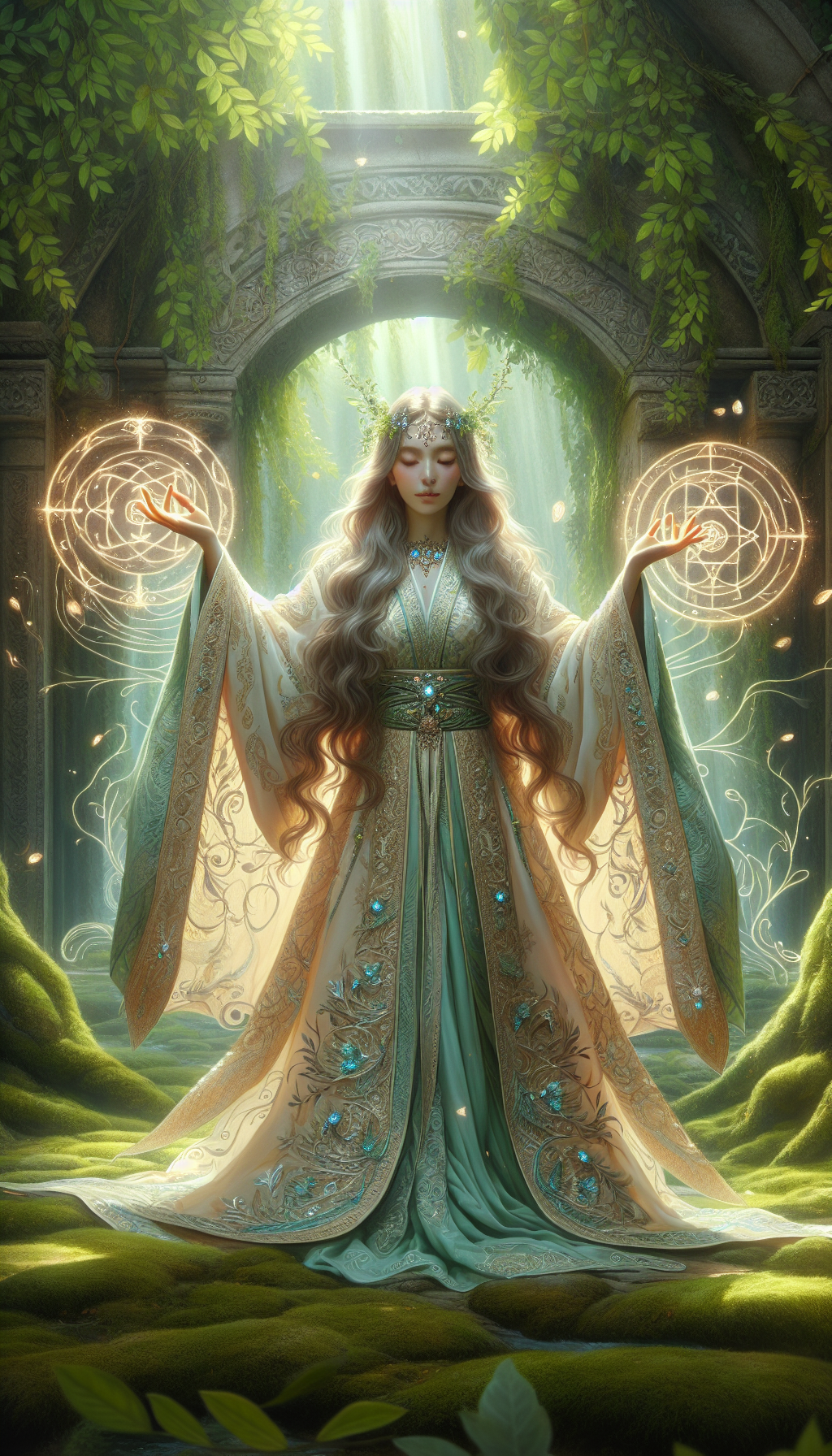
Healer
治癒師 · Healer — The heart of the party who restores life
A class specializing in healing magic. Recovers party members' injuries and removes status ailments, while top-tier healers also possess the ability to resurrect the fallen. Low attack ability, but as long as the party is alive, the battle continues — it is said that with a healer present, you cannot lose.
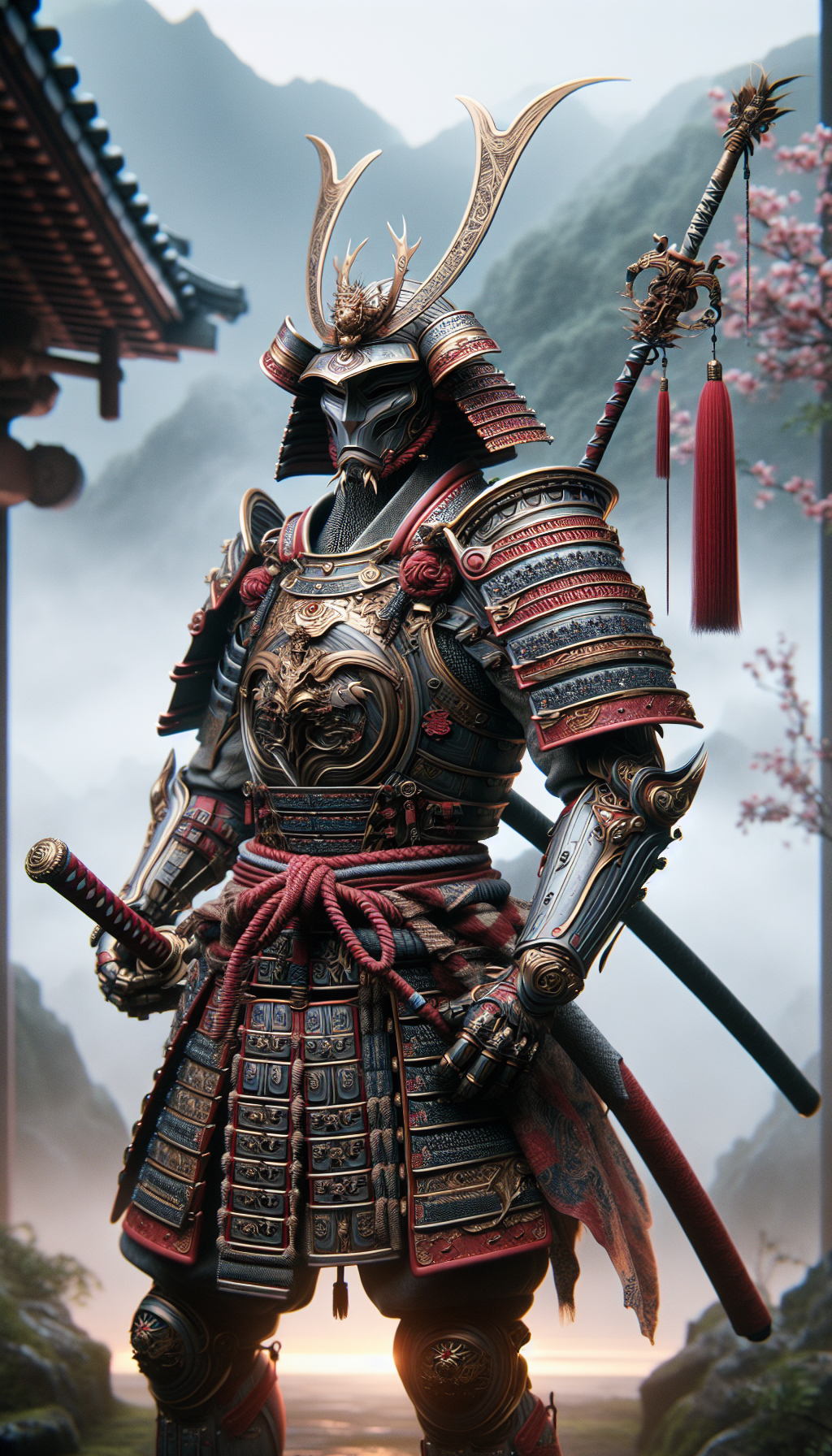
Samurai
武士 · Samurai — A Japanese warrior who unifies martial arts and the Way
A Japanese traditional combat class that trains in swordsmanship, archery, and horsemanship, taking Bushido (武士道) as a life philosophy. Not merely a set of combat techniques, but a complete way of life with honor, loyalty, and self-sacrifice as core values. Because they do not fear death, they paradoxically become the strongest of warriors.
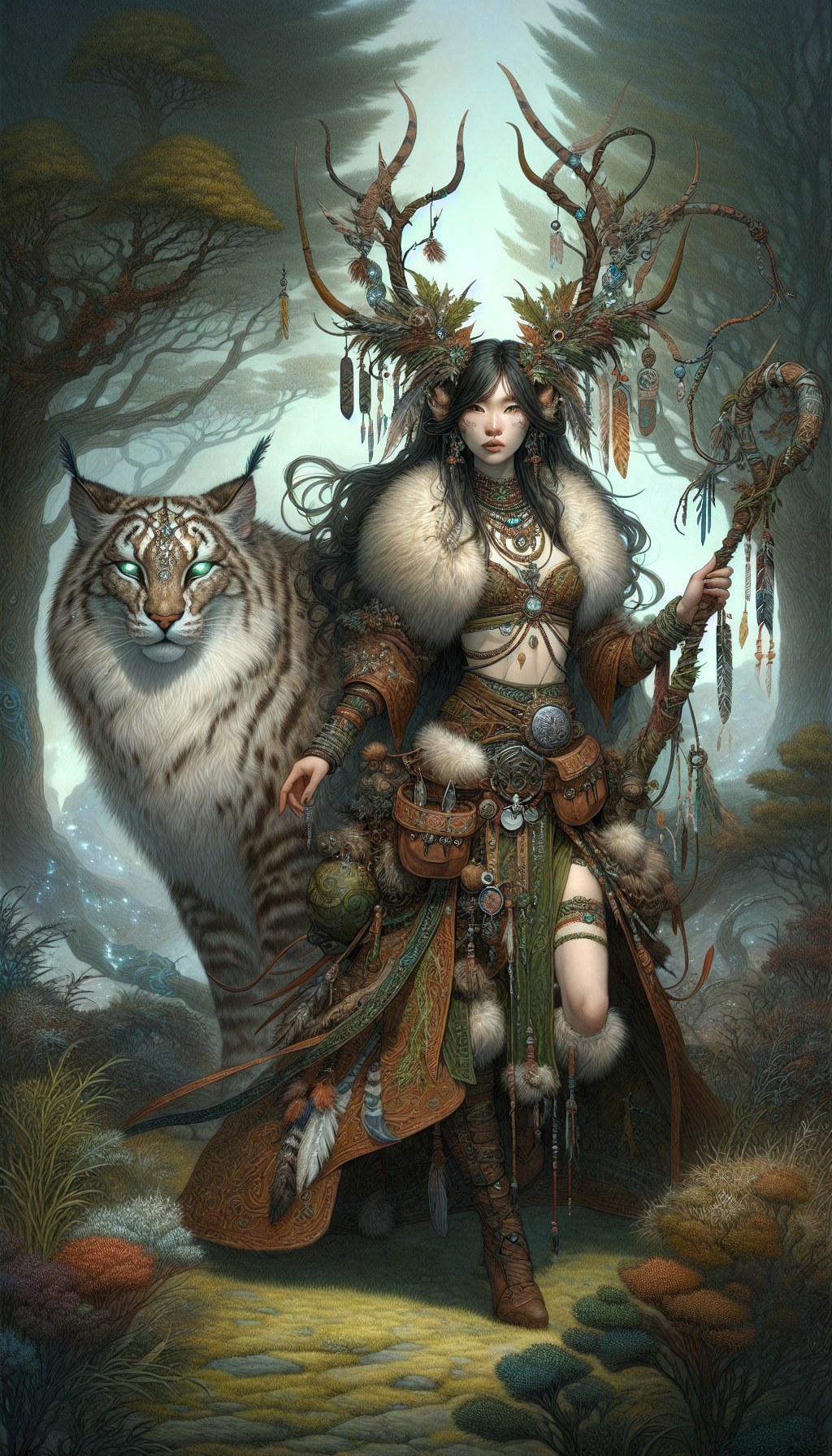
Beast Tamer
野獸調鍊師 · Beast Tamer — One who makes ferocious beasts into companions
A class that tames animals, magical beasts, and monsters to make them combat partners. Where the ranger communes with nature broadly, the beast tamer is intensely specialized in specific animals. Combat style changes completely depending on the type of companion animal.
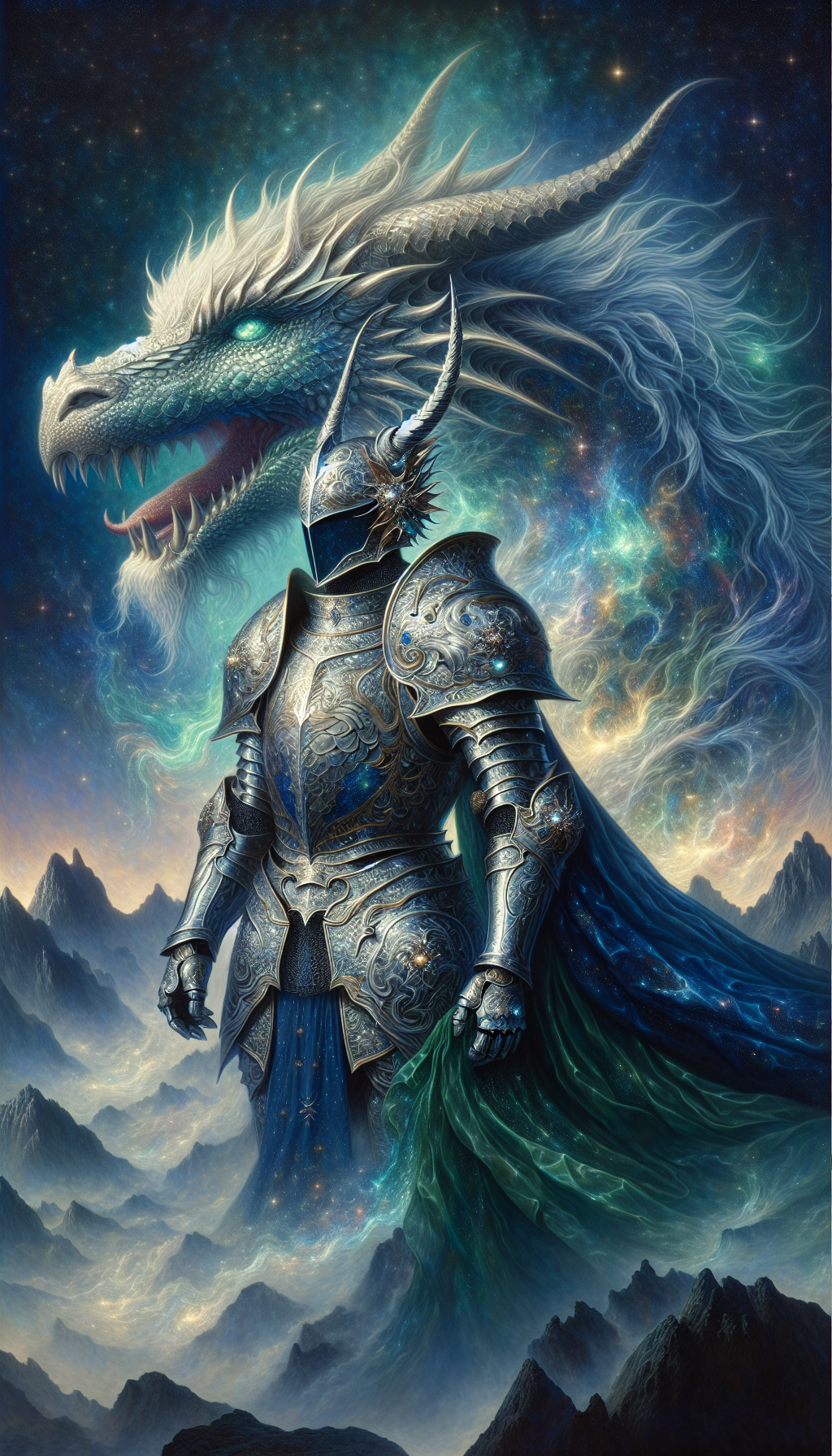
Dragon Knight
龍騎士 · Dragon Knight — A celestial warrior who has made a pact with a dragon
An extremely rare combat class that has formed a contract or bond with a dragon and fights alongside it. Even alone the dragon knight is at the peak of combat strength, but paired with a dragon, no army can stand against them. The bond with the dragon grows stronger the purer the knight's heart.
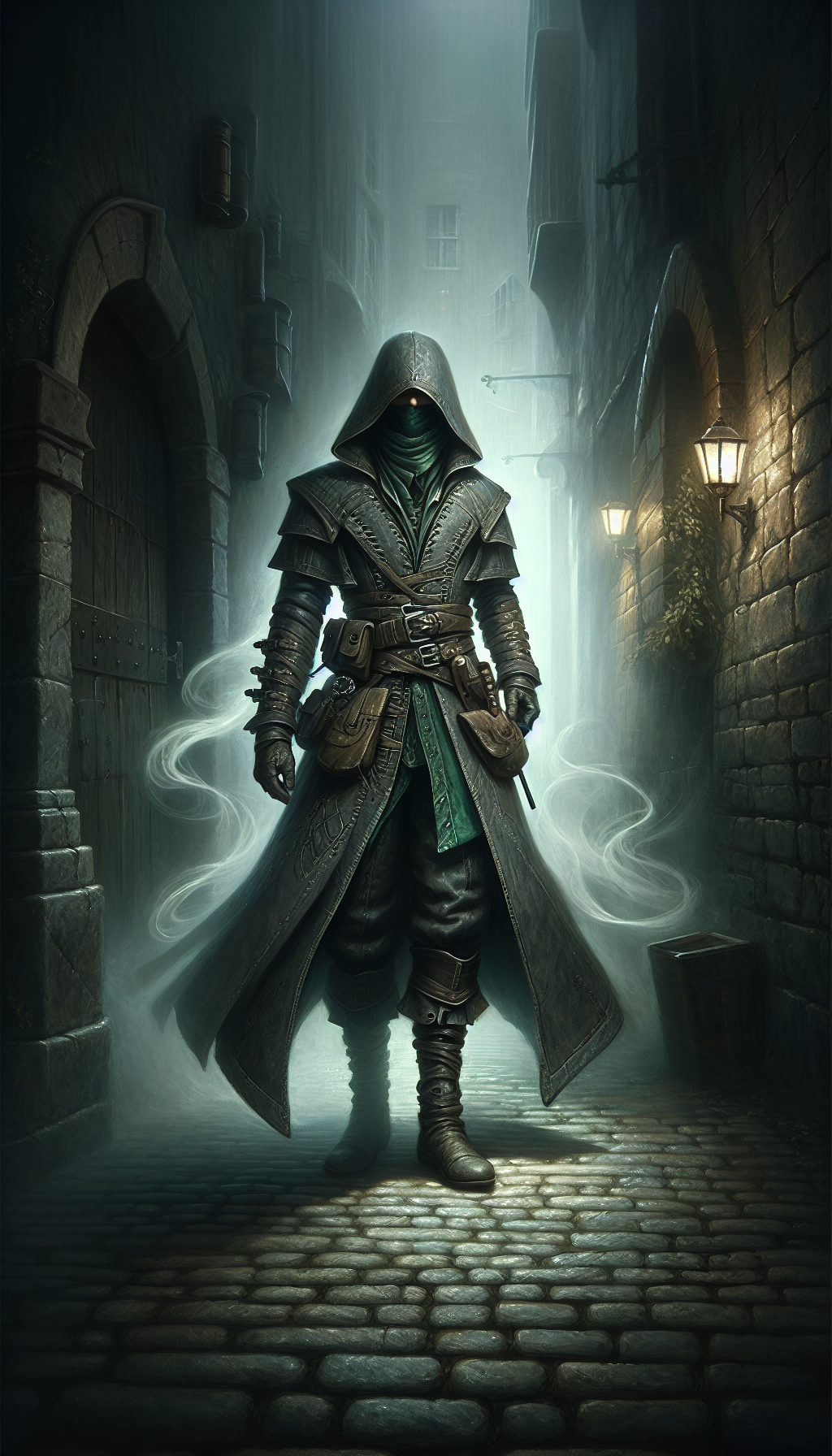
Rogue
盜賊 · Rogue / Thief — A versatile problem-solver who works in the shadows
A class combining non-combat skills like stealth, disarming traps, lockpicking, and pickpocketing with ambush-oriented combat. Prefers combat using ambushes, poisons, and environmental advantages over direct confrontation. The only specialist in a party for scouting, trap disarming, and infiltration.
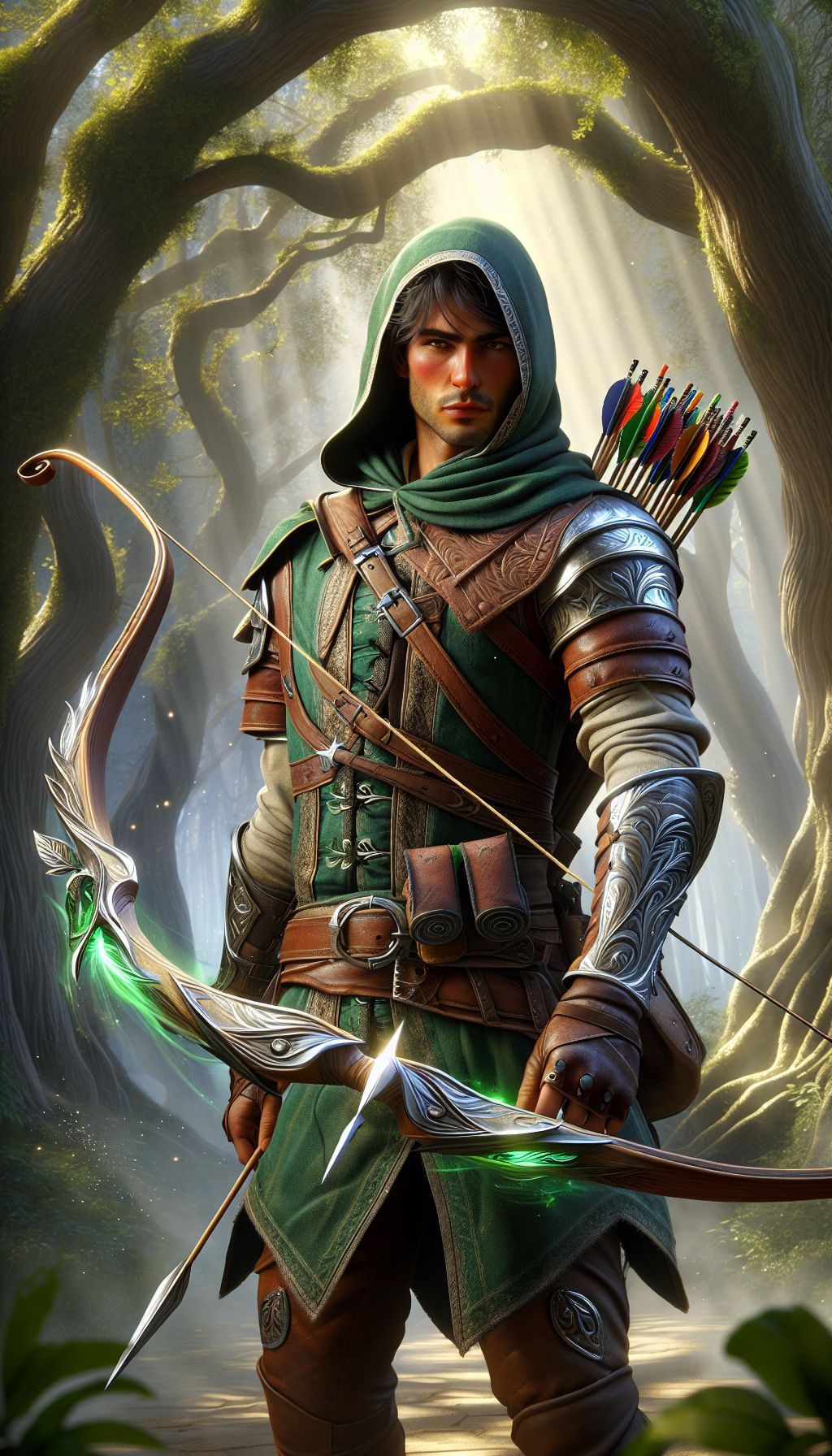
Archer
弓手 · Archer — A specialist in long-range precision strikes
A class that attacks enemies from range using a bow as the primary weapon. Known for fast firing speed and high mobility, they adapt to various situations using special arrows (poison, fire, explosive). Eyesight and concentration matter more than any other stat in this class.
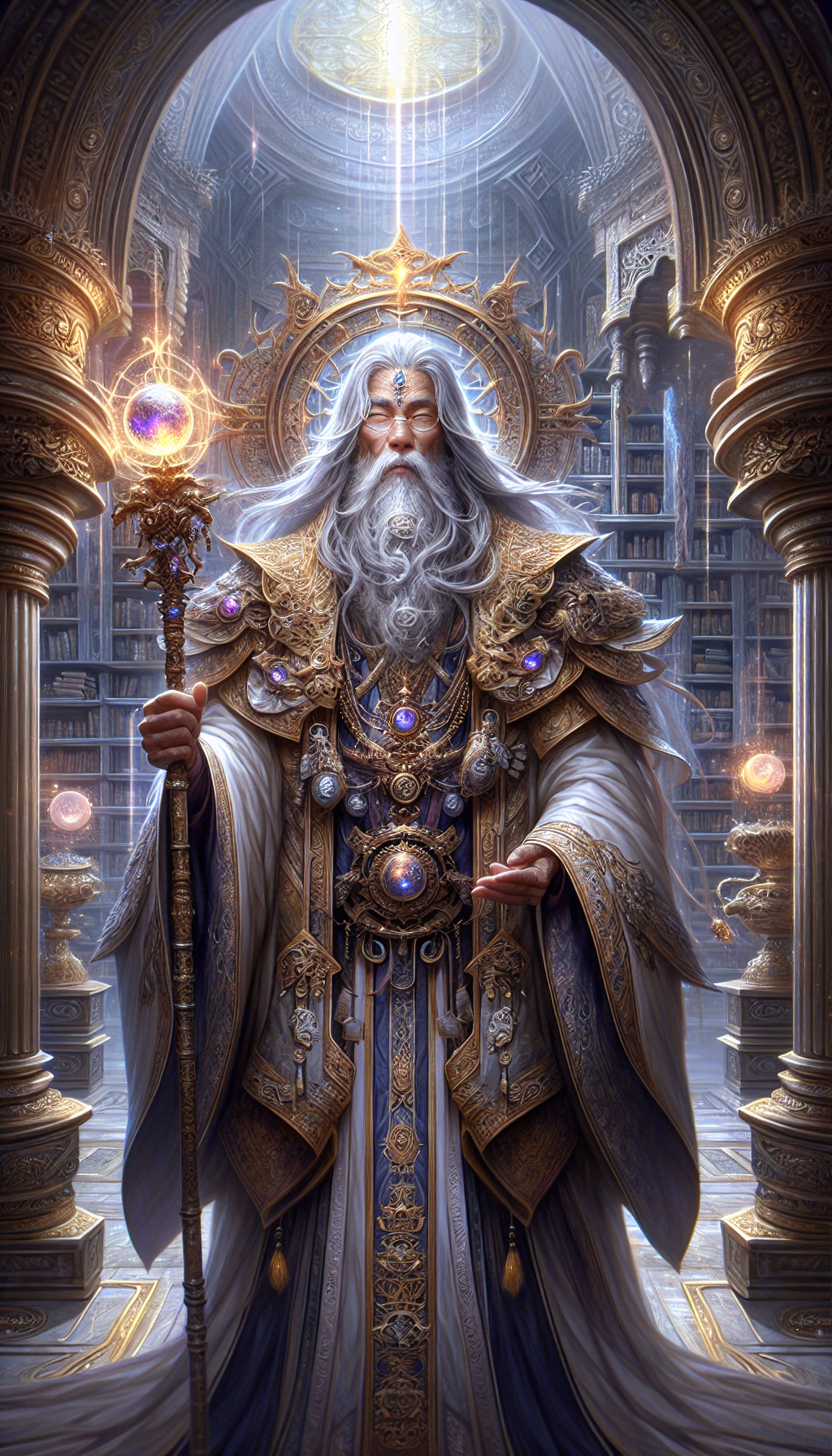
Sage
賢者 · Sage — One who stands at the end of all knowledge
The highest-tier intellectual class with mastery over all fields including magic, combat, history, and science. Not a specialist in any one area, but the extreme of the generalist who knows everything. A single word of advice from a sage can change the fate of a kingdom, and having one sage in a demon lord subjugation party completely transforms the strategy.
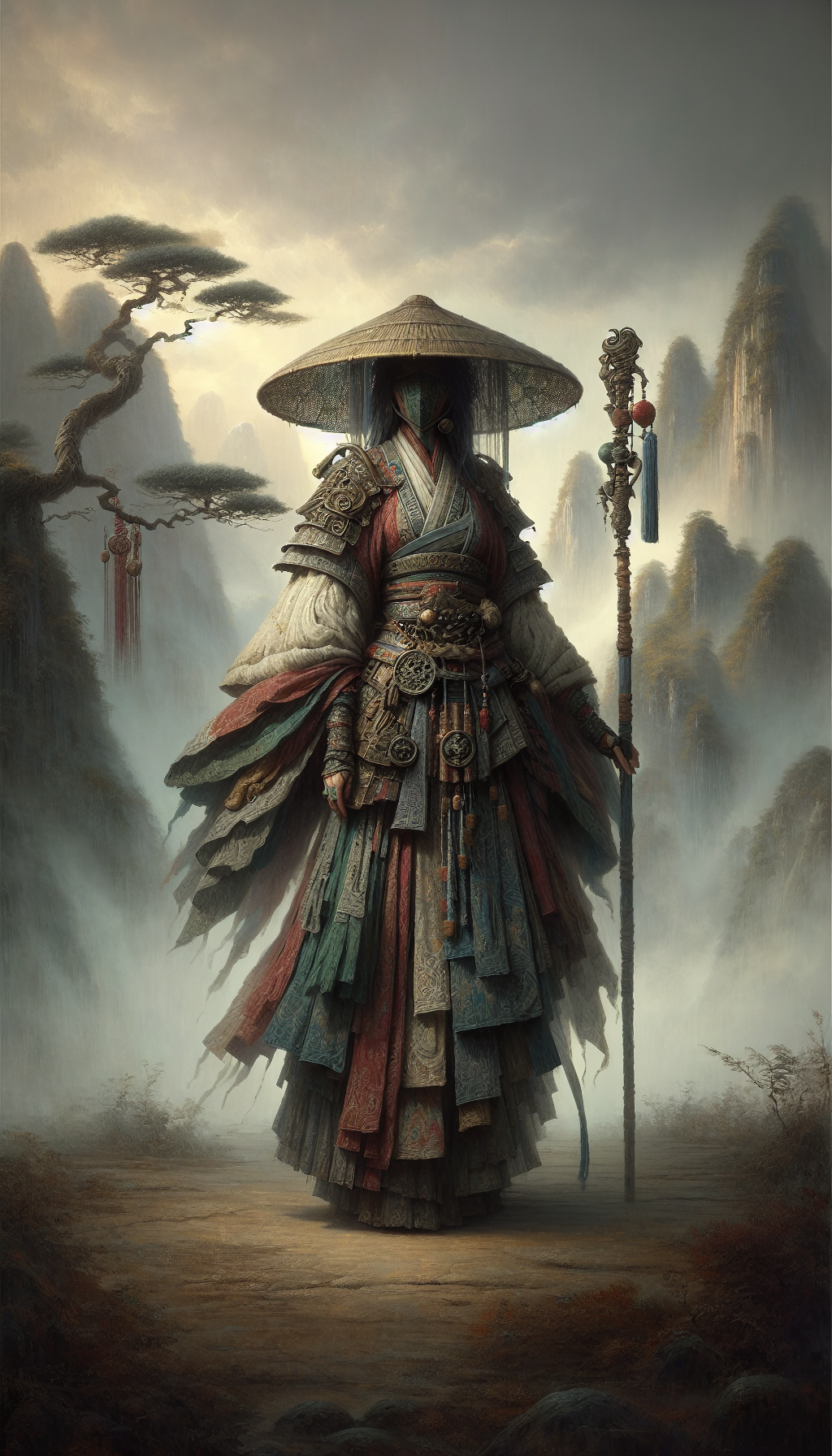
Wandering Swordsman
俠客 · Wandering Swordsman — One who traverses the martial world with justice and a blade
A swordsman who roams the martial world (江湖) of wuxia, fighting against injustice. They act according to their own personal code of chivalry (義俠精神), not bound to any specific family or nation. 'Bestow grace upon the martial world and repay enemies' — the wandering swordsman's life is an endless succession of connections and karmic cause and effect.
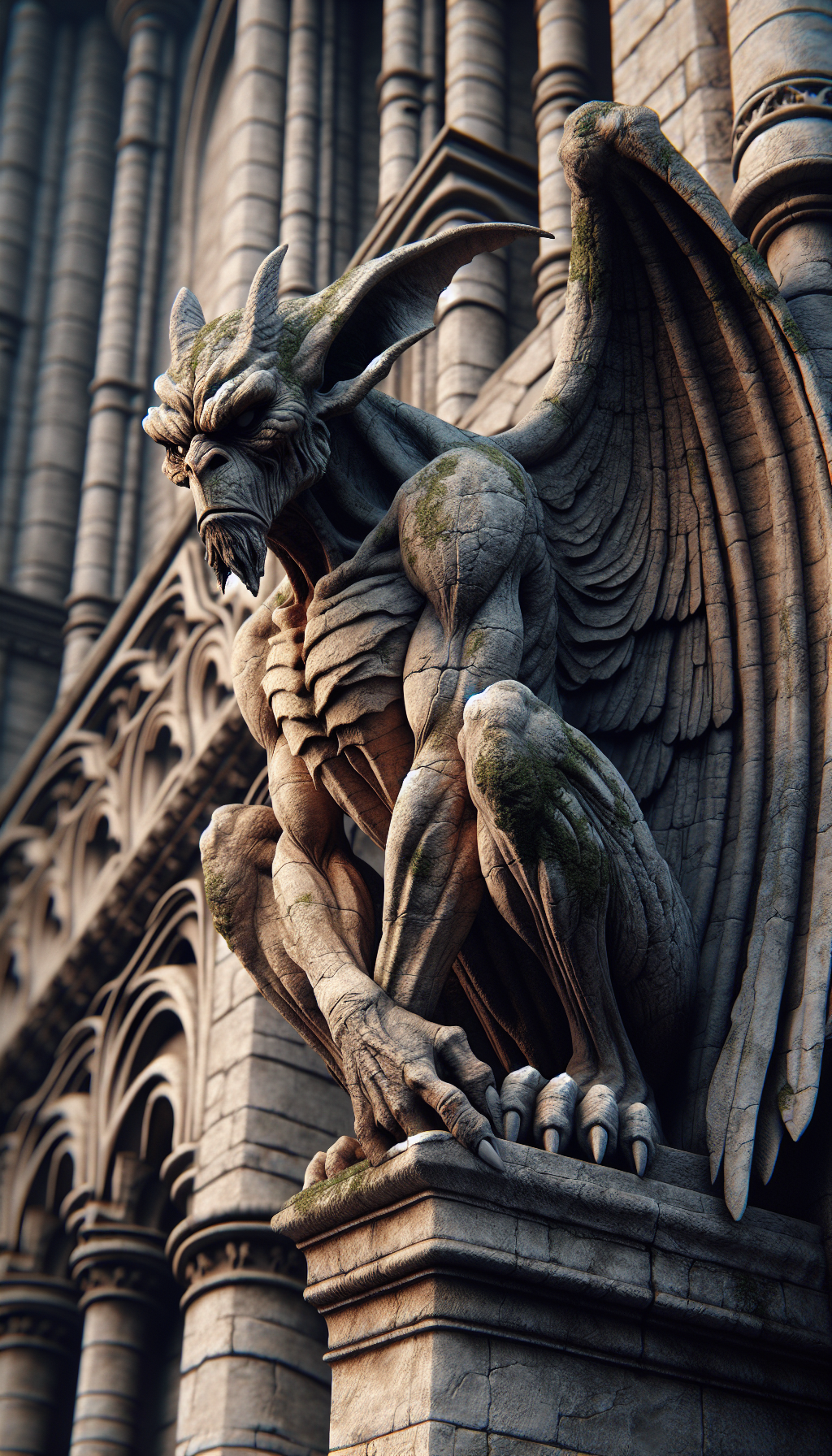
Gargoyle
Gargoyle · Stone Monster — Legendary Protectors of Medieval Architecture
Gargoyles are grotesque stone statues found on medieval European buildings, particularly cathedrals and churches. Legends depict them as mystical creatures warding off evil spirits and protecting the structures. In reality, they functioned as architectural water spouts.
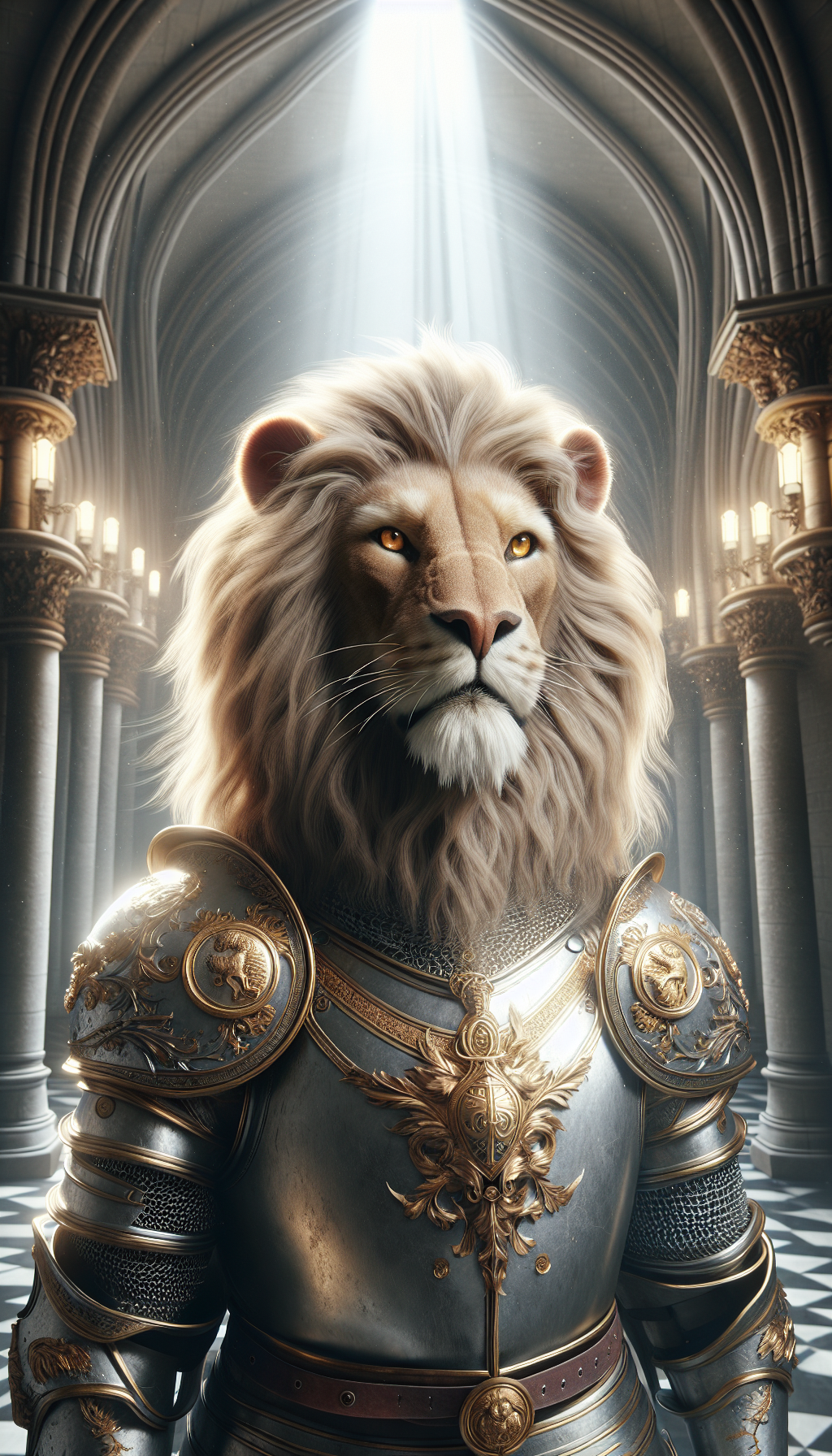
Paladin Lion
Sacred Guardian · Emblem of Knighthood — Mythical protector of chivalric orders
The Paladin Lion is a mythical creature revered as the symbol of chivalric orders. Representing courage, justice, and loyalty, it frequently appears in legends as a guardian spirit accompanying knights or paladins.
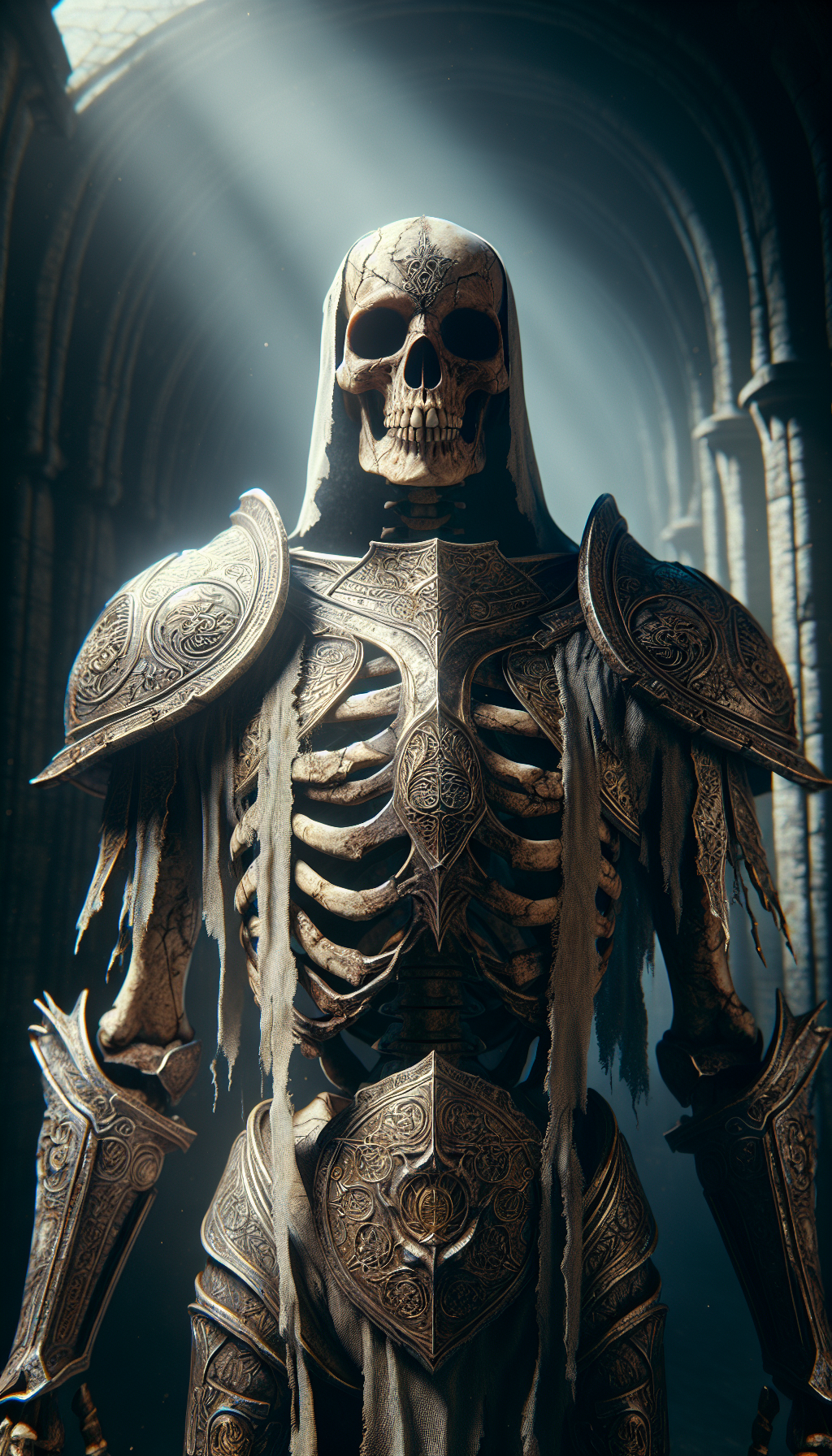
Skeleton Warrior
Skeleton Warrior · Undead Soldier — A warrior risen from death and granted unlife
The Skeleton Warrior is an undead fighter composed solely of bones, animated by necromancy or dark magic. Frequently found in medieval and fantasy settings, they serve as minions or guardians. They often appear in groups or as lone sentinels.
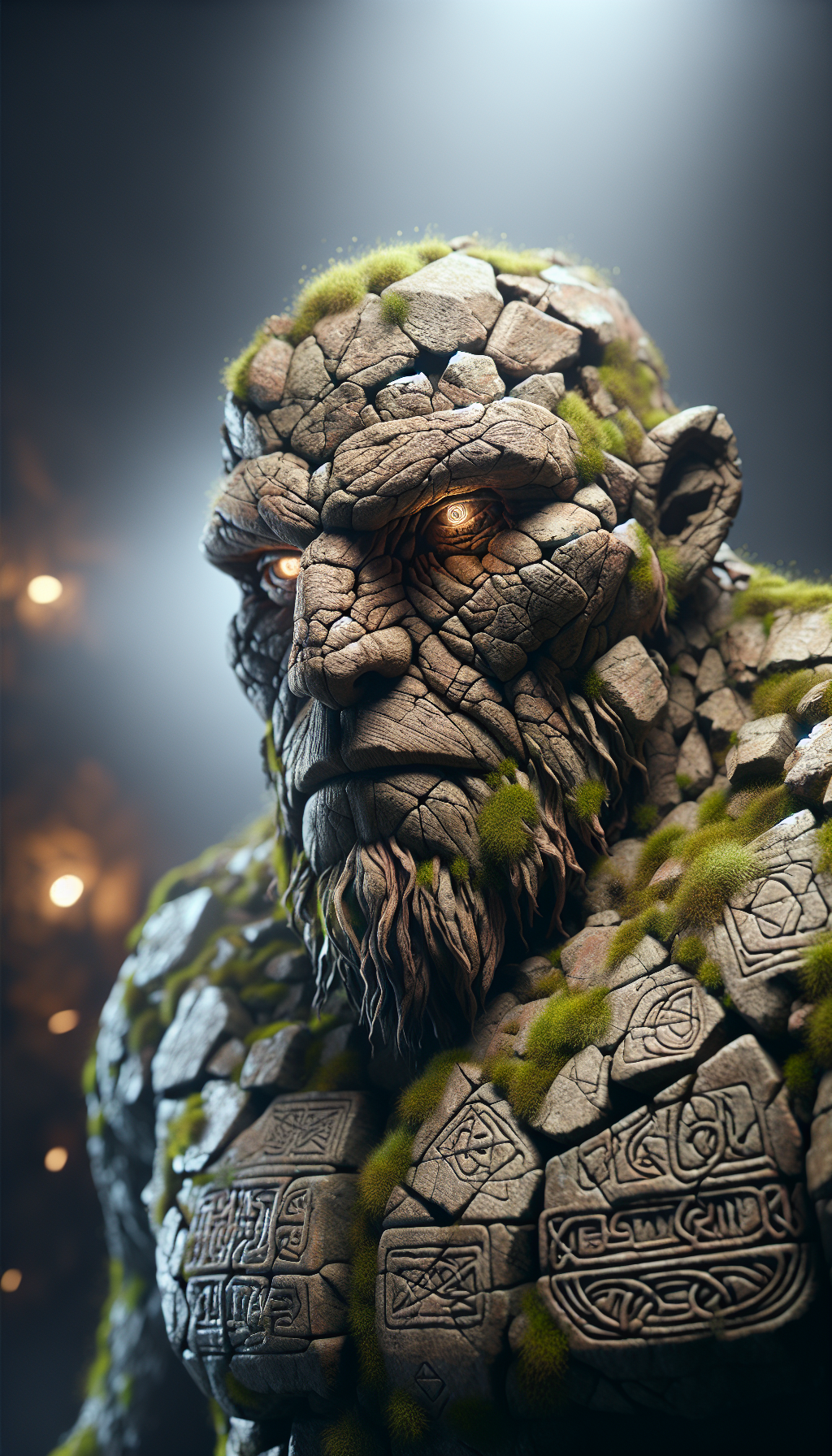
Golem
Golem · Artificial Creature — A being made from inanimate materials
A golem is an artificial being constructed from inert matter such as clay, stone, or metal. Animated by magic or mystical incantations, golems serve the commands of their creators. They are typically used for labor, protection, or defense.
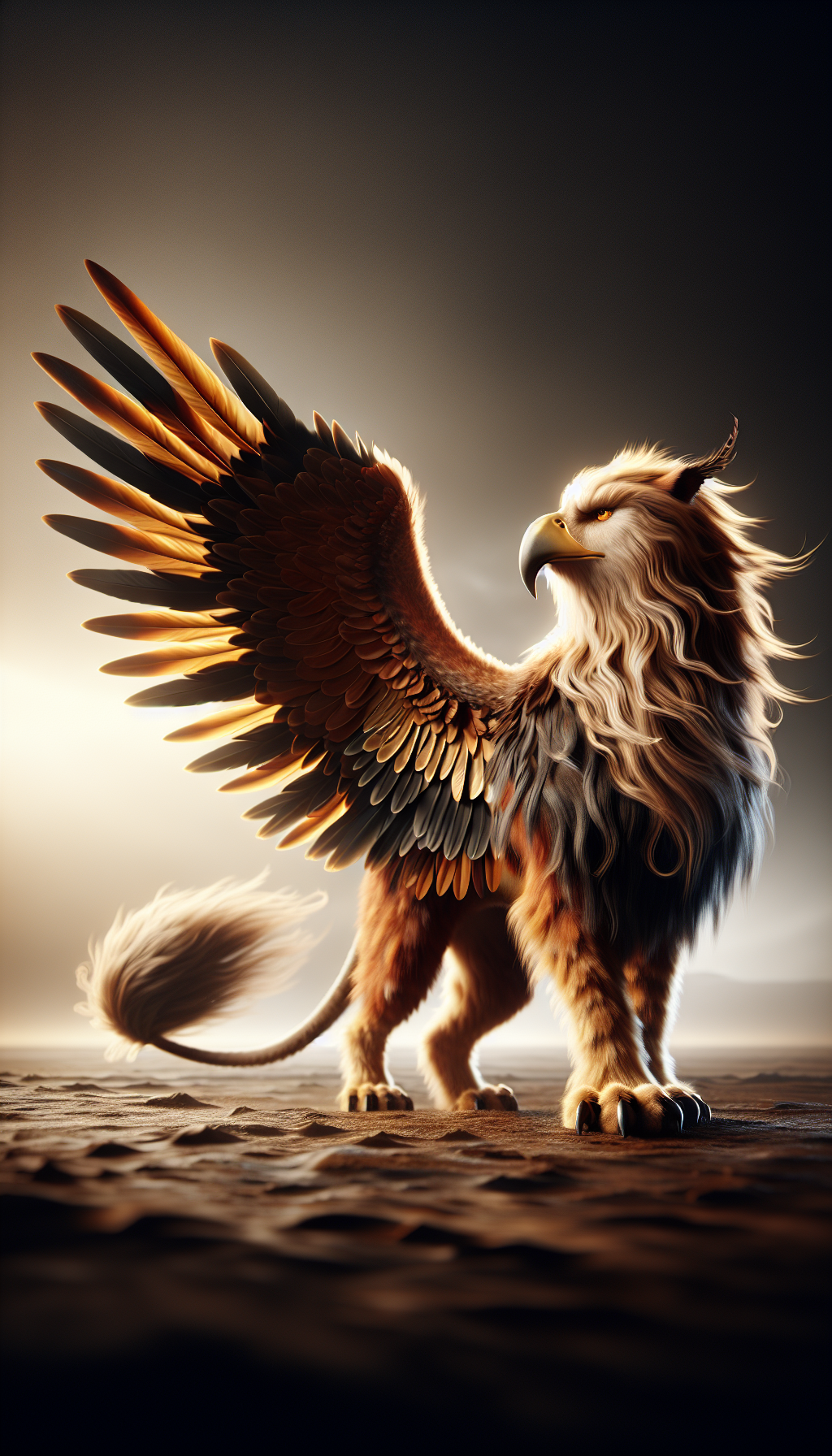
Griffin
Griffin · Legendary Lion-Eagle — Mythical creature with eagle foreparts and lion hindquarters
The griffin is a legendary creature featuring the head, wings, and talons of an eagle and the body, hind legs, and tail of a lion. Prominent in medieval European myths, it symbolizes strength, bravery, and guardianship. It frequently appears in heraldry and architectural ornamentation.
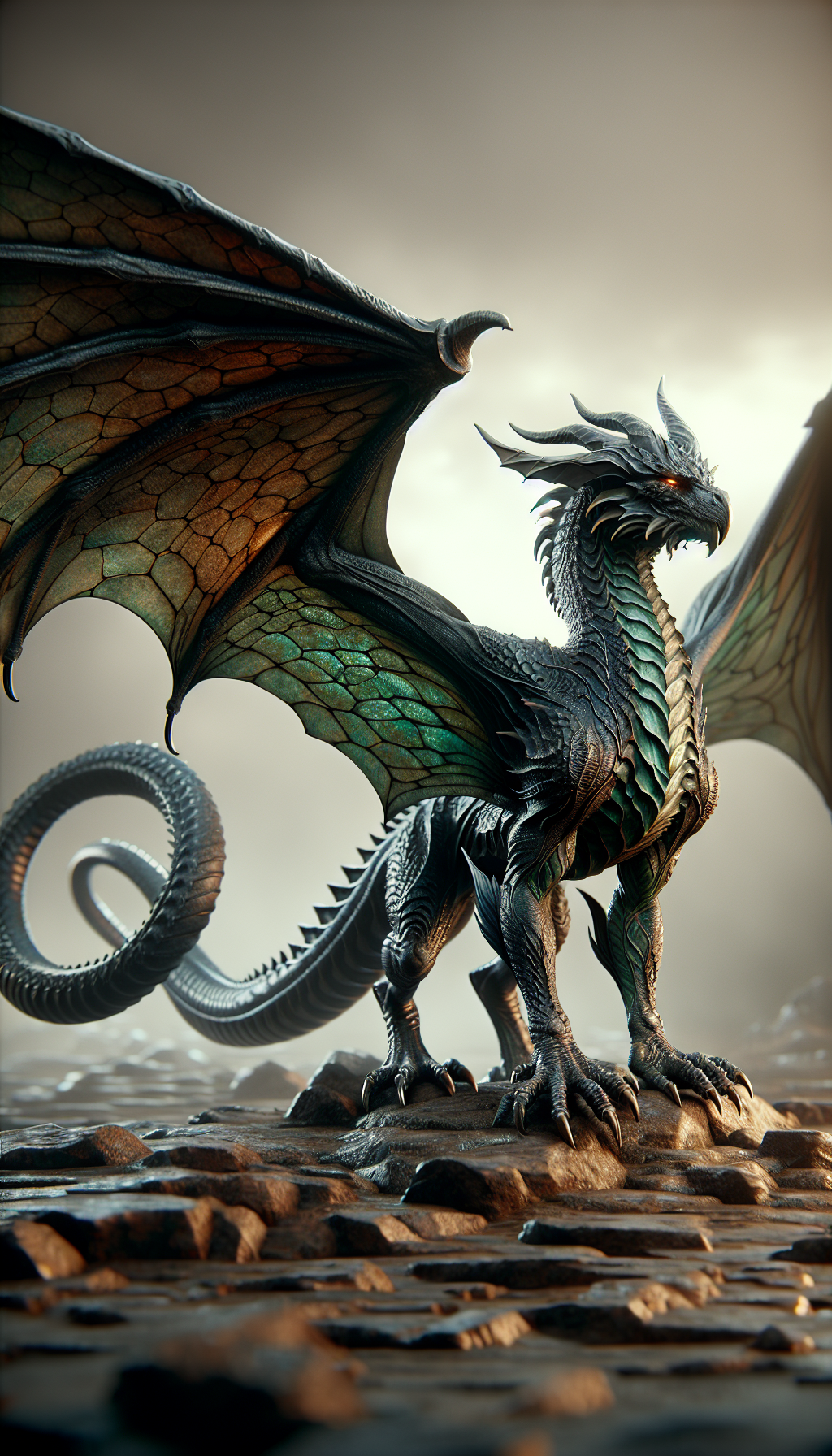
Wyvern
Wyvern · Type of Dragon — Legendary two-legged, winged reptilian creature
The wyvern is a mythical beast characterized by two legs and a single pair of wings, resembling a dragon but distinct in form. It often features a long, serpentine tail and powerful talons, sometimes depicted with the ability to breathe fire or poison. The wyvern appears frequently in medieval European heraldry and literature, serving as a symbol of strength and ferocity.
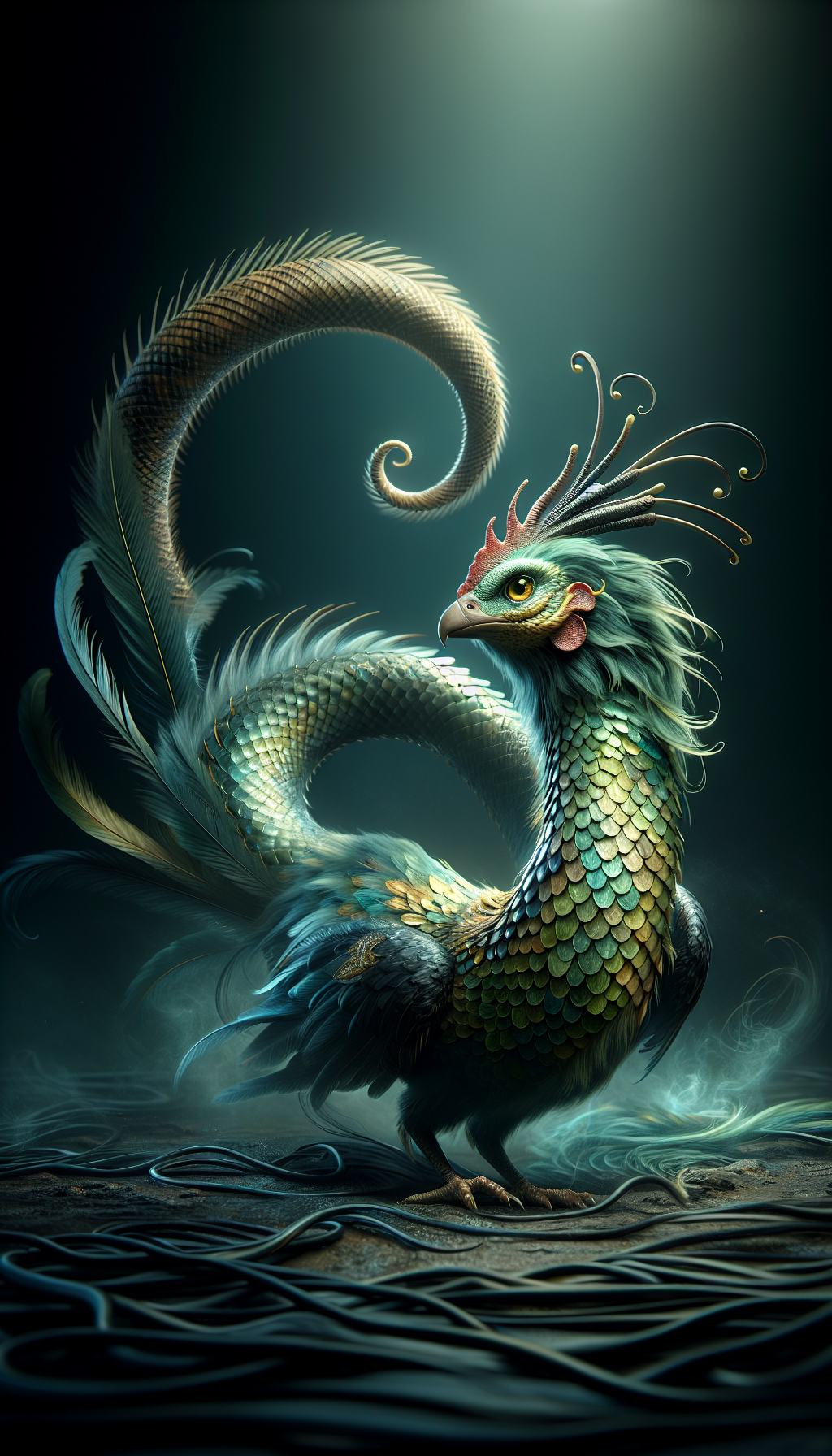
Vanished Basilisk
Basilisk · Legendary Beast — Mythical creature with a lethal gaze
The basilisk is a legendary monster found in ancient European and Middle Eastern mythology. Often depicted as a hybrid of serpent and rooster, it was said to kill with a single glance. The vanished basilisk is considered a creature that no longer exists.

Viking Wolf
Viking Wolf · Legendary Norse Beast — Fierce predator of Norse sagas
The Viking Wolf is a large wolf species featured in Norse mythology and legends. These creatures are often depicted as companions to Viking warriors or as formidable threats to them. They symbolize strength, courage, and play critical roles in tales of battle and the wilderness.

Unicorn
Unicorn · Monoceros — Legendary Horse with a Sacred Horn
The unicorn is a legendary horse-like creature distinguished by a single horn on its forehead. It is regarded as a symbol of purity and divinity and is often associated with healing powers. Unicorns appear frequently in ancient texts and art, revealing themselves only to those with pure hearts.
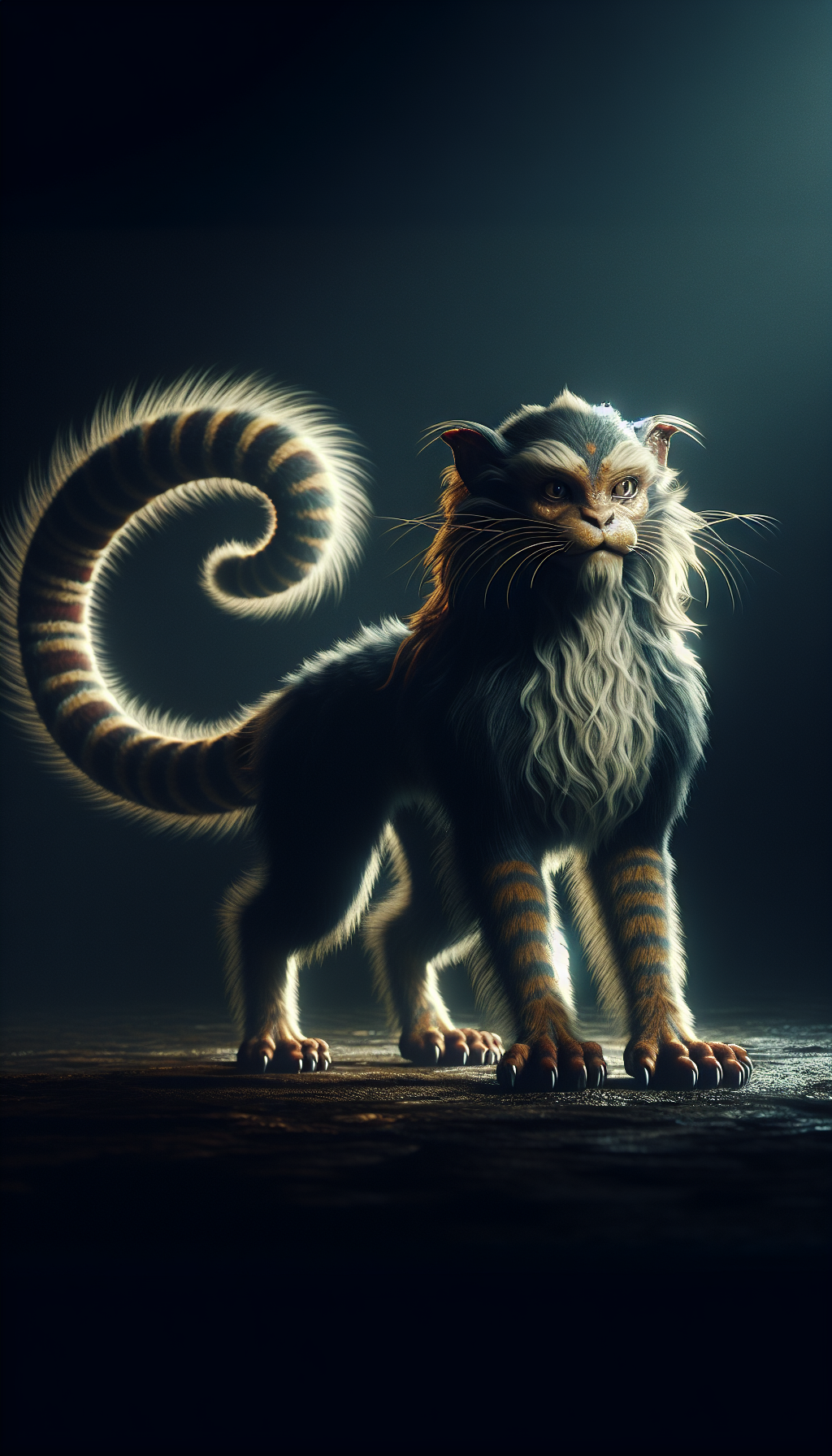
Nue
Nue · Chimera — Legendary Japanese Monster
The Nue is a legendary creature from Japanese folklore, known for its composite appearance featuring parts of several animals. Traditionally, it is described as having the face of a monkey, the body of a raccoon dog, the legs of a tiger, and the tail of a snake. It is often associated with ill omen and misfortune.
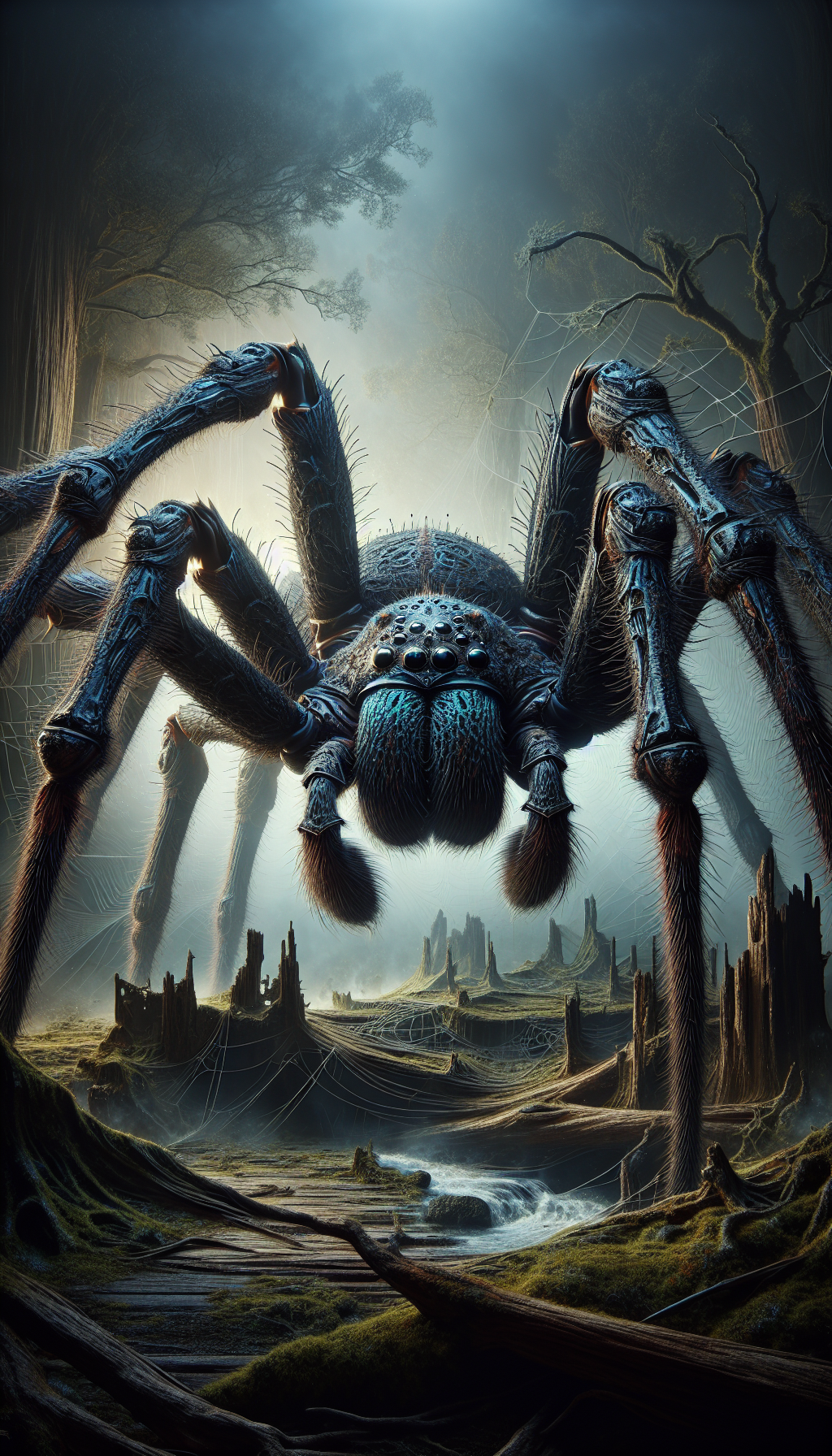
Giant Spider
Giant Spider · Colossal Arachnid — Large predatory arthropod
The giant spider is an enormous arachnid, far larger than common spiders. Appearing in Eastern folklore and European legends, it dwells in dark forests, caves, or ruins. It hunts by ambush, wielding potent webs and venom as its primary weapons.
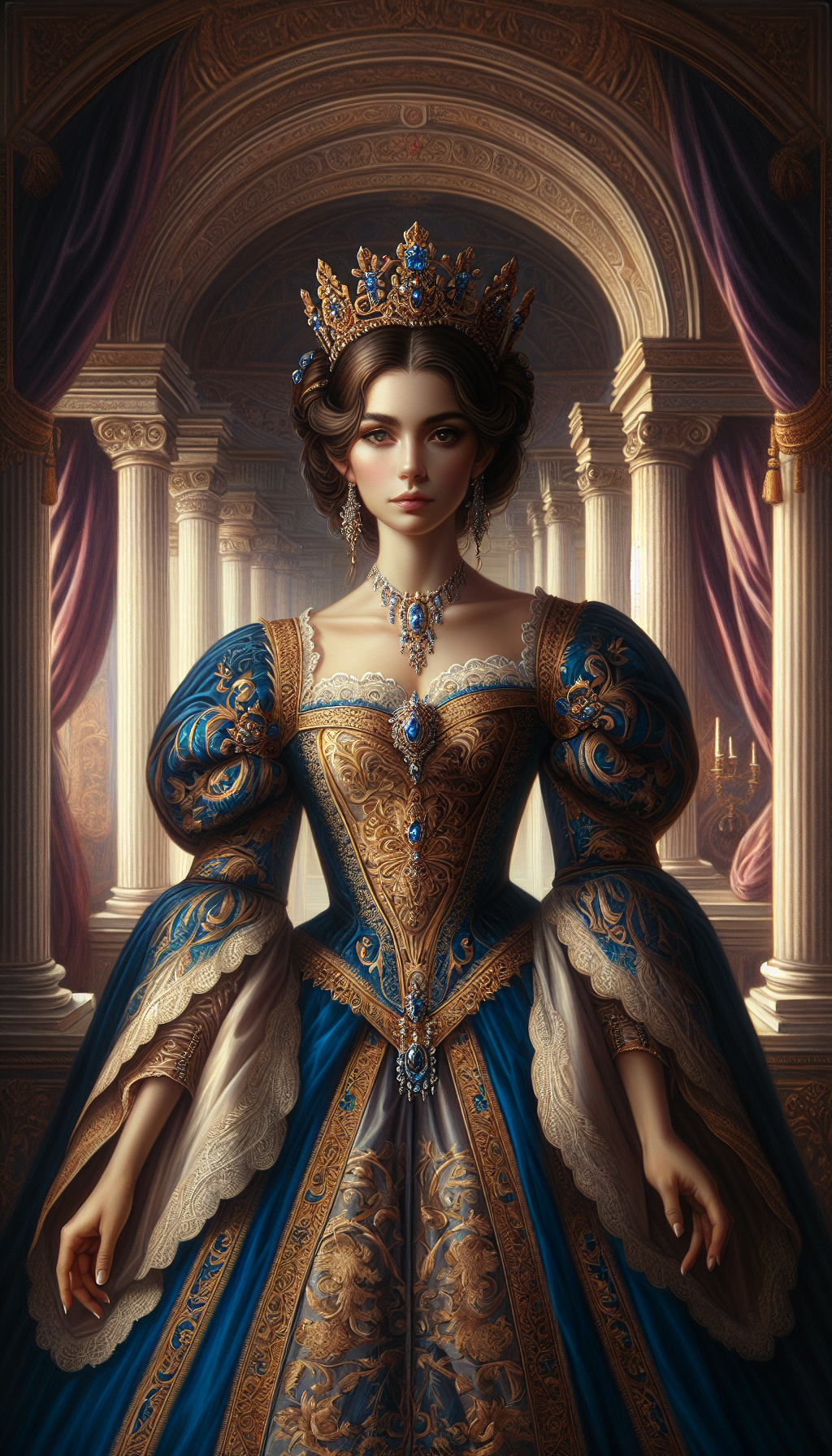
Queen Regnant
Supreme女王 · Queen Regnant — A Female Monarch Who Ascended the Throne in Her Own Right
An independent female monarch who ascended the throne in her own right — not as a consort. Distinguished from the Queen Consort, she is called the Queen Regnant. Historical exemplars include Cleopatra, Elizabeth I, and Queen Victoria. In fantasy, the queen regnant is often portrayed as a supreme character who combines magical ability with exceptional strategic genius — the absolute ruler of the kingdom and the apex of all the nobility.
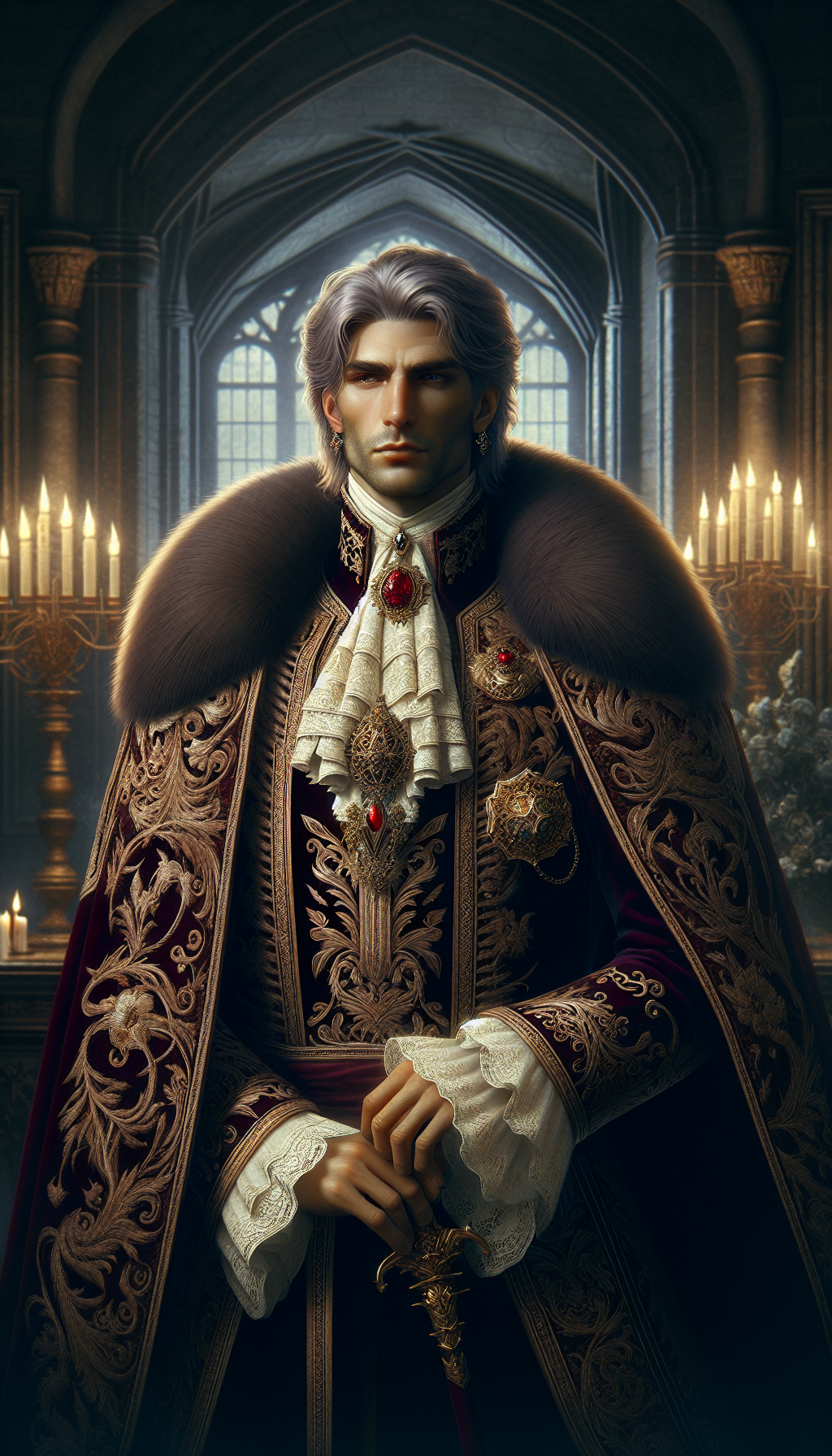
Count / Earl
Intermediate伯爵 · Count / Earl — The True Power Behind Regional Rule
The backbone of the feudal noble hierarchy. A count governs anywhere from a handful to dozens of domains, with multiple viscounts and barons as his own vassals. This is the first rank capable of exerting genuine influence over royal power through independent military and economic strength. It is also the title most famously associated with vampiric nobility — Count Dracula being the supreme example.
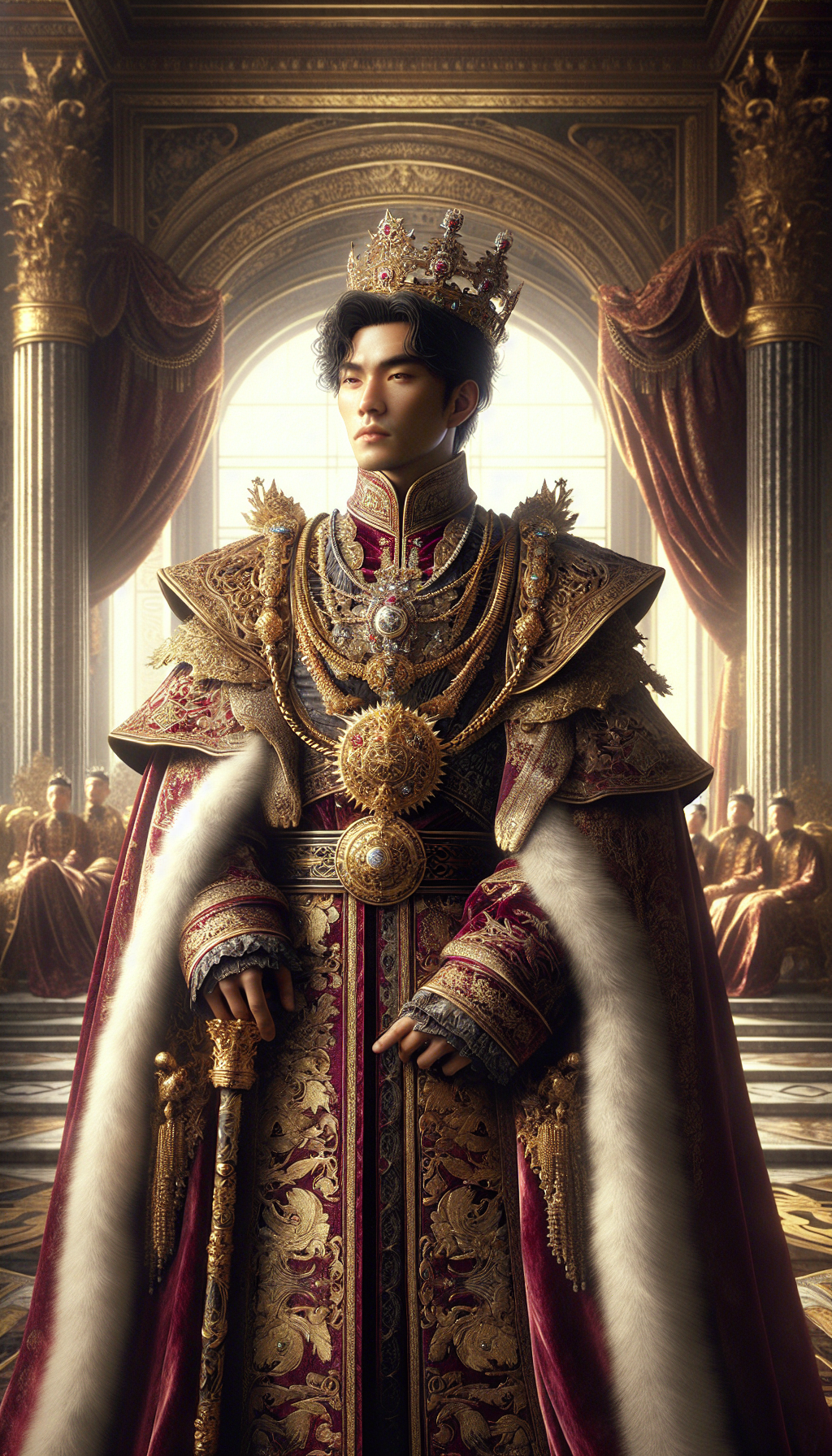
Grand Duke
Greater大公 · Grand Duke / Archduke — The Highest Noble, Near-Royalty
The highest noble title, above the duke but below the king. Often held by rulers of small states or cadet branches of the royal bloodline, a grand duke governs territory that is effectively equivalent to an independent nation. The Habsburg Archdukes of Austria are the prime historical example; in fantasy, the grand duke is often portrayed as an imperial blood-relative governing a core province of the empire.
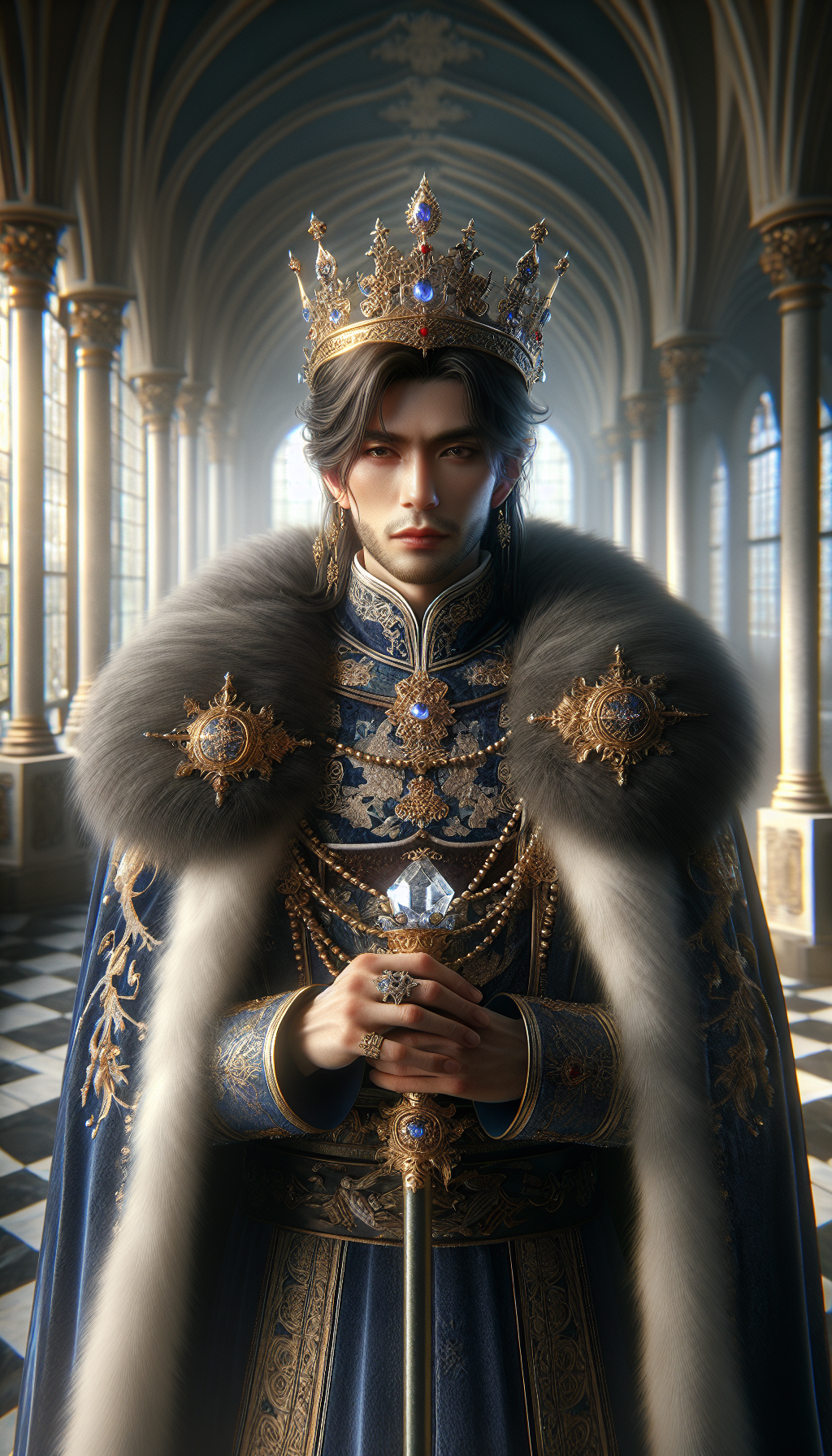
Crown Prince
Supreme皇太子 · Crown Prince — The Sole Heir to the Empire
The emperor's official heir. Holding the second-highest authority in the entire empire, the crown prince must be ready to assume governance at a moment's notice should the emperor be incapacitated. From childhood, he is trained in statecraft, military strategy, diplomacy, and — depending on the fantasy setting — magic. The tension between the crown prince's supporters and his opponents is the eternal theme of imperial politics.
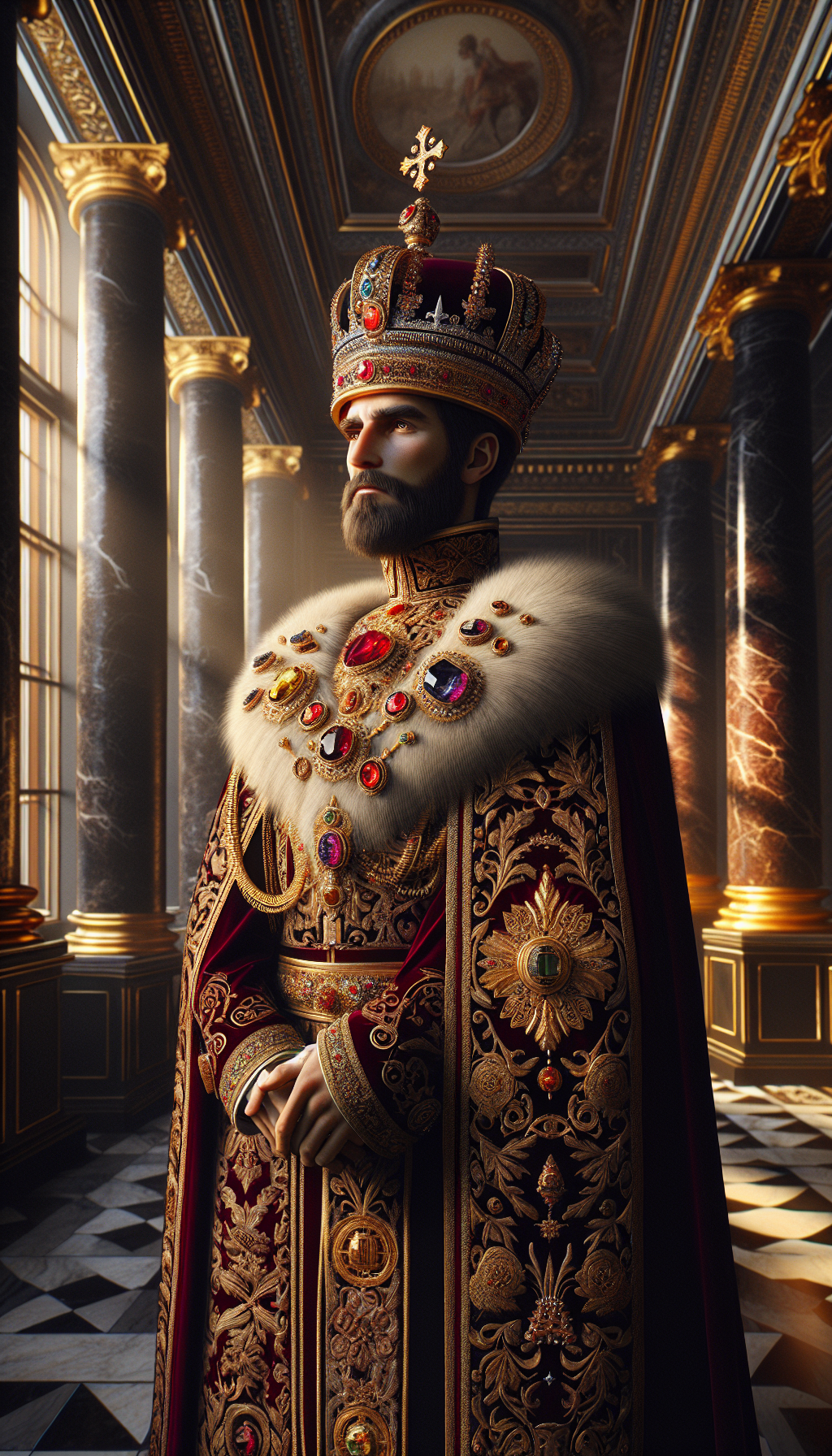
Emperor
Spirit King皇帝 · Emperor — The Empire's Supreme Pinnacle, the Living Law Itself
The absolute pinnacle of secular power. As King of Kings, the emperor rules over multiple kingdoms, and his will becomes the law of the empire. Imperial authority is held to be divinely granted — the Divine Right of Emperors — and rebellion against the emperor was equated with rebellion against the gods. In fantasy worlds, the emperor is often a being of absolute power, or conversely, the towering symbol of authority the protagonist must bring down.
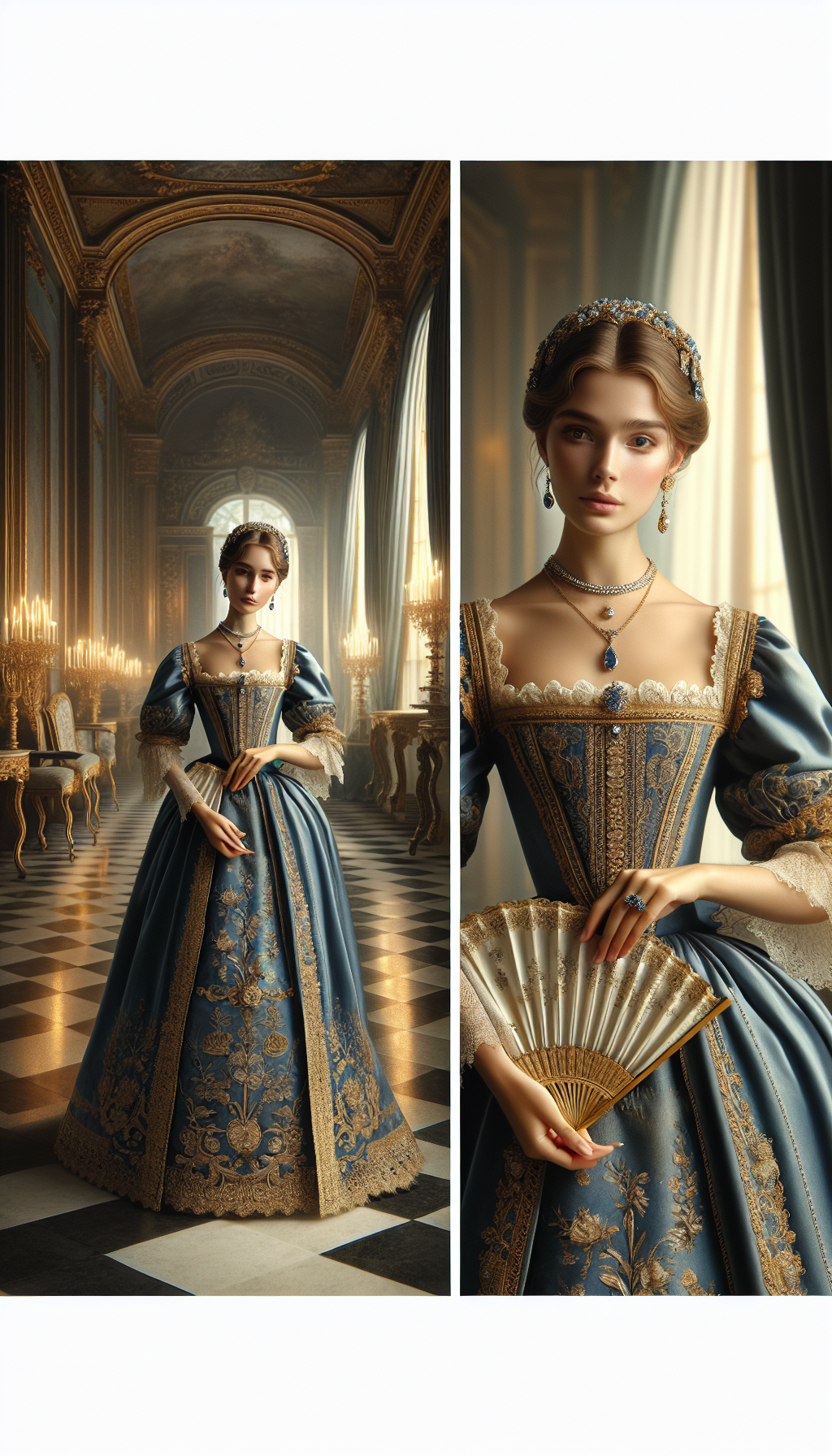
Lady-in-Waiting
Lesser侍女 · Lady-in-Waiting — A Woman Who Attends Noble Ladies
A female attendant who exclusively serves a highborn woman — a queen, princess, or noblewoman. Unlike ordinary servants, ladies-in-waiting are often drawn from noble houses themselves, giving them a unique dual identity as 'a servant who is also a noble.' The number of attendants and the prestige of their houses served as a measure of the mistress's own status. The First Lady-in-Waiting to a queen wielded formidable influence at court.
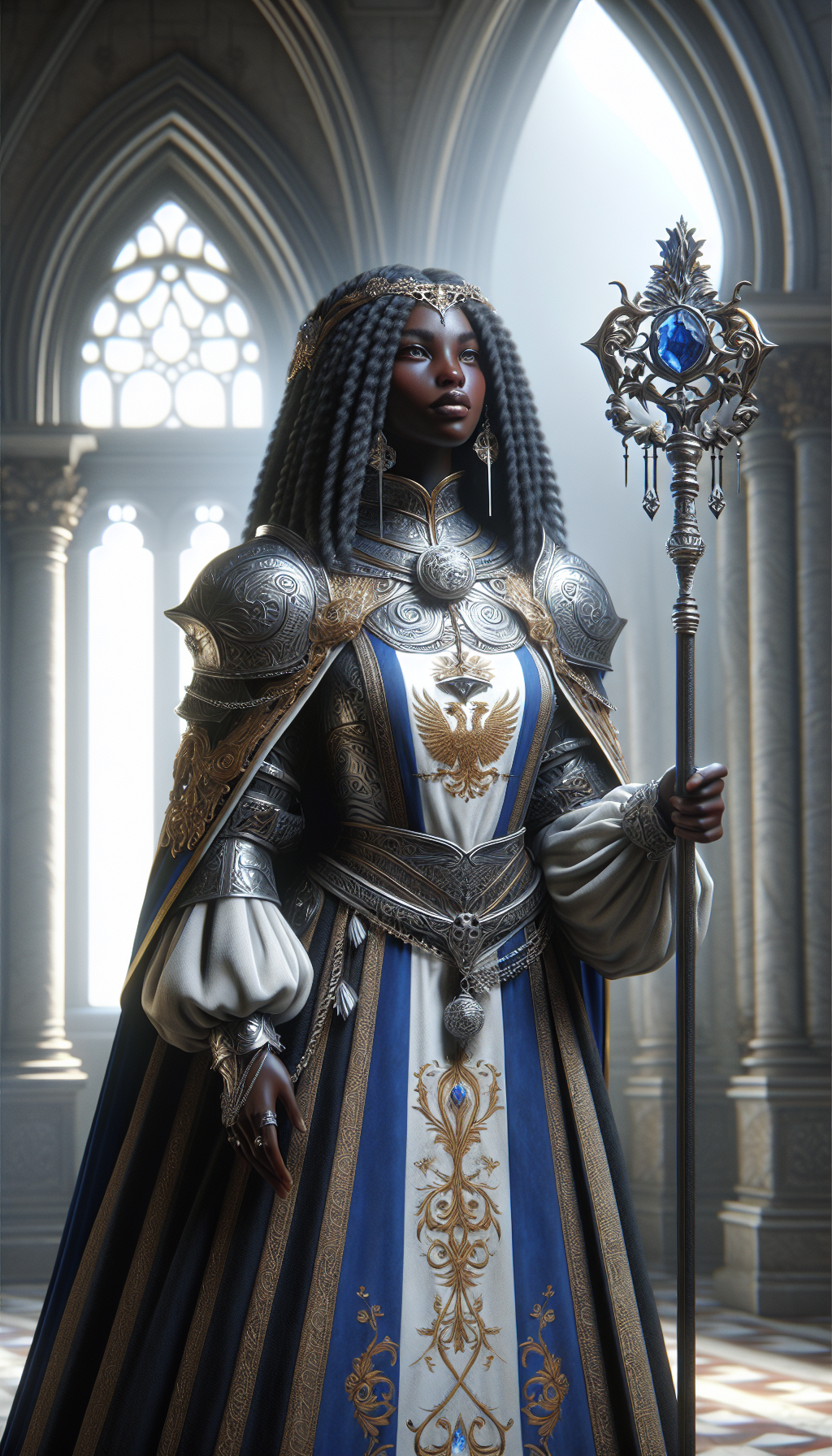
Dame
Intermediate女騎士 · Dame — A Female Warrior Who Earned Her Title by Sword and Oath
A woman who has been formally invested with knighthood through the knight's oath. Historically rare, but in fantasy worlds she is a common figure in holy orders, royal guards, and magic knight corps. 'Dame' is the official title granted to female knights in the British chivalric system; in Eastern fantasy she appears as a female general, wandering swordswoman, or Hwarang warrior. The Dame is frequently portrayed as a character caught between the codes of chivalry and the social expectations placed on women.
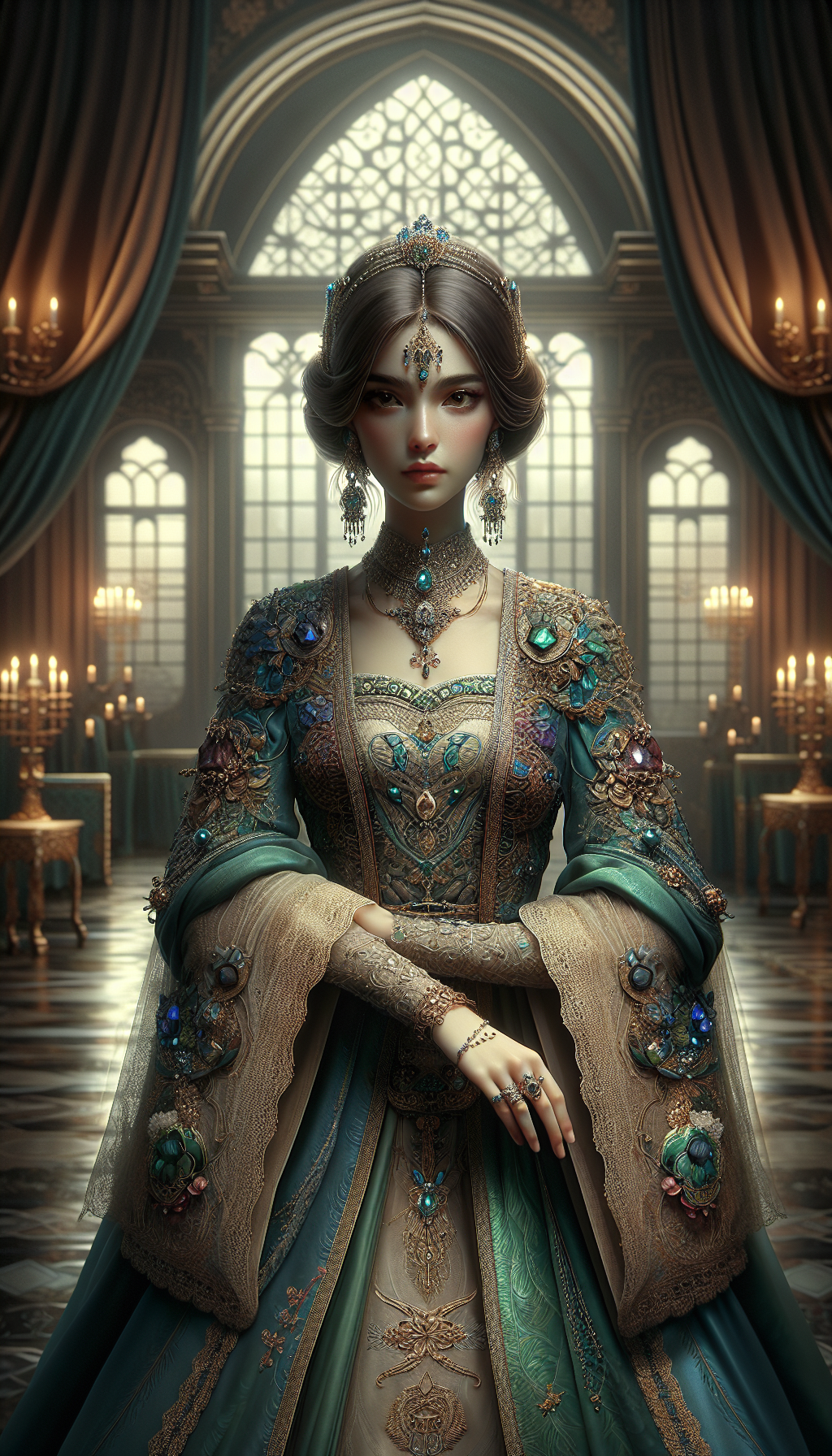
Noblewoman
Intermediate貴婦人 · Noblewoman / Lady — The General Title for Noble Women
A collective title encompassing all women who hold or are connected to a noble title. The specific address varies with the spouse's rank — Baroness, Viscountess, Countess, Duchess, and so on. In some world settings, women may inherit titles in their own right, becoming independent domain nobles in their own names. In fantasy, the noblewoman is frequently depicted as a figure who conceals a razor-sharp political mind beneath a graceful exterior.
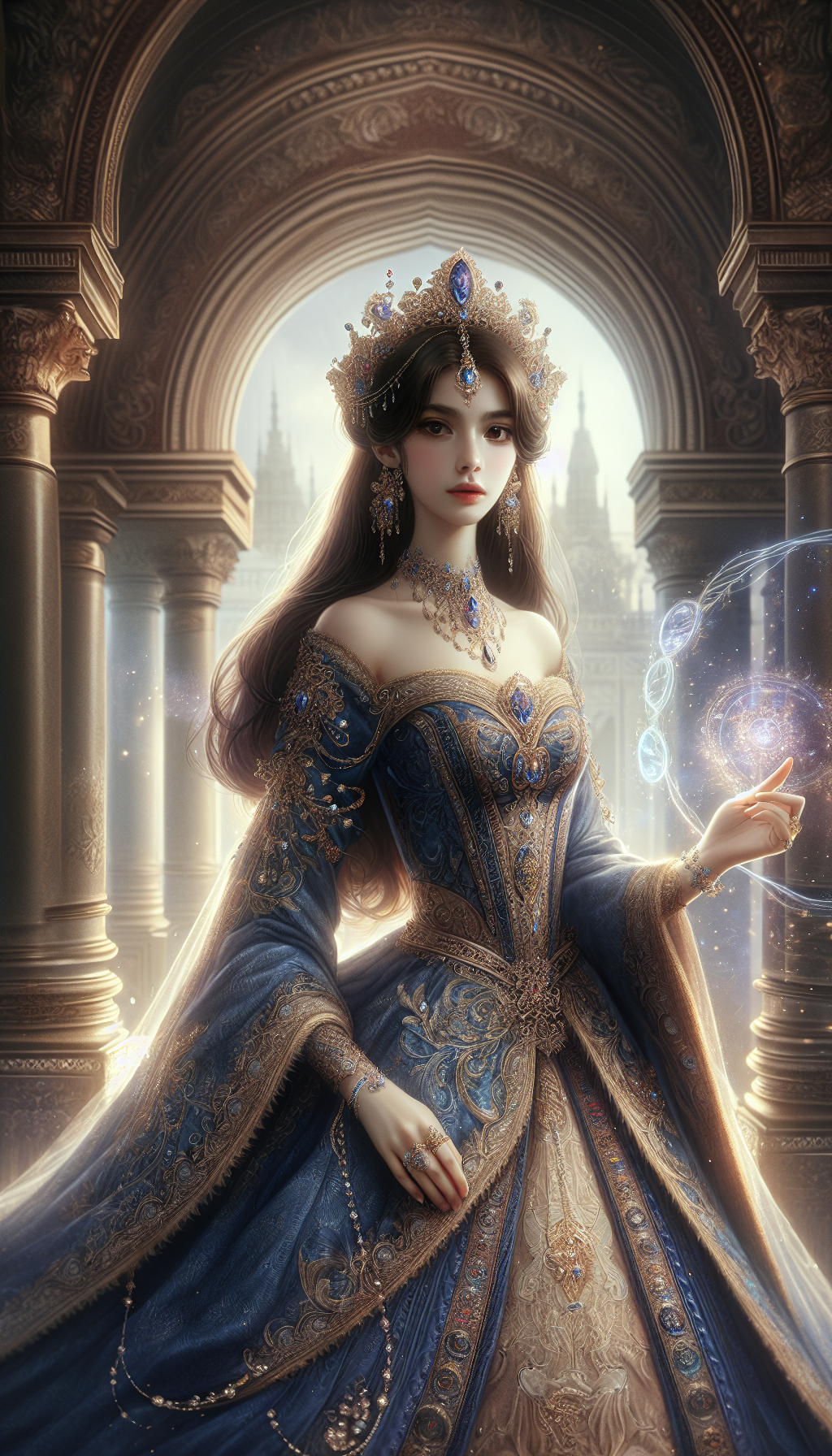
Princess
Supreme公主 · Princess — The King's Daughter, the Most Precious Bargaining Chip
The daughter of a king or emperor. A status conferred by bloodline rather than a hereditary title; her succession rights are often more restricted than a prince's. Yet in fantasy, the princess has been overwhelmingly reinterpreted not as a passive rescue target but as an active figure who takes up the sword, wields magic, or orchestrates political schemes herself. A princess's marriage sealed alliances between kingdoms — making the princess herself a 'living political asset.'
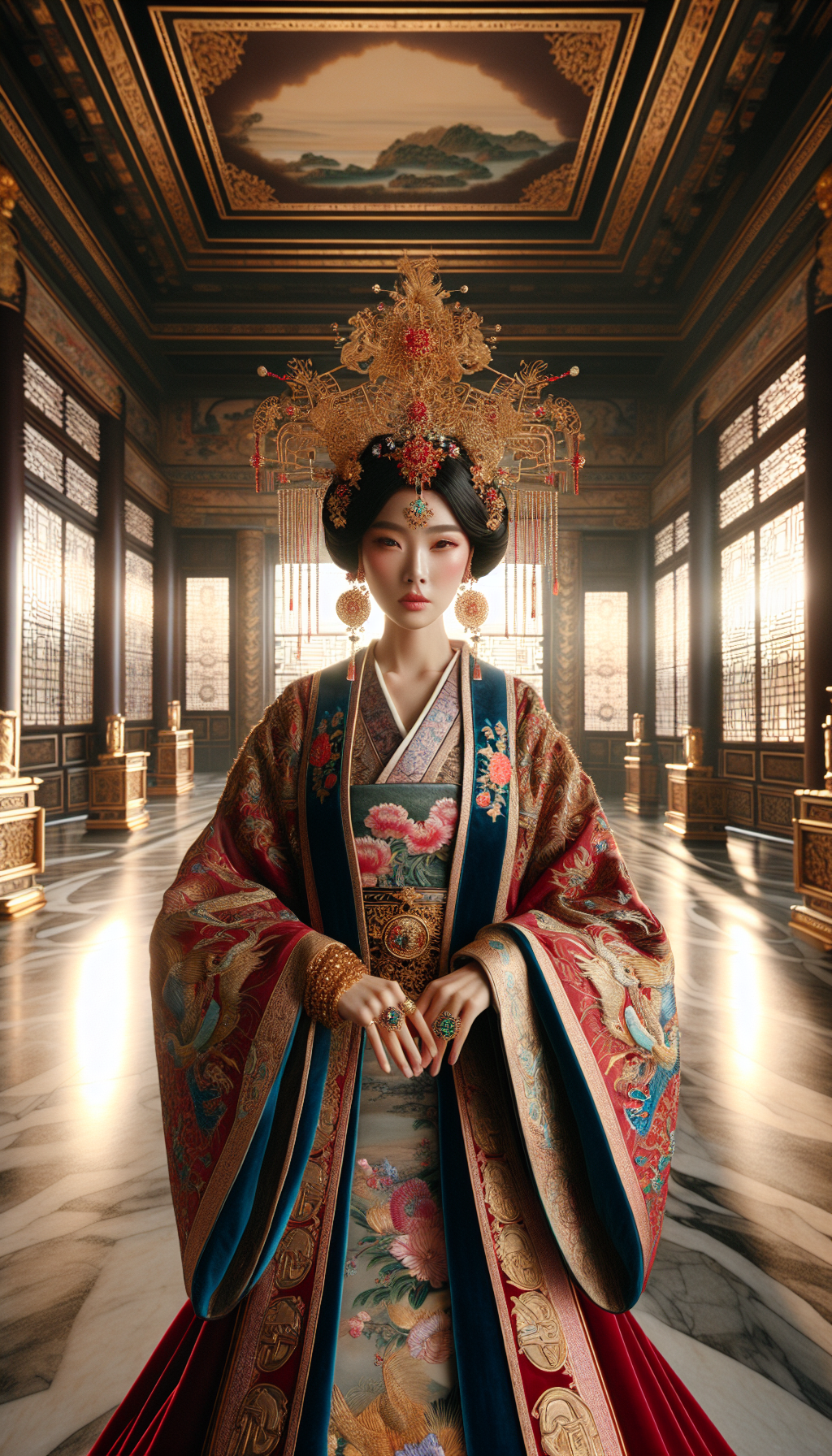
Empress
Spirit King皇后 · Empress — The Empire's Other Sun
The emperor's consort (Empress Consort) or a woman who rules the empire in her own right (Empress Regnant). In Eastern courts, the empress commands the entire inner court and forms one of the two pillars of the empire alongside the emperor. Historical figures such as Wu Zetian of Tang China and Catherine the Great of Russia exercised power that in practice exceeded the emperor's own. In fantasy, the empress is often portrayed as an absolute ruler who moves the entire empire from behind a graceful facade.
Queen Consort
Supreme王妃 · Queen Consort — The King's Lawful Wife, Mother of the Kingdom
The king's lawful wife. Though ranking below an empress, she holds the official position second only to the king within the kingdom. The queen consort is far more than a spouse — she co-presides over royal ceremonies, bears responsibility for the crown prince's education, and administers the consort hierarchy, exercising genuine domestic power. When the king is absent due to war or travel, she may serve as regent with full royal authority. In fantasy, the queen consort is variously interpreted as a beloved mother, a ruthless politician, or a sinister power broker who deals in poison.
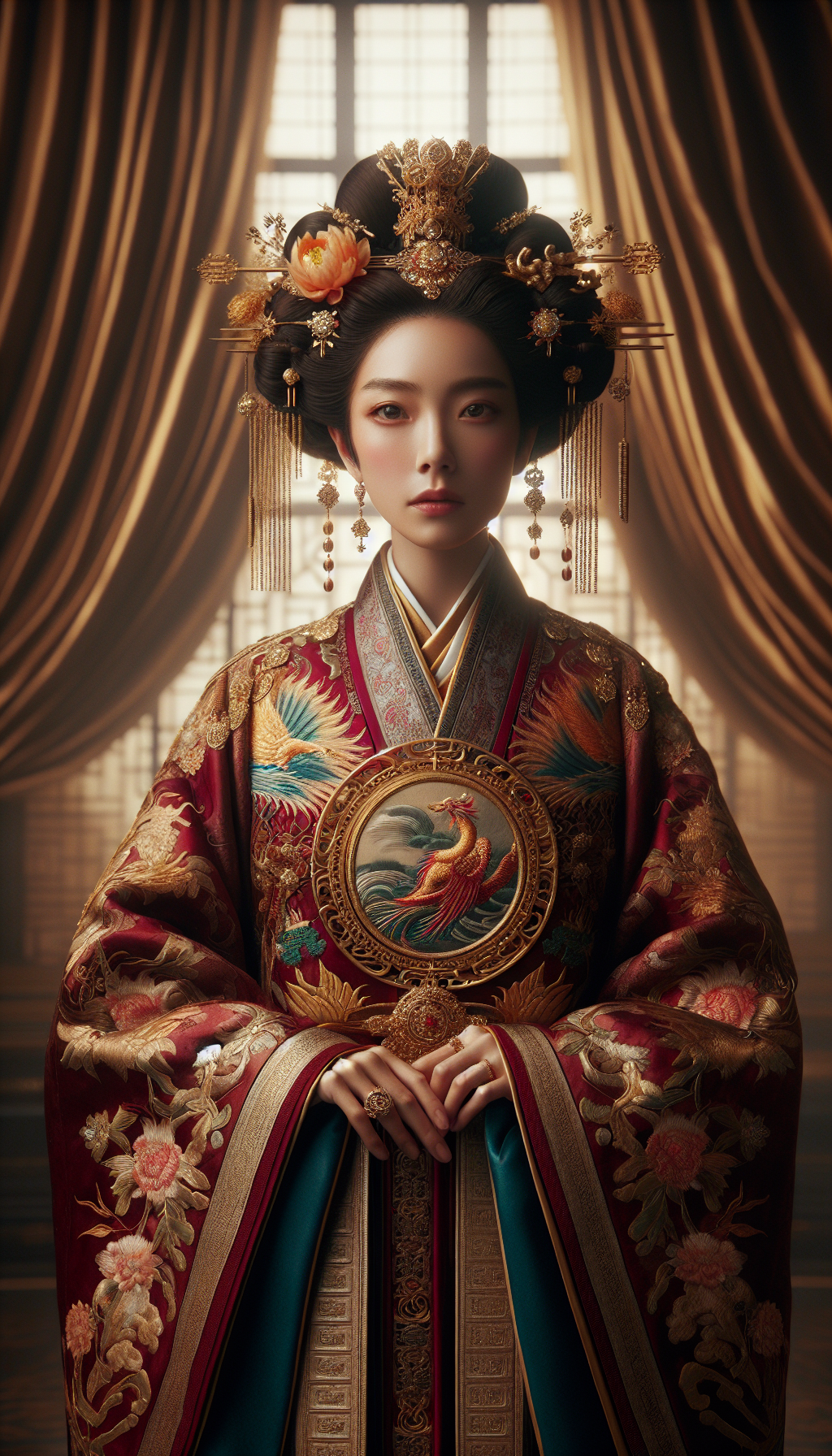
Empress Dowager
Spirit King太后 · Empress Dowager — The Hand That Moves the Empire from Behind the Current Emperor
The empress of the late emperor and the mother of the reigning emperor. She ranks above even the current empress in the official hierarchy, and during the reign of a young or incapable emperor she effectively governs the entire empire through regency — ruling from behind the screen. Historical figures like China's Empress Dowager Cixi and Rome's Agrippina the Younger wielded power that sometimes exceeded the emperor's. In fantasy, the empress dowager appears either as the true hidden mastermind or as a formidable patron who supports the protagonist.
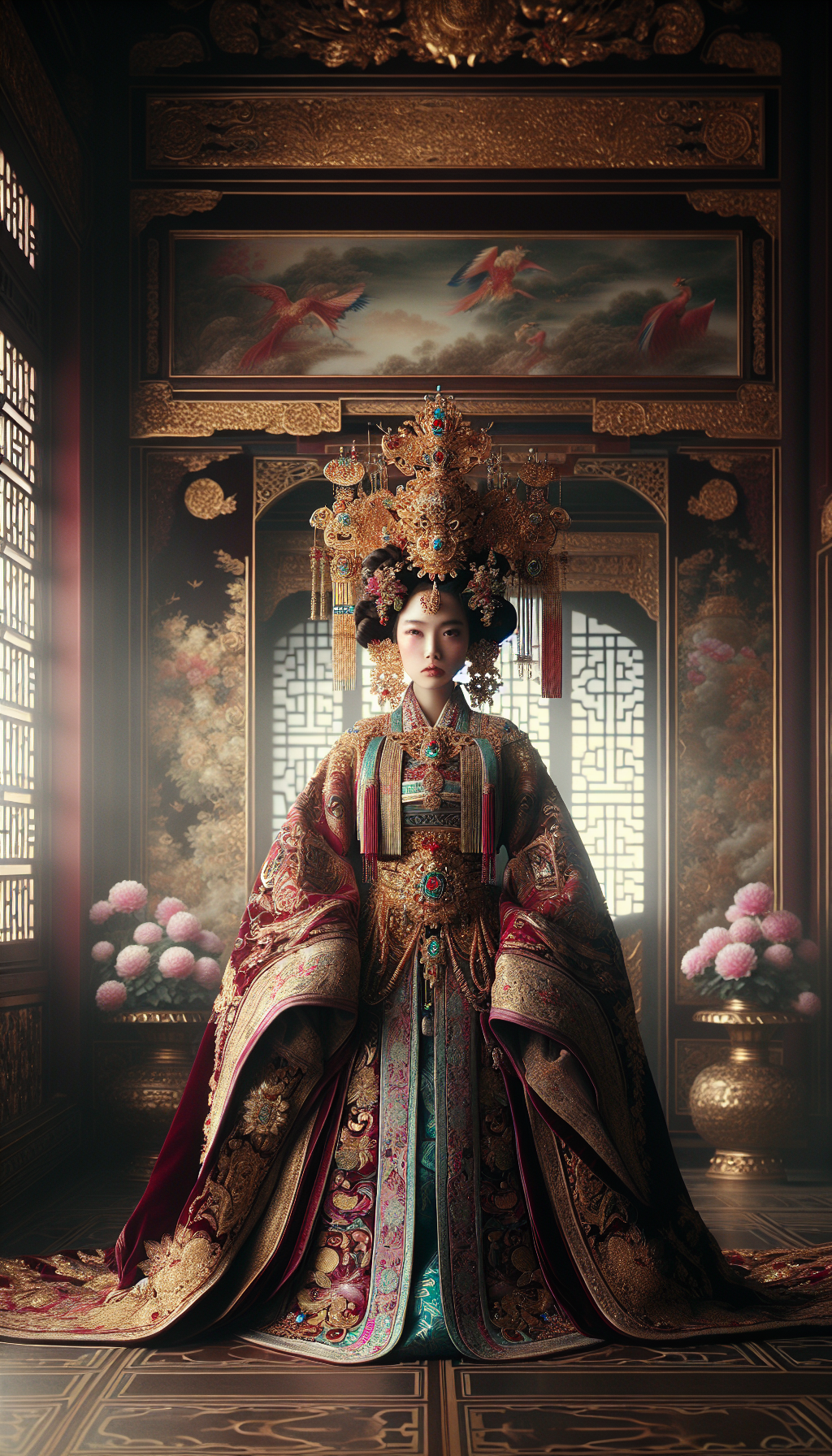
Noble Consort
Greater貴妃 · Noble Consort — Second Only to the Empress, the Highest-Ranking Imperial Consort
The highest-ranking title among the imperial consorts, second only to the empress. Should the empress's position fall vacant or she become infirm, the noble consort effectively becomes head of the inner court. Though nominally ranked below the empress, a noble consort who monopolizes the emperor's favor often wields real power that surpasses the empress — measured by the time spent in the imperial bedchamber and the number of imperial sons she bears. Yang Guifei of the Tang dynasty is history's most celebrated Noble Consort; in fantasy, she stands at the center of an intense power struggle with the empress.
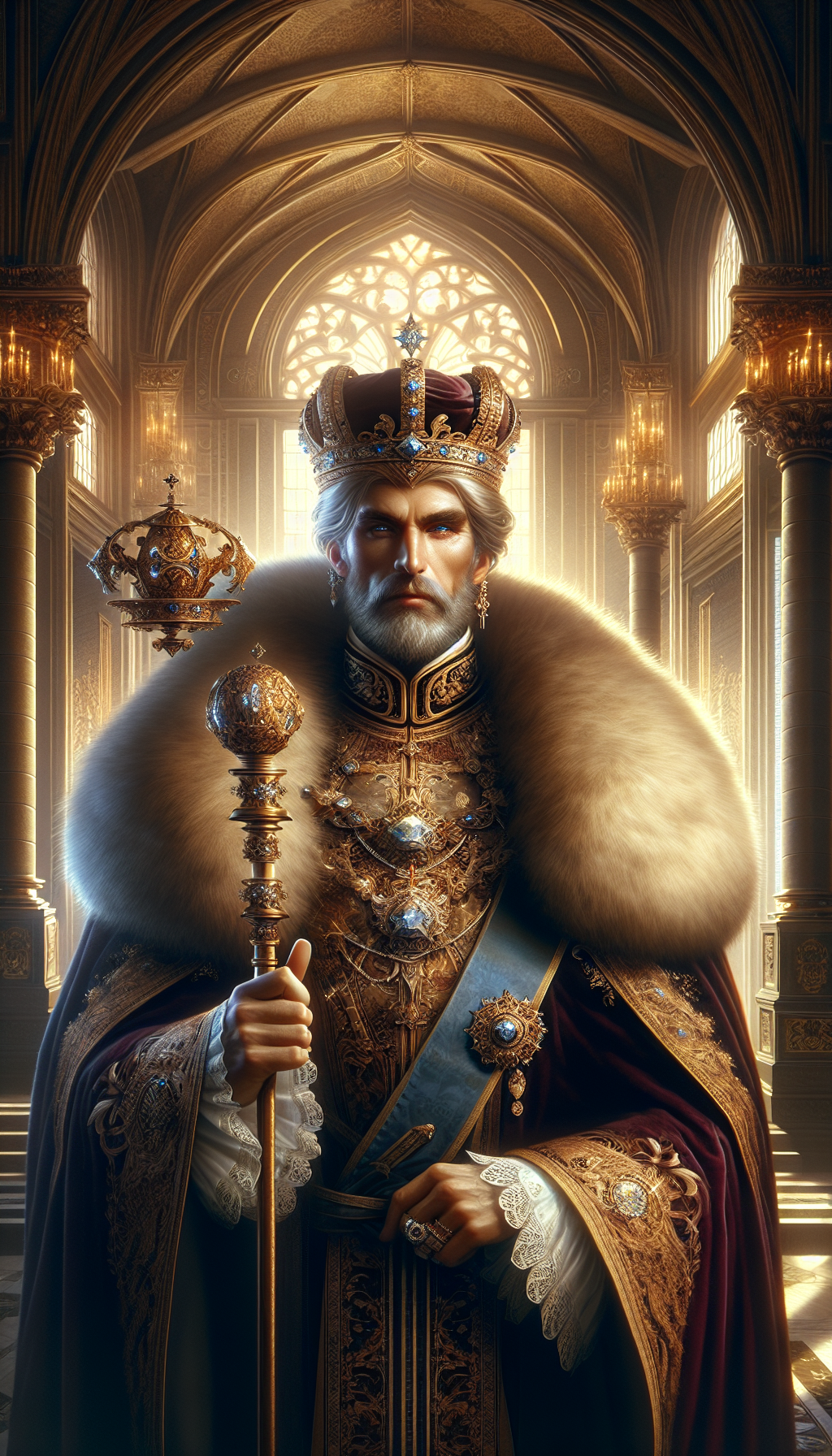
Duke
Greater公爵 · Duke — The Highest Noble, Second Only to the King
The highest noble title outside the royal family. A duke controls a substantial portion of the entire kingdom's territory and constitutes a semi-independent power with its own military, administration, and judiciary. Though nominally in a lord-vassal relationship with the king, in practice they are often near-equals at the negotiating table. In succession disputes, a duke's allegiance determines the outcome of wars.
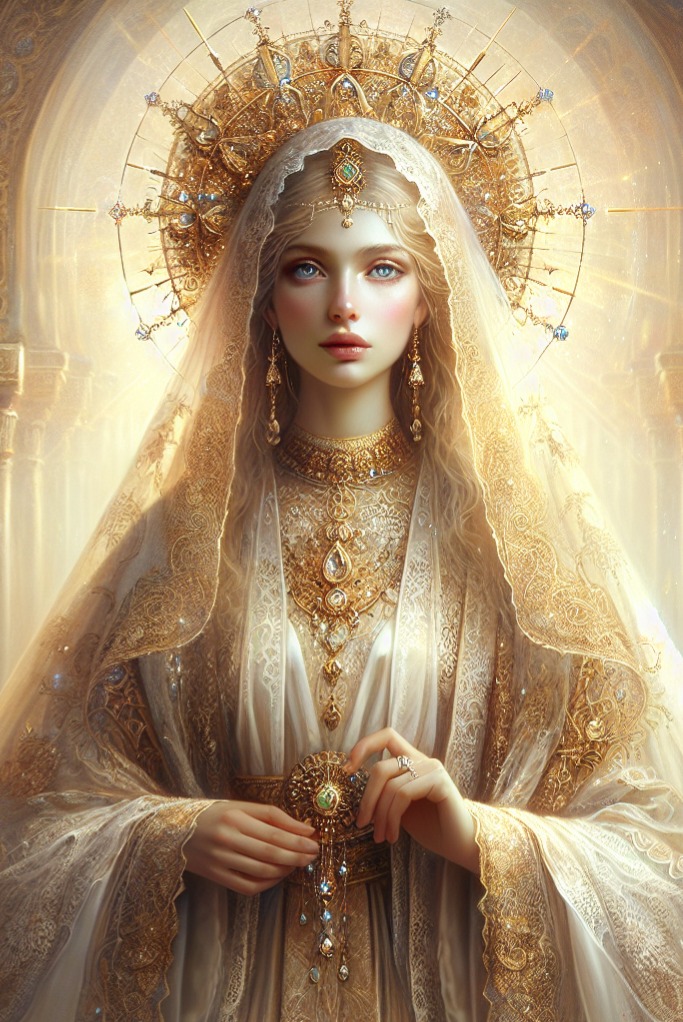
Holy Maiden
Greater聖女 · Saint / Holy Maiden — The Highest Religious Woman, Blessed by the Divine
A woman officially recognized by the church or religious institution as having received divine grace. It is common for a woman who performed miracles in life or died a martyr to be canonized posthumously, but in fantasy a living Holy Maiden is often depicted as a powerful being who manifests light magic, healing, and exorcism abilities in the present world. Her authority cannot easily be dismissed even by royal power, and she plays a symbolic role in boosting the morale of soldiers on the battlefield.
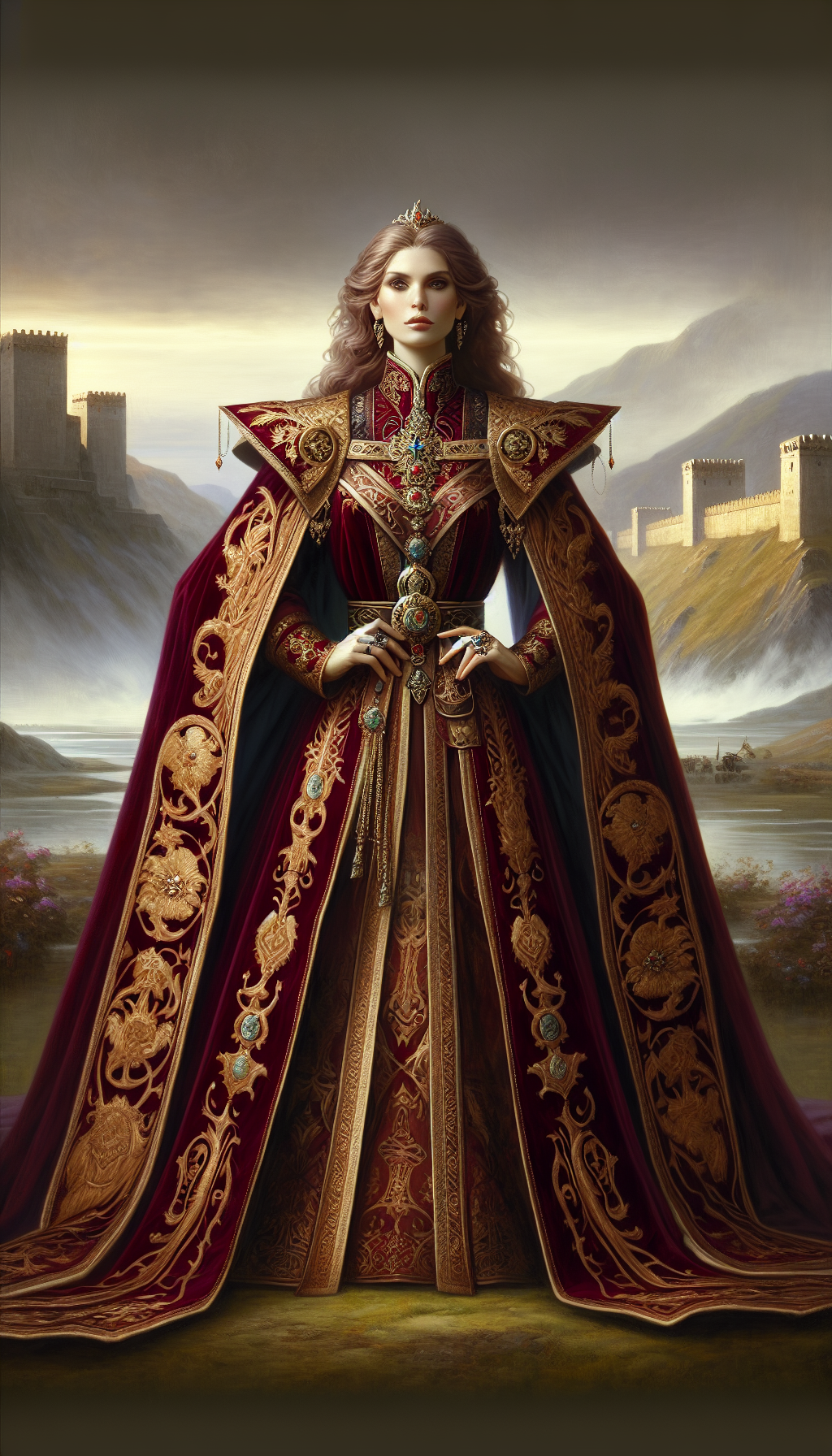
Marquess
Greater侯爵 · Marquess / Margrave — Noble Guardian of the Frontier
A high noble title ranking just below the duke. Originally born from the military role of guarding border territories — also called the Margrave — the marquess commands vast military authority as the commander of the kingdom's frontline defenses against foreign incursion. Within the realm, the marquess counts among the five most powerful individuals.
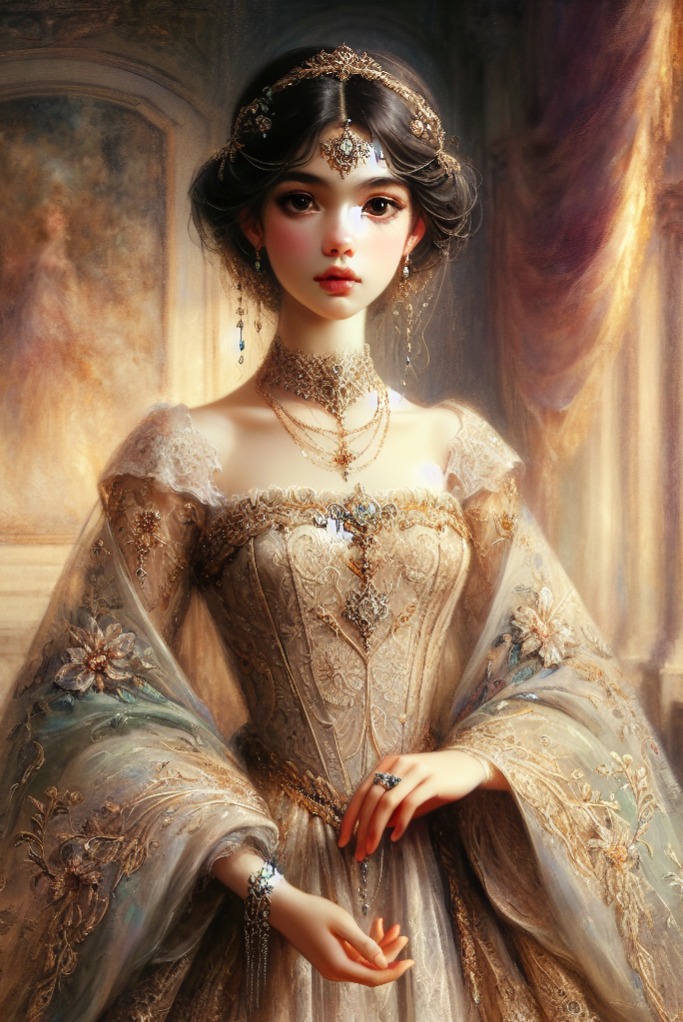
Young Lady
Intermediate令愛 · Young Lady — The Unmarried Daughter of a Noble House
An honorific for the unmarried daughter of a noble household. 'Young Lady' (令愛) originally means 'your precious daughter' — a respectful term used when referring to another's daughter. It is the most frequently appearing female status in romance fantasy, used alongside the family's title as in 'the Young Lady of Baron House' or 'the Young Lady of Duke House.' A young lady's social standing depends entirely on her father's rank, and it is also a provisional status that lasts only until marriage.
Baron
Intermediate男爵 · Baron — The First Step of the Hereditary Nobility
The lowest of the hereditary noble titles. The baron governs a small domain and the peasants attached to it, and owes military service to a superior lord as a vassal. A barony typically spans one to a few villages, and the baron himself exercises seigneurial judicial authority. In fantasy settings, this is the rank most often cast as an early-arc villain or local power figure.

Serf / Outcast
Lesser最下層民 — The Lowest Stratum of Society
The lowest stratum in the social order. Slaves, descendants of convicted criminals, and members of stigmatized occupations — butchers, jesters, corpse handlers — all belong to this class. They receive almost no legal protection and are barred from owning land, receiving education, or practicing certain trades. In fantasy settings, they may be forbidden from using magic or conscripted by force.
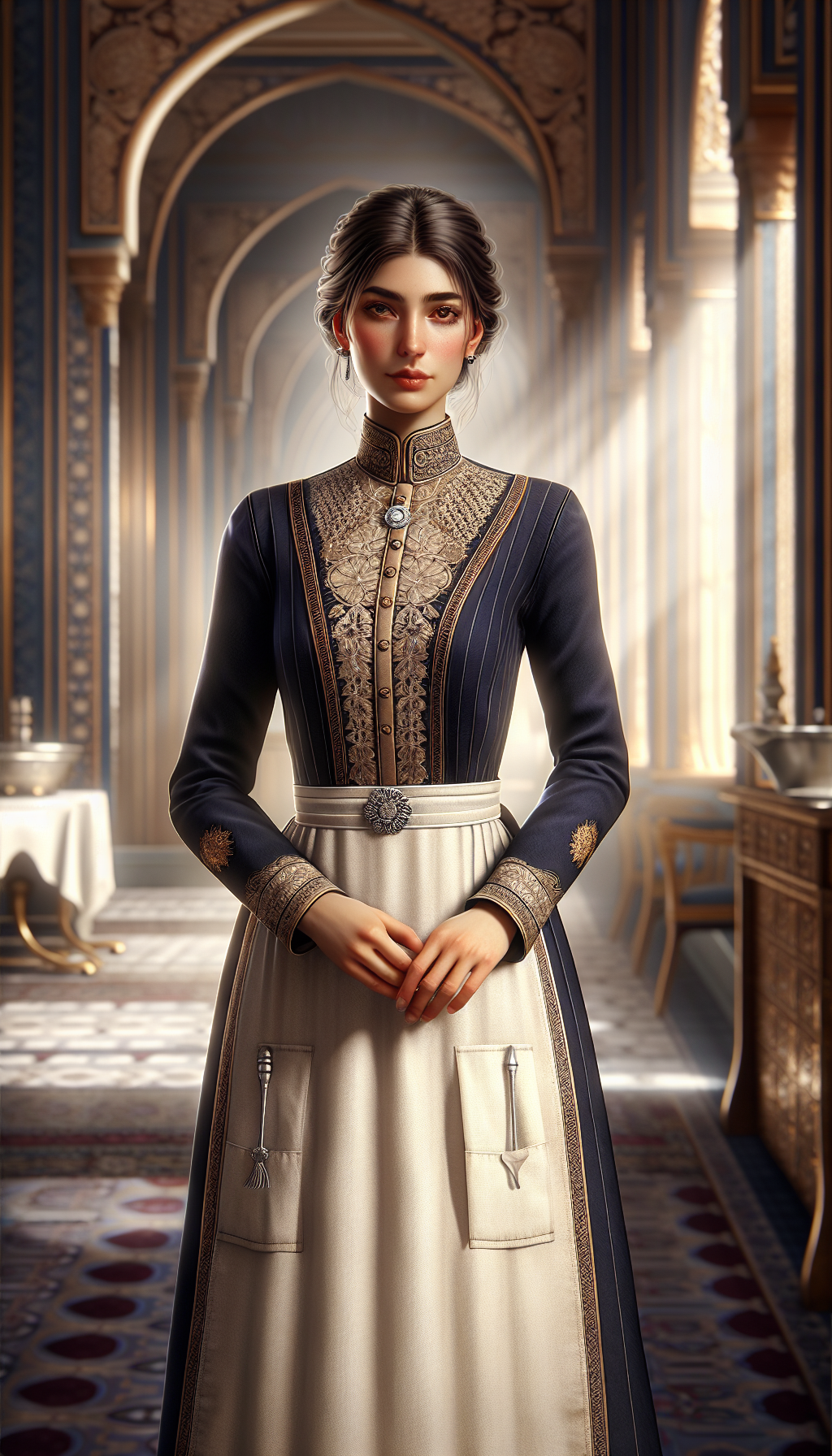
Servant
Lesser使用人 — Those Who Serve Noble Households
A class employed by noble or wealthy merchant households to assist with daily life. Unlike serfs, servants receive wages and lodging under an employment contract, and their social standing shifts according to their master's prestige. The head butler of a grand estate may wield more practical influence than a minor noble. Roles are subdivided into attendants, butlers, cooks, grooms, bodyguards, and more.
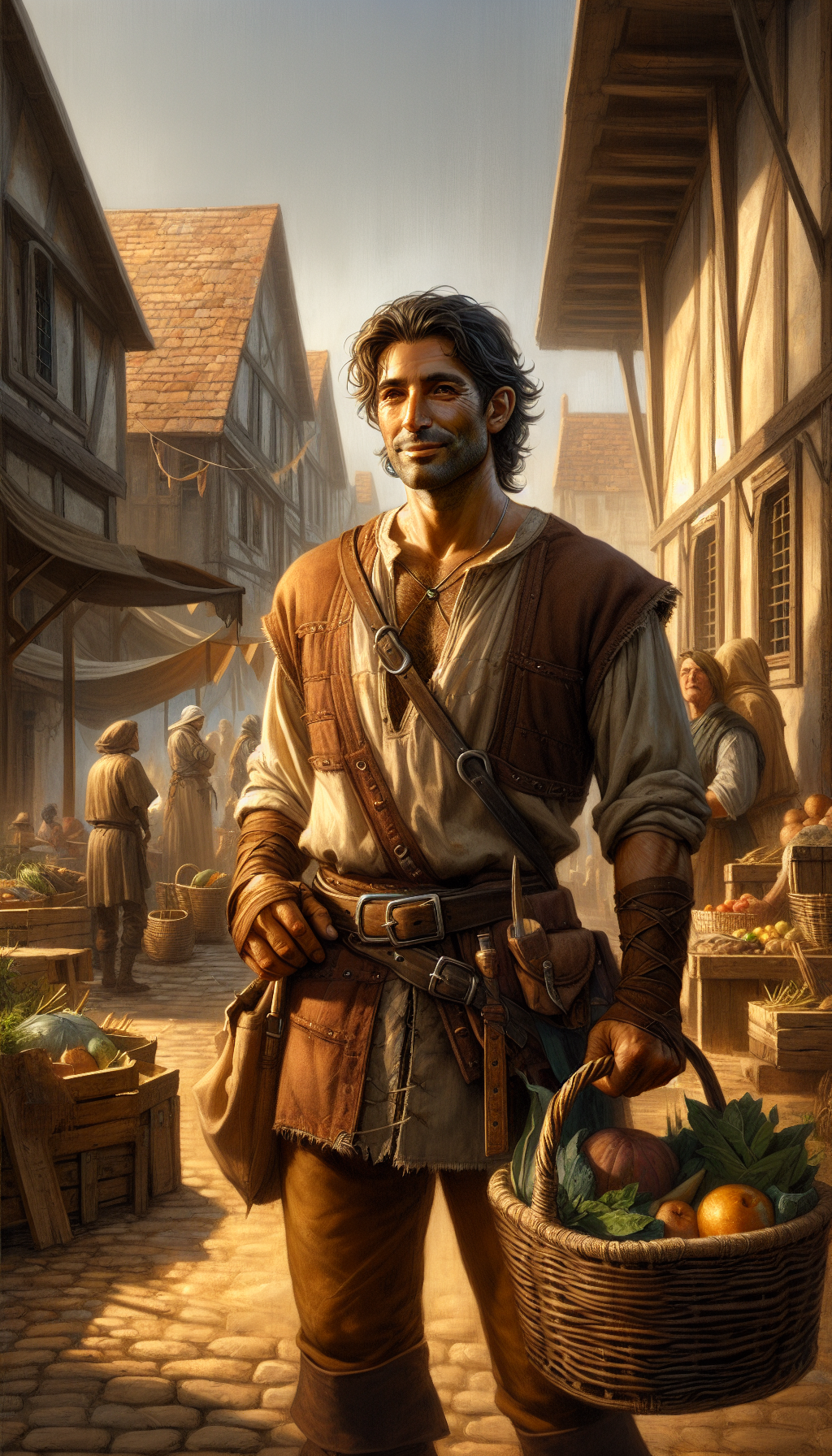
Commoner
Lesser平民 — The Free People Who Form Society's Majority
The free class positioned between the nobility and the outcasts. It encompasses farmers, craftsmen, merchants, and fishermen among many others. Commoners may own or lease land, and receive basic legal protections alongside the obligations of taxation. Fantasy worlds frequently feature commoner-born adventurers and mages who rise to stand beside nobles — a testament to how often heroes emerge from this class.
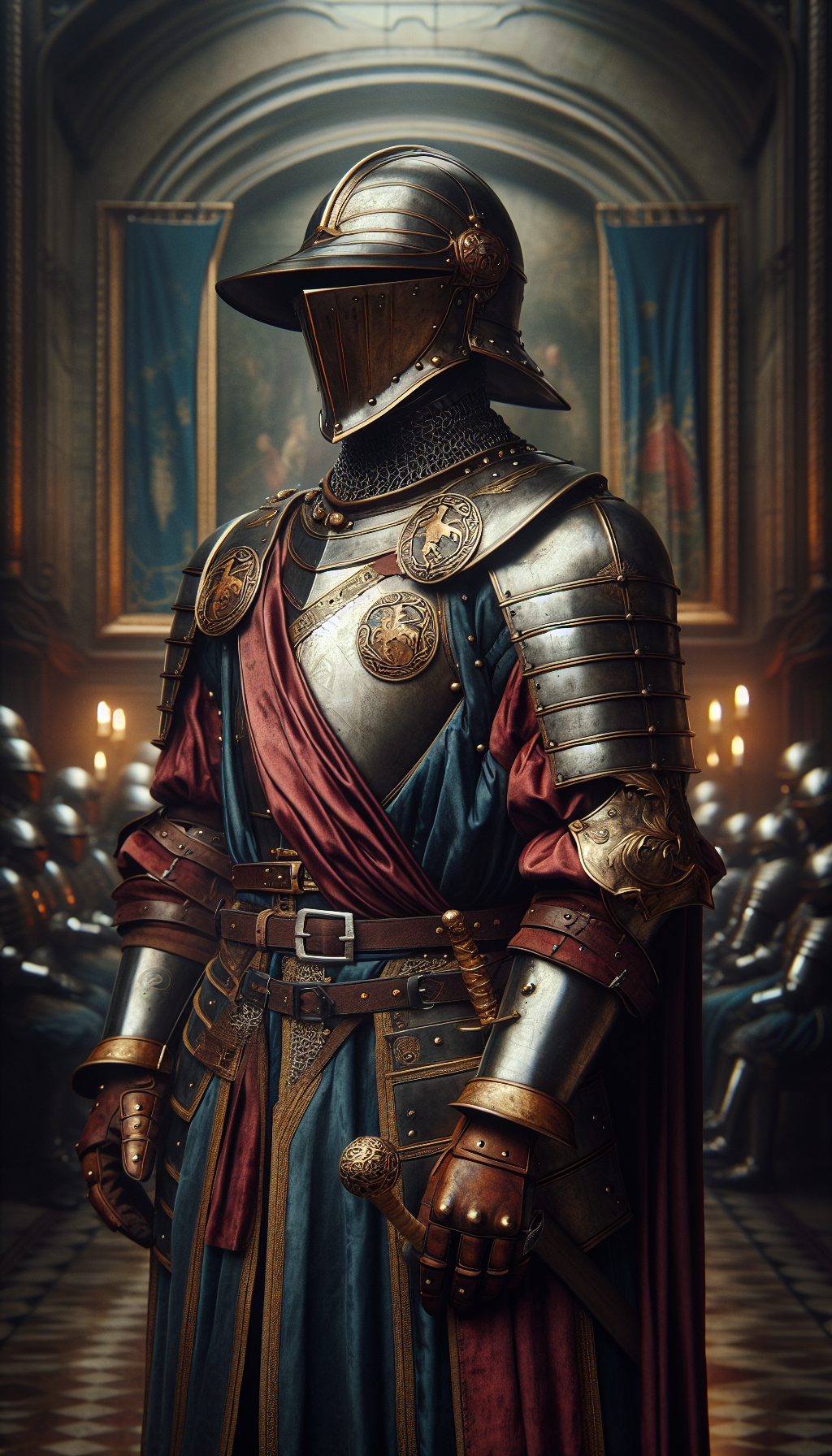
Knight
Intermediate騎士 · Knight — Warrior of the Lower Nobility
The lowest rung of the noble hierarchy, a warrior class whose rank is earned through a sworn oath of fealty to a liege lord. Unlike other noble titles that are inherited, the knighthood can be conferred upon a commoner for deeds of valor or a lord's recognition — making it the most accessible path of social ascent. In fantasy worlds, numerous derivative classes exist, including the Paladin, Dark Knight, and Magic Knight.
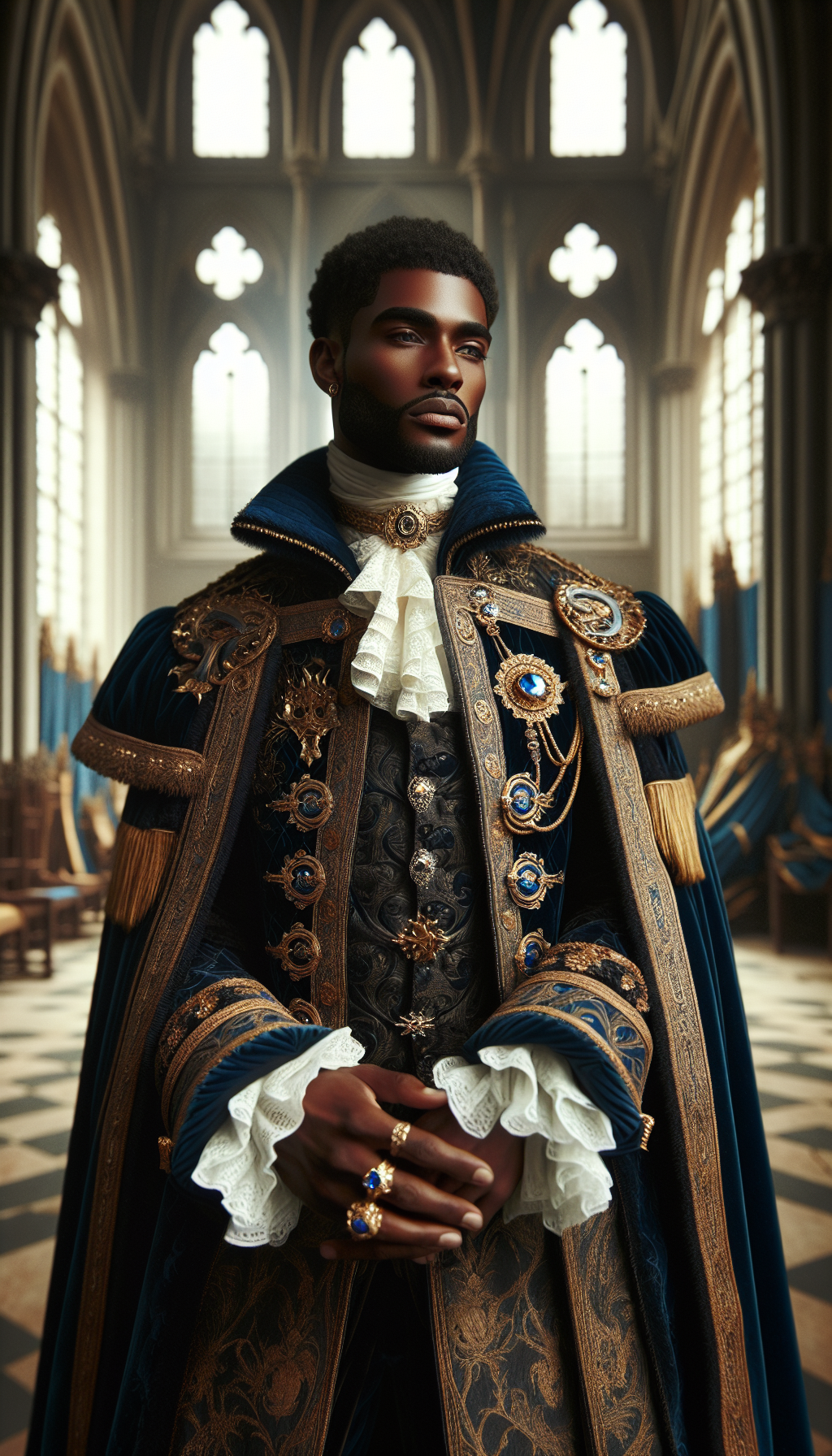
Viscount
Intermediate子爵 · Viscount — The Middle Noble Between Count and Baron
A middle-rank title above the baron and below the count. Historically developed from the role of a count's deputy, the viscount governs several domains and towns. This is the rank at which genuine participation in court politics begins; viscounts and above are often entitled to attend royal ceremonies and parliamentary sessions. In fantasy, this rank frequently appears as a figure redolent of intrigue and political maneuvering.
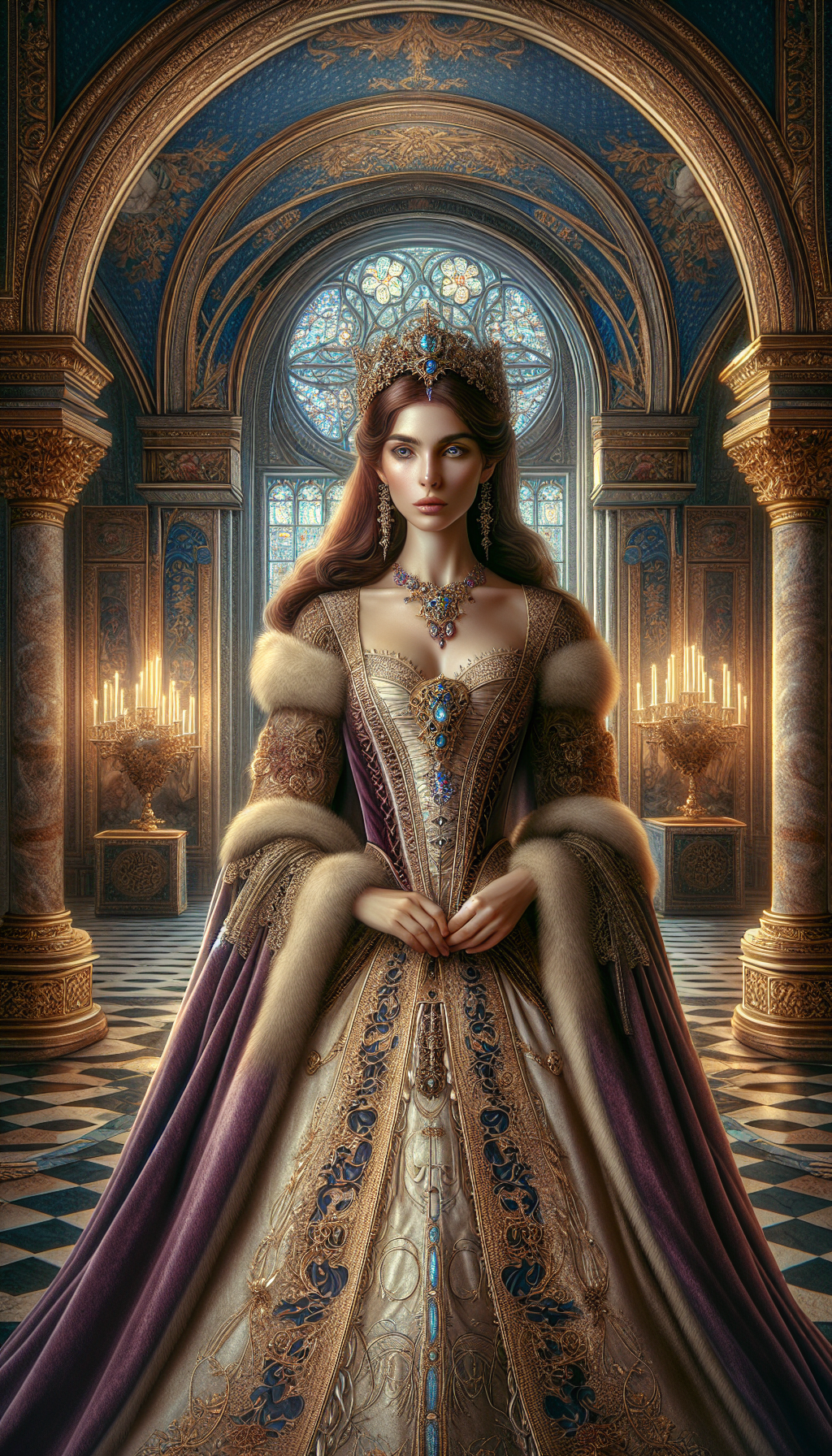
Duke's Daughter / Tribute Lady
Greater貢女 · Duke's Daughter / Tribute Lady — A Title with Two Faces
The term carries two entirely different meanings. ①**Duke's Daughter**: The daughter of a duke — a woman of the highest noble bloodline, near-royal in standing. The most elevated of all Young Ladies, she is a candidate for marriage to a prince or crown prince. ②**Tribute Lady**: A woman sent by a vassal state to a great power as a hostage, comfort figure, or diplomatic offering. The diametrically opposite meaning — in this case, the Gongnye is a political sacrifice. In fantasy, the two meanings are often intertwined to create a distinctive dramatic tension.