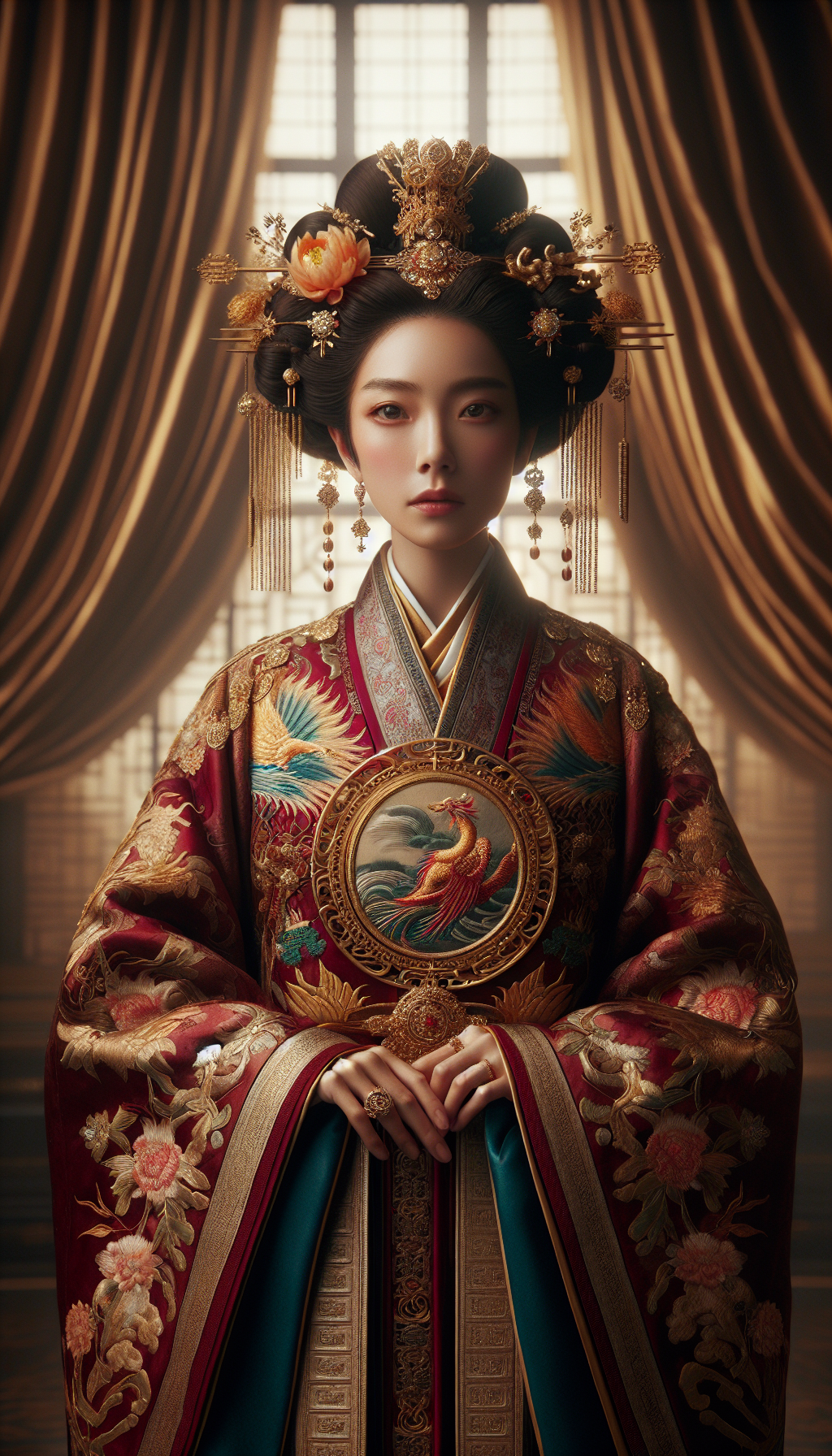
Empress Dowager
太后 · Empress Dowager — The Hand That Moves the Empire from Behind the Current Emperor
The empress of the late emperor and the mother of the reigning emperor. She ranks above even the current empress in the official hierarchy, and during the reign of a young or incapable emperor she effectively governs the entire empire through regency — ruling from behind the screen. Historical figures like China's Empress Dowager Cixi and Rome's Agrippina the Younger wielded power that sometimes exceeded the emperor's. In fantasy, the empress dowager appears either as the true hidden mastermind or as a formidable patron who supports the protagonist.
Origin
Developed from the East Asian imperial tradition of conferring the special honorific title 'Empress Dowager' upon the late emperor's consort. In the West she is called the Queen Mother or Empress Dowager, and regent queen mothers were numerous in medieval to early modern Europe.
Features
- Ranks above the current empress in the official hierarchy — even the emperor must pay her reverence
- Holds regency authority — exercises full power when the emperor is a minor or infirm
- Commands a court network and intelligence web built over decades — knows secrets even the emperor cannot access
- The final arbiter of power struggles between consorts and the empress
- In fantasy, a single word from the empress dowager overturning the emperor's decision is a frequent dramatic scene
Usage
The hidden power behind palace narratives. The linchpin of the dynamic: 'The emperor decides, but the empress dowager must approve.'
Weakness
If her relationship with her son the emperor cools, her power base crumbles. Losing the balance between her natal clan and the emperor leads to isolation.
Female Ranks Rank List
Related Items
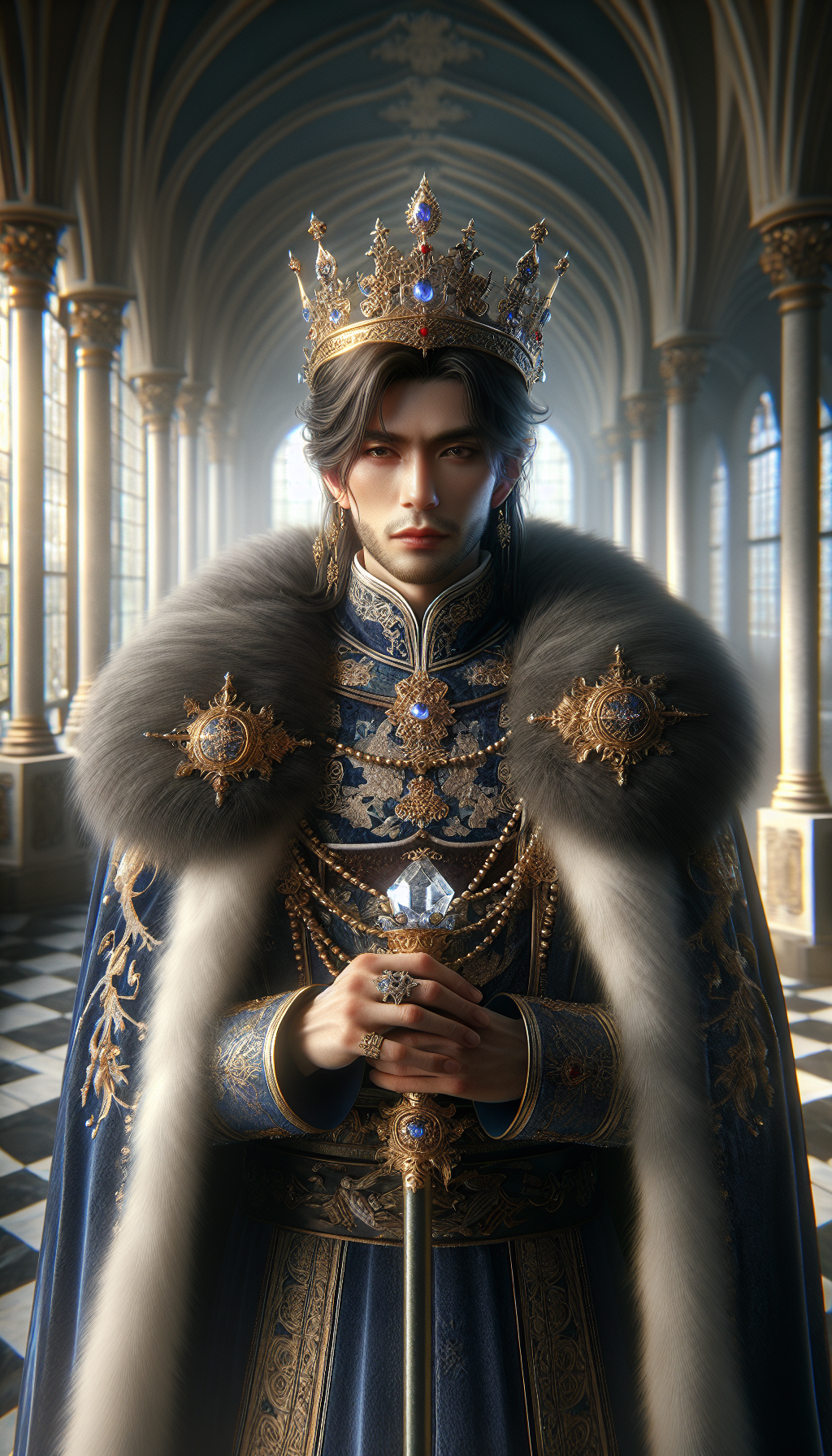
Crown Prince
Supreme皇太子 · Crown Prince — The Sole Heir to the Empire
The emperor's official heir. Holding the second-highest authority in the entire empire, the crown prince must be ready to assume governance at a moment's notice should the emperor be incapacitated. From childhood, he is trained in statecraft, military strategy, diplomacy, and — depending on the fantasy setting — magic. The tension between the crown prince's supporters and his opponents is the eternal theme of imperial politics.
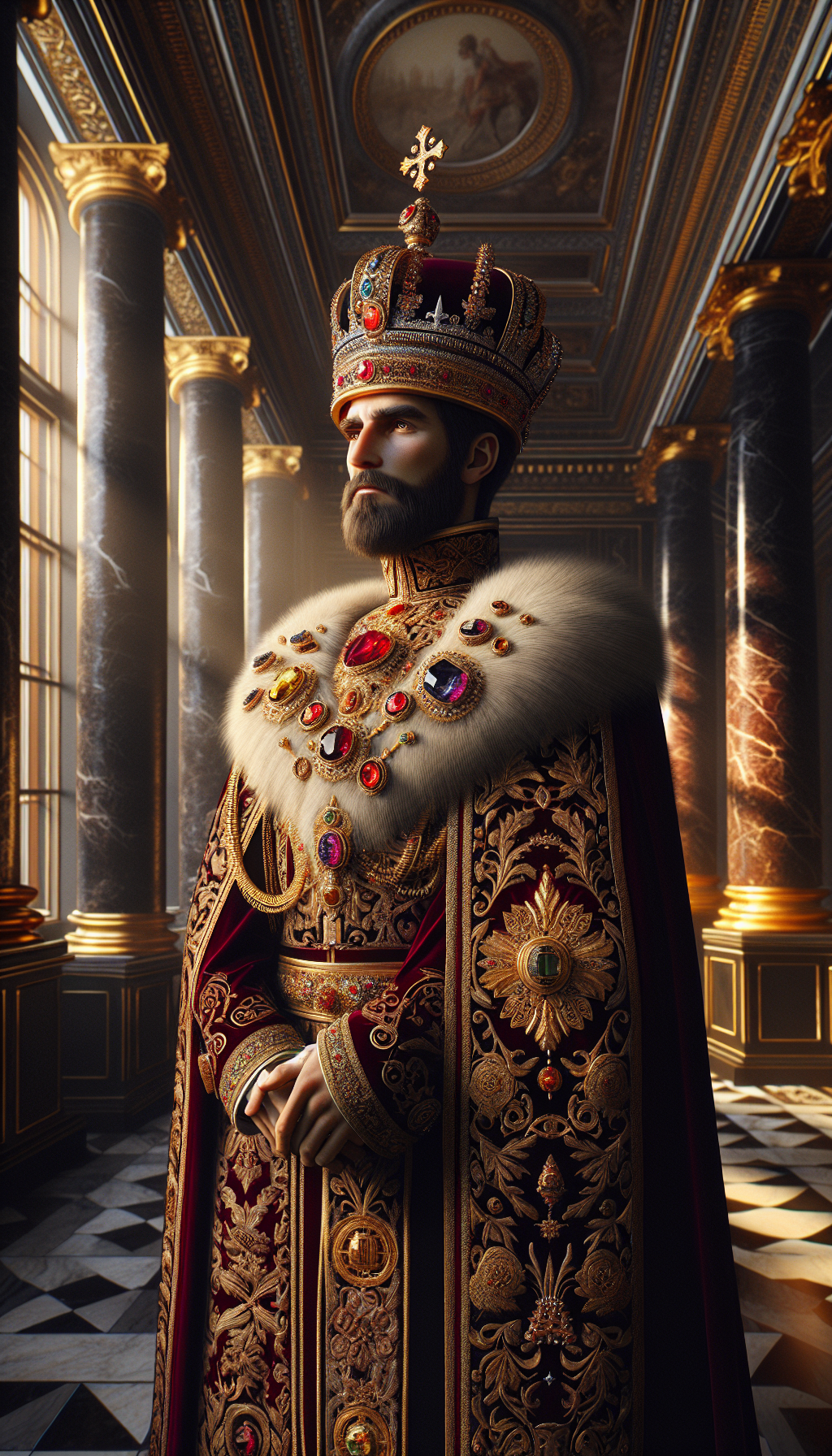
Emperor
Spirit King皇帝 · Emperor — The Empire's Supreme Pinnacle, the Living Law Itself
The absolute pinnacle of secular power. As King of Kings, the emperor rules over multiple kingdoms, and his will becomes the law of the empire. Imperial authority is held to be divinely granted — the Divine Right of Emperors — and rebellion against the emperor was equated with rebellion against the gods. In fantasy worlds, the emperor is often a being of absolute power, or conversely, the towering symbol of authority the protagonist must bring down.
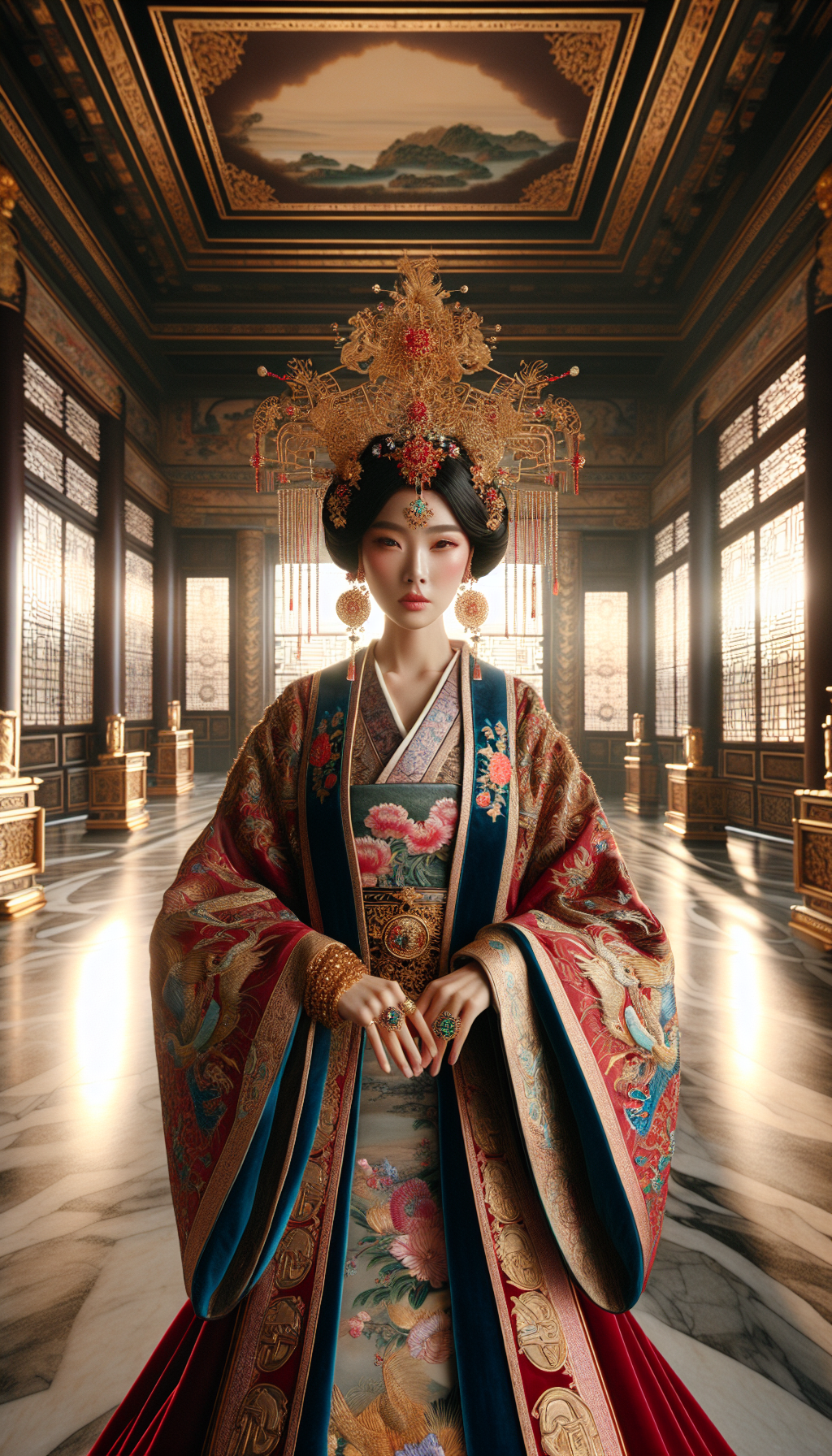
Empress
Spirit King皇后 · Empress — The Empire's Other Sun
The emperor's consort (Empress Consort) or a woman who rules the empire in her own right (Empress Regnant). In Eastern courts, the empress commands the entire inner court and forms one of the two pillars of the empire alongside the emperor. Historical figures such as Wu Zetian of Tang China and Catherine the Great of Russia exercised power that in practice exceeded the emperor's own. In fantasy, the empress is often portrayed as an absolute ruler who moves the entire empire from behind a graceful facade.