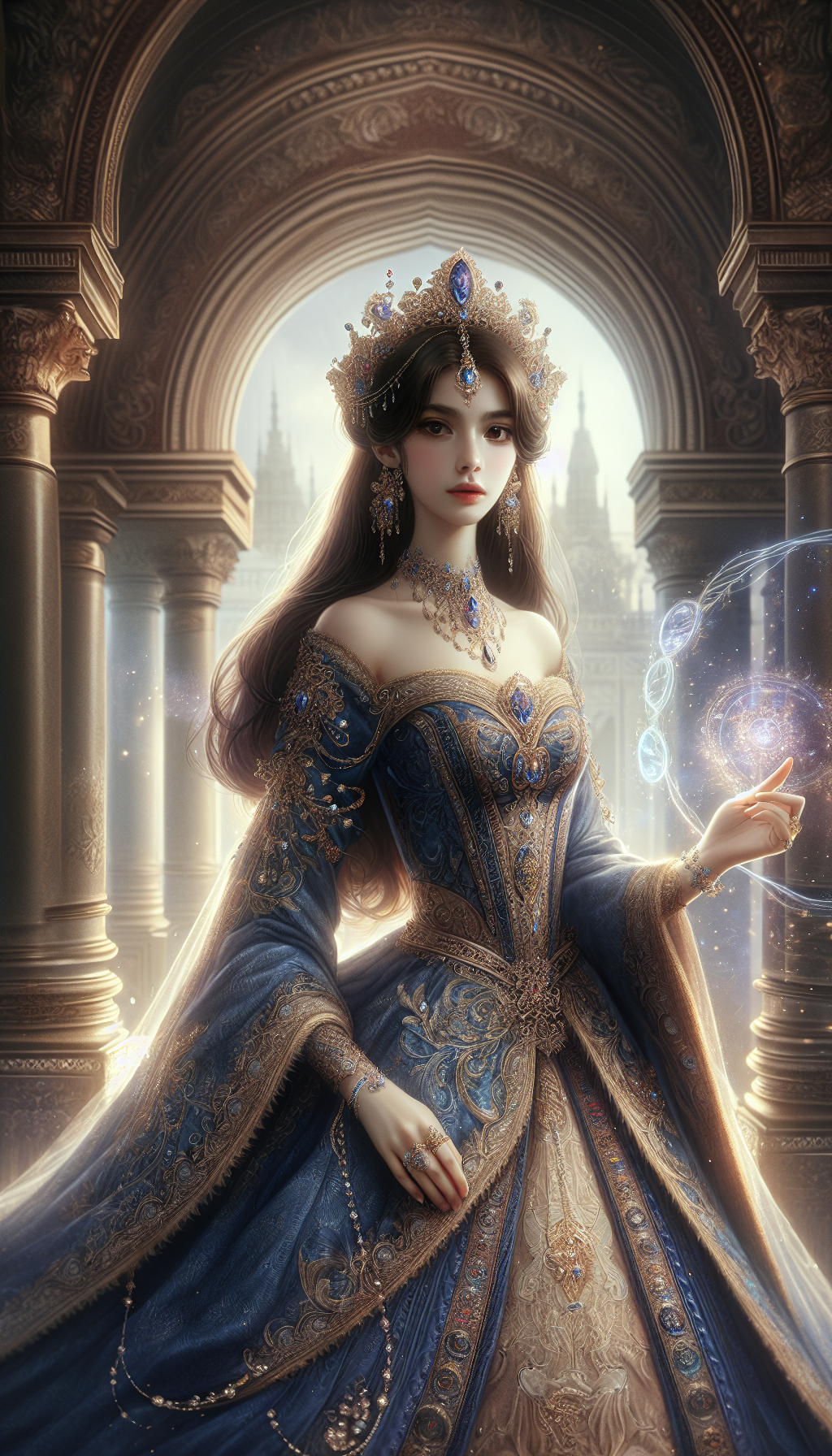
The daughter of a king or emperor. A status conferred by bloodline rather than a hereditary title; her succession rights are often more restricted than a prince's. Yet in fantasy, the princess has been overwhelmingly reinterpreted not as a passive rescue target but as an active figure who takes up the sword, wields magic, or orchestrates political schemes herself. A princess's marriage sealed alliances between kingdoms — making the princess herself a 'living political asset.'
Origin
A title for the female children of the royal bloodline that developed independently in both East and West. It manifests in diverse forms: China's Gongzhu (公主), Europe's Princess, and Korea's Gongju and Ongju system.
Features
- The highest female status conferred by royal bloodline
- A primary party to diplomatic marriages — dynastic alliances are sealed through her union
- Succession rights (restricted or equal, depending on the world's rules)
- Royal education — trained in languages, diplomacy, arts, and magic (in fantasy settings)
- May come to govern her own domain or attain the position of Crown Princess
Usage
One of the most common female protagonist archetypes in fantasy. The spectrum runs wide — from rescue narratives to stories of an active adventurer.
Weakness
The reality of being treated as an instrument of political marriage. Structural inequality in being excluded from the succession.
Female Ranks Rank List
Related Items

Crown Prince
Supreme皇太子 · Crown Prince — The Sole Heir to the Empire
The emperor's official heir. Holding the second-highest authority in the entire empire, the crown prince must be ready to assume governance at a moment's notice should the emperor be incapacitated. From childhood, he is trained in statecraft, military strategy, diplomacy, and — depending on the fantasy setting — magic. The tension between the crown prince's supporters and his opponents is the eternal theme of imperial politics.

Queen Regnant
Supreme女王 · Queen Regnant — A Female Monarch Who Ascended the Throne in Her Own Right
An independent female monarch who ascended the throne in her own right — not as a consort. Distinguished from the Queen Consort, she is called the Queen Regnant. Historical exemplars include Cleopatra, Elizabeth I, and Queen Victoria. In fantasy, the queen regnant is often portrayed as a supreme character who combines magical ability with exceptional strategic genius — the absolute ruler of the kingdom and the apex of all the nobility.
Empress
Spirit King皇后 · Empress — The Empire's Other Sun
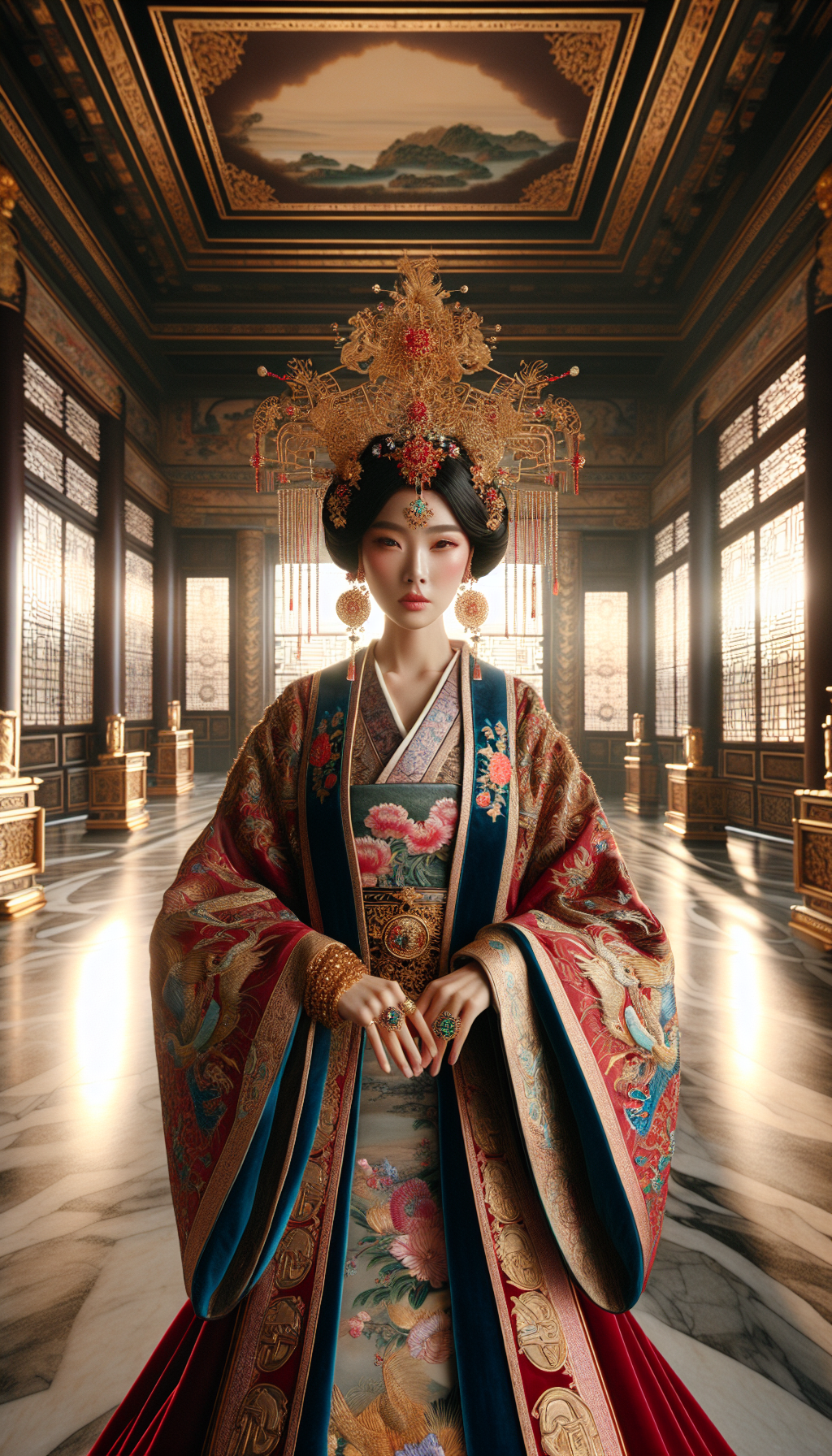
The emperor's consort (Empress Consort) or a woman who rules the empire in her own right (Empress Regnant). In Eastern courts, the empress commands the entire inner court and forms one of the two pillars of the empire alongside the emperor. Historical figures such as Wu Zetian of Tang China and Catherine the Great of Russia exercised power that in practice exceeded the emperor's own. In fantasy, the empress is often portrayed as an absolute ruler who moves the entire empire from behind a graceful facade.