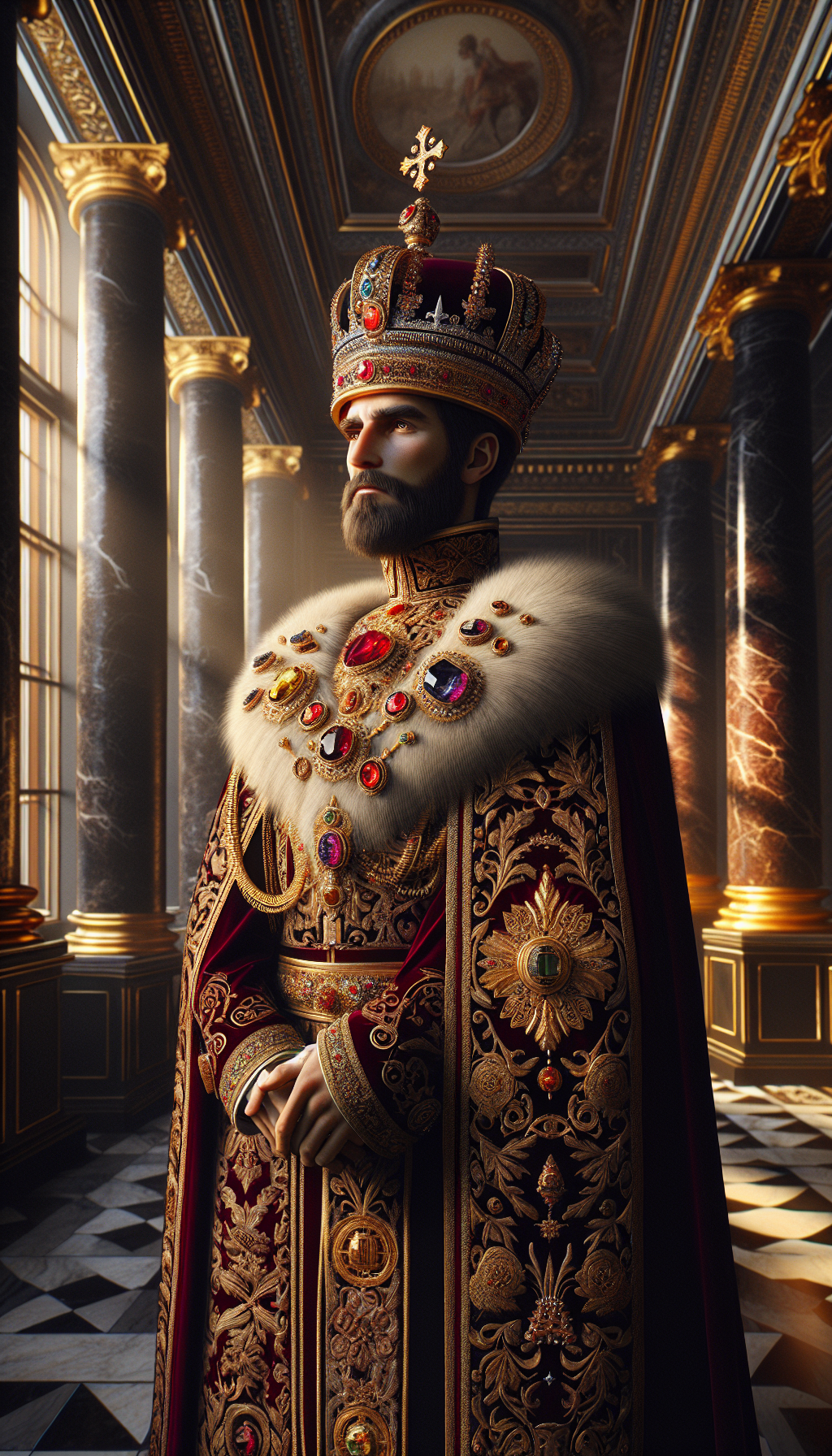
The absolute pinnacle of secular power. As King of Kings, the emperor rules over multiple kingdoms, and his will becomes the law of the empire. Imperial authority is held to be divinely granted — the Divine Right of Emperors — and rebellion against the emperor was equated with rebellion against the gods. In fantasy worlds, the emperor is often a being of absolute power, or conversely, the towering symbol of authority the protagonist must bring down.
Origin
Traces its origins to the Roman Emperor (Caesar/Augustus). Every major civilization developed its own form of the 'supreme ruler' title: the Byzantine Emperor, the Holy Roman Emperor, China's Son of Heaven (天子), and the Islamic Caliph.
Features
- Holds dominion over multiple kingdoms and peoples in a vast super-regional realm
- Divine Right — combines temporal rule with religious authority as God's representative on earth
- The emperor's word carries the force of law
- Commands the imperial guard and holds supreme command of all imperial armies
- Depending on the fantasy setting, the emperor may himself be the mightiest mage or warrior alive
Usage
The ultimate power structure of fantasy. The emperor is the colossal force at the center of the narrative — either the protagonist's ultimate goal, or the last bulwark protecting the world.
Weakness
The more powerful the emperor, the more intense the succession crises and internal power struggles. Absolute power breeds absolute solitude — it is impossible to tell who is truly loyal to the emperor.
Social Ranks Rank List
Related Items
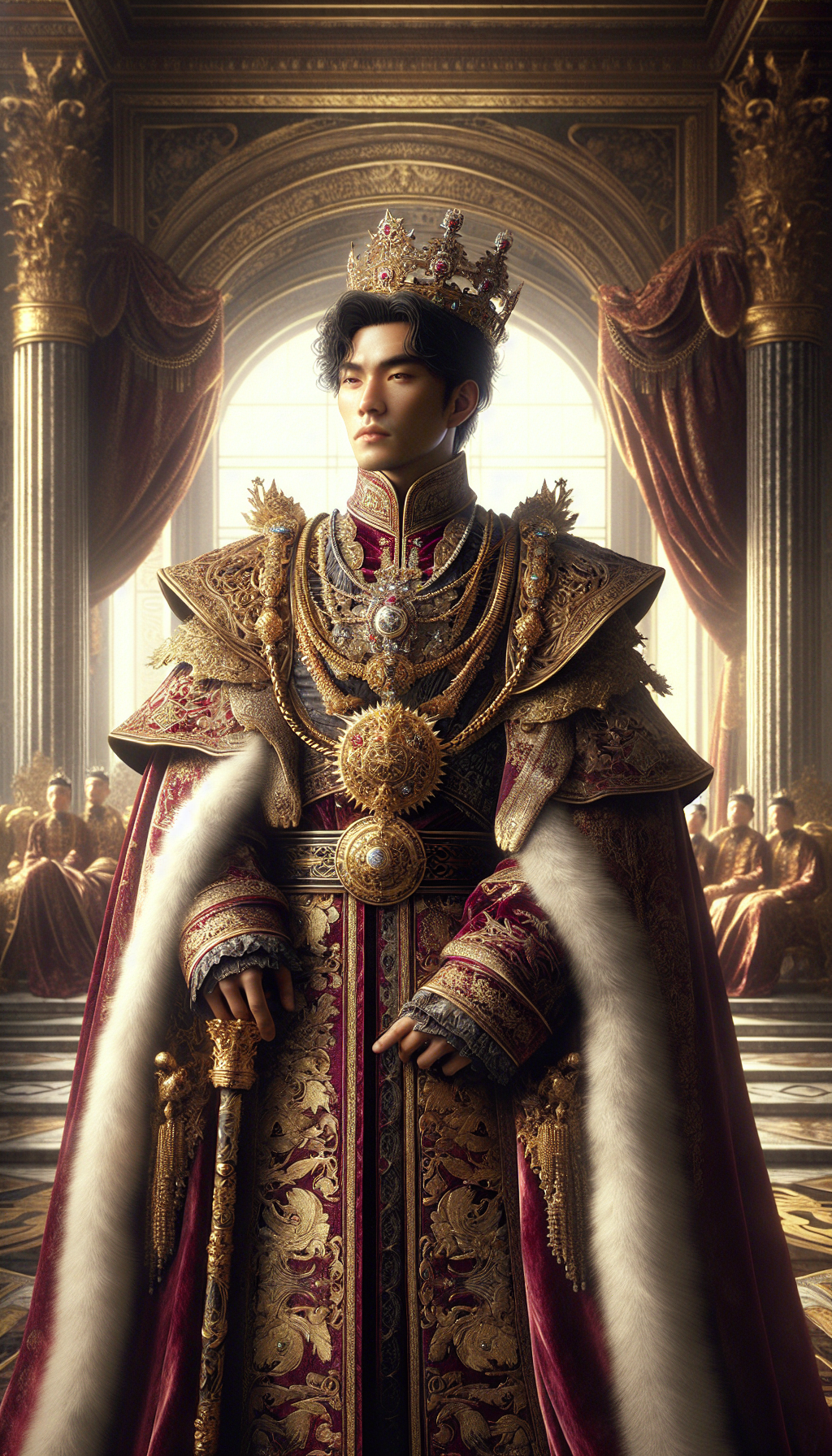
Grand Duke
Greater大公 · Grand Duke / Archduke — The Highest Noble, Near-Royalty
The highest noble title, above the duke but below the king. Often held by rulers of small states or cadet branches of the royal bloodline, a grand duke governs territory that is effectively equivalent to an independent nation. The Habsburg Archdukes of Austria are the prime historical example; in fantasy, the grand duke is often portrayed as an imperial blood-relative governing a core province of the empire.
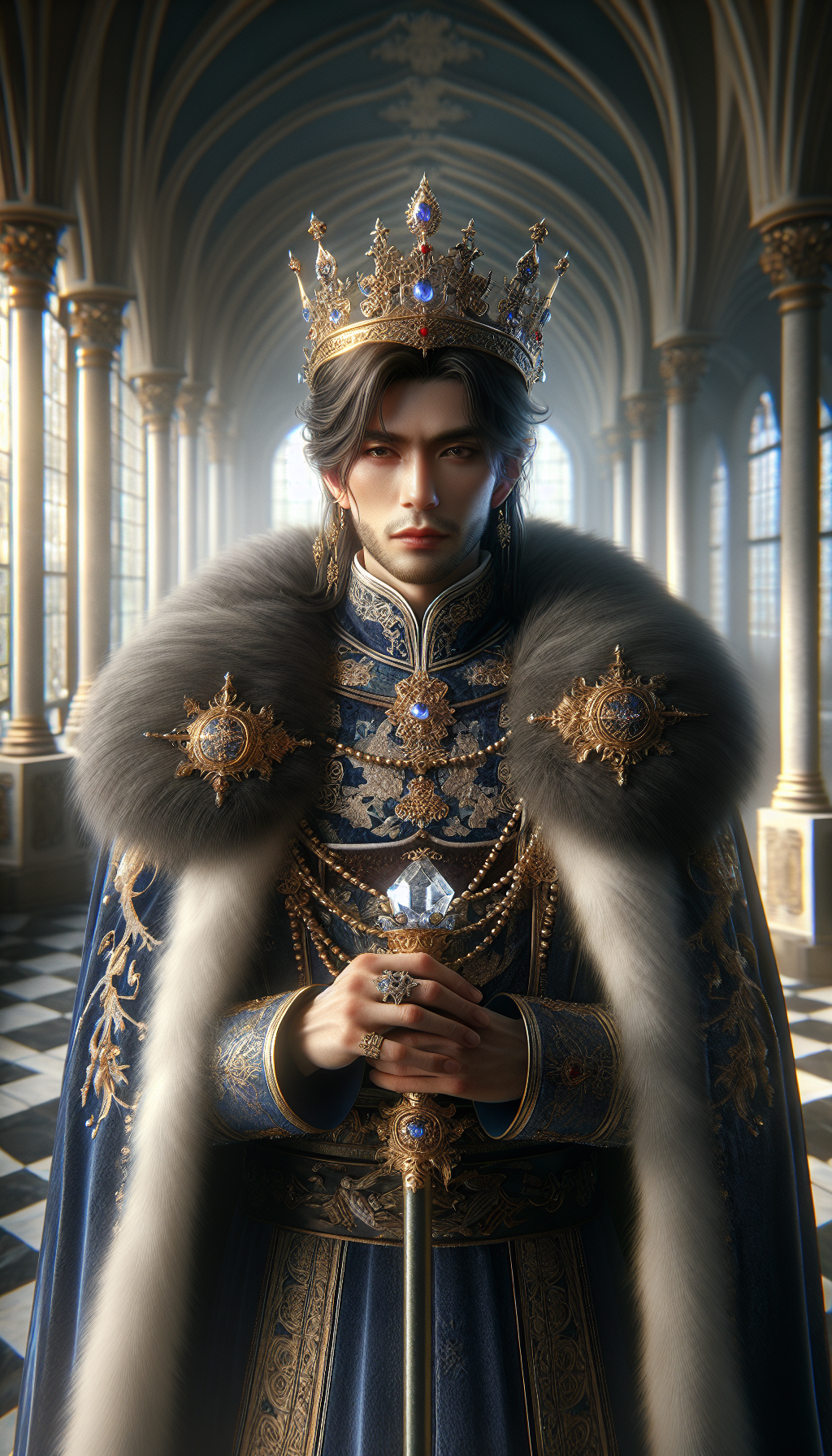
Crown Prince
Supreme皇太子 · Crown Prince — The Sole Heir to the Empire
The emperor's official heir. Holding the second-highest authority in the entire empire, the crown prince must be ready to assume governance at a moment's notice should the emperor be incapacitated. From childhood, he is trained in statecraft, military strategy, diplomacy, and — depending on the fantasy setting — magic. The tension between the crown prince's supporters and his opponents is the eternal theme of imperial politics.
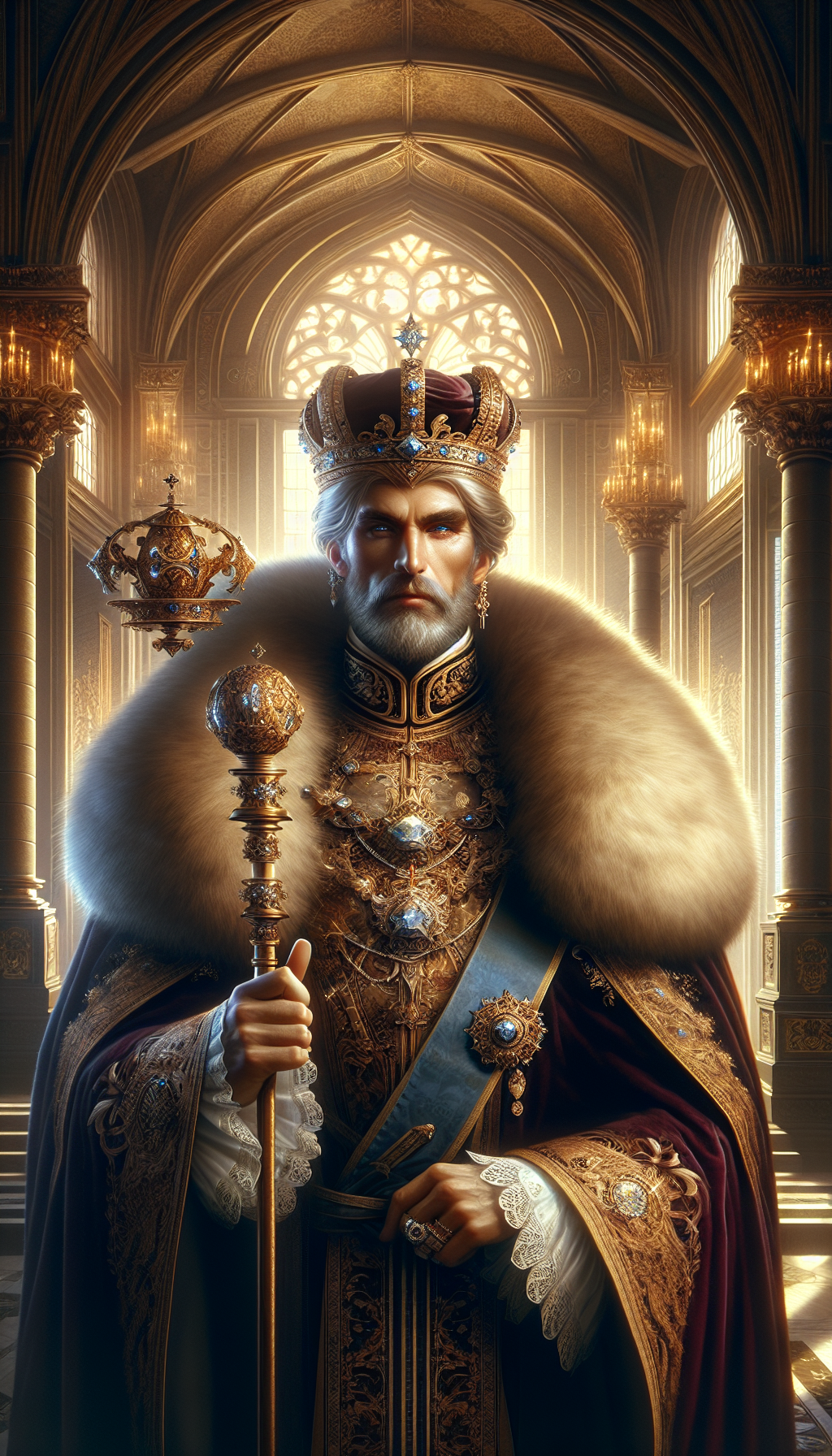
Duke
Greater公爵 · Duke — The Highest Noble, Second Only to the King
The highest noble title outside the royal family. A duke controls a substantial portion of the entire kingdom's territory and constitutes a semi-independent power with its own military, administration, and judiciary. Though nominally in a lord-vassal relationship with the king, in practice they are often near-equals at the negotiating table. In succession disputes, a duke's allegiance determines the outcome of wars.