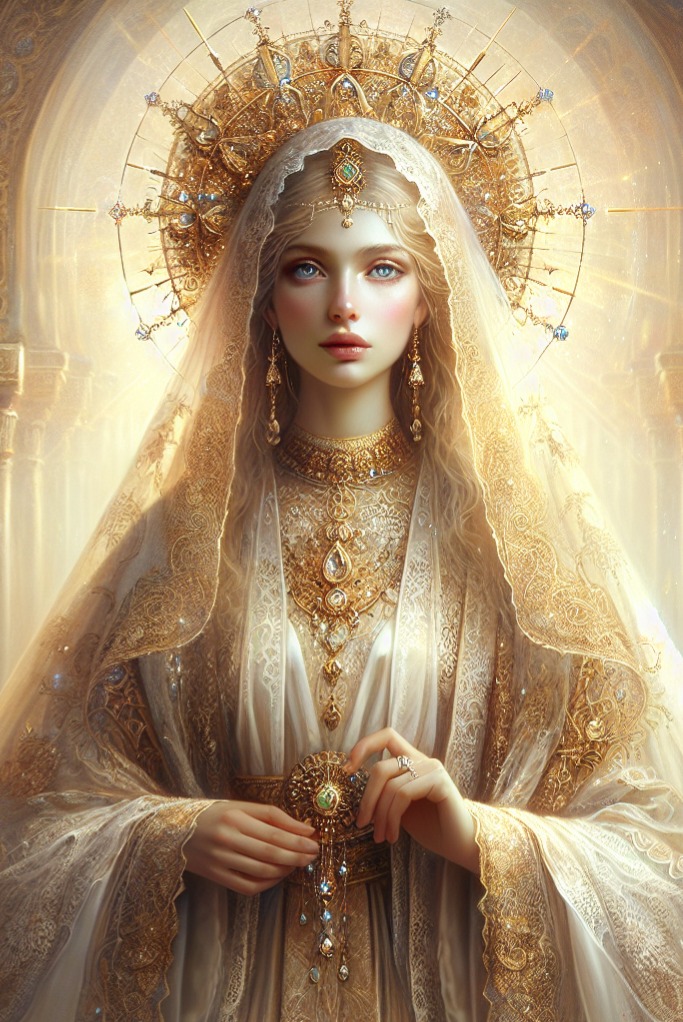
Holy Maiden
聖女 · Saint / Holy Maiden — The Highest Religious Woman, Blessed by the Divine
A woman officially recognized by the church or religious institution as having received divine grace. It is common for a woman who performed miracles in life or died a martyr to be canonized posthumously, but in fantasy a living Holy Maiden is often depicted as a powerful being who manifests light magic, healing, and exorcism abilities in the present world. Her authority cannot easily be dismissed even by royal power, and she plays a symbolic role in boosting the morale of soldiers on the battlefield.
Origin
Derived from the Christian tradition of sainthood. In Asian fantasy she manifests in forms such as the Heavenly Maiden (天女), Immortal Maiden (仙女), and Holy Shrine Maiden (聖巫女). Joan of Arc and Mother Teresa are the archetypal historical figures.
Features
- A divinely recognized status conferred by the church — a special position exempt from secular law
- Possesses sacred abilities including healing, purification, light magic, and the banishment of undead
- The Holy Maiden's proclamation or excommunication is a religious power capable of reshaping the political landscape of kingdoms
- In wartime, responsible for boosting troop morale and treating the wounded
- The Holy Maiden's relics and sacred objects are treated as powerful magical materials
Usage
A core character in light-and-healing fantasy. Opposes royal power in church-politics narratives, or serves as the spiritual pillar of the demon-lord subjugation party.
Weakness
Frequently used as a pawn in the politics of the church organization. The stronger her divine abilities, the higher her priority as a target for evil forces.
Female Ranks Rank List
Related Items
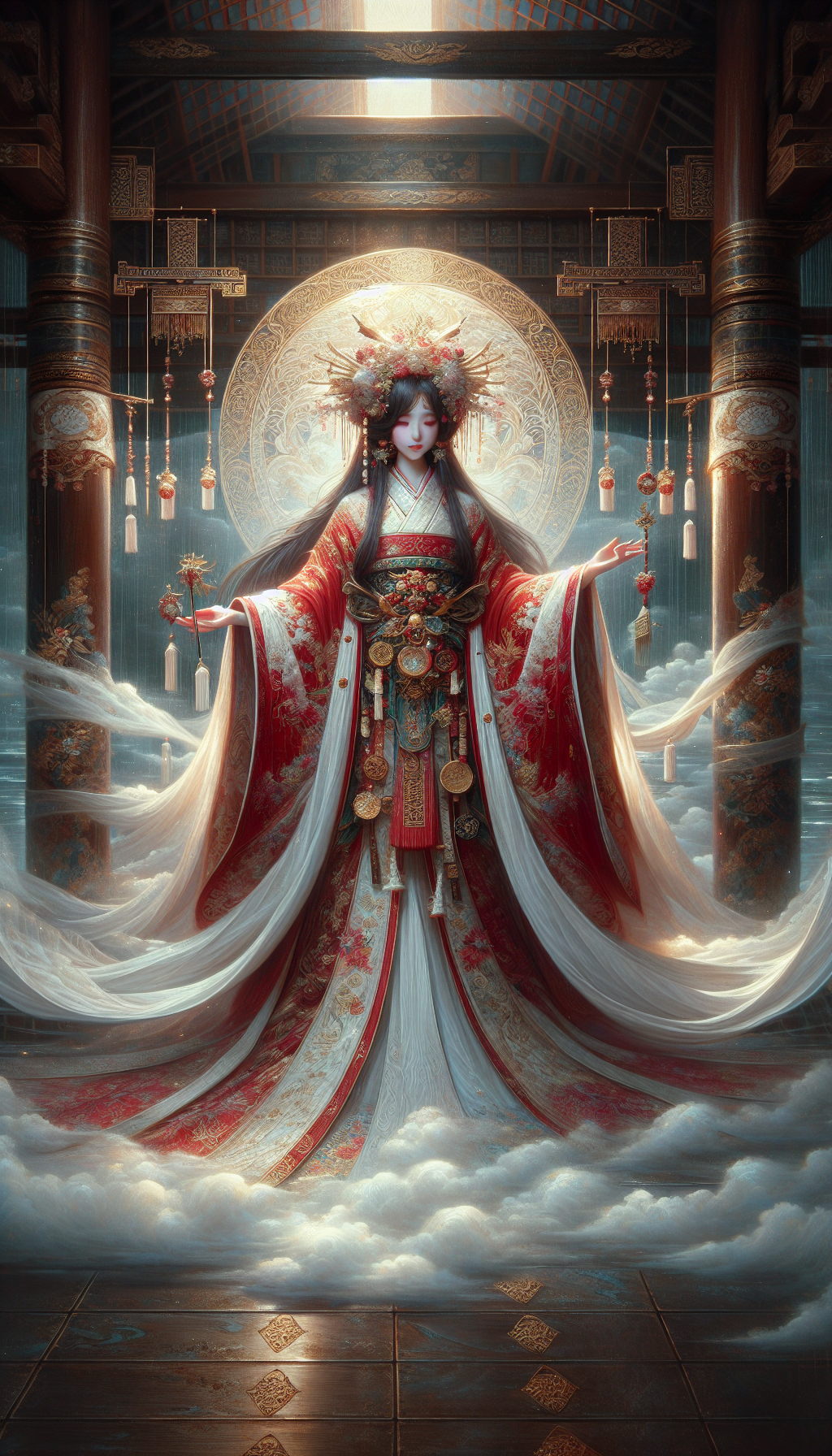
Shrine Maiden
Intermediate巫女 · Shrine Maiden — The Sacred Woman Who Bridges God and Humanity
A female religious figure who receives divine will, delivers prophecy, performs purification rites, and mediates between gods and humanity. In East Asian fantasy, the shrine maiden is a sacred being who serves at a shrine and is also a formidable warrior in her own right, wielding powerful spiritual energy. In Korean shamanism she manifests as the Mudang (shaman), and in Western fantasy as the Oracle or Sibyl. The shrine maiden's prophecies carry an absolute authority capable of altering the destiny of kings.

Queen Regnant
Supreme女王 · Queen Regnant — A Female Monarch Who Ascended the Throne in Her Own Right
An independent female monarch who ascended the throne in her own right — not as a consort. Distinguished from the Queen Consort, she is called the Queen Regnant. Historical exemplars include Cleopatra, Elizabeth I, and Queen Victoria. In fantasy, the queen regnant is often portrayed as a supreme character who combines magical ability with exceptional strategic genius — the absolute ruler of the kingdom and the apex of all the nobility.
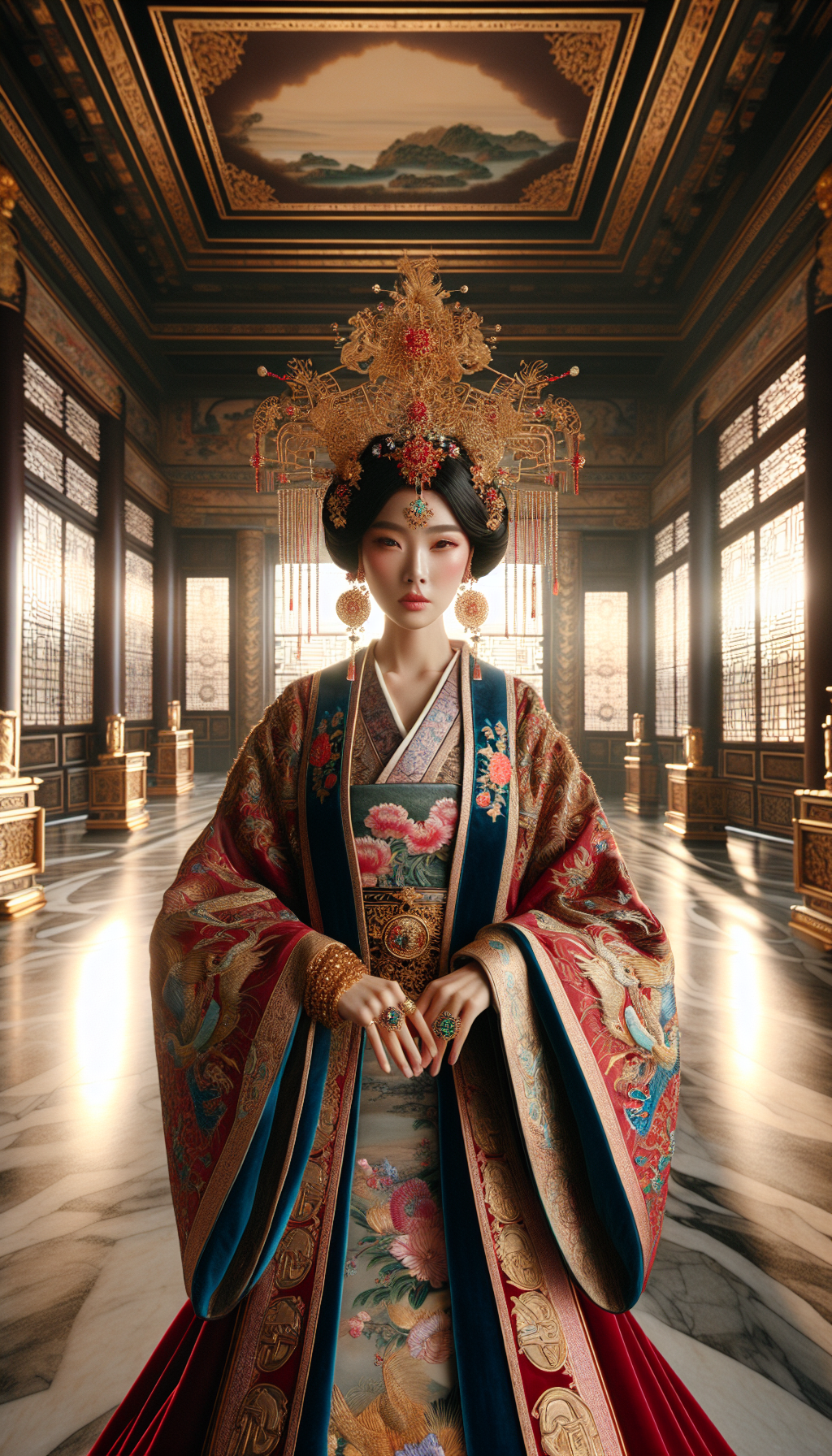
Empress
Spirit King皇后 · Empress — The Empire's Other Sun
The emperor's consort (Empress Consort) or a woman who rules the empire in her own right (Empress Regnant). In Eastern courts, the empress commands the entire inner court and forms one of the two pillars of the empire alongside the emperor. Historical figures such as Wu Zetian of Tang China and Catherine the Great of Russia exercised power that in practice exceeded the emperor's own. In fantasy, the empress is often portrayed as an absolute ruler who moves the entire empire from behind a graceful facade.