Weapons
Swords, bows, spears, axes, magic weapons, firearms, and hidden blades
Element
Culture
Era
Job
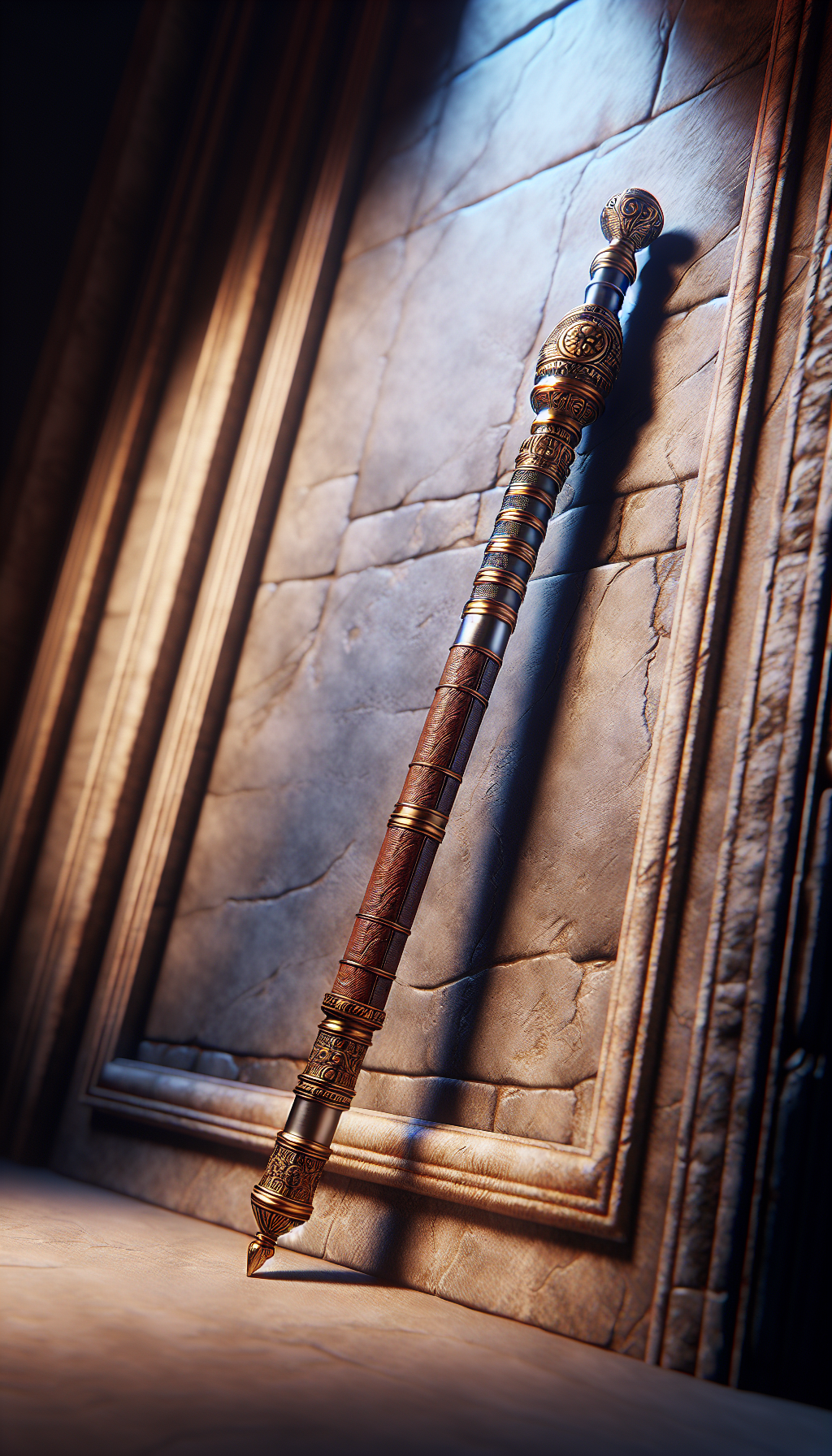
Spatha
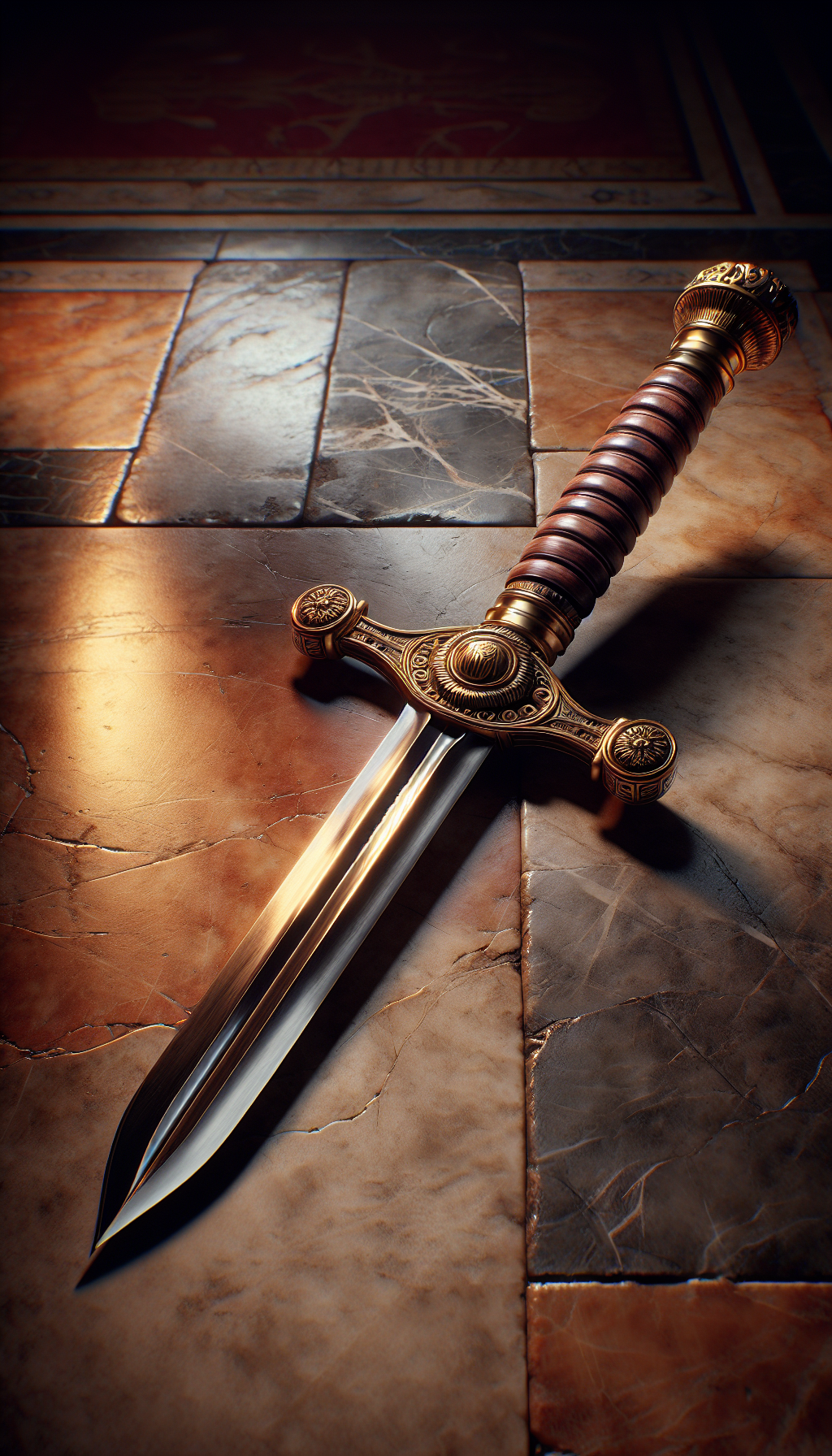
Spatha · Roman Longsword — Long sword used by Roman cavalry and infantry
The spatha is a straight, long sword used primarily by cavalry and later by infantry in the Roman Empire. It is significantly longer than the gladius and effective for both cutting and thrusting. From the 2nd century CE, it gradually became the standard weapon for late Roman soldiers.
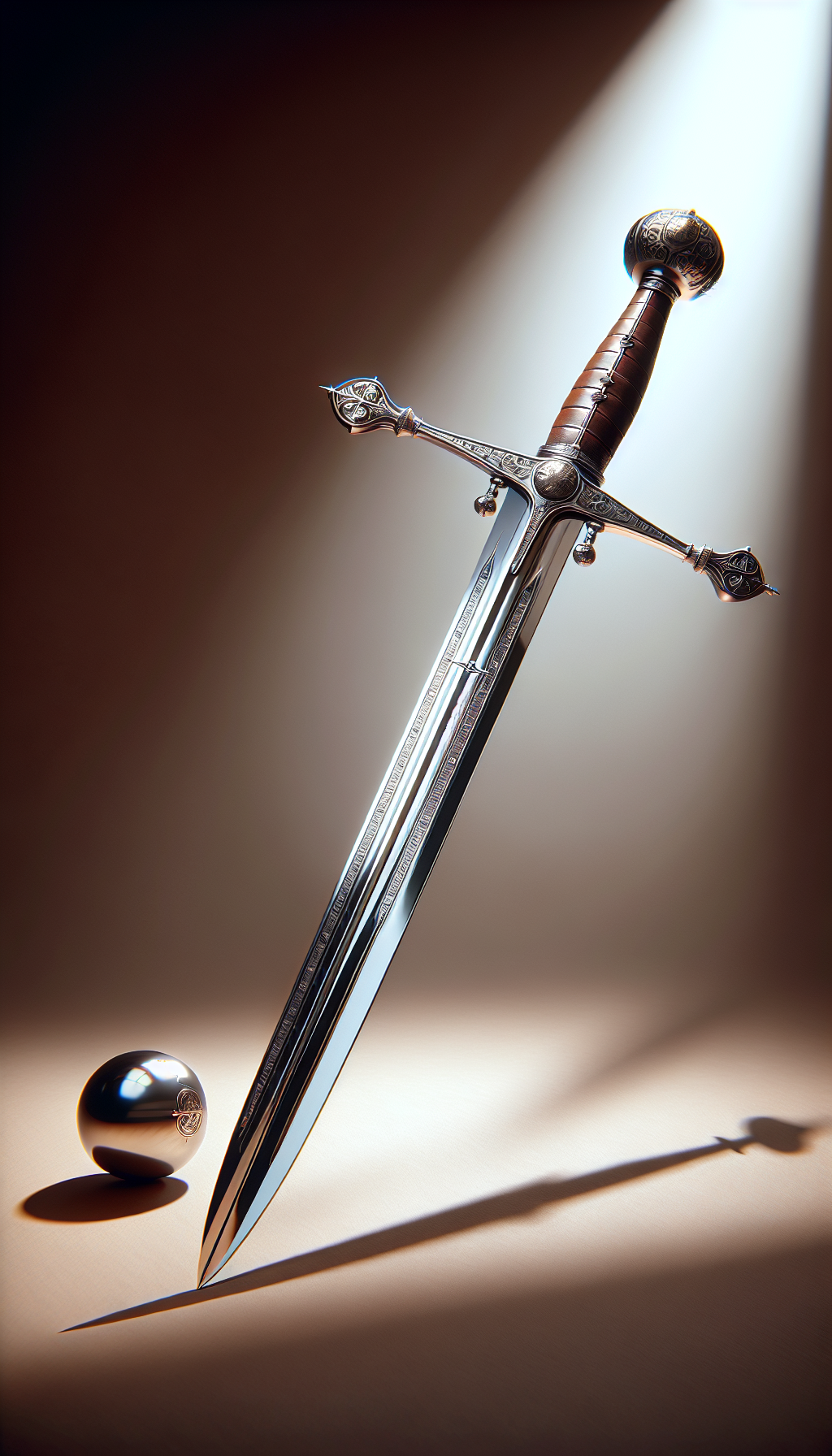
Longsword
Longsword · Greatsword — Iconic two-handed sword of medieval Europe
The longsword is a versatile, double-edged sword widely used in medieval Europe. It features a straight blade and a cruciform hilt, optimized for both cutting and thrusting. Favored by knights and warriors, it balanced reach and maneuverability.
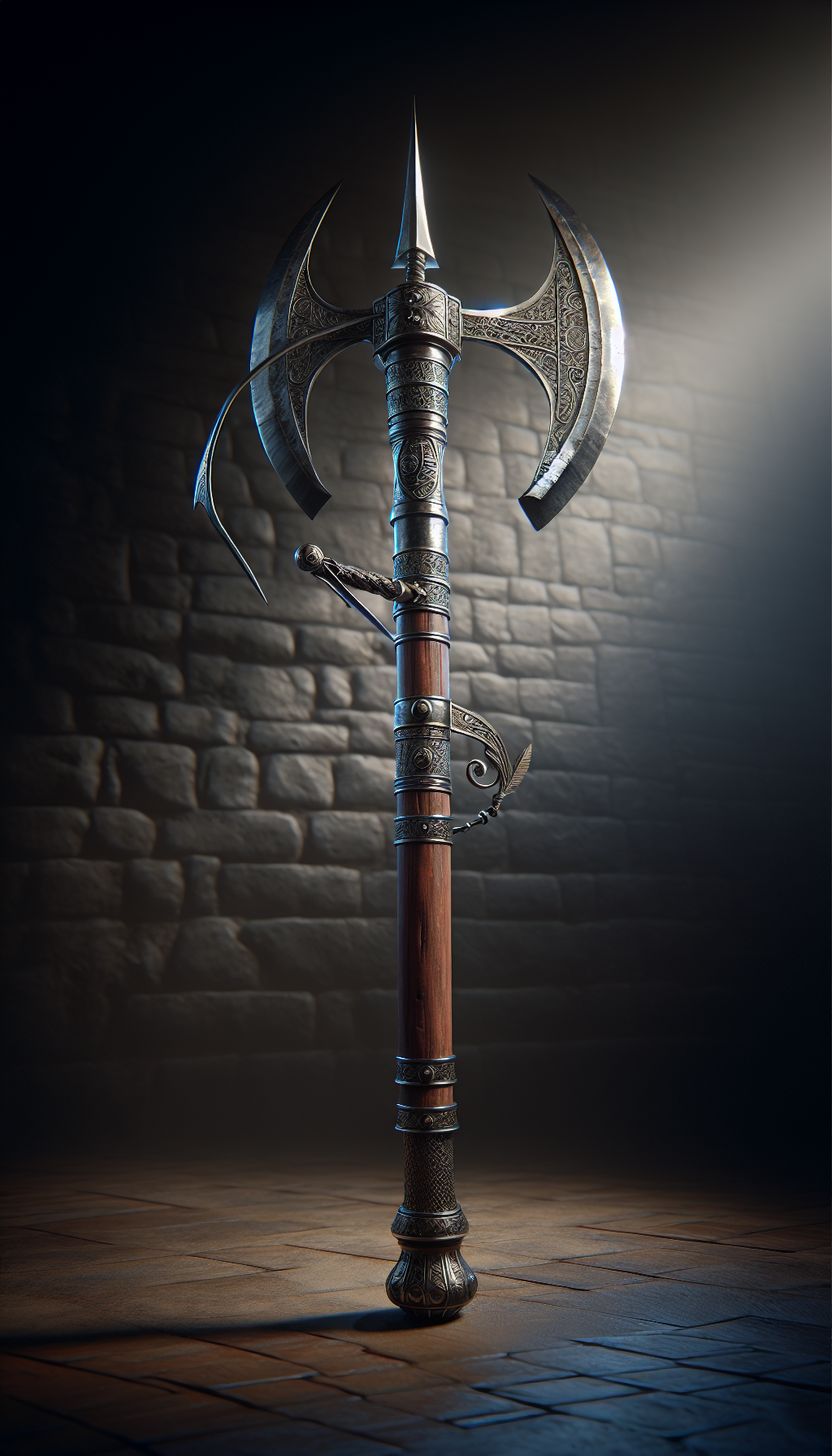
Halberd
Halberd · Polearm — Medieval weapon combining axe and spear
The halberd is a polearm featuring an axe blade, a spear tip, and a rear hook. It was primarily used by infantry in medieval Europe to counter armored opponents and cavalry. Its versatile design allowed for both offensive and defensive maneuvers.
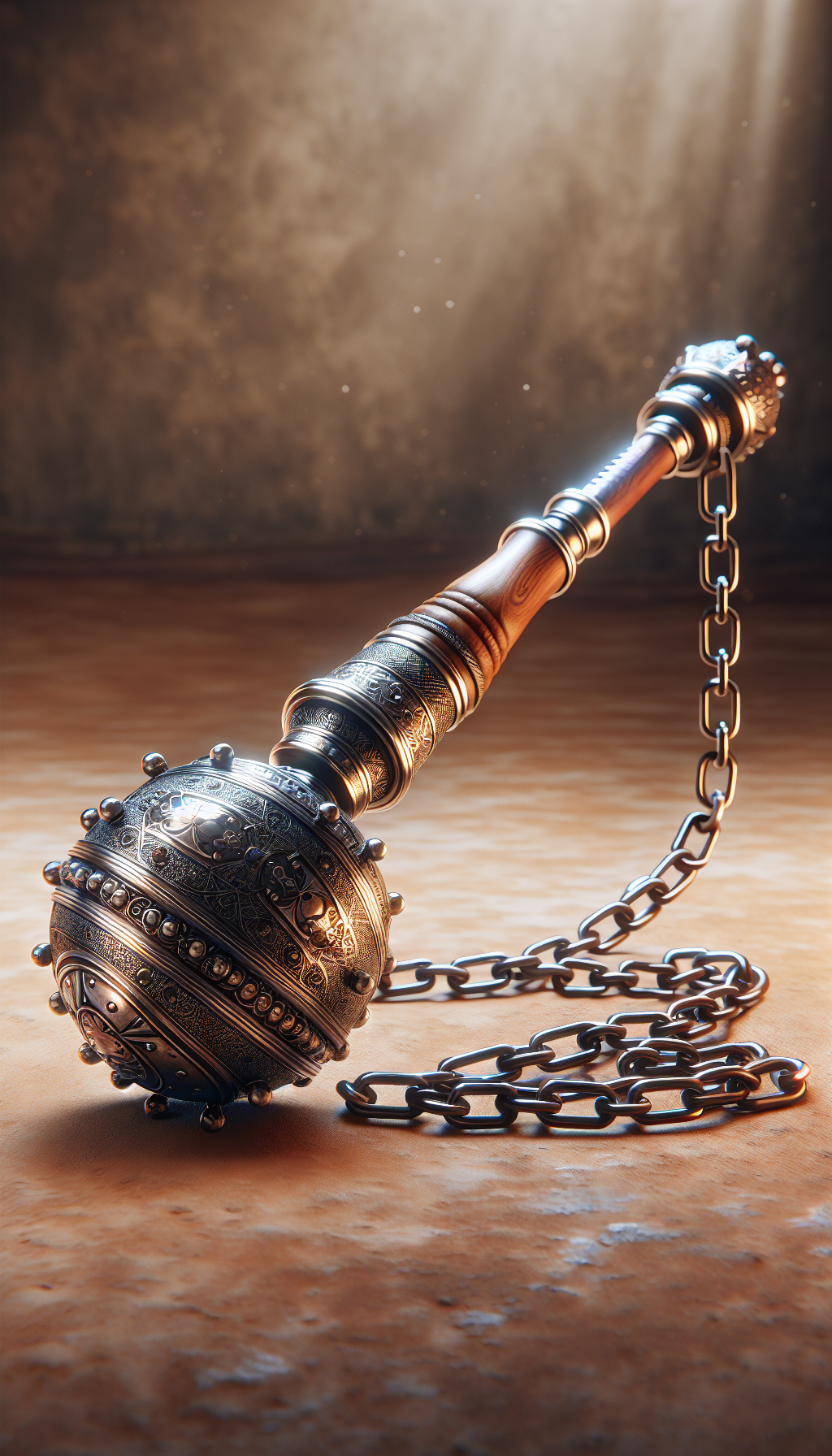
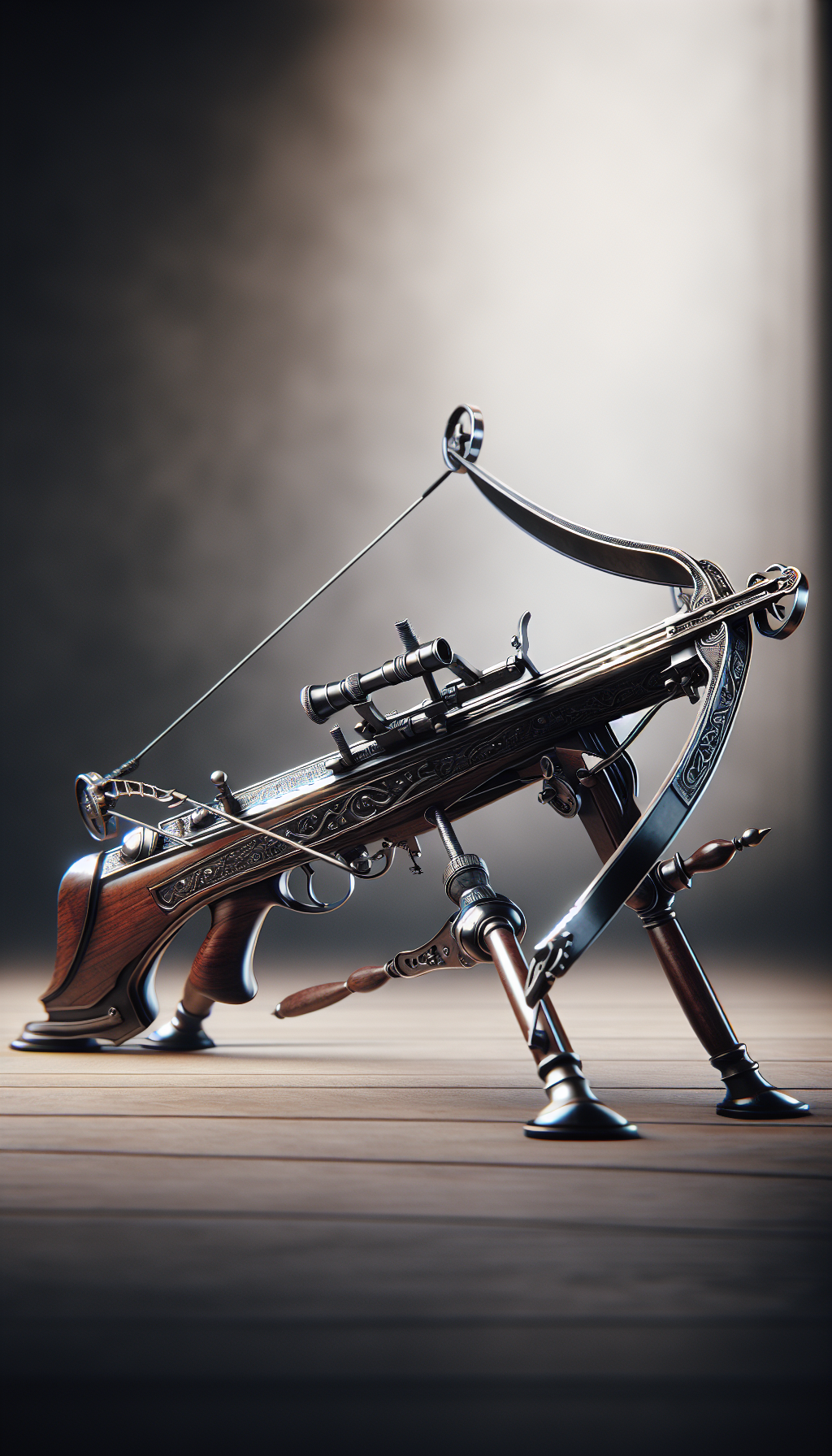
Crossbow
Crossbow · Arbalest — Mechanical Projectile Weapon
The crossbow is a ranged weapon that fires bolts using mechanical leverage. Unlike traditional bows, it employs a trigger mechanism, allowing users with less training to deliver powerful shots. It was widely used in medieval warfare and hunting.
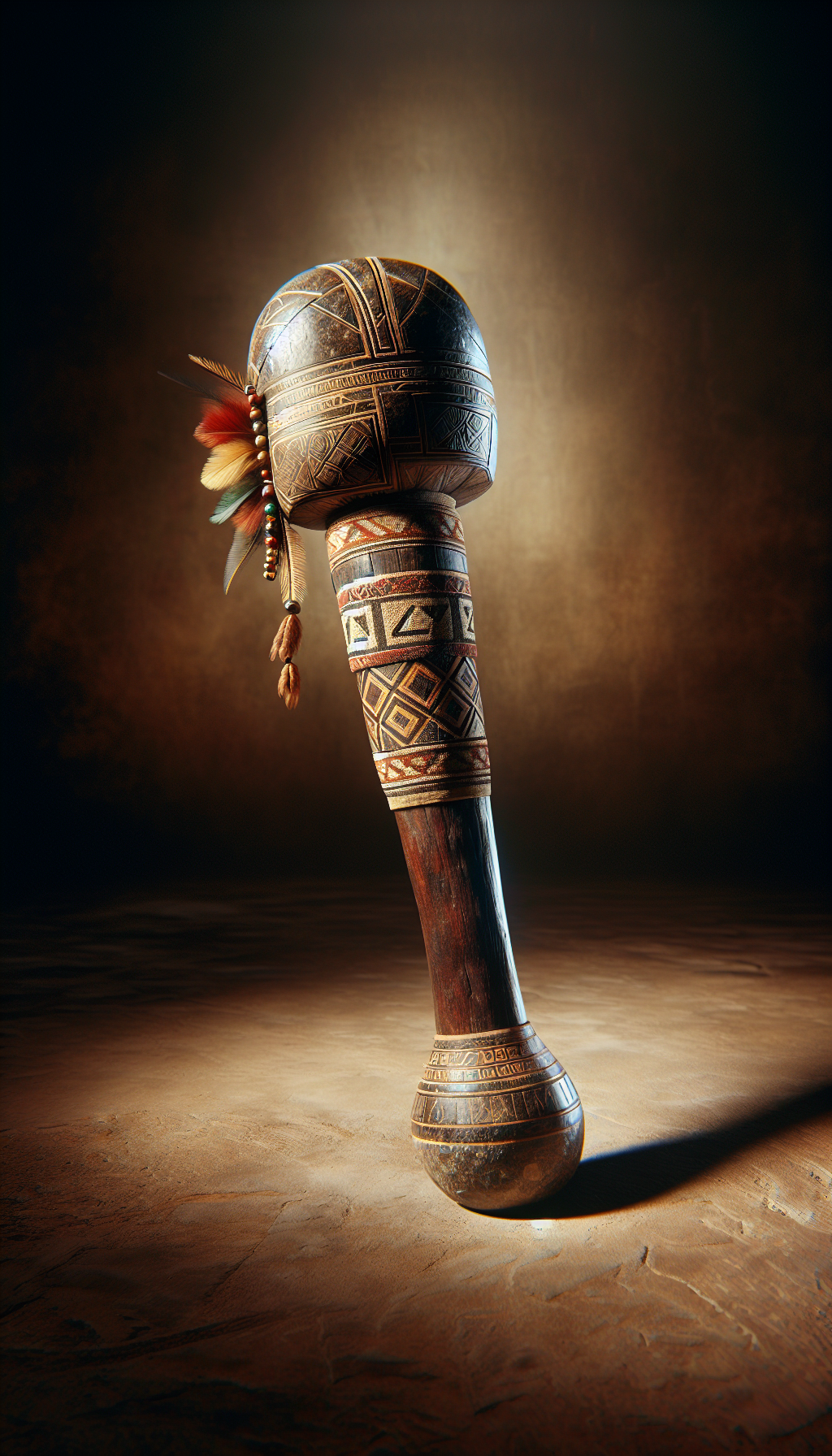
Wari Club
Wari Club · Ancient Andean Club — Weapon of the South American Wari Civilization
The Wari club is a type of mace used by the ancient Wari civilization of Peru. Made of sturdy wood or stone, it served as a close-combat weapon wielded by warriors. It played a prominent role in hand-to-hand battles.
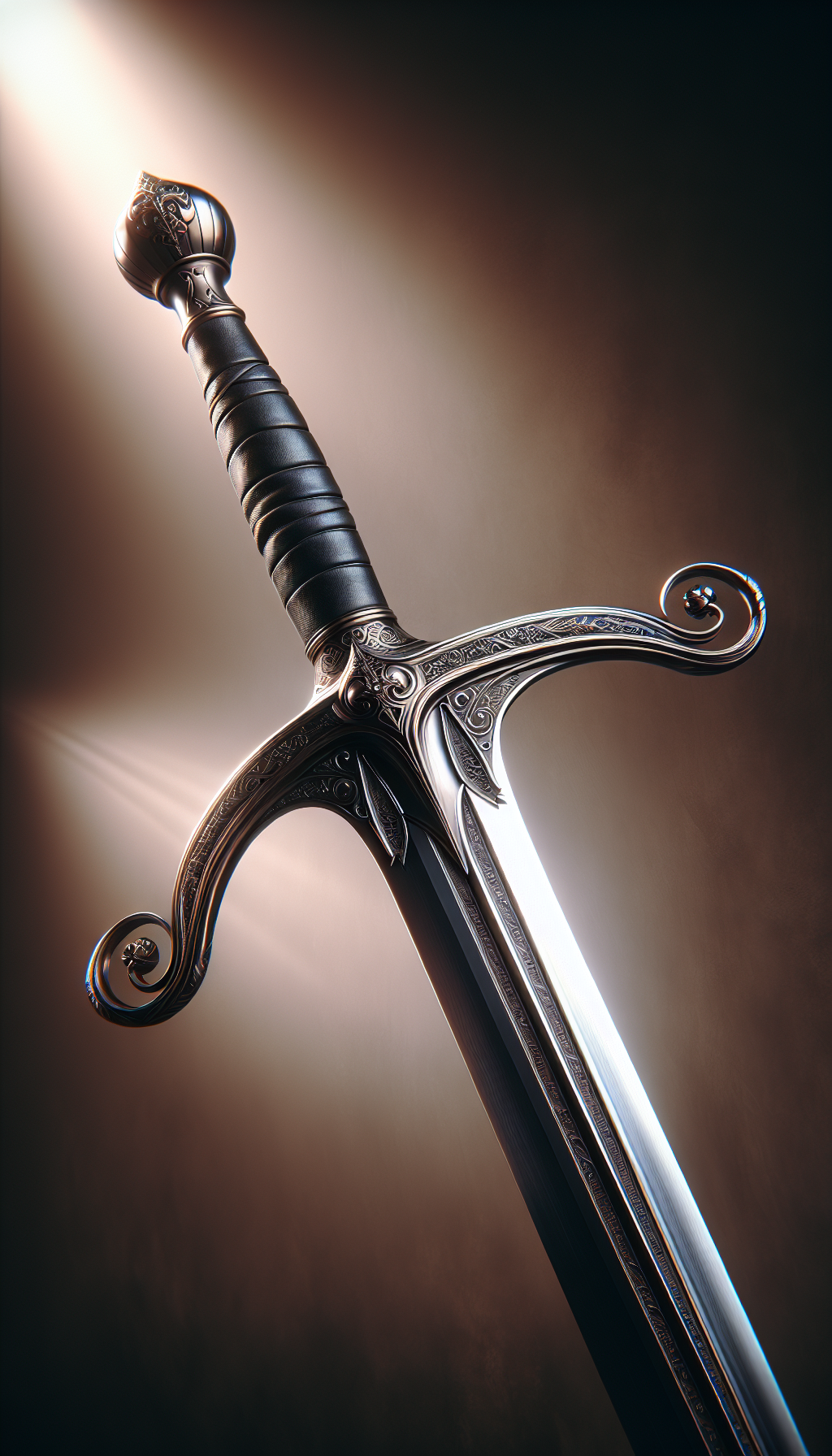
Two-Handed Sword
Greatsword · Zweihänder — A massive sword wielded with both hands
The two-handed sword is a large, heavy blade that requires both hands to wield effectively. It is notable for its reach and powerful strikes, making it formidable in battle. Its size grants great force but demands significant strength.
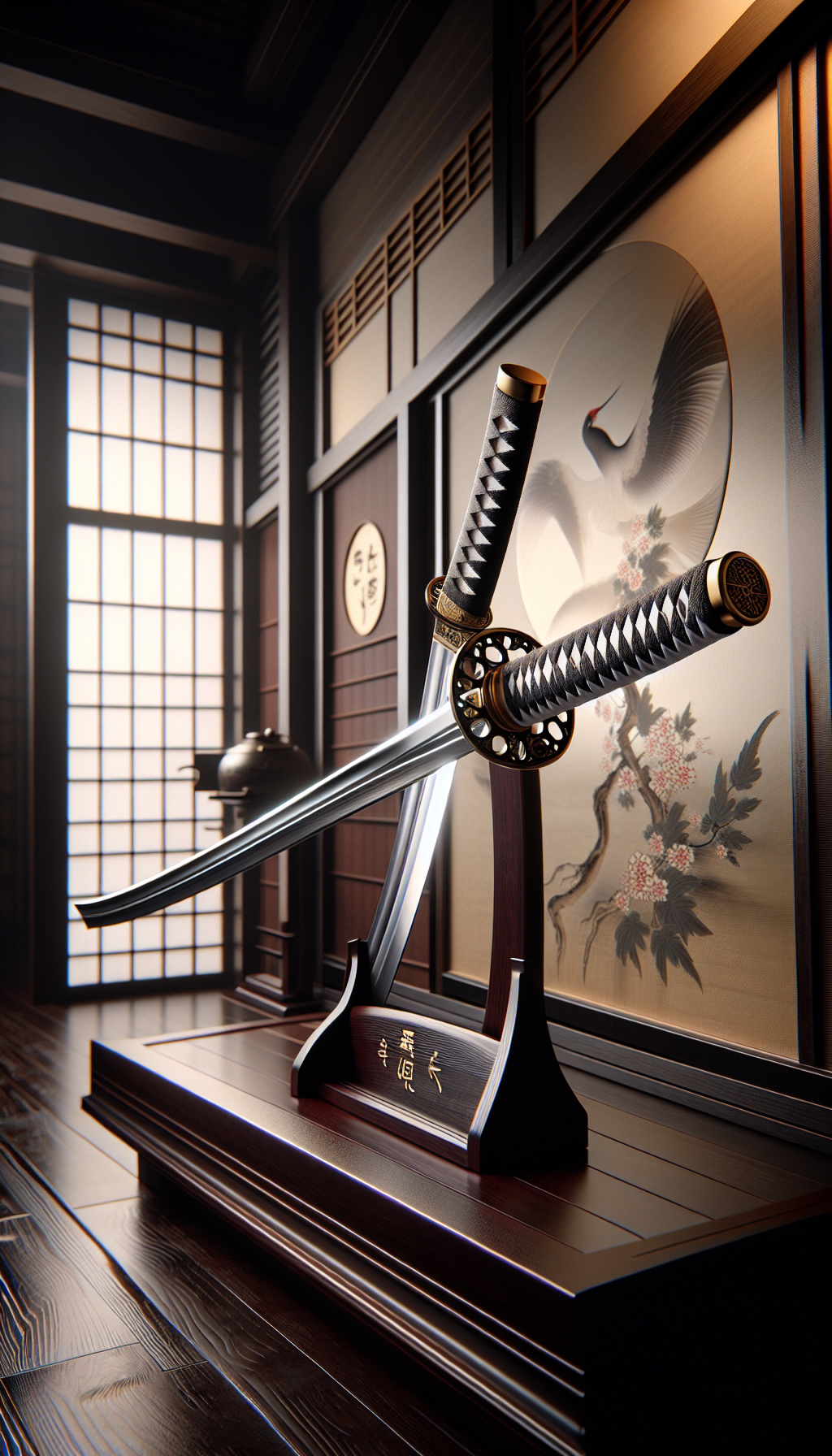
Katana
Katana · Japanese Sword — Iconic Curved Blade of the Samurai
The katana is the quintessential long sword used by Japanese samurai. Featuring a single-edged, curved blade, it is renowned for its cutting efficiency. It became a symbol of the samurai’s spirit and honor in medieval Japan.
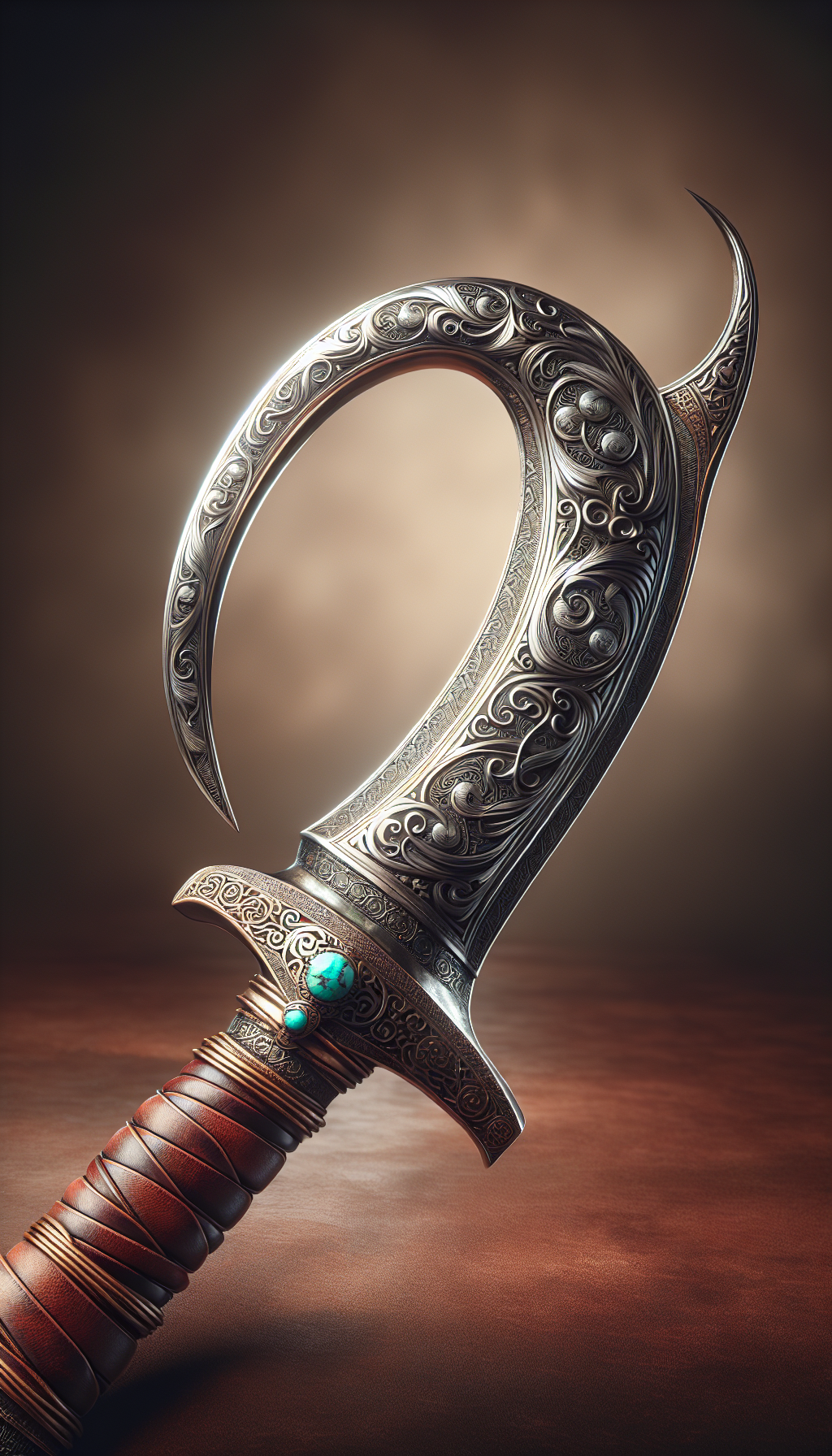
Scagimsha
Central Asian Curved Dagger · Nomad Warriors’ Weapon — A sleek, curved dagger favored by steppe warriors
The Scagimsha is a traditional curved dagger originating from Central Asia. It was primarily used by nomadic warriors for close combat, distinguished by its light weight and sweeping curve. The blade is effective for both slashing and thrusting.
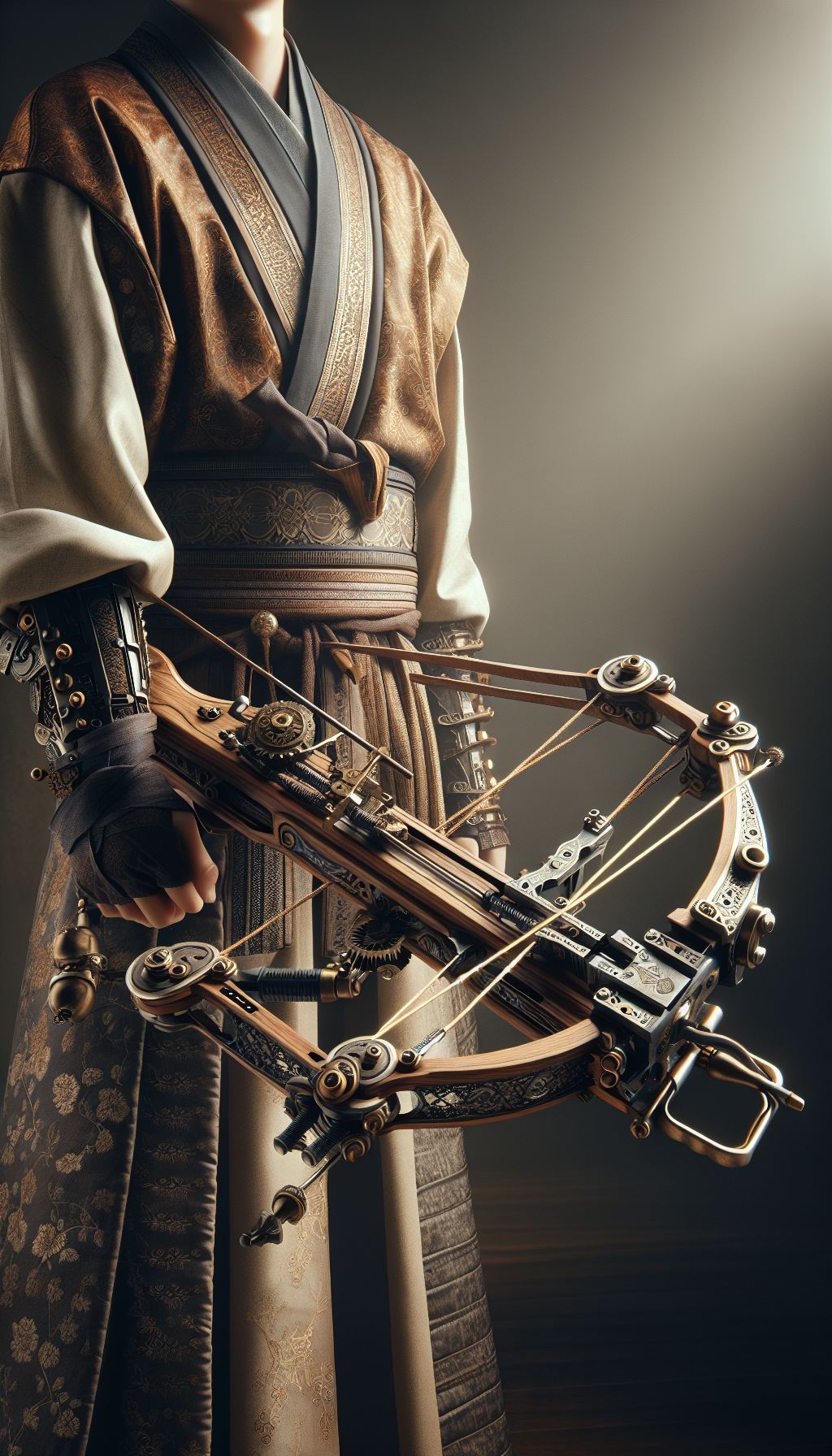
Bow Gun
Crossbow · Mechanical ranged weapon — Device with trigger mechanism for launching bolts
The bow gun, or crossbow, is a mechanical bow designed to make shooting projectiles easier and more powerful. Used extensively from medieval times through the Joseon era, it allowed even unskilled soldiers to deliver lethal force at a distance. Its strong draw and trigger system set it apart from traditional bows.
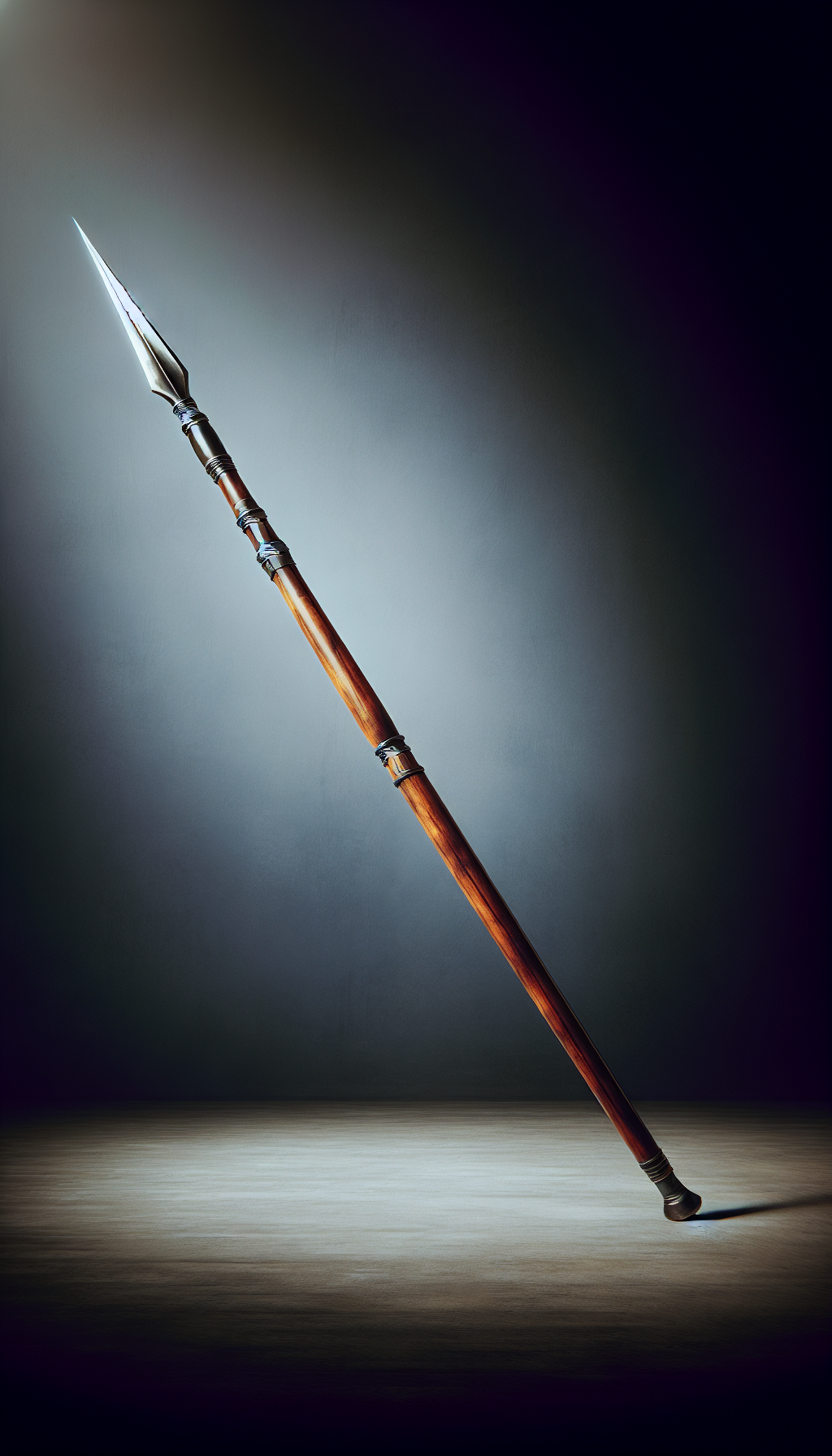
Pike
Long Spear · Infantry Weapon — Classic polearm
The pike is a long pole weapon with a sharp metal tip, used predominantly by infantry in formation combat. It was widely adopted in medieval and early modern Europe, serving to counter cavalry charges and assert battlefield control. Its exceptional length allowed soldiers to hold off enemies from a distance.
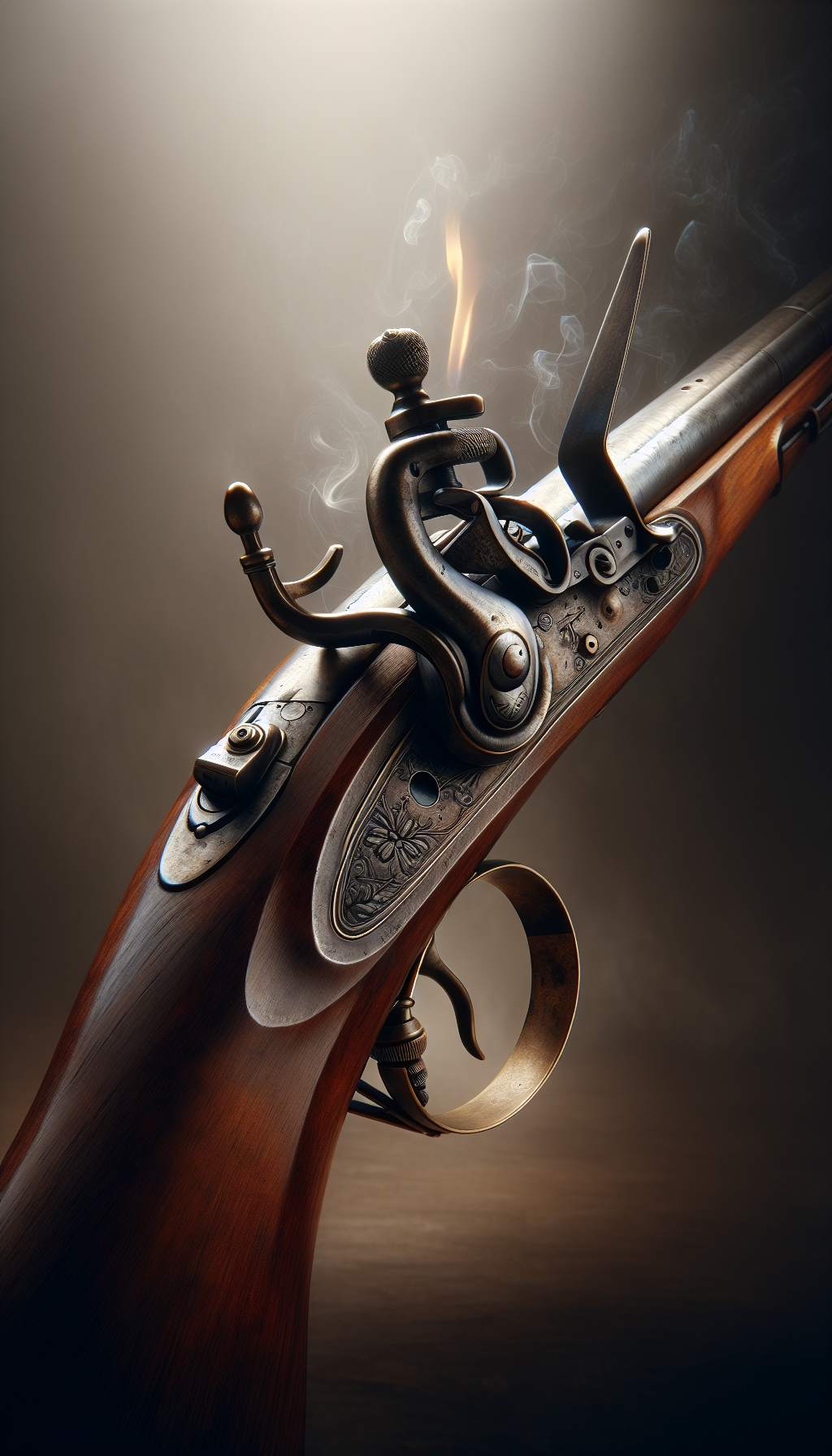
Musket
Matchlock Firearm · Early Long Gun — Muzzle-Loaded Infantry Weapon
The musket is a muzzle-loaded firearm widely used from the late 16th to early 19th century by military forces. It fired lead projectiles using gunpowder and profoundly changed battlefield tactics. Its effective range and penetration surpassed that of most melee weapons of its era.
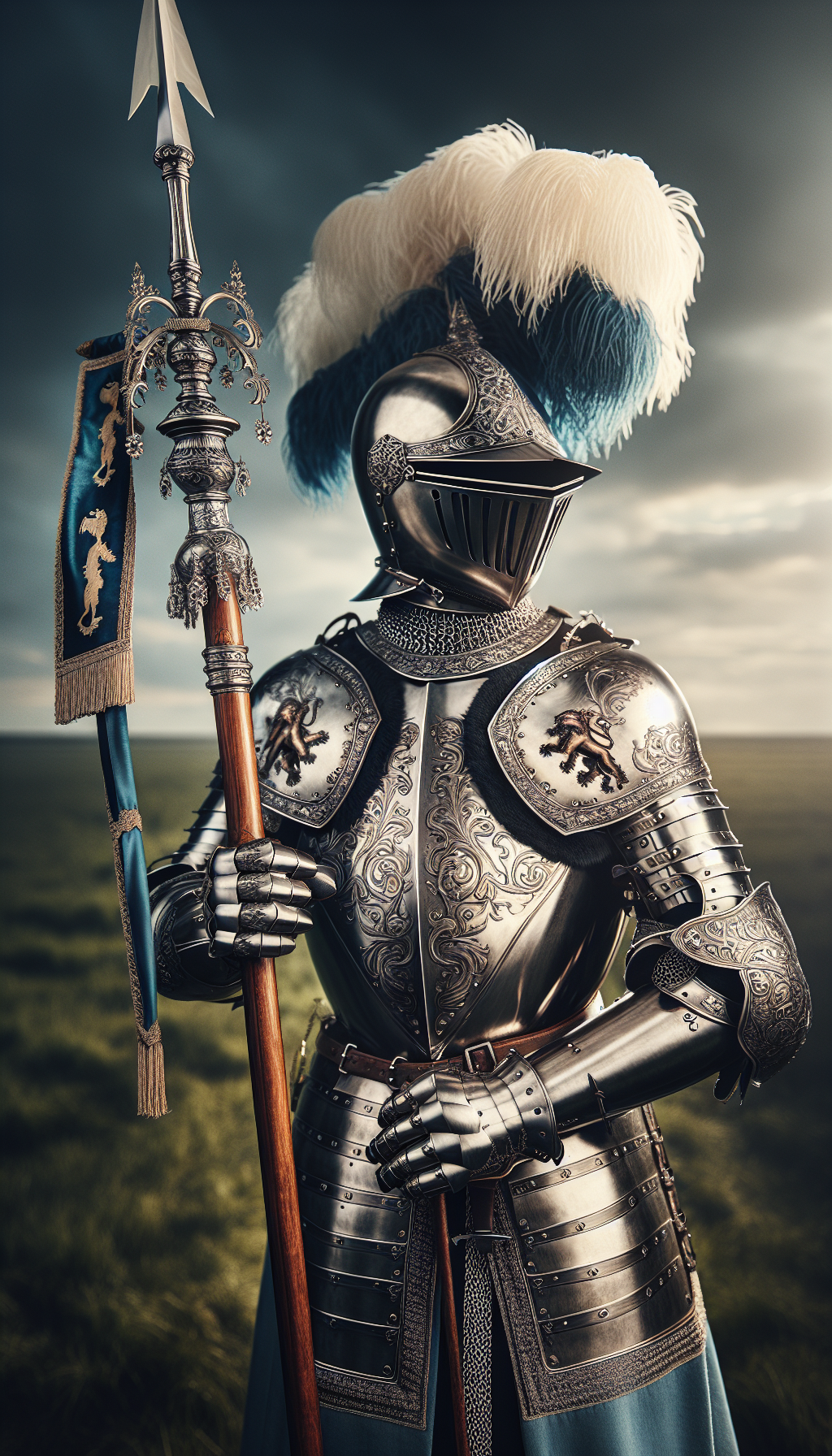
Lance
Lance · Long Spear — Cavalry pole weapon
The lance is a long spear primarily used by medieval European knights for mounted combat. Designed for charging enemies at high speed, it could pierce armor and deliver powerful impacts. Lances were also popular in jousting tournaments.
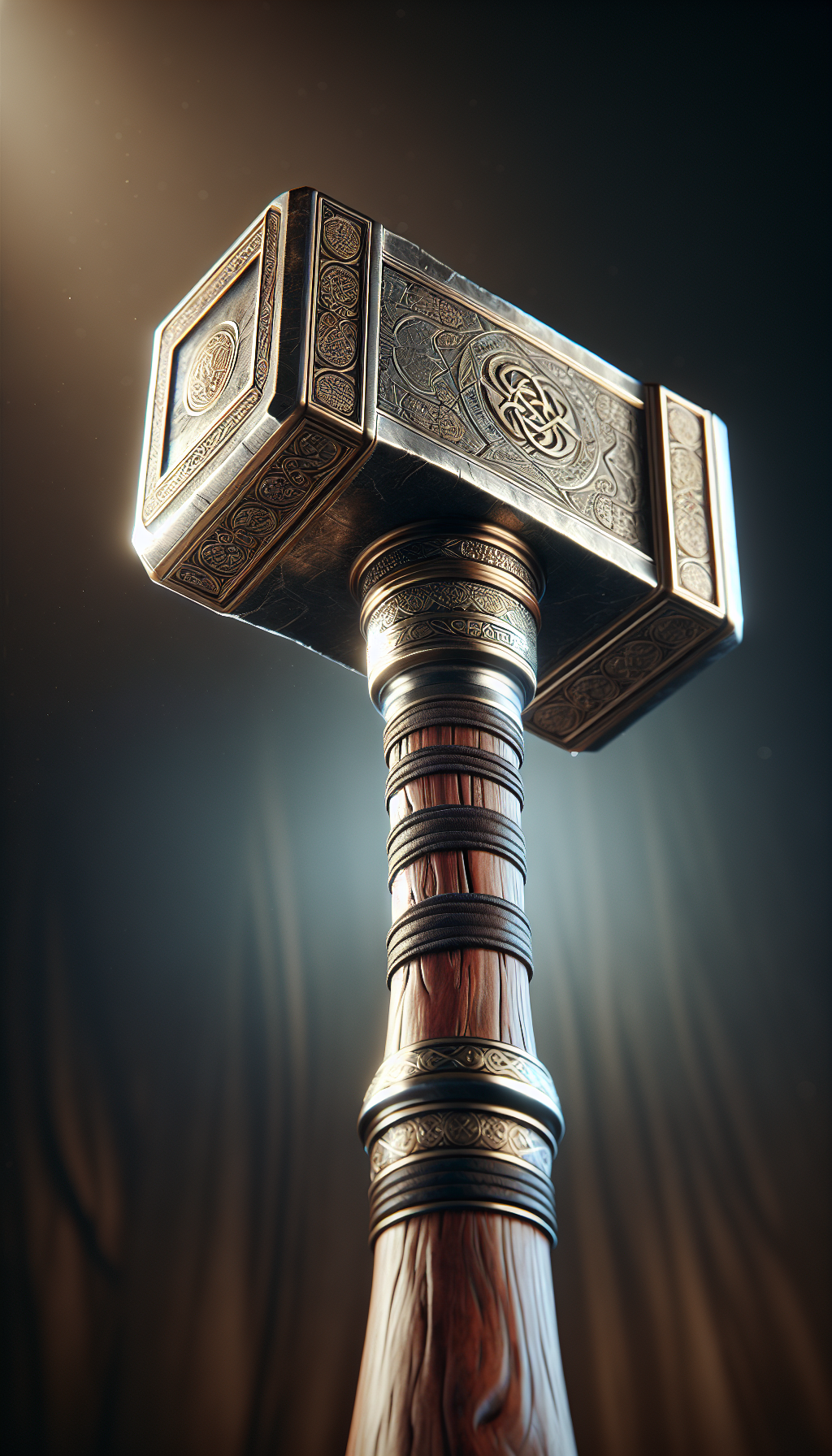
Hammer
Hammer · Warhammer — Weapon of blunt force and utility
The hammer is a weapon made of metal or wood, featuring a heavy, flat striking head. It is primarily used to crush or break enemy armor and shields. Hammers were commonly used by warriors across medieval Europe and East Asia.
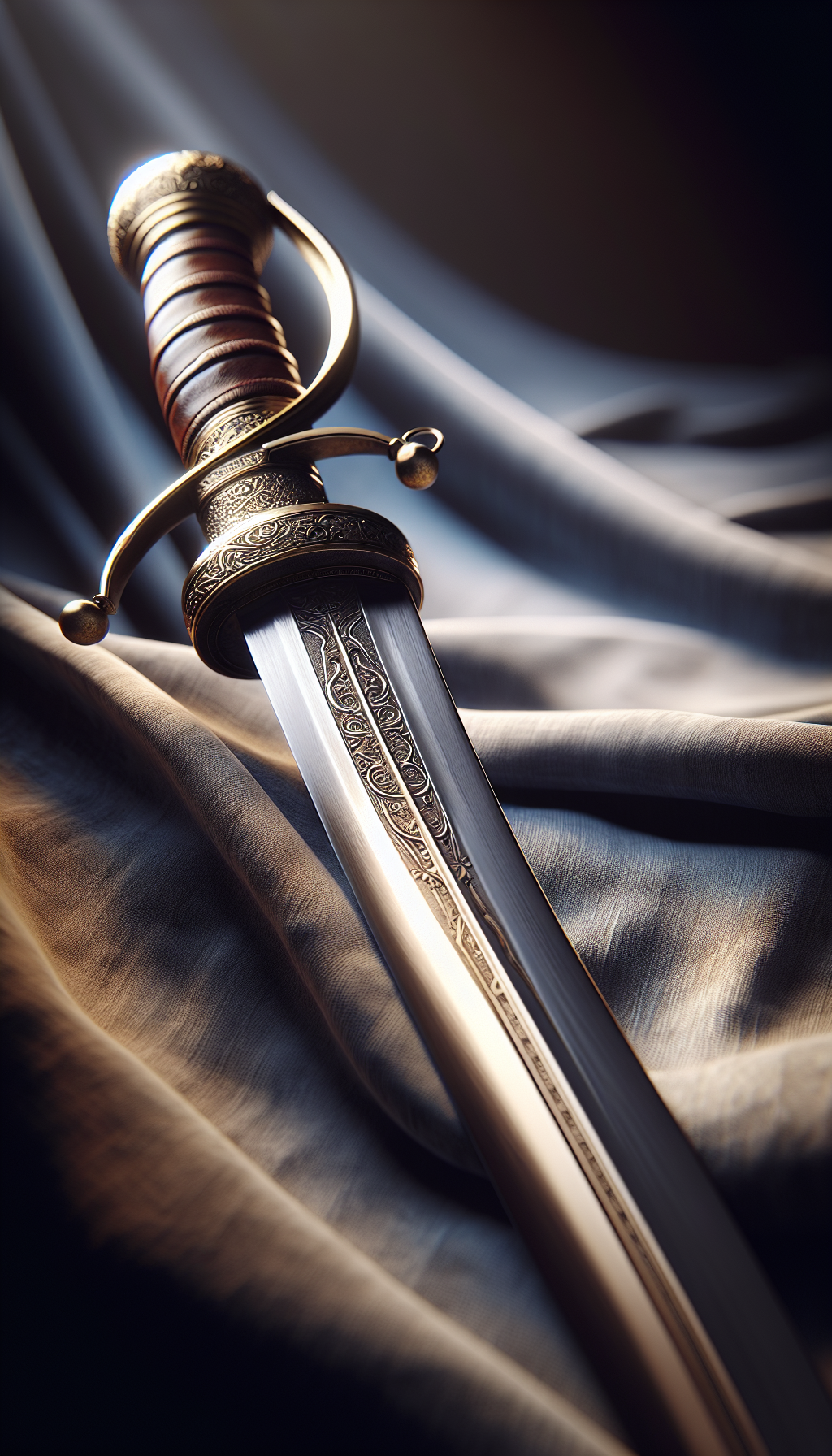
Saber
Curved Single-Edged Sword · Cavalry Blade — A classic cutting weapon
The saber is a curved, single-edged sword primarily designed for one-handed use. Renowned for its cutting power, it was widely utilized in cavalry and infantry throughout both Eastern and Western cultures. Most famously, it became a symbol of European cavalry in the 18th and 19th centuries.
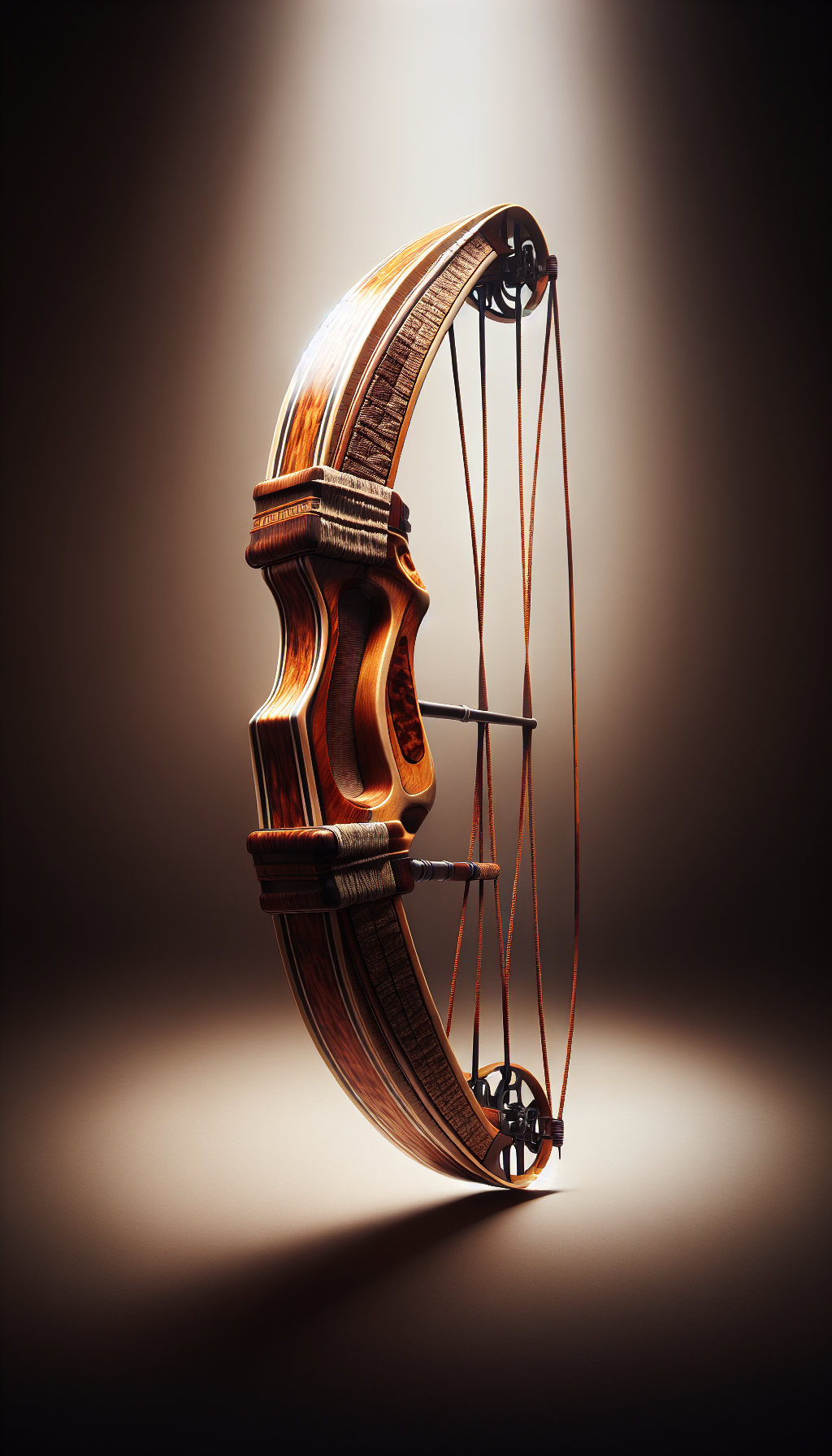
Composite Bow
Composite Bow · Multi-material Power — A powerful bow crafted from various materials
The composite bow is made by combining wood, horn, sinew, and sometimes other materials. Renowned for its superior elasticity and long range, it was particularly favored by mounted archers. Its moderate size and weight made it highly portable.
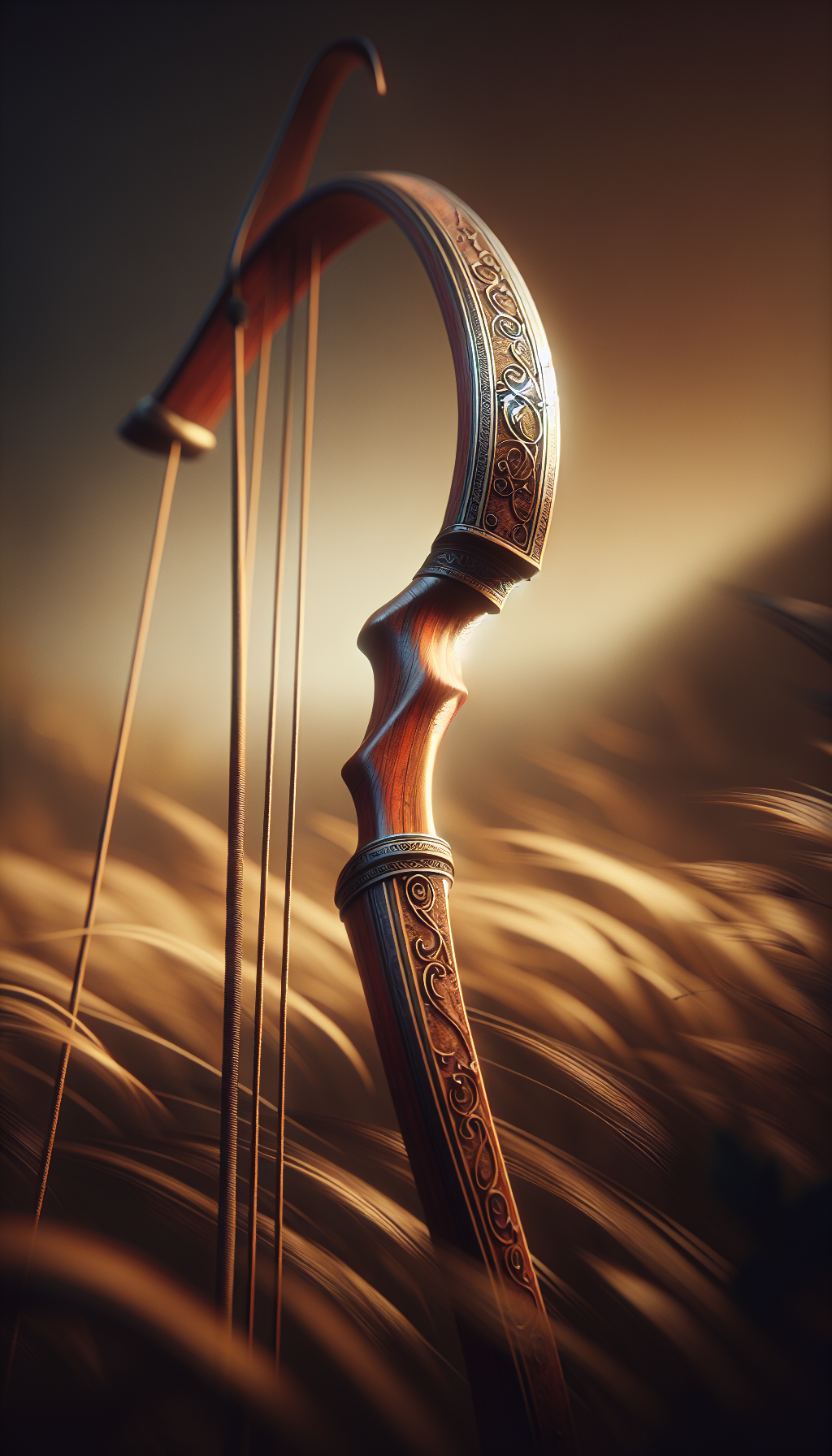
Bow
Bow · Long-range weapon — Widely used projectile weapon
A bow is a ranged weapon consisting of a flexible curved stave and a string, used to launch arrows. It has been employed for hunting and warfare since ancient times. Bows are made in various sizes and materials, traditionally wood and animal sinew.
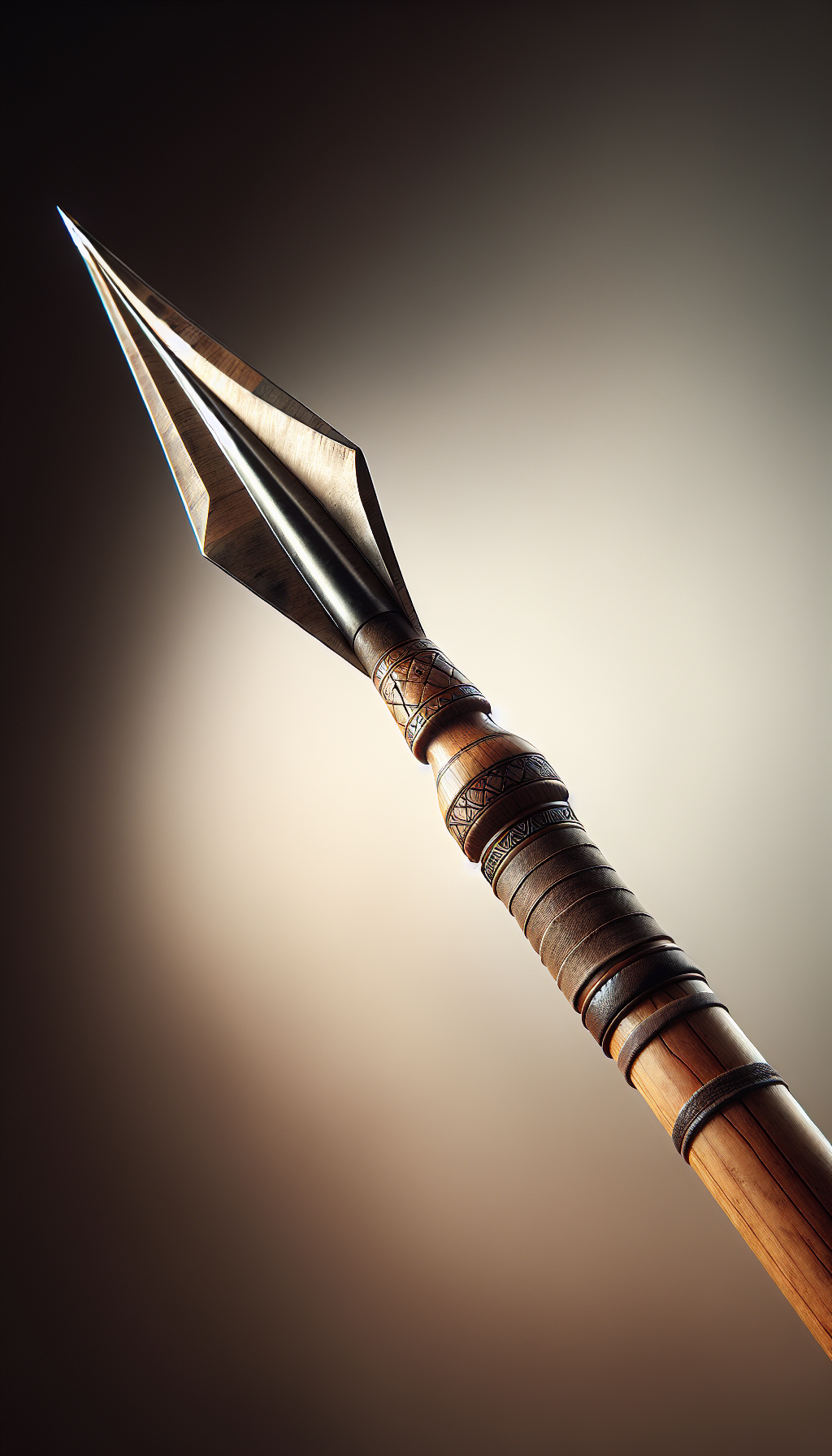
Tuchang (Thrown Spear)
Thrown Spear · Versatile missile weapon — Effective for ranged and close combat
The tuchang is a type of spear designed for throwing at distant targets. Used in both warfare and hunting, it features a lightweight shaft and balanced point for easy throwing. Widely employed from ancient to medieval times.
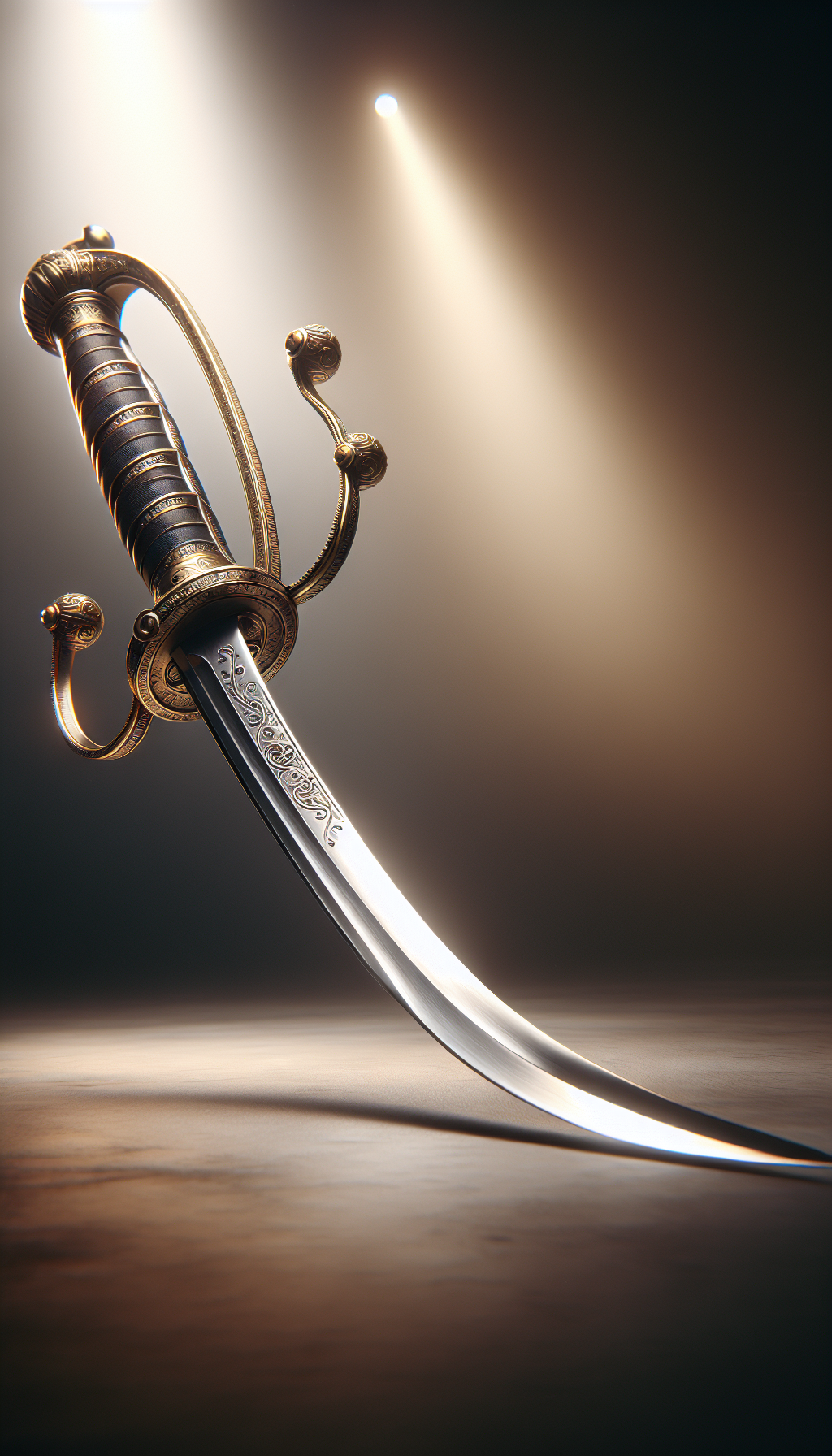
Saber
Curved Cavalry Sword · Sabre — Single-edged, curved sword
The saber is a single-edged, curved sword designed primarily for use with one hand. It became prominent as a cavalry weapon, optimized for slashing attacks. Different variants appeared across Europe and Asia.