
The lowest stratum in the social order. Slaves, descendants of convicted criminals, and members of stigmatized occupations — butchers, jesters, corpse handlers — all belong to this class. They receive almost no legal protection and are barred from owning land, receiving education, or practicing certain trades. In fantasy settings, they may be forbidden from using magic or conscripted by force.
Origin
The origins of the serf and outcast class trace primarily to prisoners of war, debt default, and political purges. In some world settings, entire bloodlines or ethnic groups are designated as outcasts by law.
Features
- Extremely limited legal rights — sometimes treated as property of the nobility
- Frequently forced to wear specific colors or identifying marks
- Prohibited from education, land ownership, and carrying weapons
- In fantasy settings, even those with magical talent may be barred from using it — or hunted because of it
Usage
Forced labor, mine work, and dangerous assignments. In many fantasy narratives, a protagonist born into this class serves as the starting point for a story of transcending social barriers.
Weakness
No social safety net whatsoever. No means of resisting arbitrary punishment or disposal by the nobility.
Social Ranks Rank List
Related Items

Servant
Lesser使用人 — Those Who Serve Noble Households
A class employed by noble or wealthy merchant households to assist with daily life. Unlike serfs, servants receive wages and lodging under an employment contract, and their social standing shifts according to their master's prestige. The head butler of a grand estate may wield more practical influence than a minor noble. Roles are subdivided into attendants, butlers, cooks, grooms, bodyguards, and more.
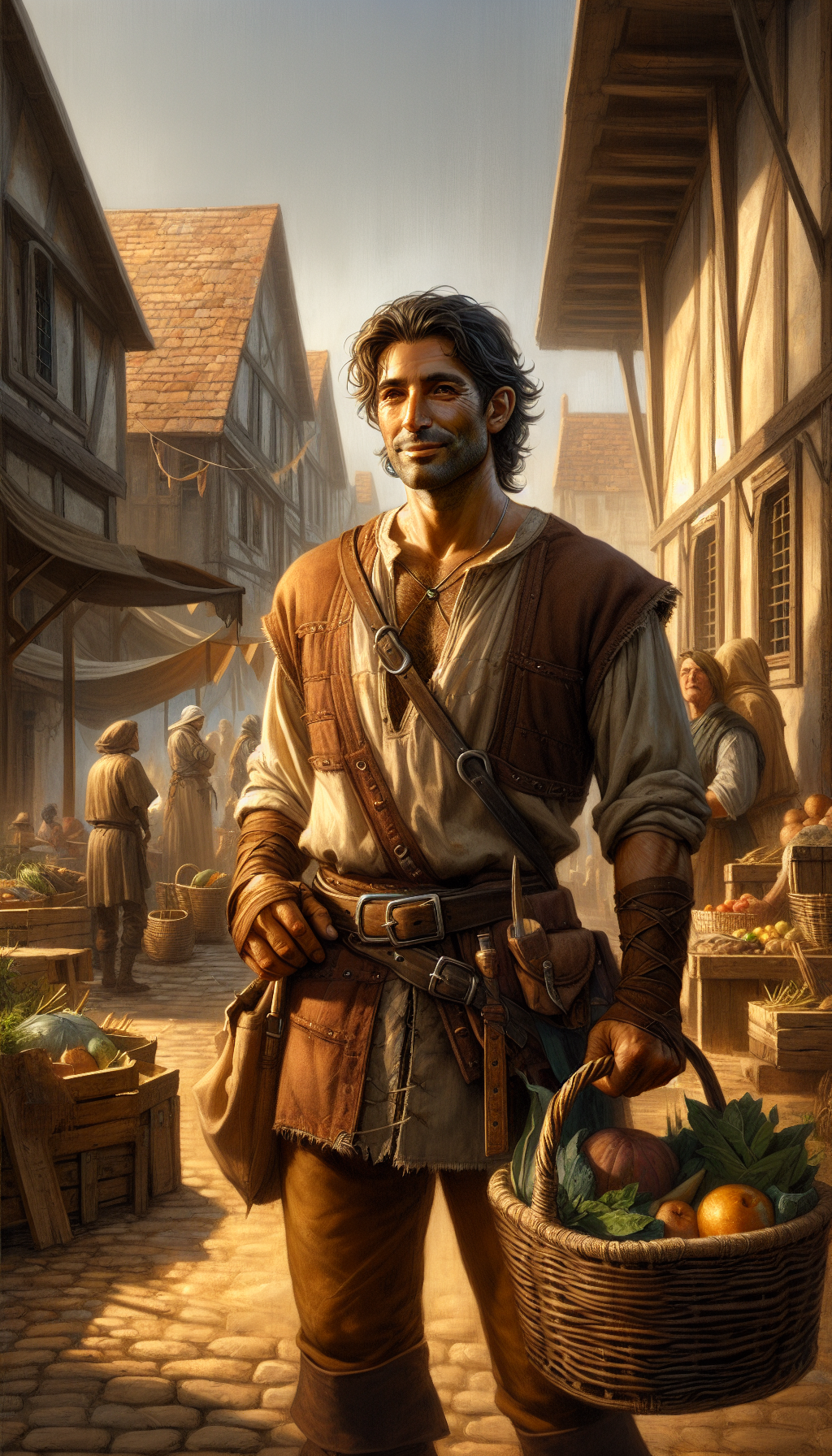
Commoner
Lesser平民 — The Free People Who Form Society's Majority
The free class positioned between the nobility and the outcasts. It encompasses farmers, craftsmen, merchants, and fishermen among many others. Commoners may own or lease land, and receive basic legal protections alongside the obligations of taxation. Fantasy worlds frequently feature commoner-born adventurers and mages who rise to stand beside nobles — a testament to how often heroes emerge from this class.

Baron
Intermediate男爵 · Baron — The First Step of the Hereditary Nobility
The lowest of the hereditary noble titles. The baron governs a small domain and the peasants attached to it, and owes military service to a superior lord as a vassal. A barony typically spans one to a few villages, and the baron himself exercises seigneurial judicial authority. In fantasy settings, this is the rank most often cast as an early-arc villain or local power figure.