🚢 Carriages & Carts
Magic carriages, war chariots, carts
19 items
By Culture
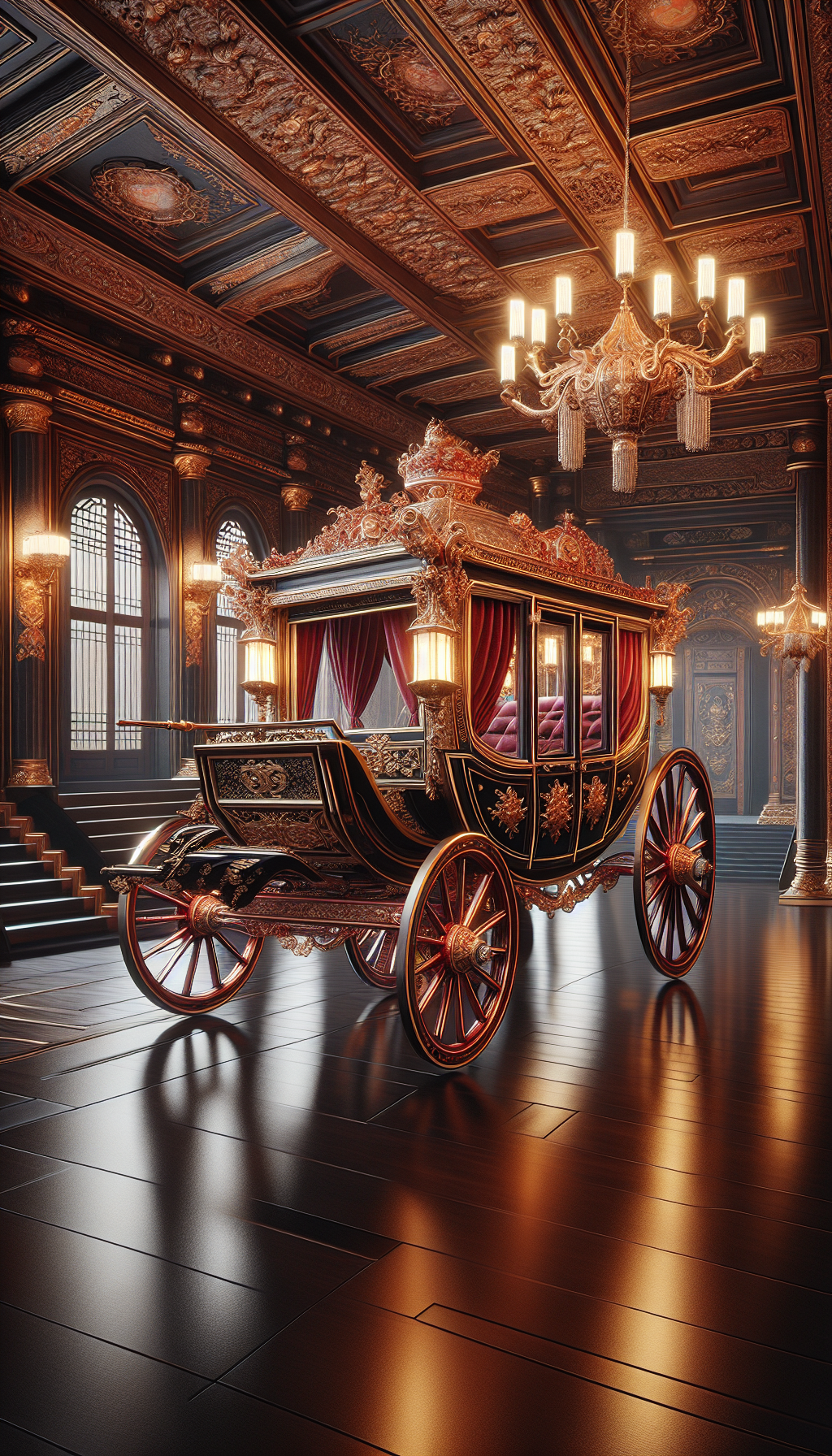
Panhellen
Panhellen · Aristocratic Carriage — Ornate four-wheeled carriage of Joseon high society
The Panhellen was a luxurious four-wheeled carriage used by the upper class during the Joseon Dynasty. It was primarily employed by royalty and nobility for processions or important ceremonies. Its structure blends finely crafted wood and metal, richly decorated.

Dobri
Dobri · Small Passenger Carriage — Joseon Personal Transport
The Dobri is a small two-wheeled carriage used in the Joseon dynasty. It primarily served as short-distance transport for officials and members of the yangban aristocracy. Constructed from wood and iron, it is pulled by a single horse.
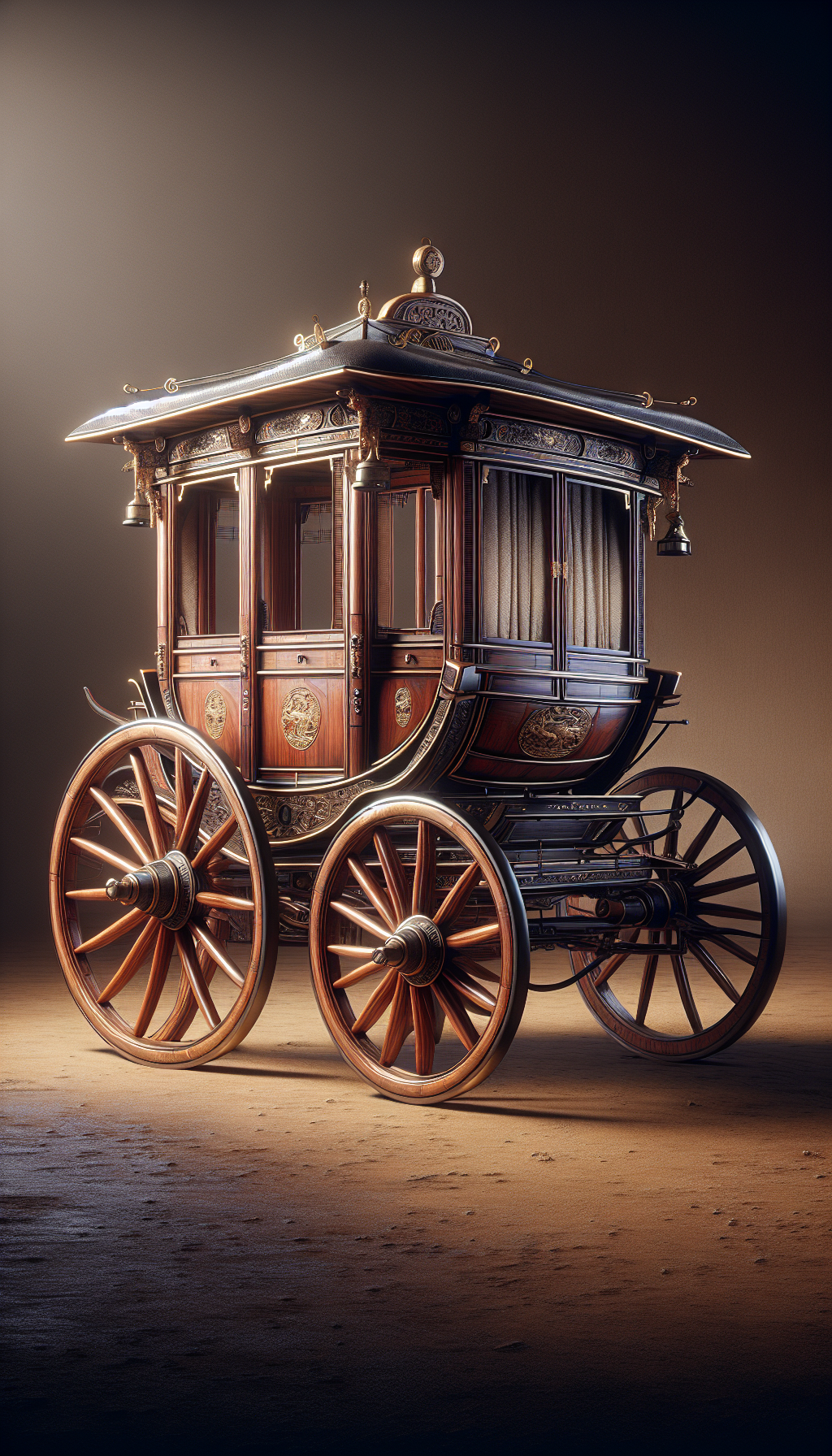
Baga
Baga · Traditional Carriage — Iconic Two-Wheeled Carriage of Joseon Era
The Baga is a two-wheeled passenger carriage commonly used during Korea's Joseon dynasty. It was mainly employed by nobles and officials for transportation, typically drawn by a single horse. The Baga is noted for its lightweight timber frame and simple, utilitarian design. It provided a swift mode of travel within cities and over flat terrain.
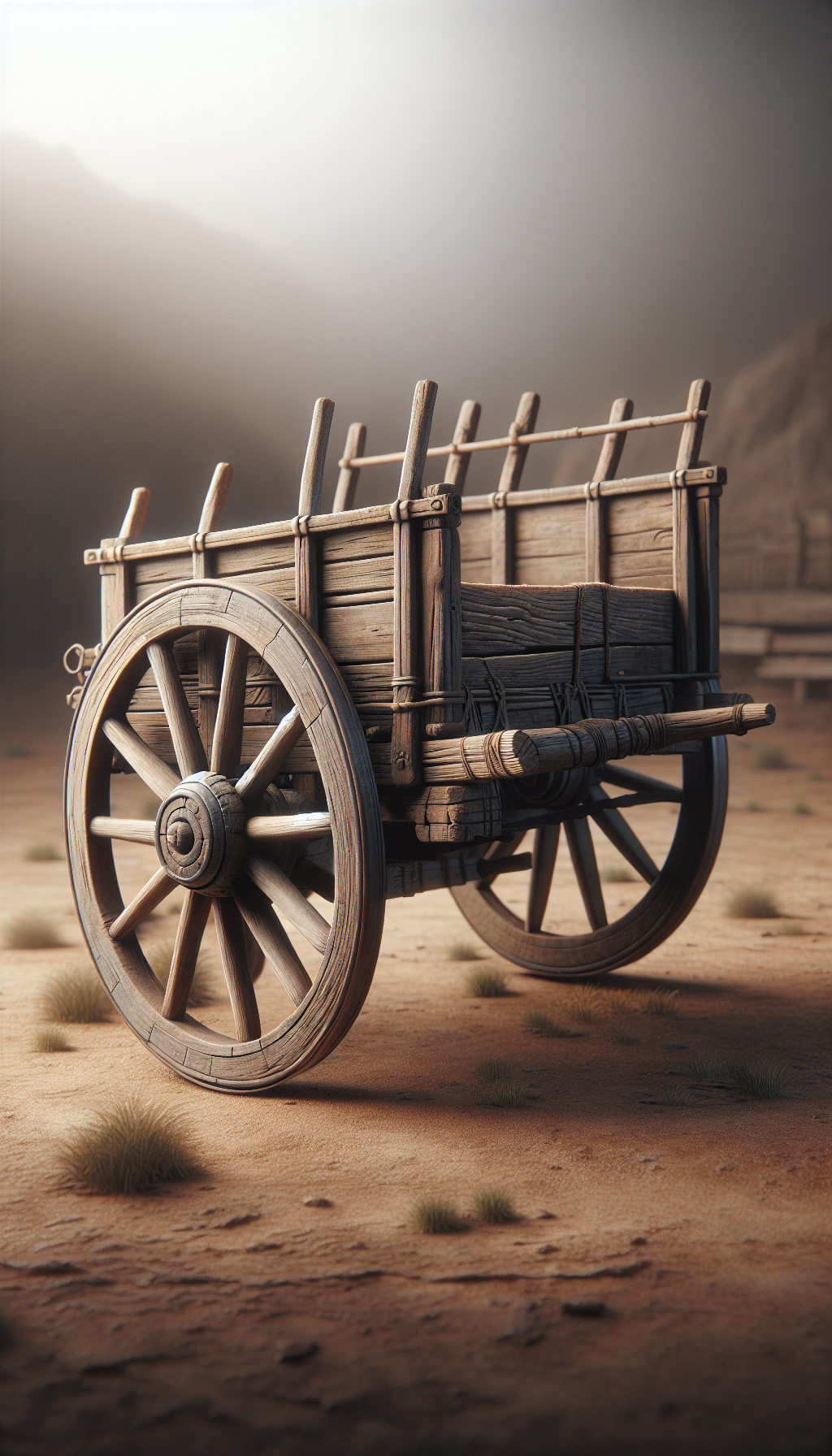
Ramba
Ramba · Small Wooden Cart — Joseon-Era Utility Vehicle
The ramba was a small, two-wheeled wooden cart used during the Joseon Dynasty. It was primarily employed in rural areas for transporting loads such as crops or firewood. Its simple construction made it accessible to commoners and farmers.
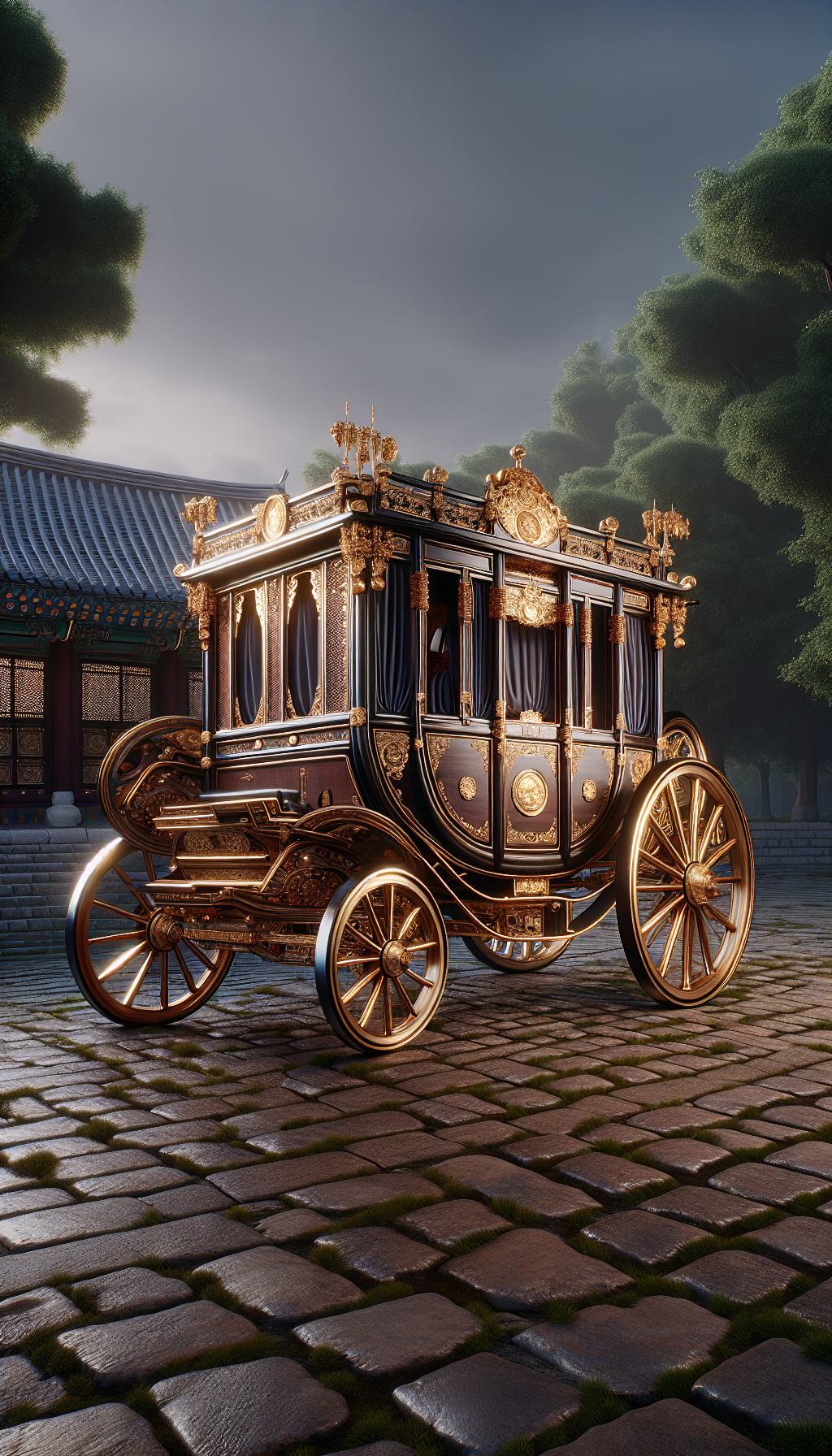
Landloute
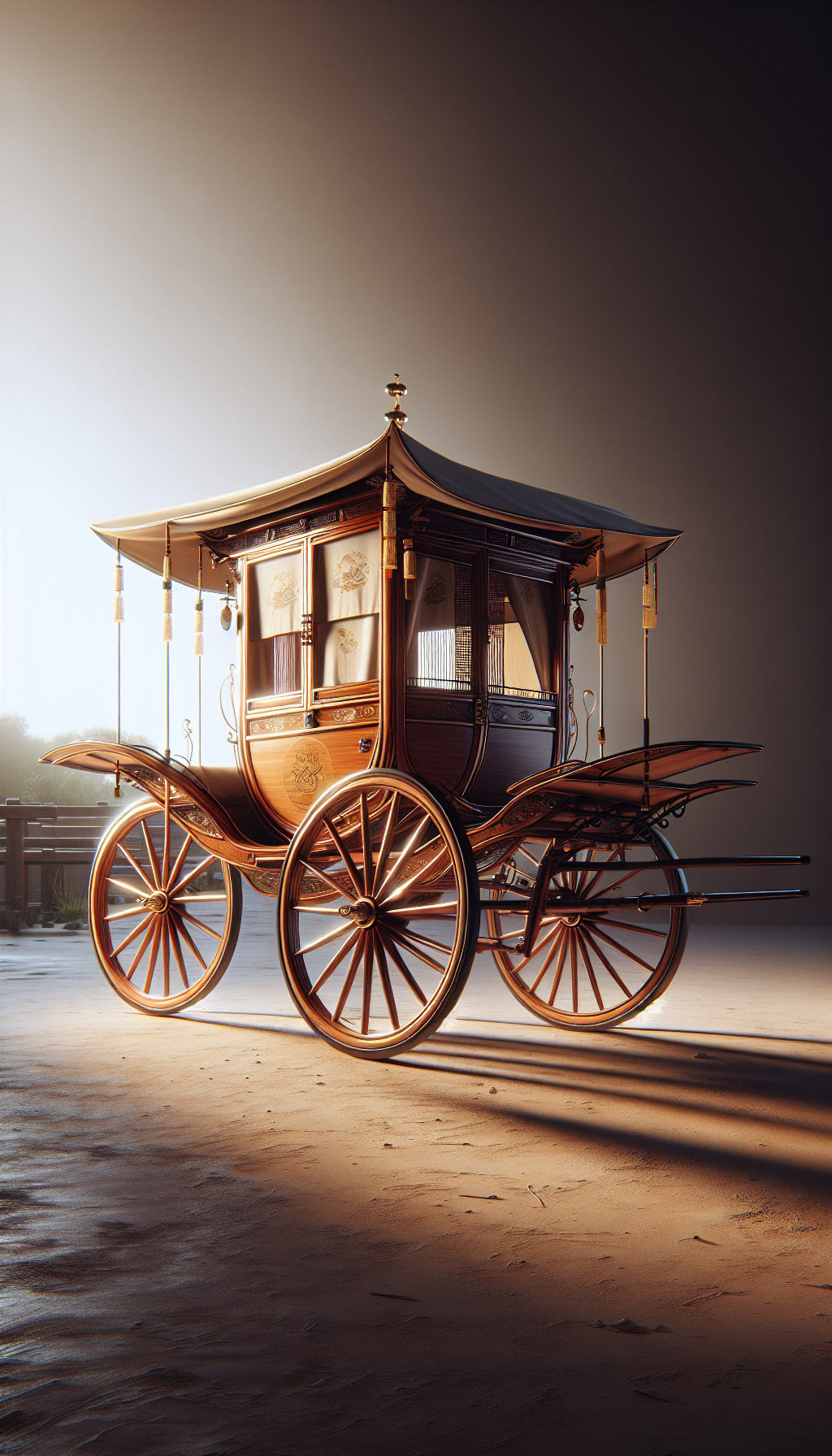
Landloute · Four-wheeled Grand Carriage — Transportation for Nobles and Elites
The Landloute is a large four-wheeled carriage used in late Joseon and the Korean Empire period. It mainly served as a means of long-distance travel and official processions for royalty, high officials, and the nobility. Constructed from wood and metal, it was notable for its comfortable interior and ornate decorations.
Pogat
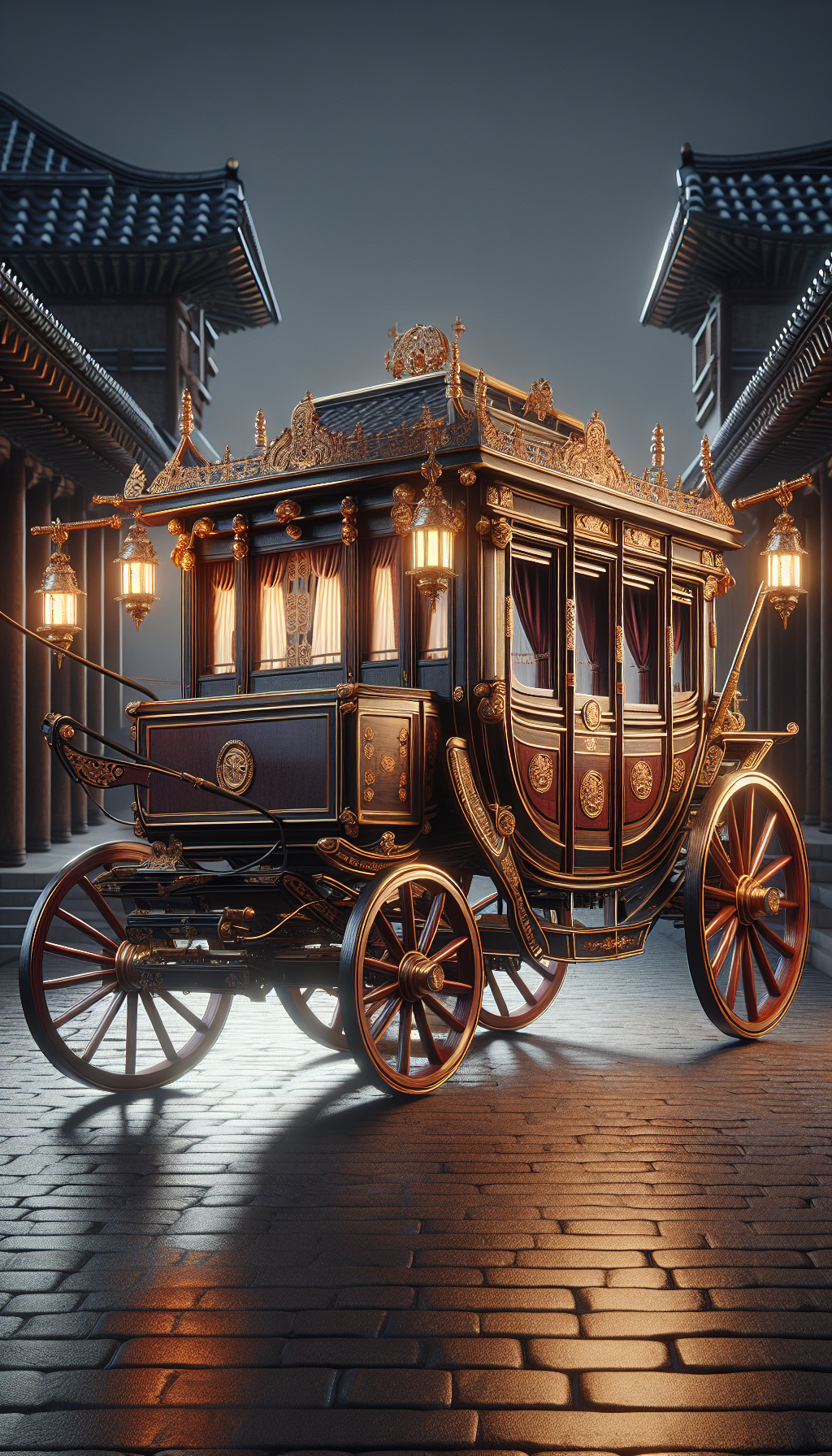
Pogat · Two-wheeled Light Carriage — Iconic Joseon Lightweight Wagon
The Pogat is a two-wheeled lightweight carriage from the Joseon period of Korea. It was commonly used by officials, envoys, or those on urgent missions as a means of swift transportation. Its agile design made it suitable for long-distance travel at relatively high speeds.
Spehti
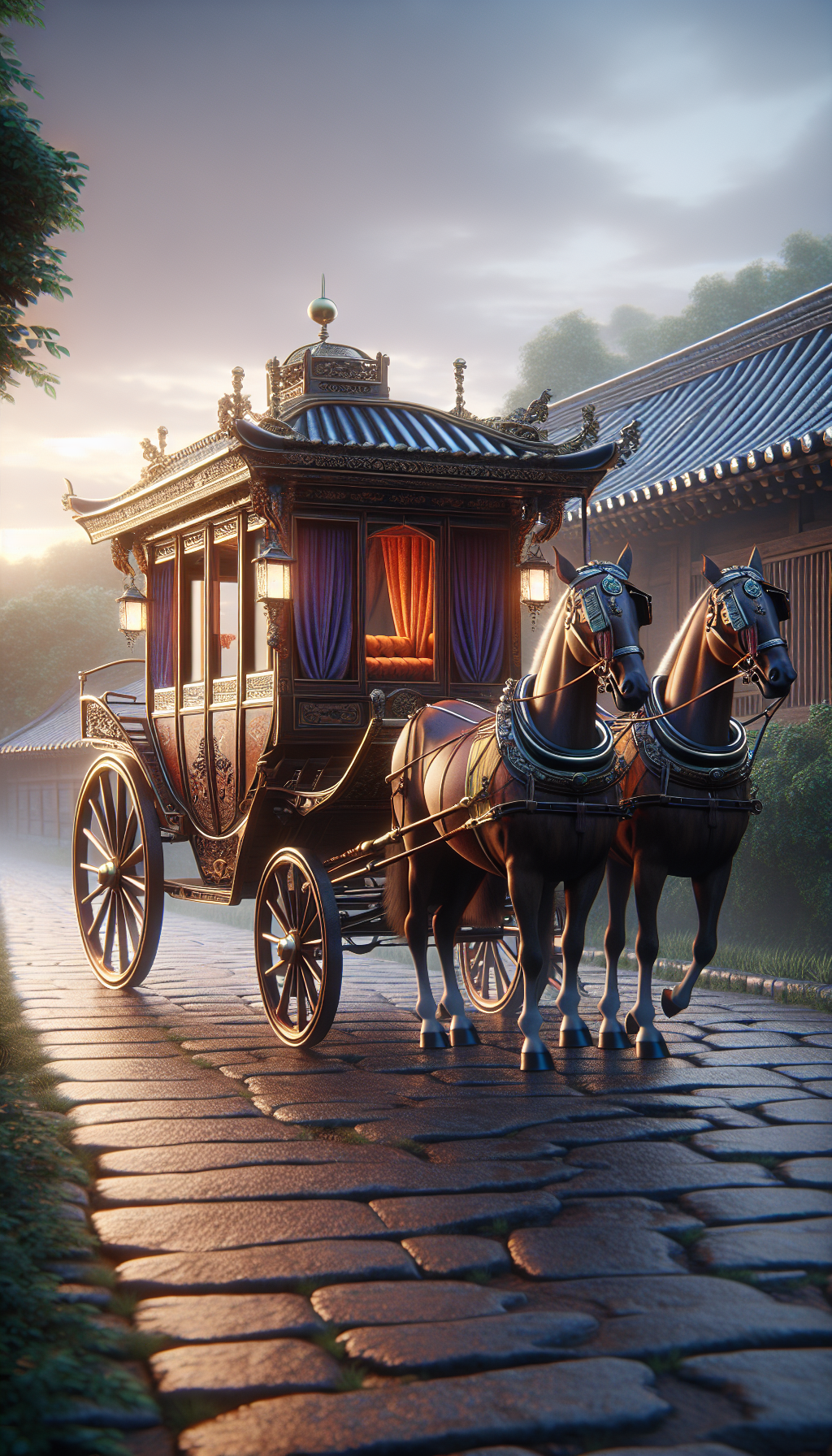
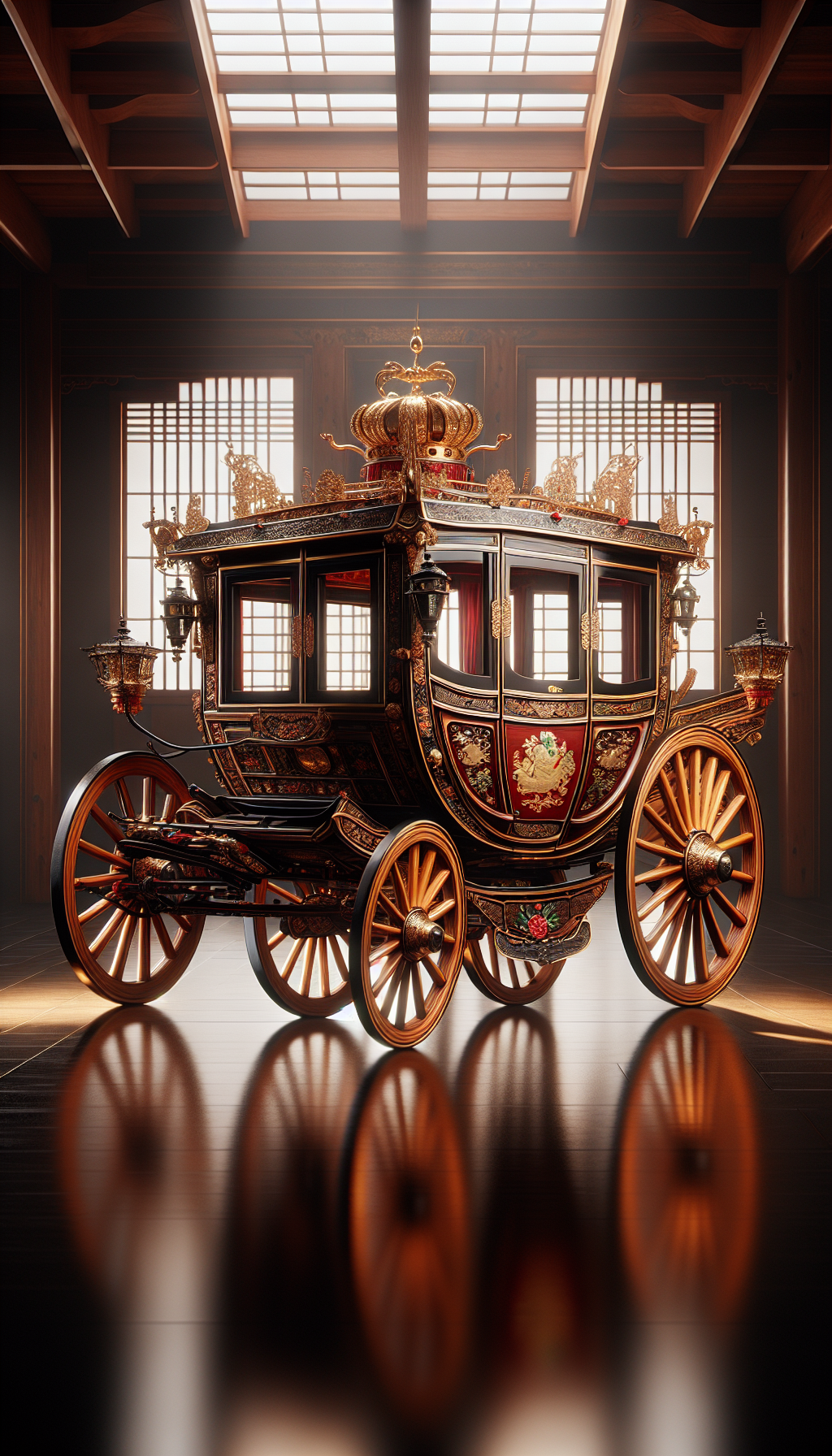
Spehti · Four-wheeled Carriage — Joseon Nobleman's Coach
The Spehti was a four-wheeled carriage used by the upper class and royalty during the late Joseon Dynasty and Korean Empire. Influenced by Western carriage designs, it became a prominent means of transportation for officials and diplomats. It combined decorative elegance with practical mobility and prestige.
Abraka
Abraka · Carriage — Lavish noble carriage of late Joseon Korea
The Abraka is a luxurious four-wheeled carriage used by the Korean elite during the late Joseon dynasty. It features elaborate carvings, ornate decorations, and a robust wooden and metal construction. Primarily, it served for royal ceremonies and official travel of high-ranking officials.
Conti
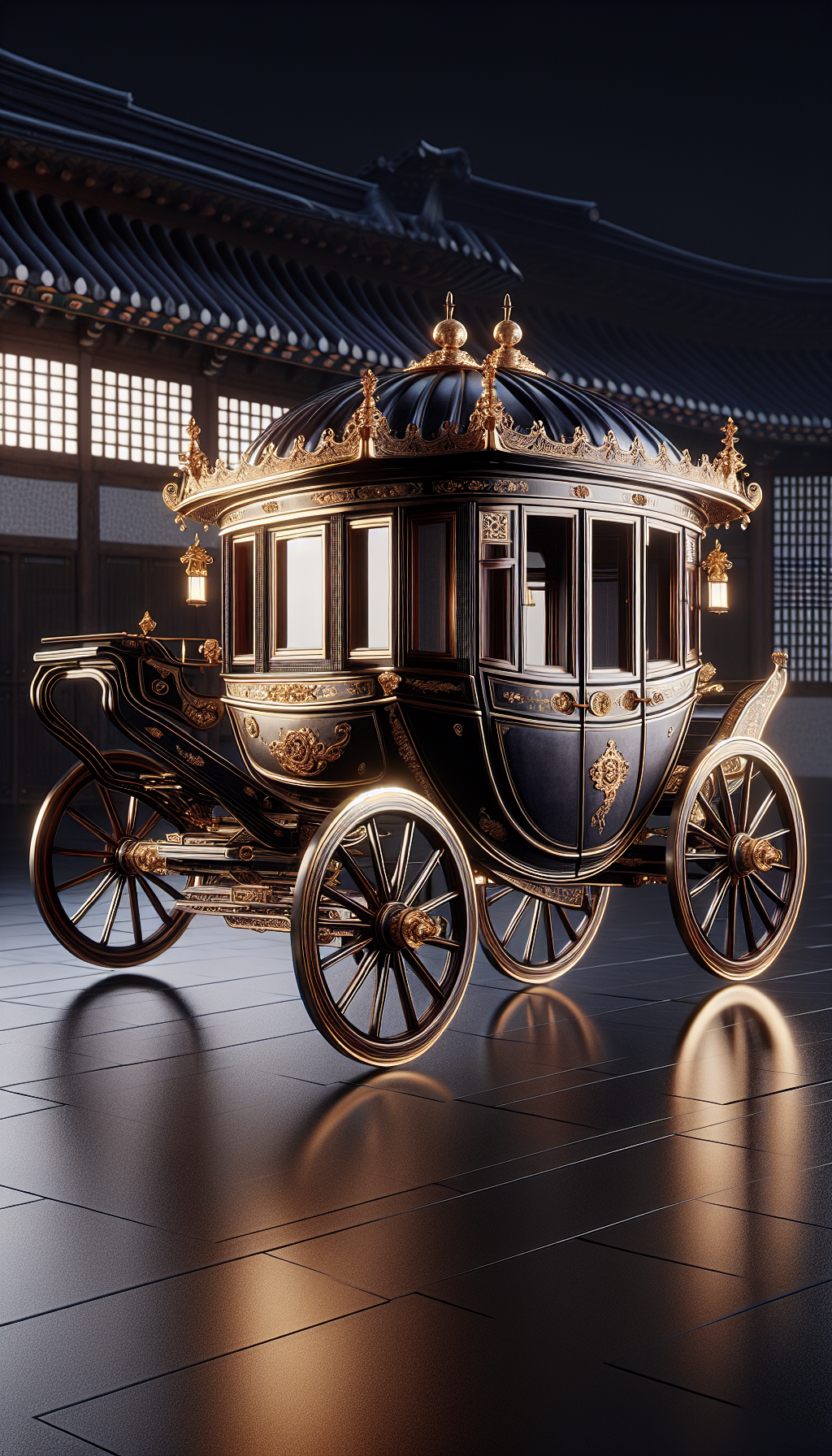
Conti Carriage · Noble Coach — Joseon-era Western-style Carriage
The Conti was a Western-style four-wheeled carriage introduced to Korea during the late Joseon Dynasty. It was primarily used by royalty, high-ranking officials, and foreign envoys. The carriage featured ornate decorations and a sturdy build, drawn by horses.
Bigon
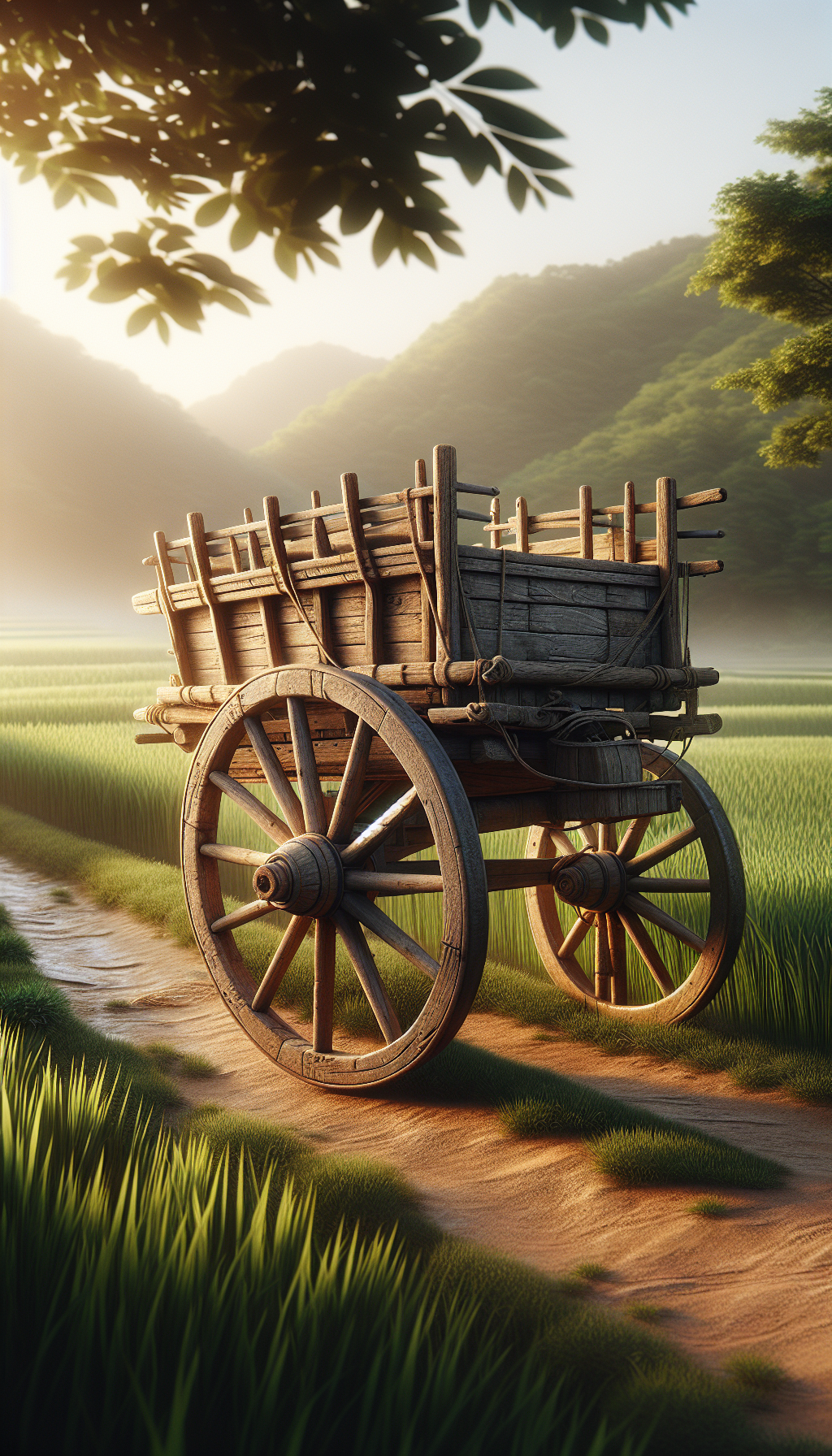
Bigon · Agricultural Cart — Staple Vehicle of Agrarian Korea
The Bigon was a traditional agricultural cart widely used in Joseon Korea. Pulled by oxen or horses, this two- or four-wheeled vehicle was essential for transporting crops, tools, and goods. Built with wood and iron parts, it prioritized durability and practicality.

Heizuka
Heizuka · Aristocratic Carriage — Iconic Joseon-era Noble Transport
The Heizuka was a four-wheeled carriage used by the upper class during the Joseon dynasty. It was mainly utilized by royalty, officials, and nobles for formal events and travel. Known for its intricate woodwork and ornate decorations, it also served as a symbol of social status.