Knight
14 items tagged with "Knight"
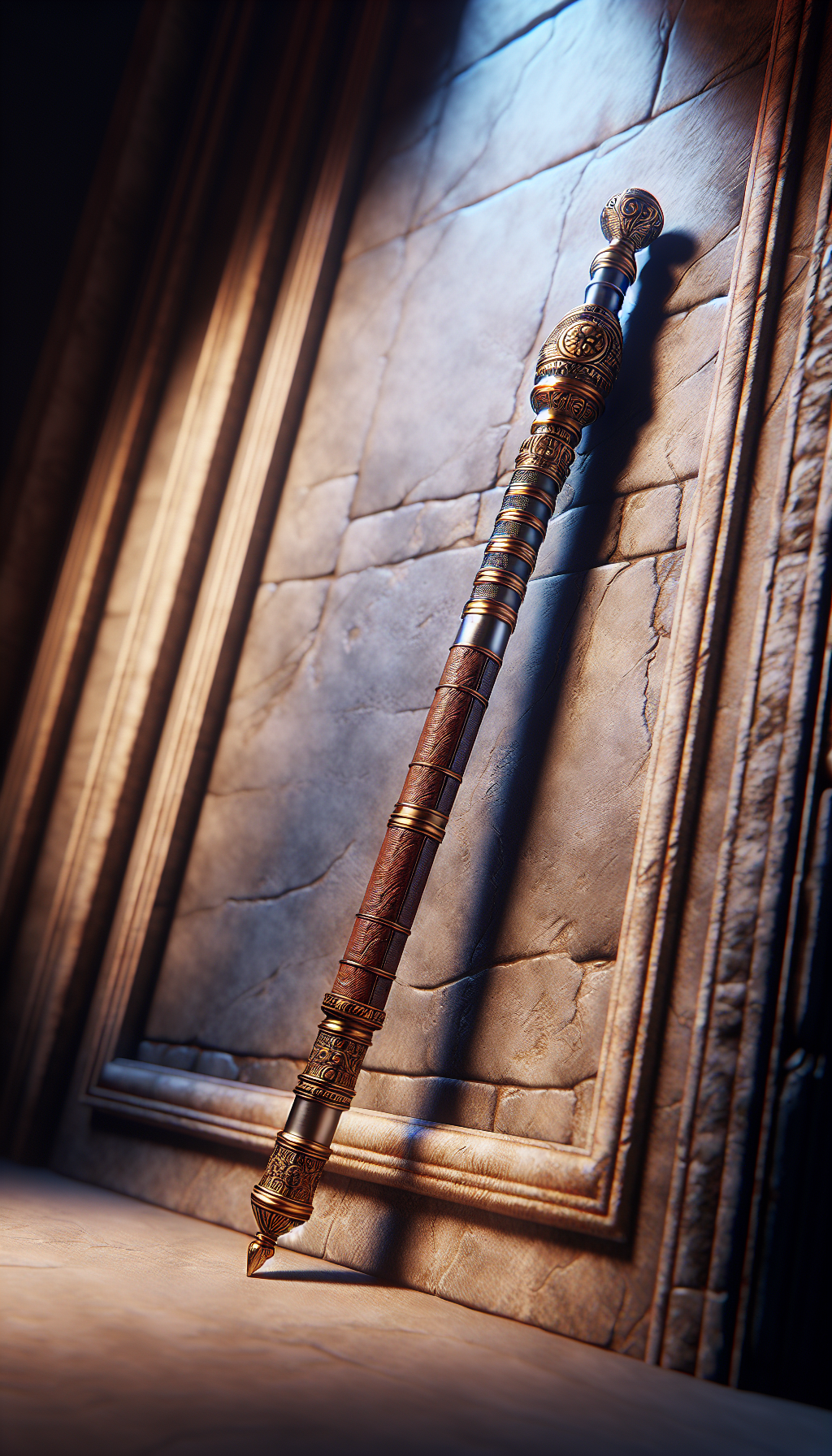
Spatha
Spatha · Roman Longsword — Long sword used by Roman cavalry and infantry
The spatha is a straight, long sword used primarily by cavalry and later by infantry in the Roman Empire. It is significantly longer than the gladius and effective for both cutting and thrusting. From the 2nd century CE, it gradually became the standard weapon for late Roman soldiers.
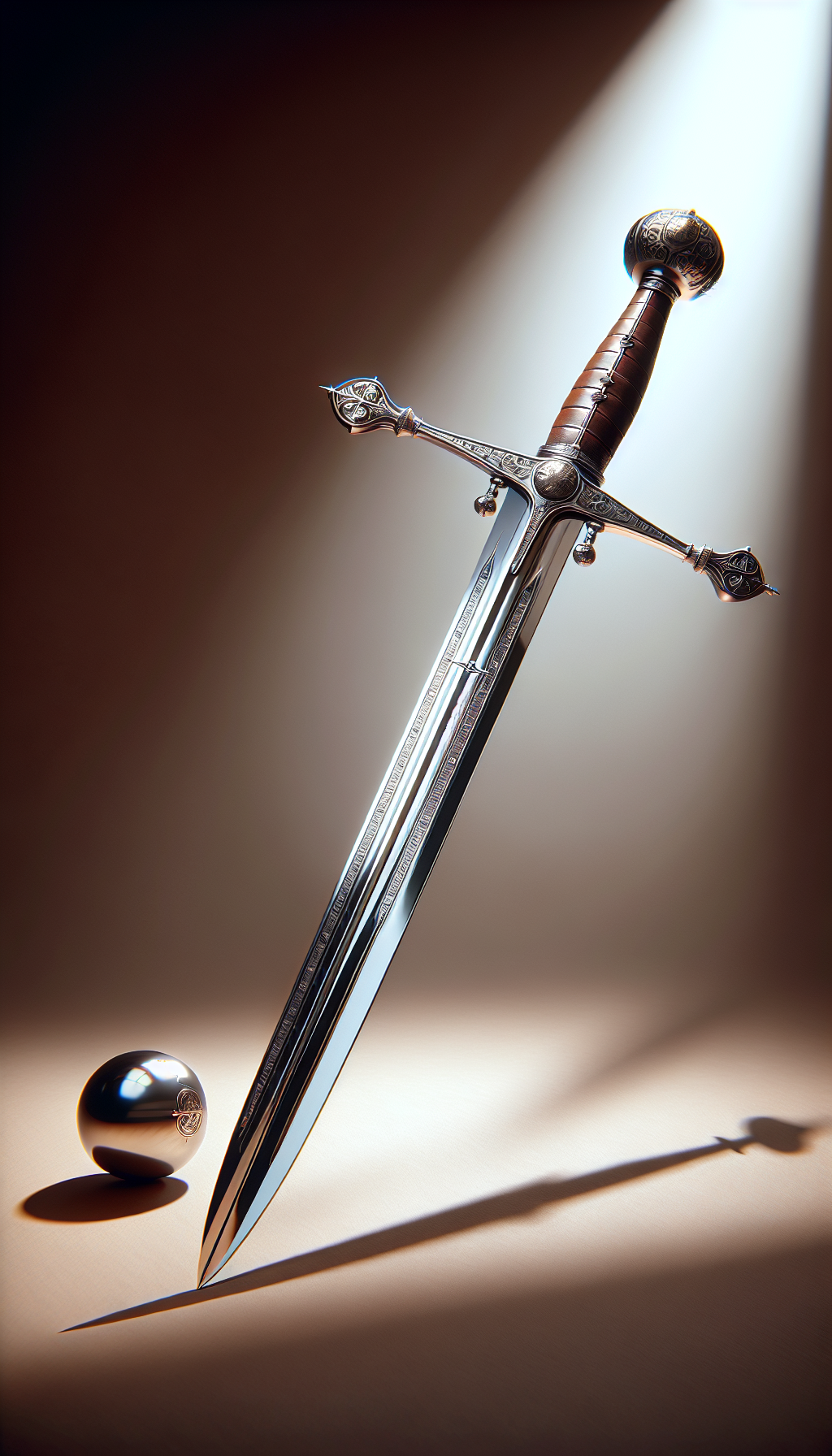
Longsword
Longsword · Greatsword — Iconic two-handed sword of medieval Europe
The longsword is a versatile, double-edged sword widely used in medieval Europe. It features a straight blade and a cruciform hilt, optimized for both cutting and thrusting. Favored by knights and warriors, it balanced reach and maneuverability.
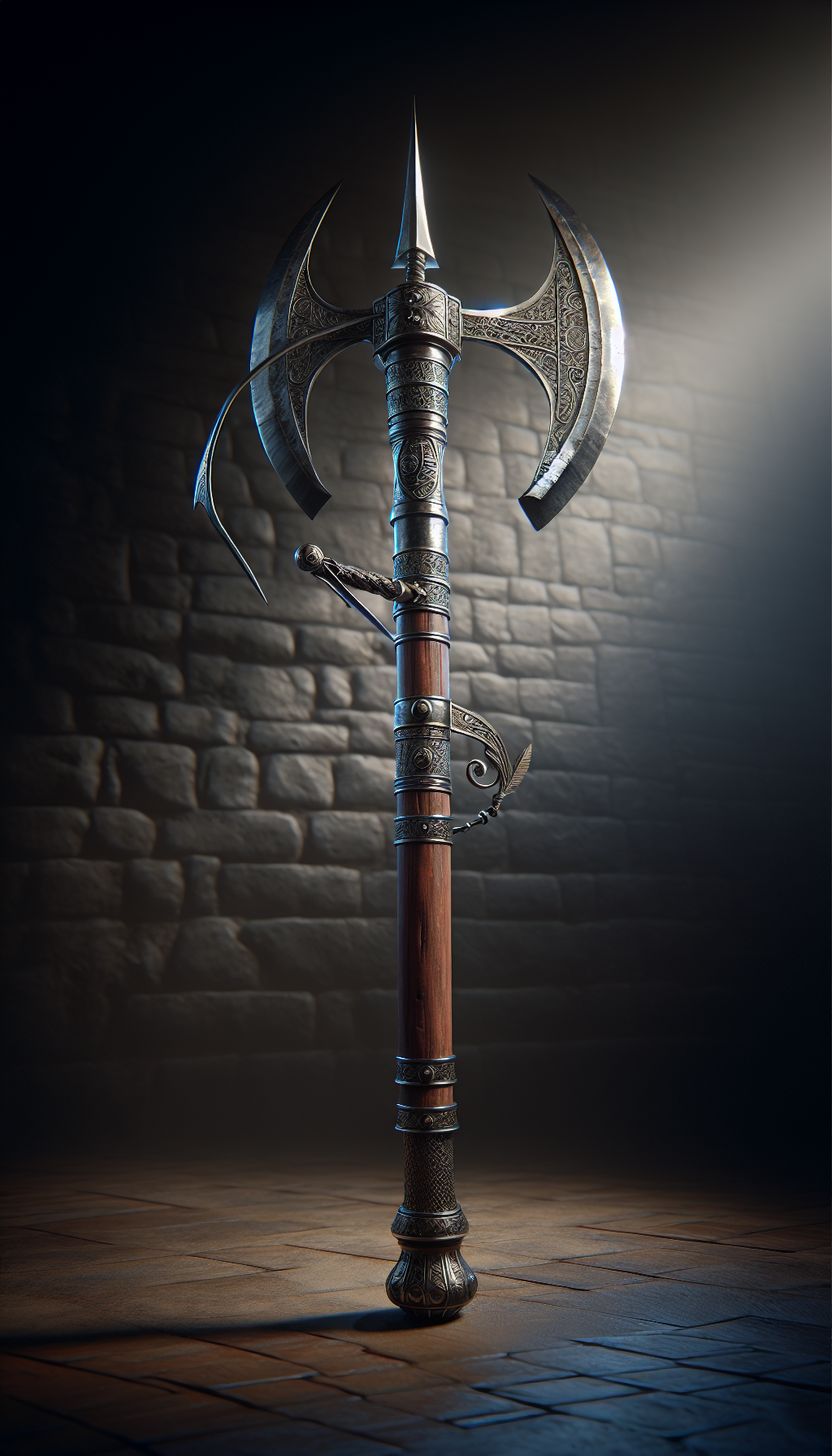
Halberd
Halberd · Polearm — Medieval weapon combining axe and spear
The halberd is a polearm featuring an axe blade, a spear tip, and a rear hook. It was primarily used by infantry in medieval Europe to counter armored opponents and cavalry. Its versatile design allowed for both offensive and defensive maneuvers.
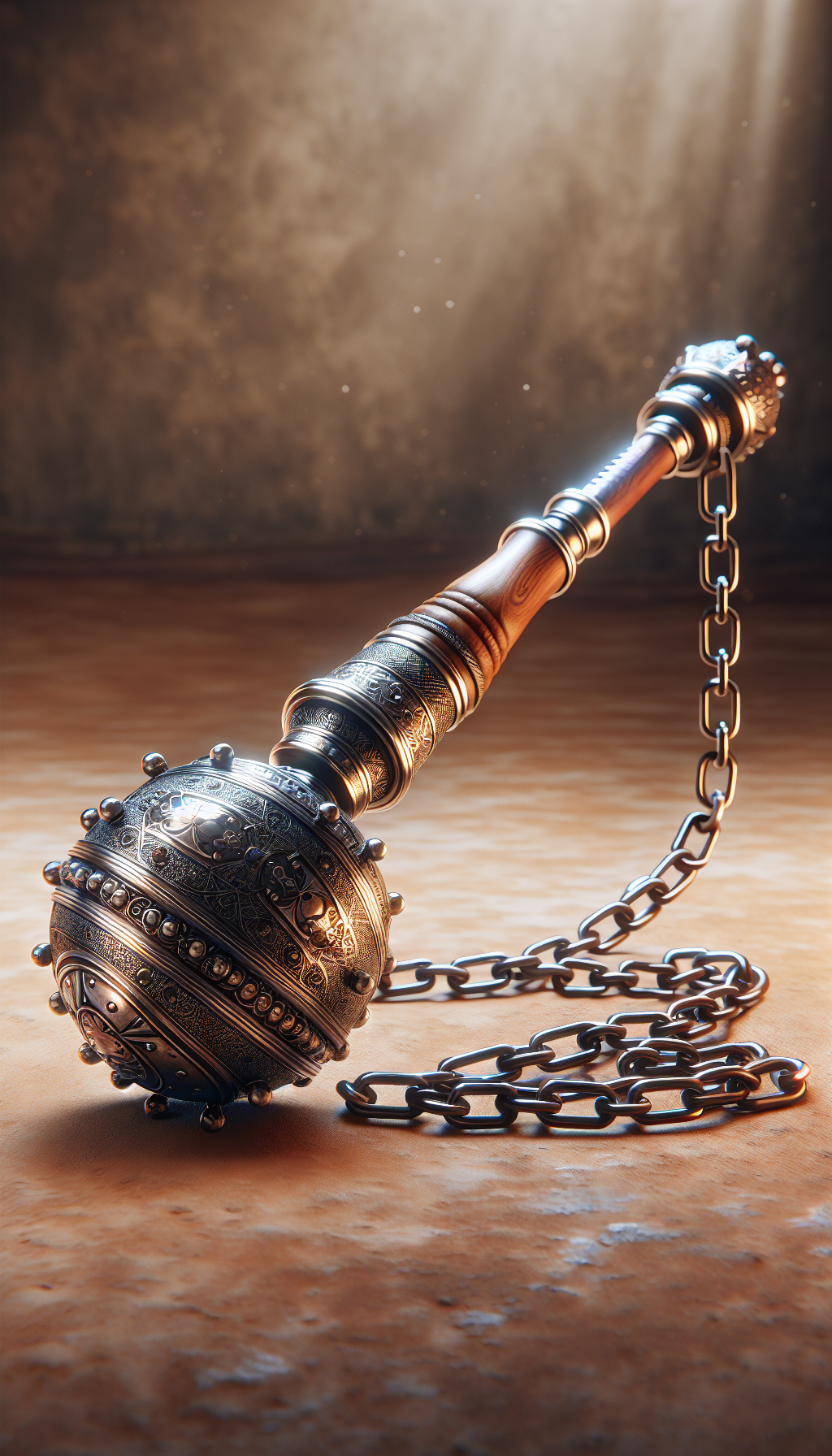
Two-Handed Sword
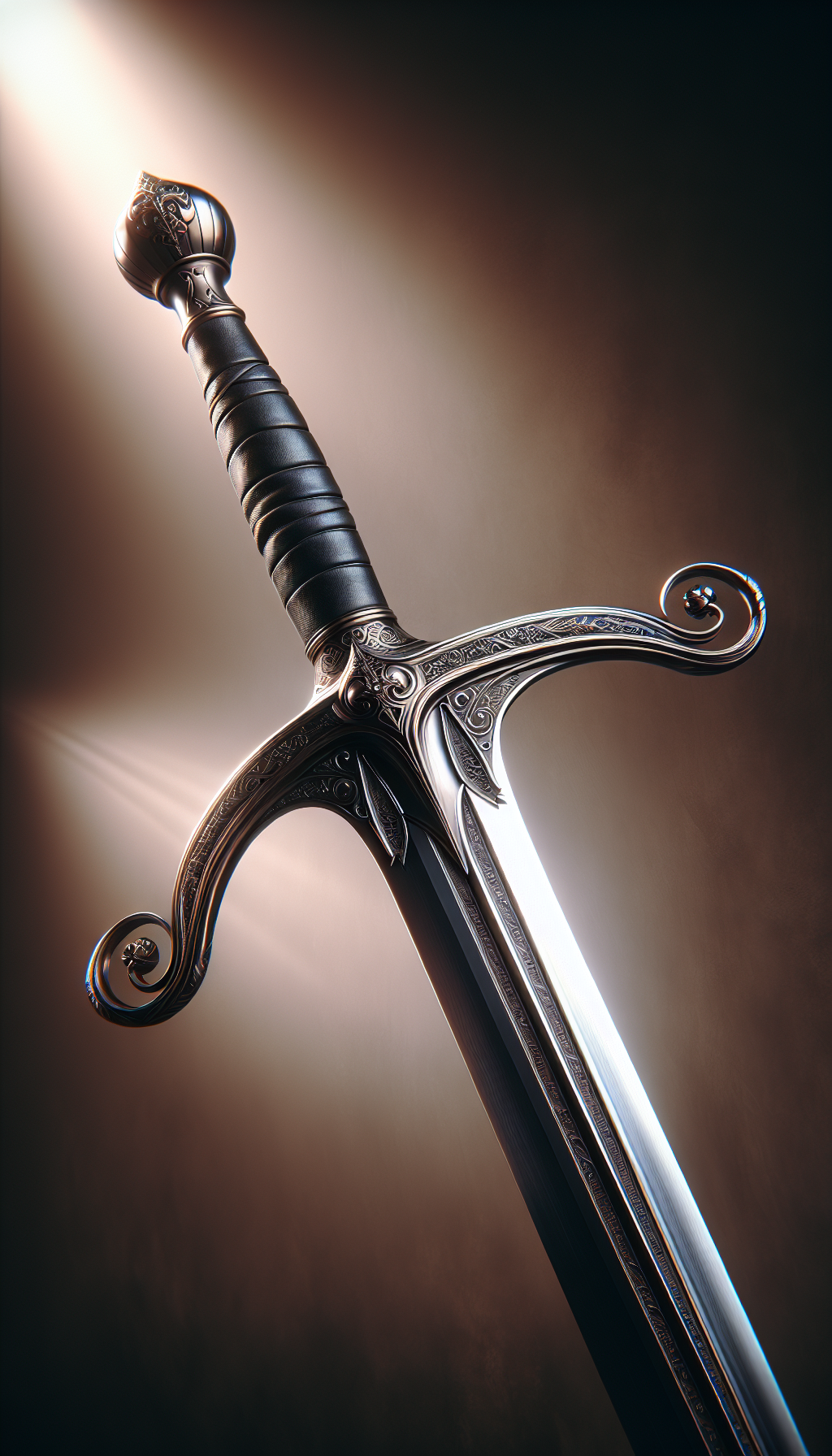
Greatsword · Zweihänder — A massive sword wielded with both hands
The two-handed sword is a large, heavy blade that requires both hands to wield effectively. It is notable for its reach and powerful strikes, making it formidable in battle. Its size grants great force but demands significant strength.
Katana
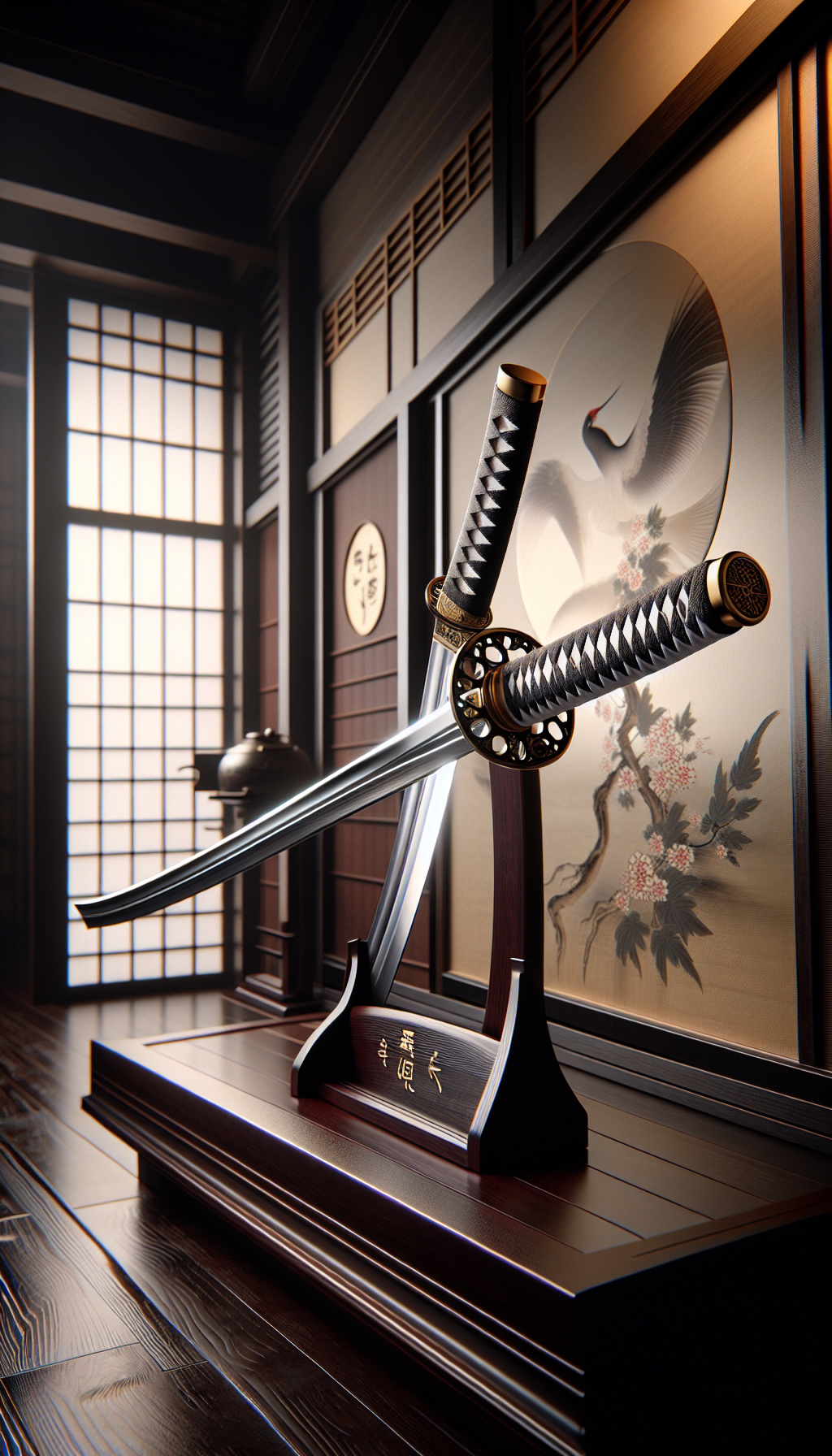
Katana · Japanese Sword — Iconic Curved Blade of the Samurai
The katana is the quintessential long sword used by Japanese samurai. Featuring a single-edged, curved blade, it is renowned for its cutting efficiency. It became a symbol of the samurai’s spirit and honor in medieval Japan.
Lance
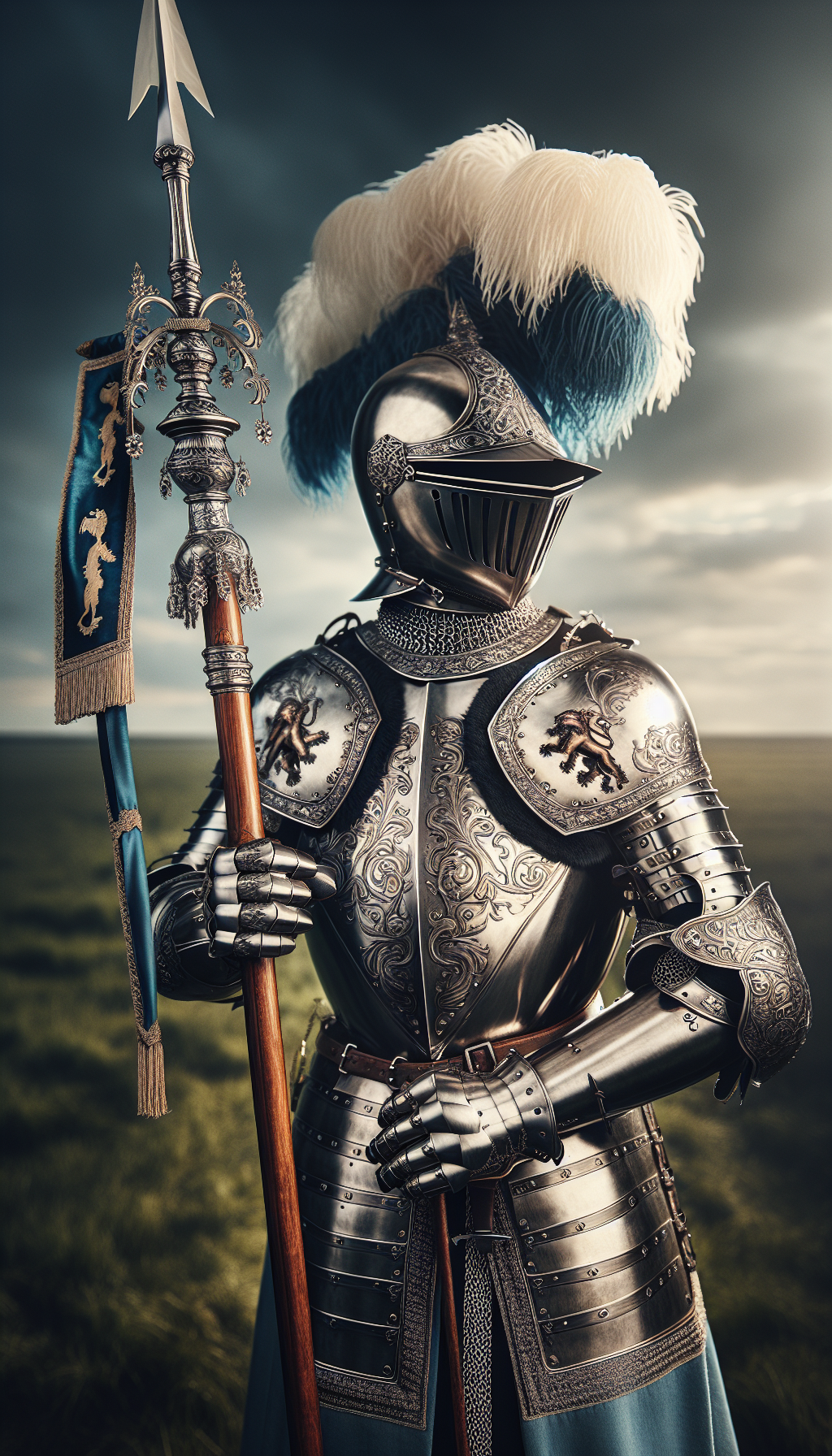
Lance · Long Spear — Cavalry pole weapon
The lance is a long spear primarily used by medieval European knights for mounted combat. Designed for charging enemies at high speed, it could pierce armor and deliver powerful impacts. Lances were also popular in jousting tournaments.
Hammer
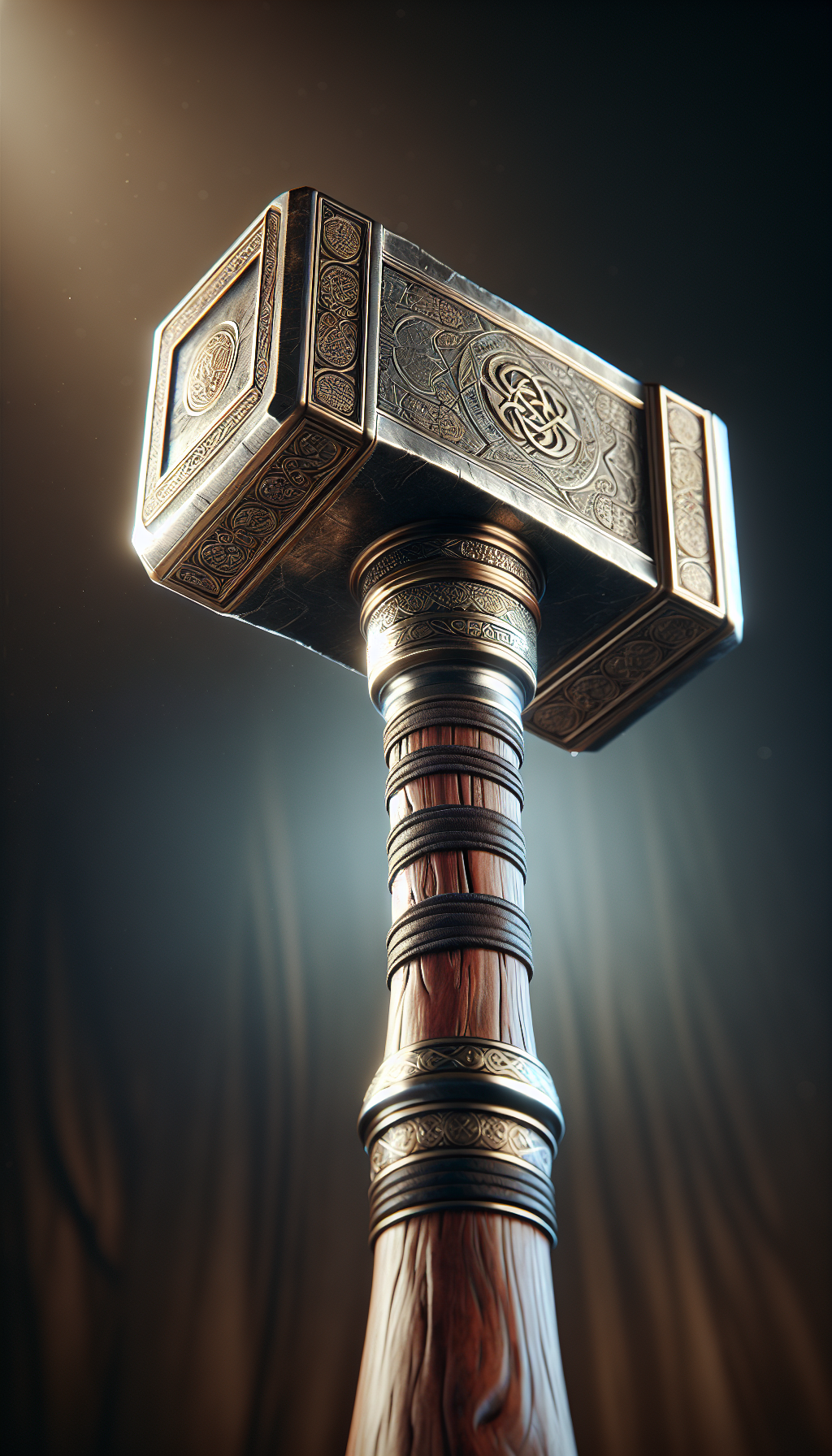
Hammer · Warhammer — Weapon of blunt force and utility
The hammer is a weapon made of metal or wood, featuring a heavy, flat striking head. It is primarily used to crush or break enemy armor and shields. Hammers were commonly used by warriors across medieval Europe and East Asia.
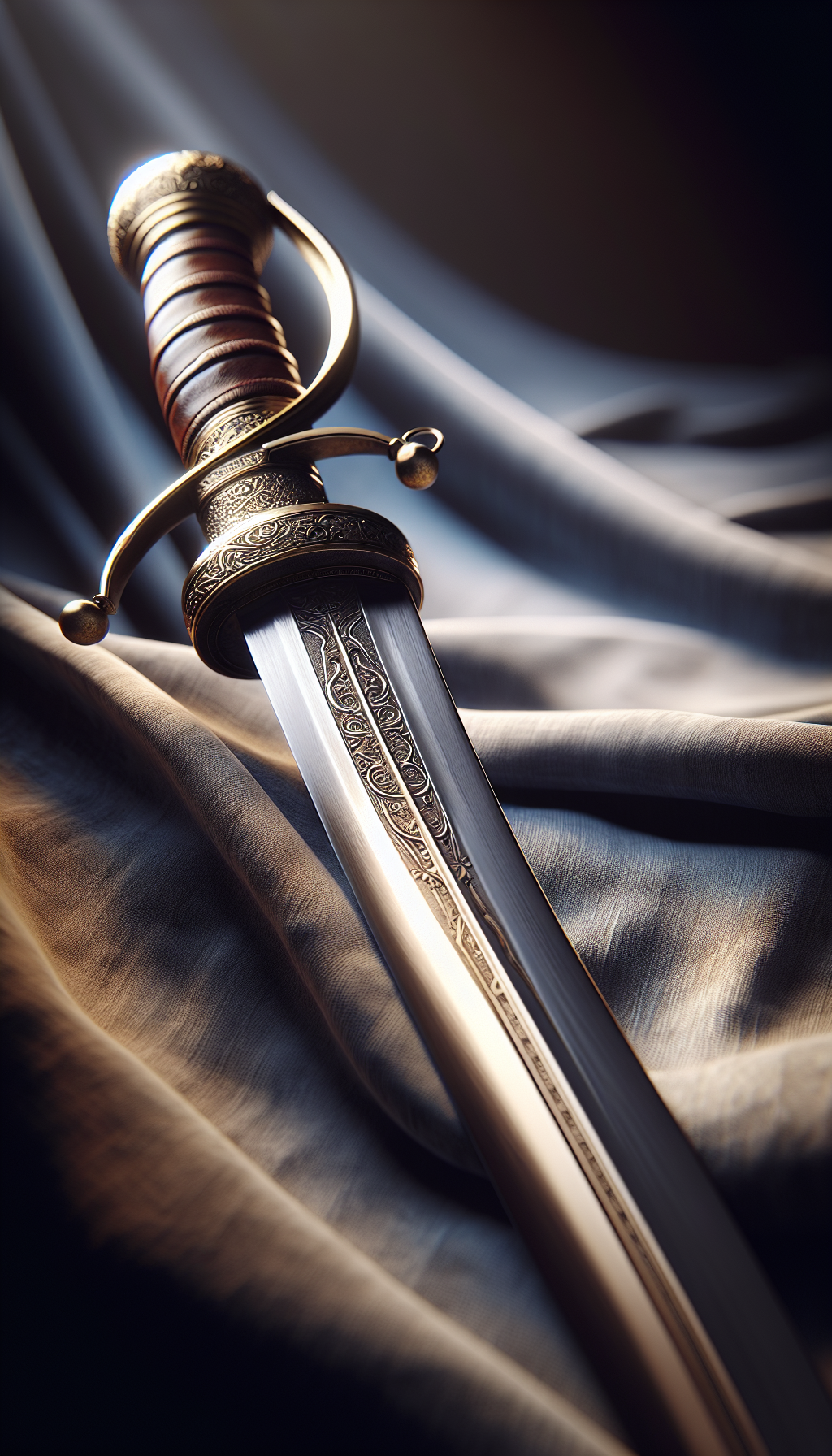
Saber
Curved Single-Edged Sword · Cavalry Blade — A classic cutting weapon
The saber is a curved, single-edged sword primarily designed for one-handed use. Renowned for its cutting power, it was widely utilized in cavalry and infantry throughout both Eastern and Western cultures. Most famously, it became a symbol of European cavalry in the 18th and 19th centuries.
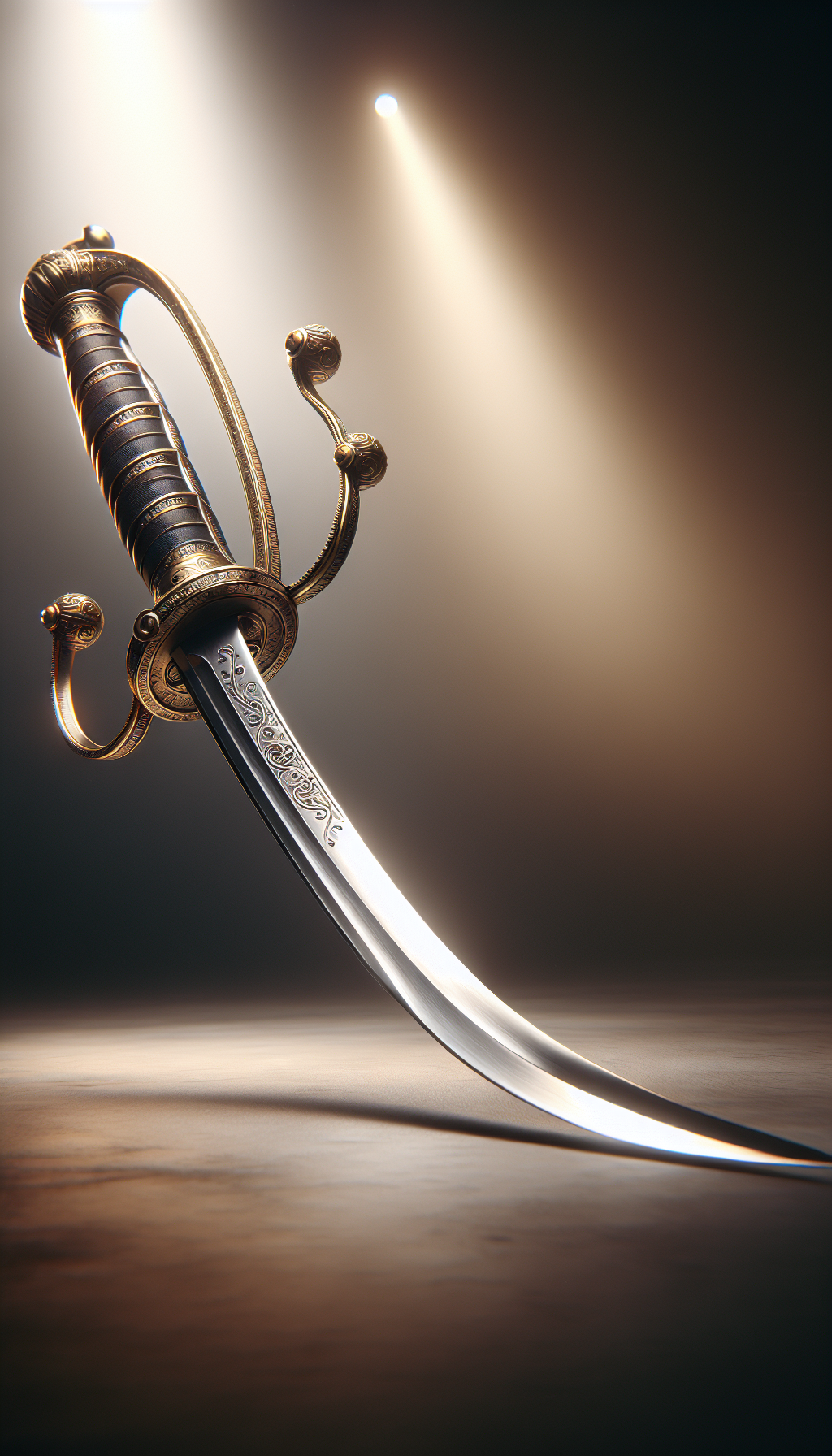
Saber
Curved Cavalry Sword · Sabre — Single-edged, curved sword
The saber is a single-edged, curved sword designed primarily for use with one hand. It became prominent as a cavalry weapon, optimized for slashing attacks. Different variants appeared across Europe and Asia.
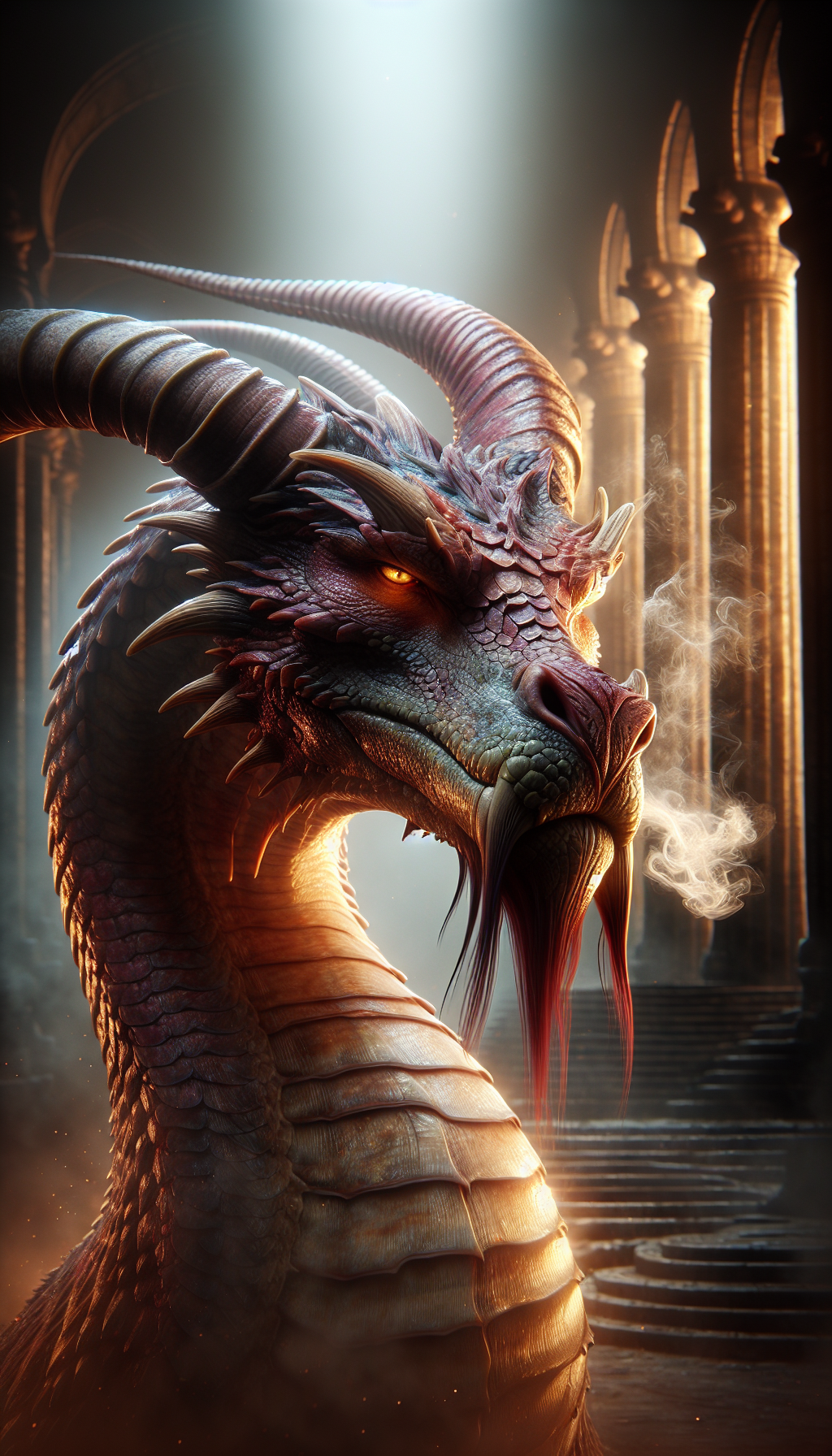
Dragon
Legendary Creature · Wyrm — Ancient being of immense power and wisdom
Dragons are large, reptilian mythical creatures found in legends across both Eastern and Western cultures. They are renowned for their supernatural abilities such as breathing fire or flight, and serve as symbols of power, wisdom, calamity, or greed. Their appearance, temperament, and significance vary widely between cultures.
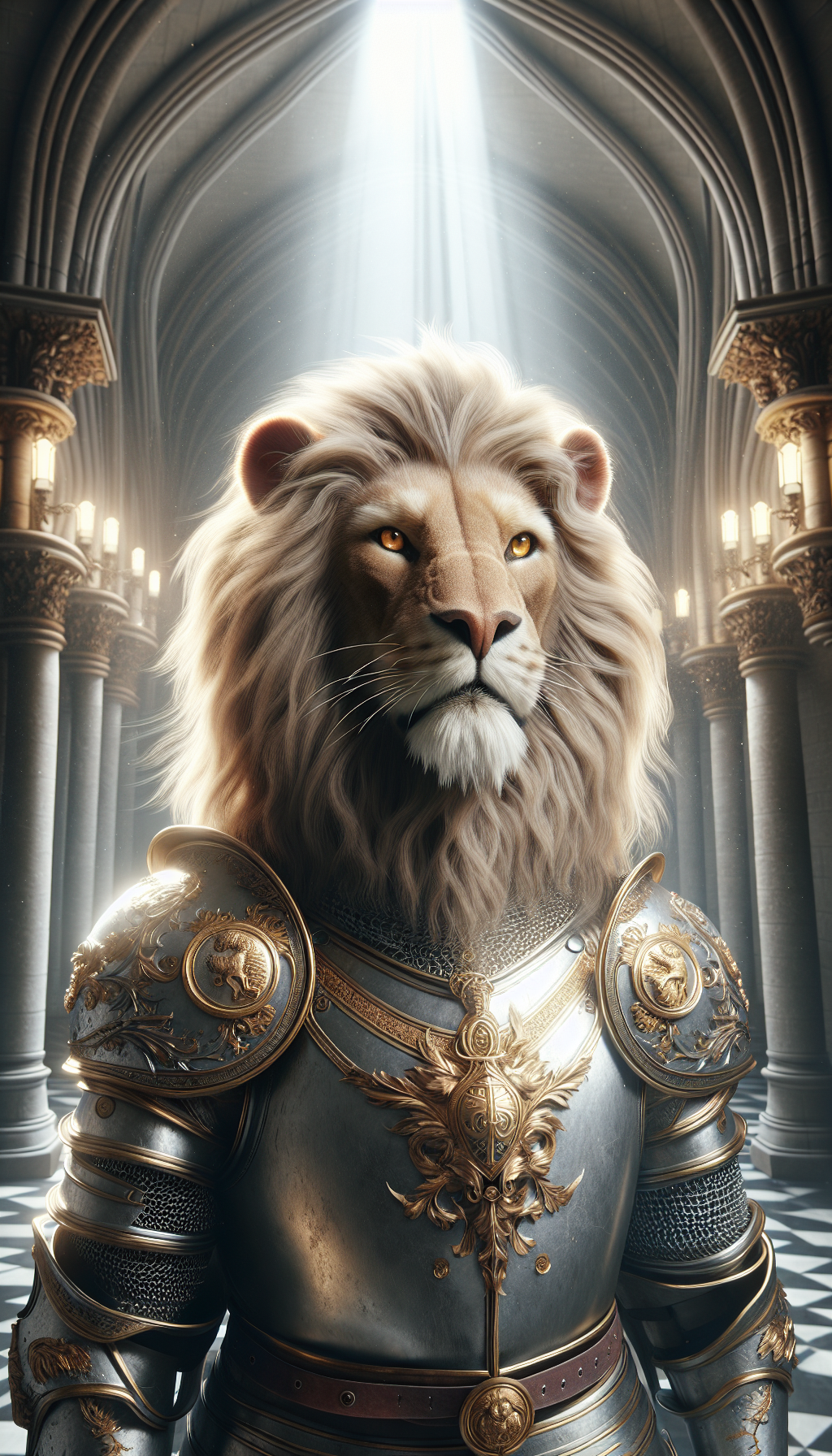
Paladin Lion
Sacred Guardian · Emblem of Knighthood — Mythical protector of chivalric orders
The Paladin Lion is a mythical creature revered as the symbol of chivalric orders. Representing courage, justice, and loyalty, it frequently appears in legends as a guardian spirit accompanying knights or paladins.
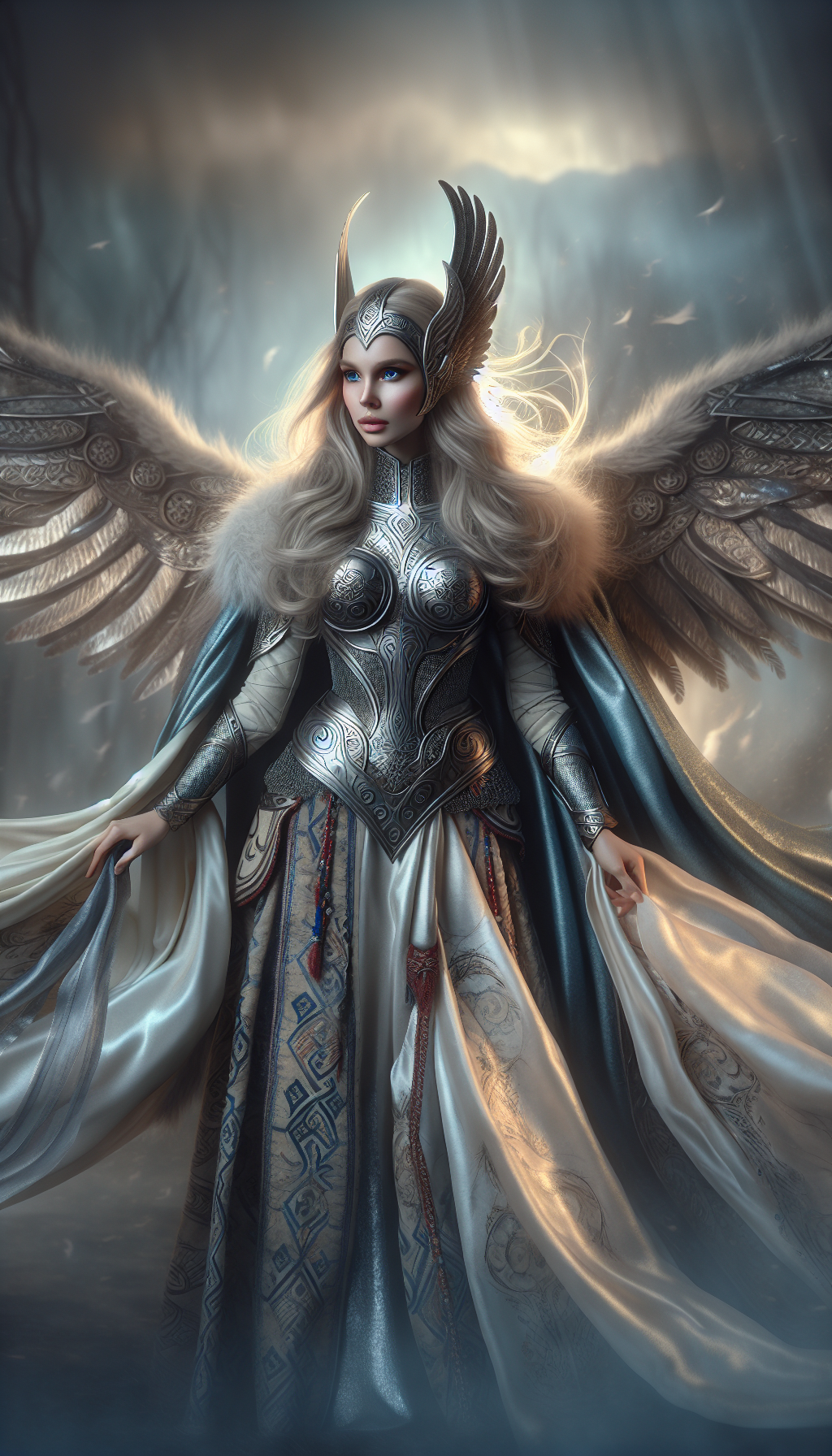
Valkyrie
Valkyrie · Warrior Maidens — Choosers of the Slain in Norse Mythology
Valkyries are female figures in Norse mythology who guide the souls of fallen warriors to Odin. They are depicted as both fierce fighters and embodiments of ethereal beauty. Valkyries decide the fate of warriors in battle and select those worthy of entering Valhalla.
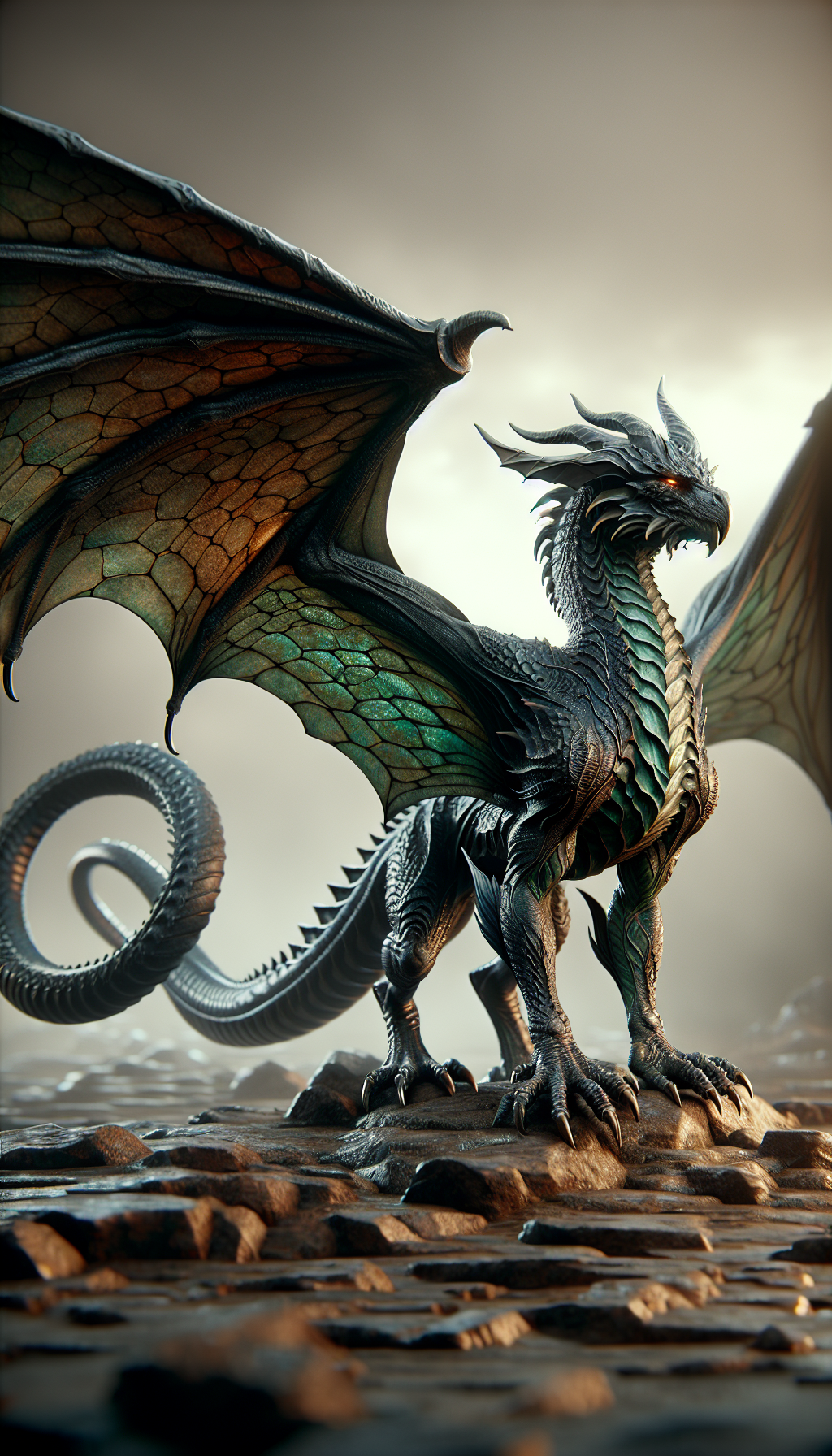
Wyvern
Wyvern · Type of Dragon — Legendary two-legged, winged reptilian creature
The wyvern is a mythical beast characterized by two legs and a single pair of wings, resembling a dragon but distinct in form. It often features a long, serpentine tail and powerful talons, sometimes depicted with the ability to breathe fire or poison. The wyvern appears frequently in medieval European heraldry and literature, serving as a symbol of strength and ferocity.