
Sabre
The curved cavalry sword for slashing
The sabre is the standard weapon of European cavalry from the 17th to 19th centuries, featuring an 80-90cm gently curved single-edged blade and a distinctive D-shaped hand guard. The blade curvature is optimized for slashing attacks during mounted charges, while the D-guard protects the entire hand. During the Napoleonic Wars (1803-1815), cavalry of all major nations — France, Britain, Prussia — adopted the sabre as their primary weapon. Paired with the flamboyant hussar uniforms, it became the symbol of the cavalry era. Modern fencing sabre derives from this weapon.
Origin
Evolved from the curved swords of 17th-century Eastern European and Hungarian cavalry. The traditional weapon of Hungarian hussars spread throughout Western Europe, becoming the standard cavalry sword during the Napoleonic Wars.
Features
- Gently curved single-edged blade (80-90cm)
- D-shaped guard protecting the entire hand
- Curvature optimized for mounted slashing
- Total weight approximately 900g-1.1kg
- Iconic cavalry weapon of the Napoleonic Wars
- Origin of modern fencing sabre
Usage
Used in mounted charges where cavalry cut down infantry and rival horsemen at full gallop. The quintessential weapon of Napoleonic cavalry charges.
Related

Rapier
A thrust-oriented slender sword of Renaissance Europe

Longsword
The quintessential two-handed sword of medieval Europe
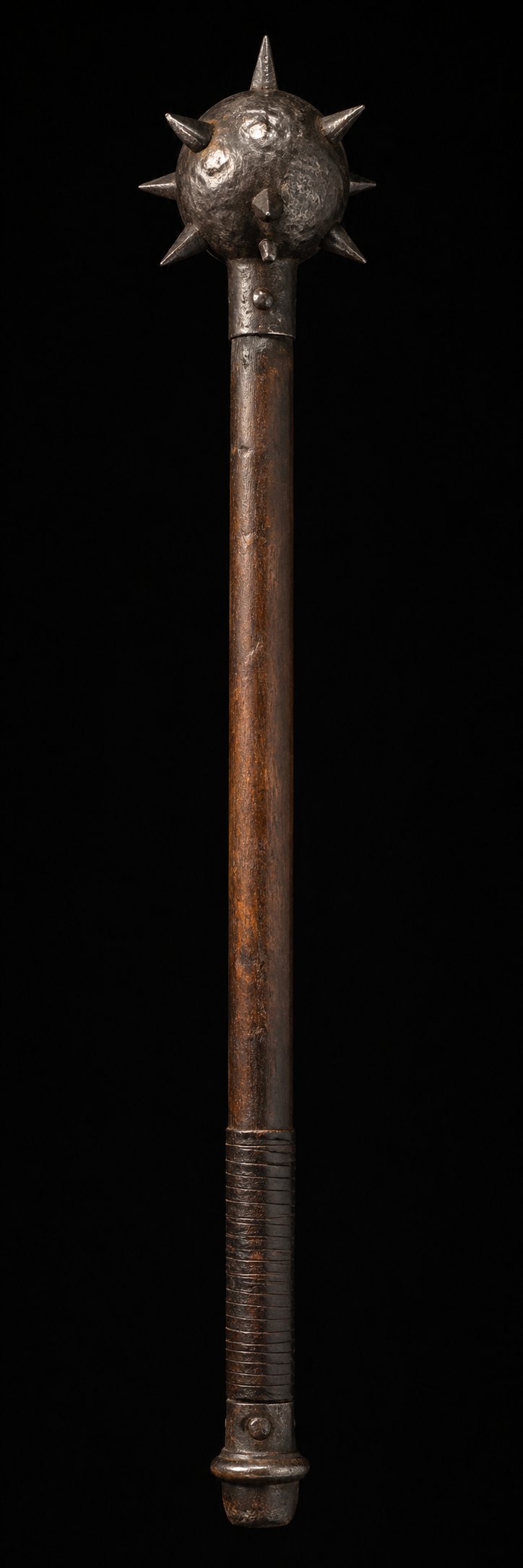
Morning Star
The spiked ball weapon of medieval warfare

Lance
The cavalry charge weapon of the mounted knight
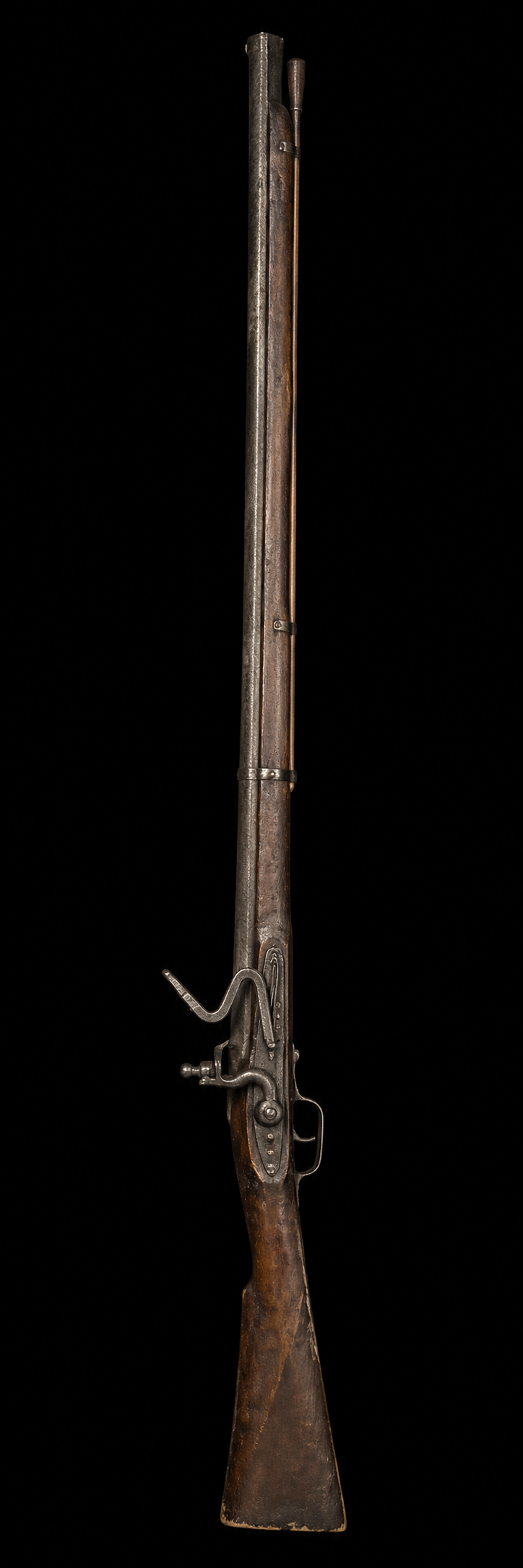
Musket
The muzzle-loading firearm of the early modern era
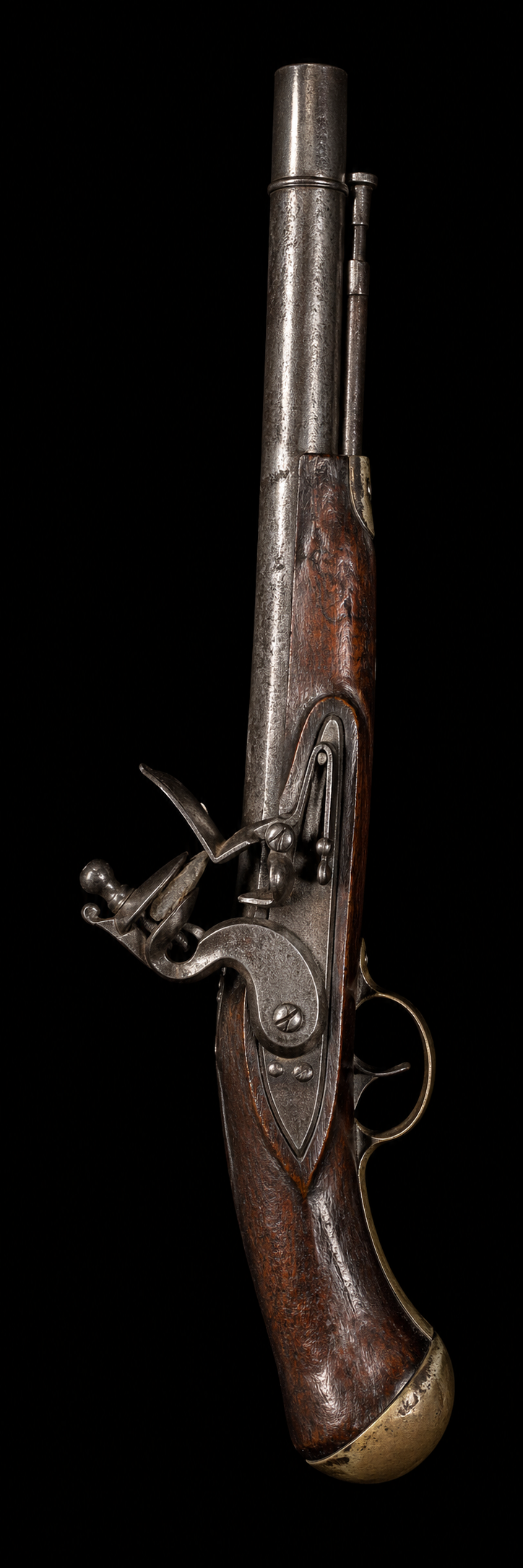
Flintlock Pistol
A single-shot pistol ignited by striking flint

War Hammer
A blunt weapon designed to defeat plate armor

Shamshir
The curved cavalry saber of Persia
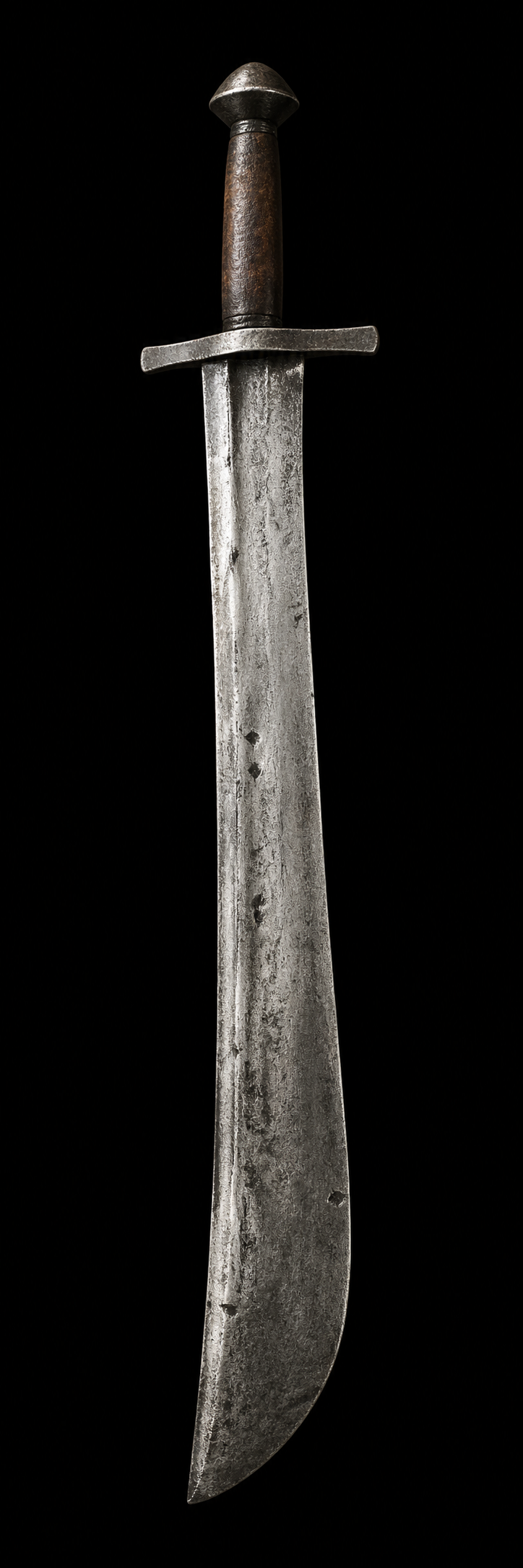
Falchion
A single-edged medieval European chopping sword

Gladius
The standard short sword of the Roman legionnaire

Halberd
The versatile polearm combining axe, spear, and hook

Spear
Humanity's oldest weapon