
Rapier
A thrust-oriented slender sword of Renaissance Europe
The rapier is a thrust-specialized sword born in Renaissance Europe, featuring a long, slender blade of 100-130cm. The stiff, narrow blade with a sharp point is optimized for thrusting. Its most distinctive feature is the elaborate swept hilt guard — a complex system of guard rings, knuckle bows, and quillons enclosing the entire hand. Widely used as a civilian self-defense weapon and dueling tool for European nobility in the 16th-18th centuries, it gave birth to modern fencing (epee and foil). The rapier drove the creation of systematic fencing schools in Italy and Spain.
Origin
First appeared in late 15th-century Spain, reaching its mature form in 16th-century Italy. Camillo Agrippa (Italy) and the Spanish Destreza school developed systematic fencing techniques.
Features
- Long, slender double-edged blade (100-130cm)
- Swept hilt — complex metal guard system
- Stiff blade optimized for thrusting
- Total weight approximately 1-1.4kg
- Origin of modern fencing (epee and foil)
- Drove creation of Italian and Spanish fencing schools
Usage
Standard weapon for civilian self-defense and honor duels among European nobility in the 16th-18th centuries. Used from street encounters to court duels.
Related

Sabre
The curved cavalry sword for slashing
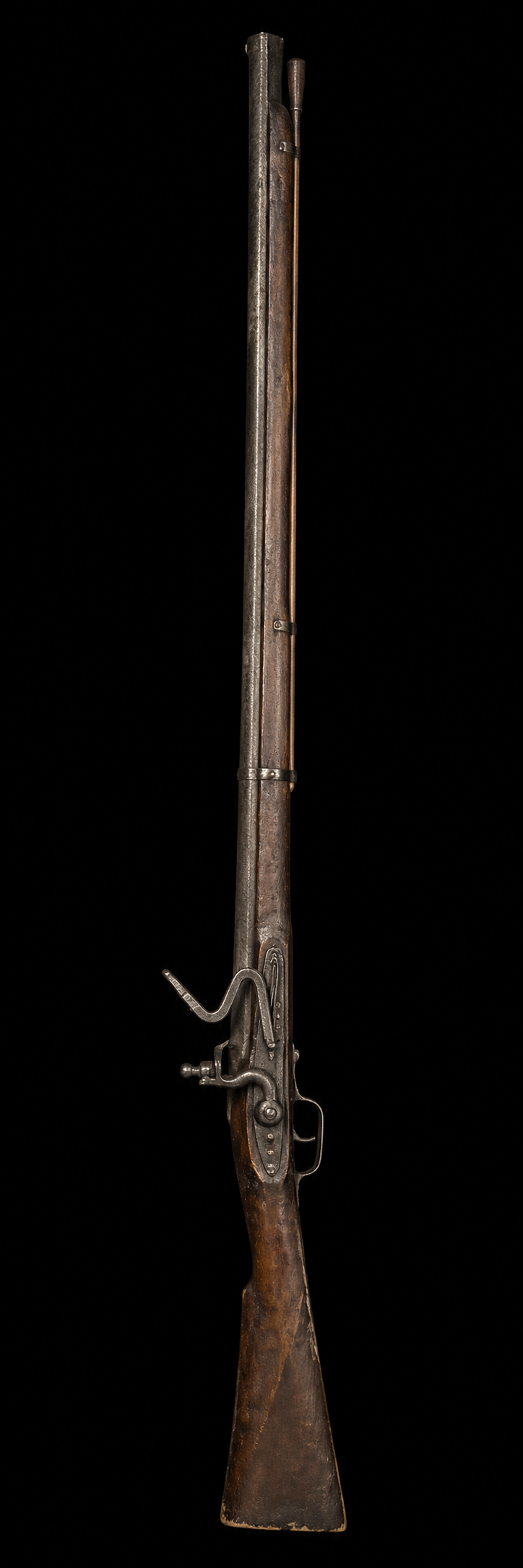
Musket
The muzzle-loading firearm of the early modern era
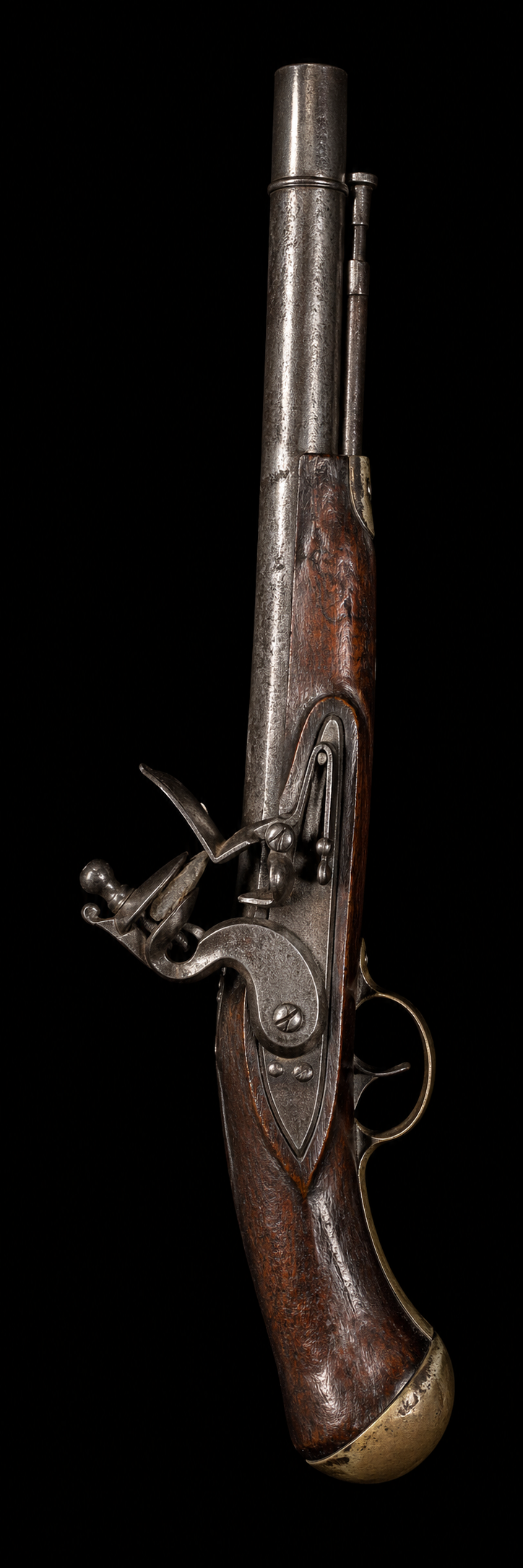
Flintlock Pistol
A single-shot pistol ignited by striking flint
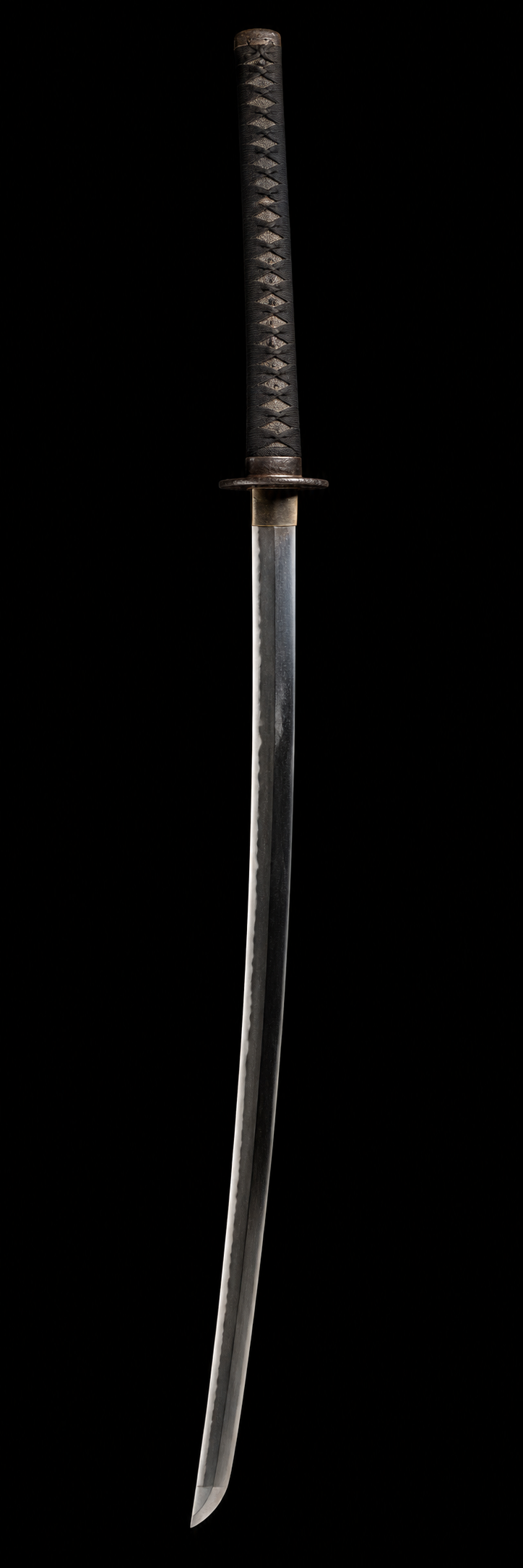
Katana
The iconic curved sword of the Japanese samurai
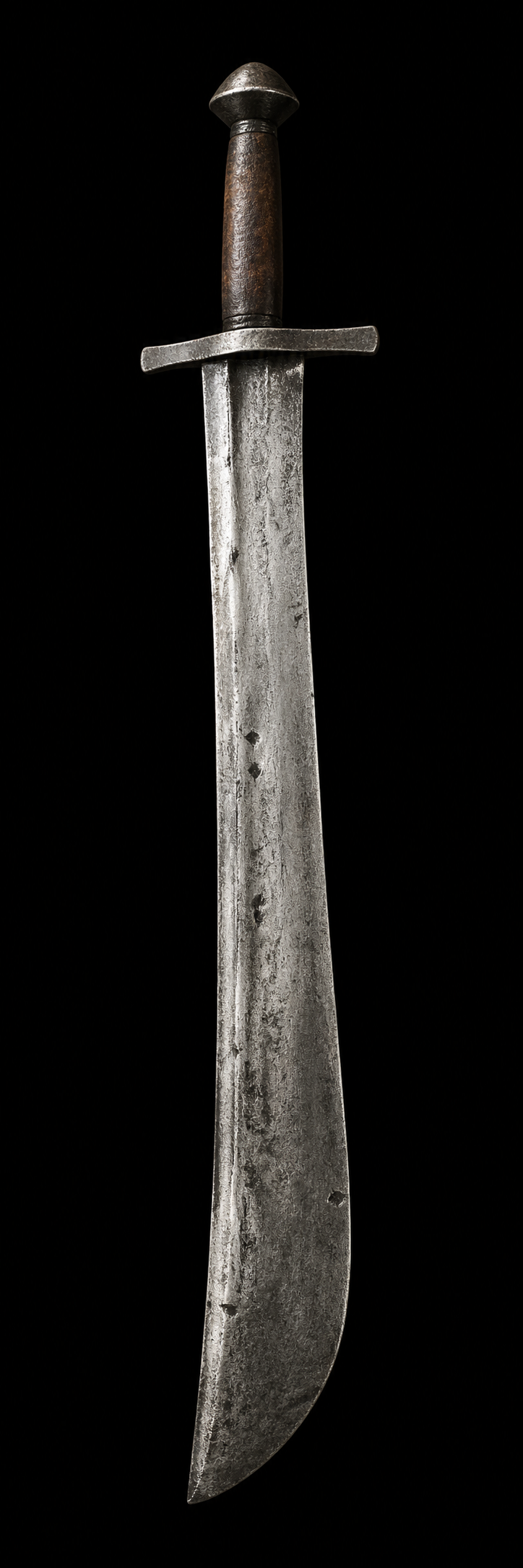
Falchion
A single-edged medieval European chopping sword

Gladius
The standard short sword of the Roman legionnaire

Longsword
The quintessential two-handed sword of medieval Europe

Halberd
The versatile polearm combining axe, spear, and hook

Spear
Humanity's oldest weapon
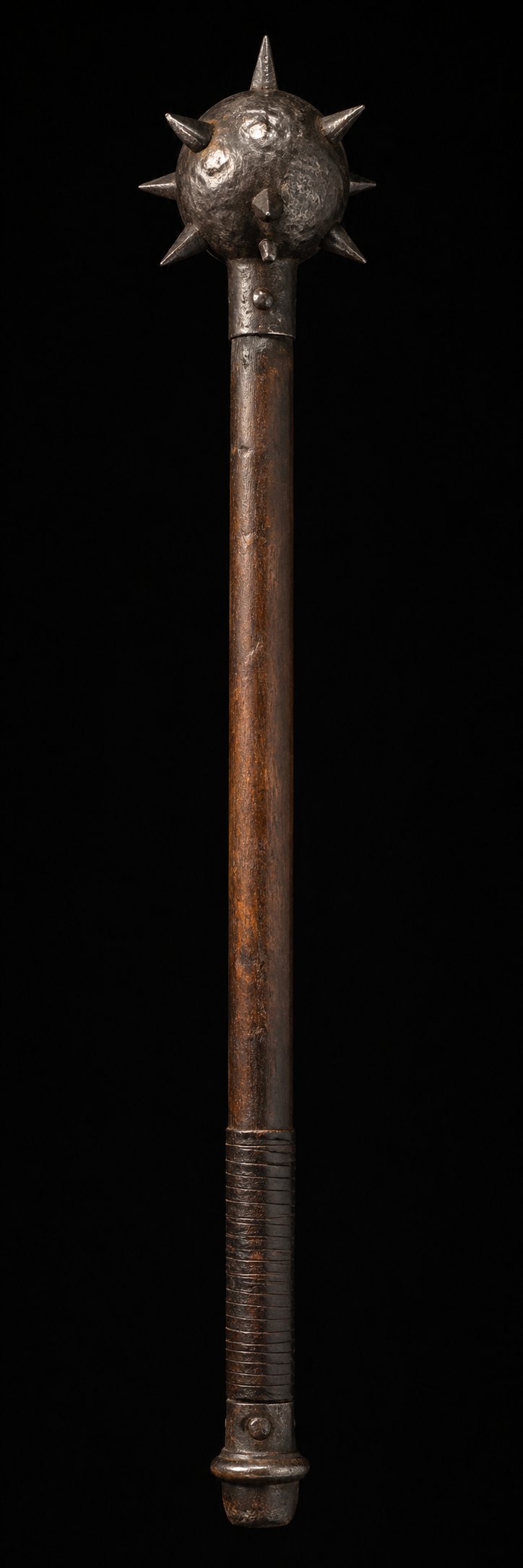
Morning Star
The spiked ball weapon of medieval warfare

Zweihänder
The massive two-handed sword of German Landsknechts

Longbow
The iconic weapon of the English archer