
Spear
Humanity's oldest weapon
The spear is the oldest and most universal weapon in human history. A simple design — a metal (or stone/bone in prehistoric times) point on a 150-250cm wooden shaft — it is the cheapest and easiest weapon to produce, and therefore the first developed by every civilization. Effective with just thrusting motions requiring minimal training, and in close formation, collective strength compensates for individual skill deficiencies. Virtually every army in history used the spear as a core weapon — Greek phalanx, Roman auxiliaries, medieval militia alike.
Origin
One of humanity's first weapons, used since the Paleolithic era roughly 400,000 years ago. Wooden spears discovered at Schoningen, Germany, dating to approximately 300,000 years ago, are the oldest surviving examples. Developed independently on every continent.
Features
- Total length 150-250cm (infantry standard)
- Cheapest and easiest weapon to mass-produce
- Effective combat with minimal training
- Maximized power in close formations
- Dual use: thrusting and throwing
- Oldest weapon type in human history
Usage
Core weapon of close formations (phalanx, shield wall), where infantry thrust spears in unison from behind shields to block enemy approaches.
Related

Javelin
A light spear designed for throwing

Gladius
The standard short sword of the Roman legionnaire

Pike
An extremely long spear for massed infantry formations

Longsword
The quintessential two-handed sword of medieval Europe

Halberd
The versatile polearm combining axe, spear, and hook
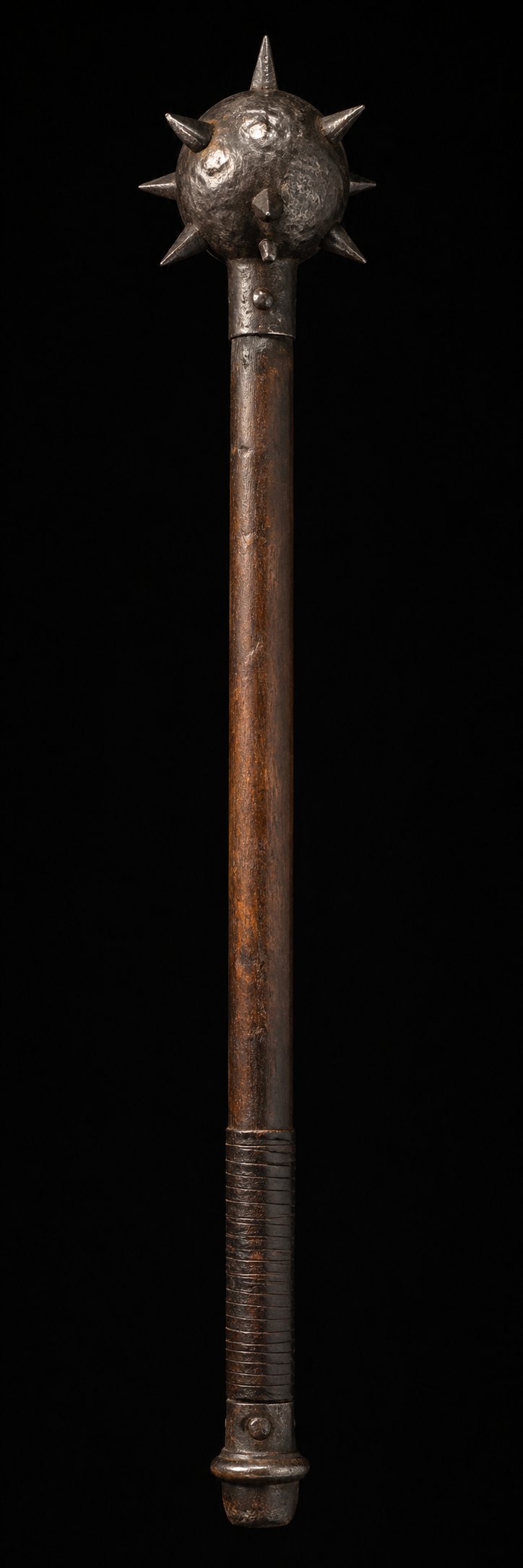
Morning Star
The spiked ball weapon of medieval warfare

Zweihänder
The massive two-handed sword of German Landsknechts

Battle Axe
An axe designed specifically for combat

Xiphos
The double-edged short sword of ancient Greek hoplites
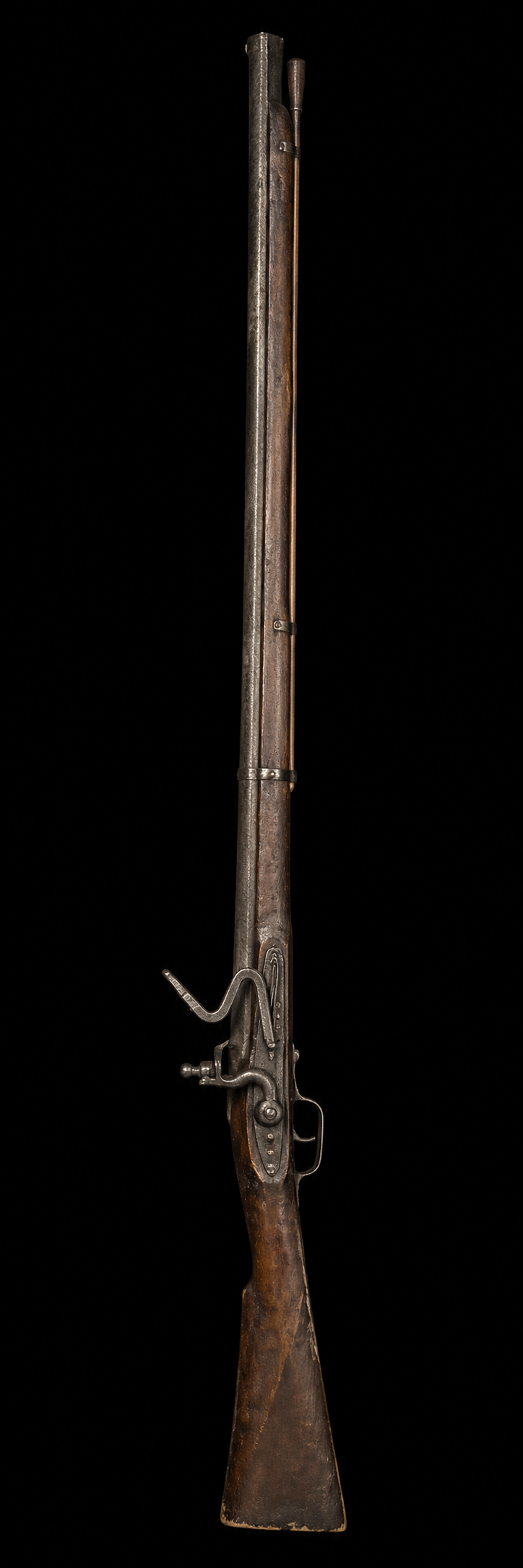
Musket
The muzzle-loading firearm of the early modern era
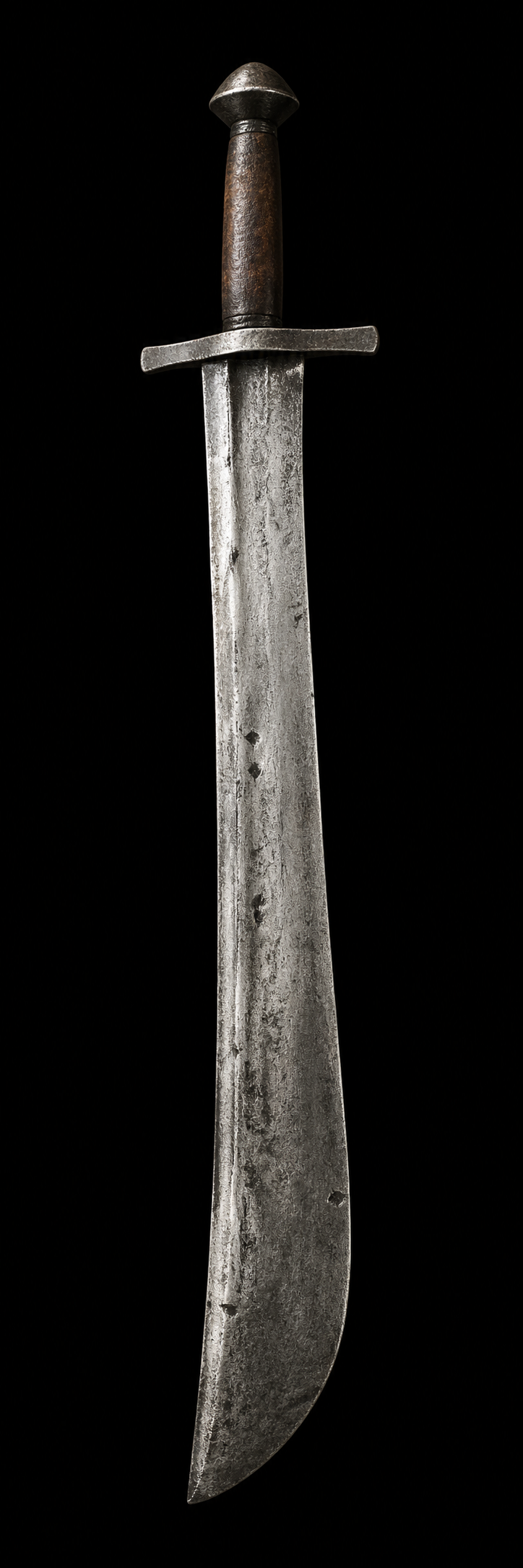
Falchion
A single-edged medieval European chopping sword

Claymore
The great two-handed sword of the Scottish Highlands