
Pike
An extremely long spear for massed infantry formations
The pike is the longest infantry weapon in history at 400-600cm. The Swiss-developed pike square formation formed a massive hedgehog of hundreds of projecting pike points in all directions — the most effective defense against cavalry charges. Rear ranks thrust their pikes over the shoulders of those in front, presenting 4-5 rows of points simultaneously. Spain's tercio formation combined pikemen with arquebusiers, creating the most powerful infantry tactics of the 16th-17th centuries.
Origin
Descended from the Macedonian sarissa (5-6m pike) of ancient Greece, revived by 14th-century Swiss infantry. Swiss pike formations famously defeated knightly cavalry at Morgarten (1315) and Sempach (1386).
Features
- Longest infantry weapon in history (400-600cm)
- Pike square — all-around defensive formation
- 4-5 rows of points facing the enemy simultaneously
- Most effective anti-cavalry defense
- Spanish tercio — pike + arquebus combined tactics
- Weight approximately 3-5kg
Usage
Formed pike square formations to halt cavalry charges, or used in "push of pike" tactics to shove back enemy infantry. In the Spanish tercio, pikemen protected the arquebusiers.
Related

Longsword
The quintessential two-handed sword of medieval Europe

Halberd
The versatile polearm combining axe, spear, and hook
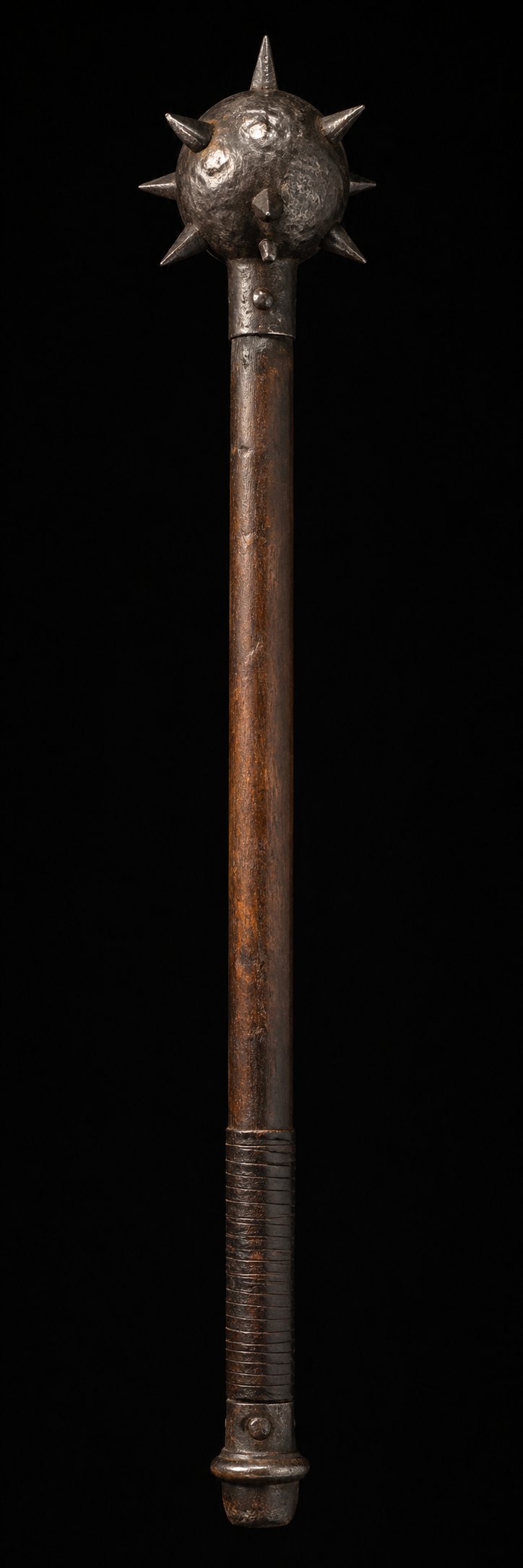
Morning Star
The spiked ball weapon of medieval warfare

Zweihänder
The massive two-handed sword of German Landsknechts

Battle Axe
An axe designed specifically for combat
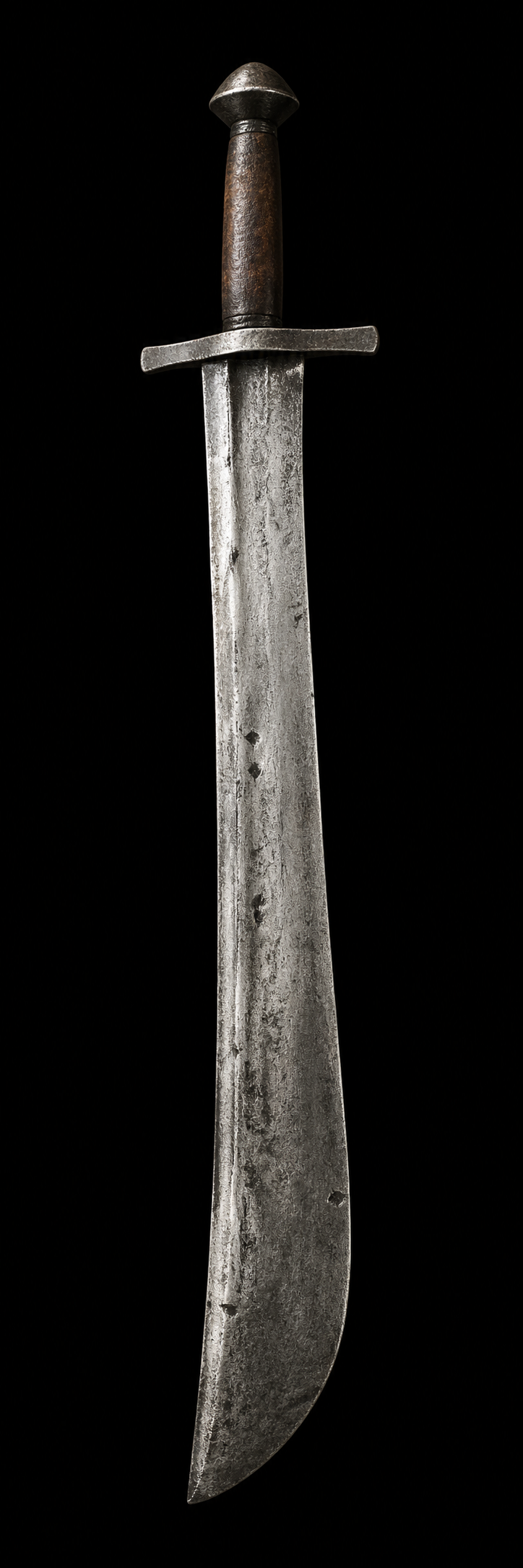
Falchion
A single-edged medieval European chopping sword

Claymore
The great two-handed sword of the Scottish Highlands

Glaive
A polearm with a curved single-edged blade

Flail
A chain-linked striking weapon that bypasses shields

Spear
Humanity's oldest weapon

Lance
The cavalry charge weapon of the mounted knight

Yari
The straight-bladed Japanese spear