Warrior
26 items tagged with "Warrior"
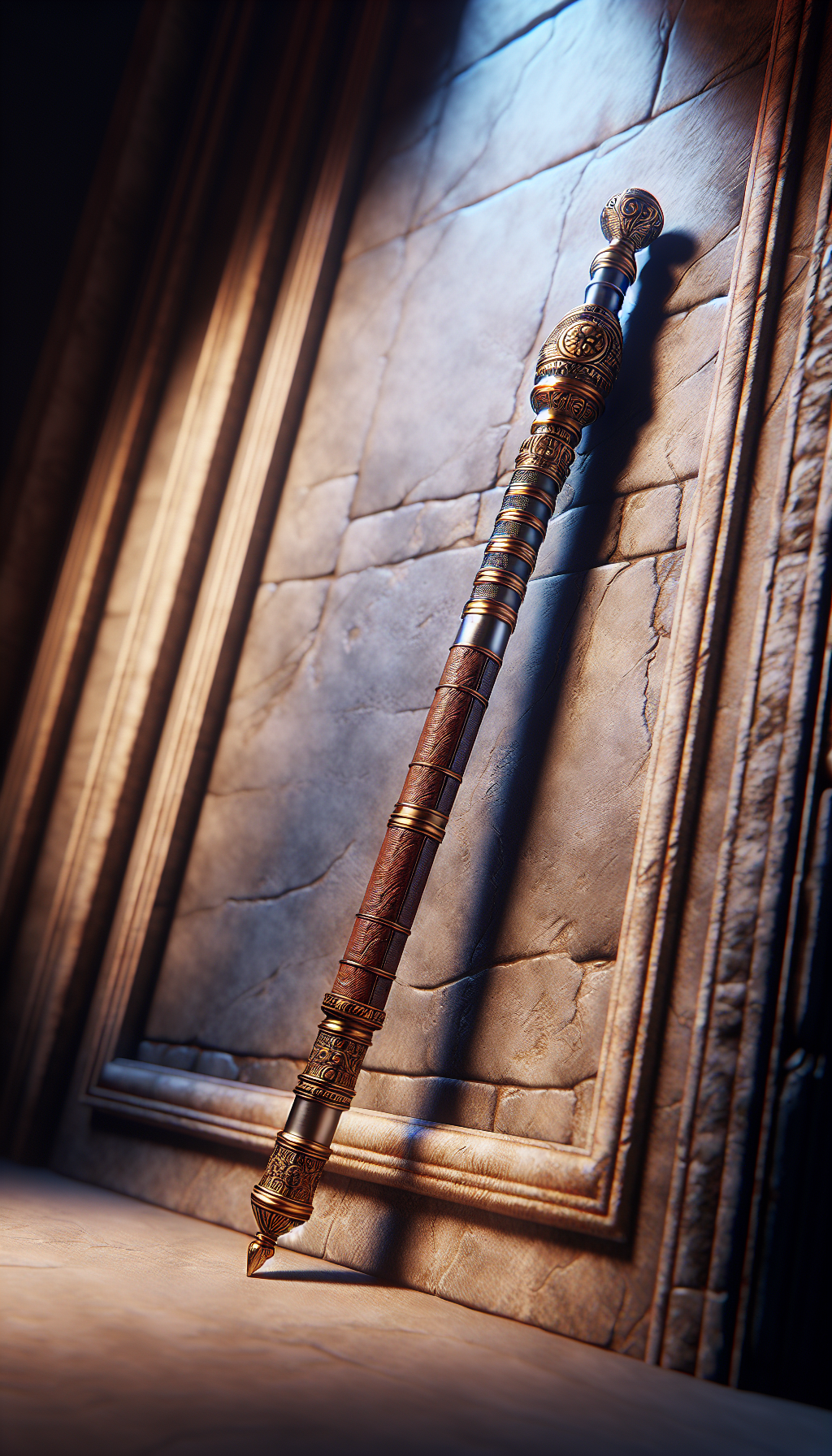
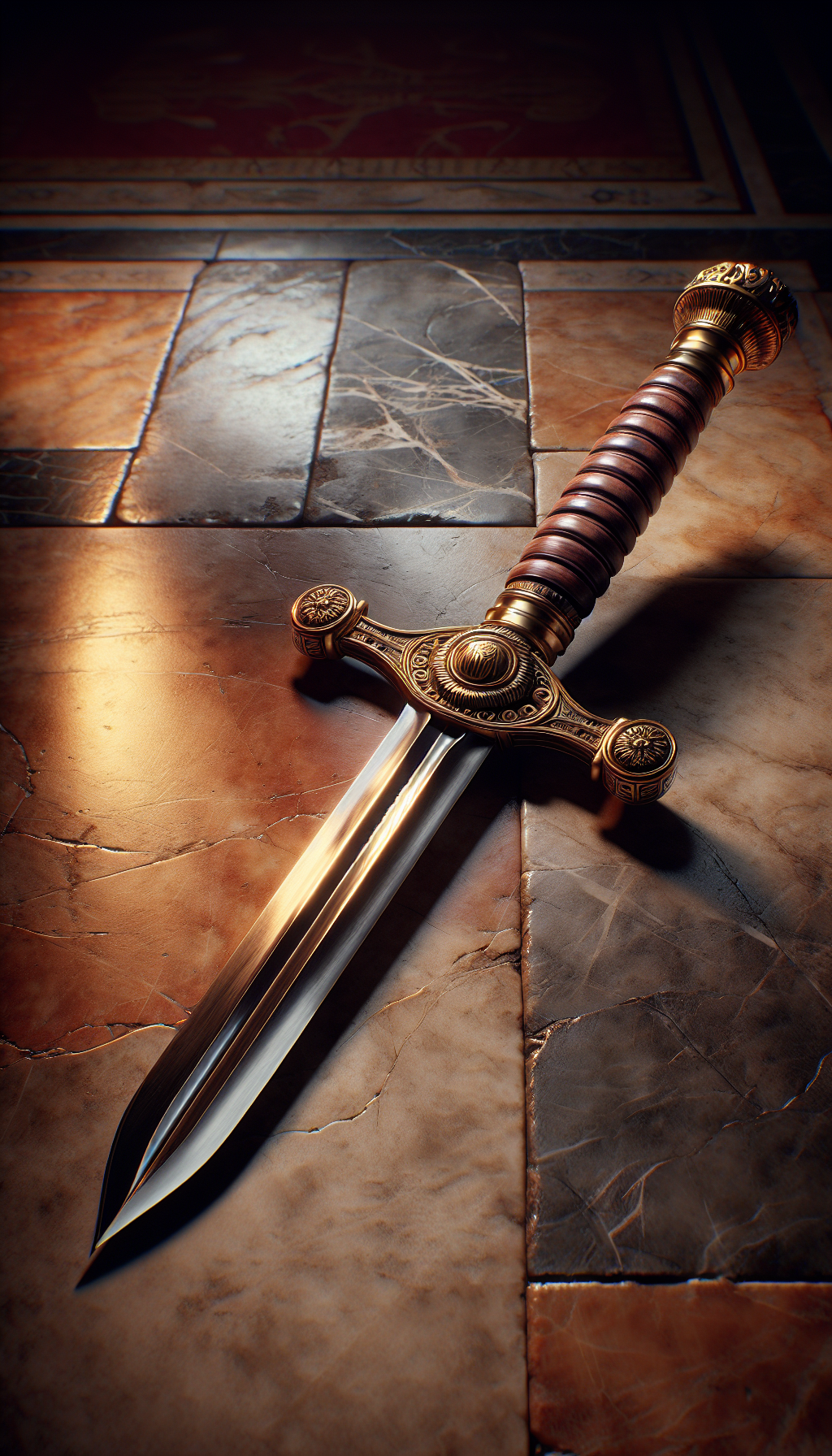
Spatha
Spatha · Roman Longsword — Long sword used by Roman cavalry and infantry
The spatha is a straight, long sword used primarily by cavalry and later by infantry in the Roman Empire. It is significantly longer than the gladius and effective for both cutting and thrusting. From the 2nd century CE, it gradually became the standard weapon for late Roman soldiers.
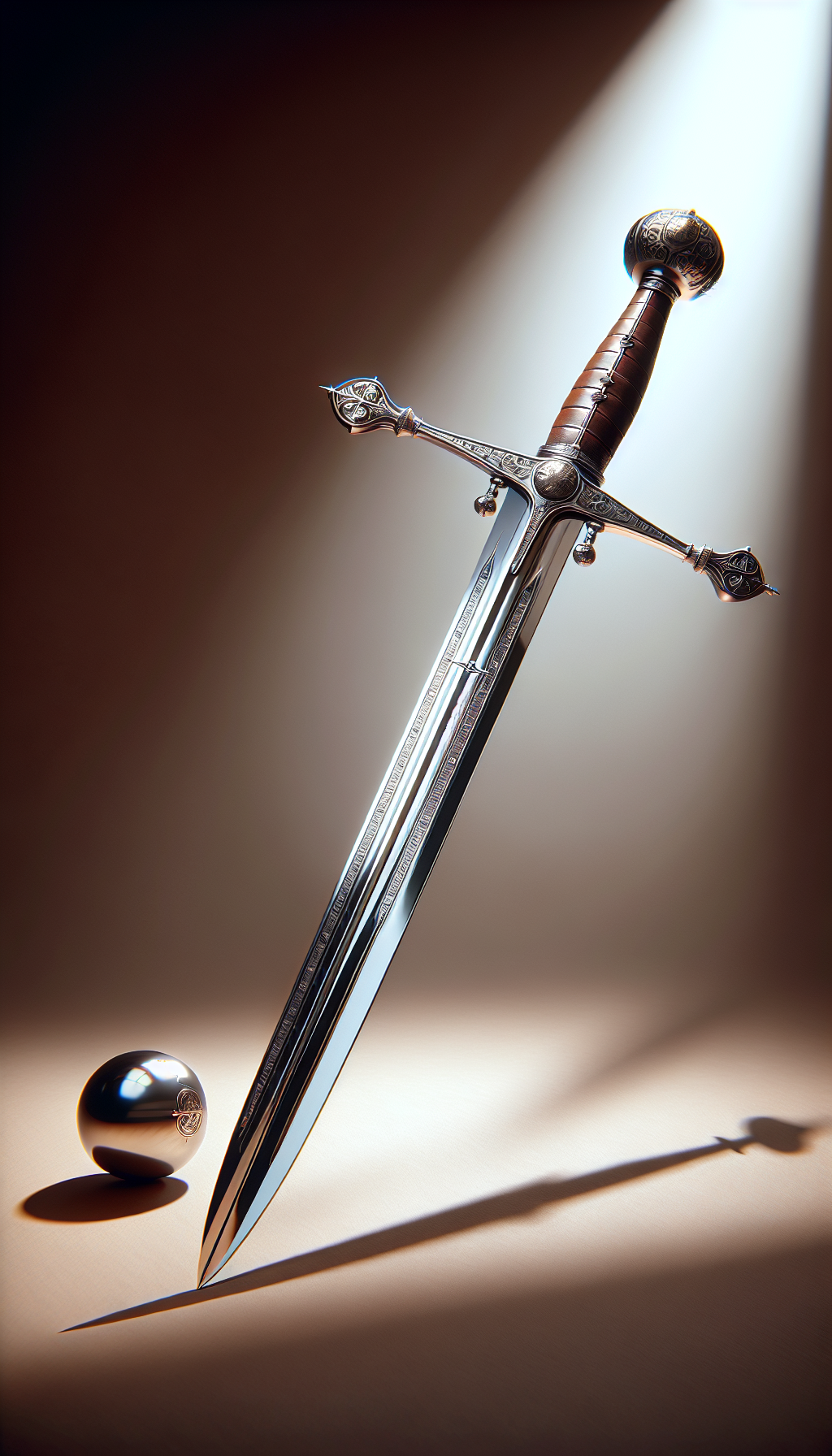
Longsword
Longsword · Greatsword — Iconic two-handed sword of medieval Europe
The longsword is a versatile, double-edged sword widely used in medieval Europe. It features a straight blade and a cruciform hilt, optimized for both cutting and thrusting. Favored by knights and warriors, it balanced reach and maneuverability.
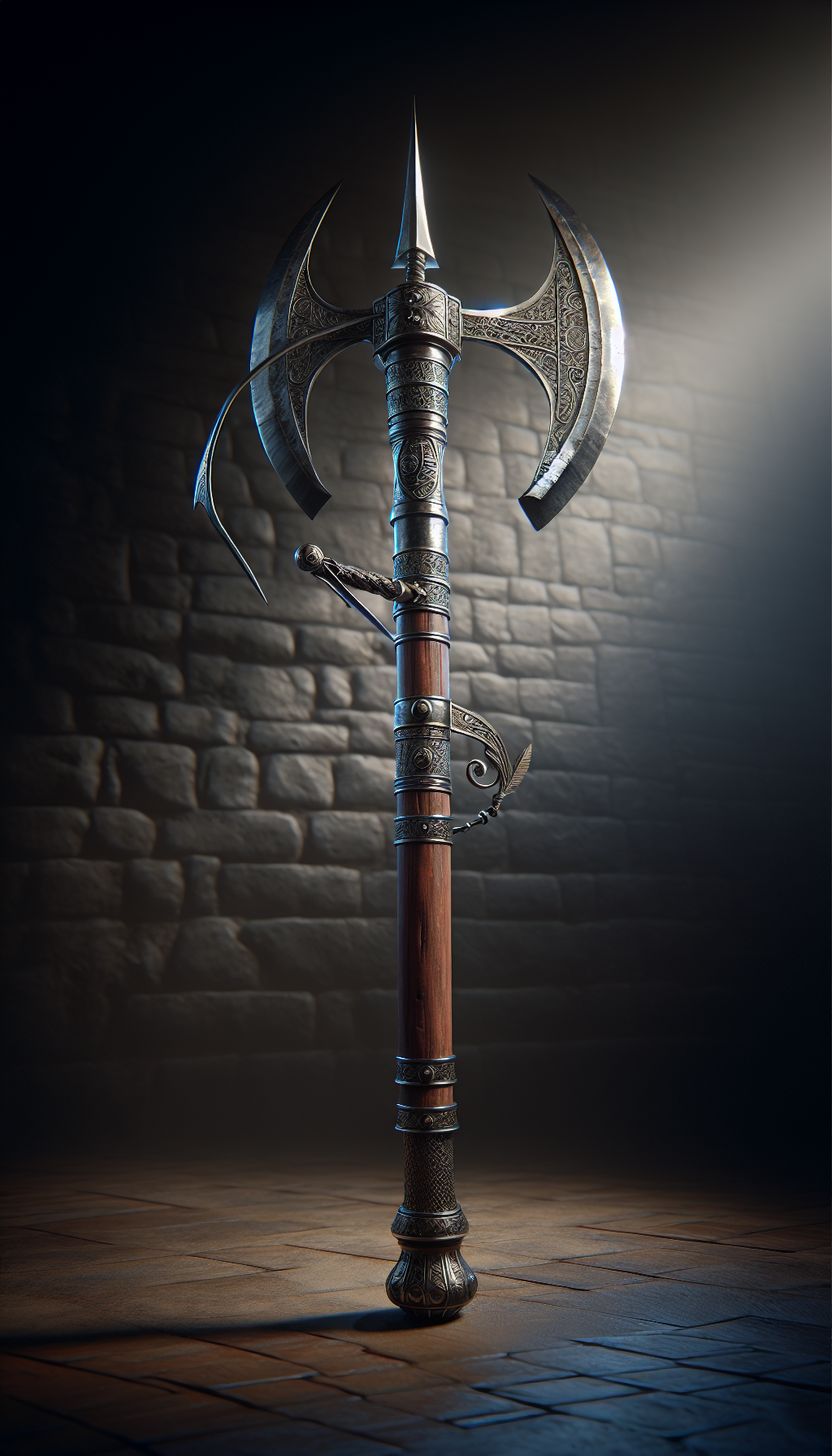
Halberd
Halberd · Polearm — Medieval weapon combining axe and spear
The halberd is a polearm featuring an axe blade, a spear tip, and a rear hook. It was primarily used by infantry in medieval Europe to counter armored opponents and cavalry. Its versatile design allowed for both offensive and defensive maneuvers.
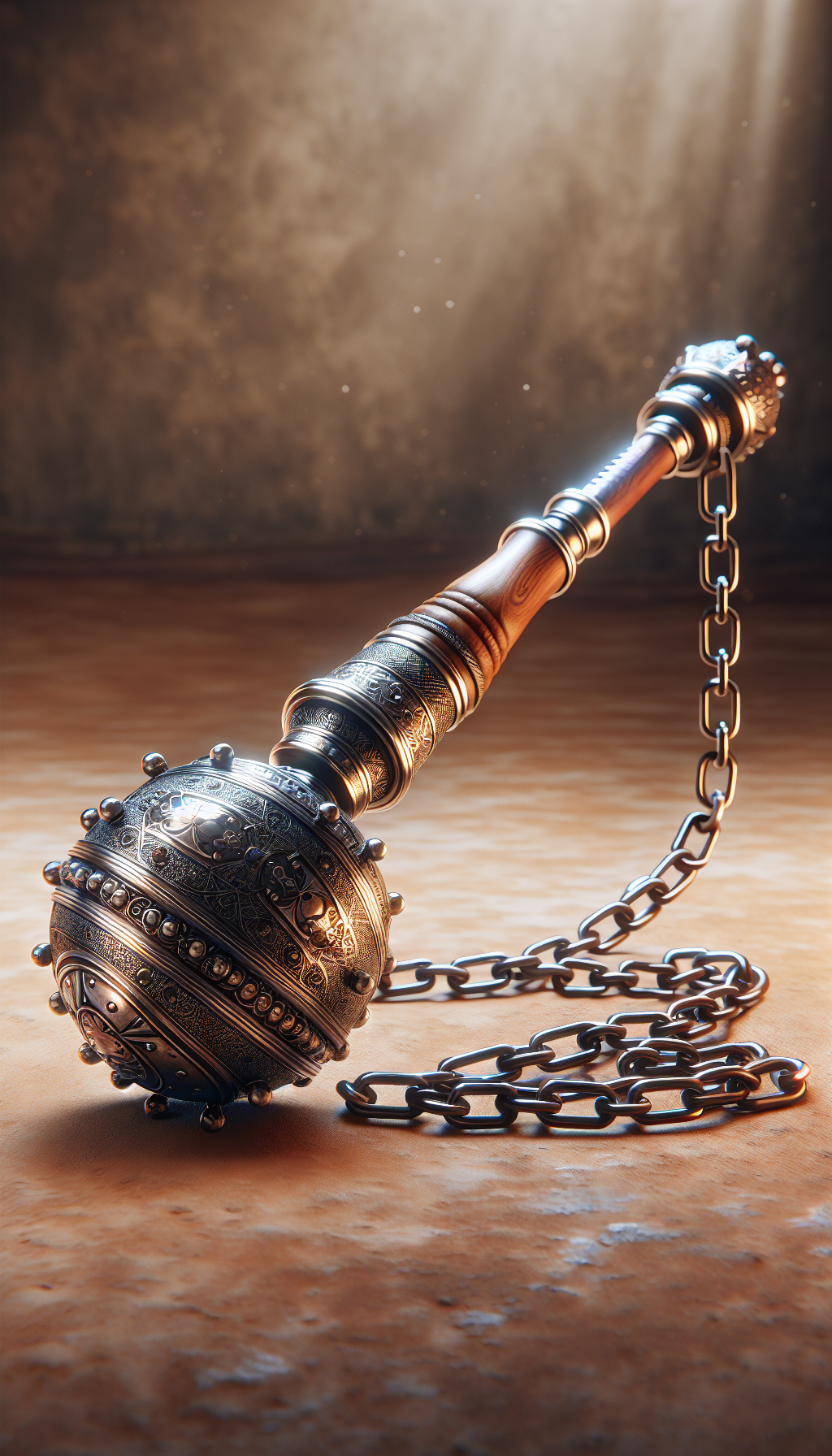
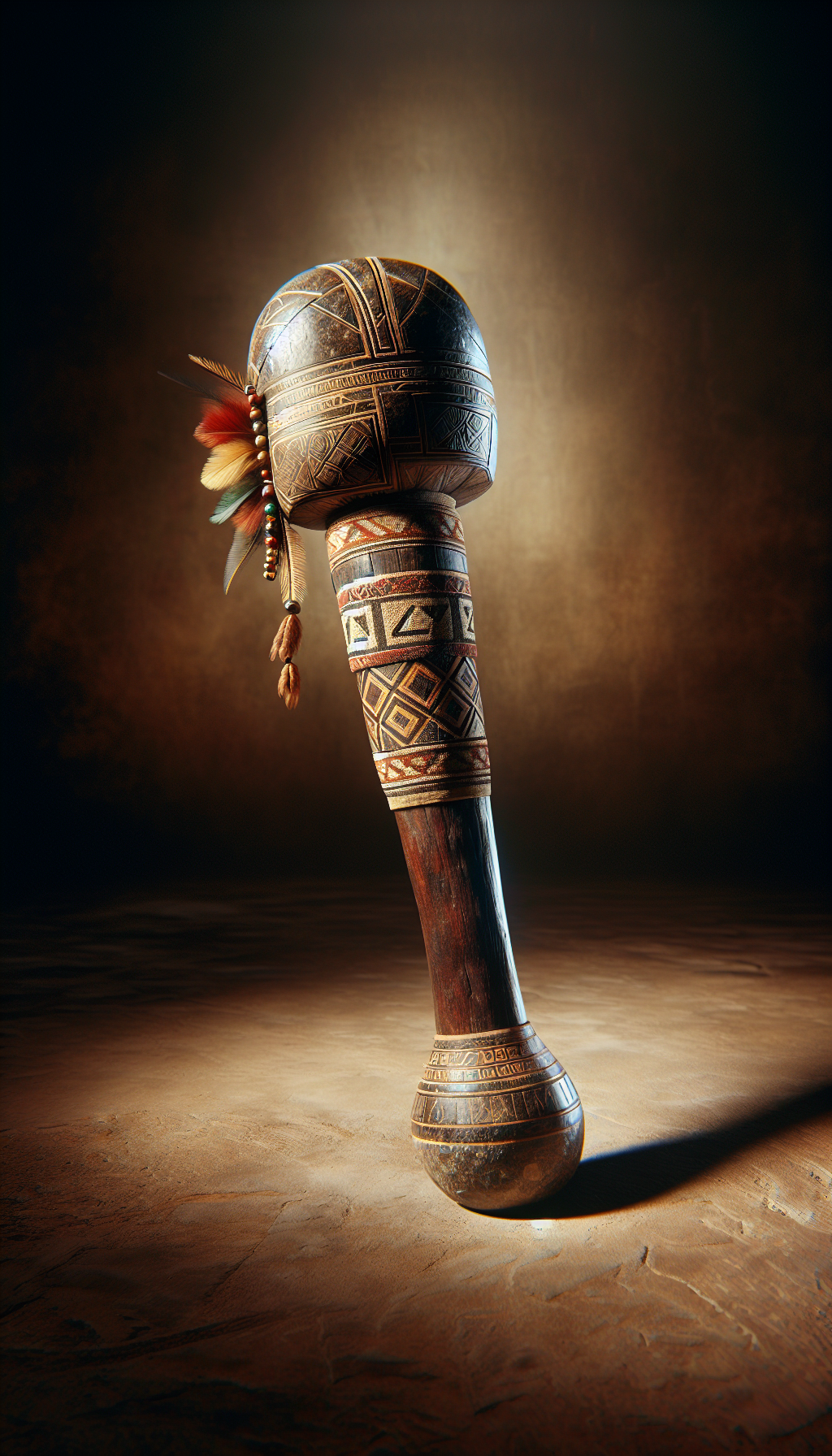
Wari Club
Wari Club · Ancient Andean Club — Weapon of the South American Wari Civilization
The Wari club is a type of mace used by the ancient Wari civilization of Peru. Made of sturdy wood or stone, it served as a close-combat weapon wielded by warriors. It played a prominent role in hand-to-hand battles.
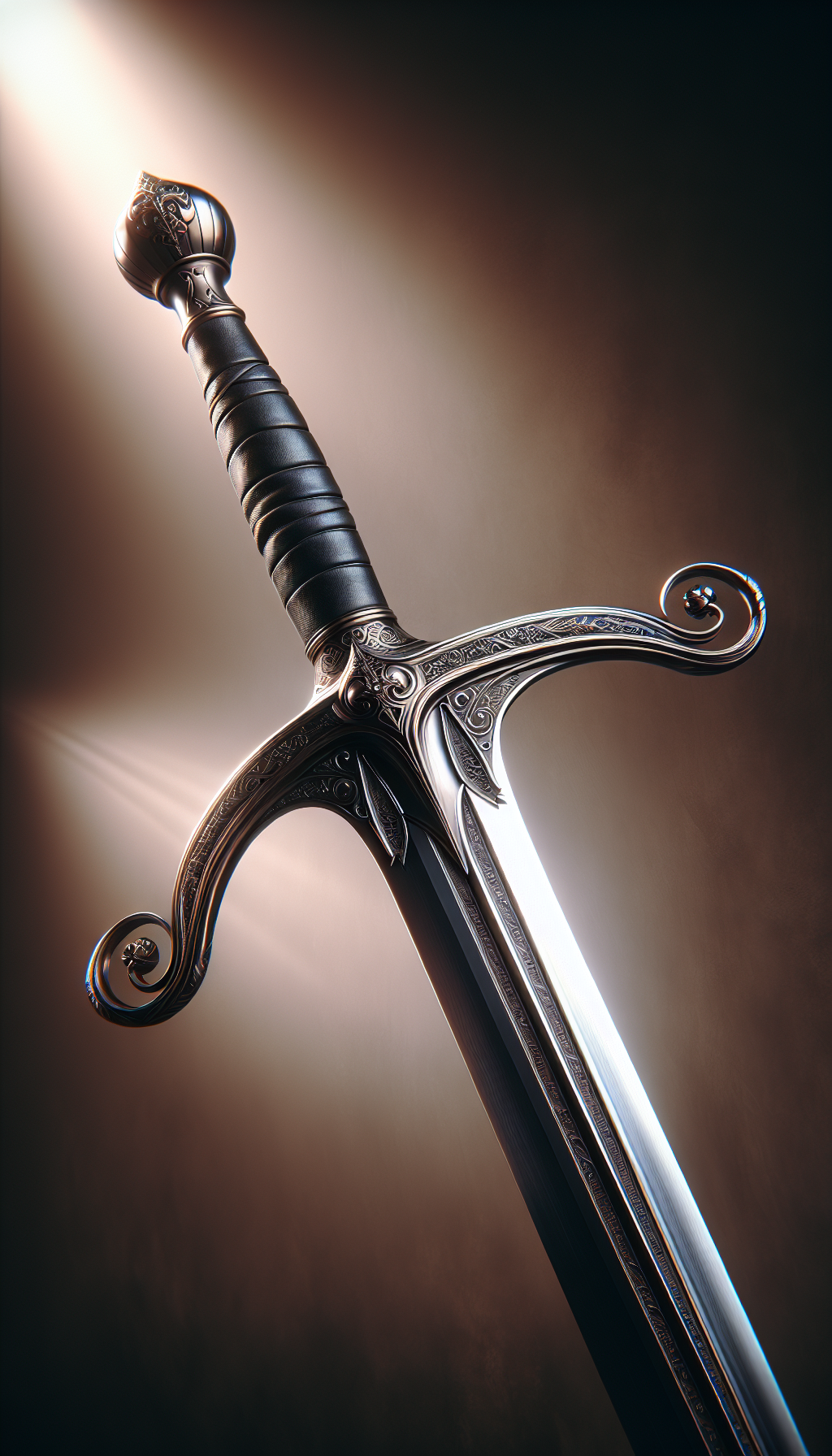
Two-Handed Sword
Greatsword · Zweihänder — A massive sword wielded with both hands
The two-handed sword is a large, heavy blade that requires both hands to wield effectively. It is notable for its reach and powerful strikes, making it formidable in battle. Its size grants great force but demands significant strength.
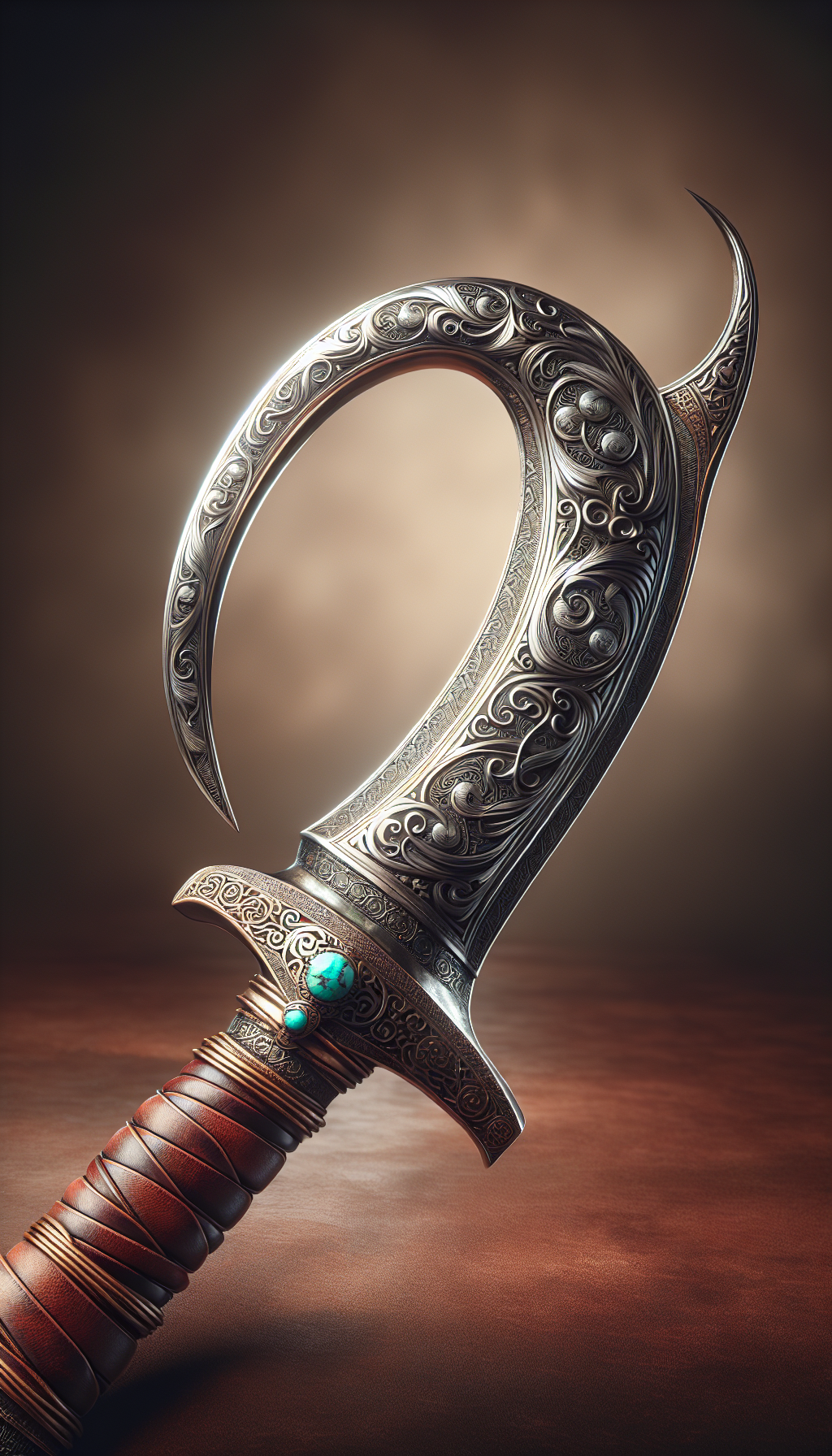
Scagimsha
Central Asian Curved Dagger · Nomad Warriors’ Weapon — A sleek, curved dagger favored by steppe warriors
The Scagimsha is a traditional curved dagger originating from Central Asia. It was primarily used by nomadic warriors for close combat, distinguished by its light weight and sweeping curve. The blade is effective for both slashing and thrusting.
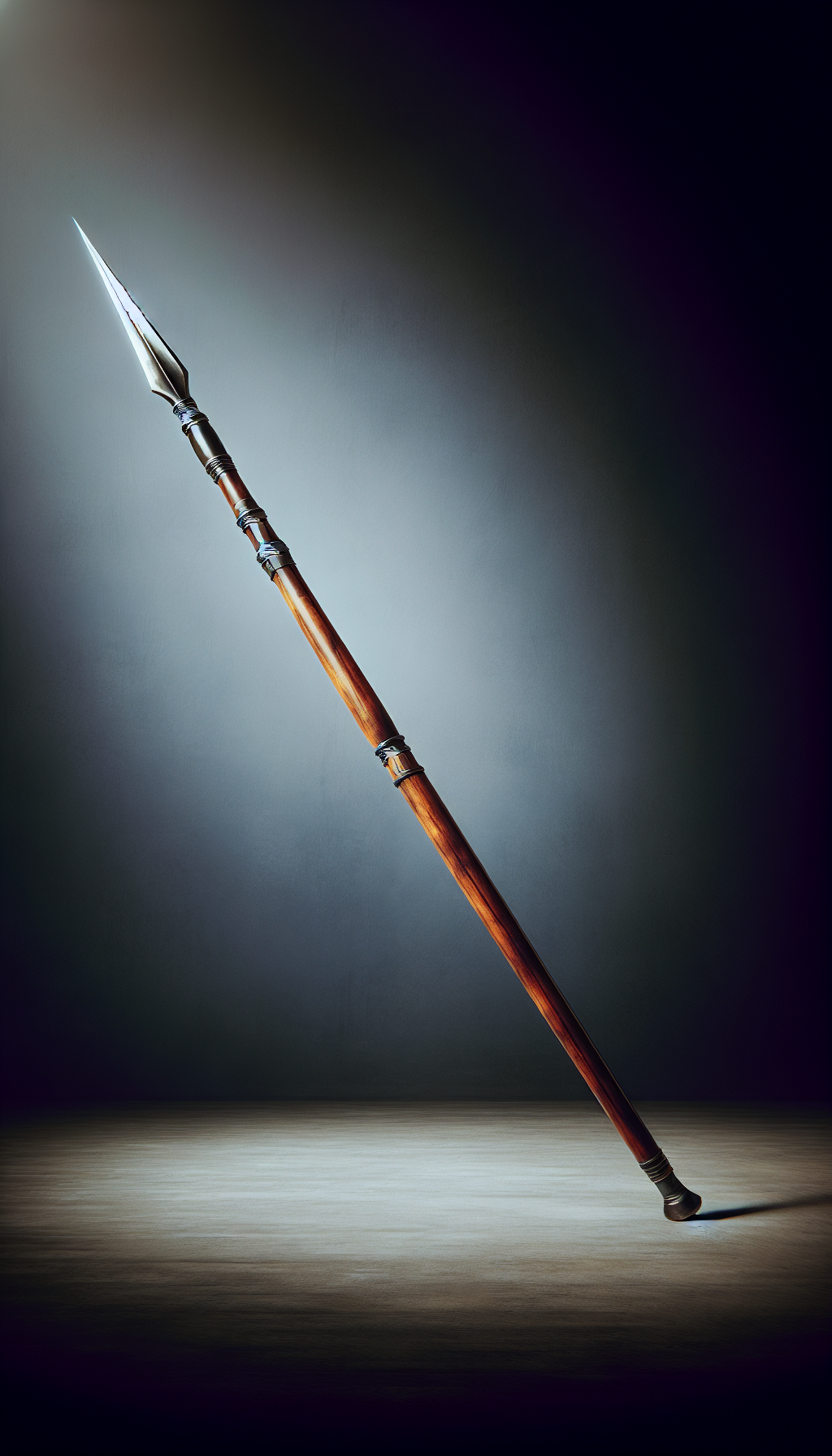
Pike
Long Spear · Infantry Weapon — Classic polearm
The pike is a long pole weapon with a sharp metal tip, used predominantly by infantry in formation combat. It was widely adopted in medieval and early modern Europe, serving to counter cavalry charges and assert battlefield control. Its exceptional length allowed soldiers to hold off enemies from a distance.
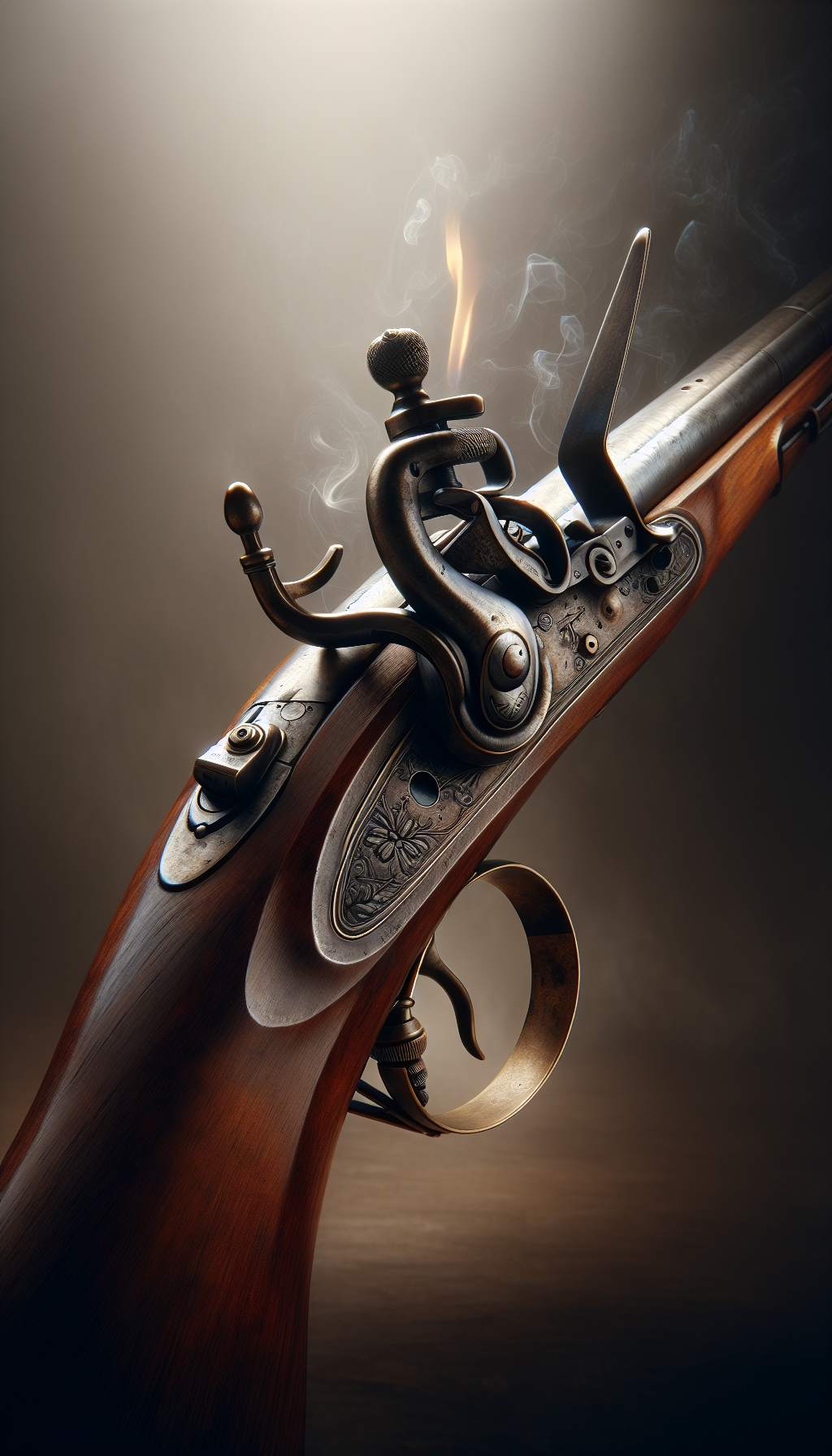
Musket
Matchlock Firearm · Early Long Gun — Muzzle-Loaded Infantry Weapon
The musket is a muzzle-loaded firearm widely used from the late 16th to early 19th century by military forces. It fired lead projectiles using gunpowder and profoundly changed battlefield tactics. Its effective range and penetration surpassed that of most melee weapons of its era.
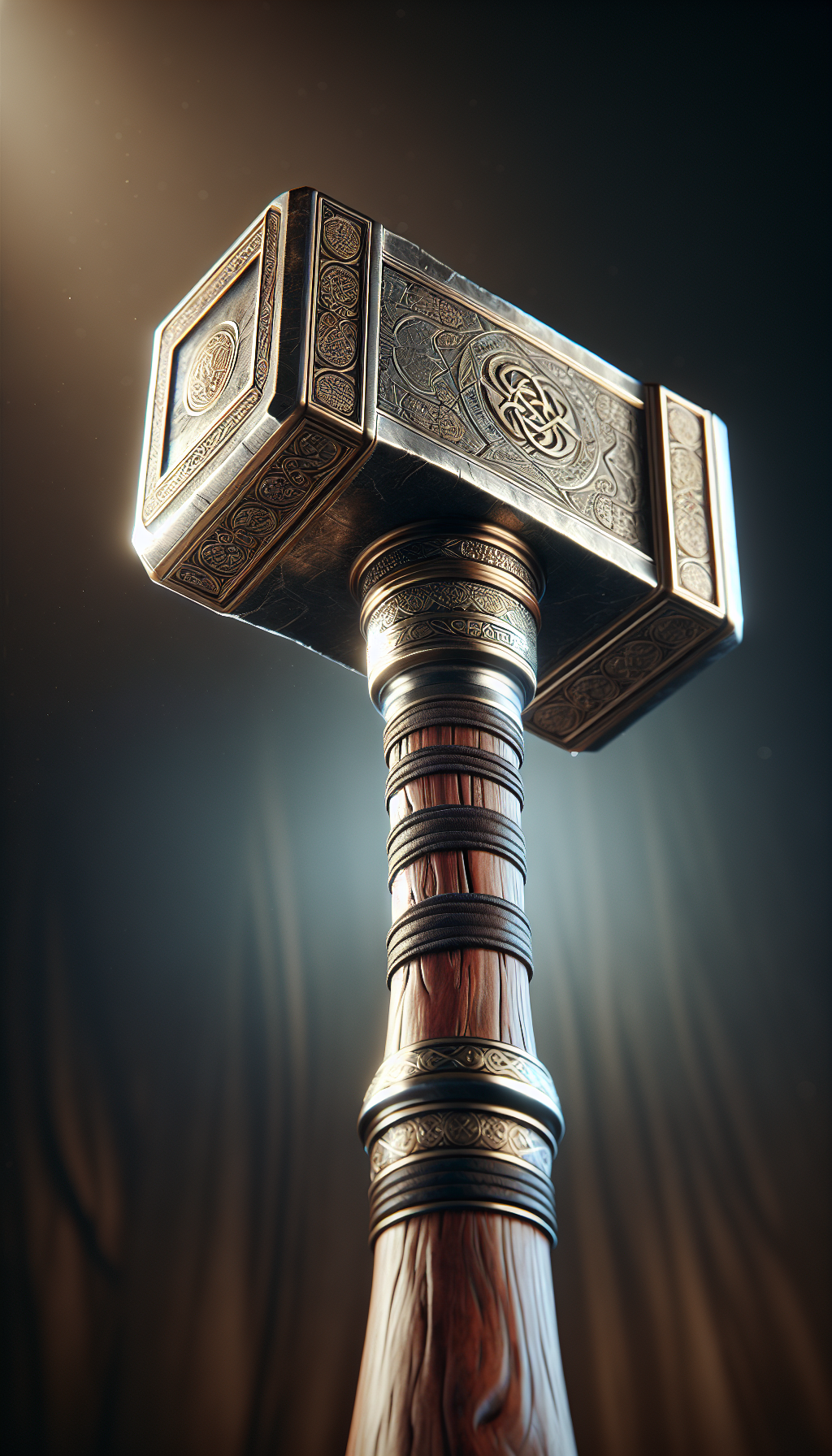
Hammer
Hammer · Warhammer — Weapon of blunt force and utility
The hammer is a weapon made of metal or wood, featuring a heavy, flat striking head. It is primarily used to crush or break enemy armor and shields. Hammers were commonly used by warriors across medieval Europe and East Asia.
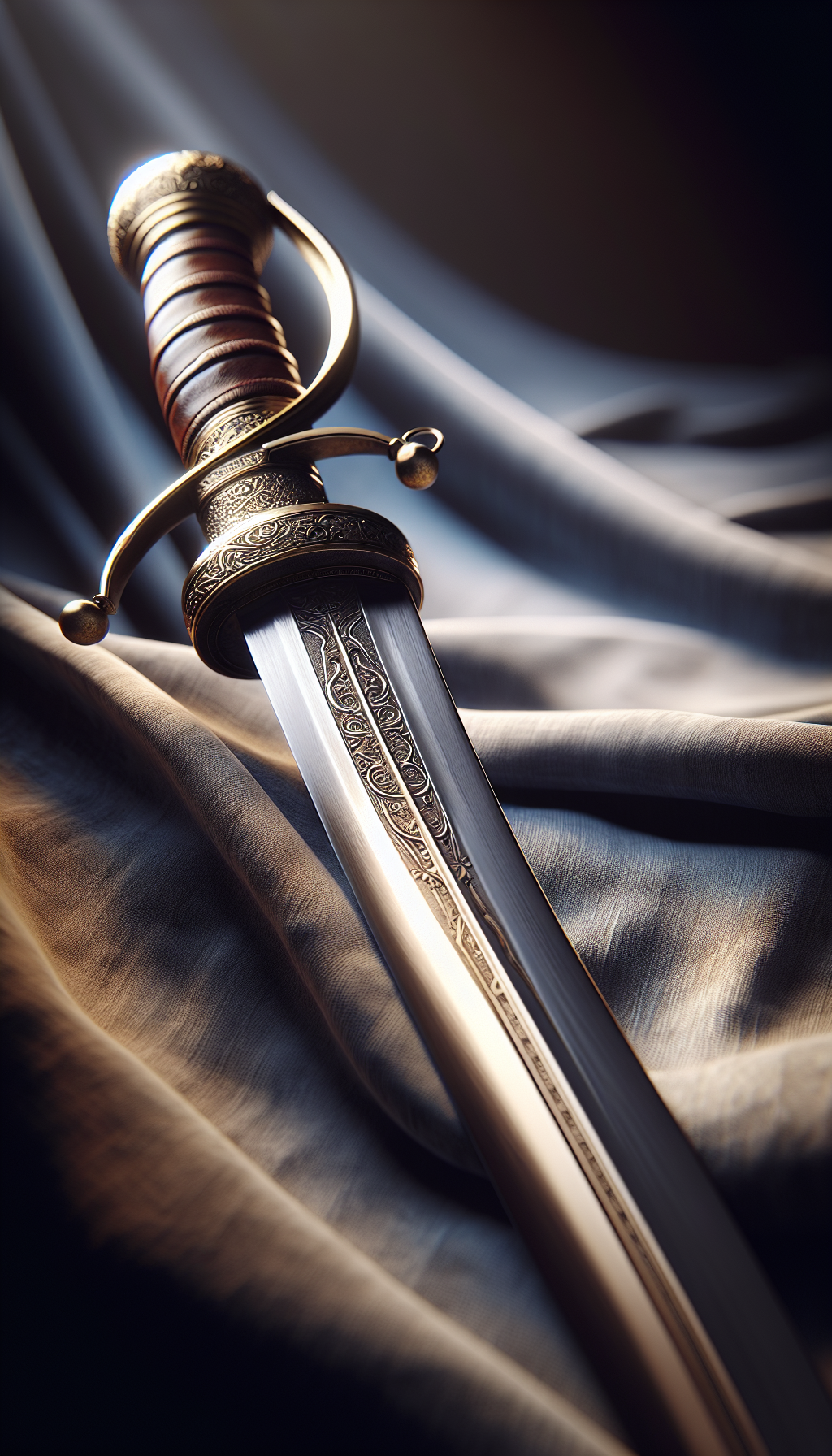
Saber
Curved Single-Edged Sword · Cavalry Blade — A classic cutting weapon
The saber is a curved, single-edged sword primarily designed for one-handed use. Renowned for its cutting power, it was widely utilized in cavalry and infantry throughout both Eastern and Western cultures. Most famously, it became a symbol of European cavalry in the 18th and 19th centuries.
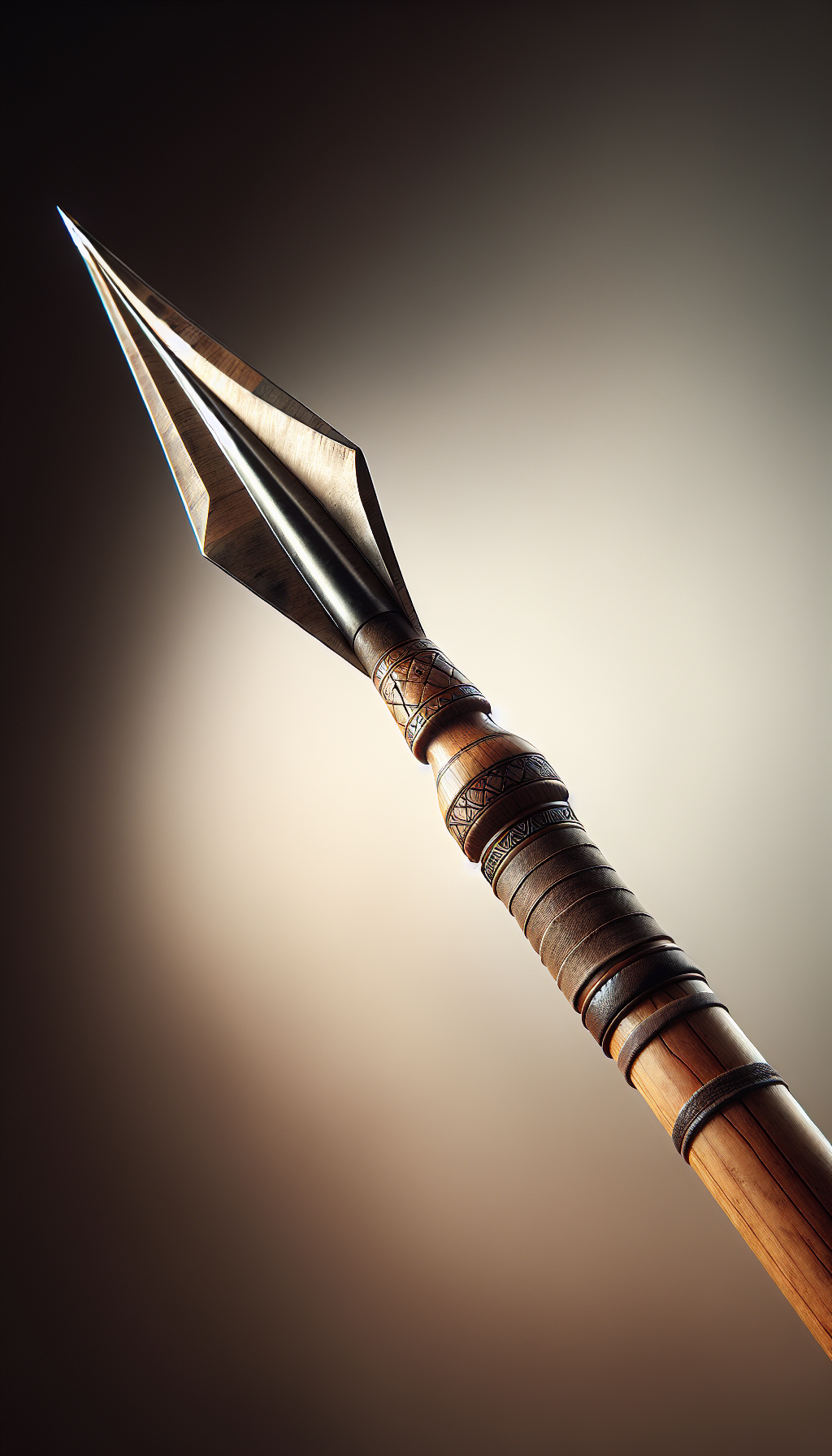
Tuchang (Thrown Spear)
Thrown Spear · Versatile missile weapon — Effective for ranged and close combat
The tuchang is a type of spear designed for throwing at distant targets. Used in both warfare and hunting, it features a lightweight shaft and balanced point for easy throwing. Widely employed from ancient to medieval times.
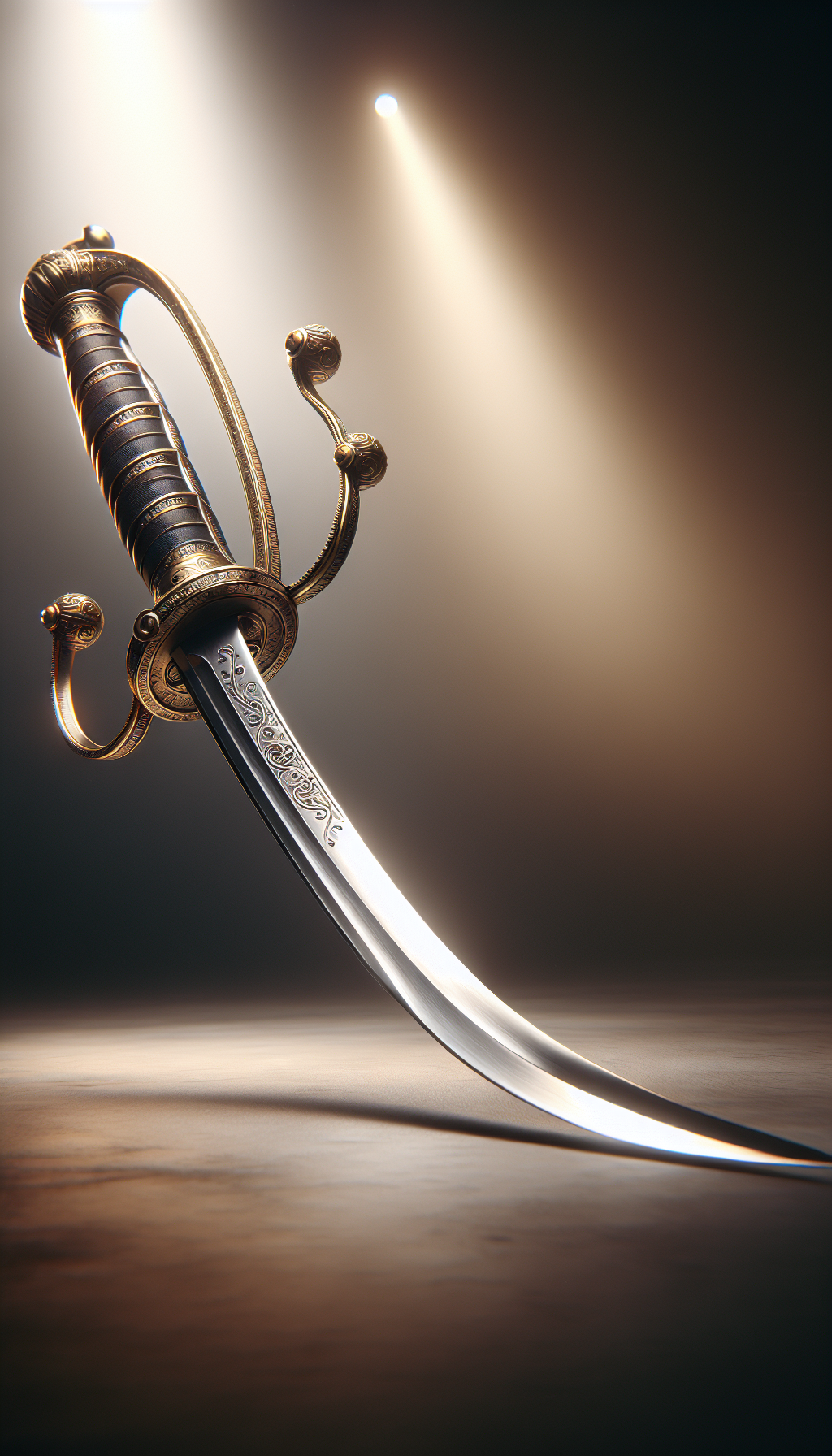
Saber
Curved Cavalry Sword · Sabre — Single-edged, curved sword
The saber is a single-edged, curved sword designed primarily for use with one hand. It became prominent as a cavalry weapon, optimized for slashing attacks. Different variants appeared across Europe and Asia.
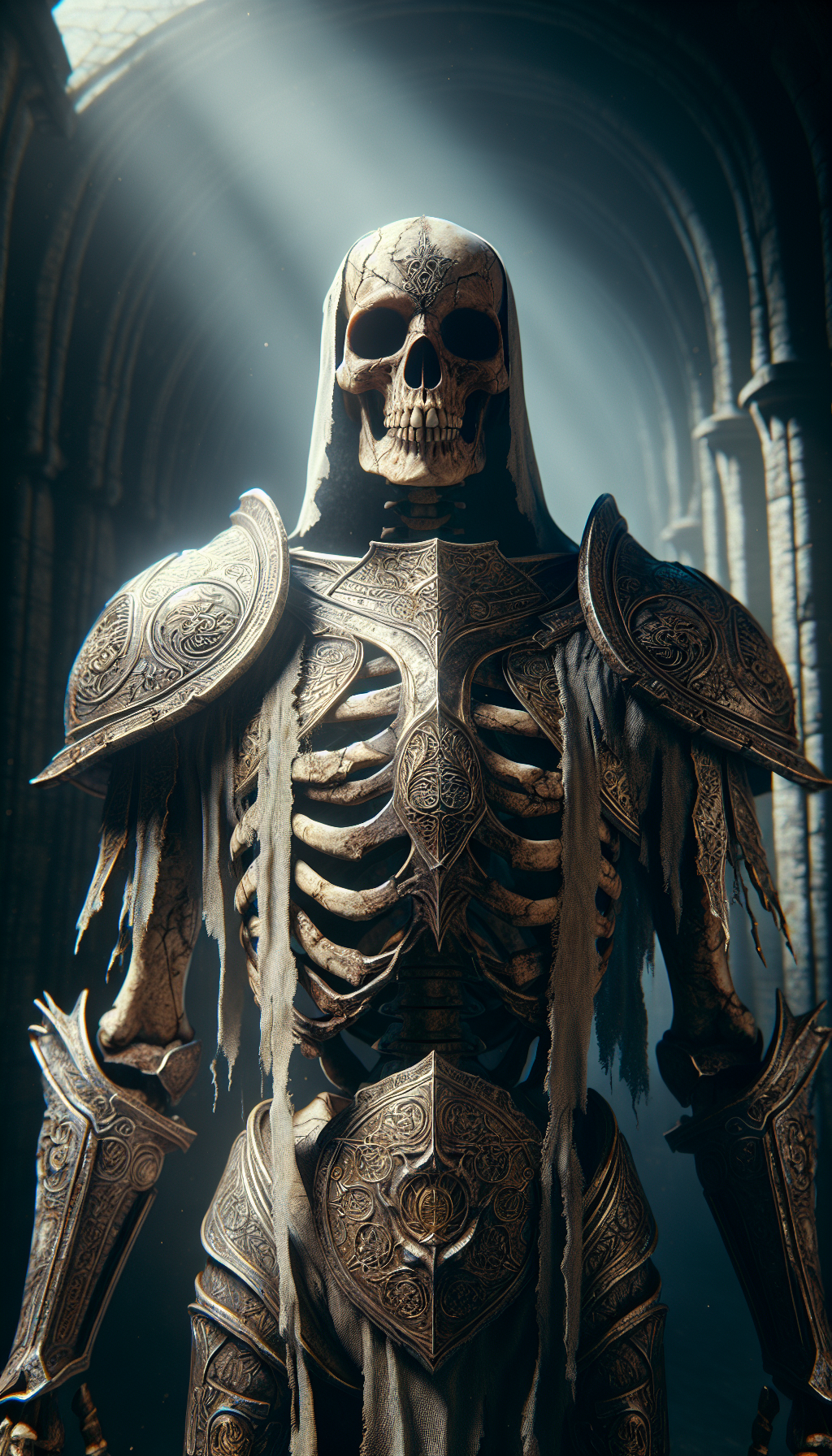
Skeleton Warrior
Skeleton Warrior · Undead Soldier — A warrior risen from death and granted unlife
The Skeleton Warrior is an undead fighter composed solely of bones, animated by necromancy or dark magic. Frequently found in medieval and fantasy settings, they serve as minions or guardians. They often appear in groups or as lone sentinels.
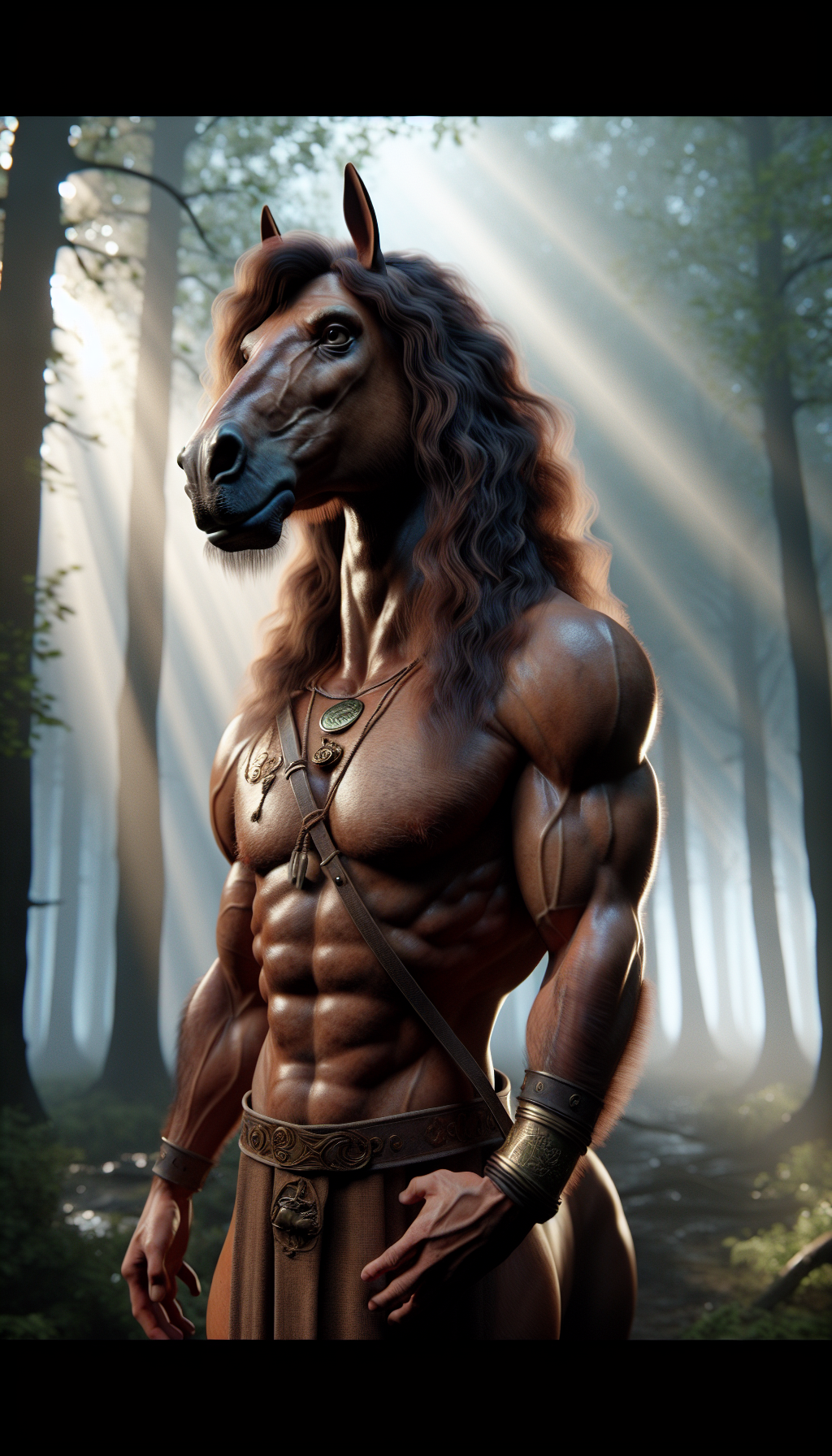
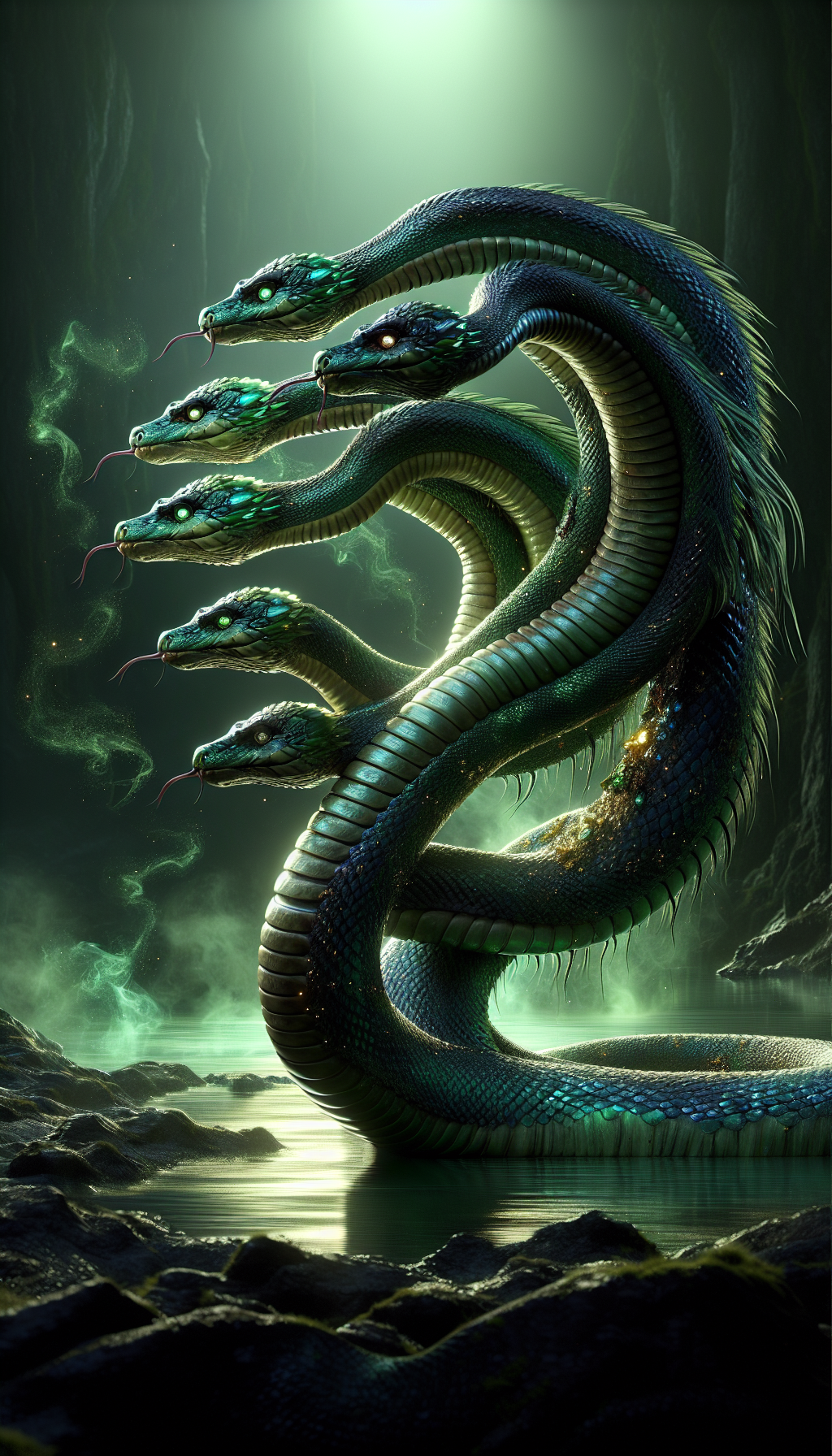
Hydra
Hydra · Lernaean serpent — Multi-headed mythical beast
The Hydra is a multi-headed serpent or dragon from ancient Greek mythology. Each time a head is cut off, two more grow in its place. The creature is most famous as the Lernaean Hydra, defeated by Heracles as one of his Twelve Labors.
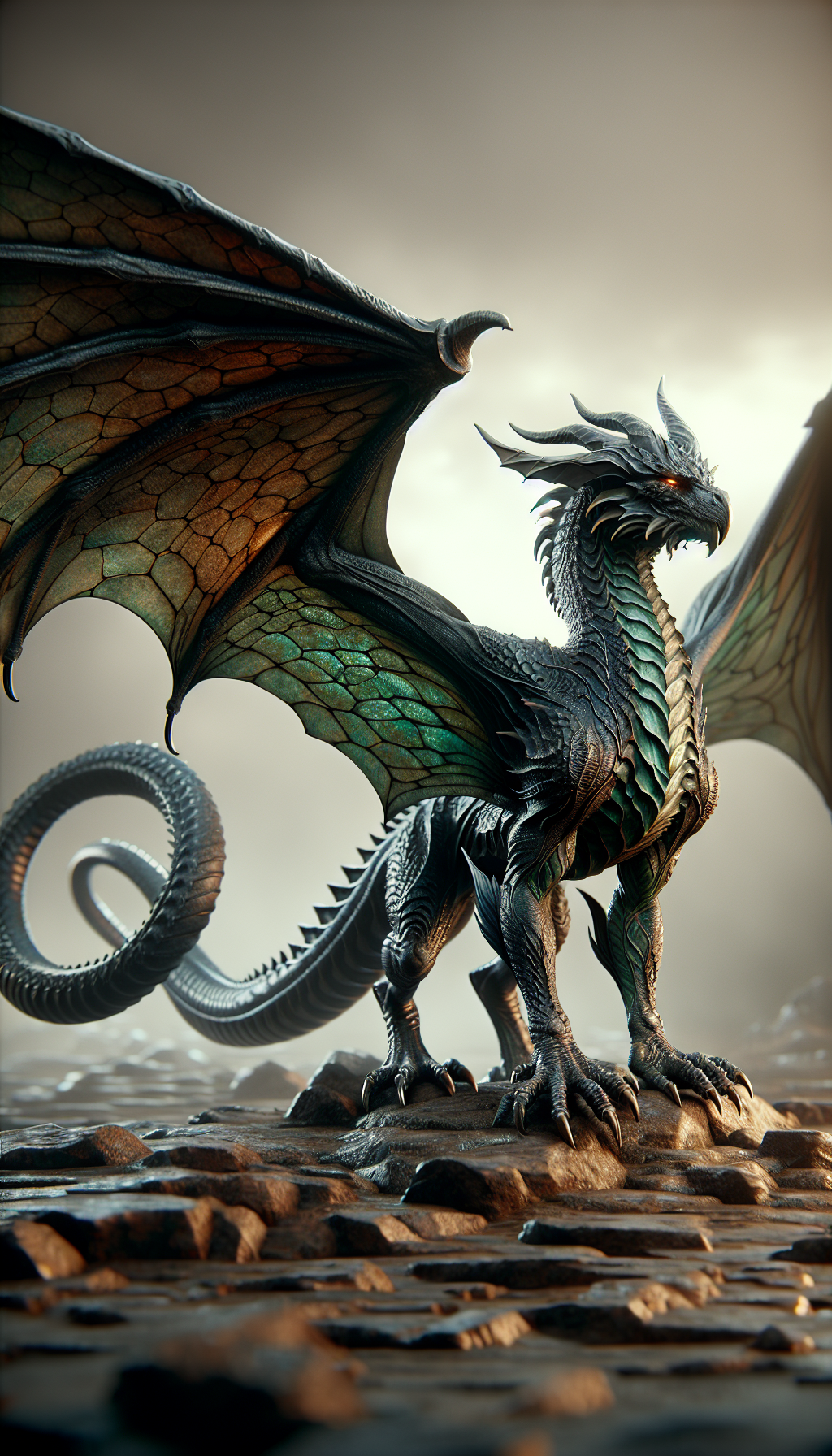
Wyvern
Wyvern · Type of Dragon — Legendary two-legged, winged reptilian creature
The wyvern is a mythical beast characterized by two legs and a single pair of wings, resembling a dragon but distinct in form. It often features a long, serpentine tail and powerful talons, sometimes depicted with the ability to breathe fire or poison. The wyvern appears frequently in medieval European heraldry and literature, serving as a symbol of strength and ferocity.
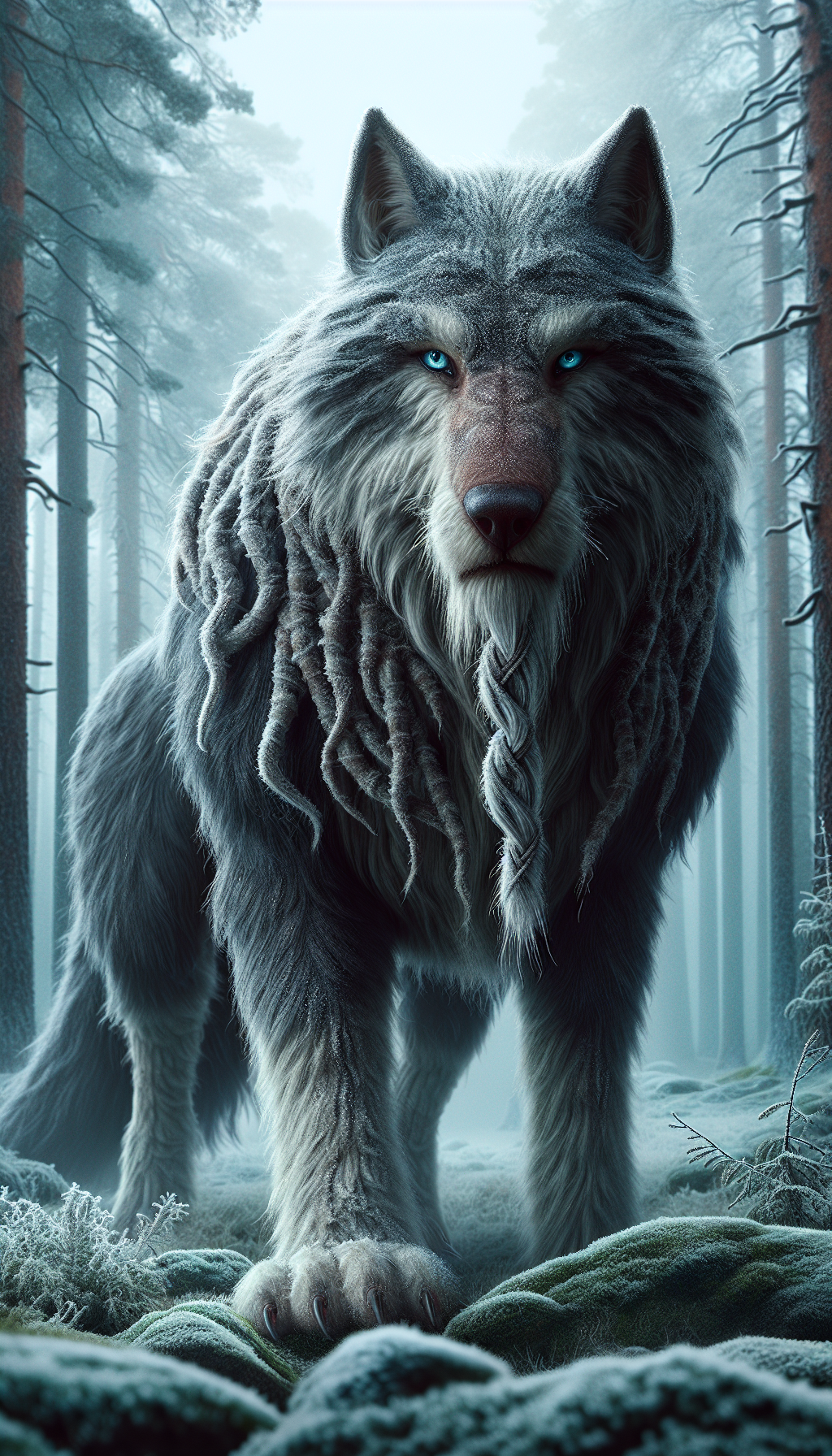
Viking Wolf
Viking Wolf · Legendary Norse Beast — Fierce predator of Norse sagas
The Viking Wolf is a large wolf species featured in Norse mythology and legends. These creatures are often depicted as companions to Viking warriors or as formidable threats to them. They symbolize strength, courage, and play critical roles in tales of battle and the wilderness.
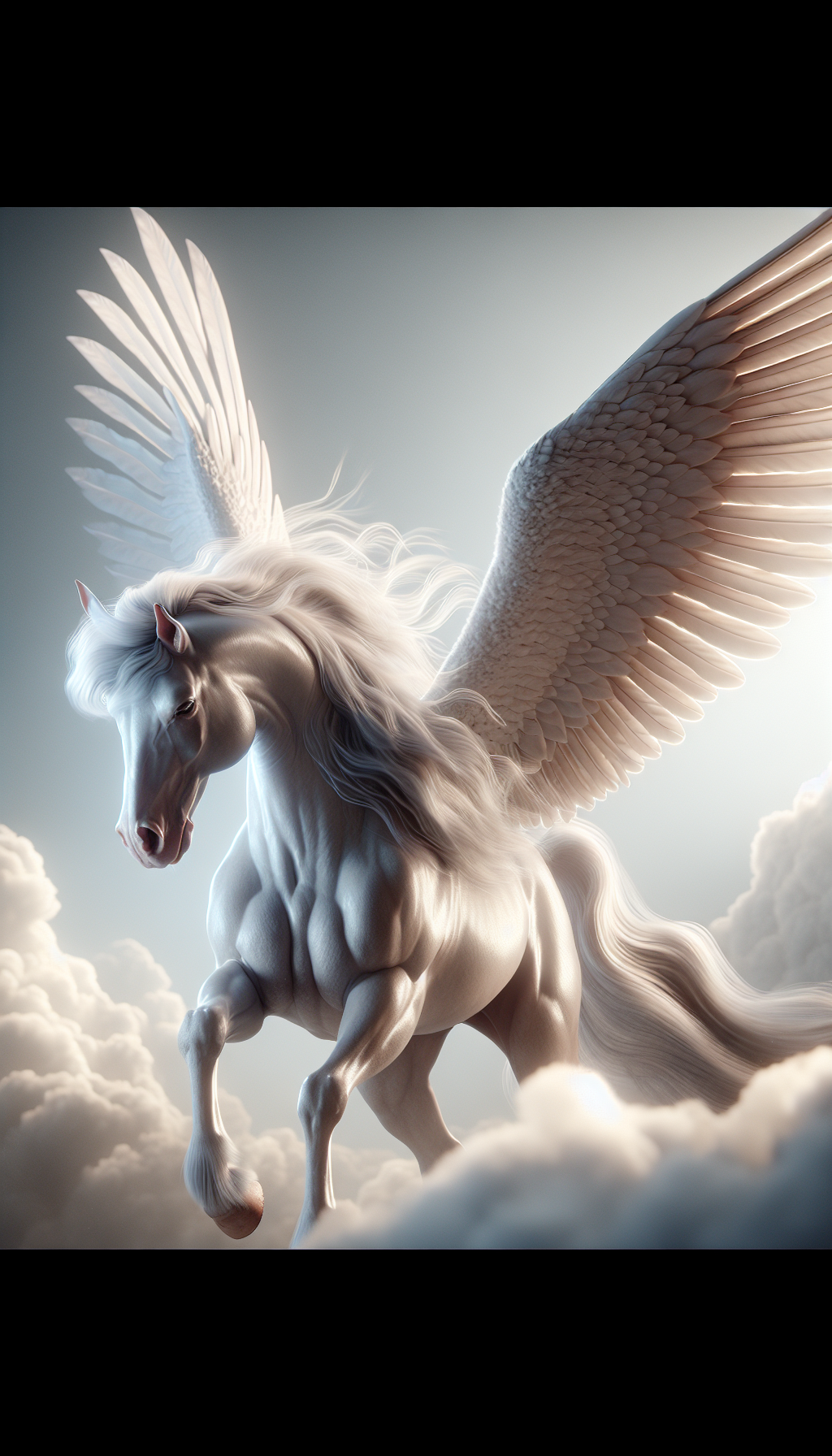
Pegasus
Pegasus · Winged Horse — A Legendary Creature from Greek Mythology
Pegasus is a majestic white horse with wings, featured in Greek mythology. Regarded as a symbol of beauty and freedom, Pegasus is associated with gods and heroes who rode it on their mythic journeys. Its imagery has become iconic in art and literature.
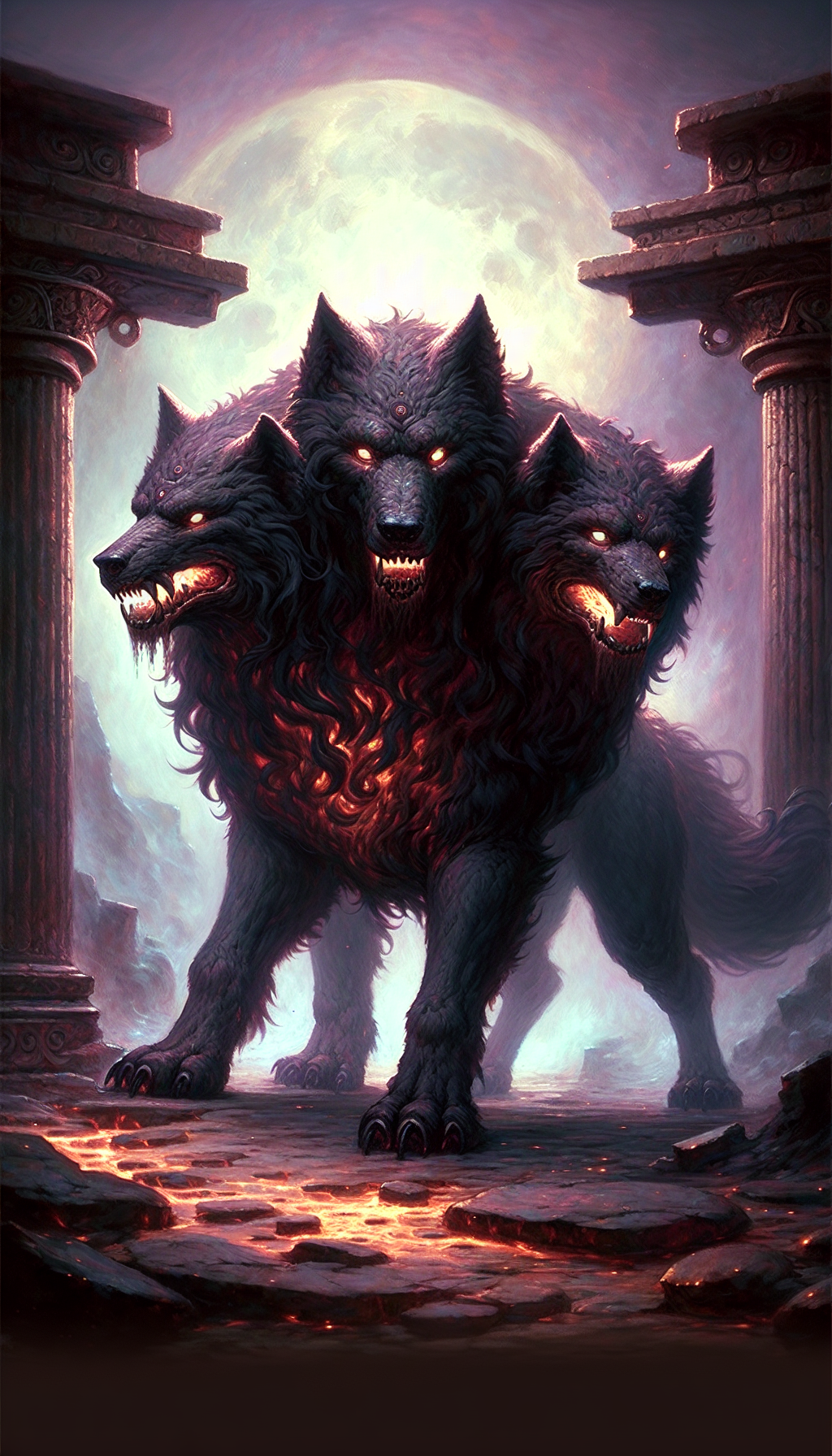
Cerberus
Cerberus · Infernal Gatekeeper — Legendary triple-headed hound
Cerberus is a monstrous dog from ancient Greek mythology, known for its three heads. It guards the gates of the Underworld by order of Hades, preventing the dead from escaping. Cerberus is often depicted as fierce and formidable.
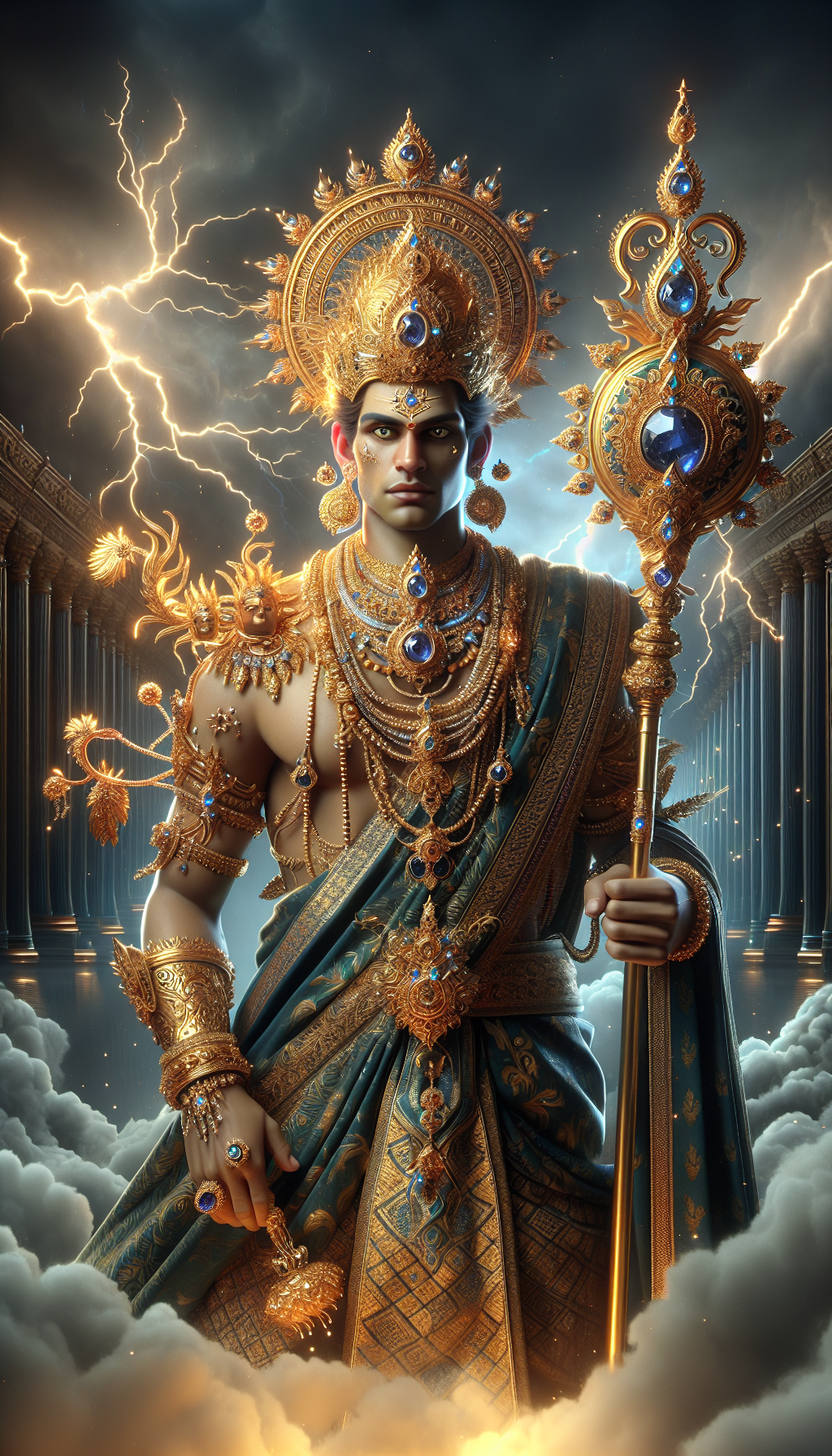
Indra
Indra · God of Thunder — Supreme Deity of Hindu Mythology
Indra is the god of thunder, rain, and war in Hindu mythology. As the king of the gods during the Vedic era, he held a prominent position. His weapon is the vajra, symbolizing lightning.
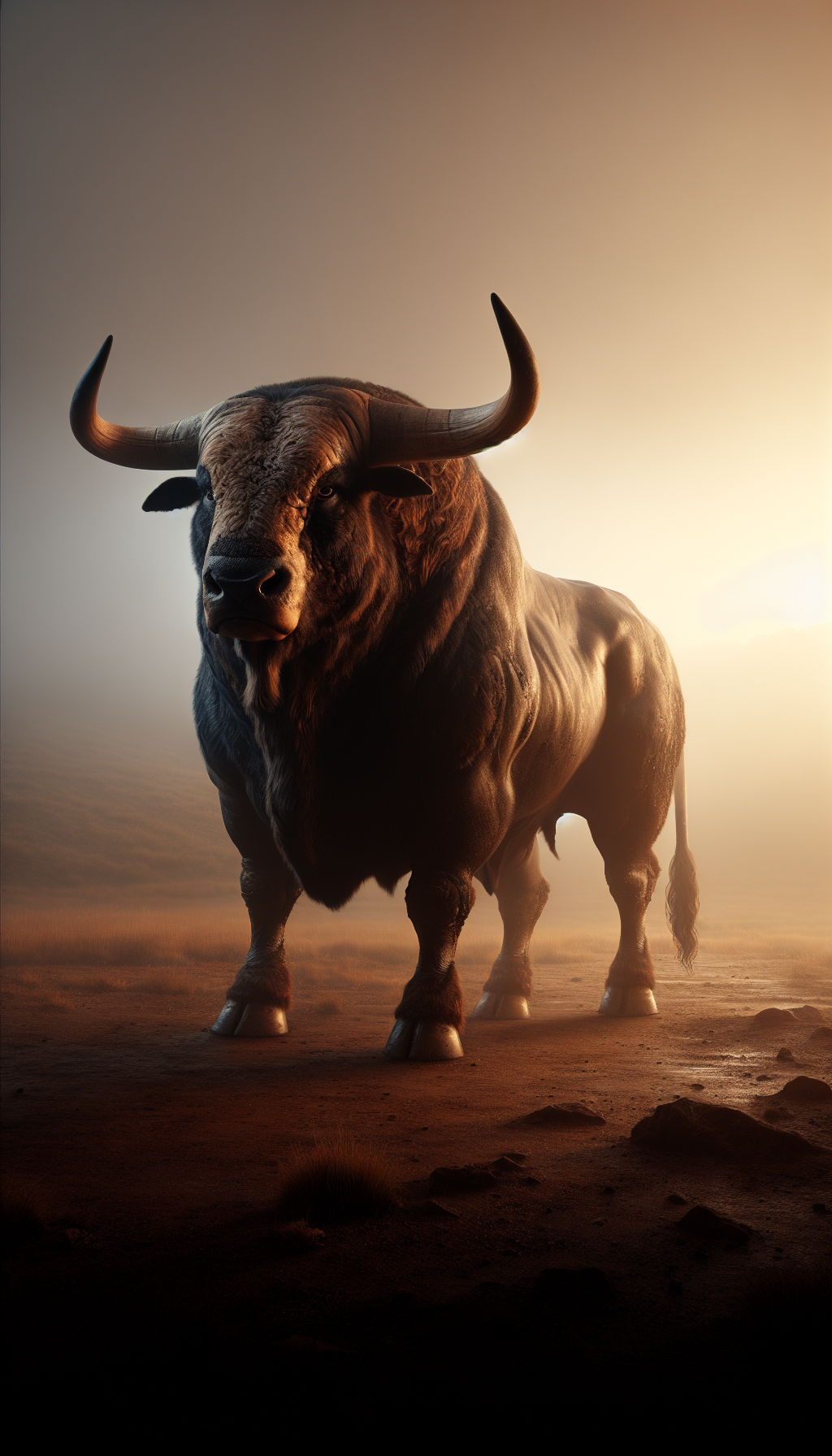
Taurus
Taurus · Bull Beast — Massive bovine creature
The Taurus is a mythical giant bull that appears in ancient legends and folklore. It is often regarded as a symbol of strength and bravery, frequently depicted wandering wild in mountains and fields.
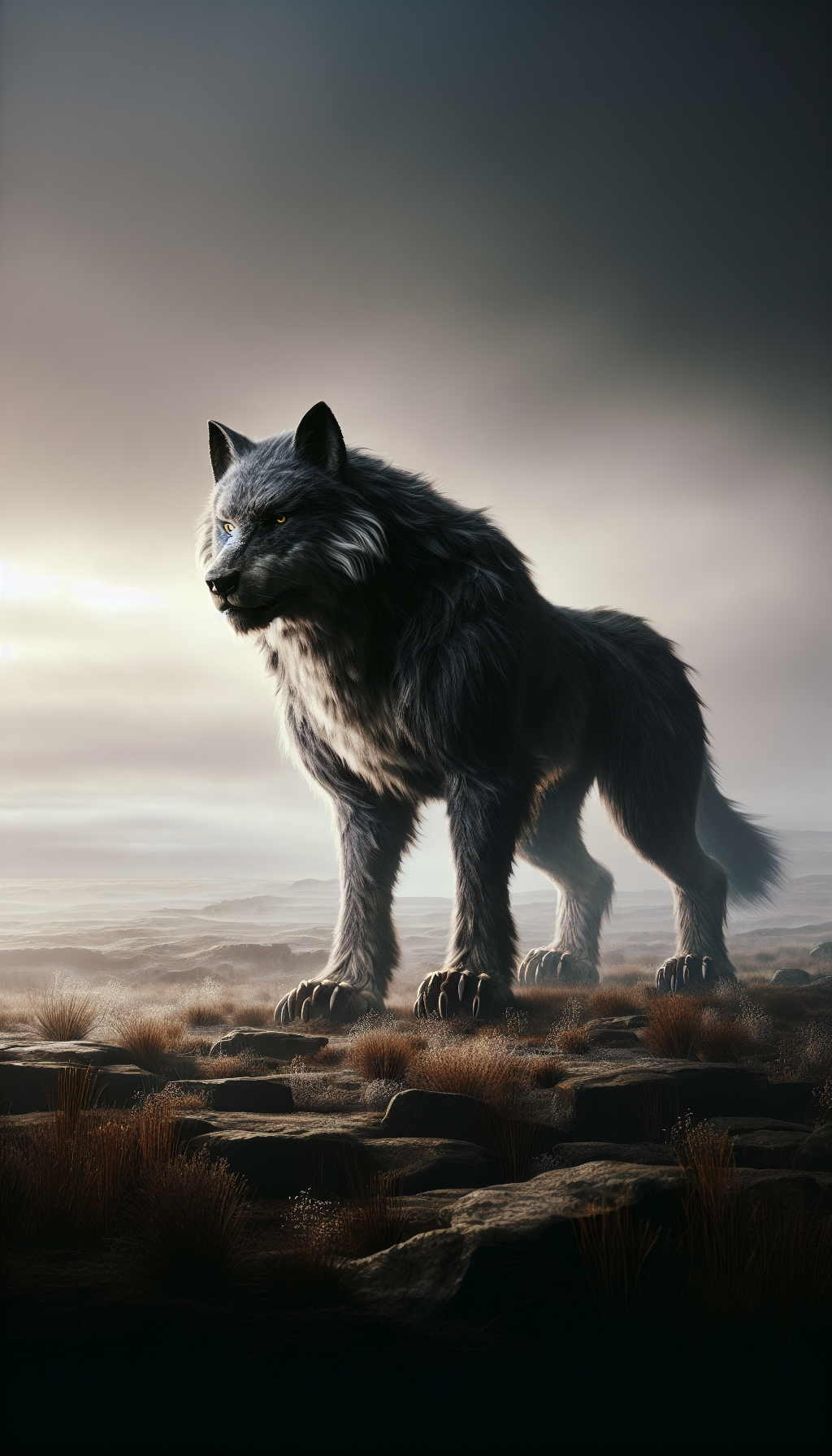
Cimbrian War Wolf
Cimbrian War Wolf · Legendary warbeast — Mythical battle wolf
The Cimbrian War Wolf is a giant wolf creature from European legend, often associated with battlefields and fearsome warriors. It is depicted as a massive predator, striking terror into the hearts of enemies. Its strength and ferocity made it a symbol of war and destruction.
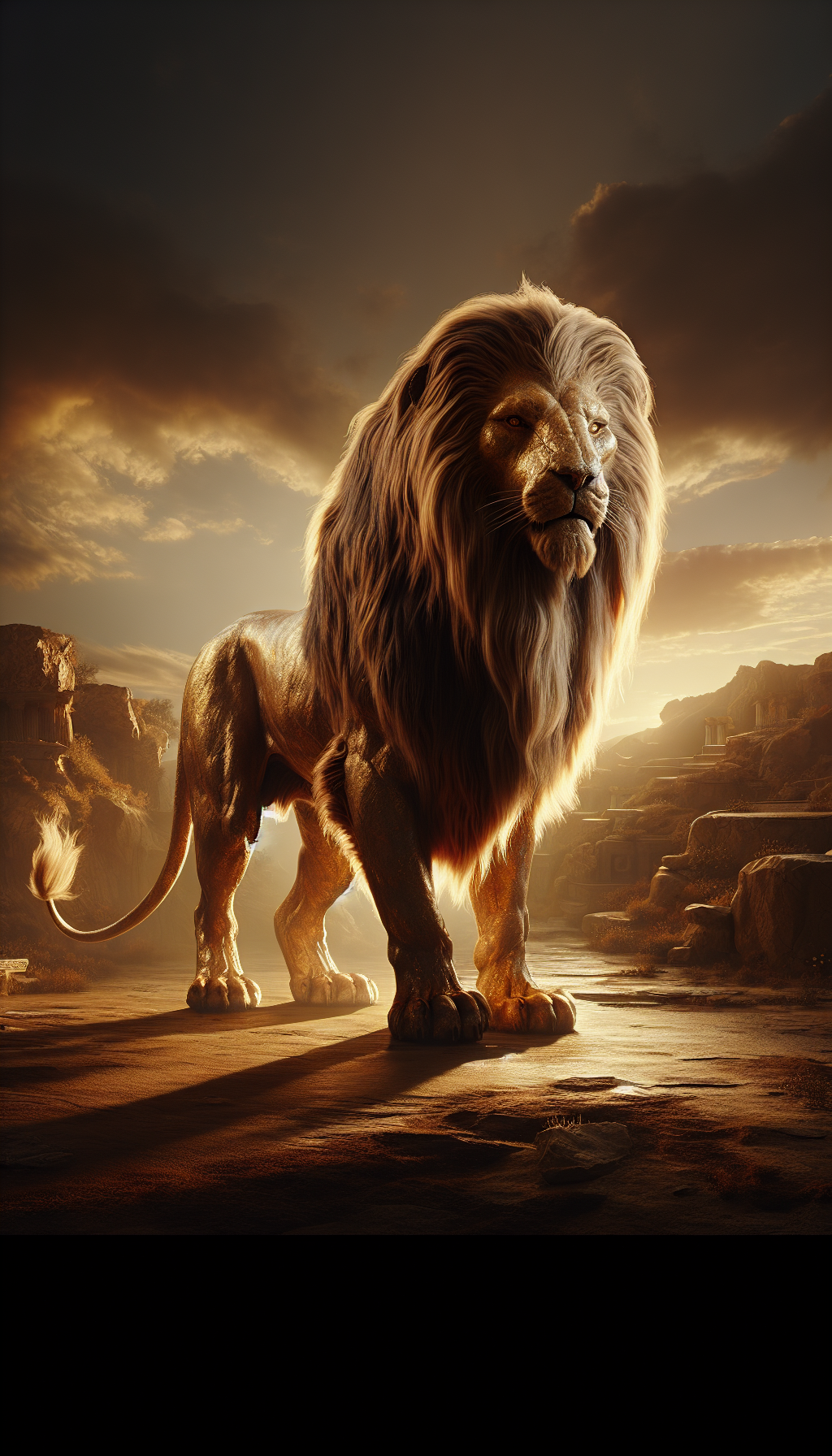
Nemean Lion
Nemean Lion · Invulnerable Beast — Immortal creature of Greek myth
The Nemean Lion is a legendary beast from Greek mythology, famed for its impenetrable golden hide. It terrorized the region of Nemea until it was defeated as the first labor of the hero Heracles. Its hide was impervious to conventional weapons, making it a symbol of daunting strength.
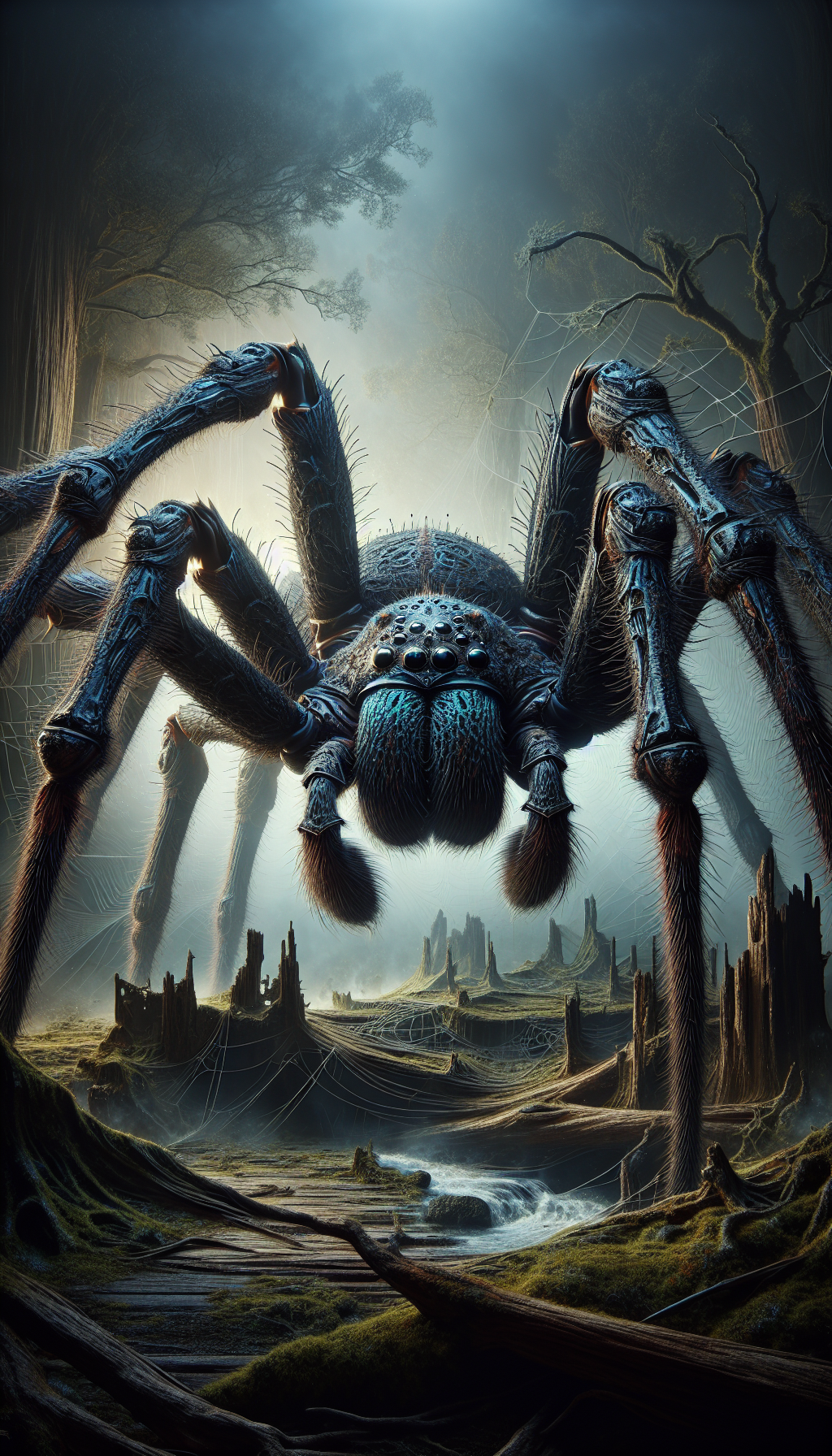
Giant Spider
Giant Spider · Colossal Arachnid — Large predatory arthropod
The giant spider is an enormous arachnid, far larger than common spiders. Appearing in Eastern folklore and European legends, it dwells in dark forests, caves, or ruins. It hunts by ambush, wielding potent webs and venom as its primary weapons.