🚢 Carriages & Carts
Carriages, carts, magic trains
19 items
By Culture
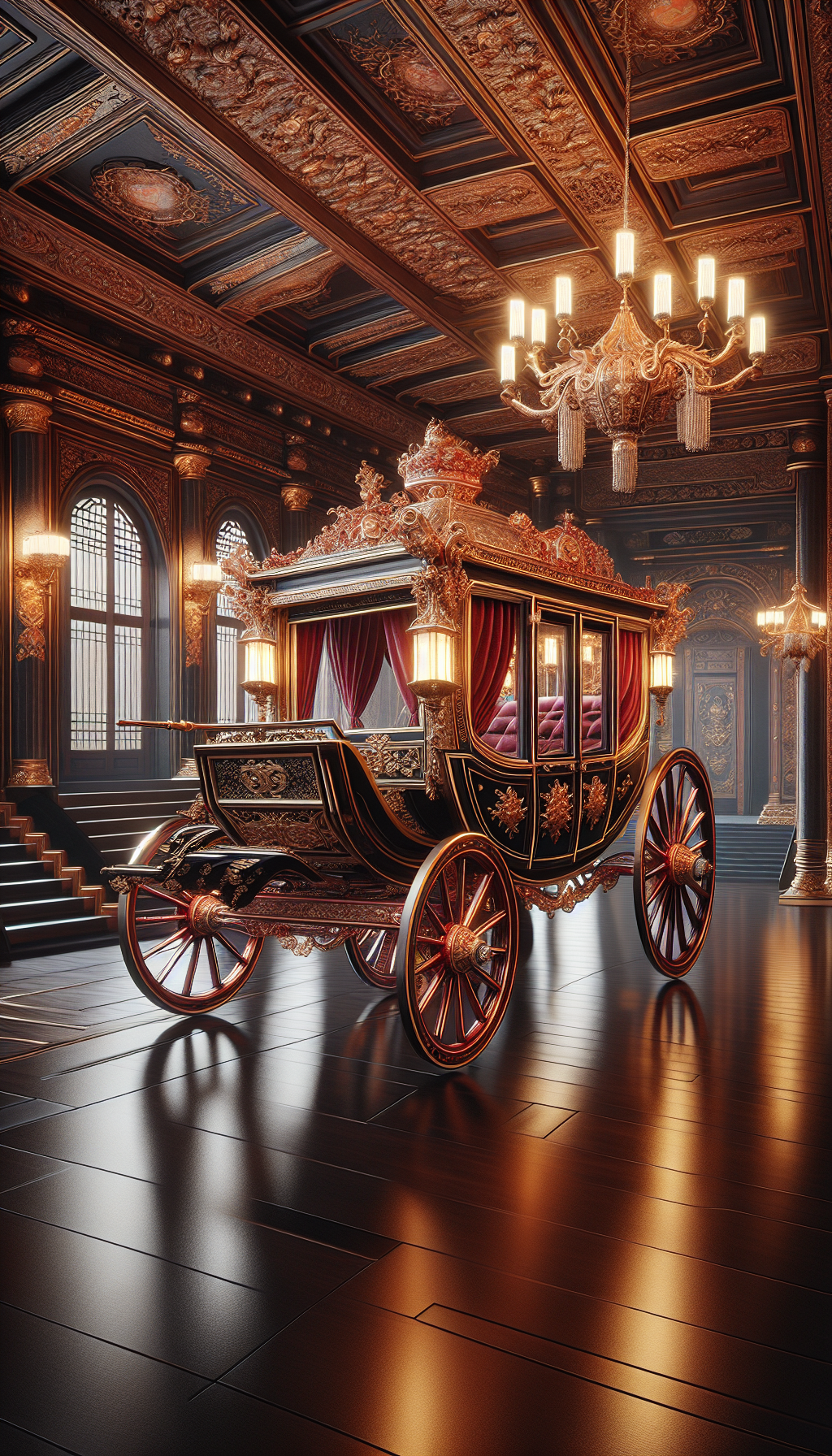
Panhellen
Panhellen · Aristocratic Carriage — Ornate four-wheeled carriage of Joseon high society
The Panhellen was a luxurious four-wheeled carriage used by the upper class during the Joseon Dynasty. It was primarily employed by royalty and nobility for processions or important ceremonies. Its structure blends finely crafted wood and metal, richly decorated.

Dobri
Dobri · Small Passenger Carriage — Joseon Personal Transport
The Dobri is a small two-wheeled carriage used in the Joseon dynasty. It primarily served as short-distance transport for officials and members of the yangban aristocracy. Constructed from wood and iron, it is pulled by a single horse.
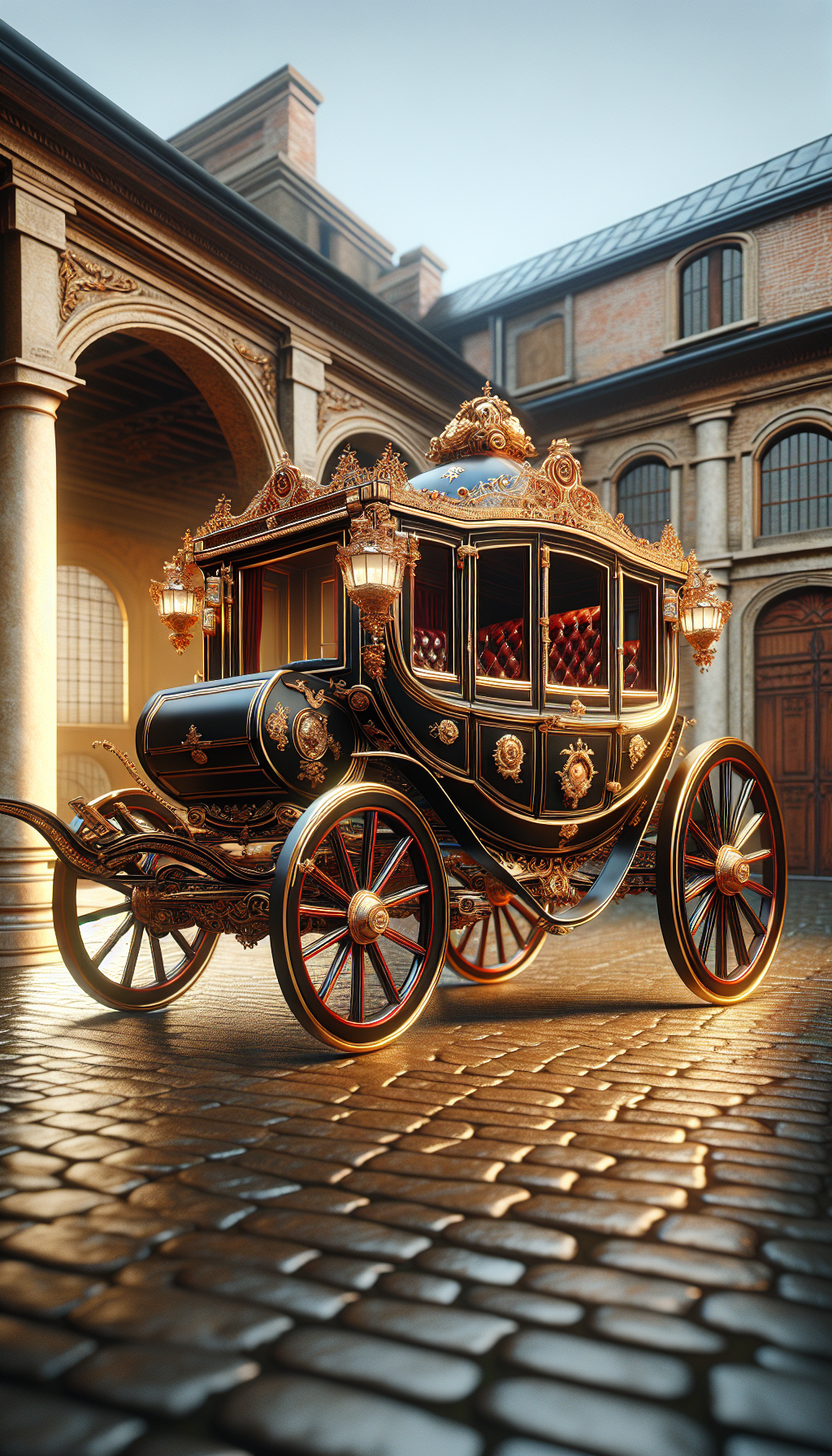
Piazziola
Piazziola · Noble Carriage — A luxury carriage used by Italian aristocracy
The Piazziola is a luxury carriage developed in 18th-century Italy for use by nobles and the upper class. It is characterized by ornate curves, decorative elements, and a plush interior finished with high-quality fabric such as velvet. Mainly utilized for formal events and social occasions within cities.
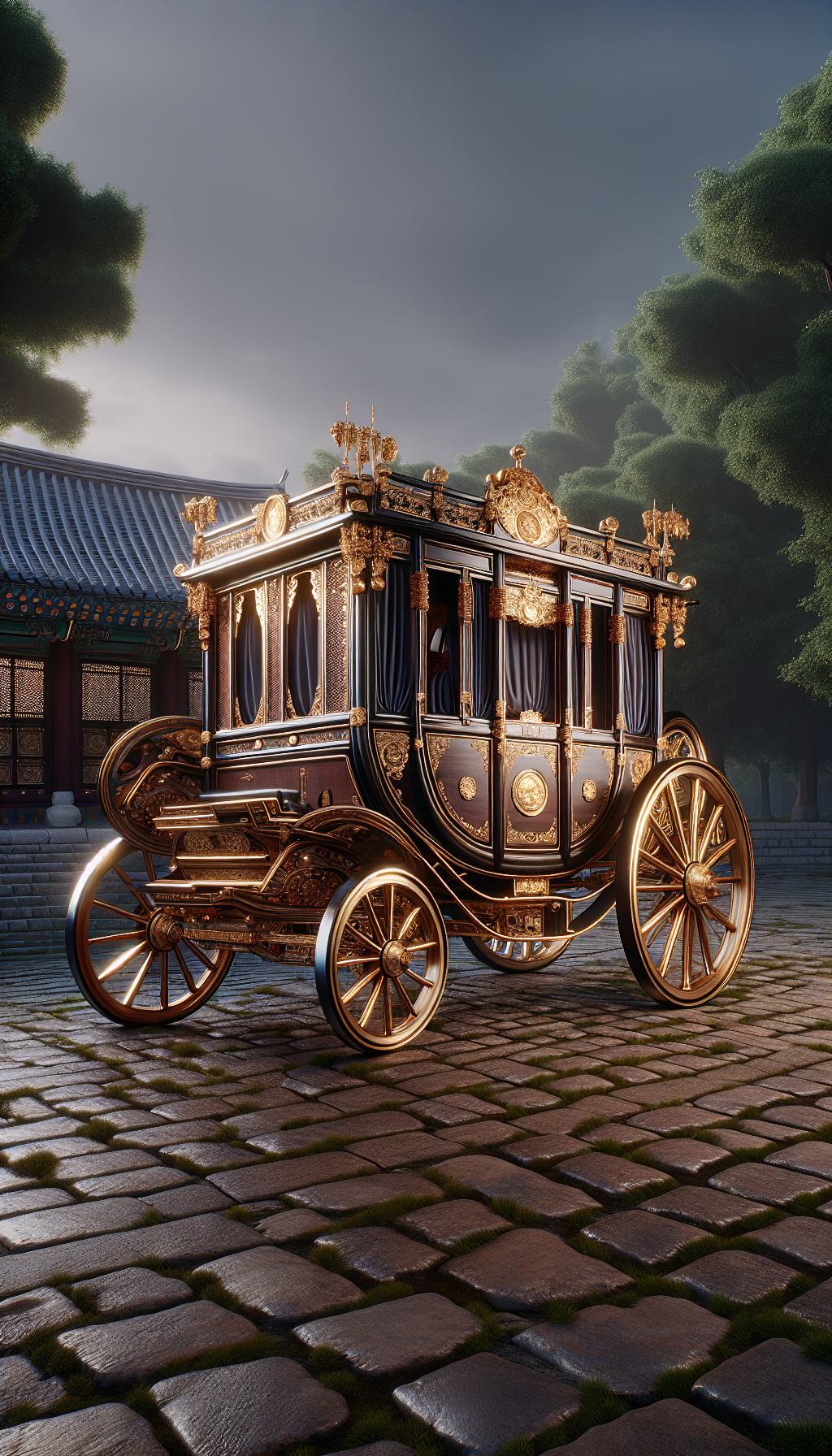
Landloute
Landloute · Four-wheeled Grand Carriage — Transportation for Nobles and Elites
The Landloute is a large four-wheeled carriage used in late Joseon and the Korean Empire period. It mainly served as a means of long-distance travel and official processions for royalty, high officials, and the nobility. Constructed from wood and metal, it was notable for its comfortable interior and ornate decorations.

Viscazchen
Viscazchen · Noble Carriage — Luxury coach used in European aristocratic society
The Viscazchen is an opulent four-wheeled carriage prevalent among European nobility in the 18th and 19th centuries. It is renowned for its ornate exterior and comfortable interior, most often appearing at ceremonies and special occasions.
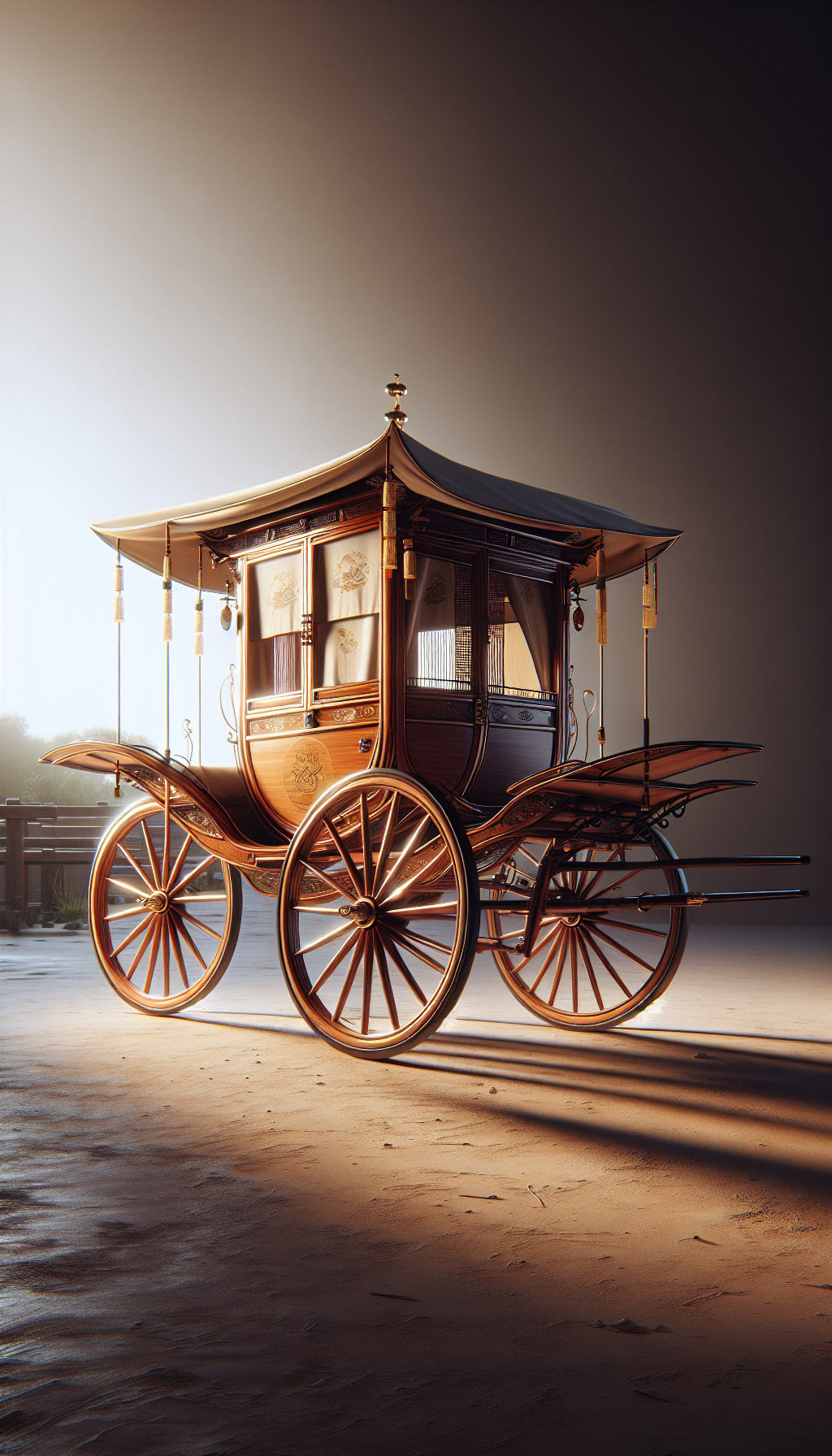
Pogat
Pogat · Two-wheeled Light Carriage — Iconic Joseon Lightweight Wagon
The Pogat is a two-wheeled lightweight carriage from the Joseon period of Korea. It was commonly used by officials, envoys, or those on urgent missions as a means of swift transportation. Its agile design made it suitable for long-distance travel at relatively high speeds.

Cliché
Cliché · Carriage — Traditional horse-drawn vehicle
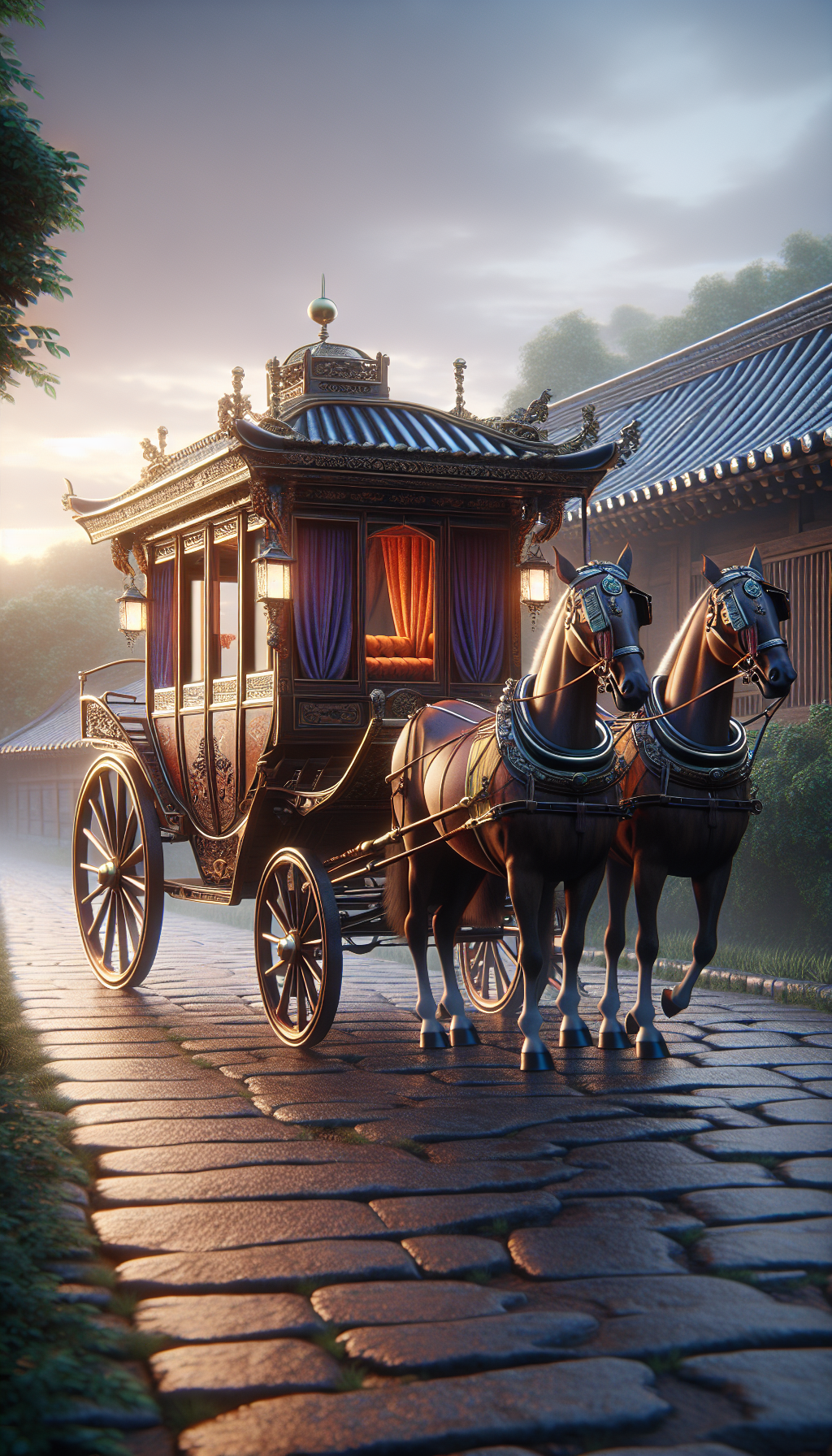
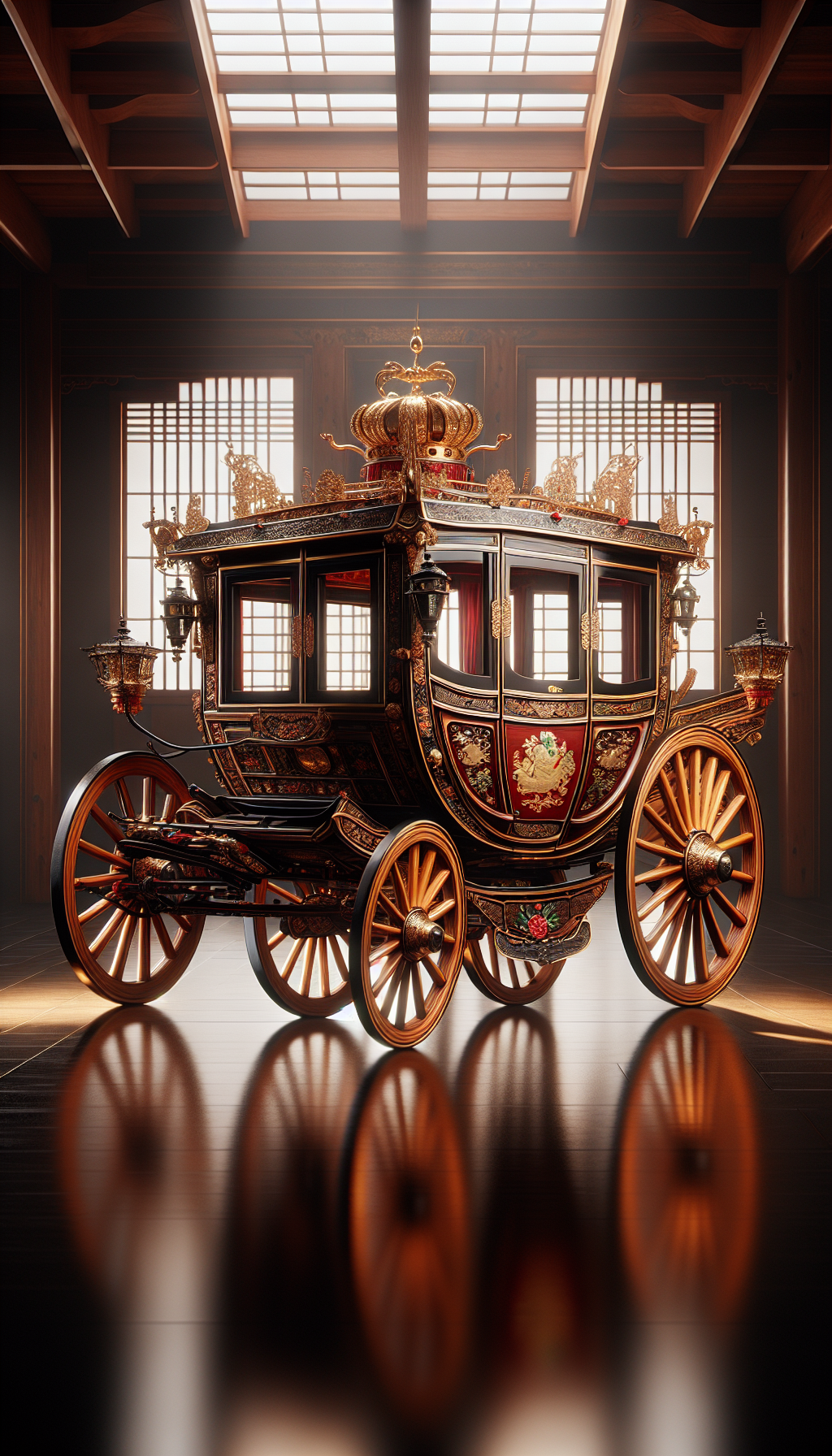
The cliché is a four-wheeled horse-drawn carriage widely used across Europe and Asia in the pre-industrial era. It mainly served the nobility, merchants, and travelers for long-distance transportation. Its sturdy wooden frame and metal reinforcements were hallmarks, with interiors often fitted with cushions and covers for passenger comfort.
Abraka
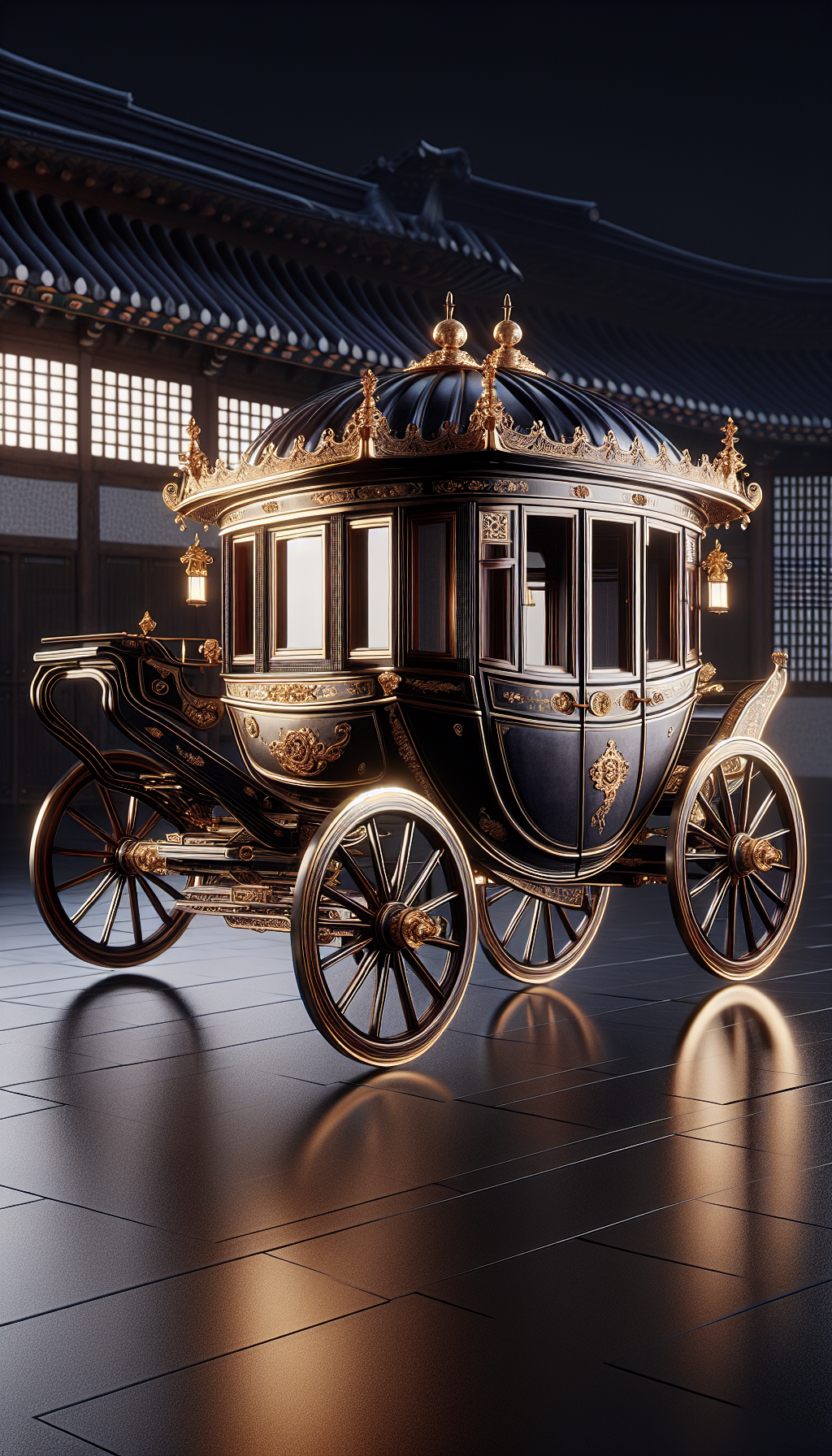
Abraka · Carriage — Lavish noble carriage of late Joseon Korea
The Abraka is a luxurious four-wheeled carriage used by the Korean elite during the late Joseon dynasty. It features elaborate carvings, ornate decorations, and a robust wooden and metal construction. Primarily, it served for royal ceremonies and official travel of high-ranking officials.
Conti
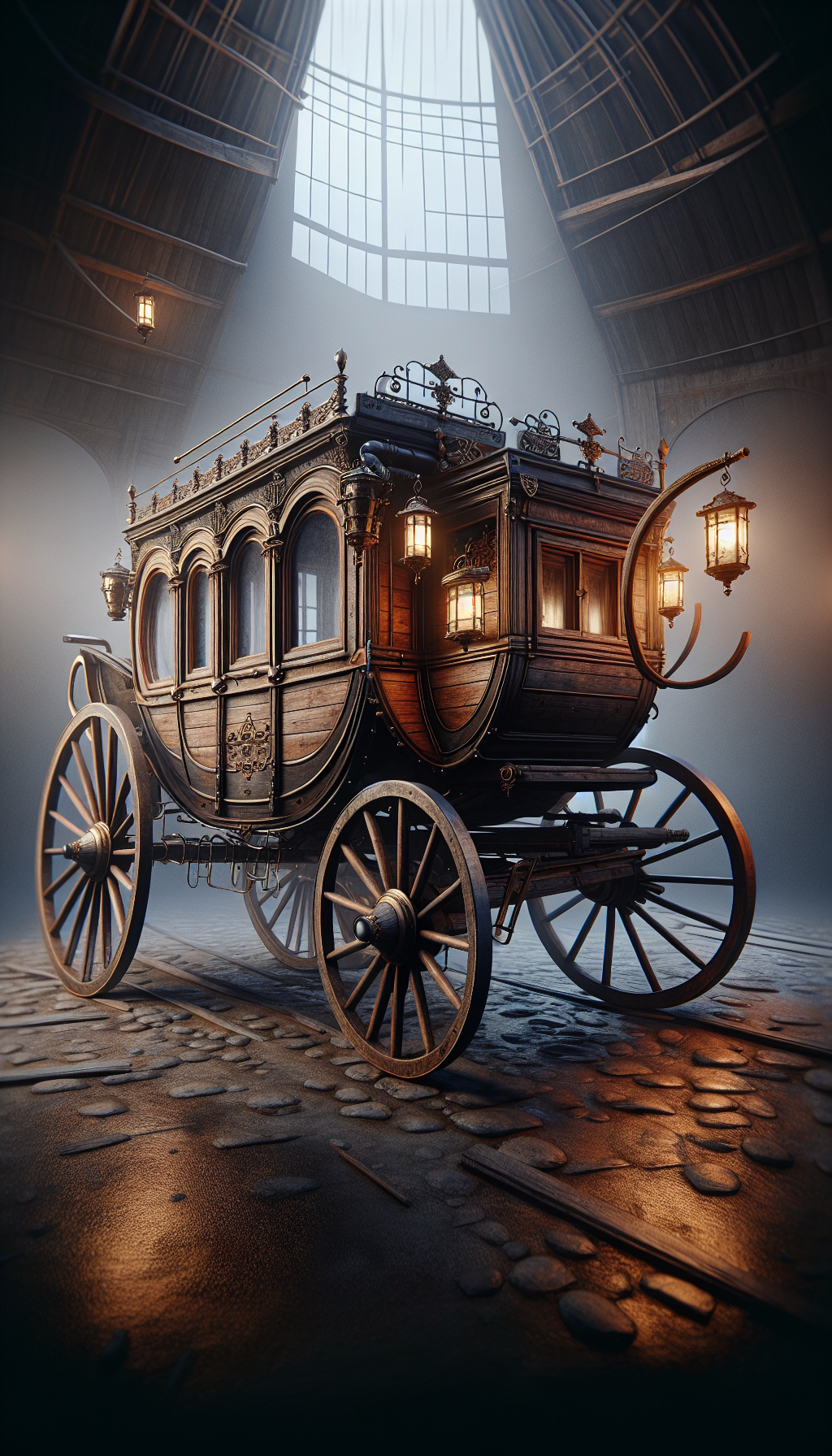
Conti Carriage · Noble Coach — Joseon-era Western-style Carriage
The Conti was a Western-style four-wheeled carriage introduced to Korea during the late Joseon Dynasty. It was primarily used by royalty, high-ranking officials, and foreign envoys. The carriage featured ornate decorations and a sturdy build, drawn by horses.
Retifa
Ancient Four-Wheeled Carriage · European Coach — Passenger and Cargo Transport Vehicle
The Retifa is an ancient four-wheeled carriage used throughout Europe for transporting passengers and goods over long distances. Built from sturdy wood with reinforced metal fittings, it offered reliable travel even on rough roads.

Heizuka
Heizuka · Aristocratic Carriage — Iconic Joseon-era Noble Transport
The Heizuka was a four-wheeled carriage used by the upper class during the Joseon dynasty. It was mainly utilized by royalty, officials, and nobles for formal events and travel. Known for its intricate woodwork and ornate decorations, it also served as a symbol of social status.