
Katar
India's push dagger with a transverse grip
The katar is India's unique push dagger, featuring an H-shaped transverse grip that projects the blade forward from the fist. With a blade of 30-90cm, the blade sits on a direct extension of the arm, delivering powerful penetration through a punching motion. Emerging in 14th-century South India, it reached its zenith during the Mughal Empire. Some elaborate versions feature separating blades that split into three when the grip is squeezed. An iconic weapon of Rajput and Sikh warriors, it holds a central place in Indian martial arts (gatka).
Origin
First appeared in 14th-century South India (Tamil Nadu region), spreading throughout North India during the Mughal Empire (1526-1857). Especially revered in Rajput, Maratha, and Sikh warrior cultures.
Features
- H-shaped transverse grip — blade projects from fist
- Powerful linear penetration through punching motion
- Blade length approximately 30-90cm
- Separating blade variant — splits into three
- Iconic weapon of Rajput and Sikh warriors
- Central weapon in Indian martial arts (gatka)
Usage
Used in close combat with a punching thrust to penetrate armor gaps or the torso. Against unarmored opponents, a single thrust could be fatal.
Related

Hand Cannon
The earliest portable gunpowder weapon

Longsword
The quintessential two-handed sword of medieval Europe

Halberd
The versatile polearm combining axe, spear, and hook
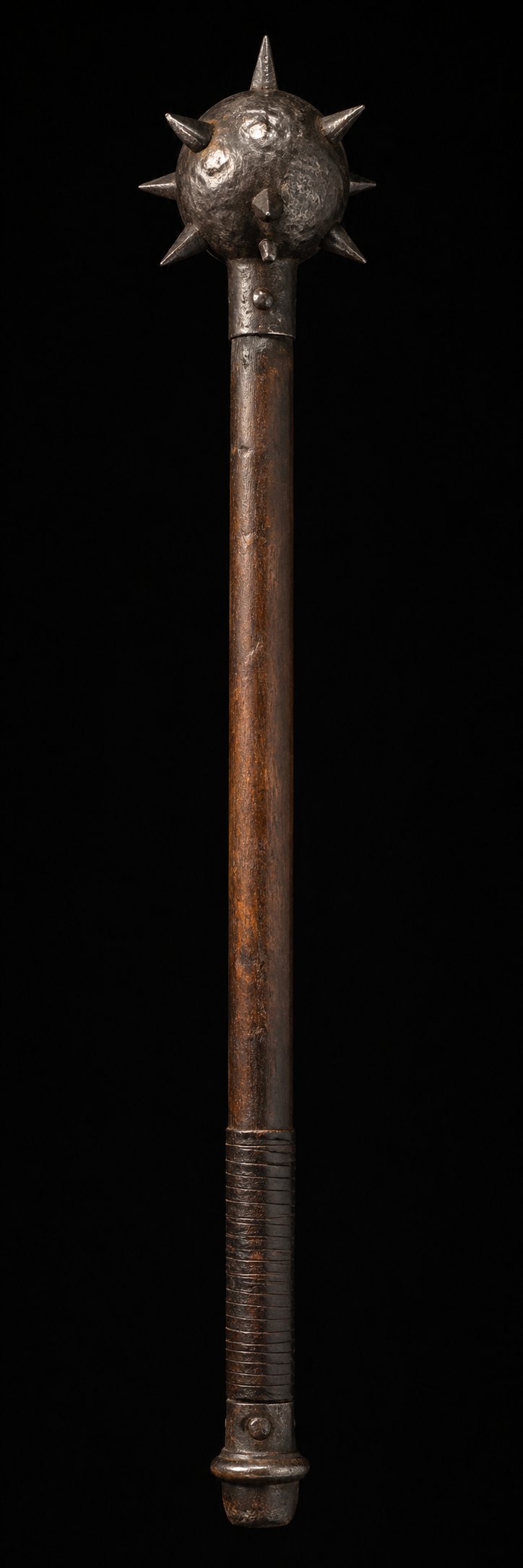
Morning Star
The spiked ball weapon of medieval warfare

Zweihänder
The massive two-handed sword of German Landsknechts

Battle Axe
An axe designed specifically for combat

Mongol Bow
The composite bow of mounted archers
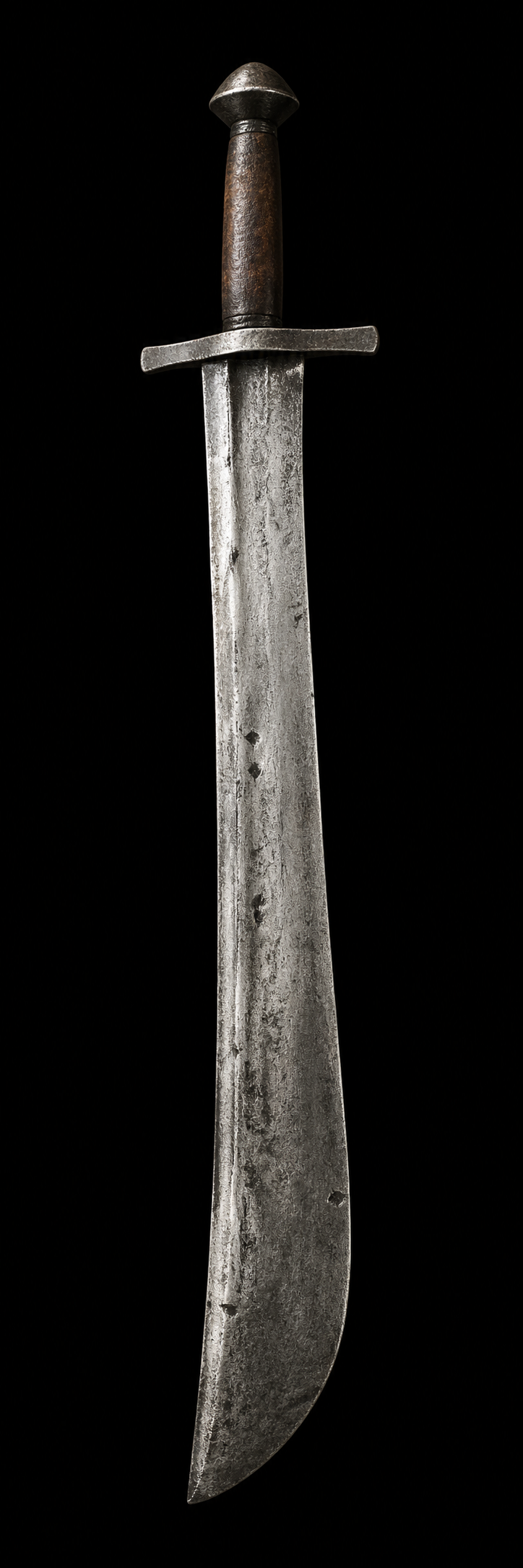
Falchion
A single-edged medieval European chopping sword

Claymore
The great two-handed sword of the Scottish Highlands

Dane Axe
The Viking two-handed battle axe

Pike
An extremely long spear for massed infantry formations

Yari
The straight-bladed Japanese spear