
Hand Cannon
The earliest portable gunpowder weapon
The hand cannon is humanity's first personal firearm, invented in 13th-century China during the Yuan Dynasty (Mongol Empire). A simple design of a metal tube fixed to a wooden stick, loaded with gunpowder and a projectile, and fired by applying flame to a touch hole. Accuracy was extremely poor, reloading was slow, and explosion accidents were common. However, its ability to penetrate armor and the tremendous psychological terror of thunder-like noise and flame on both enemies and horses was immense. This primitive firearm was the starting point for all subsequent firearms development — matchlocks, flintlocks, and modern rifles.
Origin
First developed in 13th-century China during the Yuan Dynasty (1271-1368). Chinese gunpowder technology spread through the Arab world to Europe, where hand cannons appeared in the 14th century.
Features
- Metal tube + wooden stick — extremely simple design
- Humanity's first personal firearm
- Fired by applying flame to touch hole
- Extremely poor accuracy and slow reloading
- Capable of penetrating armor
- Tremendous psychological terror from noise and flame
Usage
Fired at enemy formations on the battlefield to cause psychological panic and disrupt formations. Intimidation and shock value were more important than accuracy.
Related

Katar
India's push dagger with a transverse grip

Longsword
The quintessential two-handed sword of medieval Europe

Halberd
The versatile polearm combining axe, spear, and hook
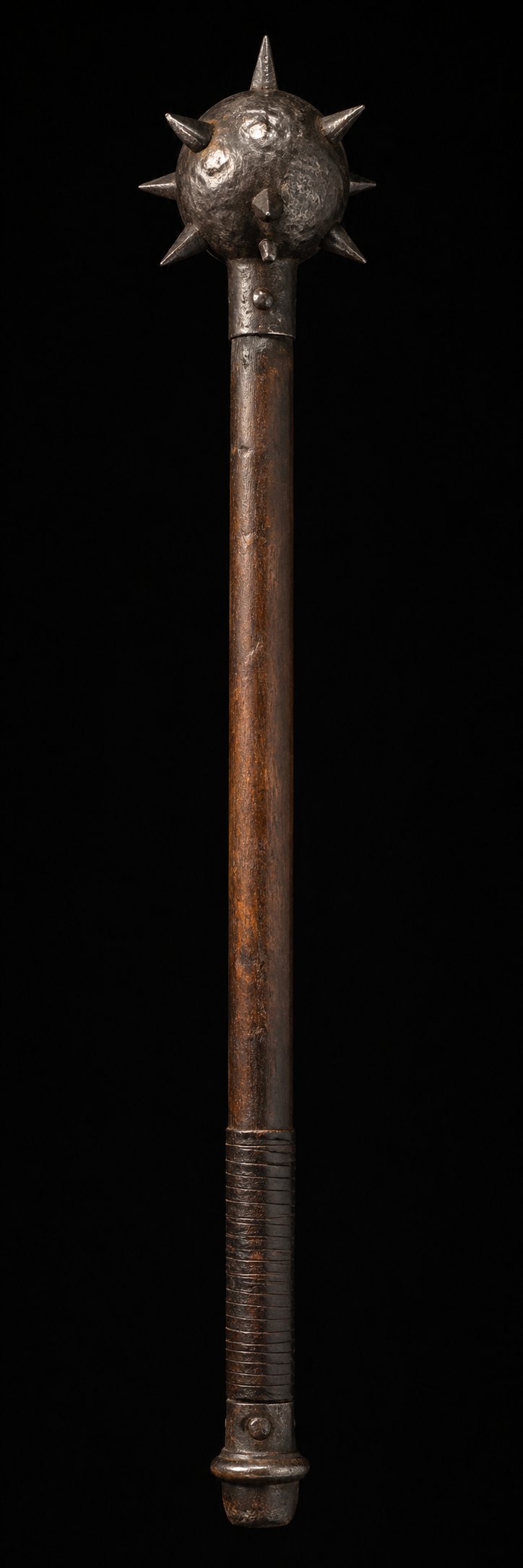
Morning Star
The spiked ball weapon of medieval warfare

Zweihänder
The massive two-handed sword of German Landsknechts

Battle Axe
An axe designed specifically for combat

Mongol Bow
The composite bow of mounted archers
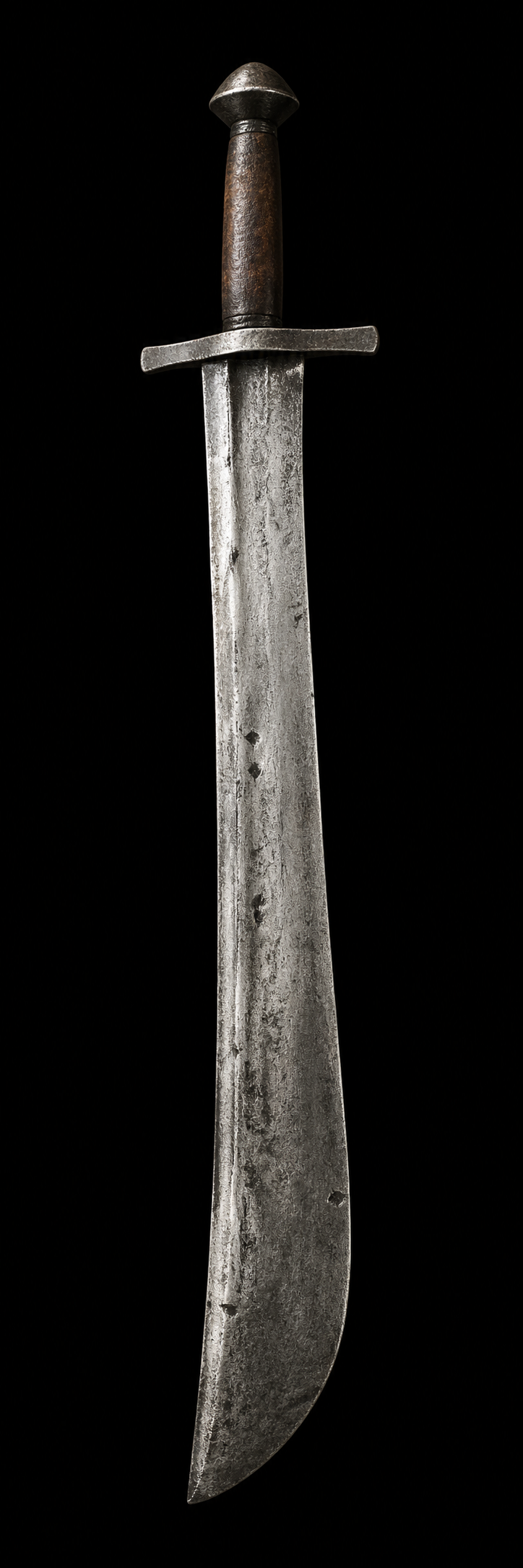
Falchion
A single-edged medieval European chopping sword

Claymore
The great two-handed sword of the Scottish Highlands

Dane Axe
The Viking two-handed battle axe

Pike
An extremely long spear for massed infantry formations

Yari
The straight-bladed Japanese spear