🏰 Architecture
Castles, dungeons, temples, towns, taverns, towers
30 items
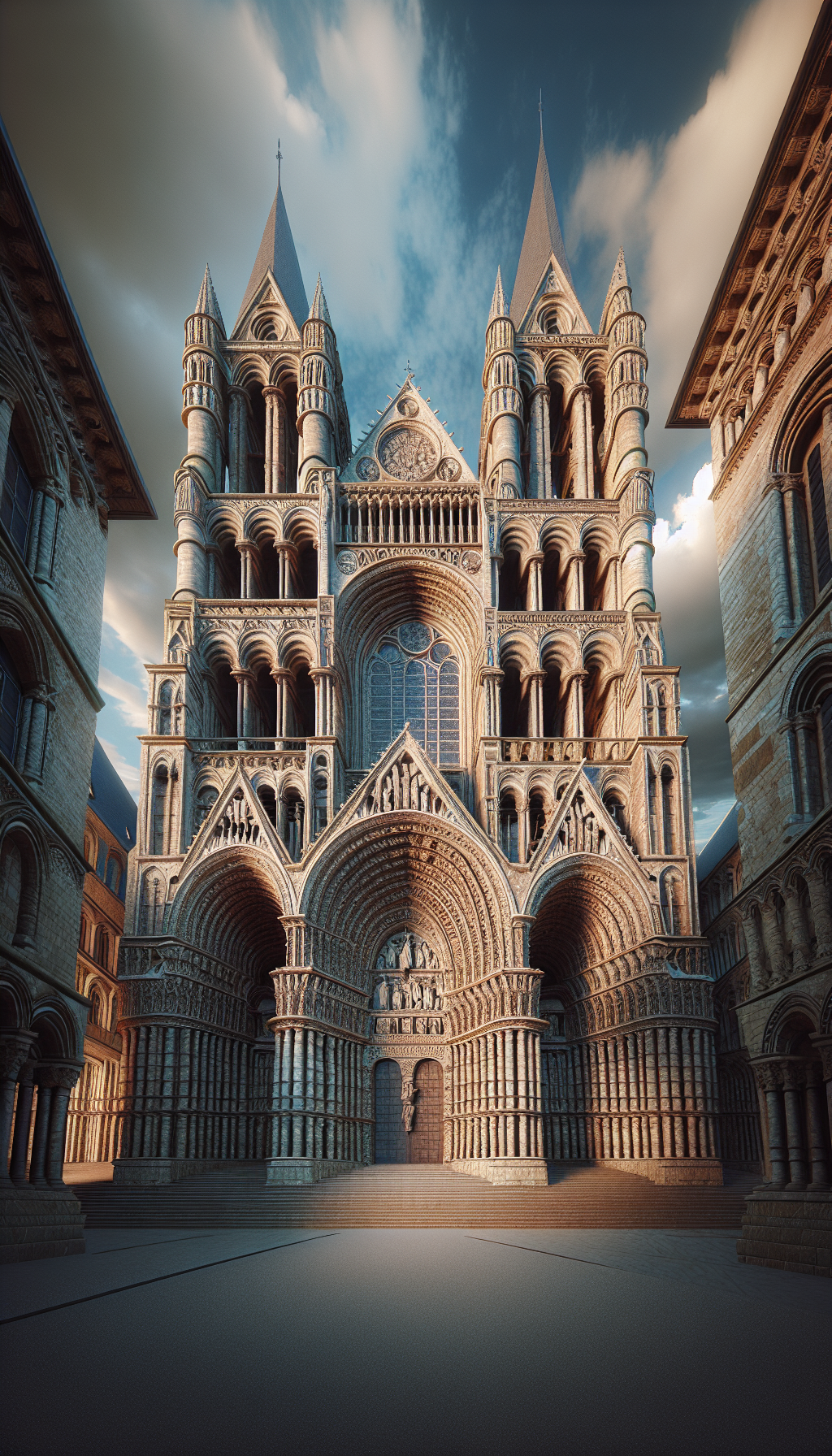
Bayeux Cathedral
Bayeux Cathedral · Romanesque monumental cathedral
Bayeux Cathedral is a Romanesque cathedral located in Bayeux, Normandy, France. Consecrated in 1077, it stands as a prime example of 11th-century medieval architecture. The cathedral was closely tied to the Norman dukes and William the Conqueror, and is famously linked to the Bayeux Tapestry.
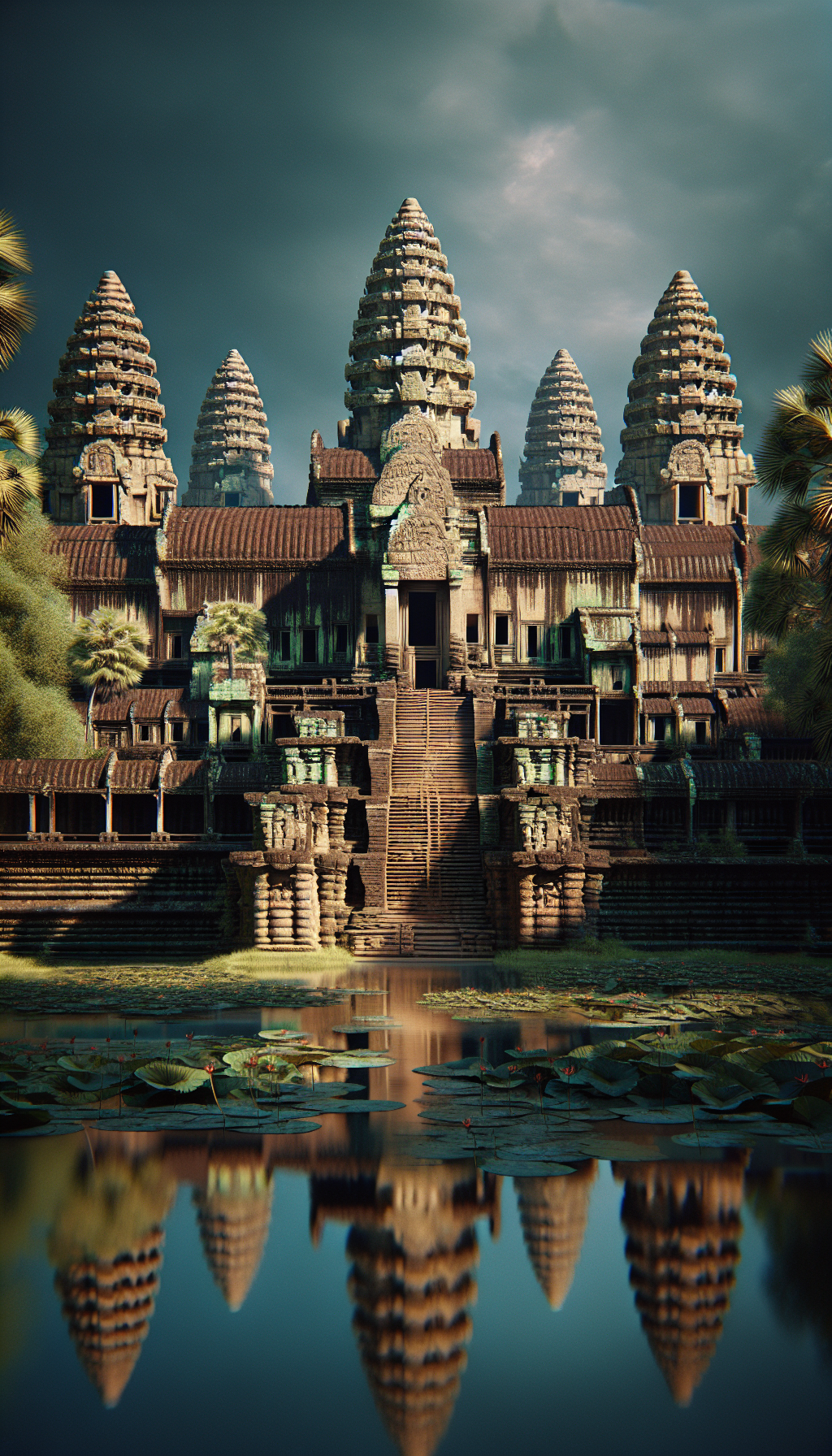
Angkor Wat Palace
Angkor's Grand Temple — Monumental Stone Structure of the Khmer Empire
The Angkor Wat Palace is a massive stone temple complex built in the 12th century during the Khmer Empire. Originally dedicated to the Hindu god Vishnu, it later served as a Buddhist temple. Its iconic moat and five central towers make it one of the largest religious structures in the world.

The Walls of Constantinople
Theodosian Walls · Byzantine Fortifications — Medieval Eastern Roman defensive marvel
The Walls of Constantinople are massive stone fortifications built to defend the capital of the Eastern Roman Empire. Expanded and repaired over centuries, these walls successfully protected the city against numerous sieges. The double-wall structure completed under Theodosius II is especially renowned.

Cluny Abbey
Cluny Abbey · Medieval French Monastery — Pinnacle of Western Monastic Architecture
Cluny Abbey is a medieval Christian monastery located in Burgundy, France. Founded in the 10th century, it is considered a masterpiece of Romanesque architecture. The abbey played a significant role in monastic reform and the advancement of culture across medieval Europe.
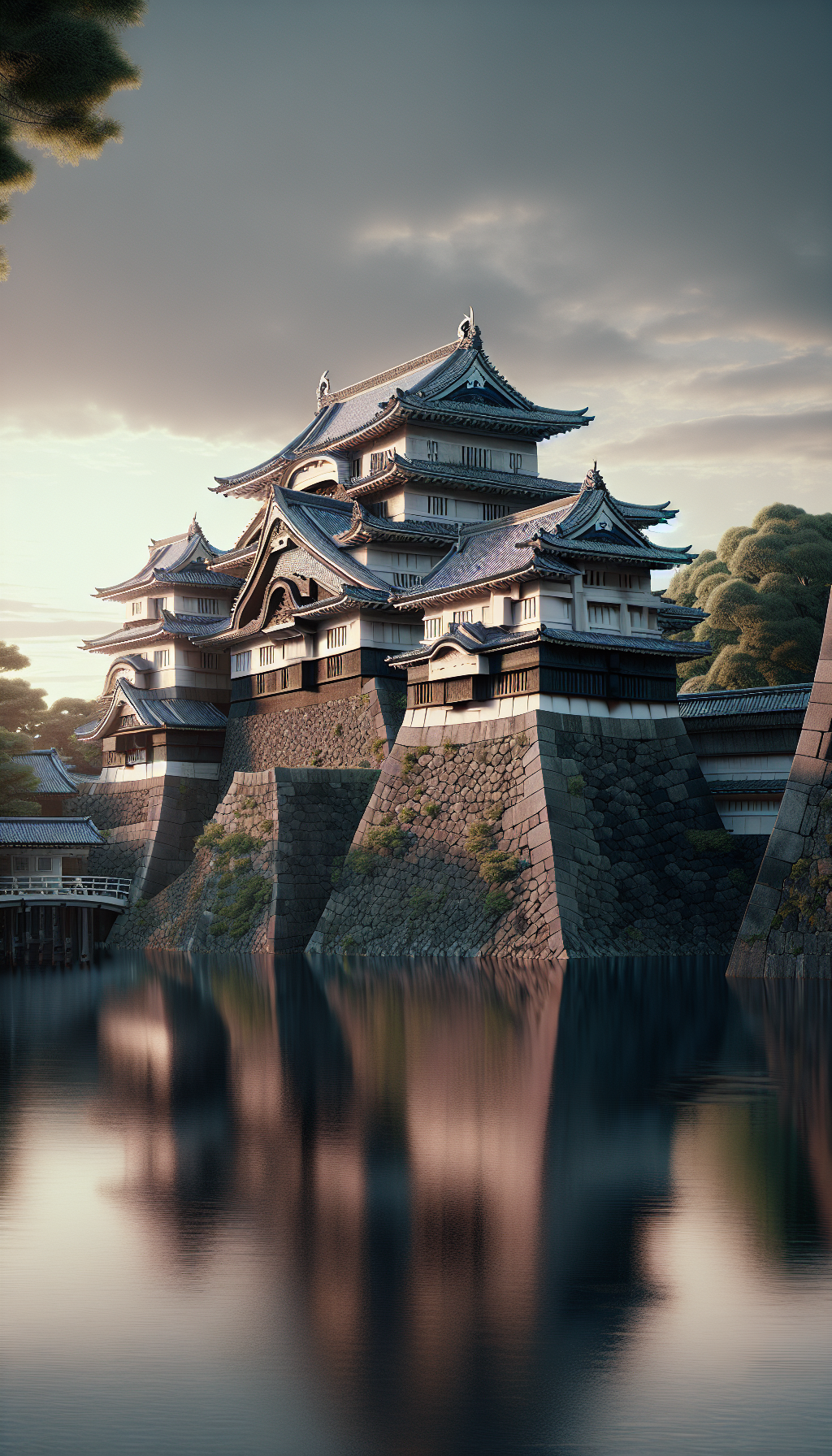
Edo Castle (Tokyo)
Edo Castle · Imperial Palace — Iconic stronghold of the Edo period
Edo Castle was a large fortress built during Japan’s Edo period, serving as the political center of the Tokugawa shogunate. Parts of the original complex, such as moats, stone walls, and gates, remain today as part of the Tokyo Imperial Palace.

Notre-Dame Cathedral
Notre-Dame Cathedral · Symbol of Paris — Iconic Gothic Cathedral
Notre-Dame Cathedral is a medieval Gothic cathedral located on the banks of the Seine in Paris, France. Constructed over nearly 180 years from the late 12th to early 14th centuries, it is renowned for its spires, stained glass, and ornate gargoyles.

Alhambra Palace
Alhambra Palace · Moorish Castle — Iconic Islamic palace in Spain
The Alhambra Palace is an Islamic-style fortress and palace complex in Granada, Spain. Built by the Nasrid dynasty, it is celebrated for its ornate decorations and intricate geometric patterns. Its courtyards, fountains, and lush gardens are key hallmarks of its design.
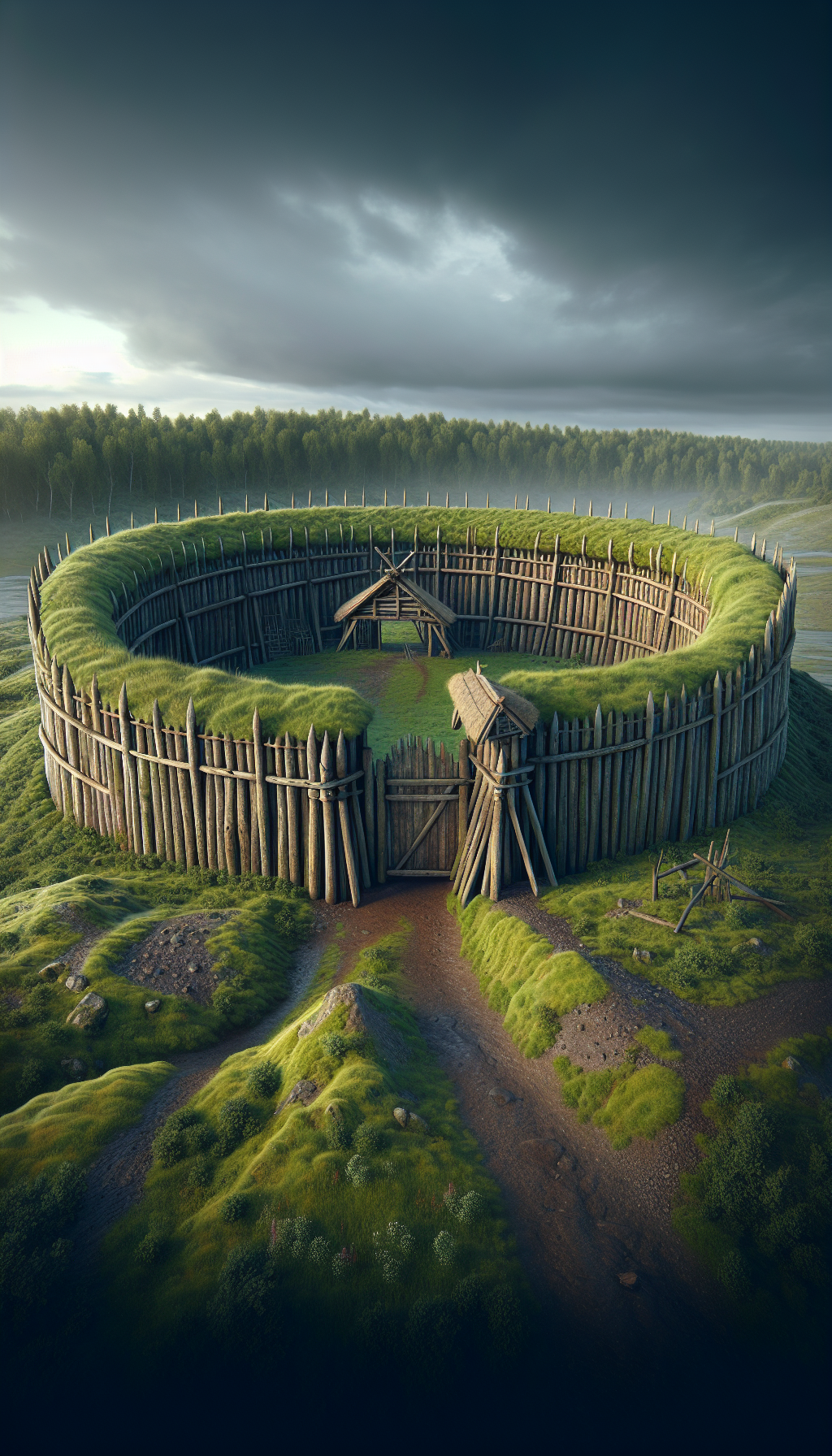
Viking Ringfort
Viking Ringfort · Circular Fort — Distinctive defensive architecture of the Viking Age
The Viking Ringfort is an ancient circular fortress found in Scandinavia. Built mainly around the 10th century, it served as a military stronghold and administrative center. Its thick earthen and timber walls and symmetrical design demonstrate Viking organizational skills and advanced architecture.

Leaning Tower of Pisa
Leaning Tower of Pisa · Iconic Tilted Bell Tower — Symbol of Pisa, Italy
The Leaning Tower of Pisa is a world-famous freestanding bell tower located in Pisa, Italy. Its distinctive tilt is due to unstable foundation soil, giving it a unique appearance. The tower exemplifies early Renaissance architecture and is listed as a UNESCO World Heritage Site.
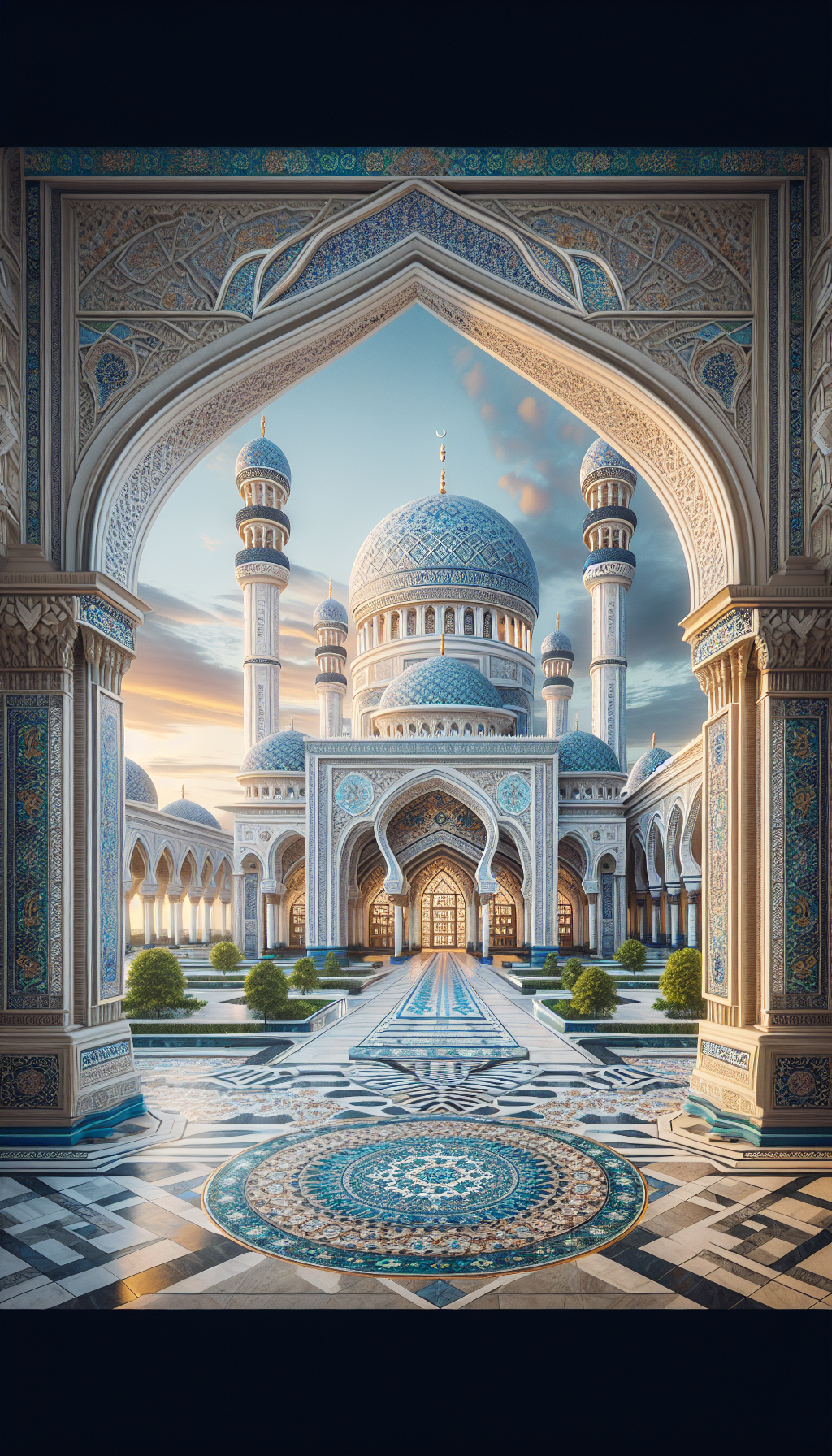
Mosque
Mosque · Masjid — Religious structure of Islamic faith
A mosque is a place of worship for Muslims, distinguished by domes, minarets, and wide prayer halls. Its architectural style varies by region and era, reflecting local culture. Courtyards and ritual washing areas are common features.

Hagia Sophia
Hagia Sophia · Symbol of Holy Wisdom — Iconic Byzantine Cathedral
Hagia Sophia is a monumental cathedral completed in 537 CE, representing the height of Byzantine architecture. Originally built as a Greek Orthodox church, it later served as an Ottoman mosque and now functions as both a museum and mosque. Its grand dome and intricate mosaics stand as architectural marvels.

Frankish Royal Palace
Frankish Royal Palace · Court Center — Political and cultural heart of the Frankish realm
The Frankish Royal Palace was the residence and administrative center of the Frankish kings during the Middle Ages. It served as the hub for governance, diplomacy, and military planning. Notable examples include the Palace of Aachen, where royalty, nobility, and officials gathered to manage the kingdom.

Mount Fuji Torii
Mount Fuji Shrine Gate · Symbolic Entrance — Iconic gateway at the sacred mountain
The Mount Fuji Torii is a traditional gate structure erected at the entrance to Japan’s sacred Mount Fuji. It serves as a symbolic boundary between the holy realm and the human world. Typically painted red, the torii inspires reverence among pilgrims and visitors.

Frankfurt Palace
Frankfurt Palace · European Architecture — Historic Palace of Germany
Frankfurt Palace is a representative architectural landmark located in Frankfurt, Germany. Expanded and renovated over the medieval and early modern periods, the palace served as a political center of the city.
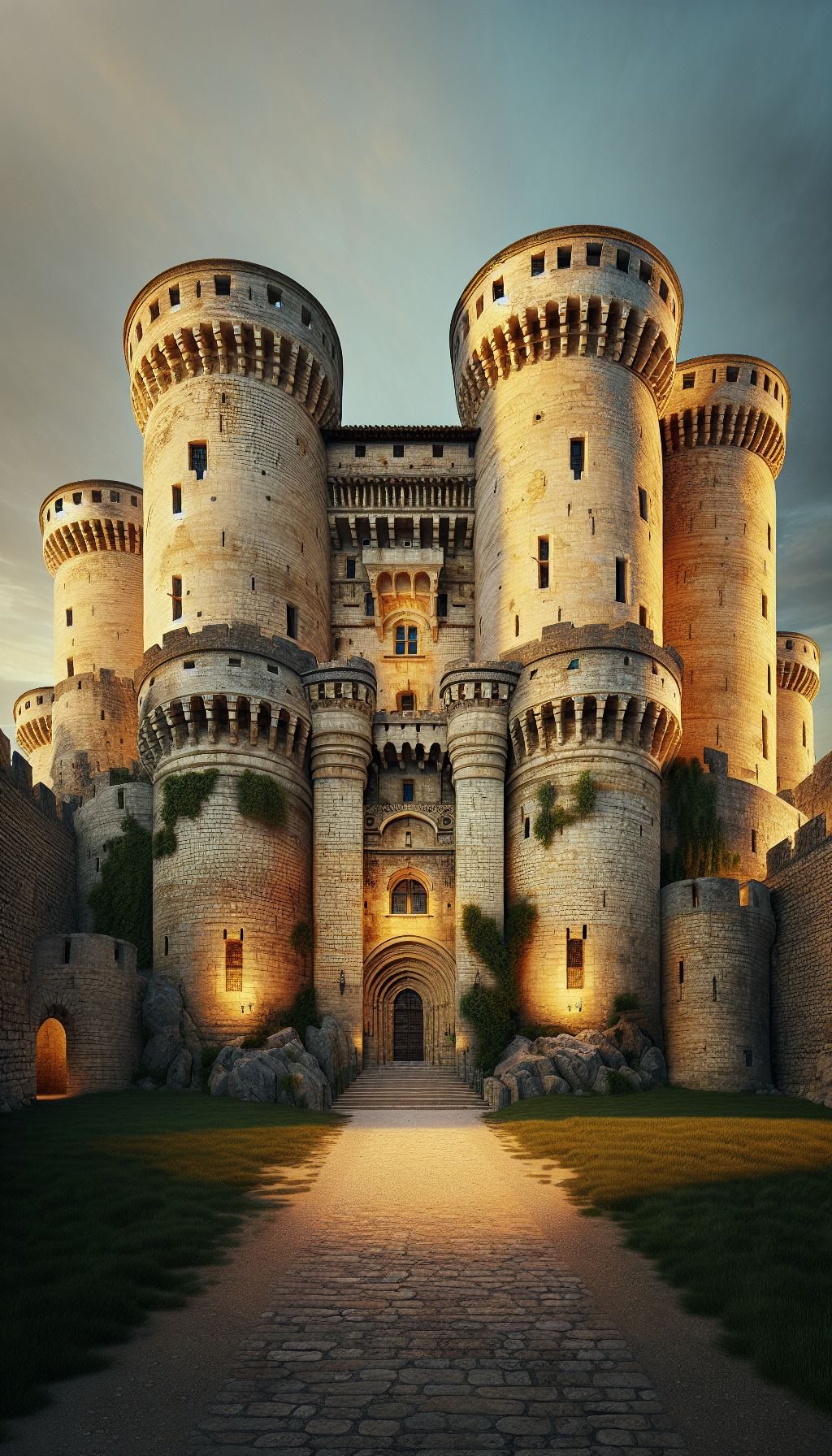
Carcassonne Castle
Carcassonne Fortress · Medieval southern French citadel
Carcassonne Castle is a prominent medieval fortress located in the Languedoc region of southern France. Famous for its double walls and over 50 defensive towers, it is a well-preserved example of medieval military architecture. The castle is a designated UNESCO World Heritage Site.

Medieval European Castle
Fortress · Stronghold — Symbol of Defense and Power
Medieval European castles are large stone fortifications built for military defense and the assertion of noble authority. Featuring high walls, towers, and moats, these castles often dominated the surrounding landscape as centers of power.

Dome of the Rock
The Dome of the Rock · Golden Dome — Iconic Islamic Shrine in Jerusalem
The Dome of the Rock is an Islamic shrine located on the Temple Mount in the Old City of Jerusalem. Built in the late 7th century by the Umayyad Caliphate, it is renowned for its golden dome and octagonal structure.
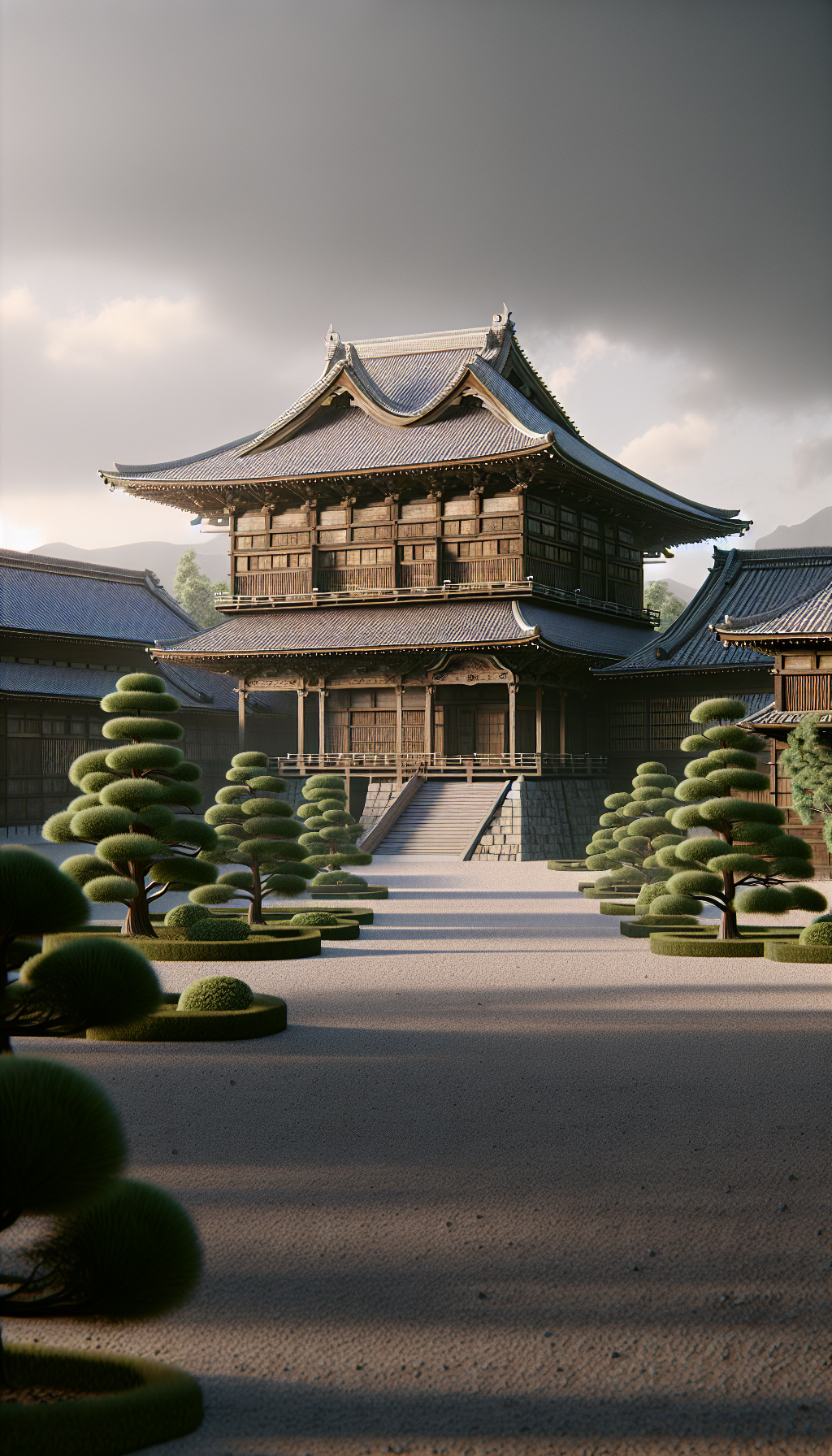
Kamakura Shogunate Palace
Kamakura Shogunate Headquarters · Medieval Japanese military-administrative center
The Kamakura Shogunate Palace was the core administrative and military complex of Japan's Kamakura period. Designed to serve both governmental and defensive purposes, it utilized wood, earth, and stone in construction. Its location leveraged the surrounding mountains and coastline for enhanced natural defense.