🚢 categories.vehicles-misc
Admin workspace
47 items

Venetian Galleon
Venetian Galleon · Large Sailing Ship — Principal Warship of the Republic of Venice
The Venetian galleon was a large sailing vessel used by the Republic of Venice in the 16th and 17th centuries. Serving as both a merchant ship and a warship, it plied the Mediterranean and Atlantic waters. Its sturdy hull and numerous gun ports made it ideal for naval warfare and long-distance trade.
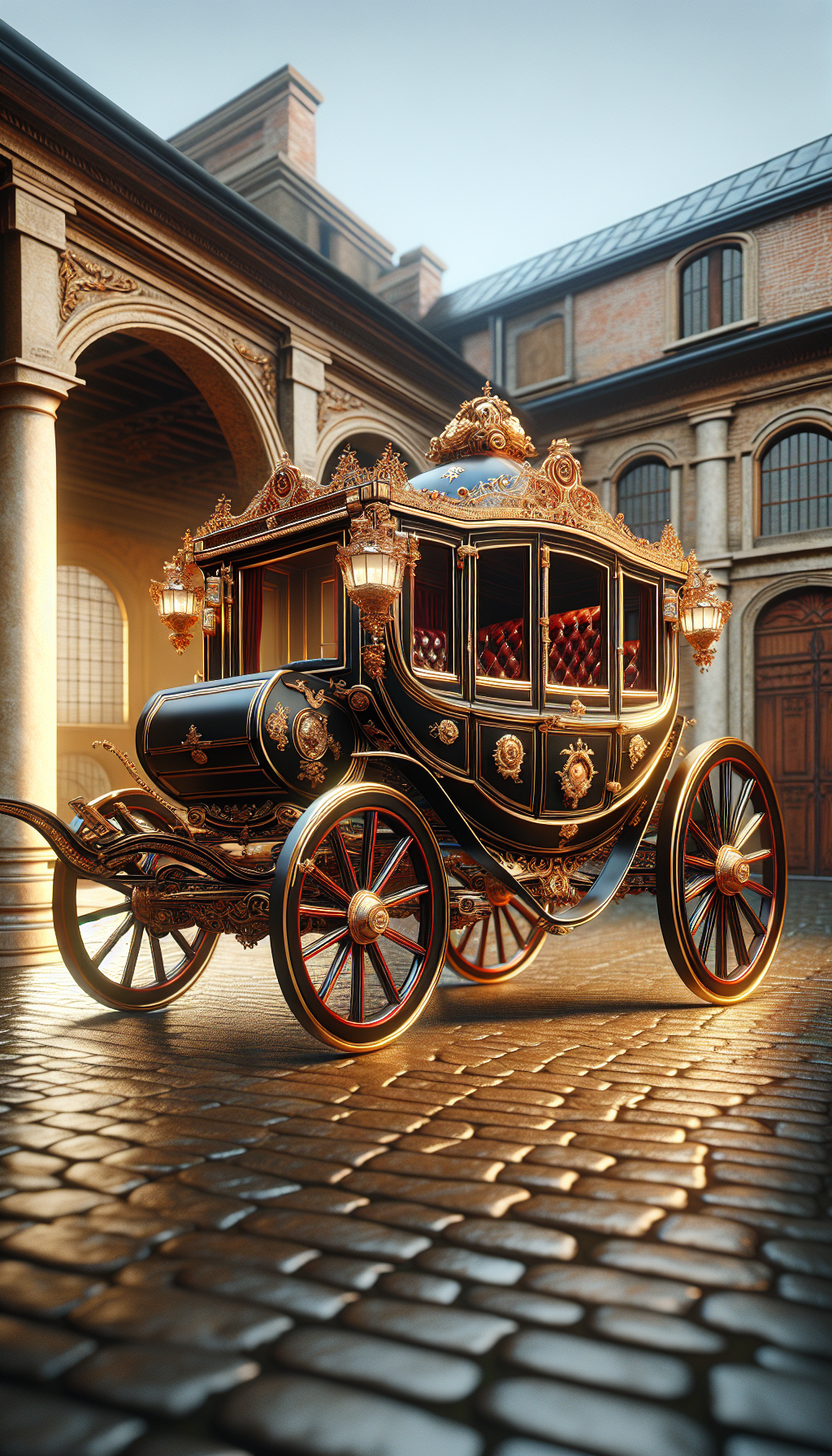
Piazziola
Piazziola · Noble Carriage — A luxury carriage used by Italian aristocracy
The Piazziola is a luxury carriage developed in 18th-century Italy for use by nobles and the upper class. It is characterized by ornate curves, decorative elements, and a plush interior finished with high-quality fabric such as velvet. Mainly utilized for formal events and social occasions within cities.

Viscazchen
Viscazchen · Noble Carriage — Luxury coach used in European aristocratic society
The Viscazchen is an opulent four-wheeled carriage prevalent among European nobility in the 18th and 19th centuries. It is renowned for its ornate exterior and comfortable interior, most often appearing at ceremonies and special occasions.
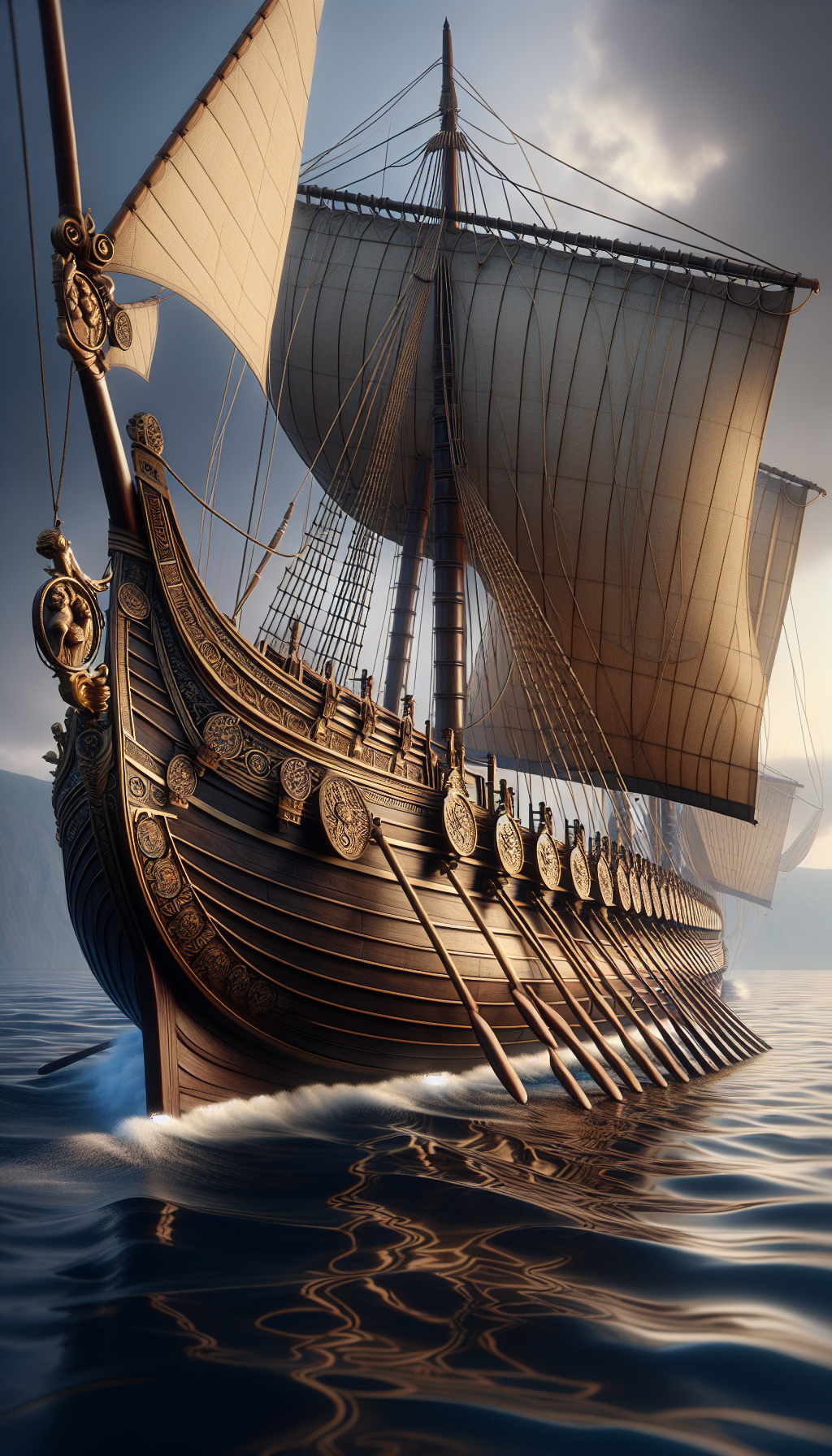
Galley
Oared Warship · Ancient and Medieval — Warship powered by oars and sails
The galley is a long, slender warship propelled by both oars and sails. Widely used by Mediterranean civilizations from antiquity through the Middle Ages, it excelled in naval combat and fast maneuvers. Rowers seated along the sides allowed for rapid acceleration and ramming tactics.

Cliché
Cliché · Carriage — Traditional horse-drawn vehicle
The cliché is a four-wheeled horse-drawn carriage widely used across Europe and Asia in the pre-industrial era. It mainly served the nobility, merchants, and travelers for long-distance transportation. Its sturdy wooden frame and metal reinforcements were hallmarks, with interiors often fitted with cushions and covers for passenger comfort.

Draisine
Draisine · Early Human-powered Vehicle — Pedal-less Precursor to the Bicycle
The draisine is the world’s first two-wheeled, human-powered vehicle, developed in early 19th-century Germany. It lacked pedals and was propelled by the rider pushing off the ground with their feet. Its simple design featured a wooden frame and wheels.
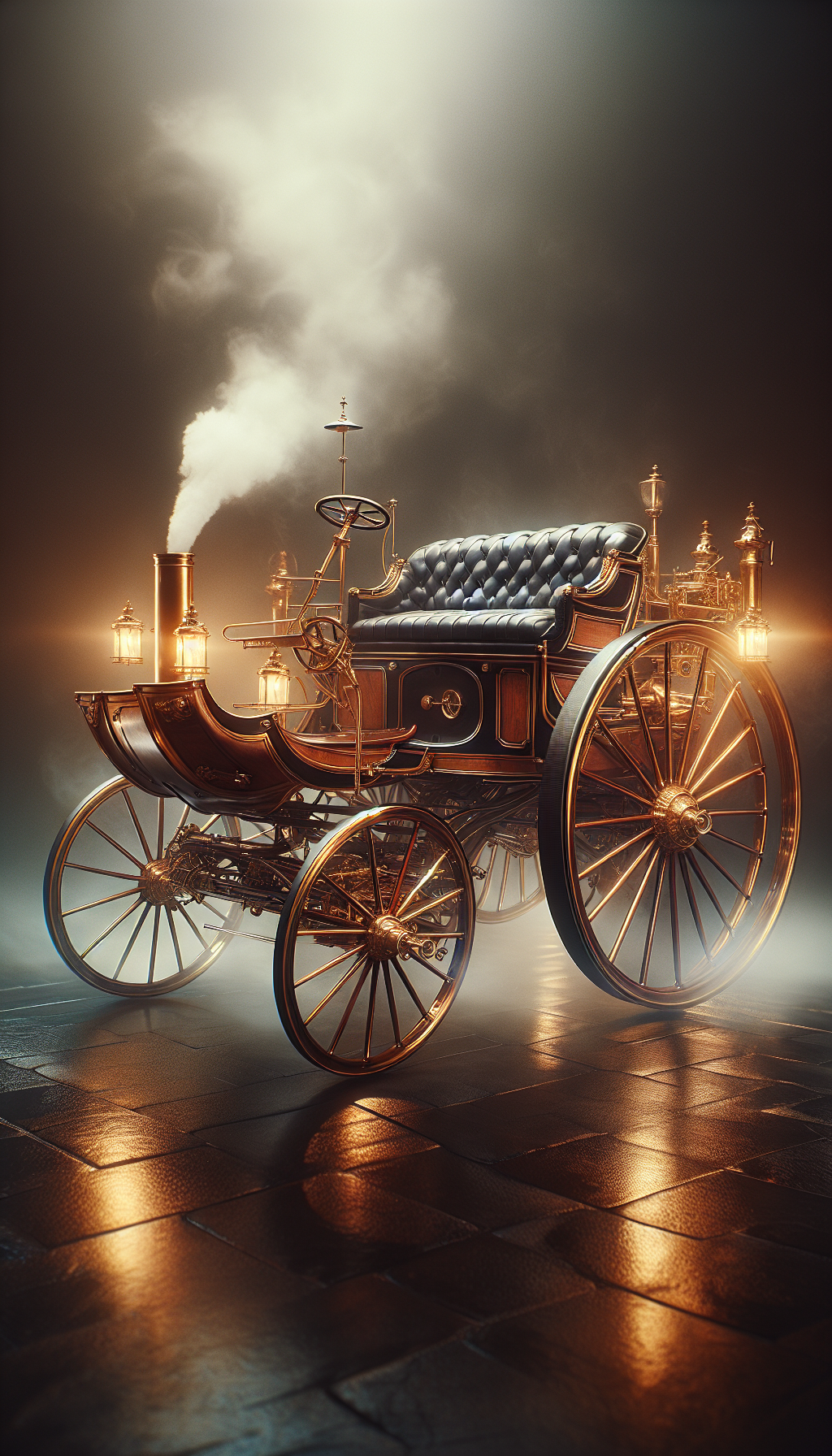
Hippomobile
Hippomobile · Carriage — Early self-propelled steam carriage
The Hippomobile was a steam-powered self-propelled carriage developed in the mid-19th century. As one of the first vehicles to move without horses, it is considered a forerunner of modern automobiles.
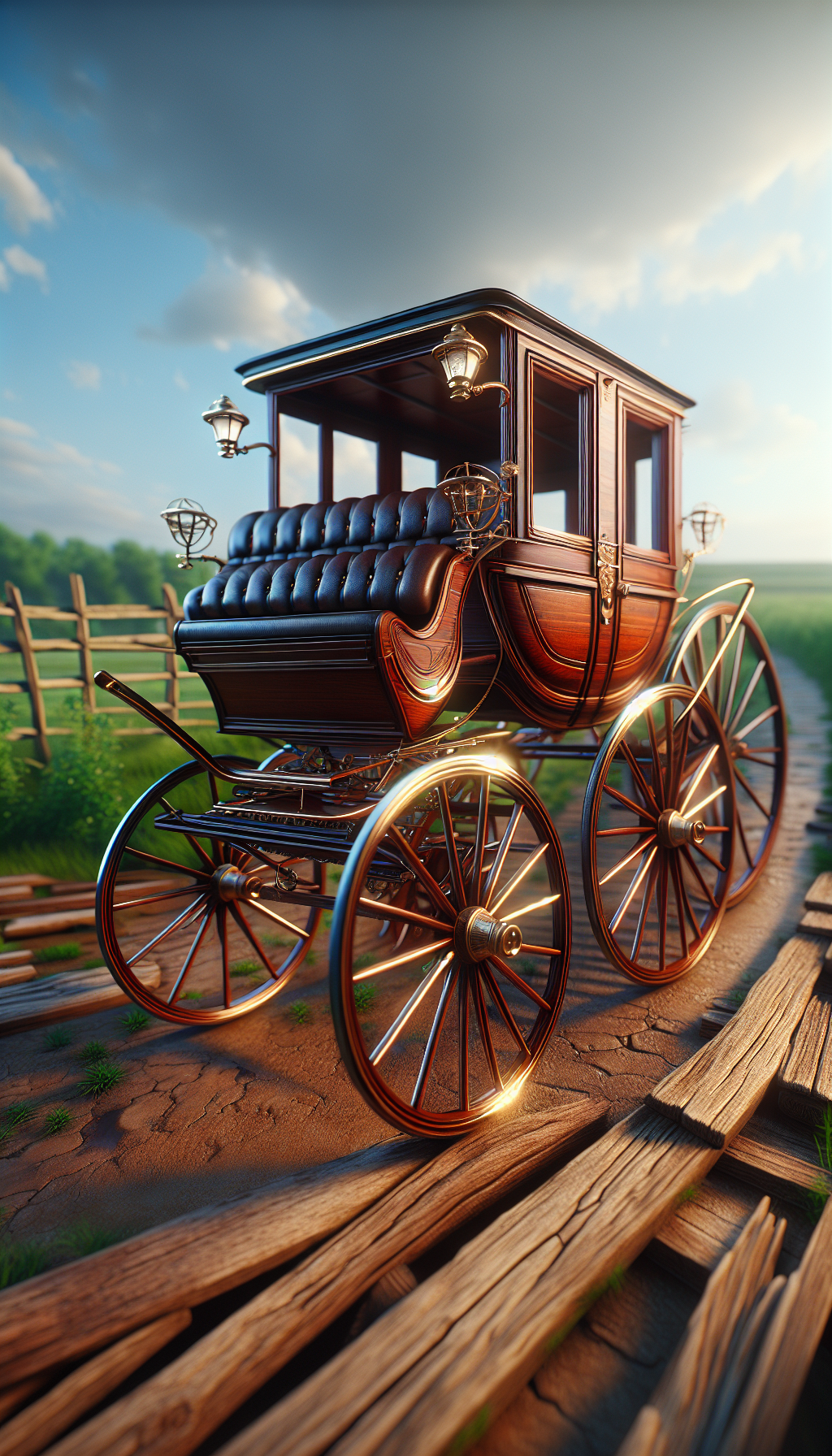
Buggy
Buggy · Light Carriage — Compact Two-Wheeled Vehicle
The buggy is a small, lightweight two-wheeled carriage that was widely used in the 19th and early 20th centuries. Typically drawn by a single horse and seating one or two people, its simple construction and affordability made it a popular everyday vehicle in both rural and urban settings.

Trireme
Trireme · Triple-Row Oared Warship — Warship of Ancient Mediterranean
The trireme was a prominent warship used by ancient Greeks and Romans. It featured three rows of oars on each side, allowing for exceptional speed and maneuverability. Triremes played a crucial role in ramming enemy ships and performing surprise attacks during naval battles.

Tournament Horse
Jousting Steed · Heavy Cavalry Mount — Specialized horse bred for medieval tournaments and battle
The tournament horse was a robust breed used by knights during medieval European tournaments and cavalry warfare. Possessing a muscular build and quick reflexes, it excelled in jousting and duels. Larger and stronger than common horses, it maintained mobility even while armored.
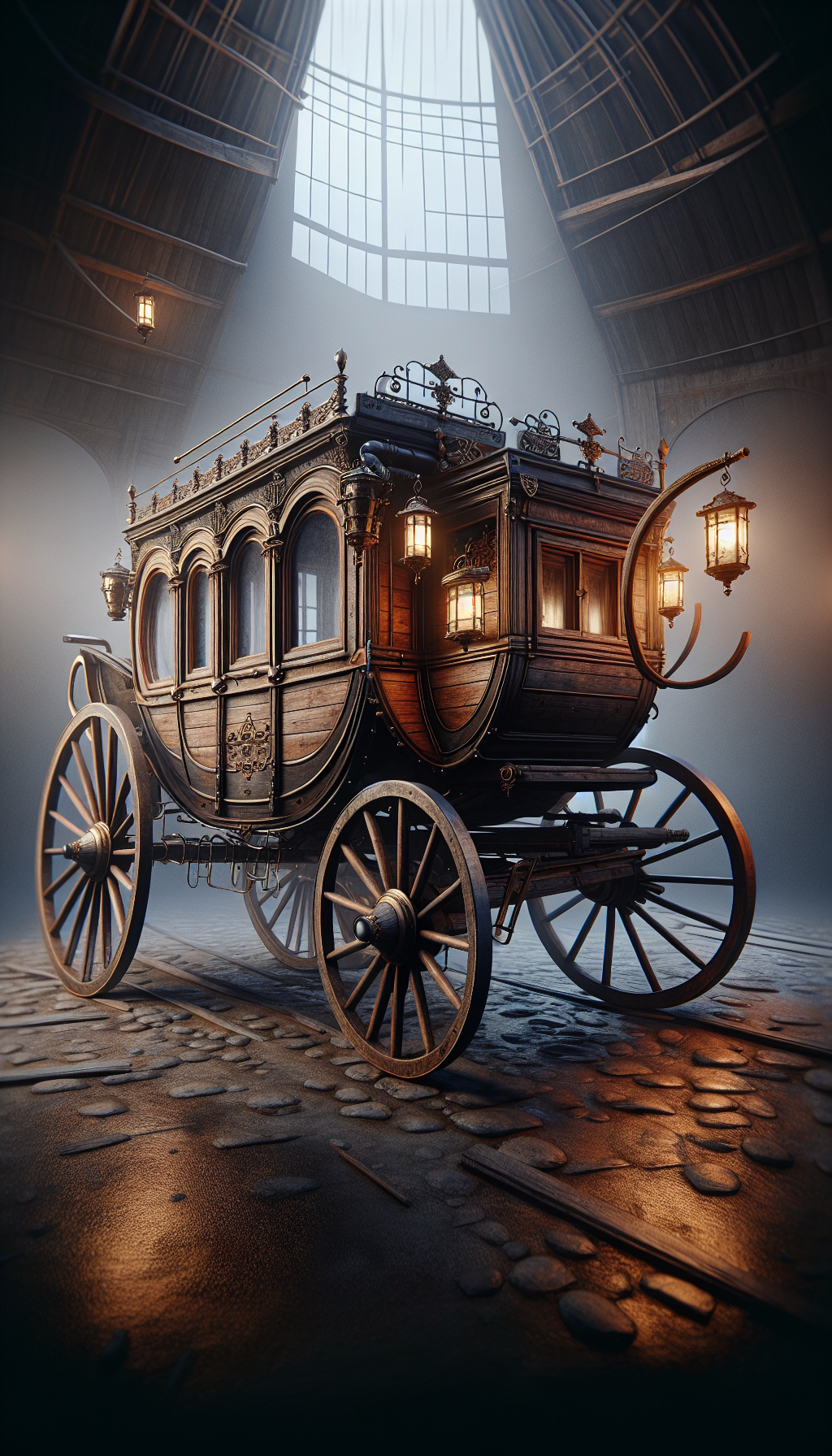
Retifa
Ancient Four-Wheeled Carriage · European Coach — Passenger and Cargo Transport Vehicle
The Retifa is an ancient four-wheeled carriage used throughout Europe for transporting passengers and goods over long distances. Built from sturdy wood with reinforced metal fittings, it offered reliable travel even on rough roads.

Sheepdog
Shepherd Dog · Herding Dog — Dog bred for guarding and driving livestock
The sheepdog is a type of dog specifically bred and trained to herd and protect livestock such as sheep. Known for their intelligence, agility, and obedience, sheepdogs have been invaluable helpers to shepherds for centuries.
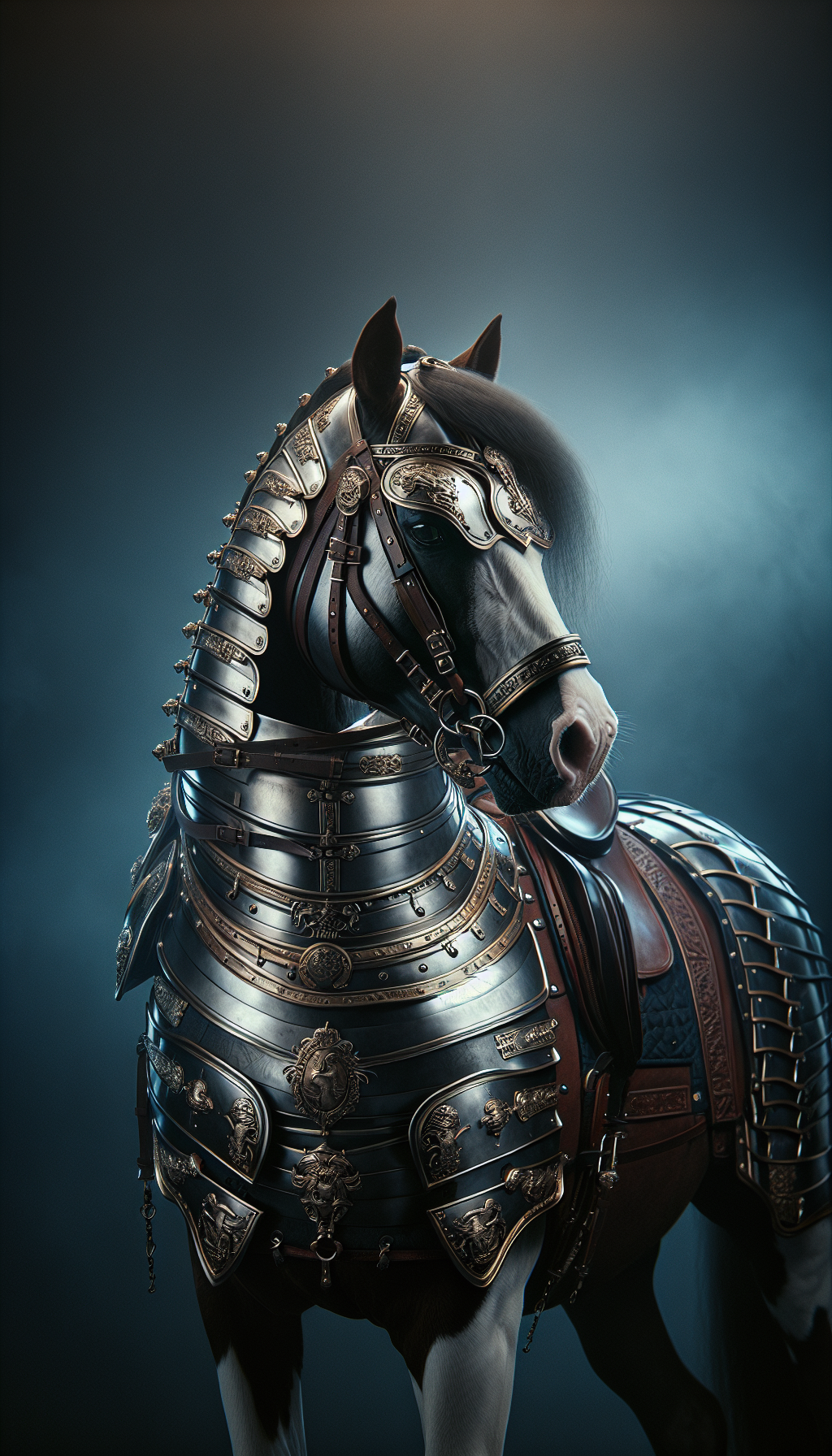
Barding Horse
Armored Warhorse · Destrier — Mount protected by armor for battle
A barding horse is a warhorse equipped with armor to protect it during combat. Heavily armored cavalry and knights primarily utilized these horses in medieval warfare. The armor, made from metal or hardened leather, shielded the horse's head, neck, and body.
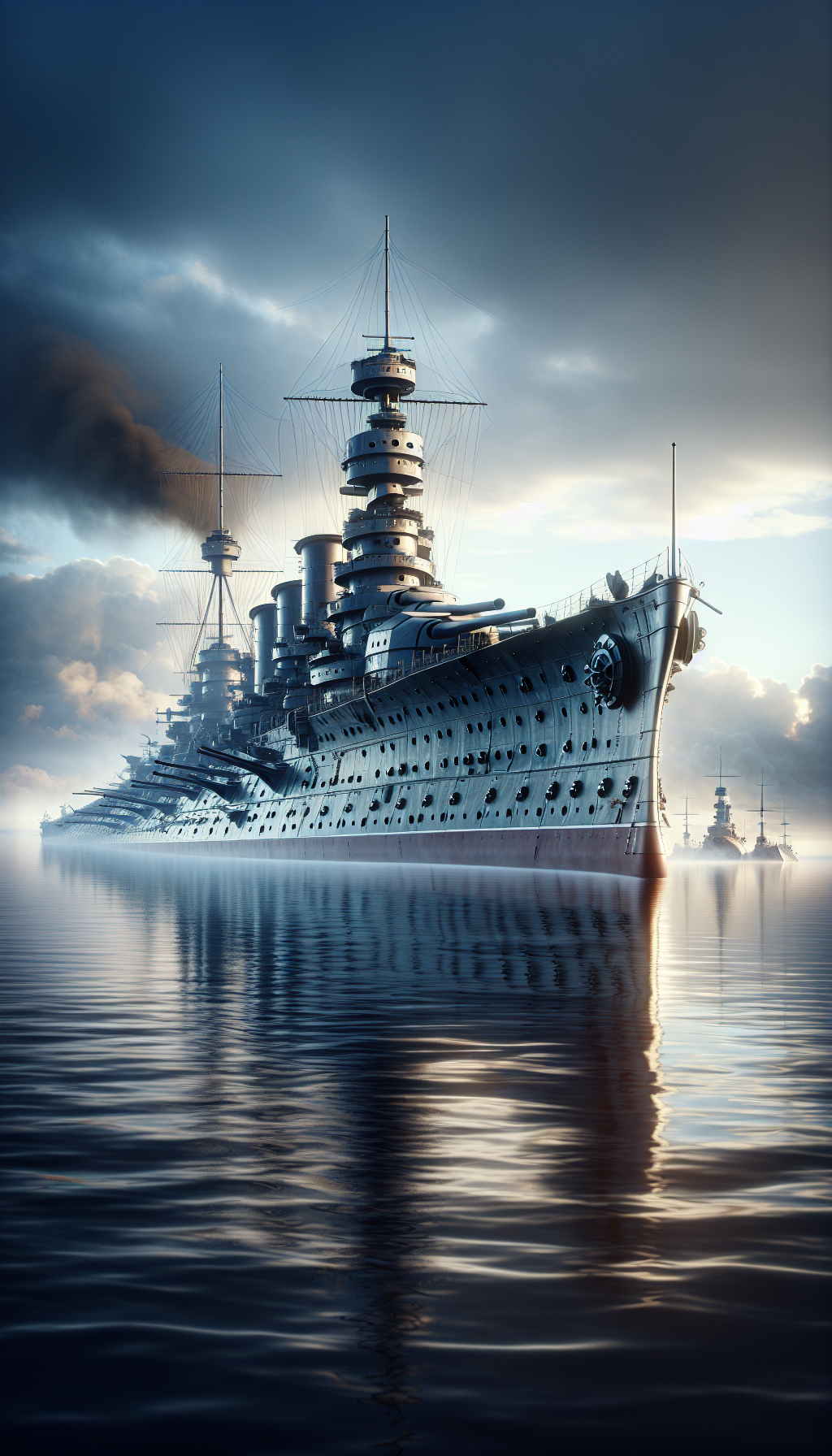
Bismarck
Bismarck · German Battleship — Iconic World War II German warship
The Bismarck was a large battleship built by Nazi Germany during World War II. Renowned for its powerful armament and armor, it is most famous for the sinking of HMS Hood.
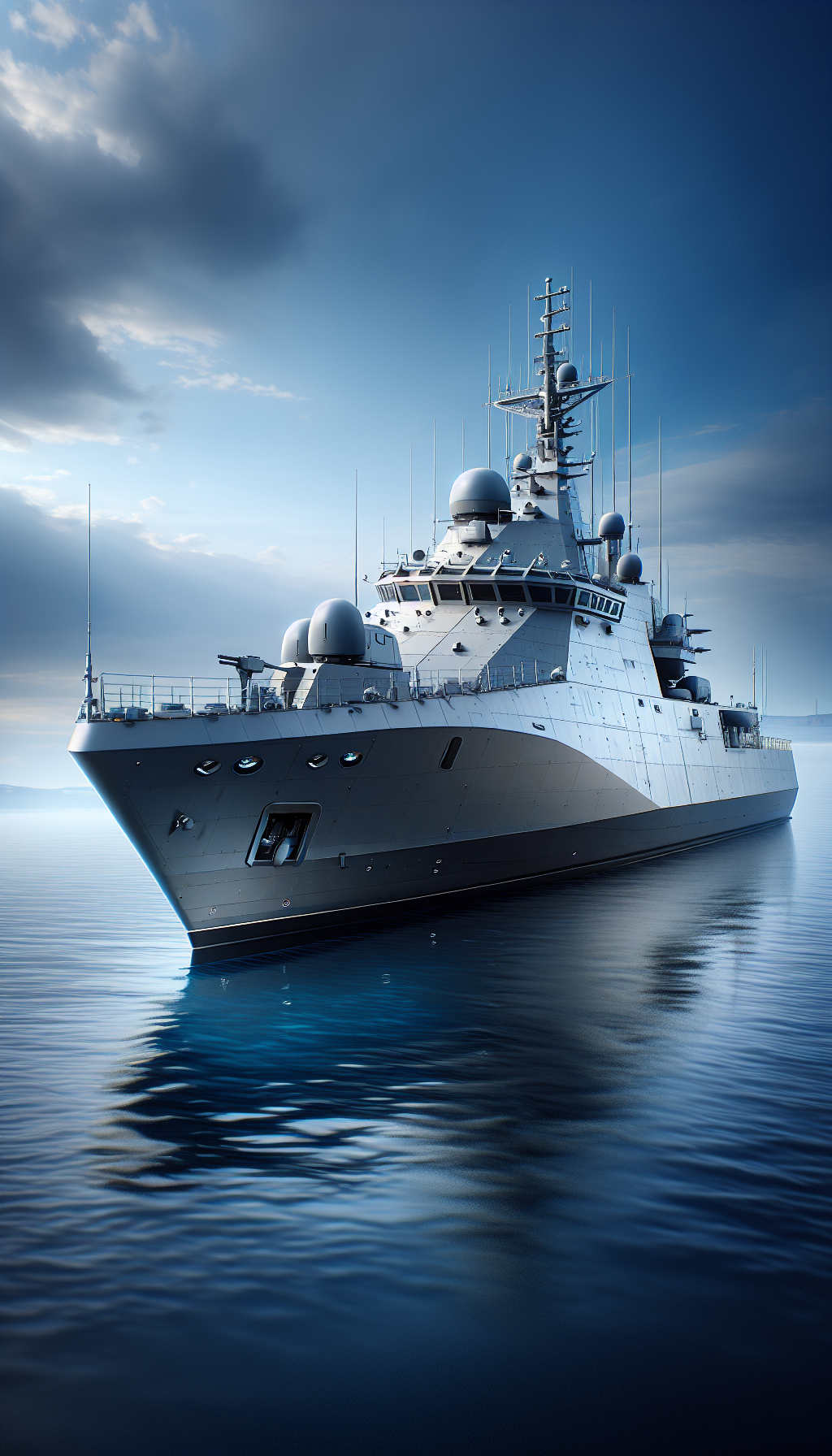
Corvette
Small Warship · Nimble Escort — Fast and agile naval vessel
A corvette is a small, maneuverable warship primarily used for escort, patrol, and reconnaissance missions. First appearing in 17th-century Europe, corvettes became a staple of modern navies. While less heavily armed than larger ships, their speed and versatility make them ideal for a range of duties.
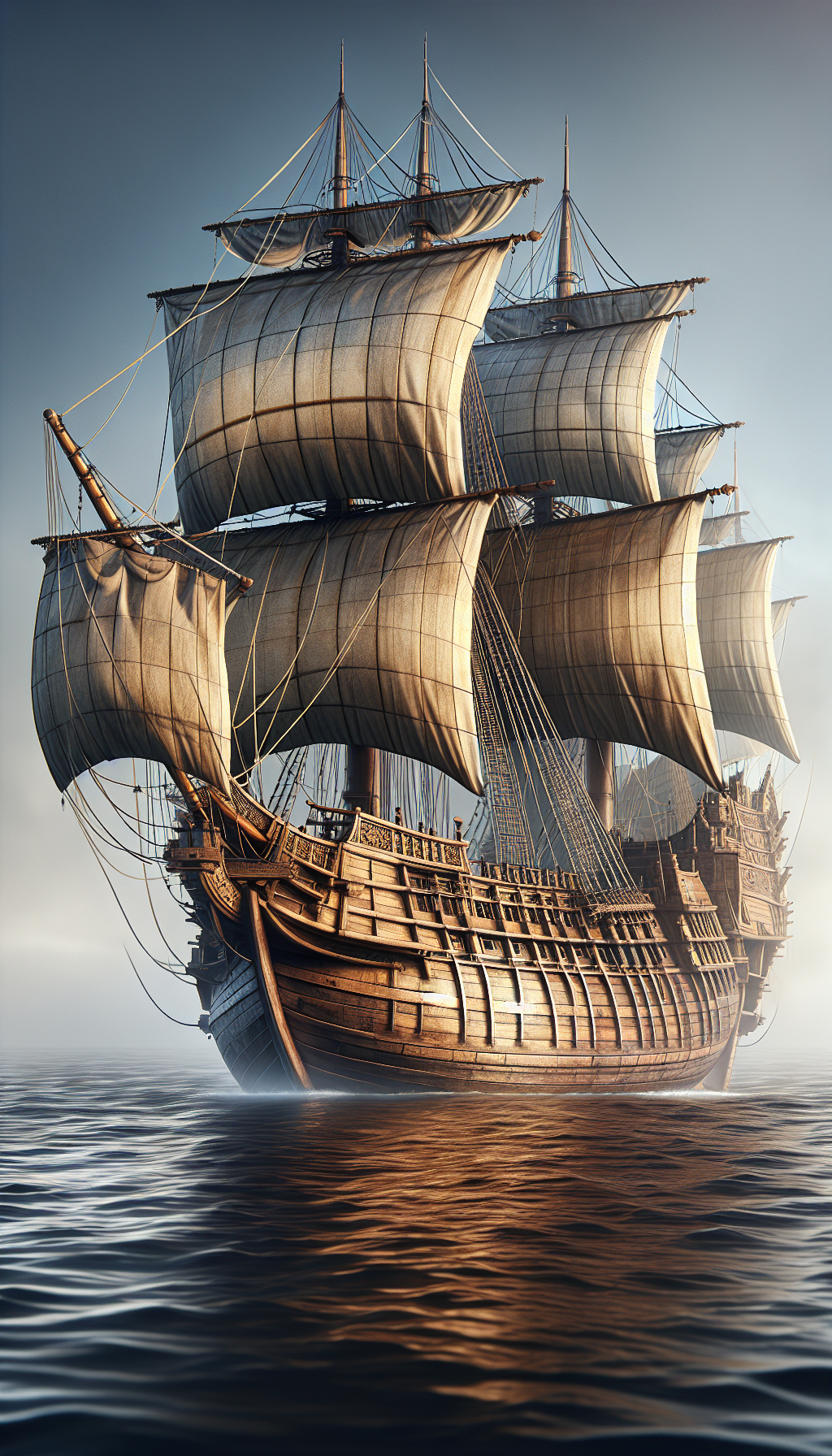
Medieval Sailing Ship
Medieval Vessel · Wind-powered Transport — Ocean-going wooden ship
The medieval sailing ship refers to wooden vessels used from the 9th to 15th centuries in Europe and Asia. Utilizing sails and masts to harness wind power, these ships played vital roles in maritime trade, exploration, and warfare. They came in various sizes and designs, laying the foundation for the Age of Exploration.
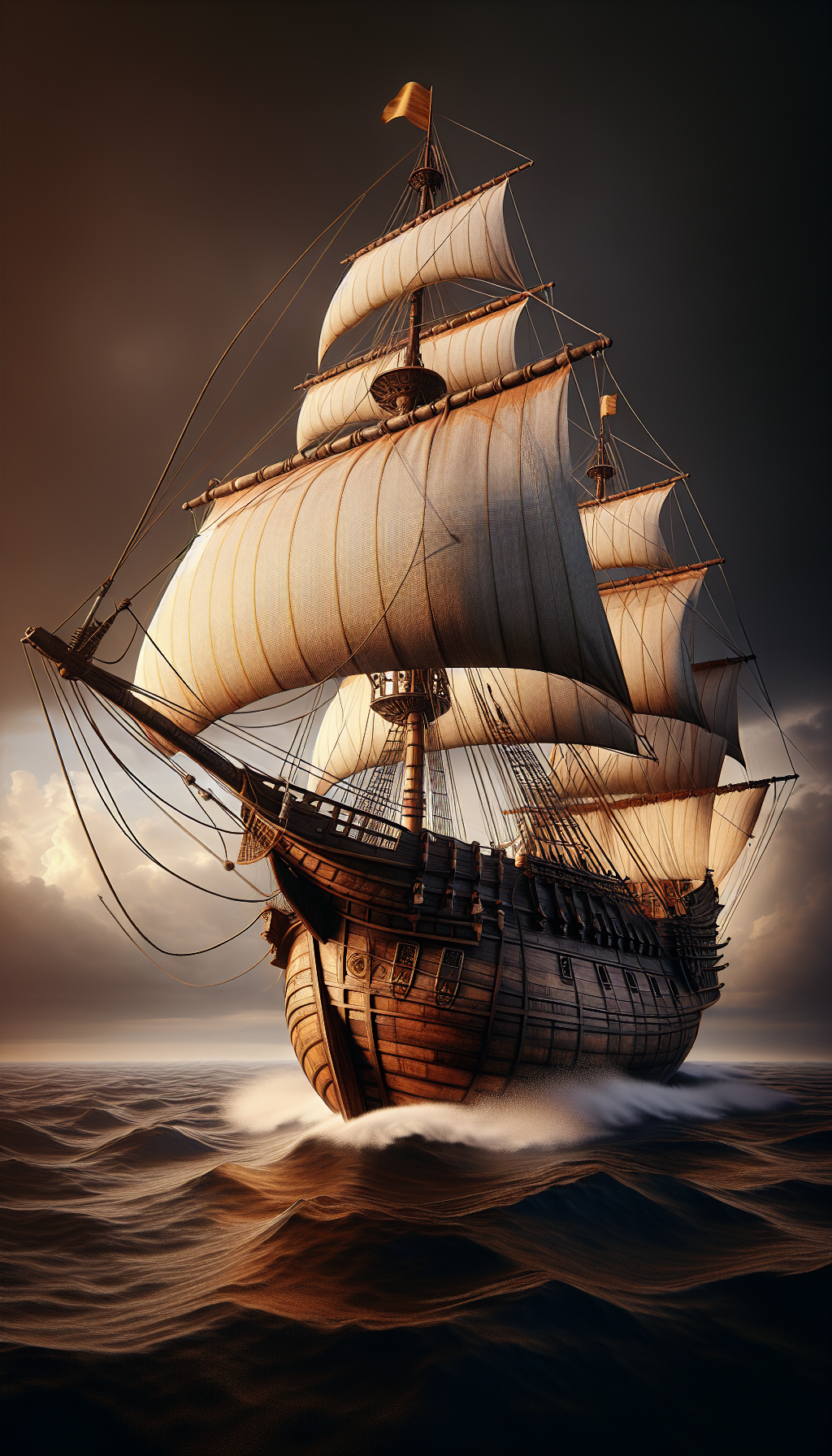
Caravel
Caravel · Small Sailing Ship — Iconic Exploration Vessel of the Age of Discovery
The caravel was a small, highly maneuverable sailing ship developed in 15th-century Portugal and Spain. Known for its speed, it became the preferred vessel for exploration and charting new routes. Its combination of lateen and square sails allowed for versatile sailing.
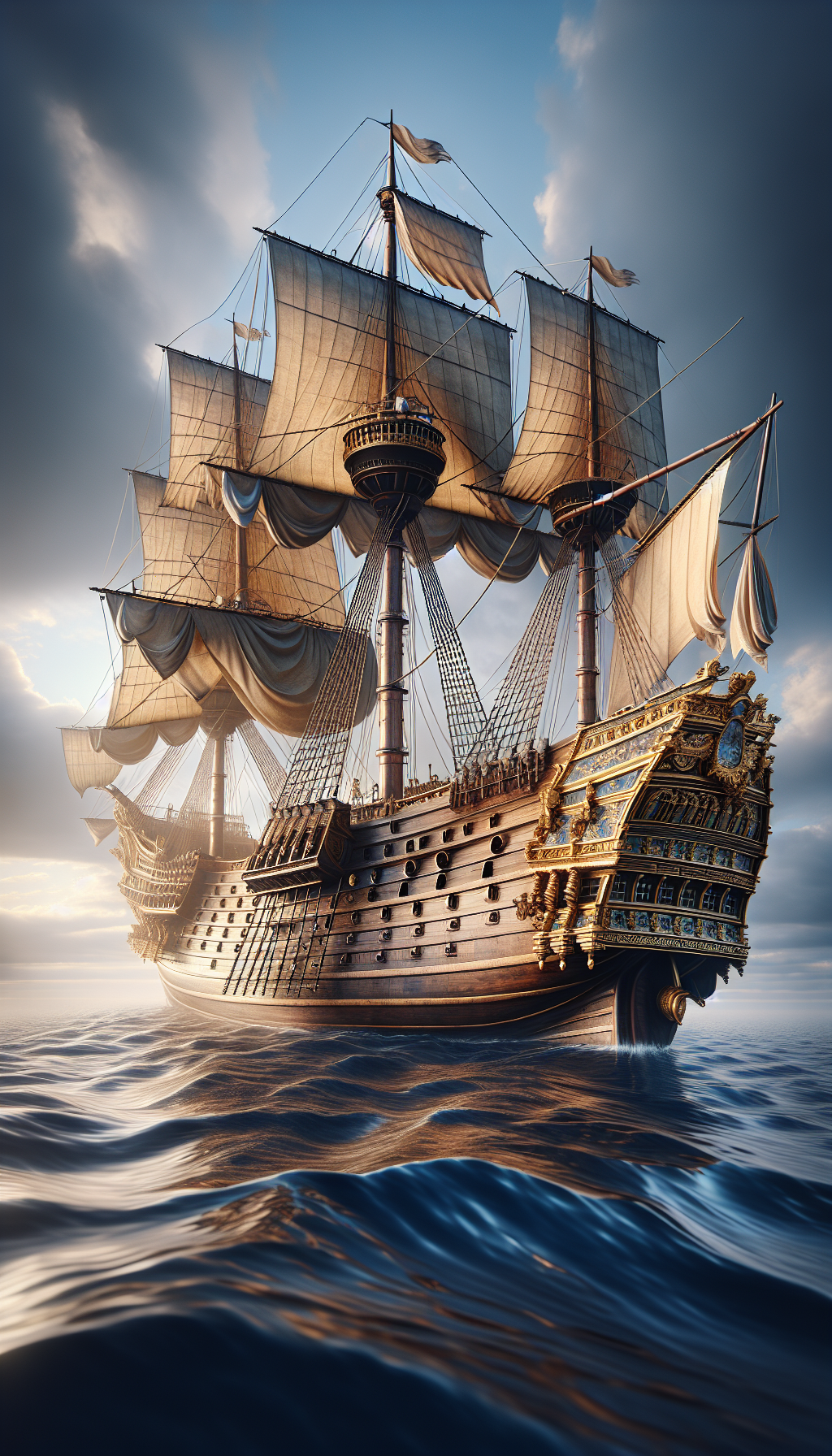
Galleon
Galleon · Sailing Ship — Iconic ship of the Age of Discovery
The galleon was a large sailing ship used from the 16th to the 18th centuries. Prominently employed by Spain and other European powers, it served in oceanic trade, exploration, and naval warfare. Characterized by its high hull and multiple gun decks, it was engineered for both long voyages and combat.