Ancient
25 items tagged with "Ancient"
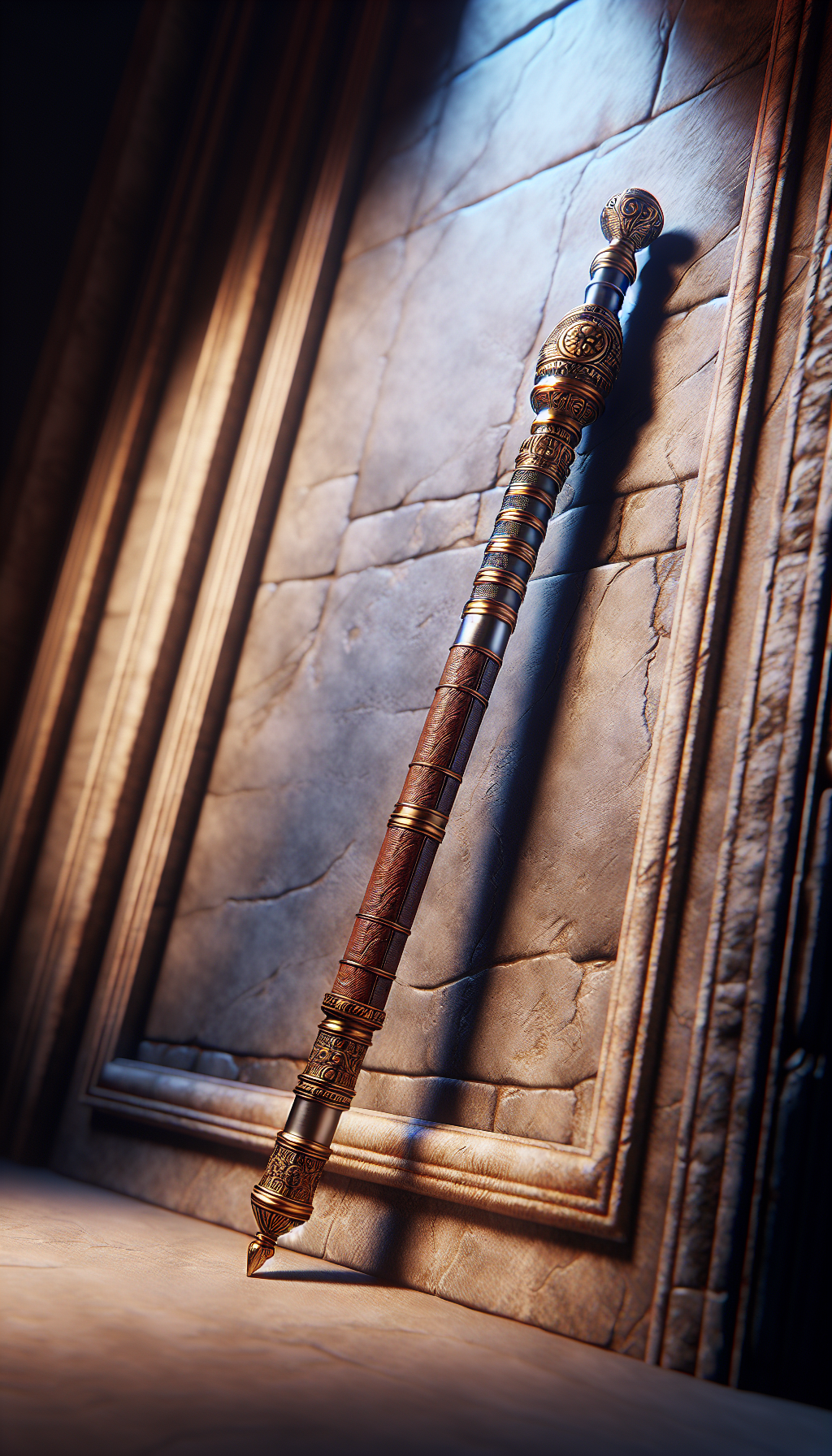
Spatha
Spatha · Roman Longsword — Long sword used by Roman cavalry and infantry
The spatha is a straight, long sword used primarily by cavalry and later by infantry in the Roman Empire. It is significantly longer than the gladius and effective for both cutting and thrusting. From the 2nd century CE, it gradually became the standard weapon for late Roman soldiers.
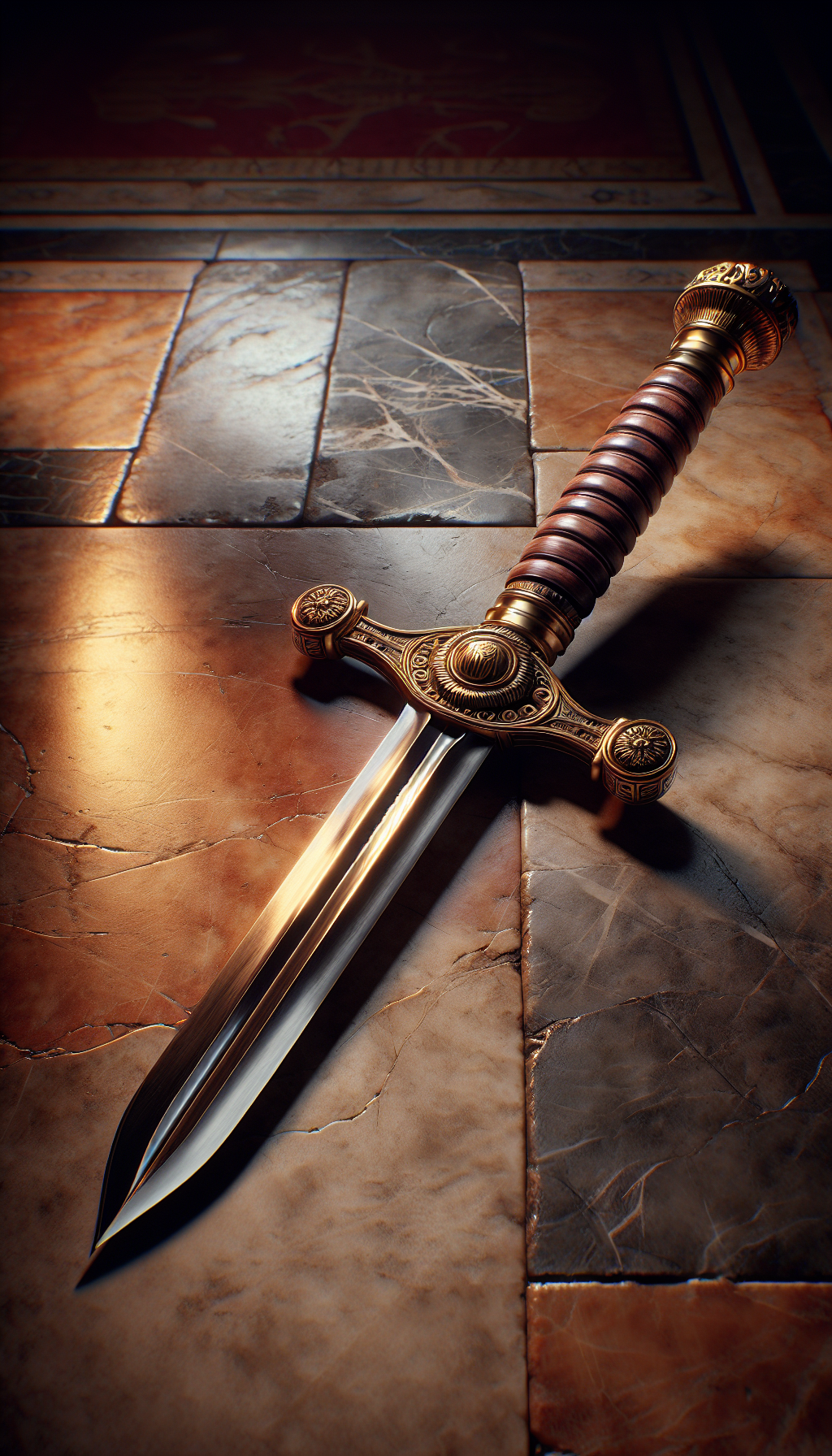
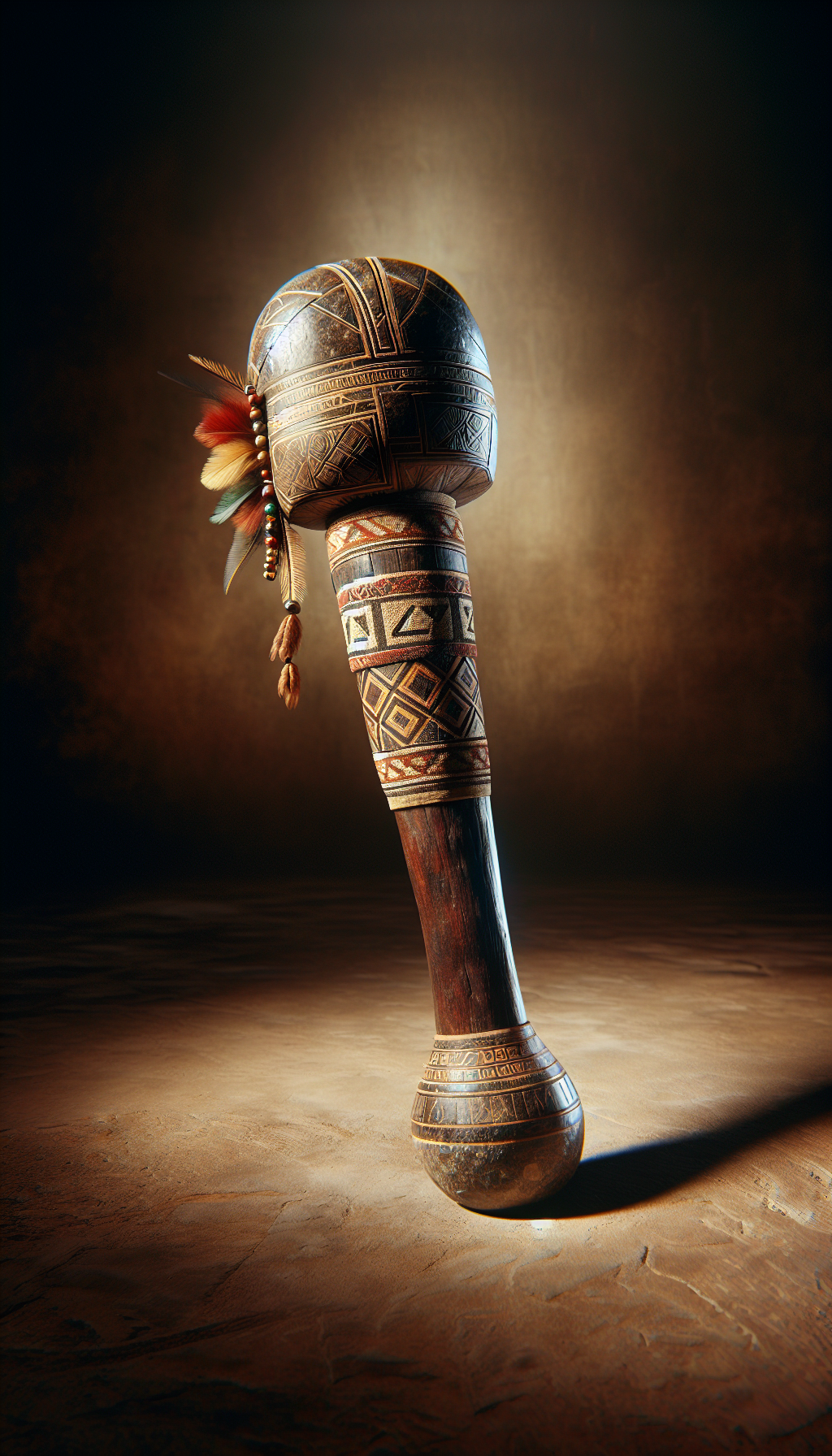
Wari Club
Wari Club · Ancient Andean Club — Weapon of the South American Wari Civilization
The Wari club is a type of mace used by the ancient Wari civilization of Peru. Made of sturdy wood or stone, it served as a close-combat weapon wielded by warriors. It played a prominent role in hand-to-hand battles.

Composite Bow
Composite Bow · Multi-material Power — A powerful bow crafted from various materials
The composite bow is made by combining wood, horn, sinew, and sometimes other materials. Renowned for its superior elasticity and long range, it was particularly favored by mounted archers. Its moderate size and weight made it highly portable.
Bow
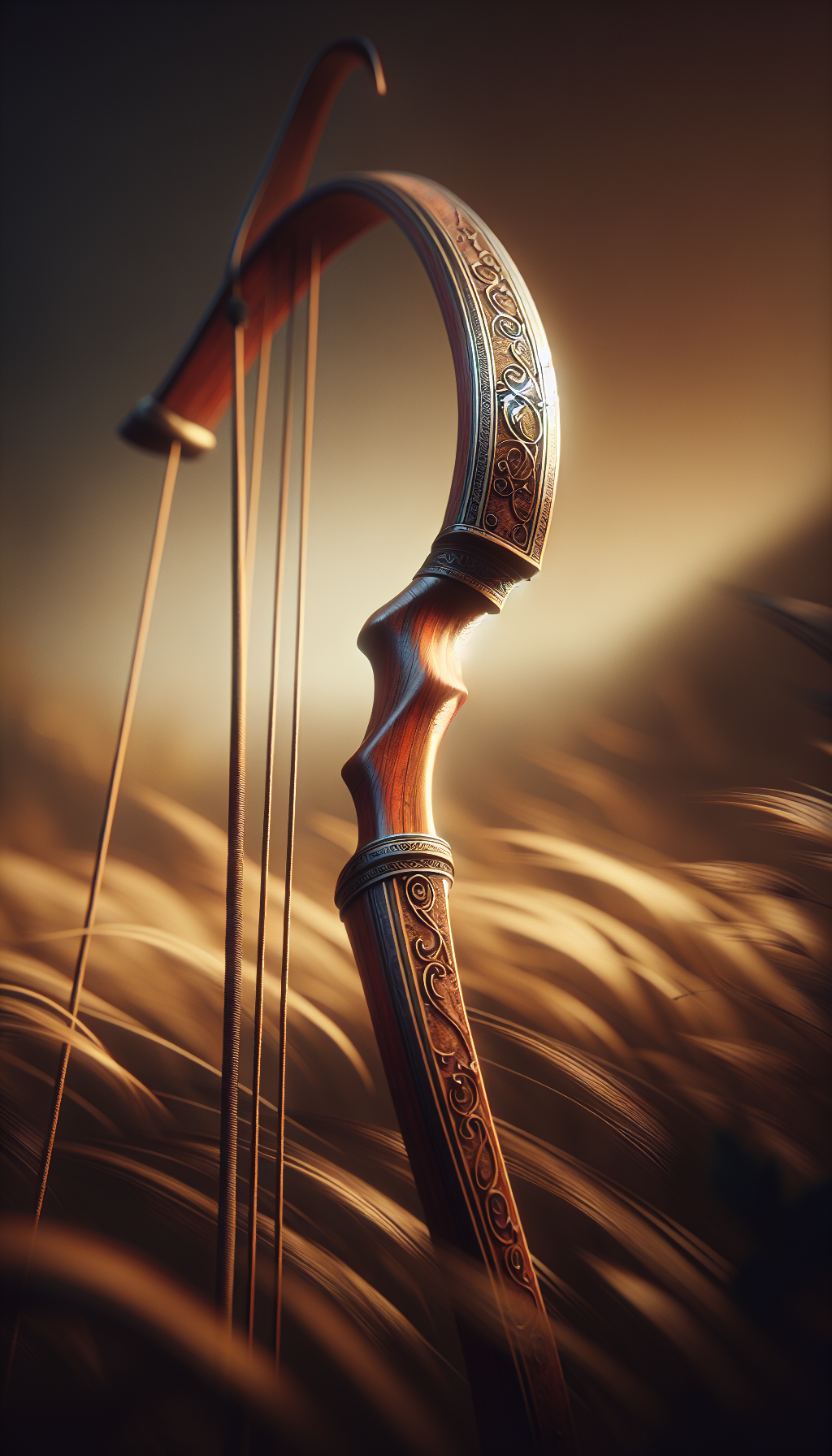
Bow · Long-range weapon — Widely used projectile weapon
A bow is a ranged weapon consisting of a flexible curved stave and a string, used to launch arrows. It has been employed for hunting and warfare since ancient times. Bows are made in various sizes and materials, traditionally wood and animal sinew.
Tuchang (Thrown Spear)
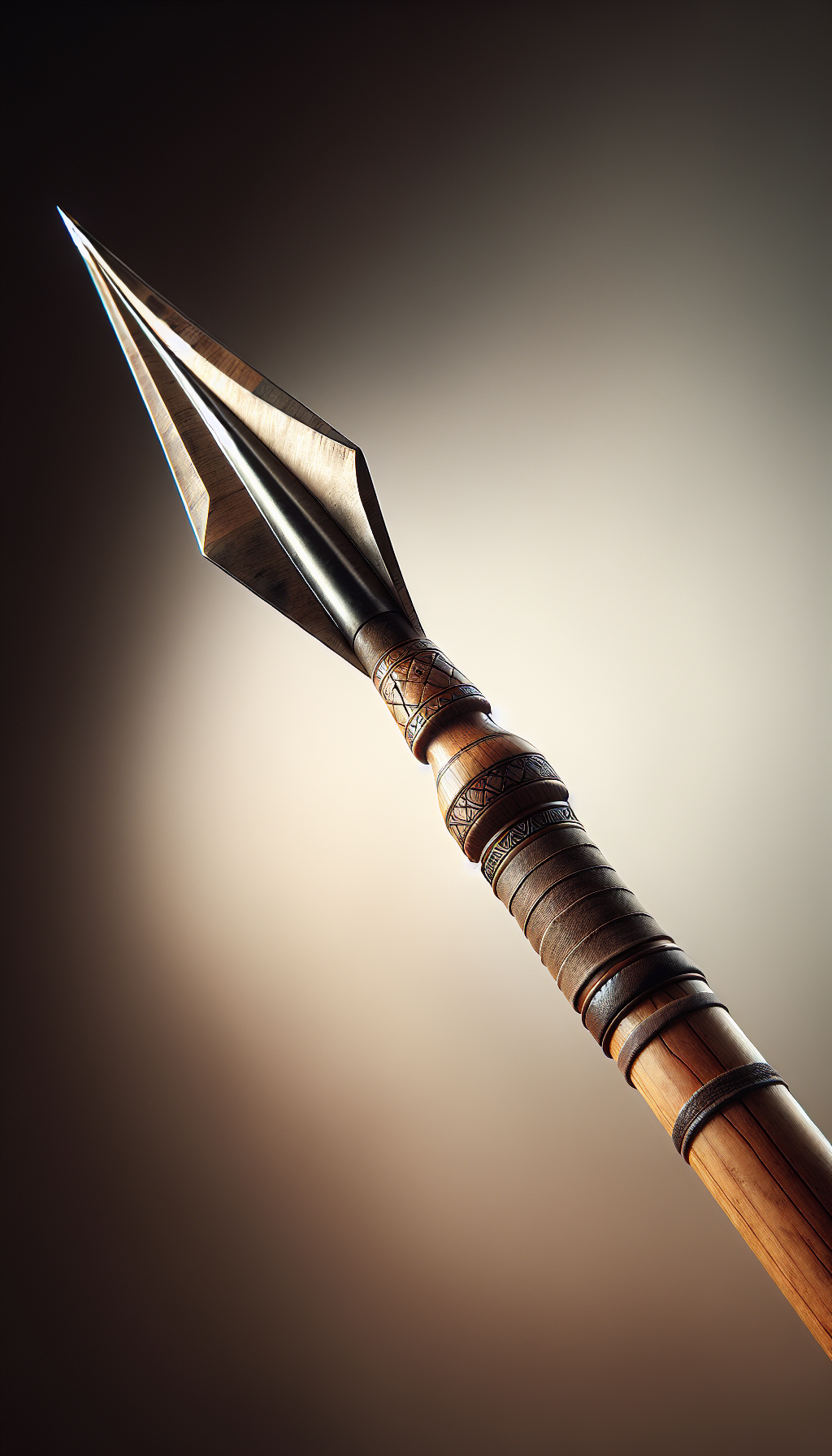
Thrown Spear · Versatile missile weapon — Effective for ranged and close combat
The tuchang is a type of spear designed for throwing at distant targets. Used in both warfare and hunting, it features a lightweight shaft and balanced point for easy throwing. Widely employed from ancient to medieval times.
Chimera
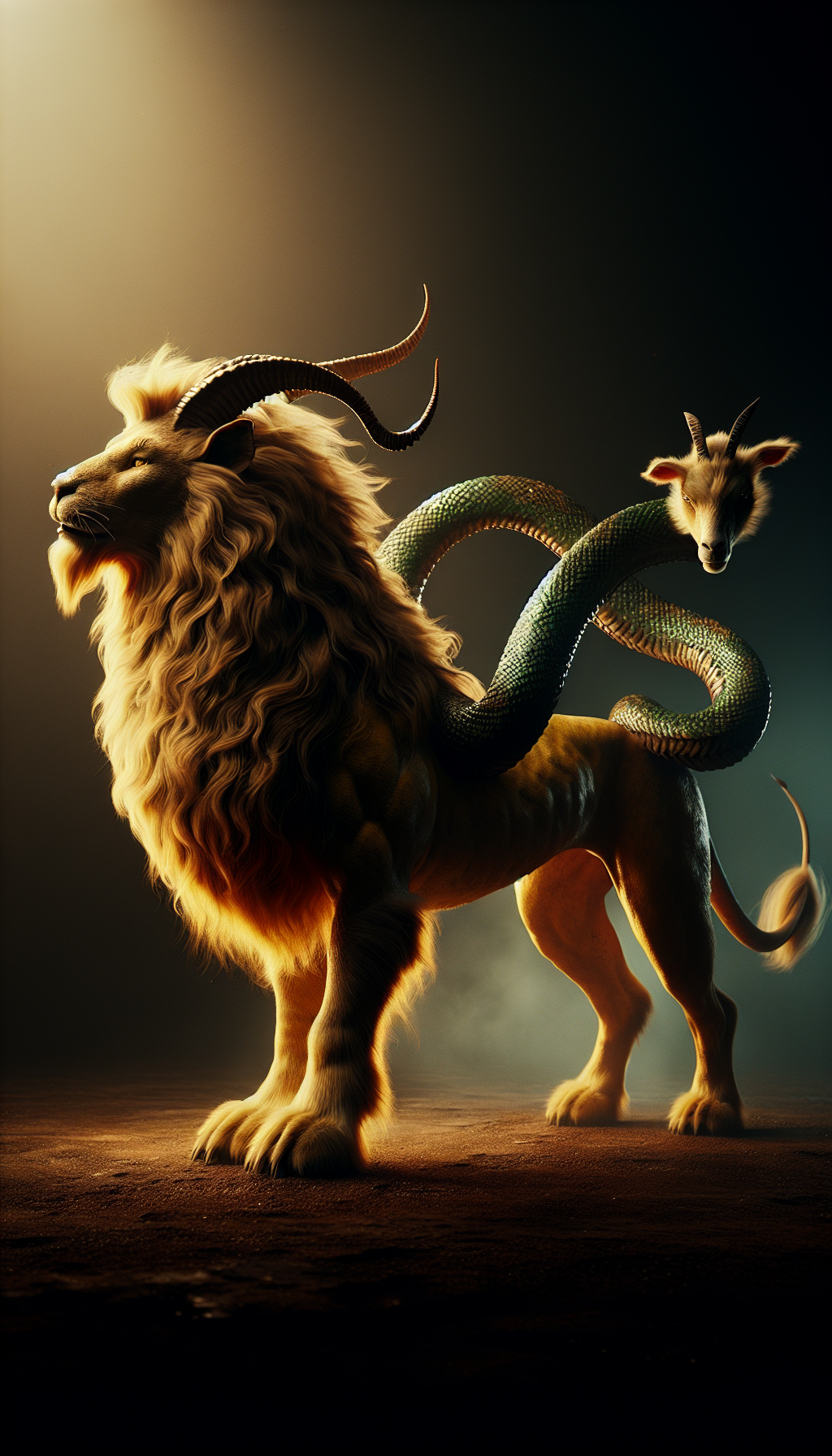
Chimera · Monstrous hybrid — Mythical creature with combined animal traits
The Chimera is a legendary beast formed from parts of different animals. In Greek mythology, it is depicted with the body and head of a lion, a goat's back, and a serpent's tail. It is famed for breathing fire.
Longhorn Bison
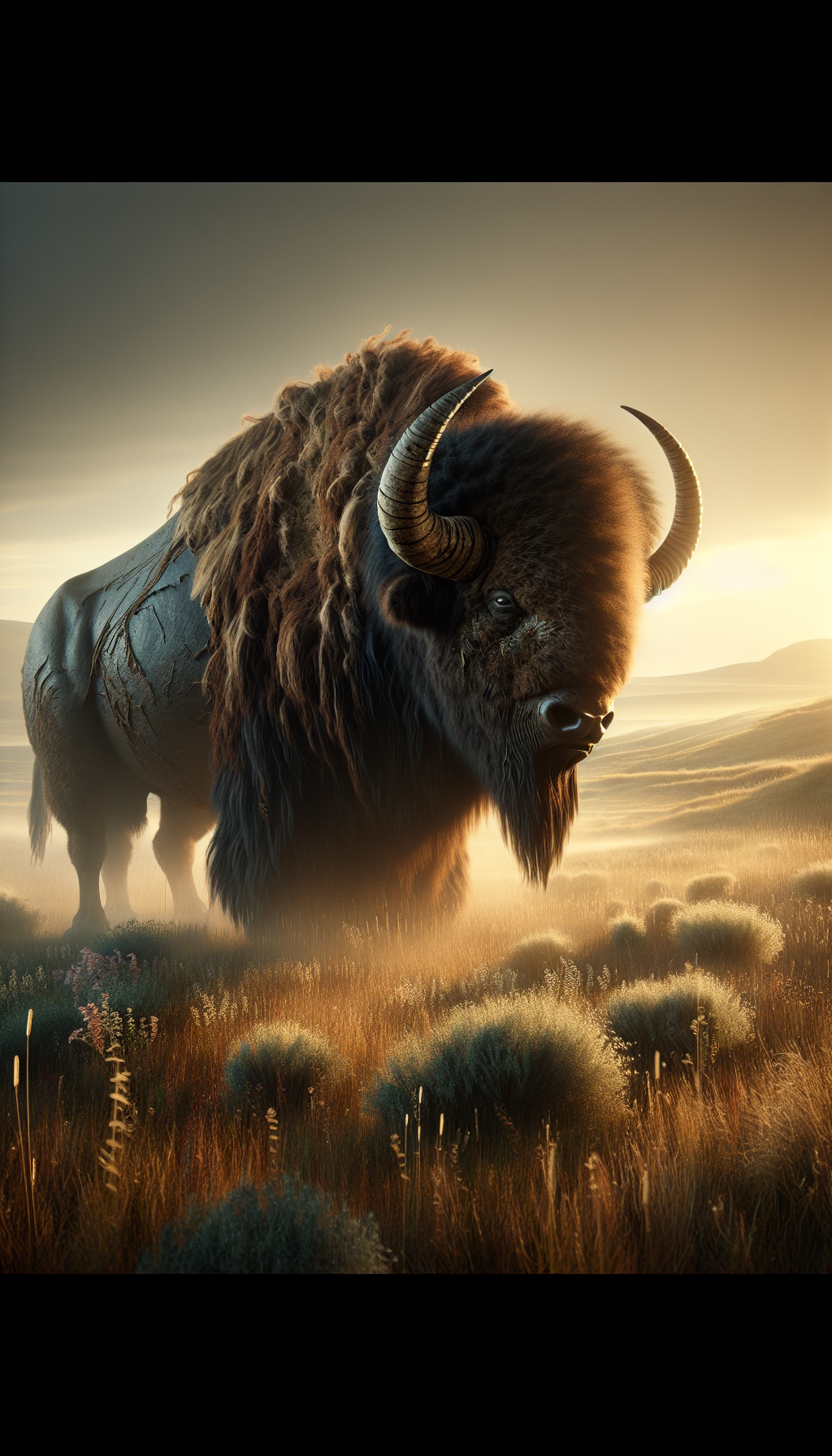
Longhorn Bison · Ancient plains giant — Massive grazer with elongated horns
The Longhorn Bison is inspired by the real prehistoric giant, the long-horned bison (Praebison antiquus). It was known for its imposing size and exceptionally long horns, roaming the grasslands of Eurasia and North America. Its tough hide and herding behavior made it both a challenge and a prize for early human hunters.
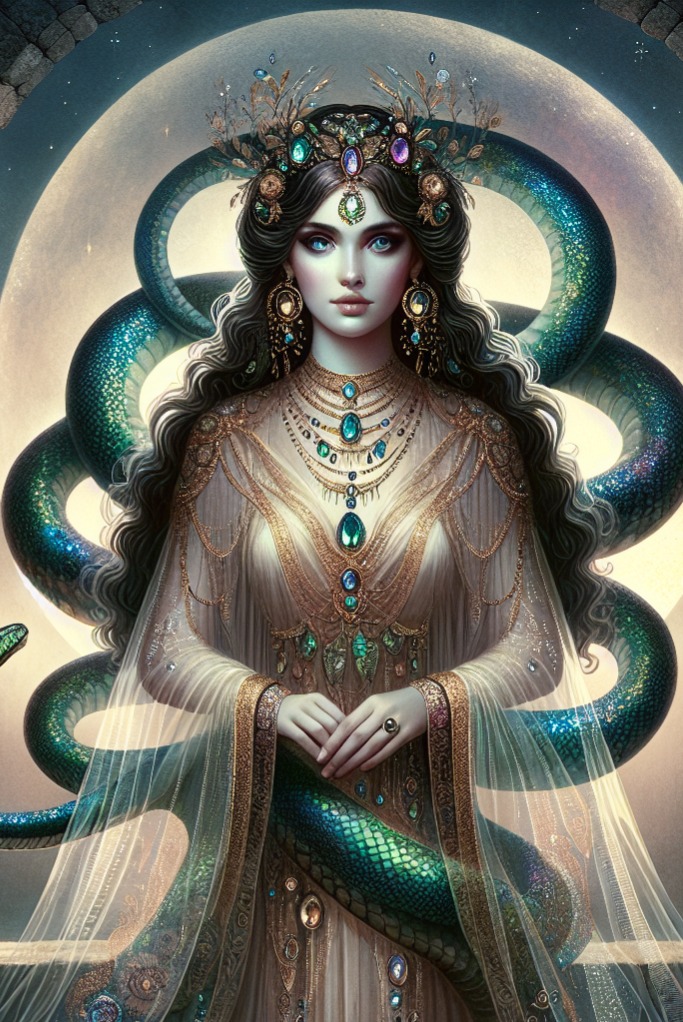
Lamia
Serpent-bodied Enchantress · Seductress and Devourer in Greek Mythology
Lamia is a creature from Greek mythology with the upper body of a woman and the lower body of a serpent. She embodies both alluring beauty and cruel ferocity, feared for her predatory nature. Often, she is depicted as a child-devouring monster.

Dragonfly
Dragonfly · Agile Insect — Swift and skillful flyer
The dragonfly is a common insect found throughout East Asia, characterized by its elongated body and two pairs of transparent wings. It is known for its agile flight and is typically seen near wetlands, ponds, and rice paddies.
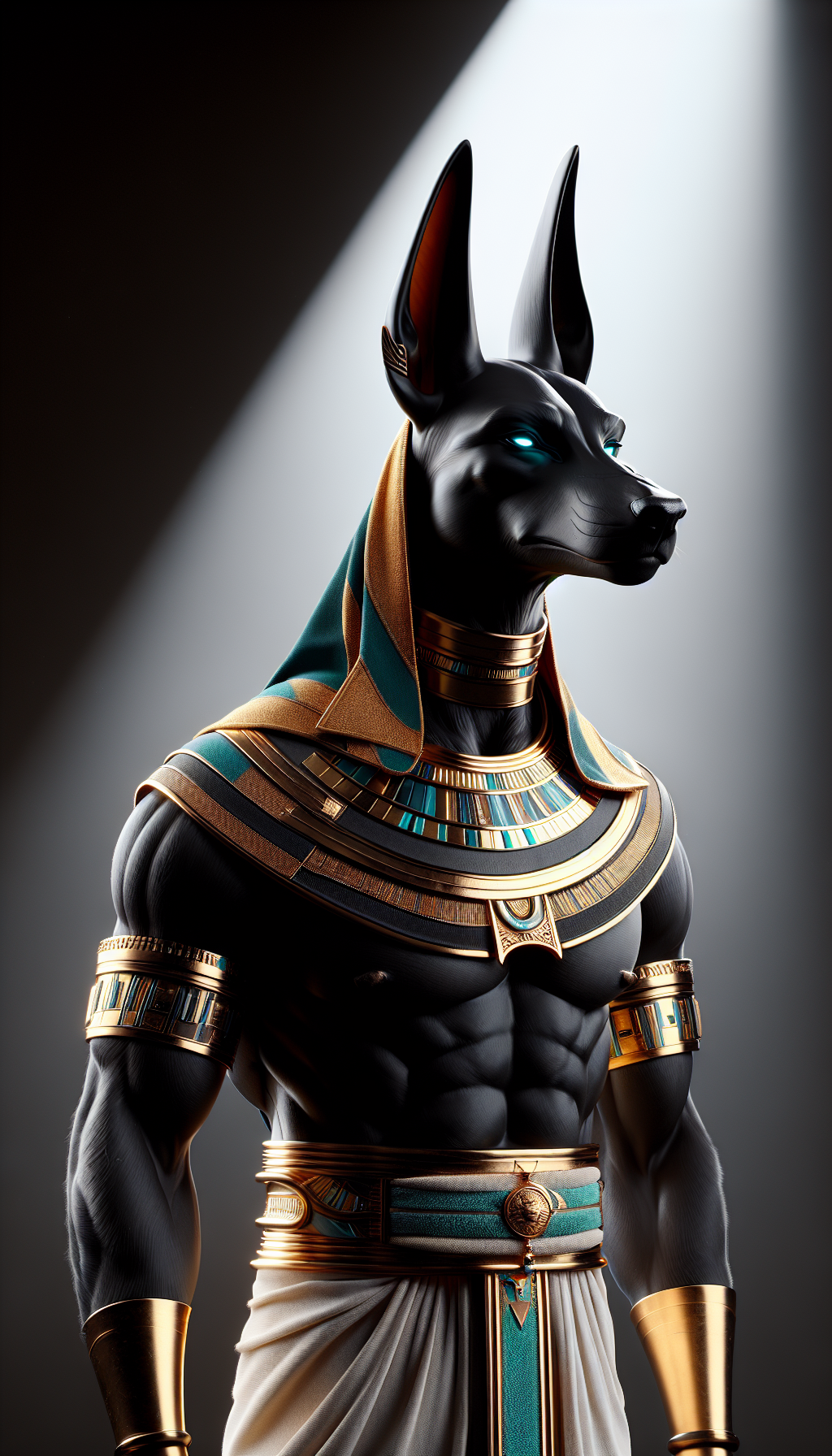
Anubis
Anubis · Egyptian God — Guardian of Death and Mummification
Anubis is known in ancient Egyptian mythology as the deity guiding souls of the dead and presiding over the mummification process. He is typically depicted with the head of a black jackal and the body of a man. Anubis symbolizes death, resurrection, and the order of the afterlife for ancient Egyptians.
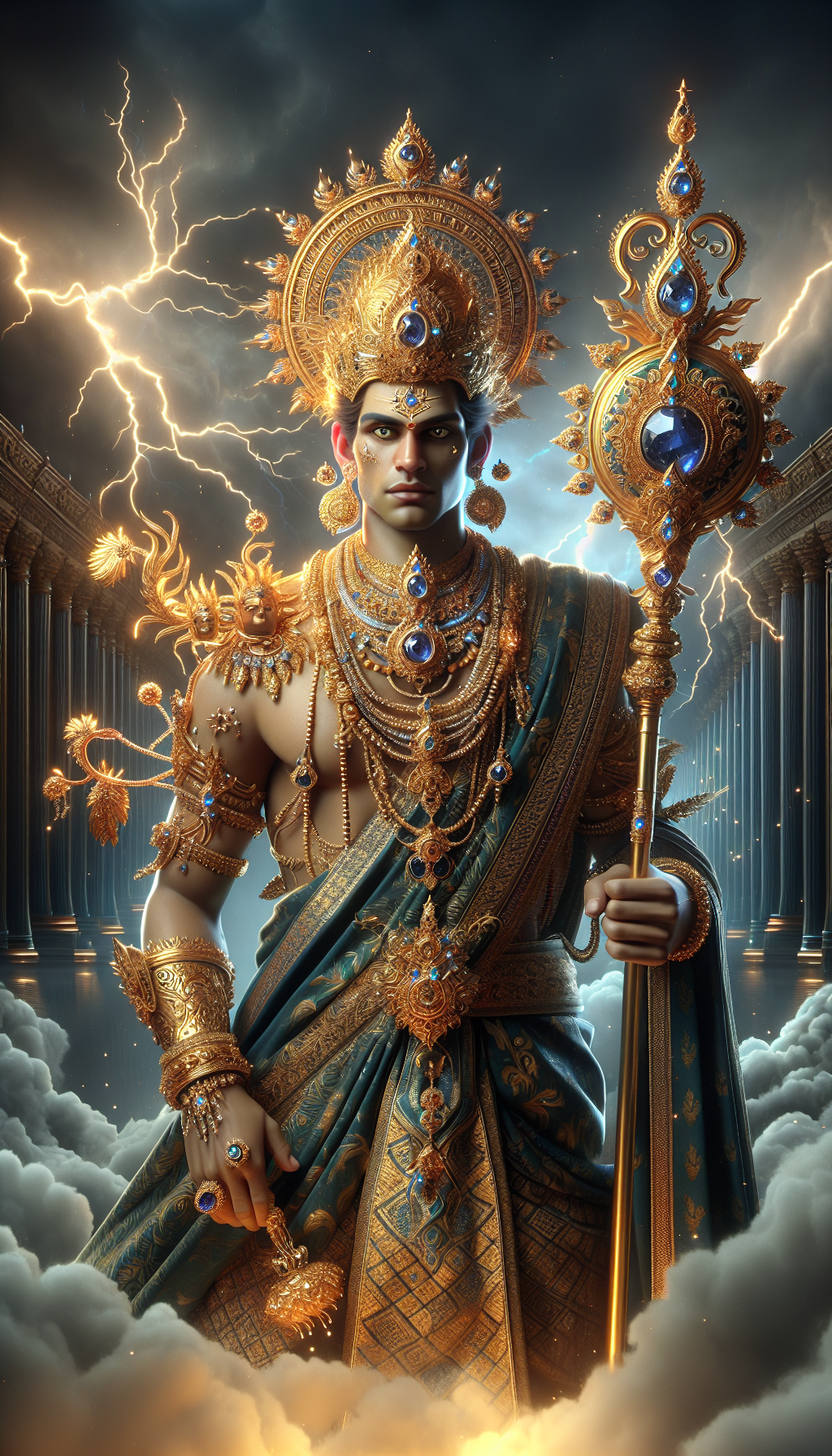
Indra
Indra · God of Thunder — Supreme Deity of Hindu Mythology
Indra is the god of thunder, rain, and war in Hindu mythology. As the king of the gods during the Vedic era, he held a prominent position. His weapon is the vajra, symbolizing lightning.
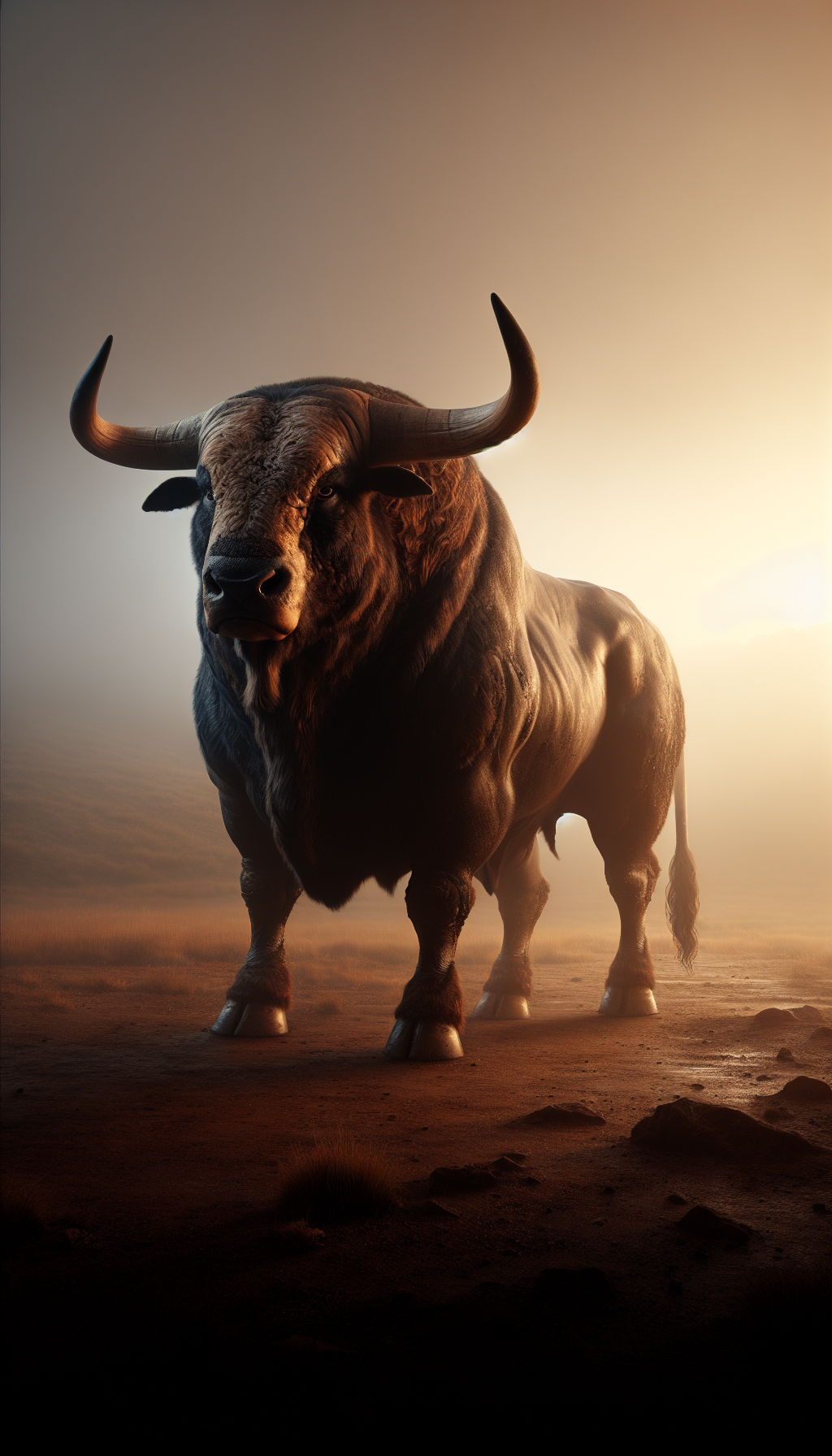
Taurus
Taurus · Bull Beast — Massive bovine creature
The Taurus is a mythical giant bull that appears in ancient legends and folklore. It is often regarded as a symbol of strength and bravery, frequently depicted wandering wild in mountains and fields.
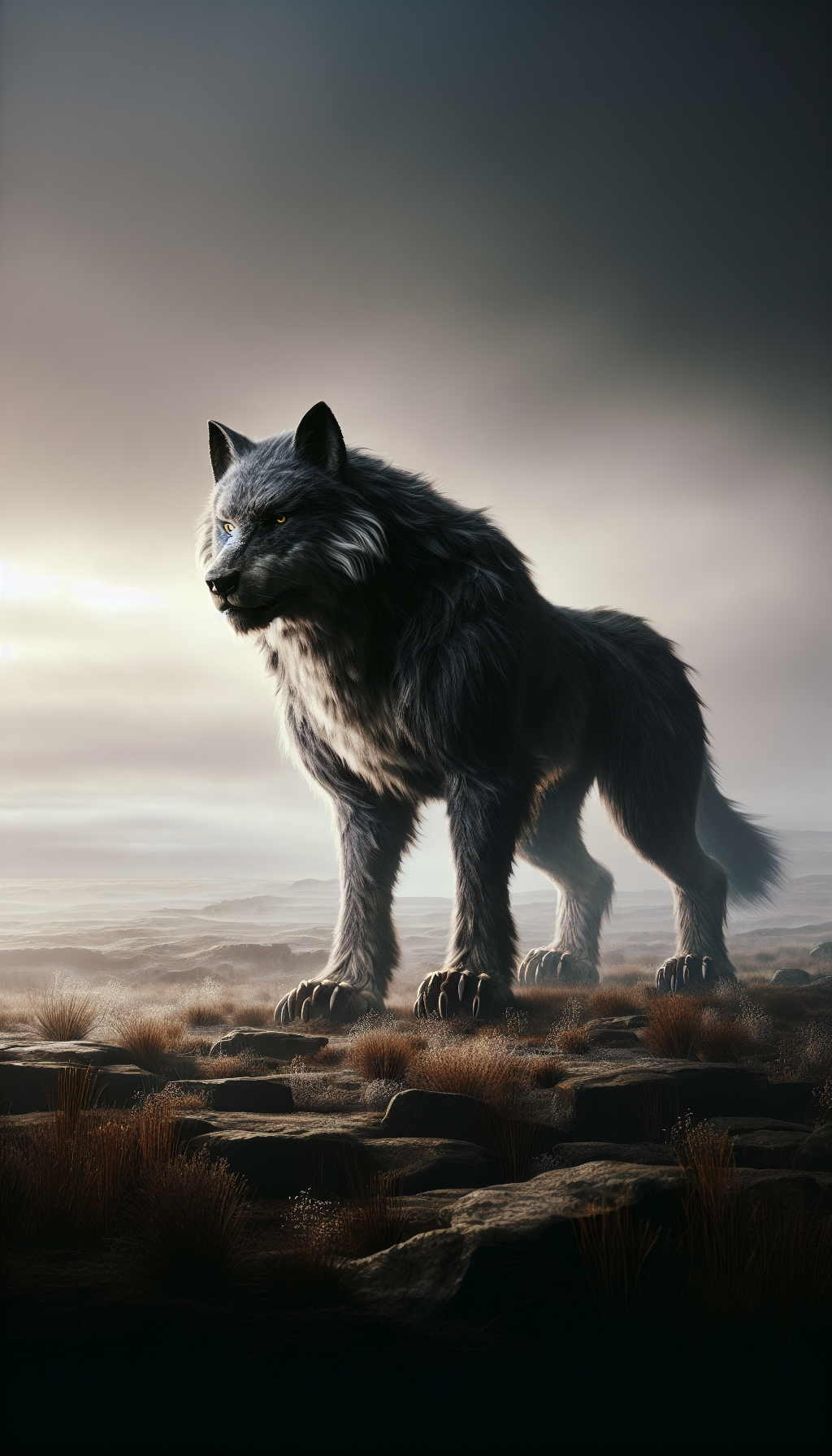
Cimbrian War Wolf
Cimbrian War Wolf · Legendary warbeast — Mythical battle wolf
The Cimbrian War Wolf is a giant wolf creature from European legend, often associated with battlefields and fearsome warriors. It is depicted as a massive predator, striking terror into the hearts of enemies. Its strength and ferocity made it a symbol of war and destruction.
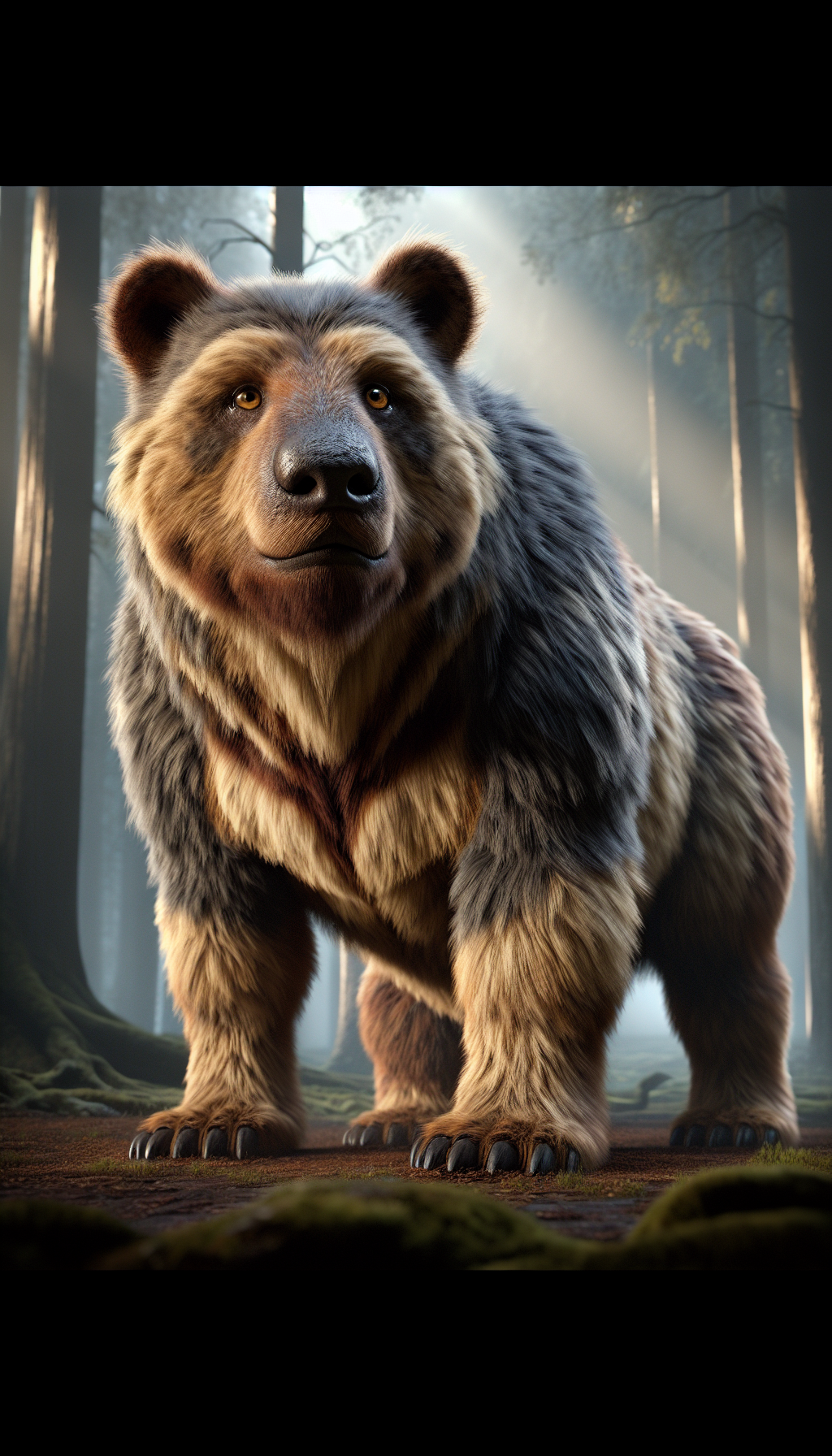
Amphicyon
Amphicyon · Bear Dog — Large prehistoric carnivore
Amphicyon, known as the 'bear dog,' was a large prehistoric mammal that exhibited features of both bears and dogs. It possessed powerful jaws and agile limbs, allowing it to hunt a variety of prey in diverse environments. Although not directly related to modern bears or dogs, it displayed characteristics of both.
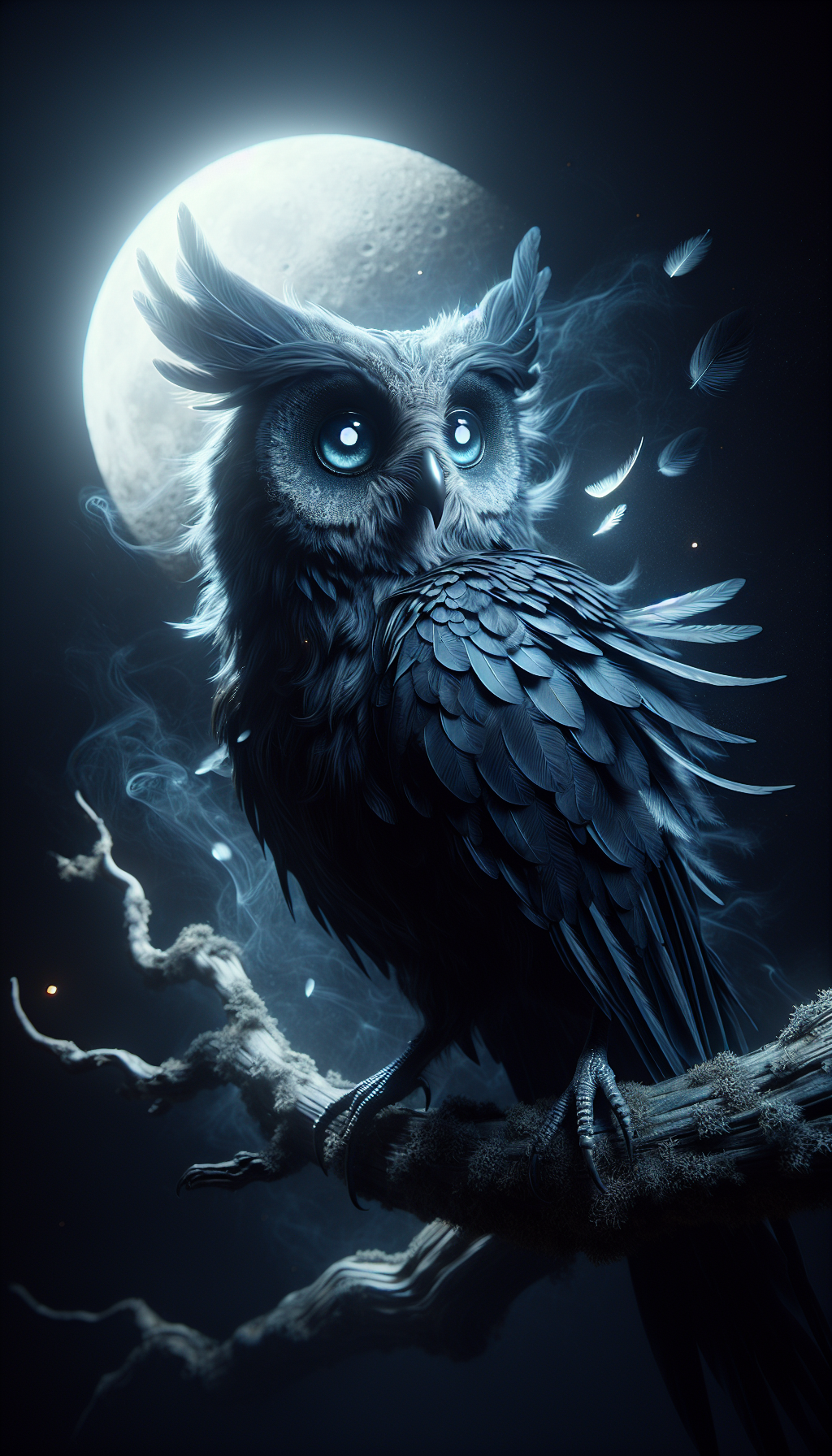
Strix
Strix · Night Bird — Vampiric Bird of Ancient European Myth
The Strix is a vampiric night bird from ancient Roman and Greek mythology. It is said to feed on human flesh and blood, especially that of children. Its ominous cry and nocturnal habits made it a feared and sinister creature.
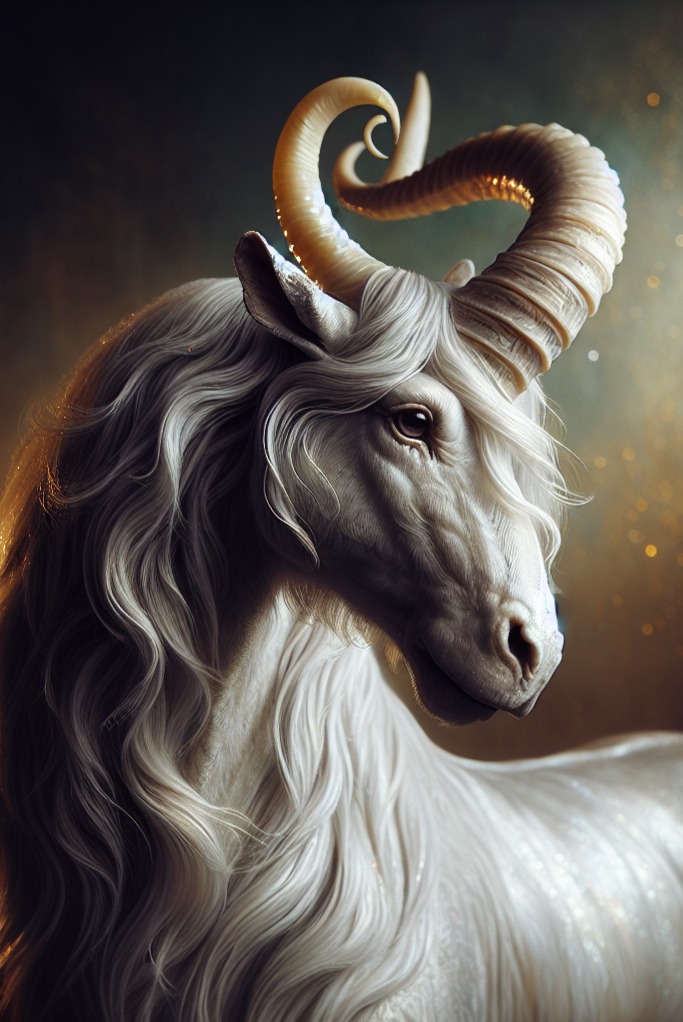
Monoceros
Monoceros · Unicorn — Legendary one-horned creature
The Monoceros is a mythical animal distinguished by a single horn on its forehead. Mentioned in ancient Greco-Roman texts, it is revered as a symbol of purity and virtue. While similar to the Western unicorn, it possesses its own unique lore and imagery.
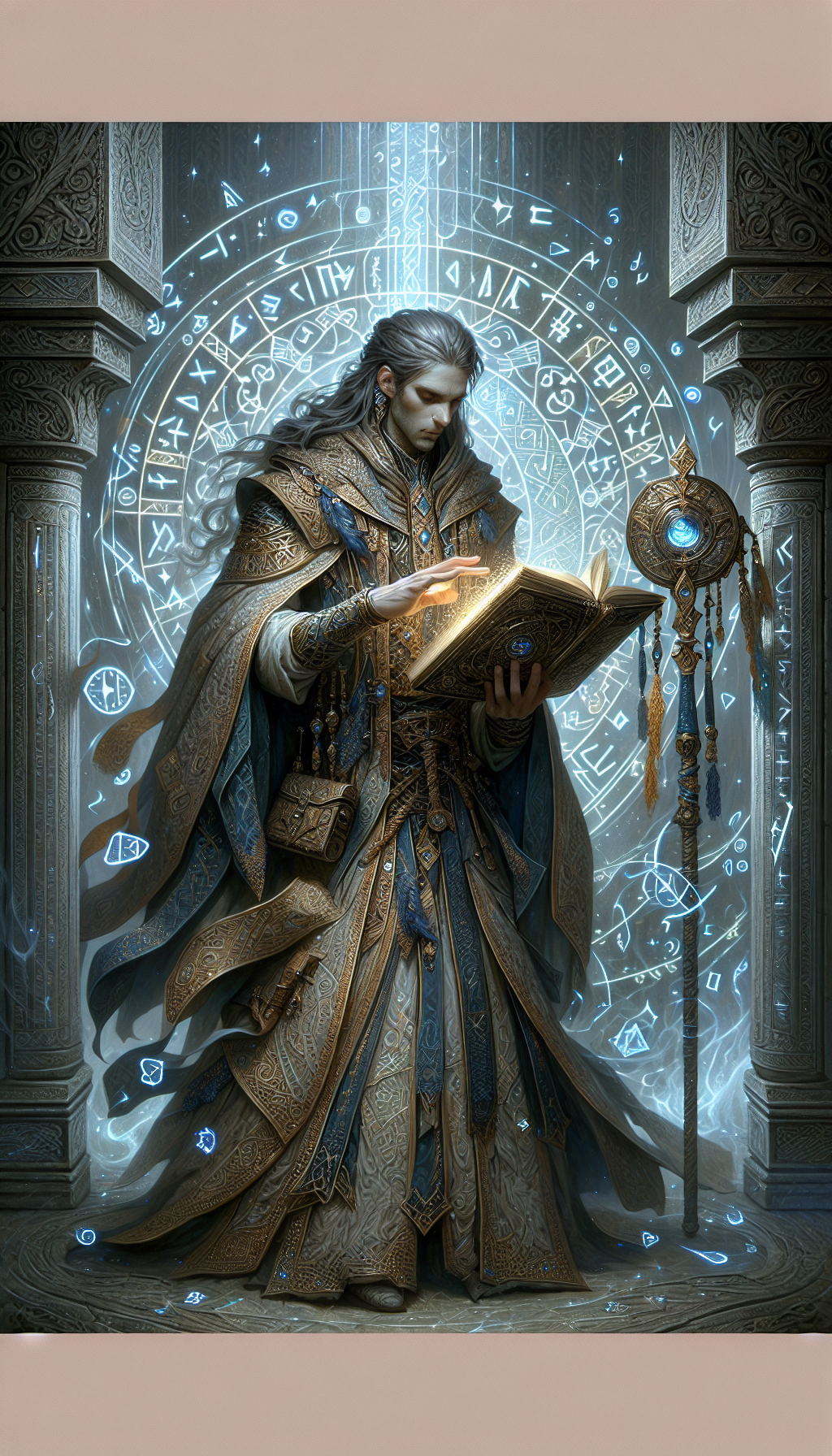
Runemaster
盧恩術師 · Runemaster — A mage who inscribes the laws of the world into ancient script
A magical class that infuses magical energy into rune (Rune) characters, inscribing them onto weapons, armor, and environments. Slower than traditional spellcasting, but once a rune is inscribed, it exerts permanent effects — a defining characteristic of durability. Odin of Norse mythology is the first runemaster.

Druid
自然祭司 · Druid — An ancient priest who has become one with nature
An ancient priestly class that takes natural phenomena and the cycle of life as their faith, wielding nature magic. They handle all nature-related magic from healing, shapeshifting, and summoning plants and animals to unleashing natural disasters. An absolute authority in forest, mountain, and coastal natural regions.
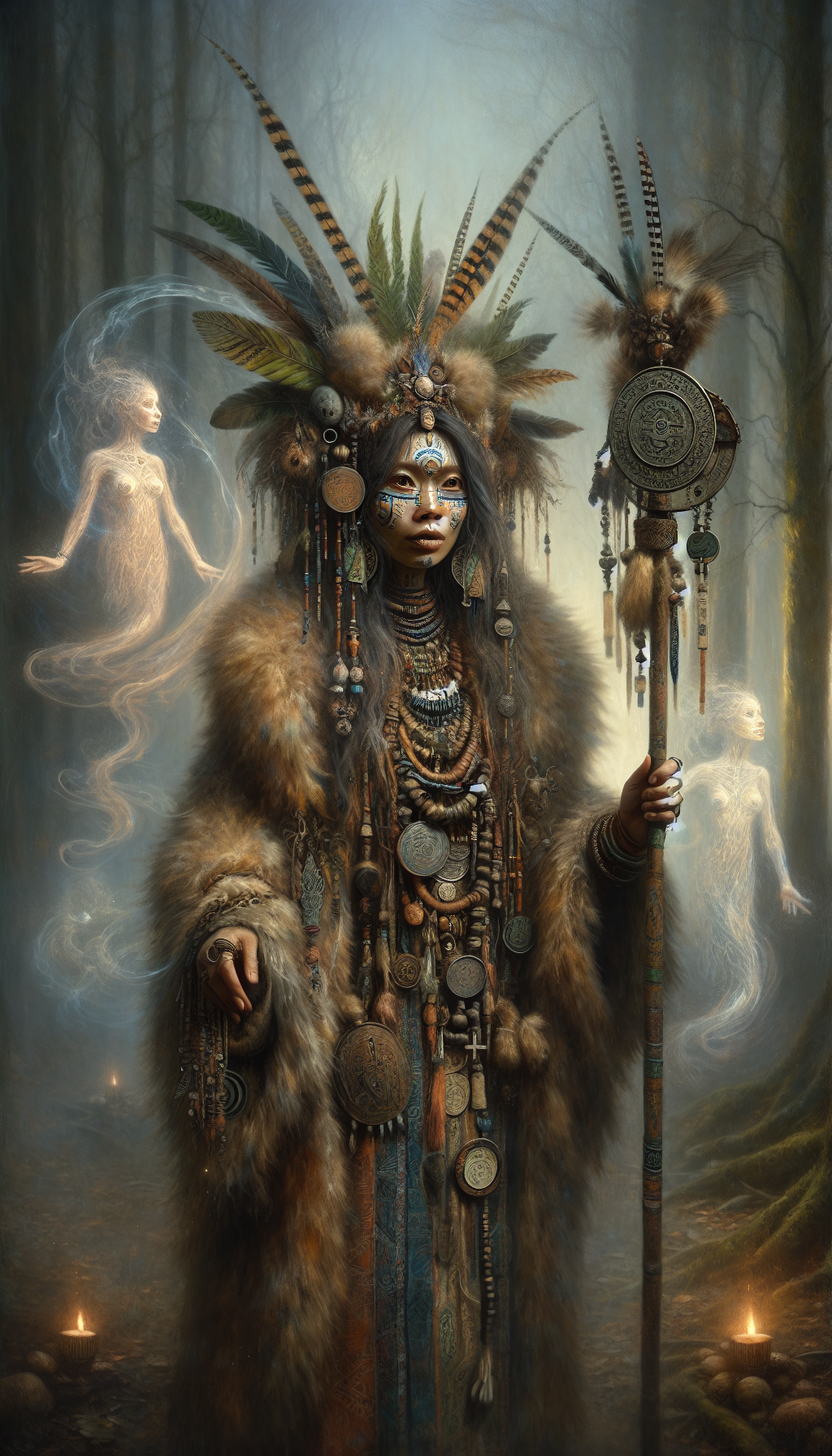
Shaman
巫師 · Shaman — A spirit communicator who traverses between the spirit world and reality
A primitive yet powerful class that directly communicates with spirits, ancestral gods, and nature deities to borrow their power. Unlike civilized mages, they wield magic through instinct and spiritual empathy rather than theory. An all-around magical leader of tribal society who handles healing, divination, curses, and spirit summoning alike.

Oracle
占術師 · Oracle — The heavy eyes of one who sees the future
A class that divines events in the future, past, and present through divination. They receive prophecies through various mediums — constellations, tarot, crystal balls, bones, entrails, and dreams. Prophecies always come to pass, but misinterpretation often causes disaster — the paradox of prophecy.
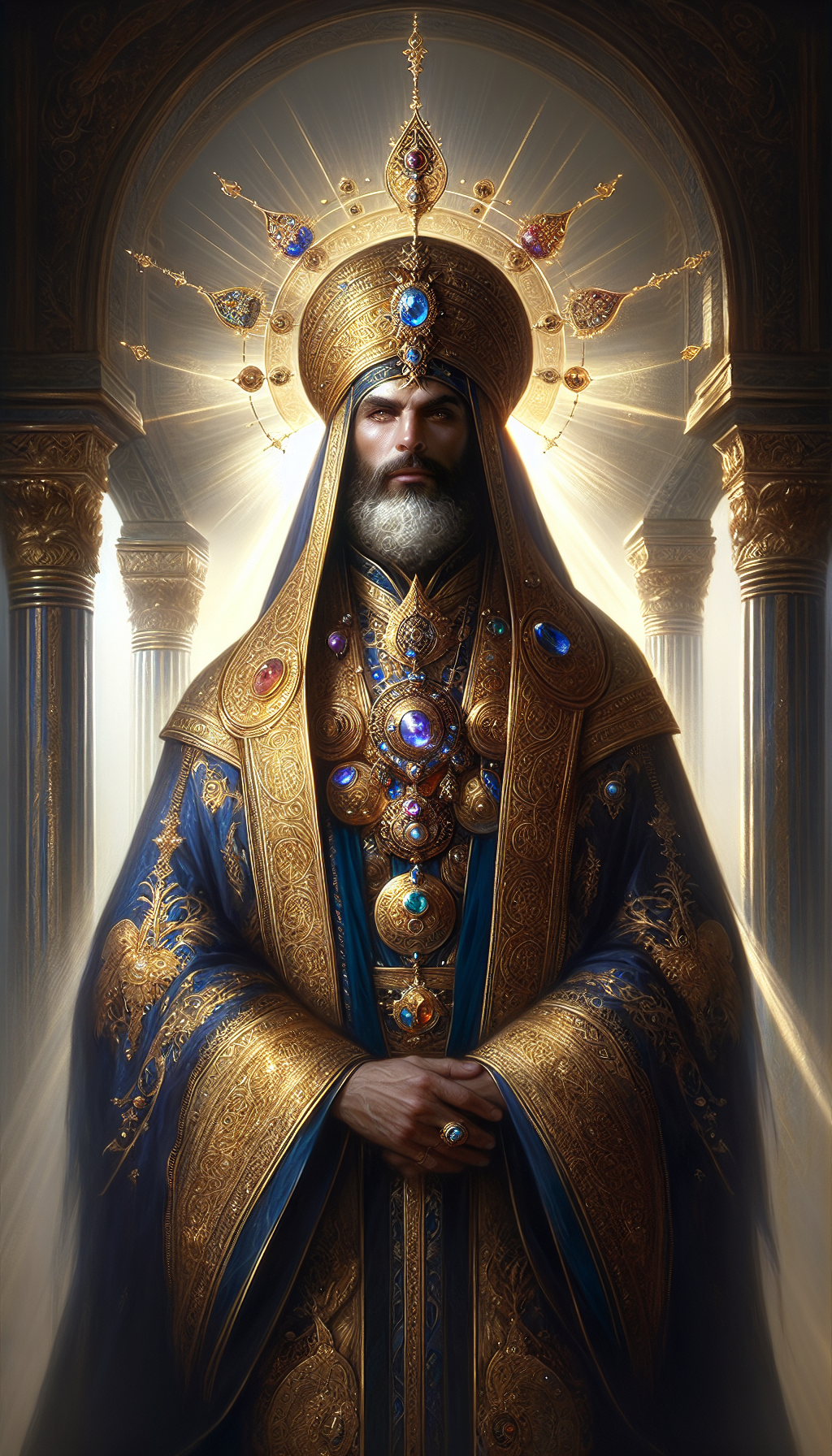
High Priest
祭司長 · High Priest — The highest religious authority who bridges gods and humanity
The highest religious position who presides over temple rites and receives divine revelations to convey to the faithful. Direct combat is rarer than for healers or clerics, but through the direct divine grace of a deity, the scale and power of their holy magic is incomparably greater. The pinnacle of religious authority rivaling royal power.