🍖 Dishes
Fantasy cuisine, royal feasts, adventurer meals
20 items

Ragasa
Ancient Grain Porridge · Traditional Cereal Dish — Nourishing grain-based porridge
Ragasa is a type of grain porridge traditionally consumed in ancient Korea. It is made by boiling various grains such as millet, sorghum, and rice with water until it reaches a thick consistency. The dish served as an easily digestible and nutritious meal, suitable for the elderly, the sick, and ritual offerings.
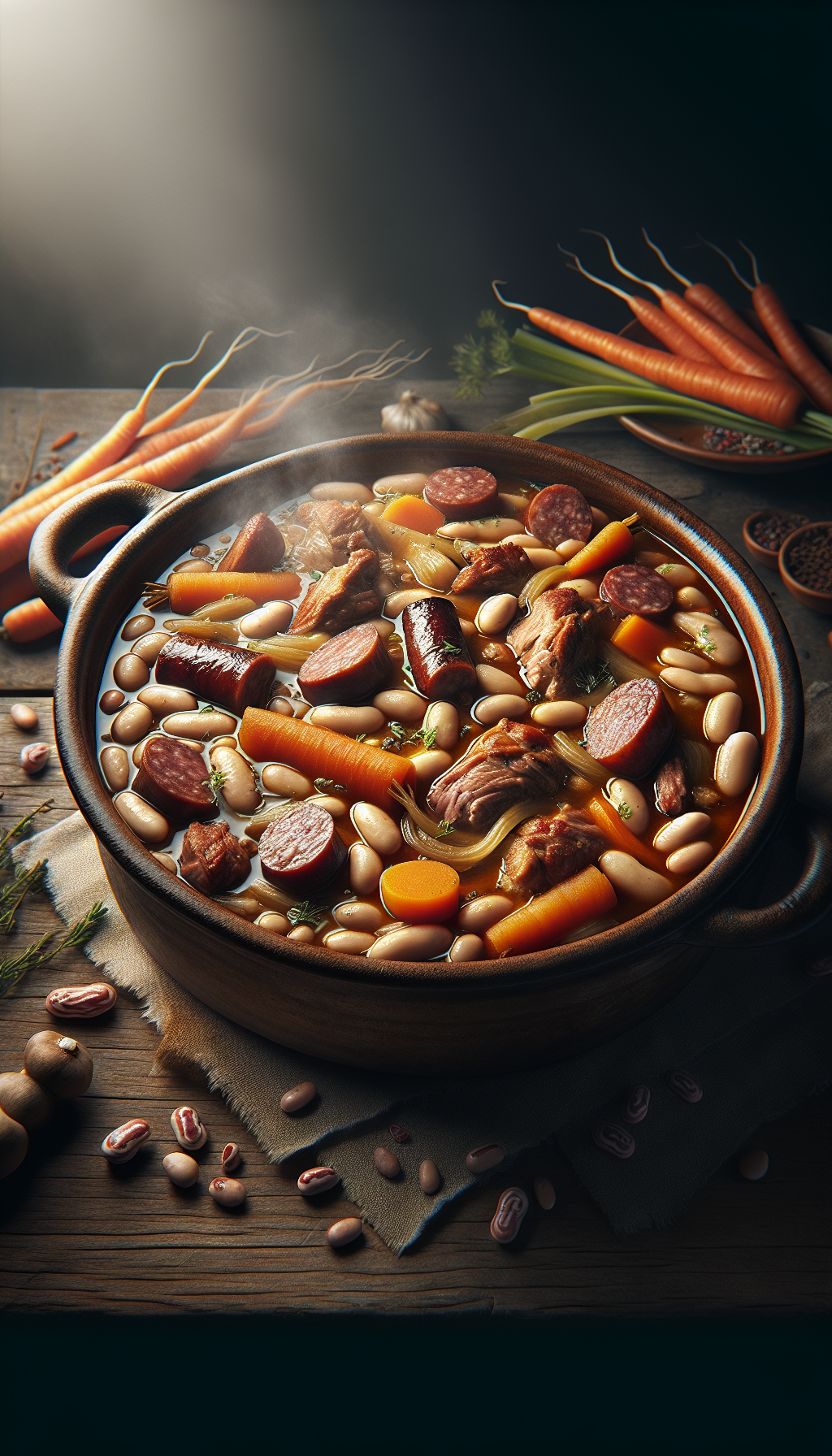
Cassoulet
Cassoulet · French Stew — Hearty stew with assorted meats and beans
Cassoulet is a traditional stew from southwestern France, containing a mix of meats such as duck, pork, and sausage, combined with white beans and vegetables. The dish is simmered for hours, resulting in rich flavor and a thick, savory broth.
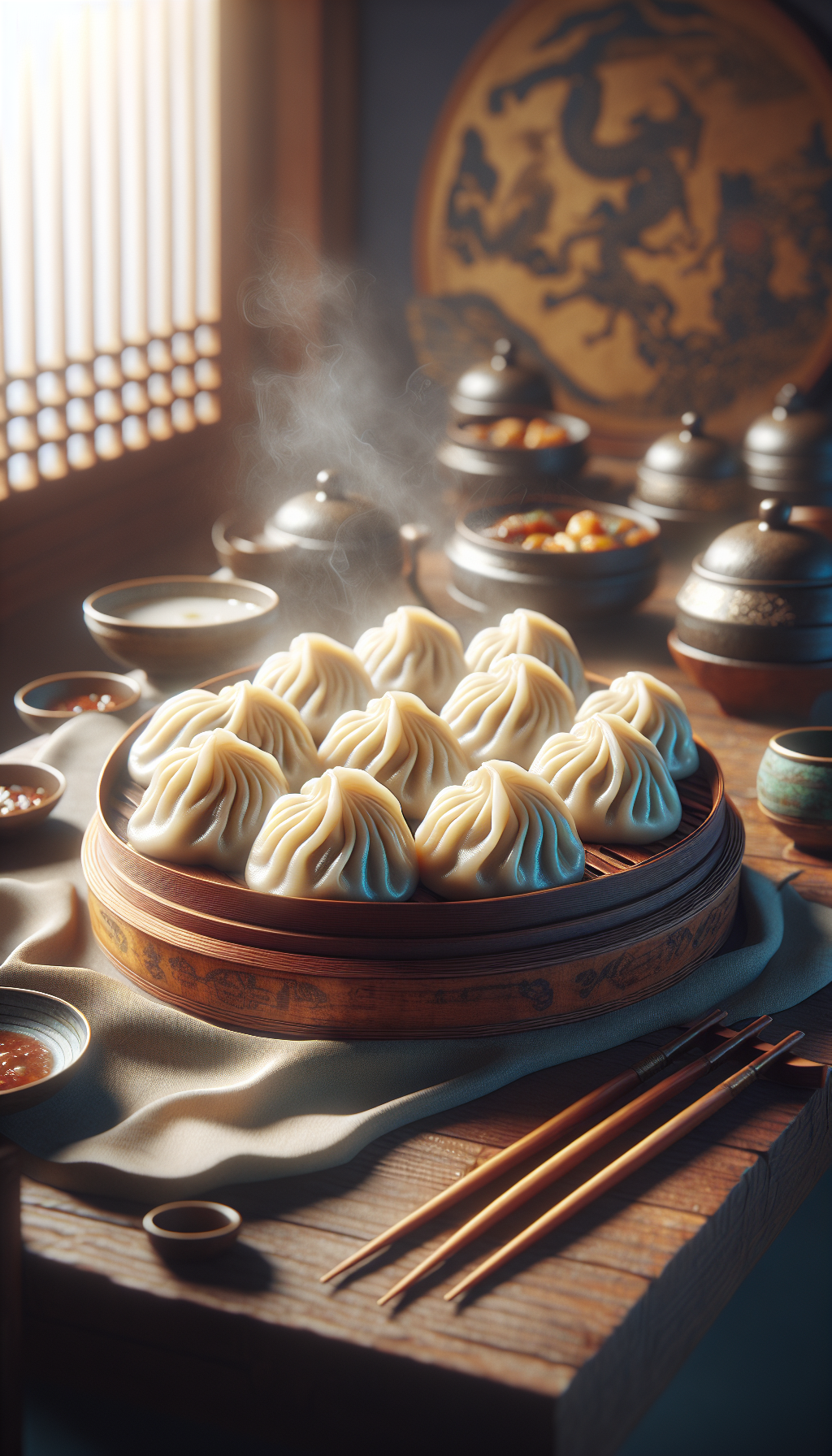
Mendus
Mandu · Korean Steamed Dumplings — Traditional dumpling dish from the Joseon dynasty
Mendus is a traditional Korean dumpling dish commonly enjoyed during the Joseon dynasty. It consists of minced meat, tofu, and vegetables wrapped in a wheat flour dough and steamed, often served at feasts and holidays.
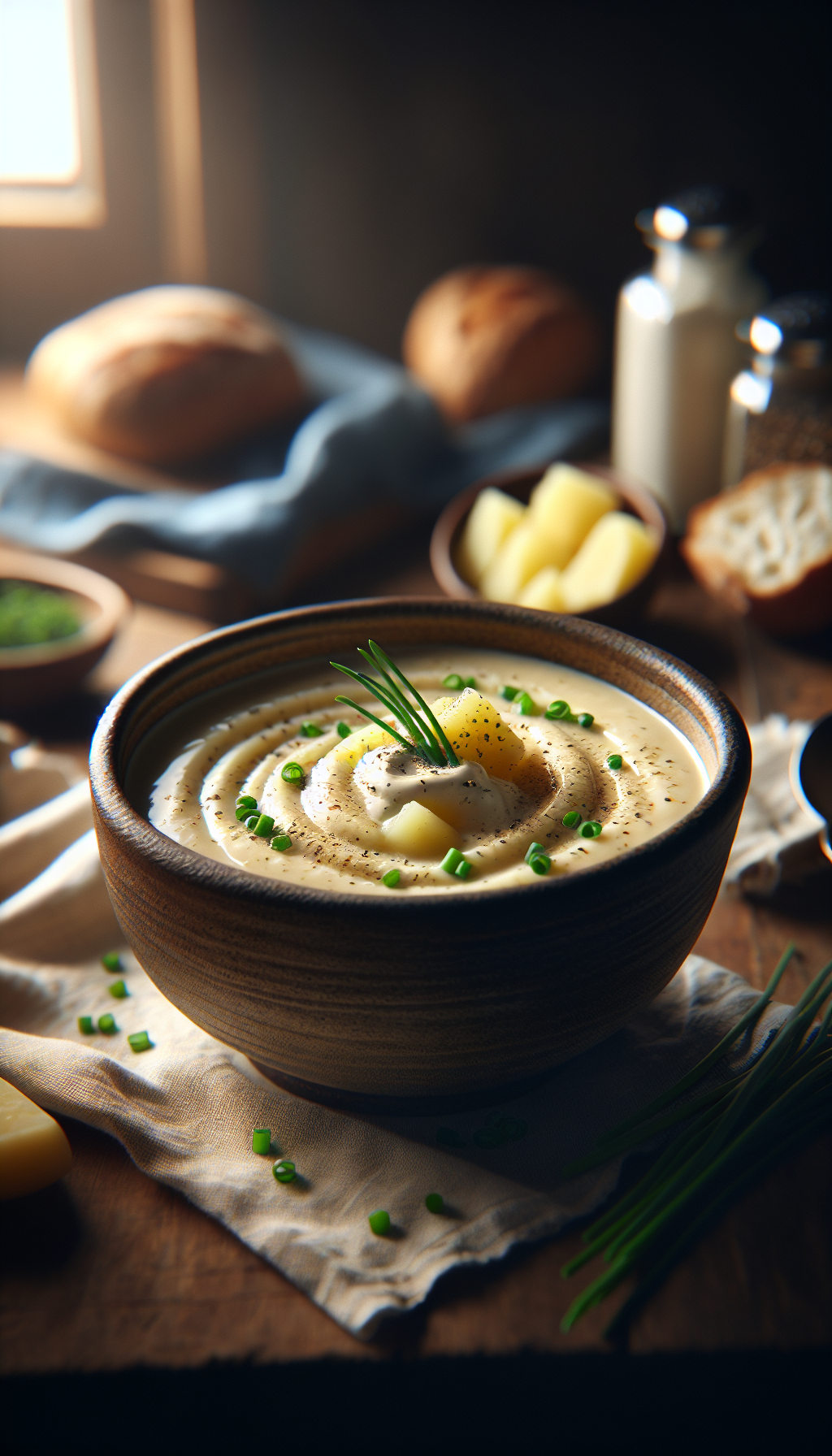
Potato Soup
Potato Soup · Comforting classic — Creamy Western-style soup
Potato soup is a warm, Western-style dish made primarily from potatoes. The soup combines mashed potatoes, milk, and stock to produce a mild, creamy flavor. Widely enjoyed across Europe and North America, it is a staple comfort food.
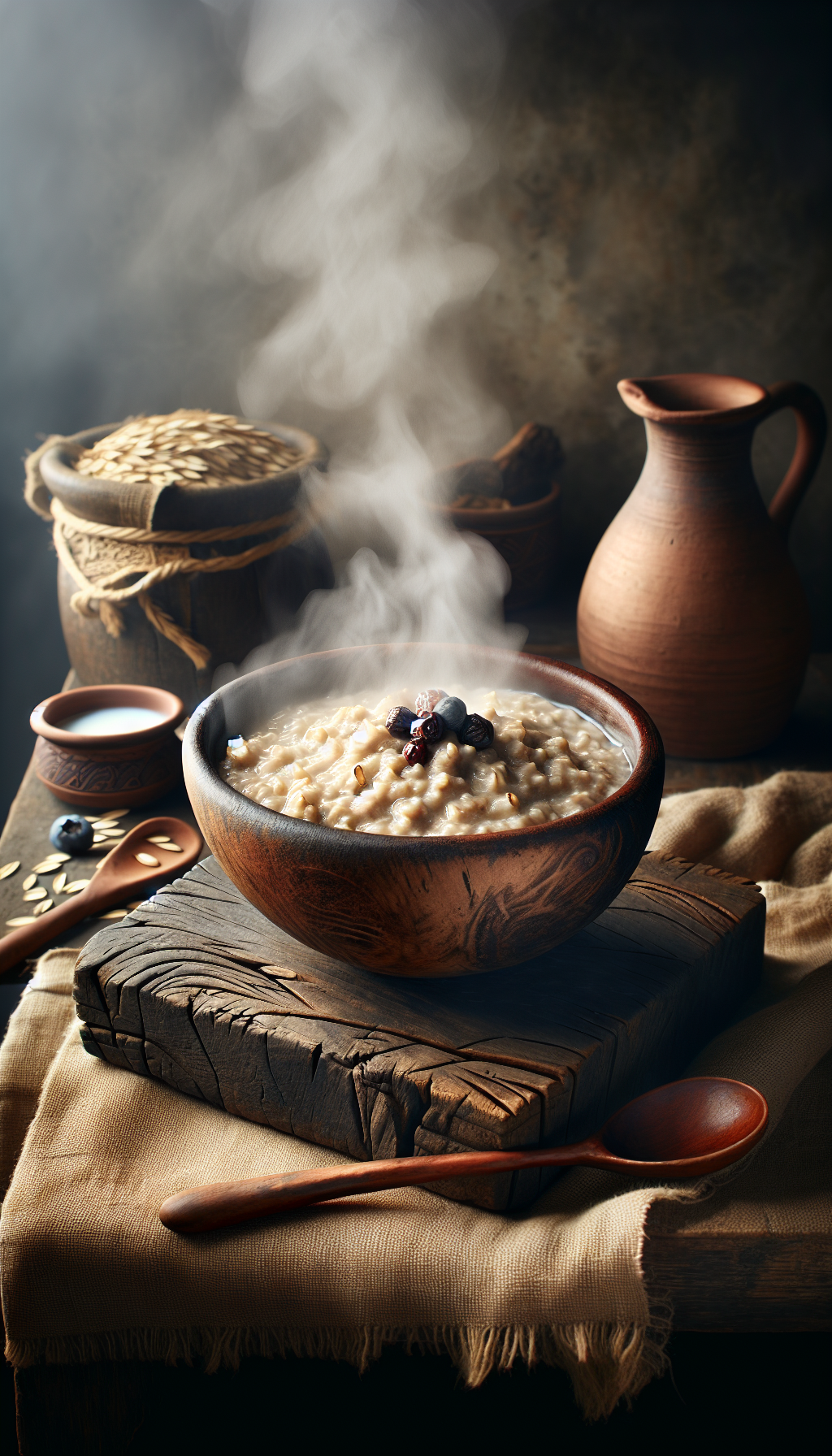
Boerele
Ancient Norse Barley Porridge — Simple, Nutritious Oatmeal
Boerele is a traditional barley porridge enjoyed in ancient Norse societies. Made by simmering barley with water, and sometimes milk or honey, it served as a staple meal for both peasants and warriors. Its simple preparation and hearty texture made it ideal for northern climates.

Moussaka
Traditional Greek Dish · Layered Eggplant and Meat Casserole
Moussaka is a classic Greek casserole featuring layers of eggplant, potatoes, minced meat, and béchamel sauce, baked until golden. It is renowned for its rich flavors and creamy texture, and variants exist throughout Southeastern Europe and the Middle East.

Baklava
Baklava · Turkish Dessert — Layered Sweet Nut Pastry
Baklava is a Middle Eastern dessert made from layers of phyllo pastry filled with nuts and sweetened with syrup or honey. It is known for its crispy texture and rich sweetness, often served during celebrations and special occasions.

Gnocchi
Gnocchi · Italian Potato Dumplings — Soft and Chewy Traditional Dish
Gnocchi are traditional Italian dumplings made by mixing potatoes, flour, and eggs into a dough. They are shaped into small morsels, boiled, and served with a variety of sauces. Their texture is known for being tender and pleasantly chewy.

Mandu
Korean Dumplings · Mandu — Dumplings filled with meat or vegetables
Mandu are traditional Korean dumplings made by wrapping fillings such as meat, vegetables, or kimchi in a thin wheat flour dough. They can be steamed, boiled, fried, or added to soups and are popular during festive occasions. Mandu have become a staple in Korean cuisine with various regional varieties.

Tagine
Tagine · Moroccan Stew — Traditional Stew in a Conical Pot
Tagine is a signature dish of Morocco, slow-cooked in a distinctive conical clay pot. It typically combines meat, vegetables, and a blend of aromatic spices, resulting in a rich and tender stew.

Bomba
Bomba · Traditional Joseon Grain Porridge — Hearty porridge made from grains and beans
Bomba is a type of grain porridge widely consumed during the Joseon dynasty. It is made by simmering a mixture of grains, beans, and sometimes vegetables for an extended time. It served as a staple food and a nutritious meal for the common people.
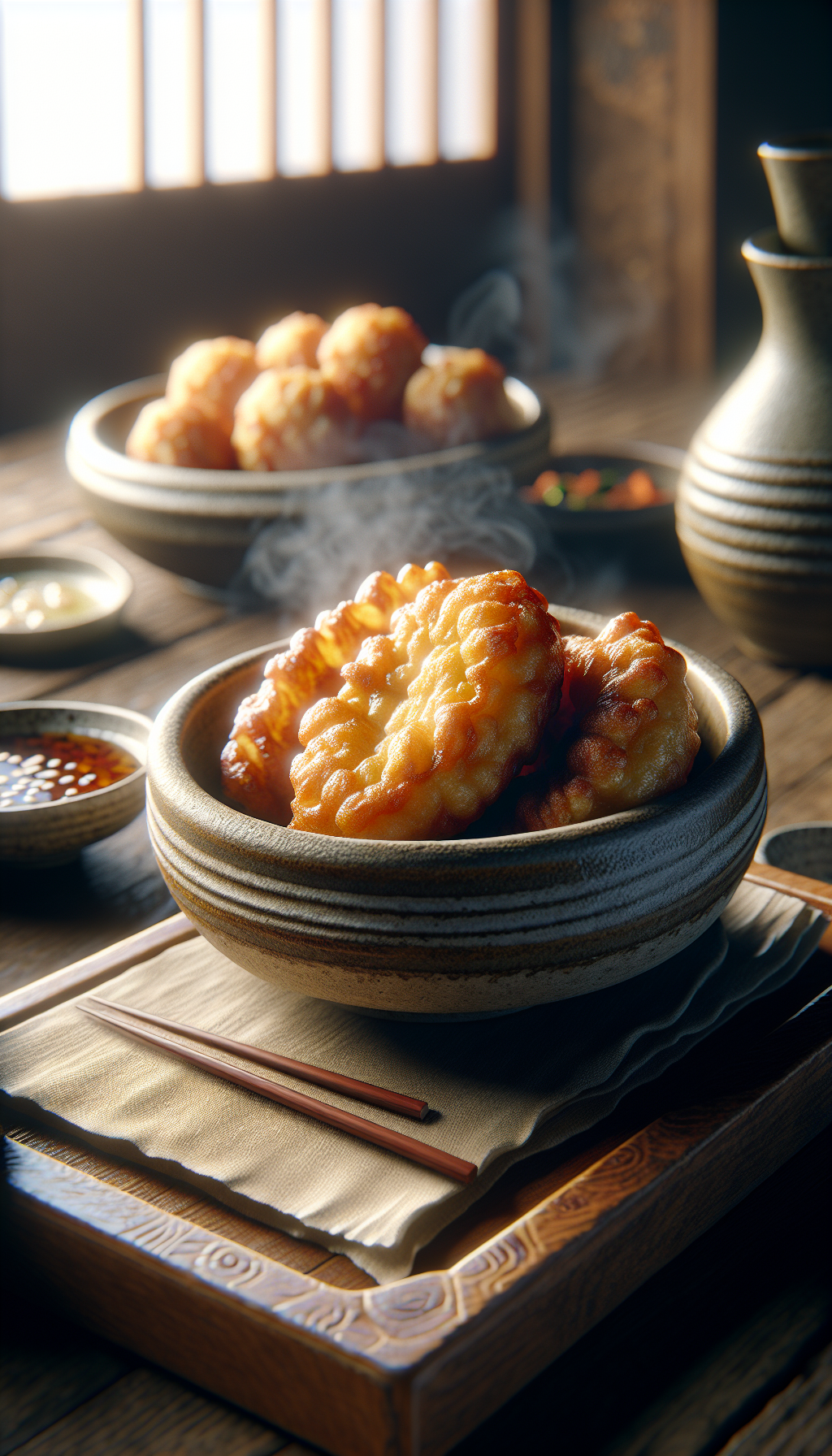
Pallabi
Pallabi · Traditional Korean Dish — Deep-fried Wheat Dough
Pallabi is a traditional dish made by deep-frying wheat flour dough. The exterior is crispy while the inside remains soft, making it popular as a snack or light meal. Various ingredients can be added, resulting in regional variations.

Tarlak
Tarlak · Central Asian Nomadic Dish — Traditional lamb and grain stew
Tarlak is a traditional dish of Central Asian nomads, made by combining lamb and grains. It was developed for easy consumption during long migrations and offers high nutritional value. The stew’s hearty flavor comes from slow-cooking meat and grains together.