Earth
27 items tagged with "Earth"
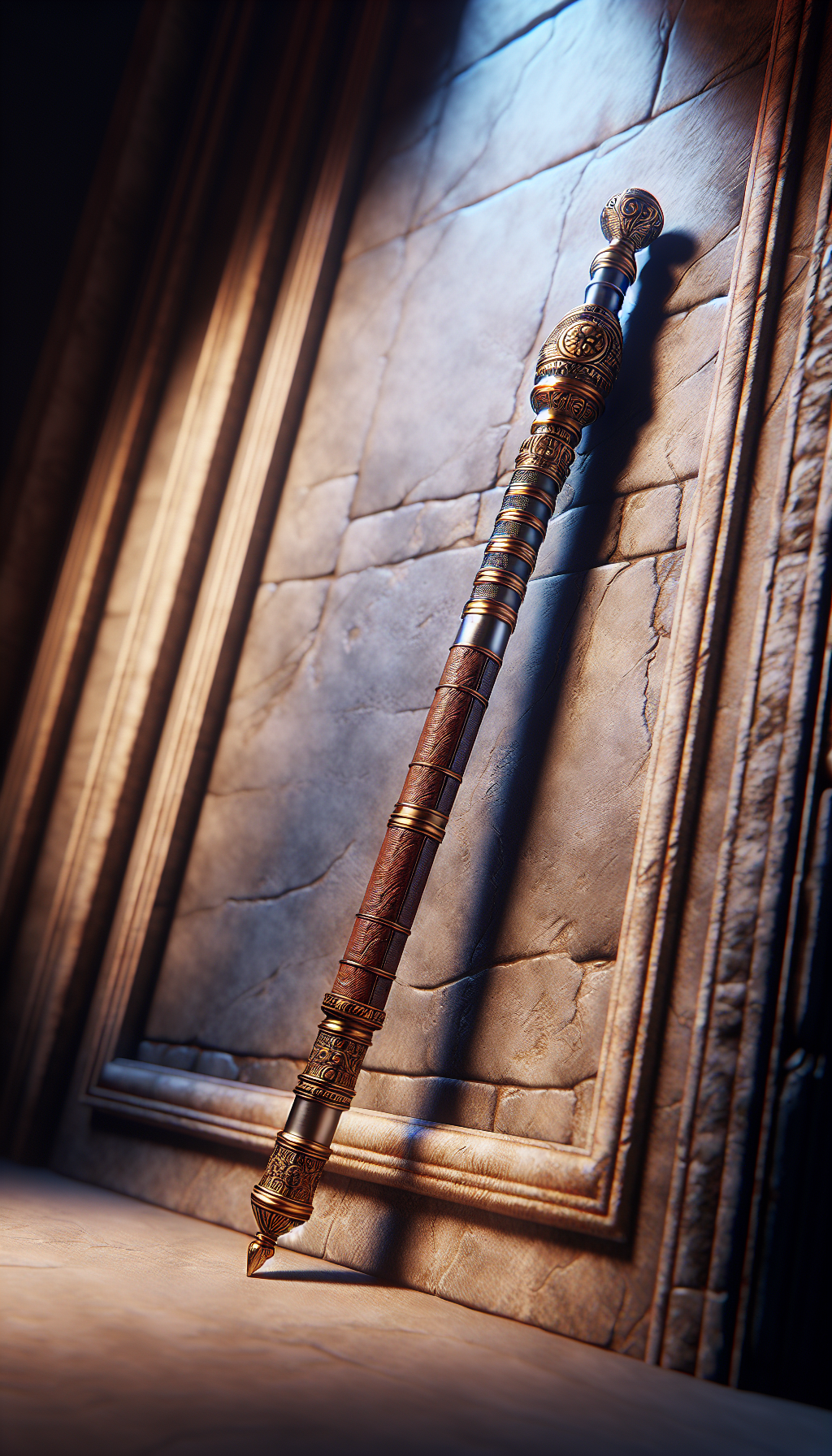
Spatha
Spatha · Roman Longsword — Long sword used by Roman cavalry and infantry
The spatha is a straight, long sword used primarily by cavalry and later by infantry in the Roman Empire. It is significantly longer than the gladius and effective for both cutting and thrusting. From the 2nd century CE, it gradually became the standard weapon for late Roman soldiers.

Longsword
Longsword · Greatsword — Iconic two-handed sword of medieval Europe
The longsword is a versatile, double-edged sword widely used in medieval Europe. It features a straight blade and a cruciform hilt, optimized for both cutting and thrusting. Favored by knights and warriors, it balanced reach and maneuverability.
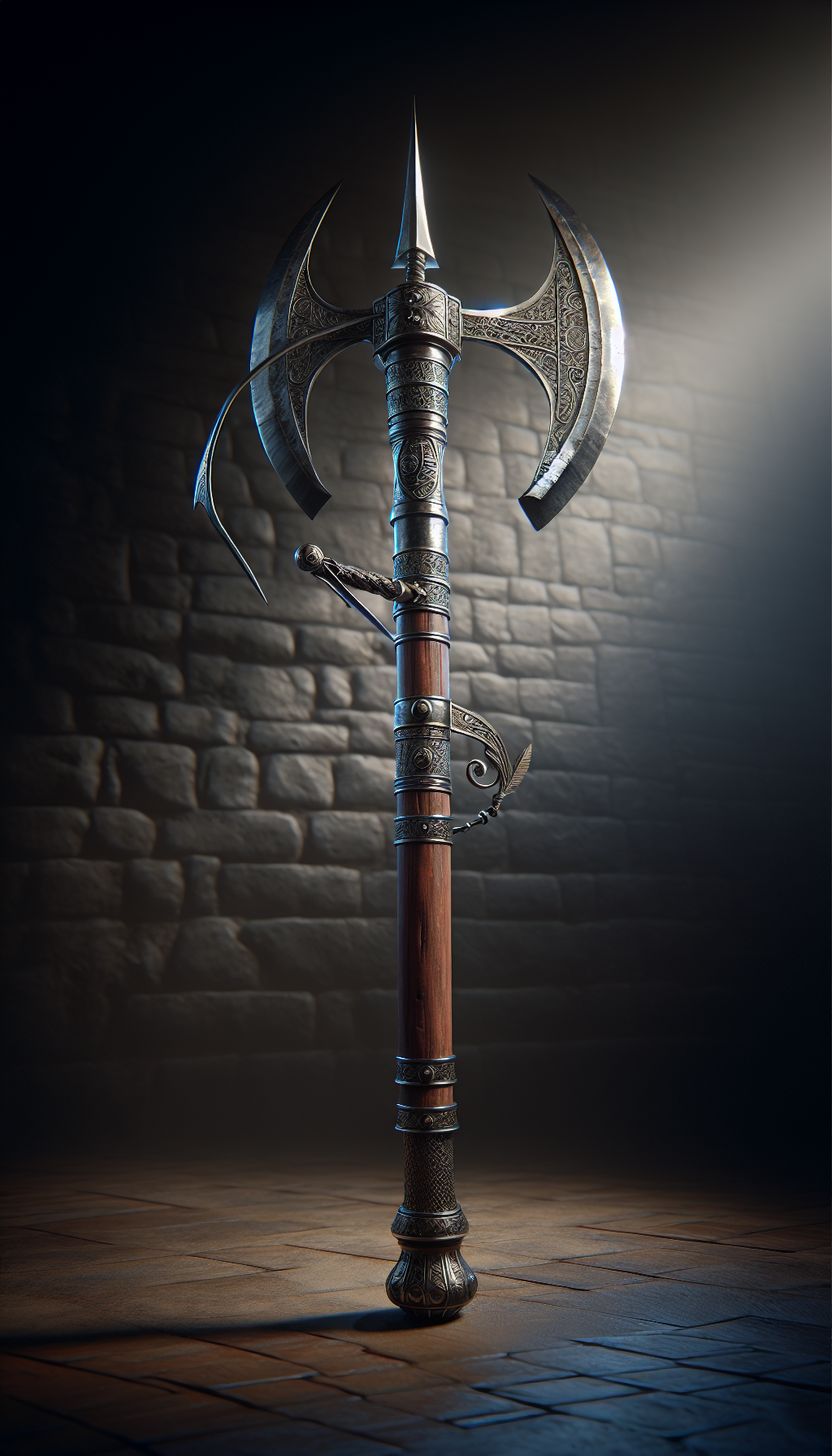
Halberd
Halberd · Polearm — Medieval weapon combining axe and spear
The halberd is a polearm featuring an axe blade, a spear tip, and a rear hook. It was primarily used by infantry in medieval Europe to counter armored opponents and cavalry. Its versatile design allowed for both offensive and defensive maneuvers.

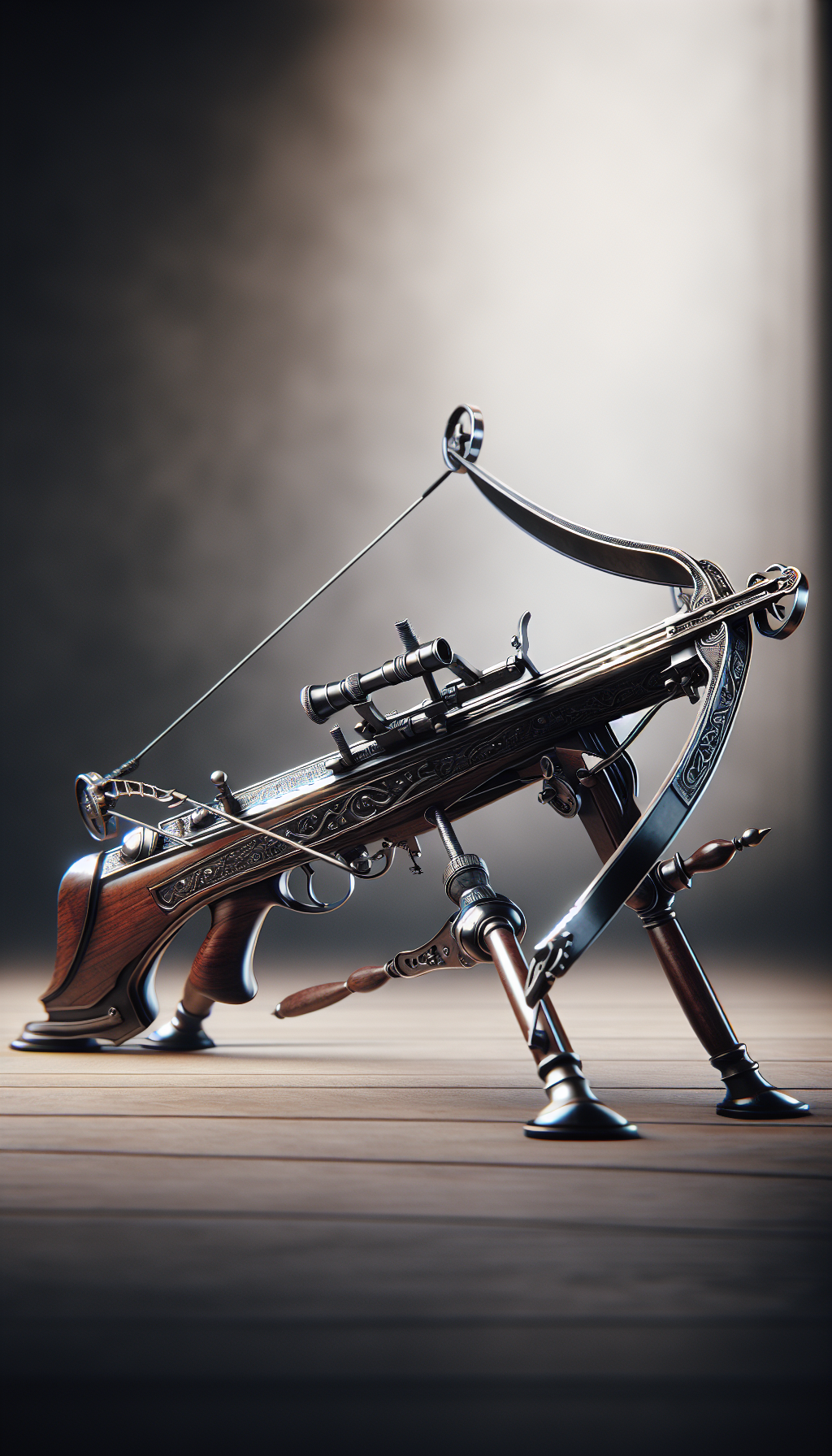
Crossbow
Crossbow · Arbalest — Mechanical Projectile Weapon
The crossbow is a ranged weapon that fires bolts using mechanical leverage. Unlike traditional bows, it employs a trigger mechanism, allowing users with less training to deliver powerful shots. It was widely used in medieval warfare and hunting.
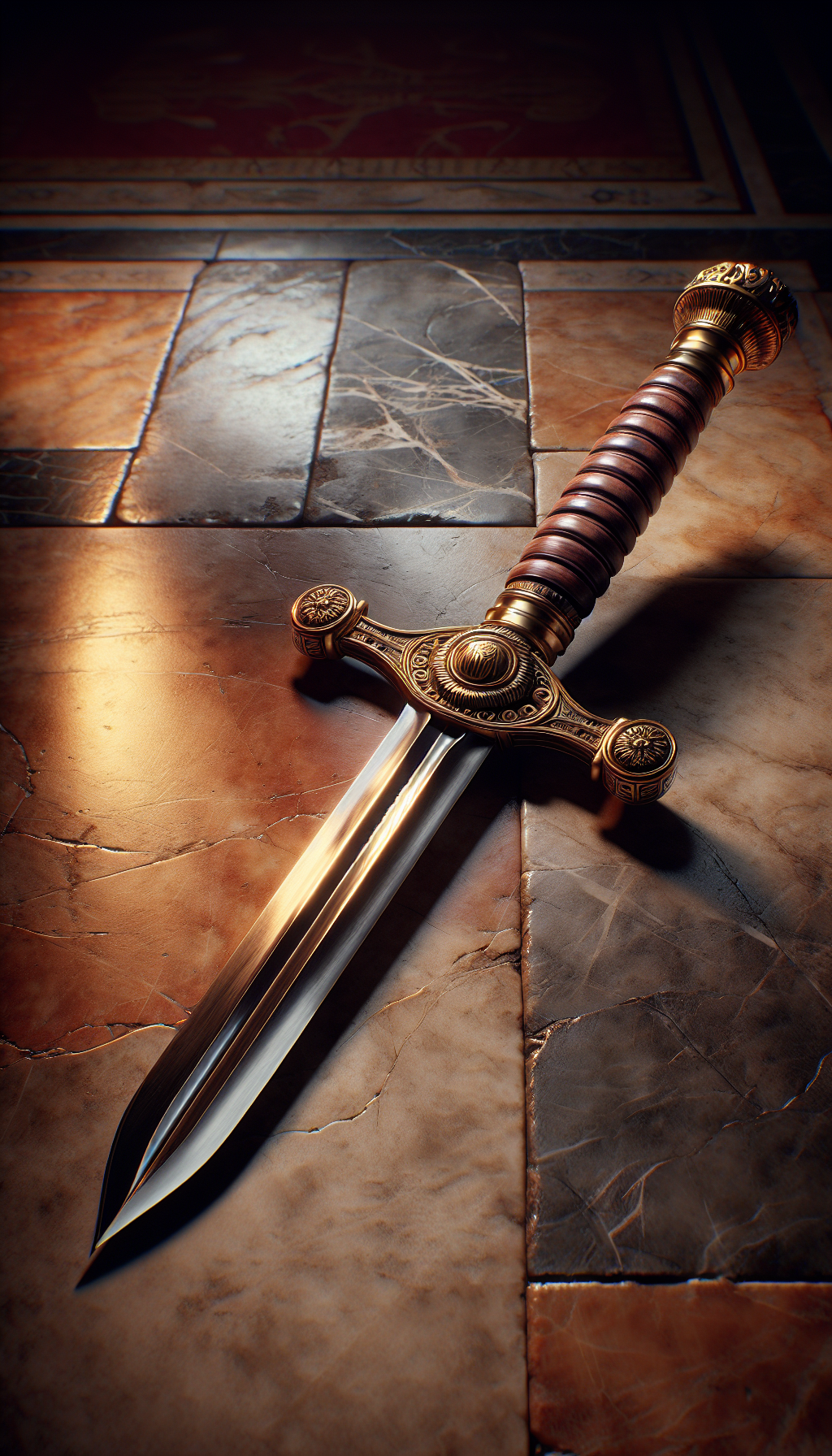
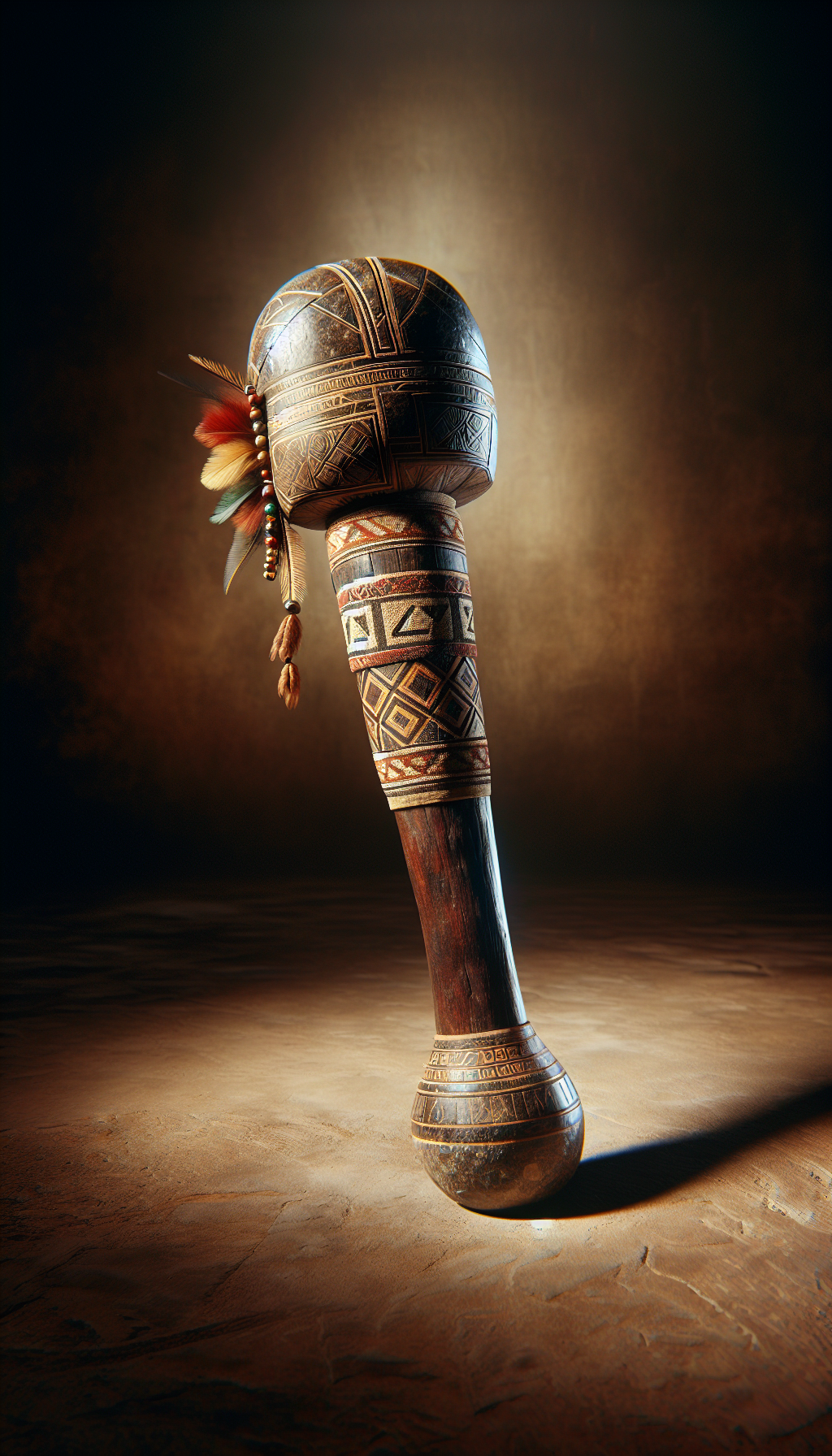
Wari Club
Wari Club · Ancient Andean Club — Weapon of the South American Wari Civilization
The Wari club is a type of mace used by the ancient Wari civilization of Peru. Made of sturdy wood or stone, it served as a close-combat weapon wielded by warriors. It played a prominent role in hand-to-hand battles.
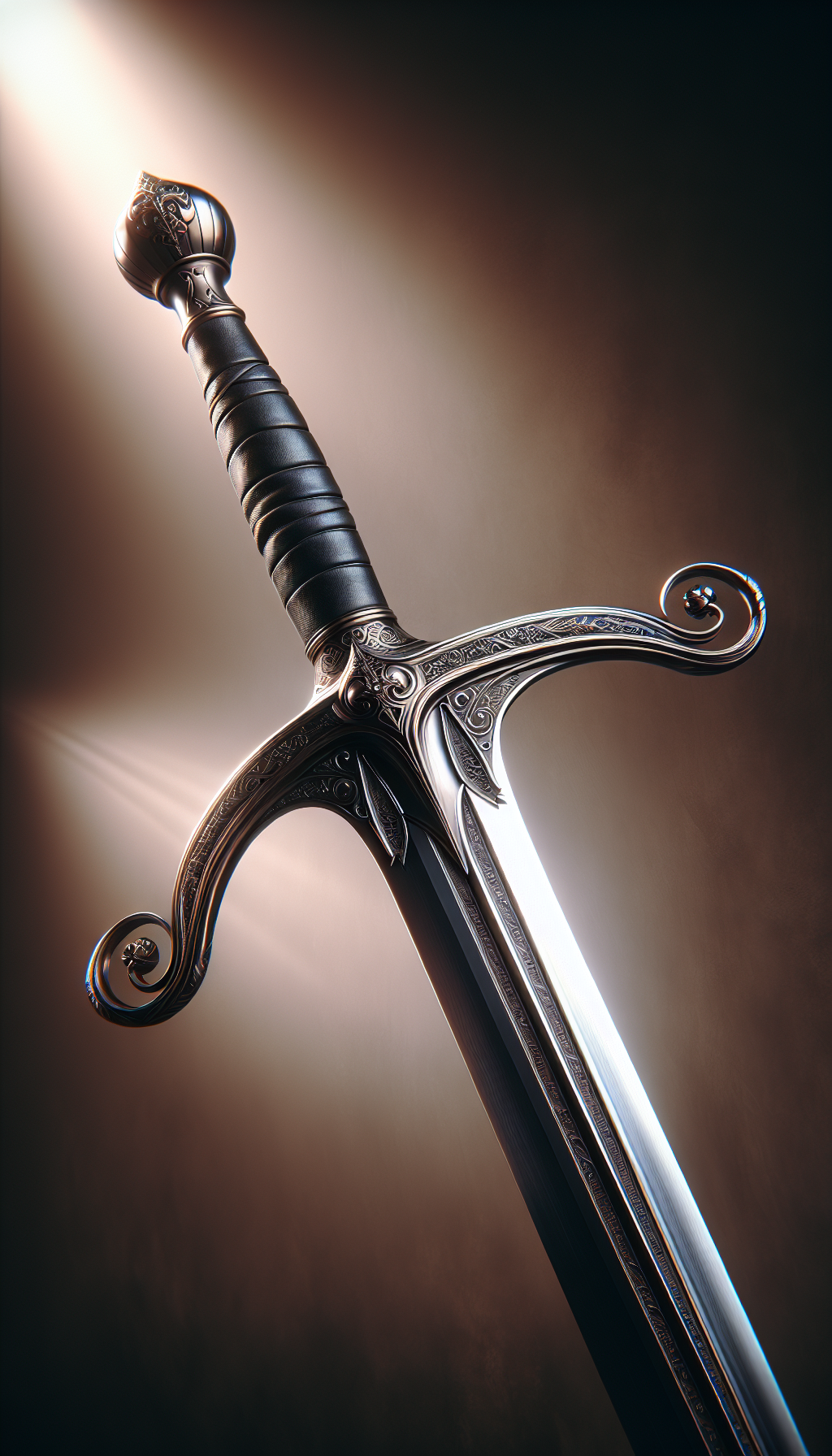
Two-Handed Sword
Greatsword · Zweihänder — A massive sword wielded with both hands
The two-handed sword is a large, heavy blade that requires both hands to wield effectively. It is notable for its reach and powerful strikes, making it formidable in battle. Its size grants great force but demands significant strength.
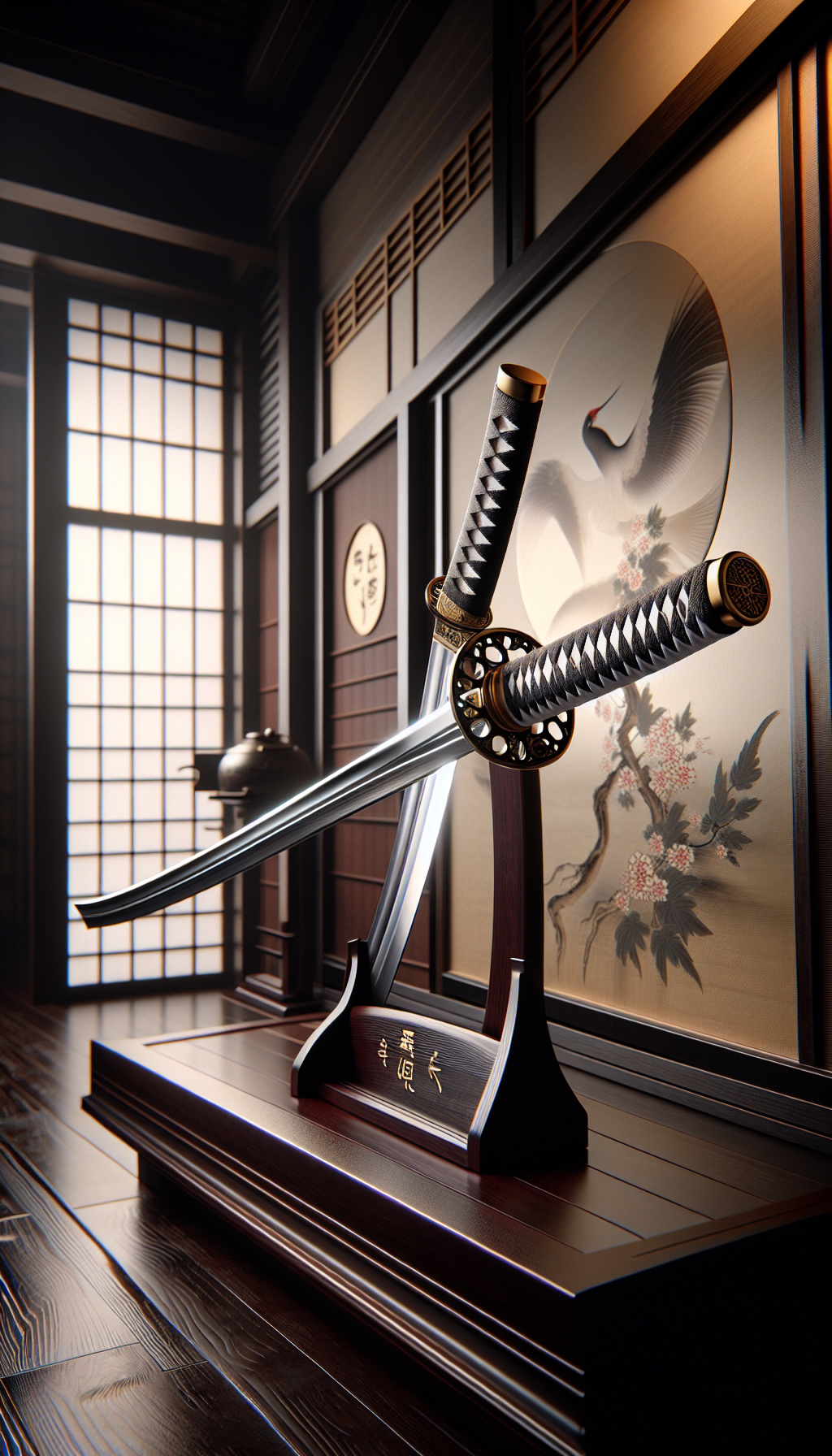
Katana
Katana · Japanese Sword — Iconic Curved Blade of the Samurai
The katana is the quintessential long sword used by Japanese samurai. Featuring a single-edged, curved blade, it is renowned for its cutting efficiency. It became a symbol of the samurai’s spirit and honor in medieval Japan.
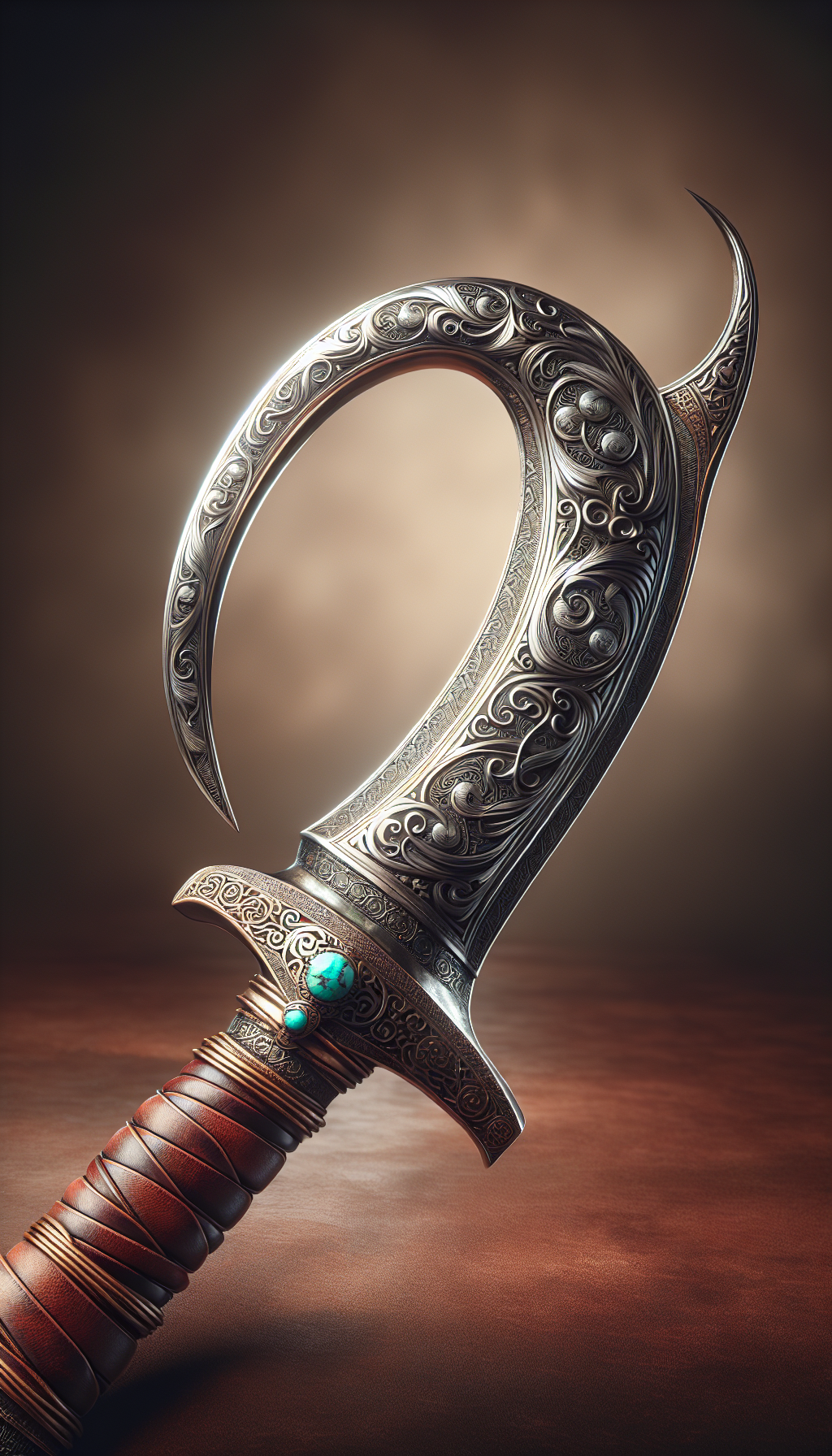
Scagimsha
Central Asian Curved Dagger · Nomad Warriors’ Weapon — A sleek, curved dagger favored by steppe warriors
The Scagimsha is a traditional curved dagger originating from Central Asia. It was primarily used by nomadic warriors for close combat, distinguished by its light weight and sweeping curve. The blade is effective for both slashing and thrusting.
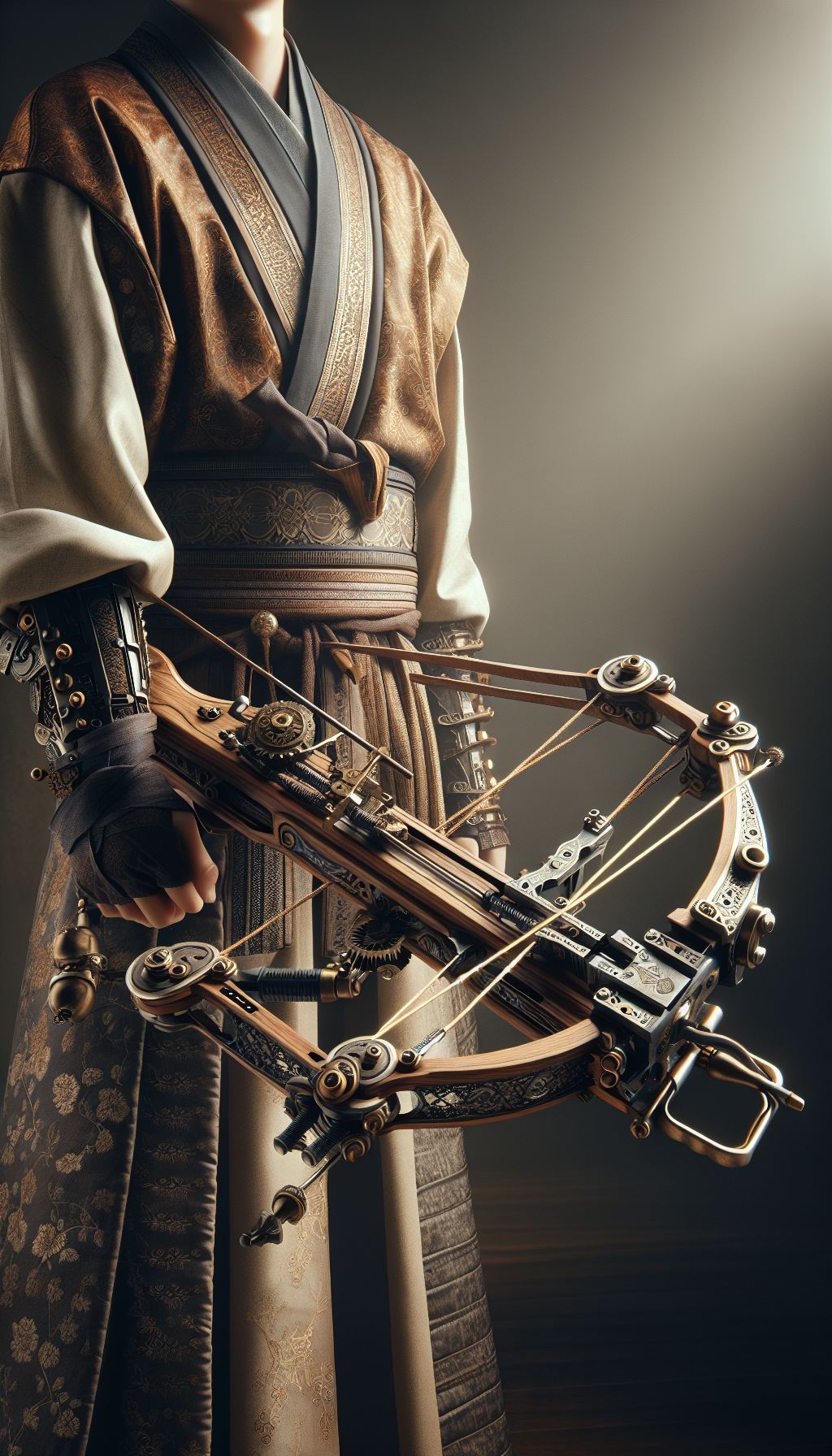
Bow Gun
Crossbow · Mechanical ranged weapon — Device with trigger mechanism for launching bolts
The bow gun, or crossbow, is a mechanical bow designed to make shooting projectiles easier and more powerful. Used extensively from medieval times through the Joseon era, it allowed even unskilled soldiers to deliver lethal force at a distance. Its strong draw and trigger system set it apart from traditional bows.
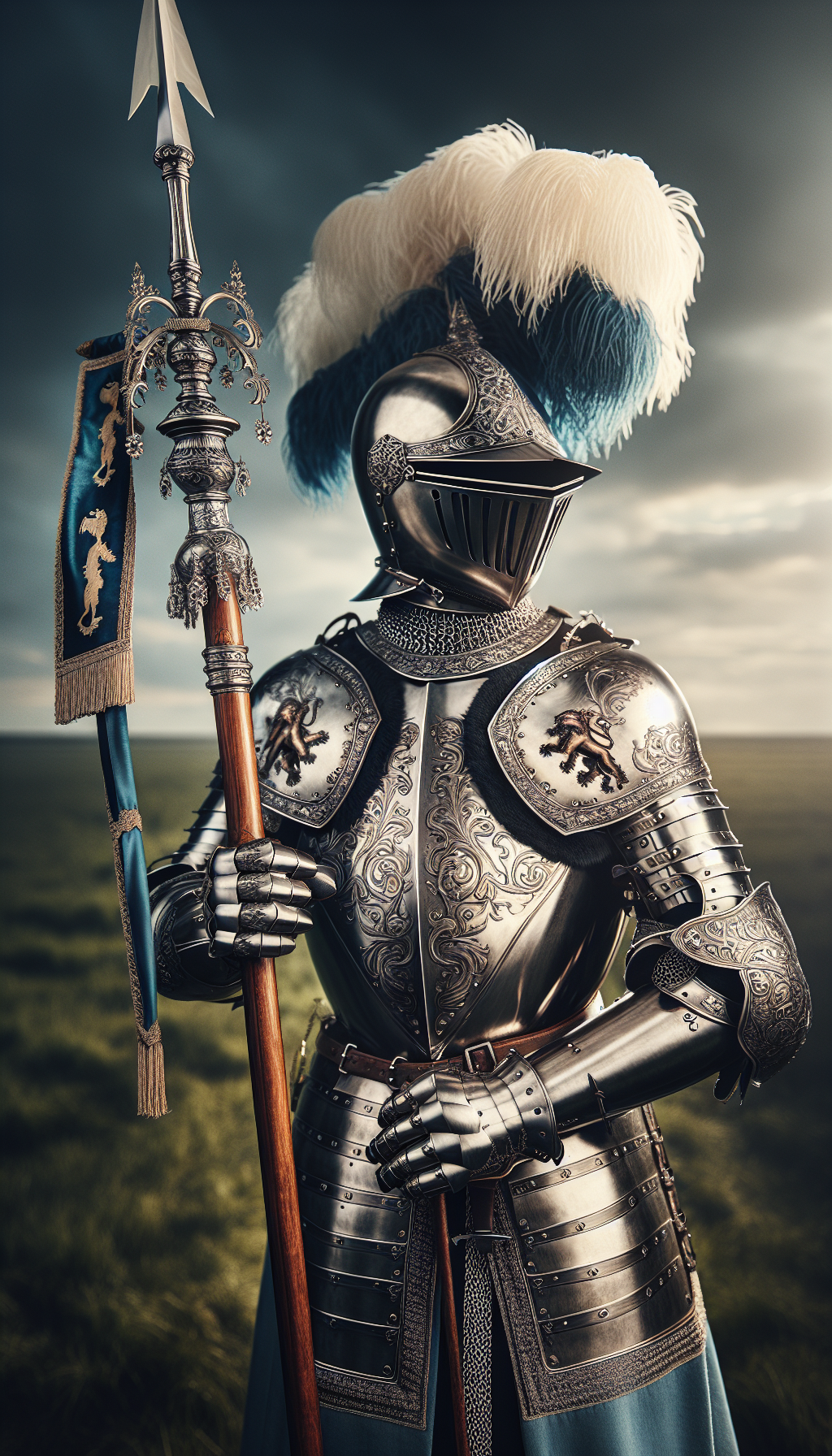
Lance
Lance · Long Spear — Cavalry pole weapon
The lance is a long spear primarily used by medieval European knights for mounted combat. Designed for charging enemies at high speed, it could pierce armor and deliver powerful impacts. Lances were also popular in jousting tournaments.
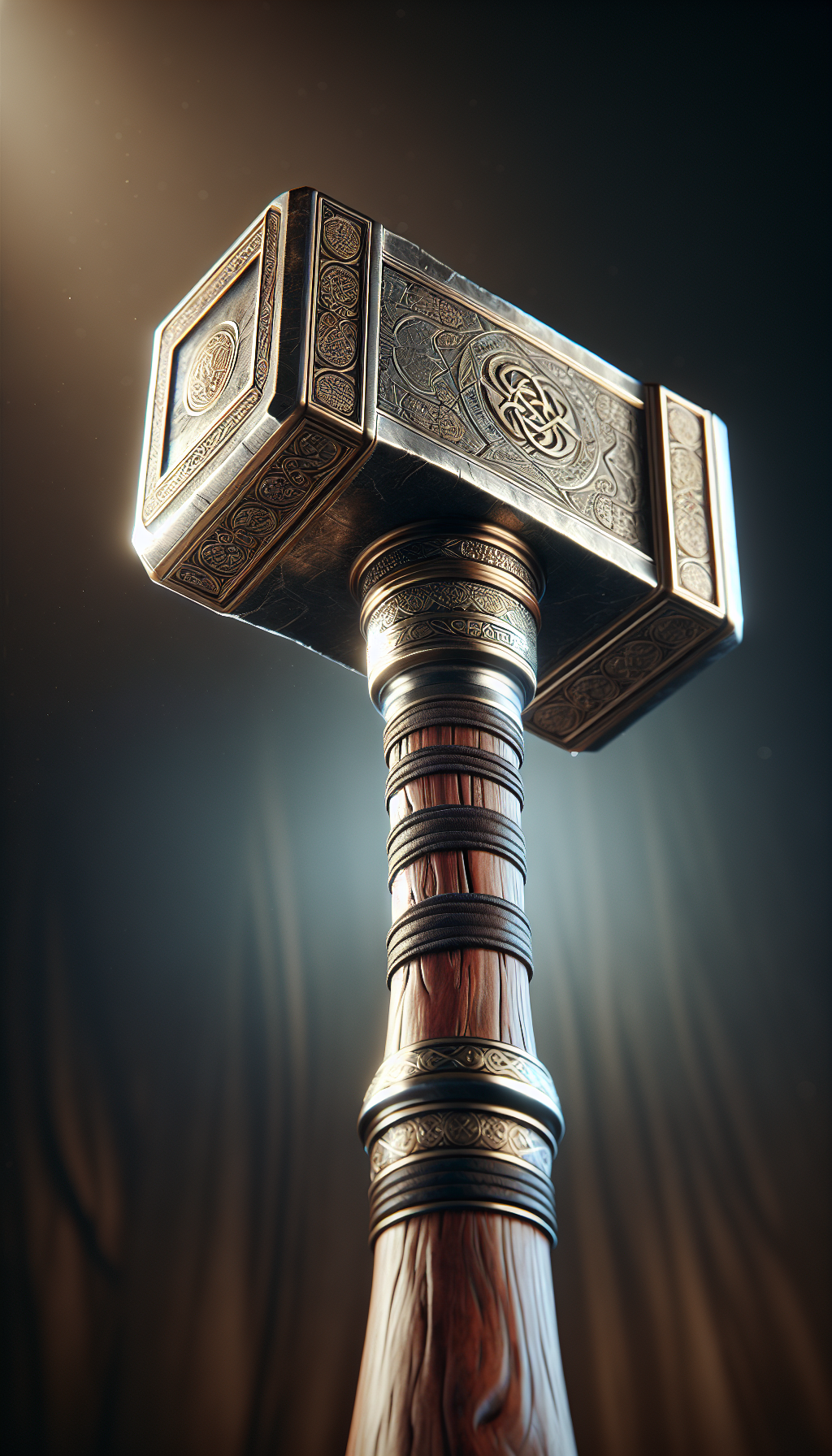
Hammer
Hammer · Warhammer — Weapon of blunt force and utility
The hammer is a weapon made of metal or wood, featuring a heavy, flat striking head. It is primarily used to crush or break enemy armor and shields. Hammers were commonly used by warriors across medieval Europe and East Asia.
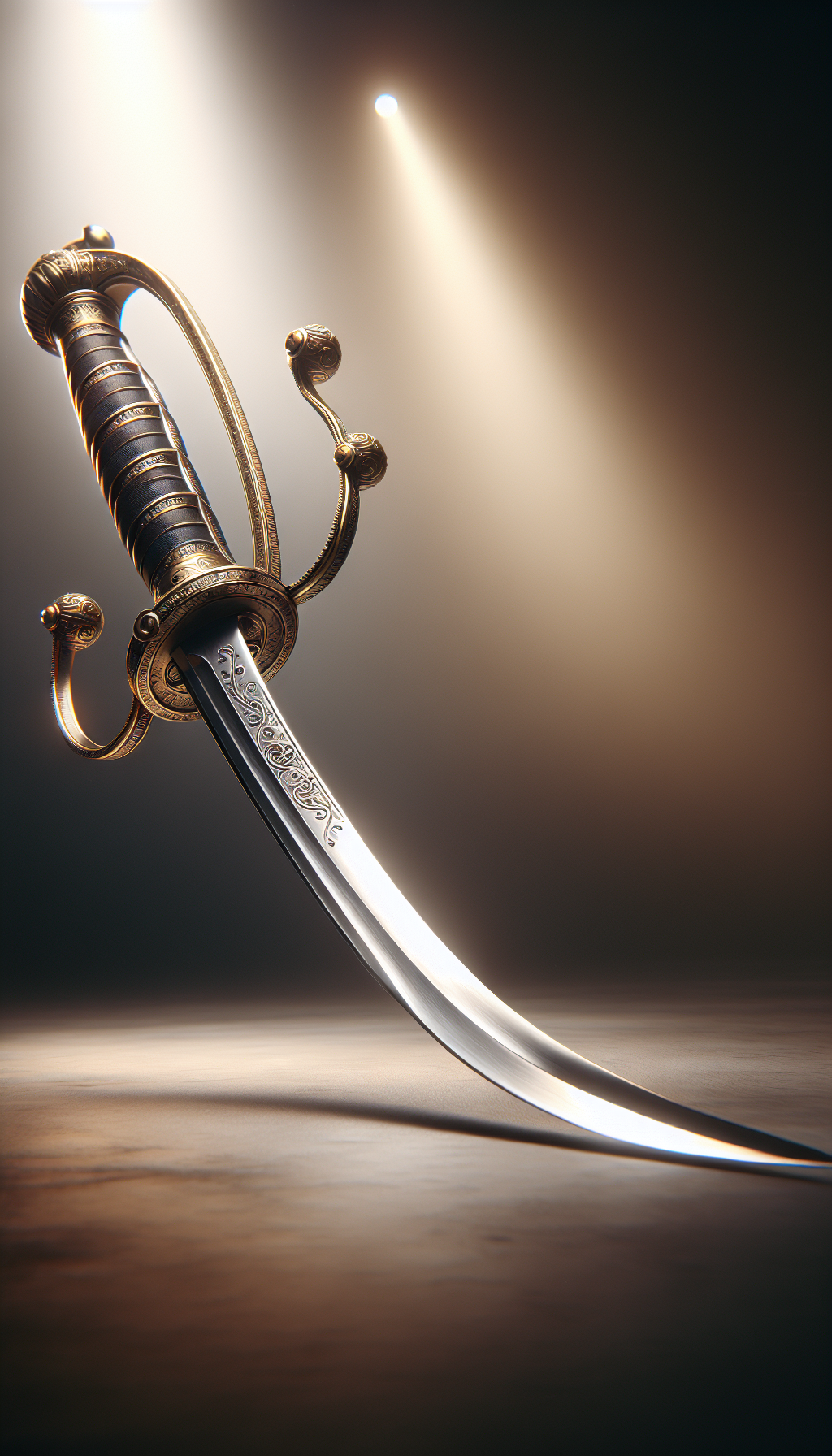
Saber
Curved Cavalry Sword · Sabre — Single-edged, curved sword
The saber is a single-edged, curved sword designed primarily for use with one hand. It became prominent as a cavalry weapon, optimized for slashing attacks. Different variants appeared across Europe and Asia.
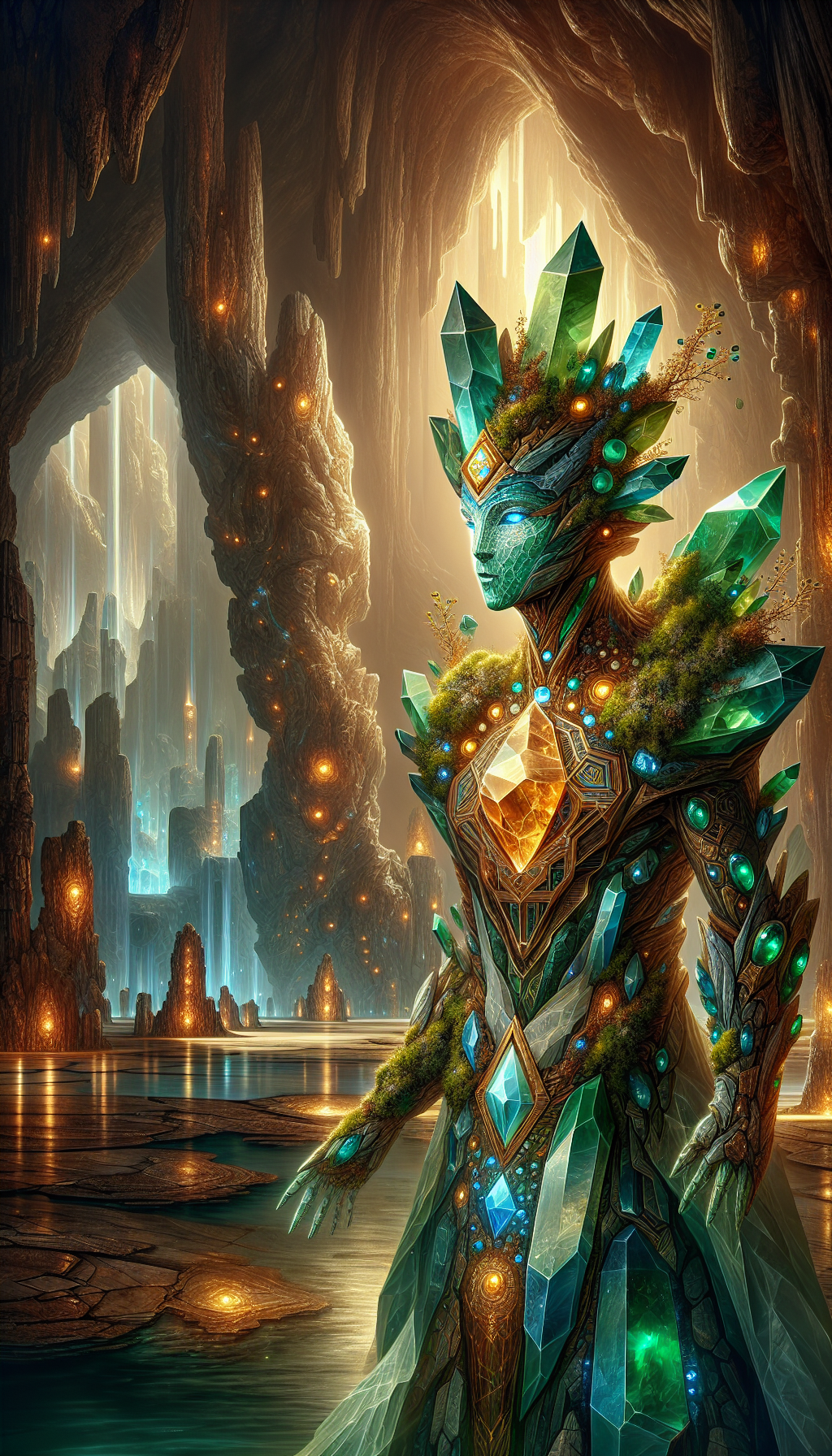
Gnoeanenn
SupremeGnoeanenn — Supreme Earth Spirit
The supreme rank of earth spirits, positioned just below the Oread Spirit King. Capable of directly manipulating continental plates. Its body is composed of various crystallized minerals, and the surrounding terrain convulses whenever it appears. Witnesses report it appeared as though an entire mountain was walking.

Gnome
LesserGnome · Earthworm — Lesser Earth Spirit
The lowest rank among earth spirits, appearing in two forms: Gnome as a small subterranean creature, and Earthworm as a form that burrows through the ground like an earthworm. It dwells in mines and underground, instinctively sensing the condition of minerals and soil. Generally friendly to humans and may reveal the locations of treasure or ore veins.
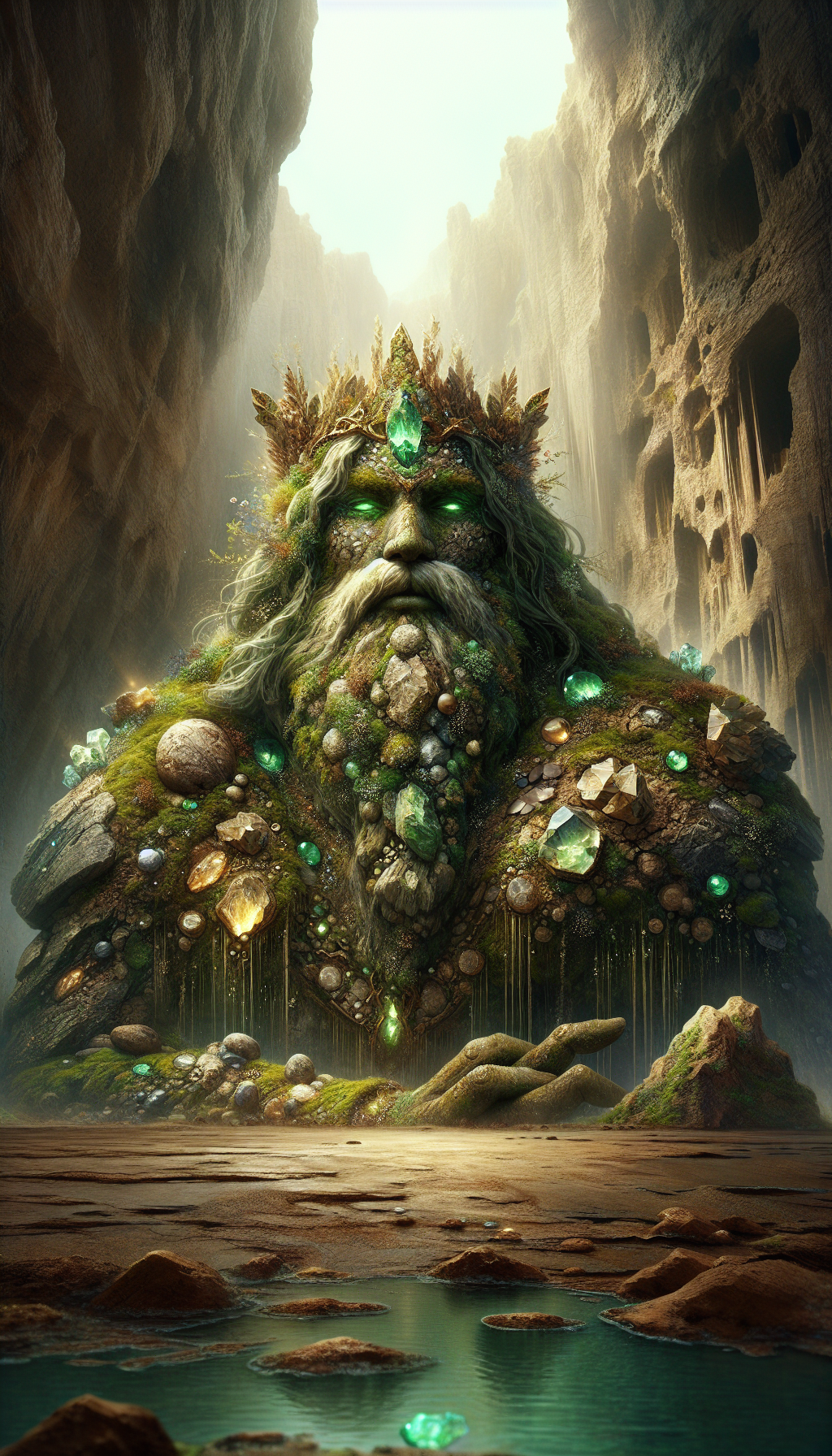
Oread
Spirit KingOread · Trowell · Gnoass — Earth Spirit King
The pinnacle of earth spirits, the Spirit King. Also known as Trowell and Gnoass. Governs all soil, stone, and minerals of the earth, controlling tectonic activity through will alone. Slow to move, but each step equals an earthquake. Holds all the earth's memories, knowing every geological change since the world began.
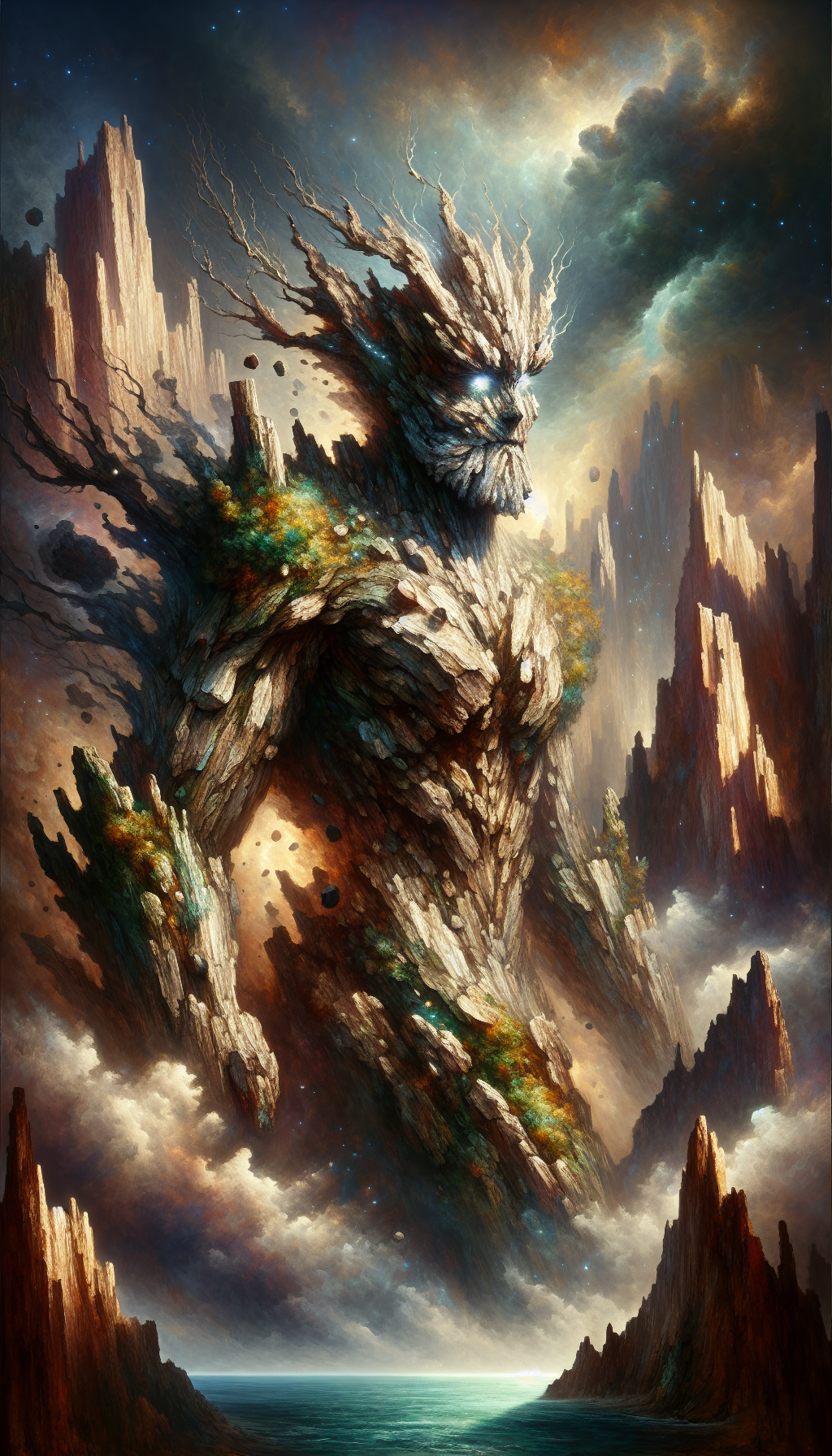
Gnoim
IntermediateGnoim · Gnoum · Mulden — Intermediate Earth Spirit
The intermediate rank of earth spirits, known by names such as Gnoim, Gnoum, and Mulden. It dwells in mountain ranges and rocky peaks, effortlessly manipulating massive boulders. It speaks in a low, resonant voice; slow to decide, but once resolved, holds firm as rock.
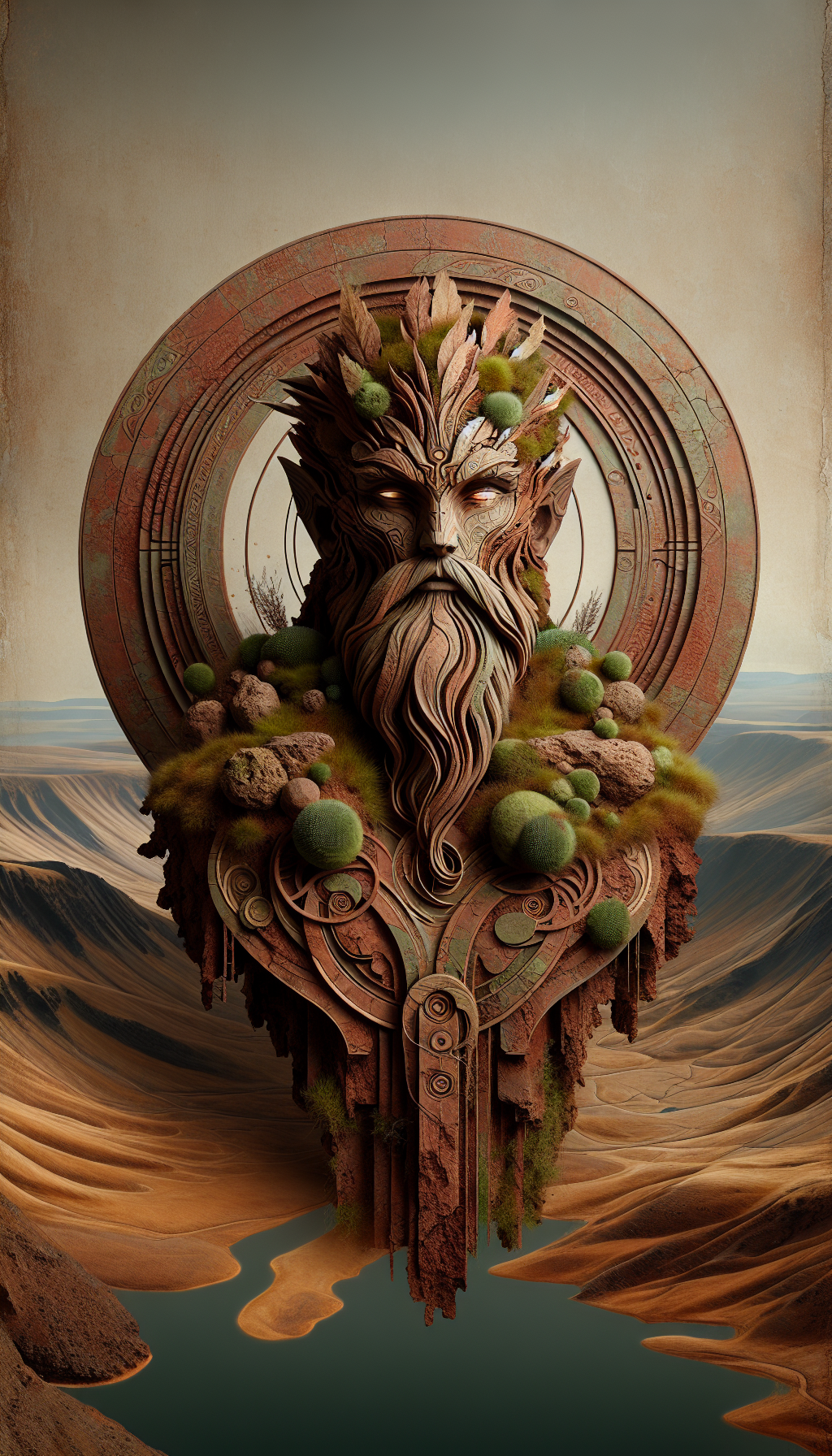
Clay
GreaterClay · Gnoess — Superior Earth Spirit
The superior rank of earth spirits. Sensorially connected to the entire earth, perceiving the terrain within hundreds of kilometers. Controls soil, rock, and clay freely and can summon a golem army for battle. Taciturn and reserved, but when angered, unleashes destruction comparable to an earthquake.
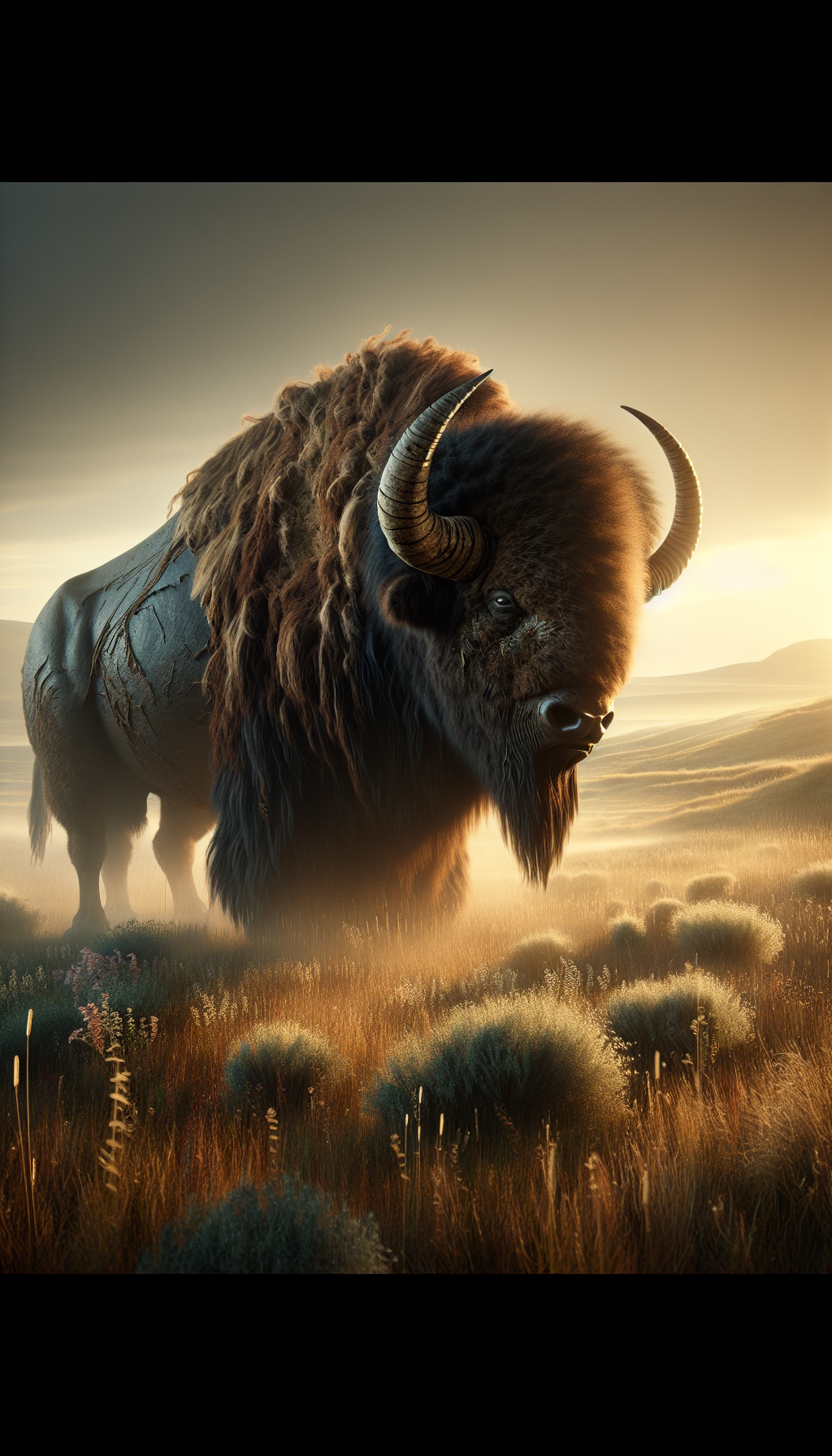
Longhorn Bison
Longhorn Bison · Ancient plains giant — Massive grazer with elongated horns
The Longhorn Bison is inspired by the real prehistoric giant, the long-horned bison (Praebison antiquus). It was known for its imposing size and exceptionally long horns, roaming the grasslands of Eurasia and North America. Its tough hide and herding behavior made it both a challenge and a prize for early human hunters.
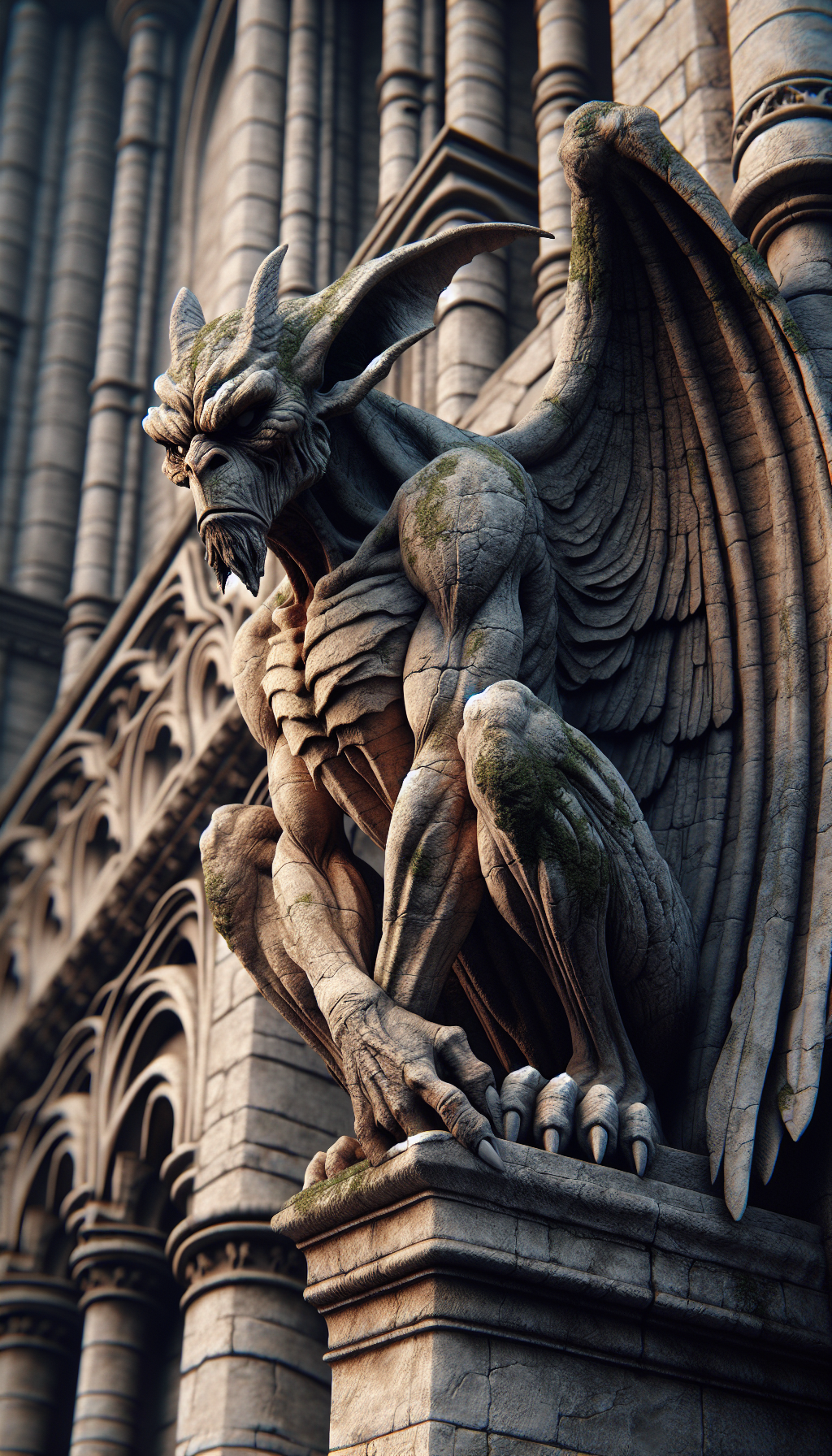
Gargoyle
Gargoyle · Stone Monster — Legendary Protectors of Medieval Architecture
Gargoyles are grotesque stone statues found on medieval European buildings, particularly cathedrals and churches. Legends depict them as mystical creatures warding off evil spirits and protecting the structures. In reality, they functioned as architectural water spouts.
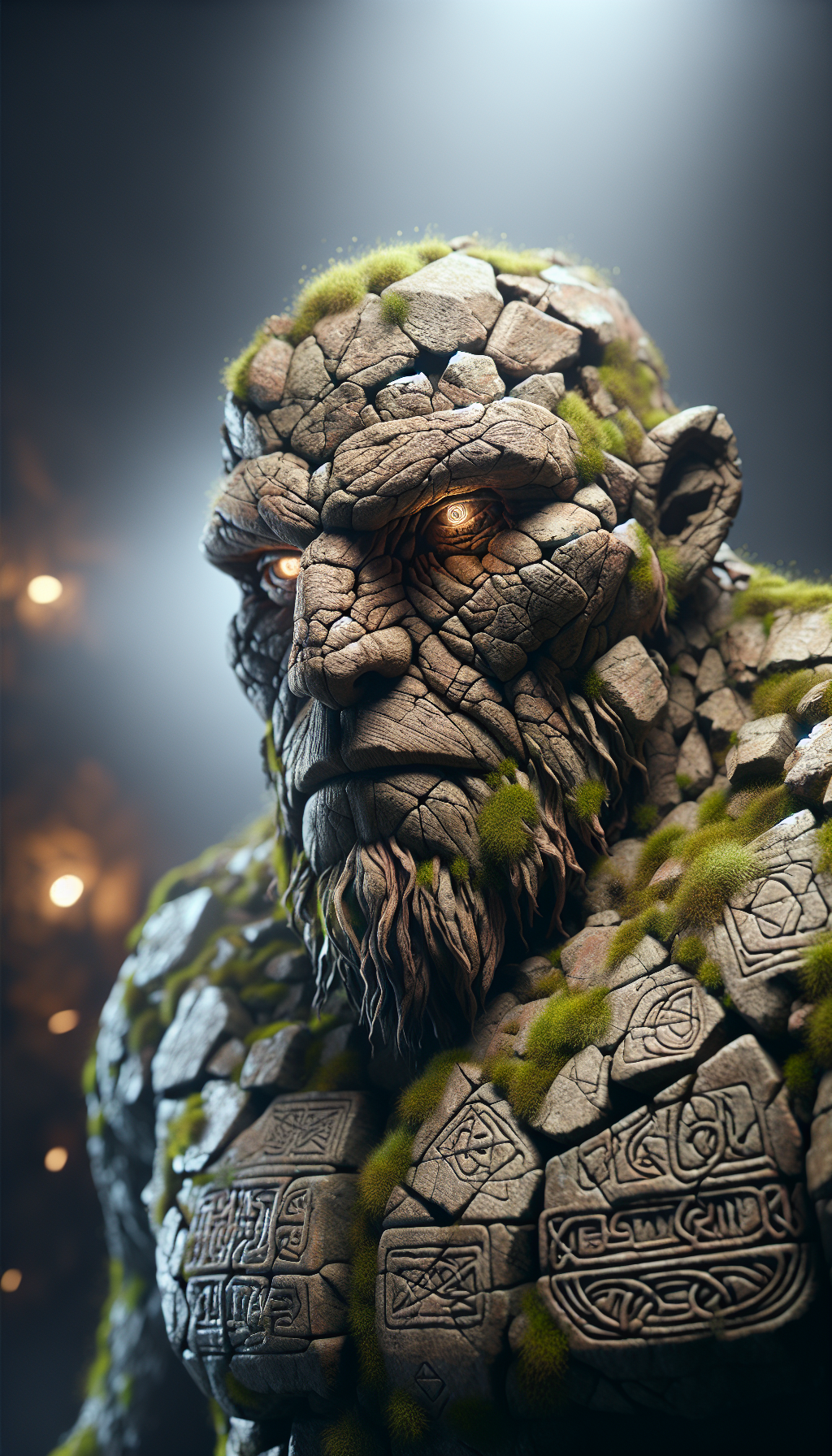
Golem
Golem · Artificial Creature — A being made from inanimate materials
A golem is an artificial being constructed from inert matter such as clay, stone, or metal. Animated by magic or mystical incantations, golems serve the commands of their creators. They are typically used for labor, protection, or defense.
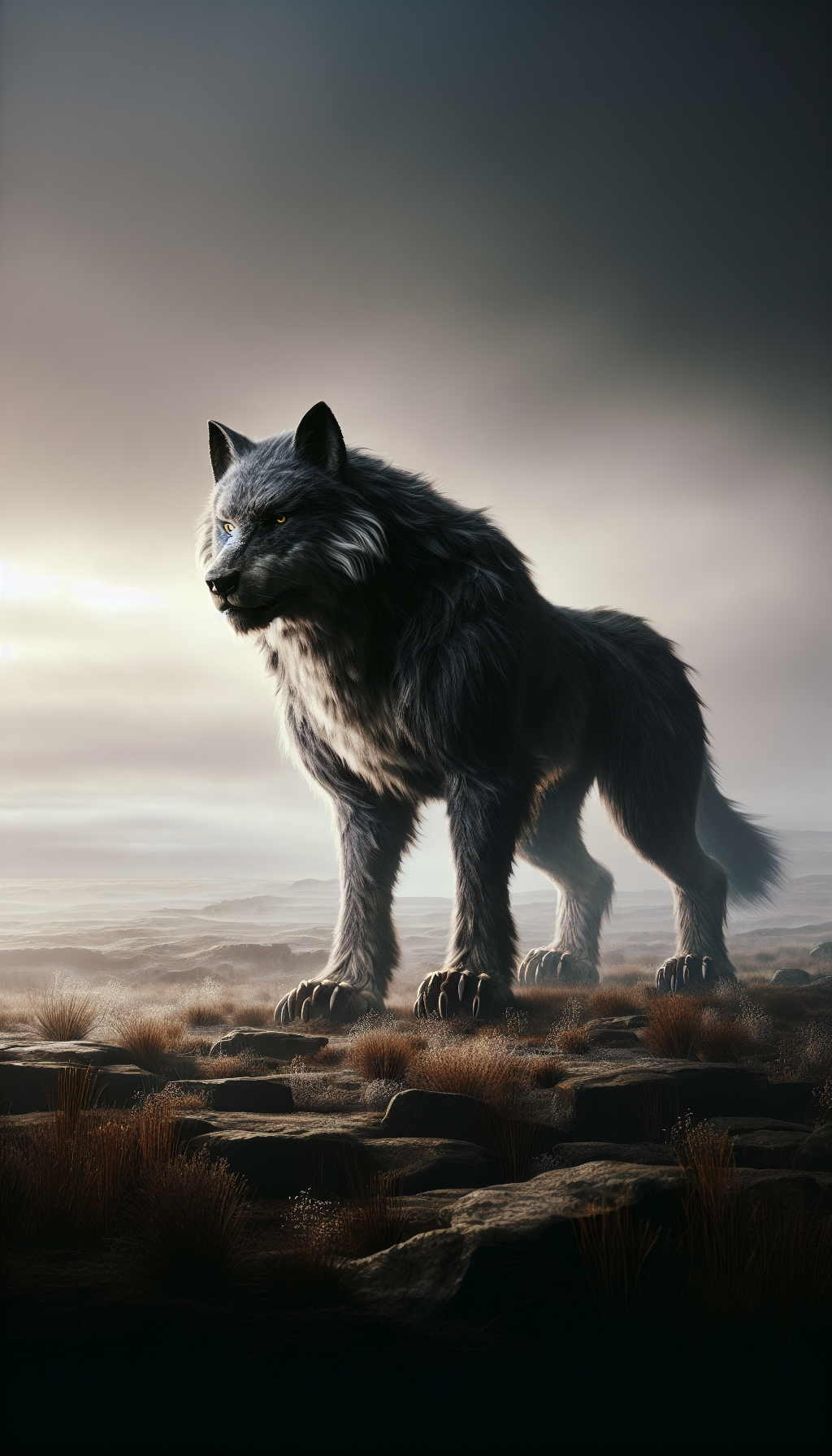
Cimbrian War Wolf
Cimbrian War Wolf · Legendary warbeast — Mythical battle wolf
The Cimbrian War Wolf is a giant wolf creature from European legend, often associated with battlefields and fearsome warriors. It is depicted as a massive predator, striking terror into the hearts of enemies. Its strength and ferocity made it a symbol of war and destruction.
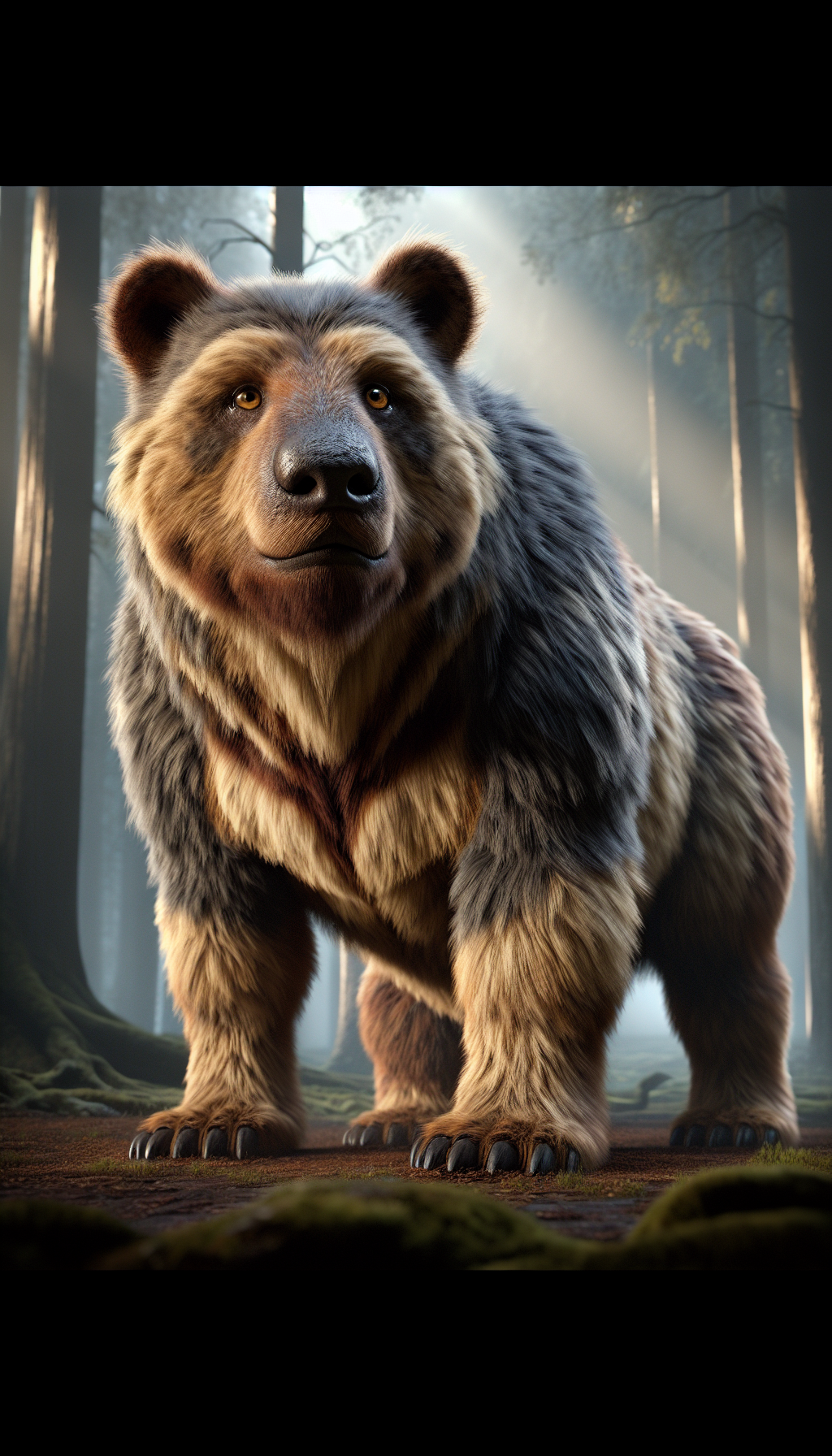
Amphicyon
Amphicyon · Bear Dog — Large prehistoric carnivore
Amphicyon, known as the 'bear dog,' was a large prehistoric mammal that exhibited features of both bears and dogs. It possessed powerful jaws and agile limbs, allowing it to hunt a variety of prey in diverse environments. Although not directly related to modern bears or dogs, it displayed characteristics of both.
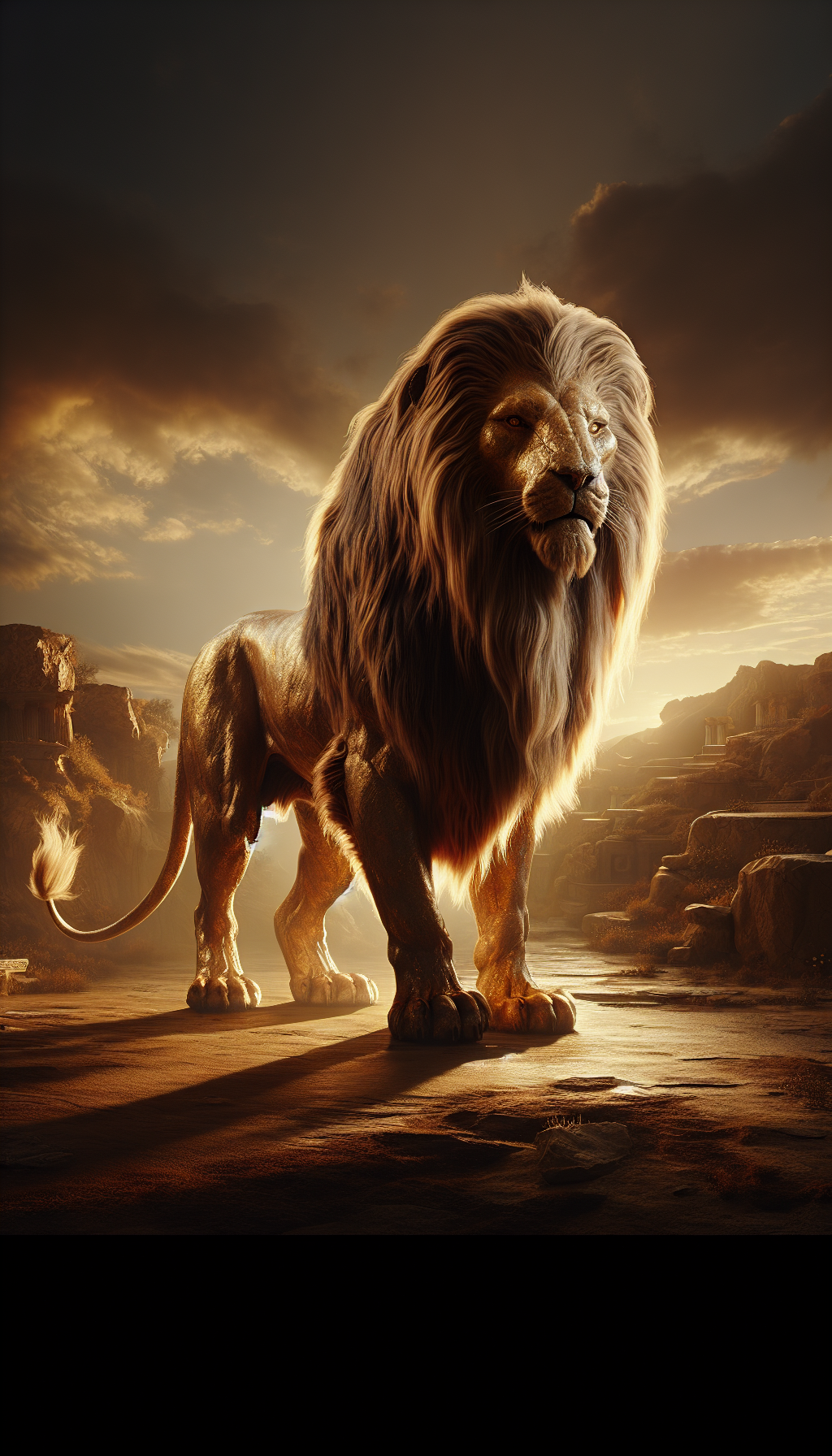
Nemean Lion
Nemean Lion · Invulnerable Beast — Immortal creature of Greek myth
The Nemean Lion is a legendary beast from Greek mythology, famed for its impenetrable golden hide. It terrorized the region of Nemea until it was defeated as the first labor of the hero Heracles. Its hide was impervious to conventional weapons, making it a symbol of daunting strength.