
Mace
A flanged metal club effective against armor
The mace is a striking weapon with a metal head, one of the oldest weapon types in human history. Used since the Bronze Age, it evolved in the medieval period into flanged or knobbed metal heads designed to crush armor. The flanged design concentrates force on a narrow area, transmitting impact even through armor. At 50-80cm total length with a head weighing 1-2kg, it is wielded one-handed. The popular notion that medieval clergy used maces as "bloodless" weapons is widely circulated but historically unfounded — a myth created in later periods.
Origin
One of humanity's oldest weapon types, used since the Bronze Age (c. 3000 BC). Evolved into flanged designs in medieval Europe, becoming a key striking weapon of the armored era.
Features
- Flanged (winged) or knobbed metal head
- Total length 50-80cm, head weight 1-2kg
- Transmits impact through armor
- Used since the Bronze Age
- "Bloodless clergy weapon" myth — historically unfounded
- One-handed use, compatible with shields
Usage
Struck at helmets and joints of armored opponents to cause concussions and fractures through the armor. Typically wielded one-handed with a shield.
Related
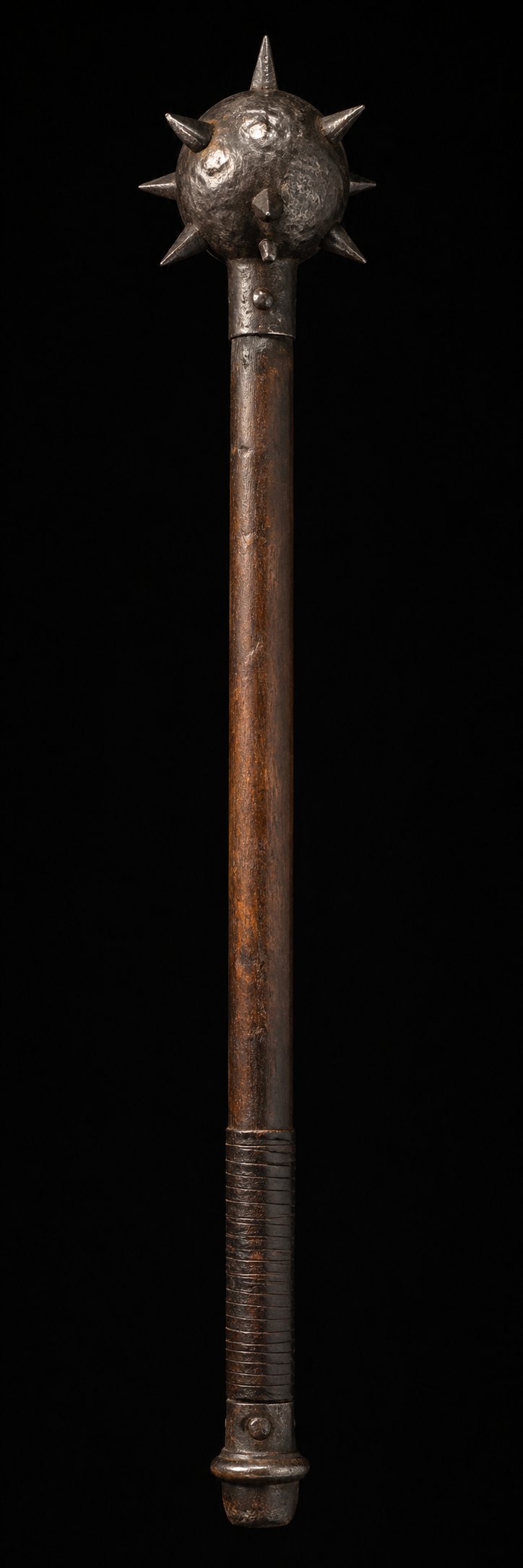
Morning Star
The spiked ball weapon of medieval warfare

War Hammer
A blunt weapon designed to defeat plate armor

Flail
A chain-linked striking weapon that bypasses shields

Longsword
The quintessential two-handed sword of medieval Europe

Halberd
The versatile polearm combining axe, spear, and hook

Zweihänder
The massive two-handed sword of German Landsknechts

Longbow
The iconic weapon of the English archer

Crossbow
The mechanized ranged weapon of the medieval era

Battle Axe
An axe designed specifically for combat

Lance
The cavalry charge weapon of the mounted knight

Stiletto
The Italian thrusting-only dagger
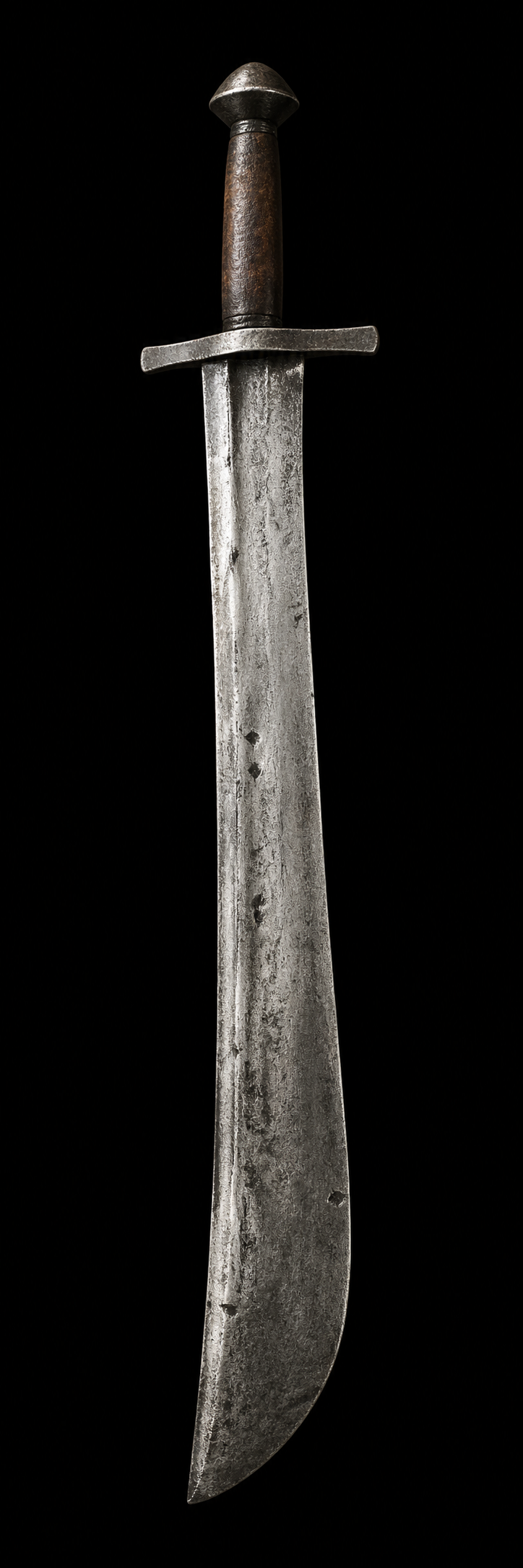
Falchion
A single-edged medieval European chopping sword