
Crossbow
The mechanized ranged weapon of the medieval era
The crossbow is a ranged weapon combining a horizontal bow with a mechanical trigger mechanism. Unlike a bow, it can deliver high power without extensive training, earning it the nickname "democratized weapon." Widely used in medieval European infantry and castle defense, it was famously banned by Pope Innocent II at the Second Lateran Council in 1139 (against Christians). Steel limbs replaced wood/horn composites in the 14th century, dramatically increasing penetration. Bolts are shorter and heavier than arrows, delivering powerful close-range penetration.
Origin
First developed in China's Warring States period (5th century BC) as the "nu" (弩), reaching Europe around the 10th century. Pope Innocent II banned its use between Christians at the Second Lateran Council in 1139, though the ban was largely ignored.
Features
- Horizontal bow + mechanical trigger design
- High power with minimal training
- Steel limbs for superior penetration
- Short, heavy bolts for armor penetration
- Windlass or stirrup cocking mechanisms
- Effective range approximately 100-200m
Usage
Primarily used in castle defense and siege warfare, also deployed by infantry in field battles. Especially valuable for armies lacking trained archers.
Related

Arbalest
A heavy steel-prodded crossbow of the late Middle Ages

Longbow
The iconic weapon of the English archer

War Bow
A heavy-draw longbow built for battlefield use

Longsword
The quintessential two-handed sword of medieval Europe

Halberd
The versatile polearm combining axe, spear, and hook
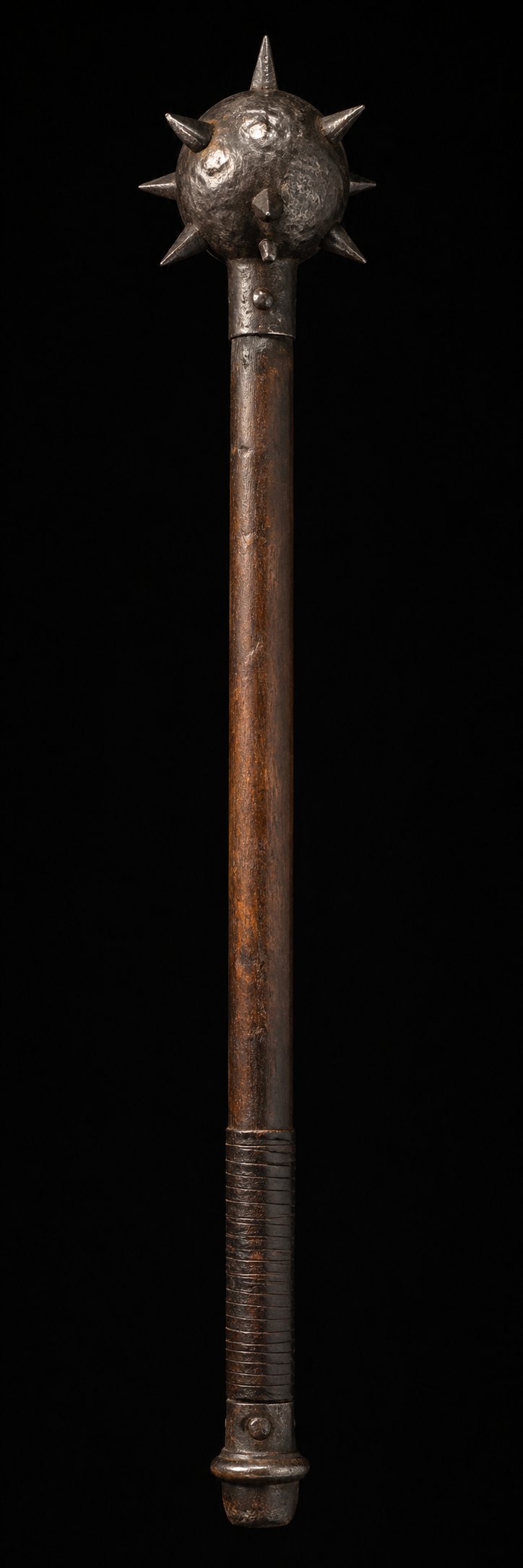
Morning Star
The spiked ball weapon of medieval warfare

Zweihänder
The massive two-handed sword of German Landsknechts

Battle Axe
An axe designed specifically for combat

Lance
The cavalry charge weapon of the mounted knight

Stiletto
The Italian thrusting-only dagger

Mongol Bow
The composite bow of mounted archers
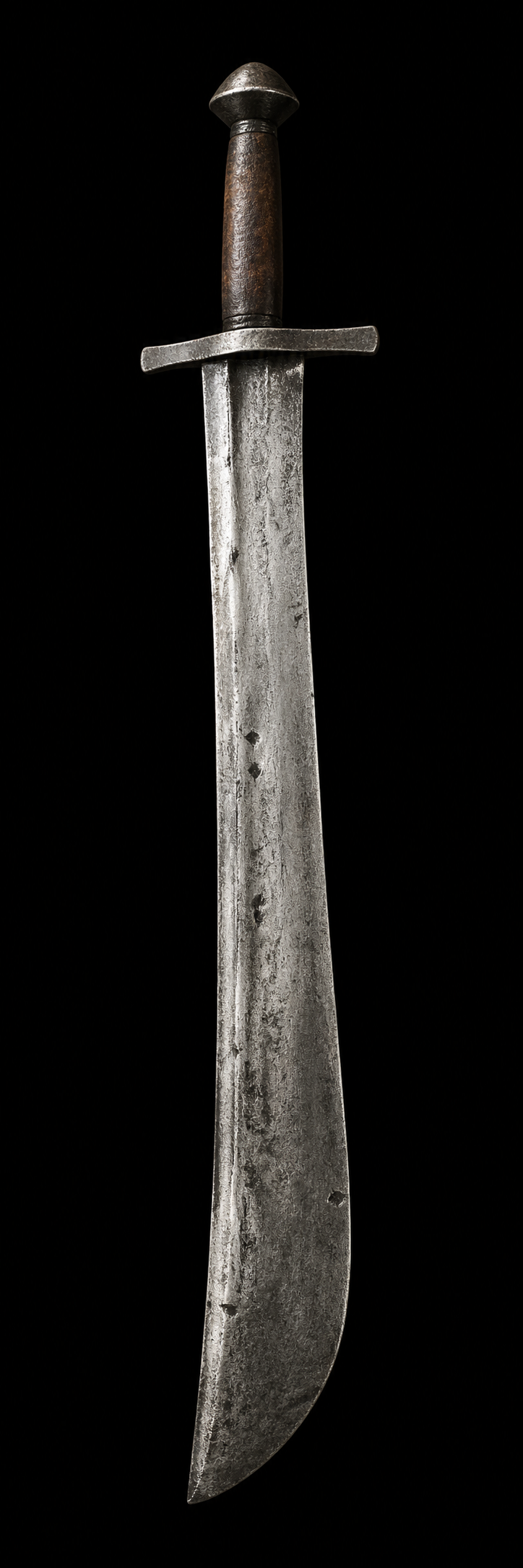
Falchion
A single-edged medieval European chopping sword