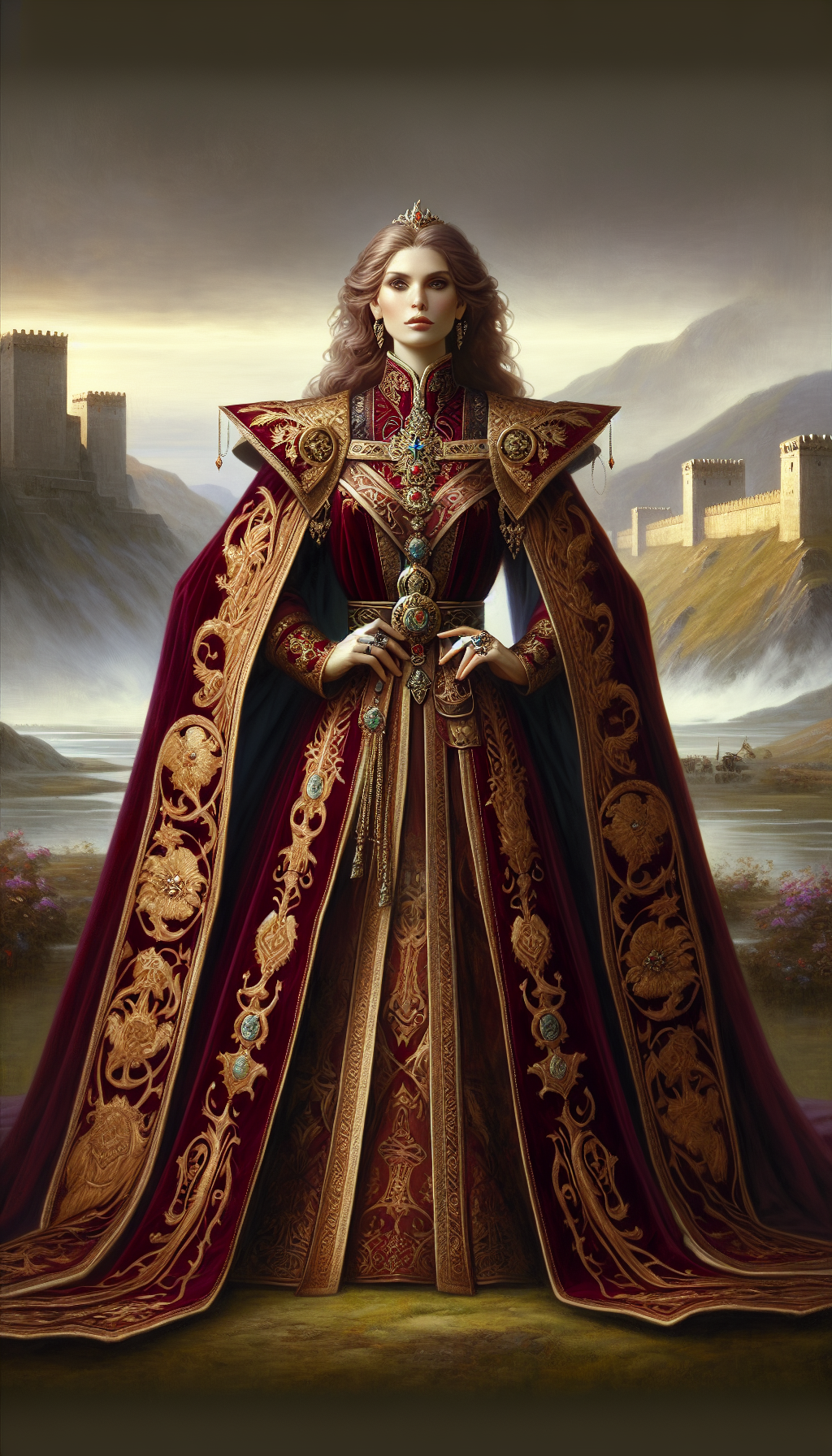
The viscount is a middle noble title in the European feudal system positioned between count and baron. The etymology comes from Latin 'vicecomes' (vice-count), originally meaning 'count's deputy' — the vassal who handled administration on the count's behalf when the count governed distant estates. First appearing in 9th-century Carolingian France and introduced to England through the 11th-century Norman Conquest, it gradually became an independent title. England's first formal viscount was John Beaumont, Viscount Beaumont in 1440, and approximately 270 viscount families currently exist. Their flexible position between count and baron allowed marriages and alliances with both classes. Titles vary: English 'Viscount,' French 'Vicomte,' Italian 'Visconte,' German 'Burggraf.' A staple character class in Victorian English literature, including Bingley and Darcy types in Pride and Prejudice.
Origin
Derived from the Latin Vice-comes, meaning 'deputy of the count.' Originally an administrative post managing a domain in the count's absence, it hardened into an independent hereditary title through the Middle Ages.
Features
- Rules multiple domains and small cities
- Entitled to attend royal ceremonies and speak in parliament
- May maintain a private army and issue commercial charters
- Expanding political influence through marriage alliances is a core strategy
Usage
Participates in court politics, manages regional trade, and forges alliances with higher nobles. From the viscountcy onward, one becomes a true player in aristocratic politics.
Weakness
Political influence is limited compared to counts and marquesses. Falling out of favor with a superior noble risks the stripping of the title.