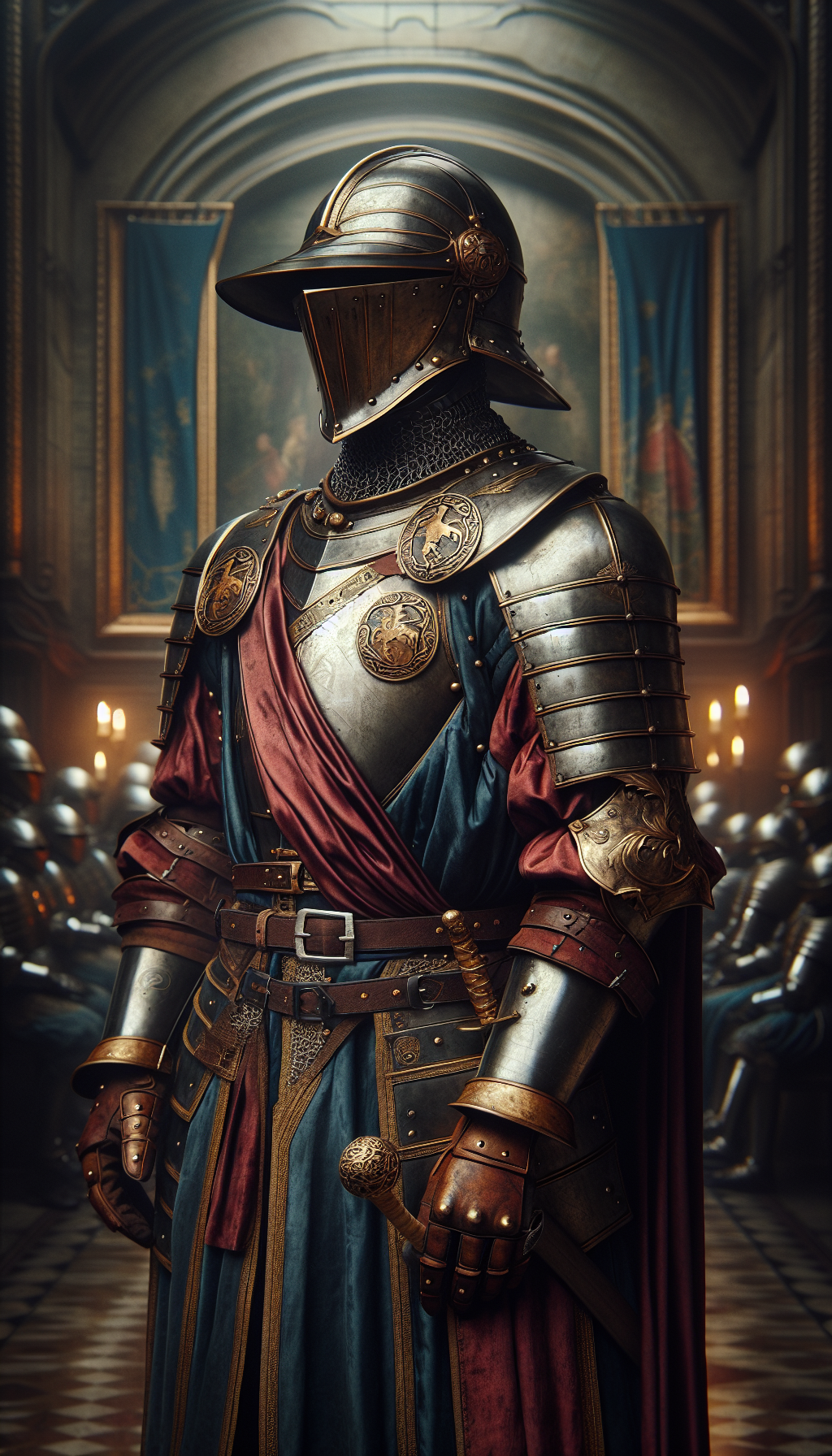
The baron is the lowest hereditary noble title in the European feudal title system, the lowest of the five noble ranks (duke, marquess, count, viscount, baron) yet clearly distinguished from commoners. The etymology comes from Old Germanic 'baro' (freeman, warrior), established as a title after the 11th-century Norman Conquest of England, originally meaning 'feudal lord directly owing military vassal duties to the king.' The 25 barons who forced the Magna Carta in 1215 are England's most famous example, renowned for their historical role checking absolute royal power. They held small estates (usually one village and surrounding farmland), collecting taxes and exercising judicial authority over their peasants. Titles vary: 'Lord' in England, 'Monsieur le baron' in France, 'Freiherr' (free lord) in Germany. Modern Britain still grants baronies through life peerages to politicians and scholars.
Origin
Formed from the Vassal System that was the core structure of medieval European feudalism. The baronial class took shape as kings granted land and titles to knights who had earned distinction or to those of wealth.
Features
- Rules a small domain — holds village-level judicial authority and the right to levy taxes
- Obligated to provide knight troops when summoned by a superior lord
- The Baroness administers the domain in the baron's absence
- The title is hereditary but reverts to the crown in cases of treason or failure of heirs
Usage
Maintains local order, collects taxes, and wages small-scale conflicts. In fantasy, often the first noble authority a protagonist confronts.
Weakness
Must obey superior lords without question and cannot conduct independent diplomacy or declare war. A fragile financial base means a single bad harvest can throw the domain into crisis.