
Dopo
Joseon scholar's long outer robe
The dopo is the long outer robe worn by Joseon-era Korean scholars and yangban gentlemen over the hanbok when leaving the home. Falling to the ankle with wide sleeves and a rear vent, it was the most emblematic garment of the Korean literati. Its name comes from the Confucian concept of "dao" (the Way), embodying the scholar's lifelong pursuit of virtue. Made from cotton, silk, or ramie depending on season, most commonly white but also jade-green, gray, or blue, it was cinched with a wide sejodae sash. Paired with the gat horsehair hat and taesahye leather shoes, the trio formed the classical Korean scholar ensemble. The wide sleeves held books, brushes, and paper — practical as well as ceremonial. In Korean historical dramas and hanbok-era romance, a man striding with dopo flaring behind him is a classic iconographic image.
Related

Mudang-bok
Korean shaman's ritual gown

Mandarin Guanfu
Ming-Qing Chinese imperial official's robe
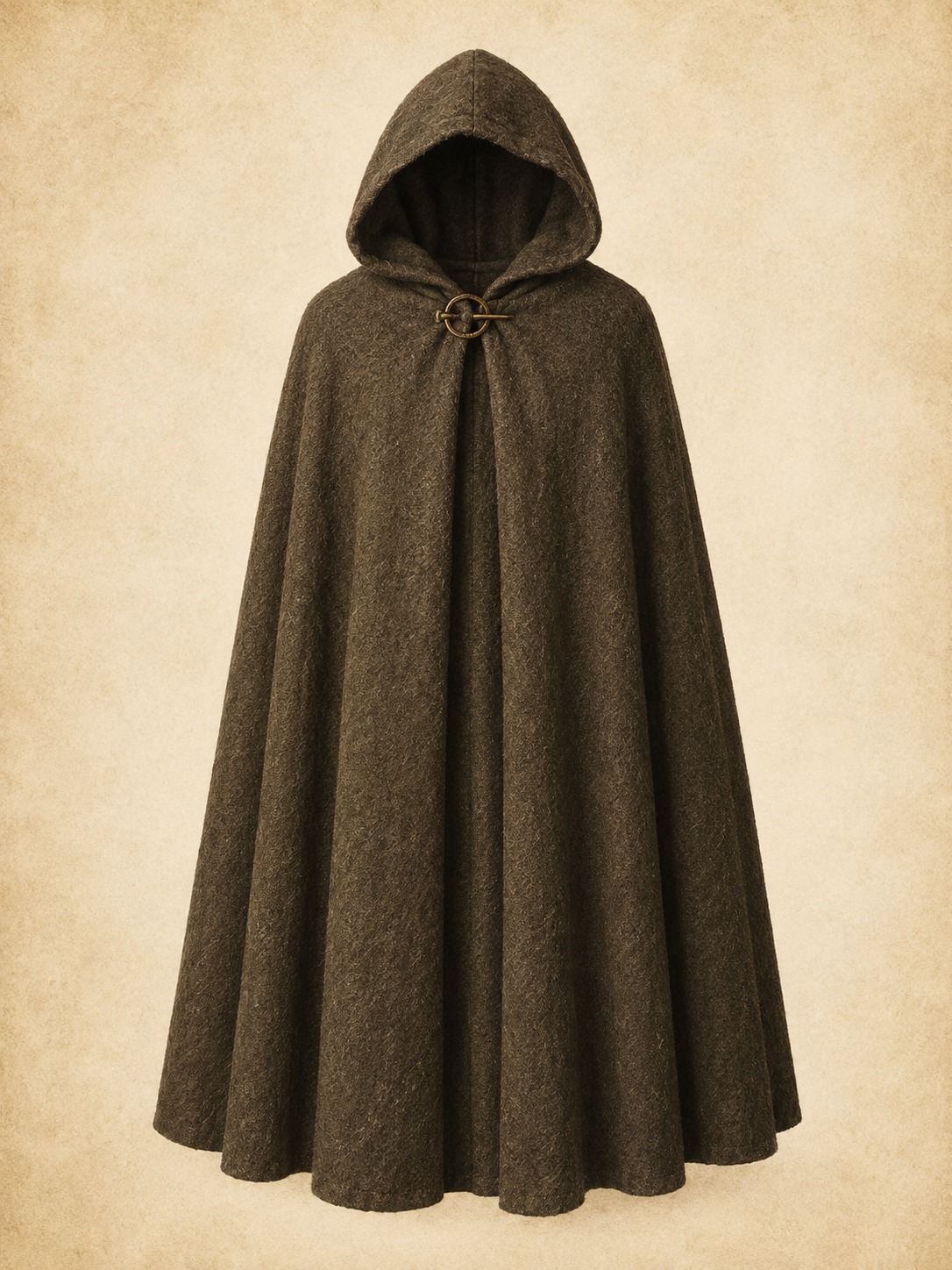
Cloak
Universal draped outer garment of all ages

Cape
Short decorative mantle of the nobility
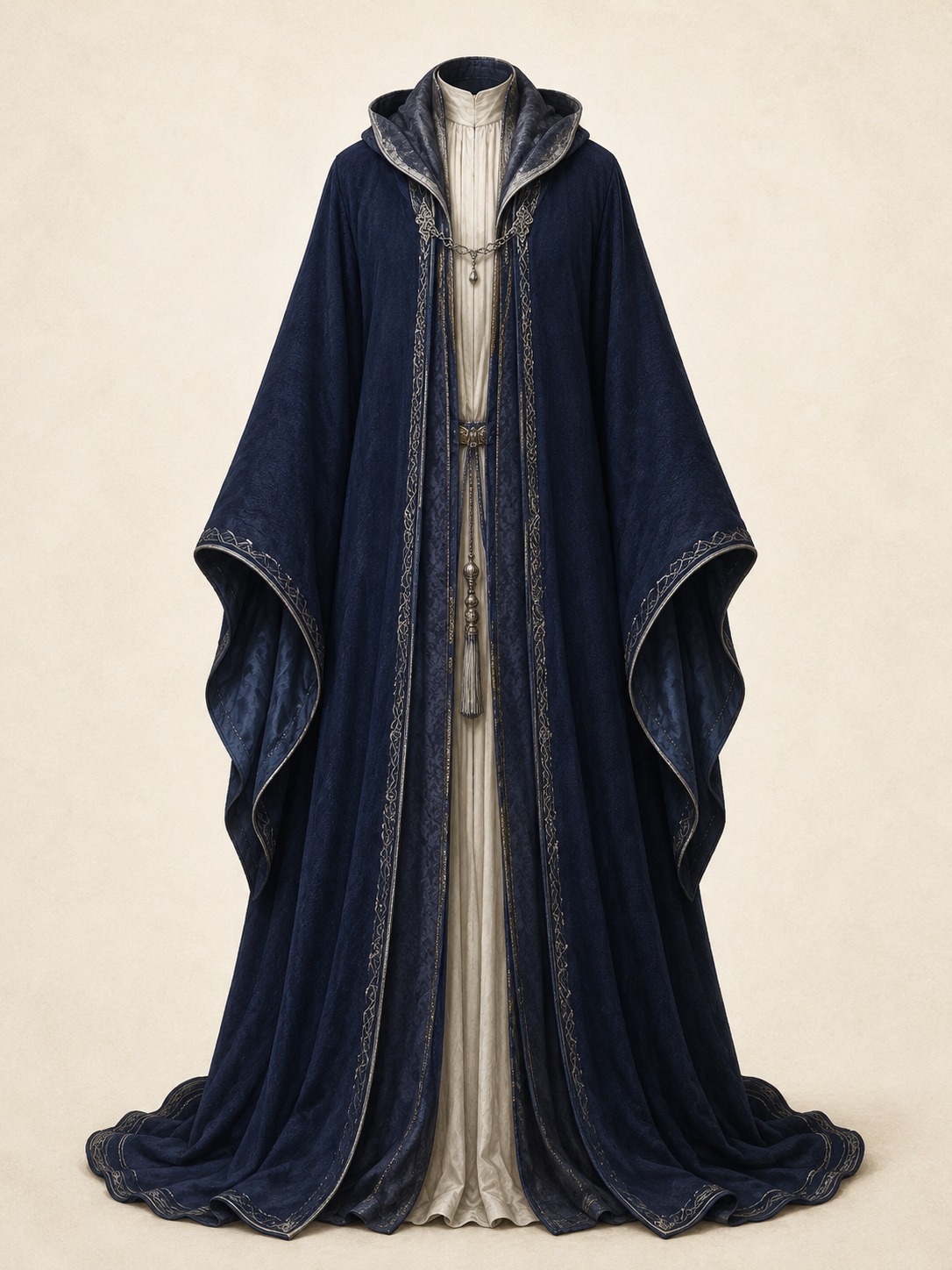
Robe
Long flowing garment of scholars and wizards

Houppelande
Extravagantly sleeved court gown of late medieval Europe

Haori
Traditional Japanese jacket worn over kimono
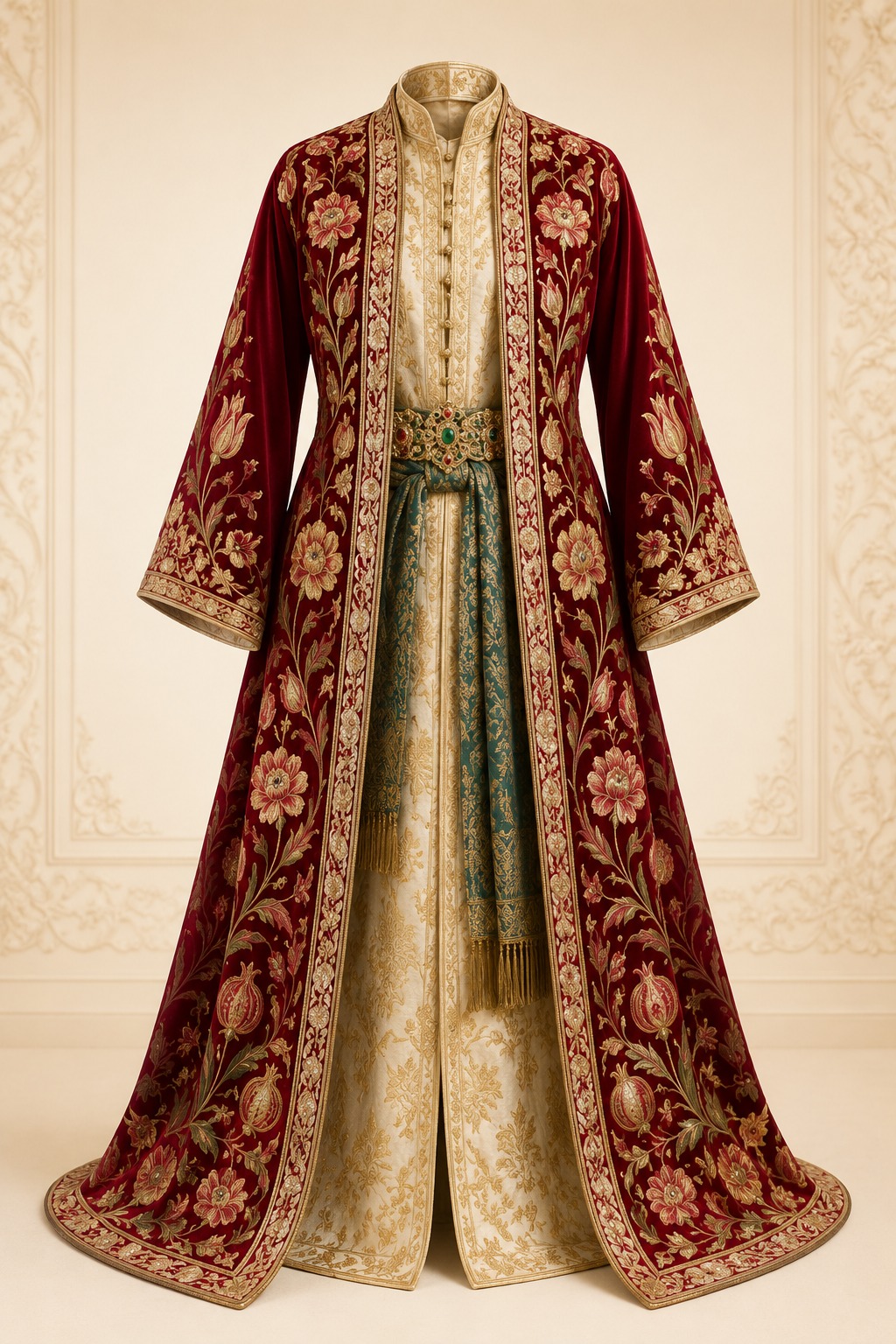
Ottoman Entari
Ottoman court long open-front kaftan

Knight's Tabard
Armorial surcoat of the medieval knight

Tunic
Universal T-shaped garment of the medieval world

Surcoat
Sleeveless overgarment worn over armor

Kirtle
Everyday one-piece dress of the medieval woman