
Tunic
Universal T-shaped garment of the medieval world
The tunic was the most fundamental garment of medieval Europe — a simple T-shaped body covering worn by men and women of every social class from antiquity through the Middle Ages. Secured with a belt that itself served as a status marker, its length and fabric quality indicated rank: short and coarse linen for laboring commoners, long and fine silk for royalty. Descended directly from the Roman tunica, it persisted for centuries as the base layer over which surcoats and cloaks were worn.
Related
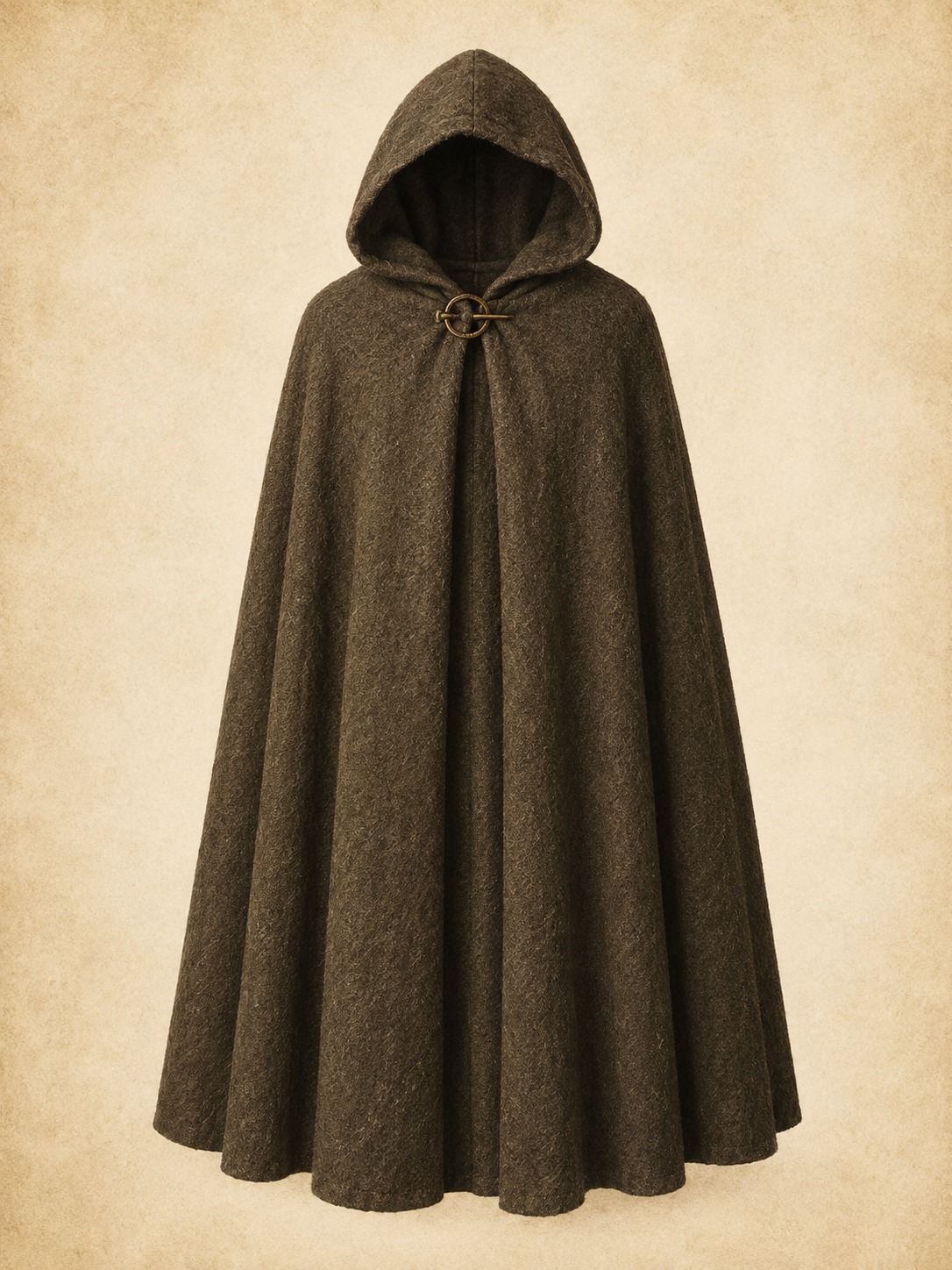
Cloak
Universal draped outer garment of all ages

Kirtle
Everyday one-piece dress of the medieval woman

Cape
Short decorative mantle of the nobility
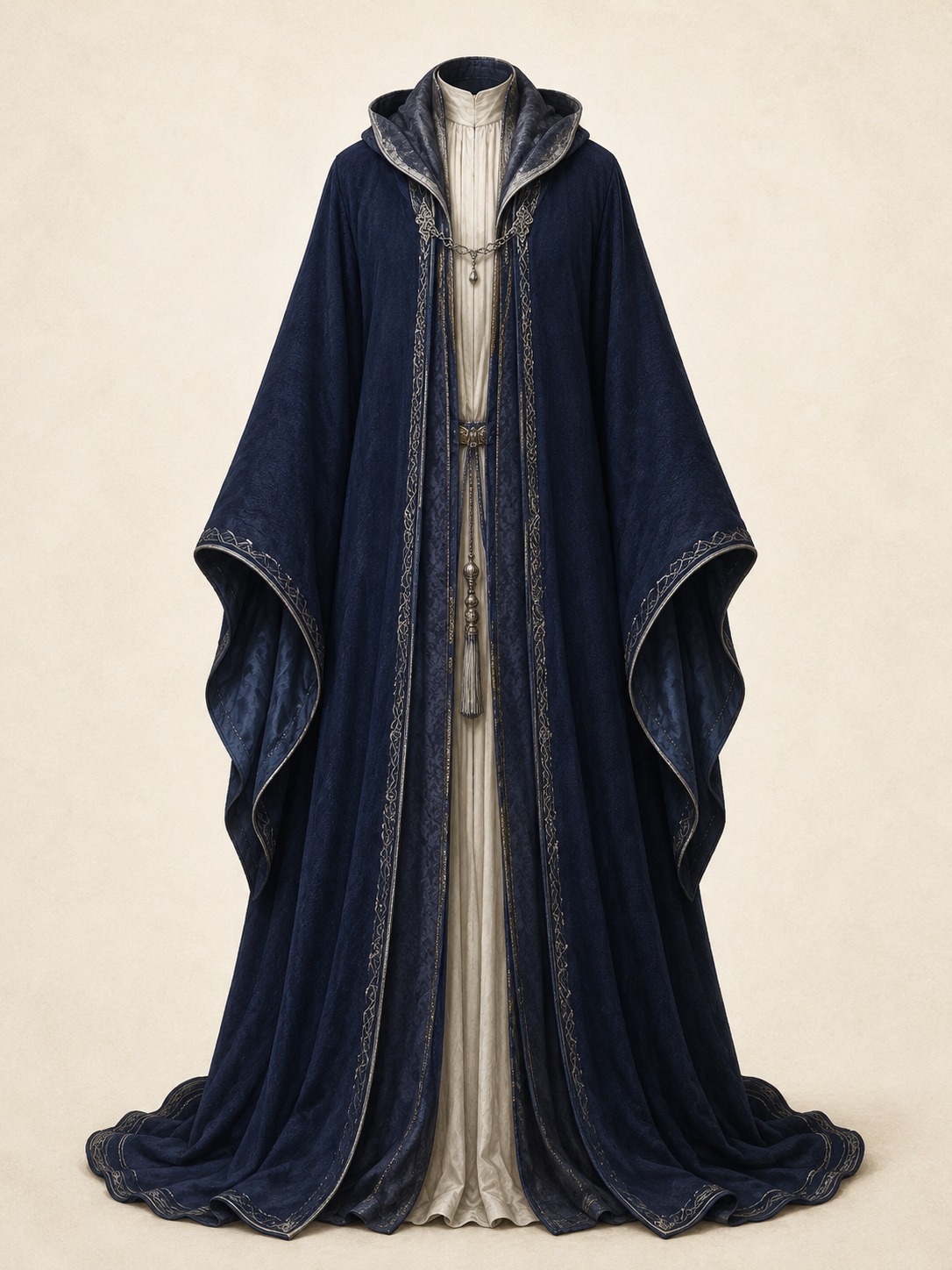
Robe
Long flowing garment of scholars and wizards

Houppelande
Extravagantly sleeved court gown of late medieval Europe

Surcoat
Sleeveless overgarment worn over armor
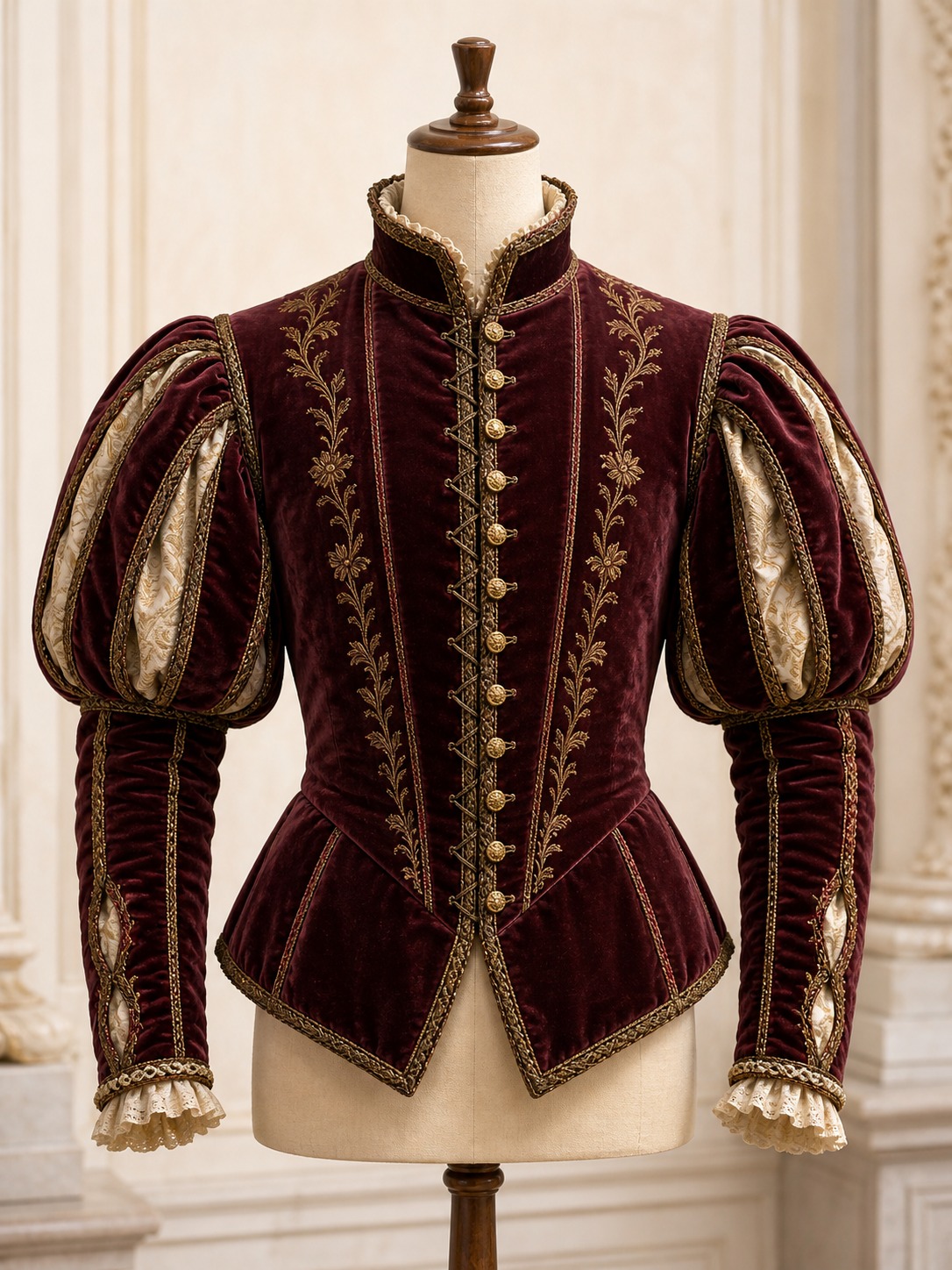
Doublet
Fitted upper-body garment of the European gentleman

Haori
Traditional Japanese jacket worn over kimono

Hanbok
Korea's traditional garment of curved beauty

Kimono
Japan's iconic wrapped garment of seasonal beauty
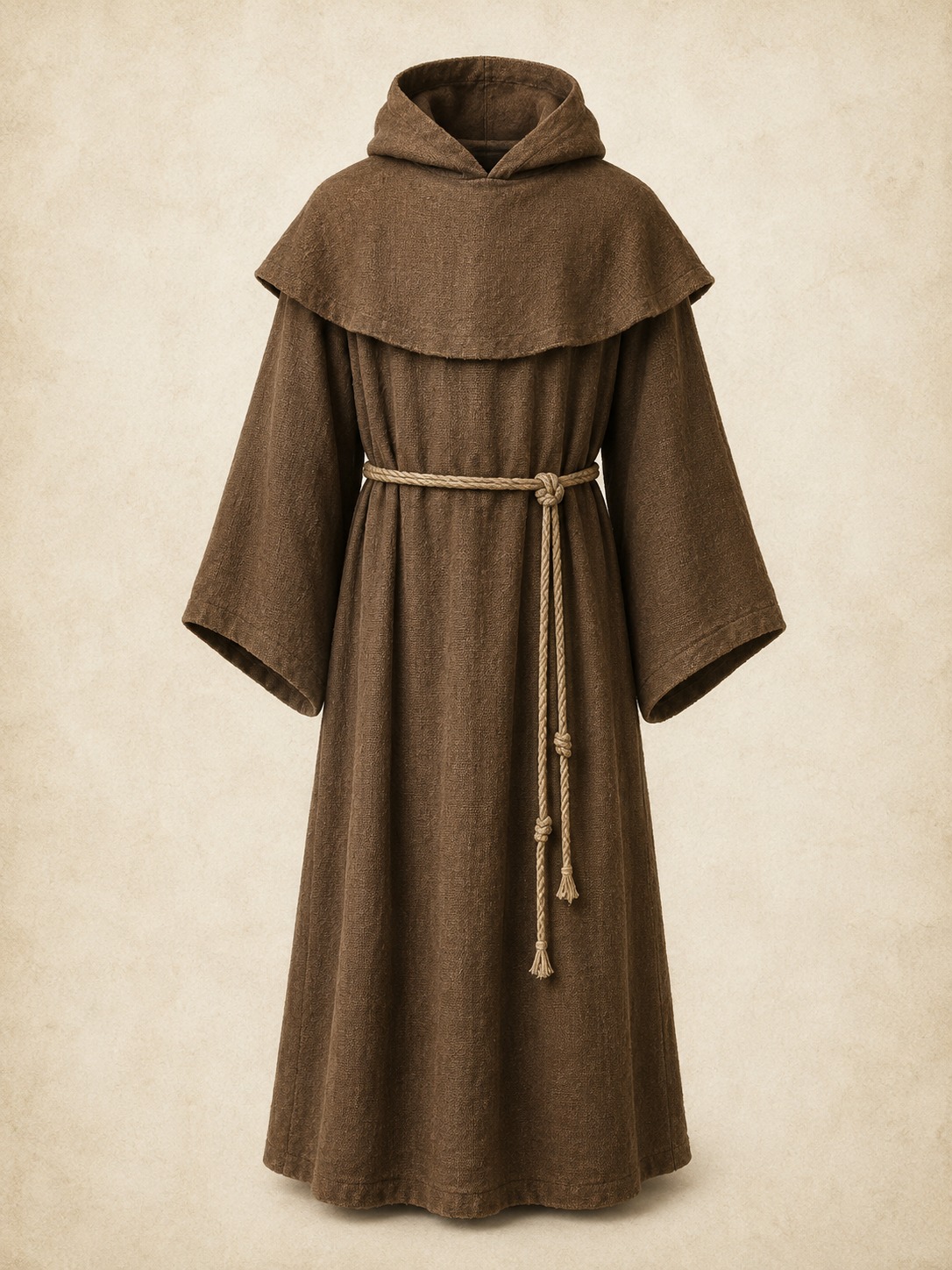
Monk's Habit
Medieval European monastic robe

Nun's Habit
Catholic nun's veil and robe