Ranks & Titles
Nobles, royalty, knights, military ranks, and guild grades
Rank
Culture
Era
Mood

Serf / Outcast
Lesser最下層民 — The Lowest Stratum of Society
The lowest stratum in the social order. Slaves, descendants of convicted criminals, and members of stigmatized occupations — butchers, jesters, corpse handlers — all belong to this class. They receive almost no legal protection and are barred from owning land, receiving education, or practicing certain trades. In fantasy settings, they may be forbidden from using magic or conscripted by force.

Servant
Lesser使用人 — Those Who Serve Noble Households
A class employed by noble or wealthy merchant households to assist with daily life. Unlike serfs, servants receive wages and lodging under an employment contract, and their social standing shifts according to their master's prestige. The head butler of a grand estate may wield more practical influence than a minor noble. Roles are subdivided into attendants, butlers, cooks, grooms, bodyguards, and more.
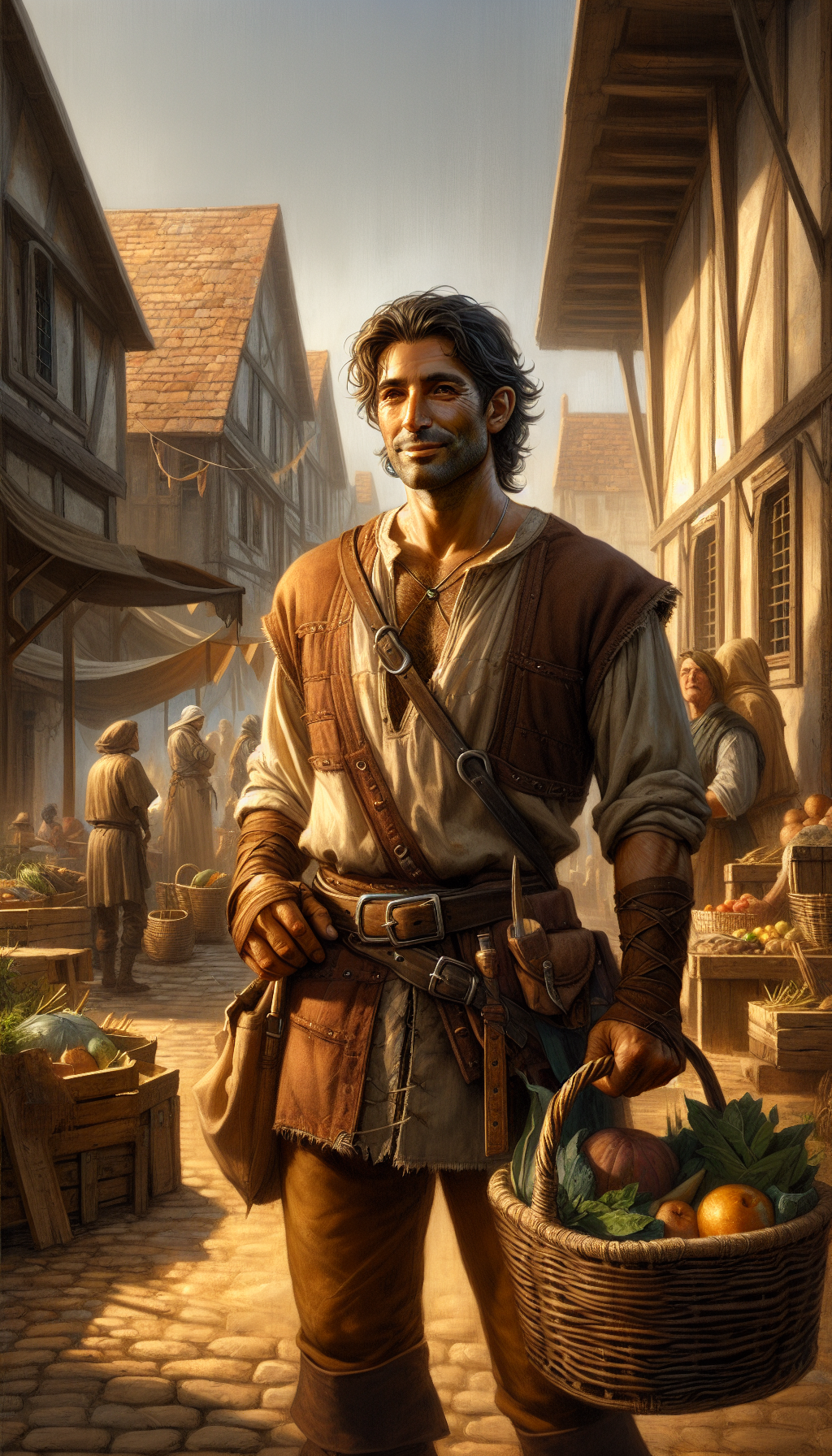
Commoner
Lesser平民 — The Free People Who Form Society's Majority
The free class positioned between the nobility and the outcasts. It encompasses farmers, craftsmen, merchants, and fishermen among many others. Commoners may own or lease land, and receive basic legal protections alongside the obligations of taxation. Fantasy worlds frequently feature commoner-born adventurers and mages who rise to stand beside nobles — a testament to how often heroes emerge from this class.
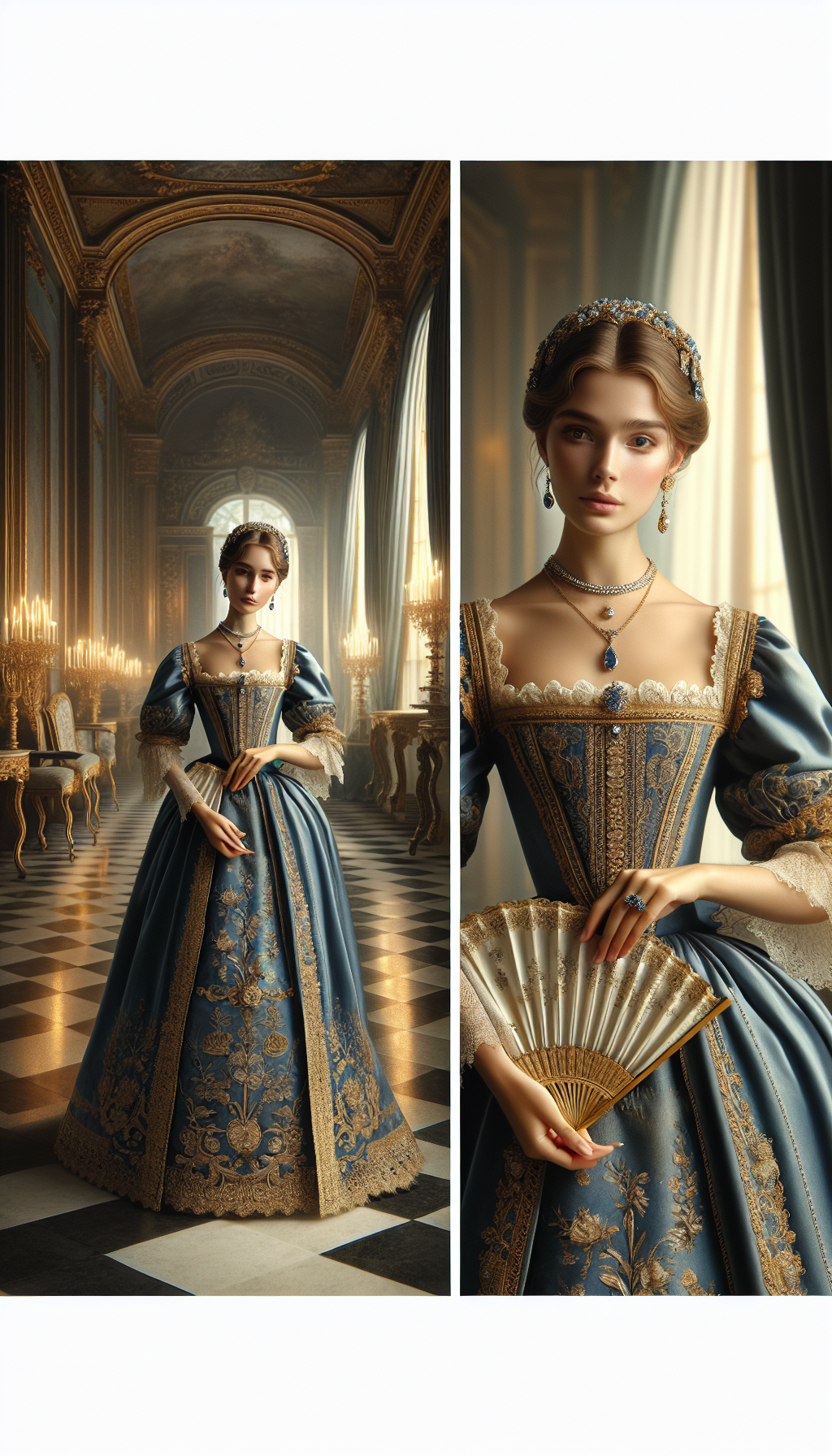
Lady-in-Waiting
Lesser侍女 · Lady-in-Waiting — A Woman Who Attends Noble Ladies
A female attendant who exclusively serves a highborn woman — a queen, princess, or noblewoman. Unlike ordinary servants, ladies-in-waiting are often drawn from noble houses themselves, giving them a unique dual identity as 'a servant who is also a noble.' The number of attendants and the prestige of their houses served as a measure of the mistress's own status. The First Lady-in-Waiting to a queen wielded formidable influence at court.