Ranks & Titles
Nobles, royalty, knights, military ranks, and guild grades
Rank
Culture
Era
Mood

Knight
Intermediate騎士 · Knight — Warrior of the Lower Nobility
The lowest rung of the noble hierarchy, a warrior class whose rank is earned through a sworn oath of fealty to a liege lord. Unlike other noble titles that are inherited, the knighthood can be conferred upon a commoner for deeds of valor or a lord's recognition — making it the most accessible path of social ascent. In fantasy worlds, numerous derivative classes exist, including the Paladin, Dark Knight, and Magic Knight.
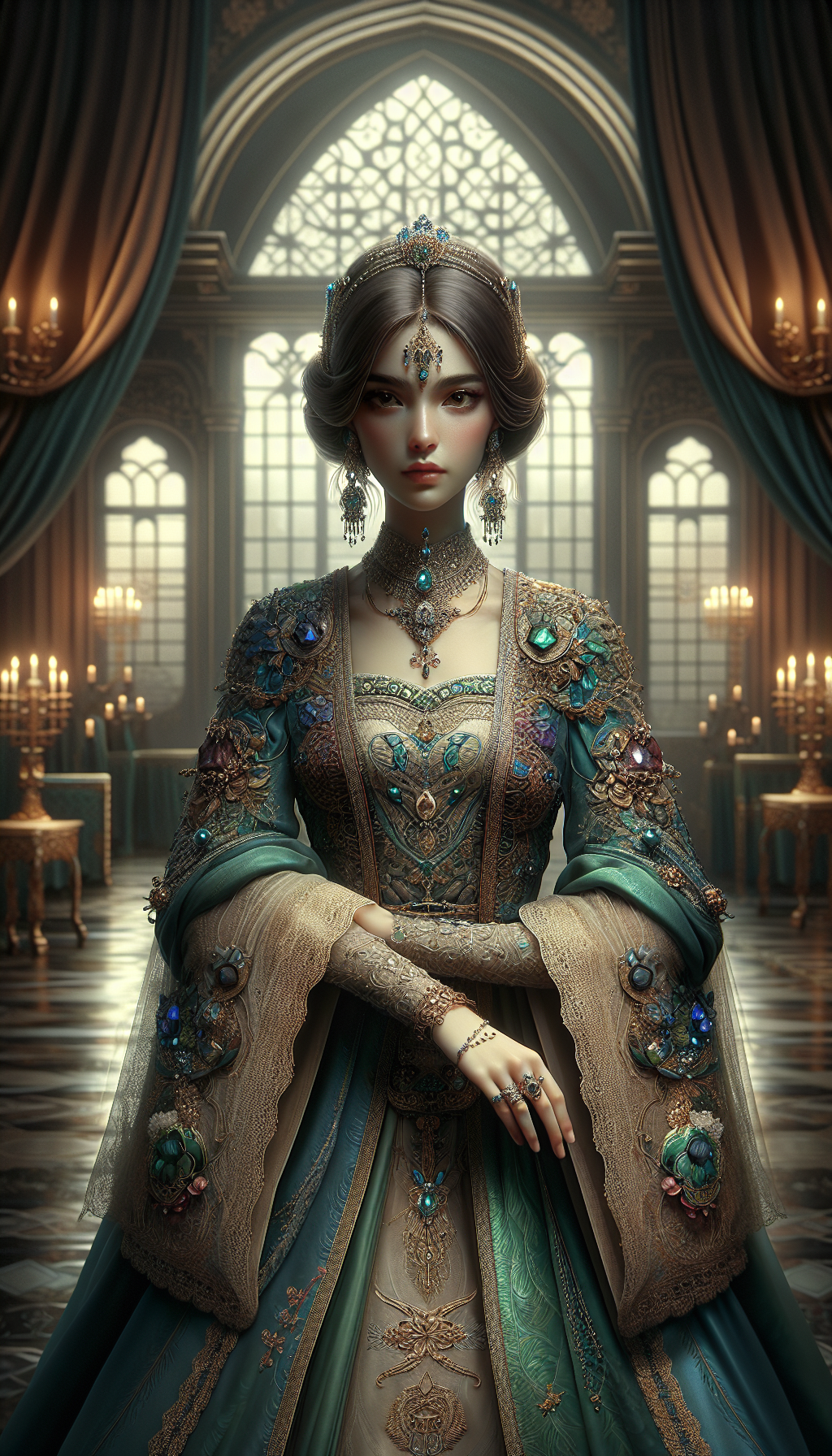
Baron
Intermediate男爵 · Baron — The First Step of the Hereditary Nobility
The lowest of the hereditary noble titles. The baron governs a small domain and the peasants attached to it, and owes military service to a superior lord as a vassal. A barony typically spans one to a few villages, and the baron himself exercises seigneurial judicial authority. In fantasy settings, this is the rank most often cast as an early-arc villain or local power figure.

Viscount
Intermediate子爵 · Viscount — The Middle Noble Between Count and Baron
A middle-rank title above the baron and below the count. Historically developed from the role of a count's deputy, the viscount governs several domains and towns. This is the rank at which genuine participation in court politics begins; viscounts and above are often entitled to attend royal ceremonies and parliamentary sessions. In fantasy, this rank frequently appears as a figure redolent of intrigue and political maneuvering.

Count / Earl
Intermediate伯爵 · Count / Earl — The True Power Behind Regional Rule
The backbone of the feudal noble hierarchy. A count governs anywhere from a handful to dozens of domains, with multiple viscounts and barons as his own vassals. This is the first rank capable of exerting genuine influence over royal power through independent military and economic strength. It is also the title most famously associated with vampiric nobility — Count Dracula being the supreme example.

Dame
Intermediate女騎士 · Dame — A Female Warrior Who Earned Her Title by Sword and Oath
A woman who has been formally invested with knighthood through the knight's oath. Historically rare, but in fantasy worlds she is a common figure in holy orders, royal guards, and magic knight corps. 'Dame' is the official title granted to female knights in the British chivalric system; in Eastern fantasy she appears as a female general, wandering swordswoman, or Hwarang warrior. The Dame is frequently portrayed as a character caught between the codes of chivalry and the social expectations placed on women.
Noblewoman
Intermediate貴婦人 · Noblewoman / Lady — The General Title for Noble Women
A collective title encompassing all women who hold or are connected to a noble title. The specific address varies with the spouse's rank — Baroness, Viscountess, Countess, Duchess, and so on. In some world settings, women may inherit titles in their own right, becoming independent domain nobles in their own names. In fantasy, the noblewoman is frequently depicted as a figure who conceals a razor-sharp political mind beneath a graceful exterior.

Shrine Maiden
Intermediate巫女 · Shrine Maiden — The Sacred Woman Who Bridges God and Humanity
A female religious figure who receives divine will, delivers prophecy, performs purification rites, and mediates between gods and humanity. In East Asian fantasy, the shrine maiden is a sacred being who serves at a shrine and is also a formidable warrior in her own right, wielding powerful spiritual energy. In Korean shamanism she manifests as the Mudang (shaman), and in Western fantasy as the Oracle or Sibyl. The shrine maiden's prophecies carry an absolute authority capable of altering the destiny of kings.
Young Lady
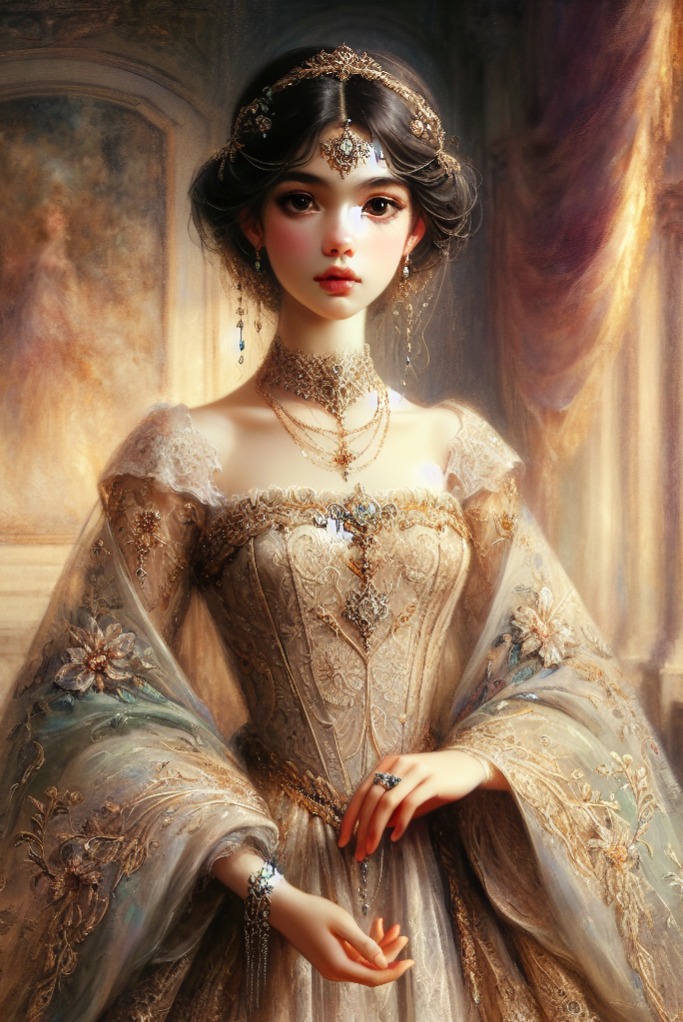
Intermediate令愛 · Young Lady — The Unmarried Daughter of a Noble House
An honorific for the unmarried daughter of a noble household. 'Young Lady' (令愛) originally means 'your precious daughter' — a respectful term used when referring to another's daughter. It is the most frequently appearing female status in romance fantasy, used alongside the family's title as in 'the Young Lady of Baron House' or 'the Young Lady of Duke House.' A young lady's social standing depends entirely on her father's rank, and it is also a provisional status that lasts only until marriage.