
Serf / Outcast
最下層民 — The Lowest Stratum of Society
Cheonmin (賤民) was the lowest social class in Korea's Joseon dynasty (1392-1910) caste system, collectively referring to slaves, butchers (baekjeong), entertainers, shamans, courtesans, and shoemakers — below yangban (nobles), jungin (middle class), and sangmin (commoners). The name comes from the Chinese character 'cheon' (賤, lowly), and they were essentially a caste with virtually no legal protection, forbidden from owning land, taking civil service exams, education, and certain occupations. Slaves comprised the largest proportion, sometimes 30-40% of the population, divided into public slaves (state-owned) and private slaves (privately owned). Despite their essential roles — butchers handled slaughter and leather work, entertainers performed and acrobatics, shoemakers made footwear — they faced harsh discrimination. The class system was abolished in the 1894 Gabo Reform, but social discrimination persisted long through the colonial period and after liberation. In fantasy settings, this can be adapted variously, such as classes forbidden from using magic or subject to forced conscription.
Origin
The origins of the serf and outcast class trace primarily to prisoners of war, debt default, and political purges. In some world settings, entire bloodlines or ethnic groups are designated as outcasts by law.
Features
- Extremely limited legal rights — sometimes treated as property of the nobility
- Frequently forced to wear specific colors or identifying marks
- Prohibited from education, land ownership, and carrying weapons
- In fantasy settings, even those with magical talent may be barred from using it — or hunted because of it
Usage
Forced labor, mine work, and dangerous assignments. In many fantasy narratives, a protagonist born into this class serves as the starting point for a story of transcending social barriers.
Related

Baron
男爵 · Baron — The First Step of the Hereditary Nobility

Commoner
平民 — The Free People Who Form Society's Majority

Servant
使用人 — Those Who Serve Noble Households

Count / Earl
伯爵 · Count / Earl — The True Power Behind Regional Rule
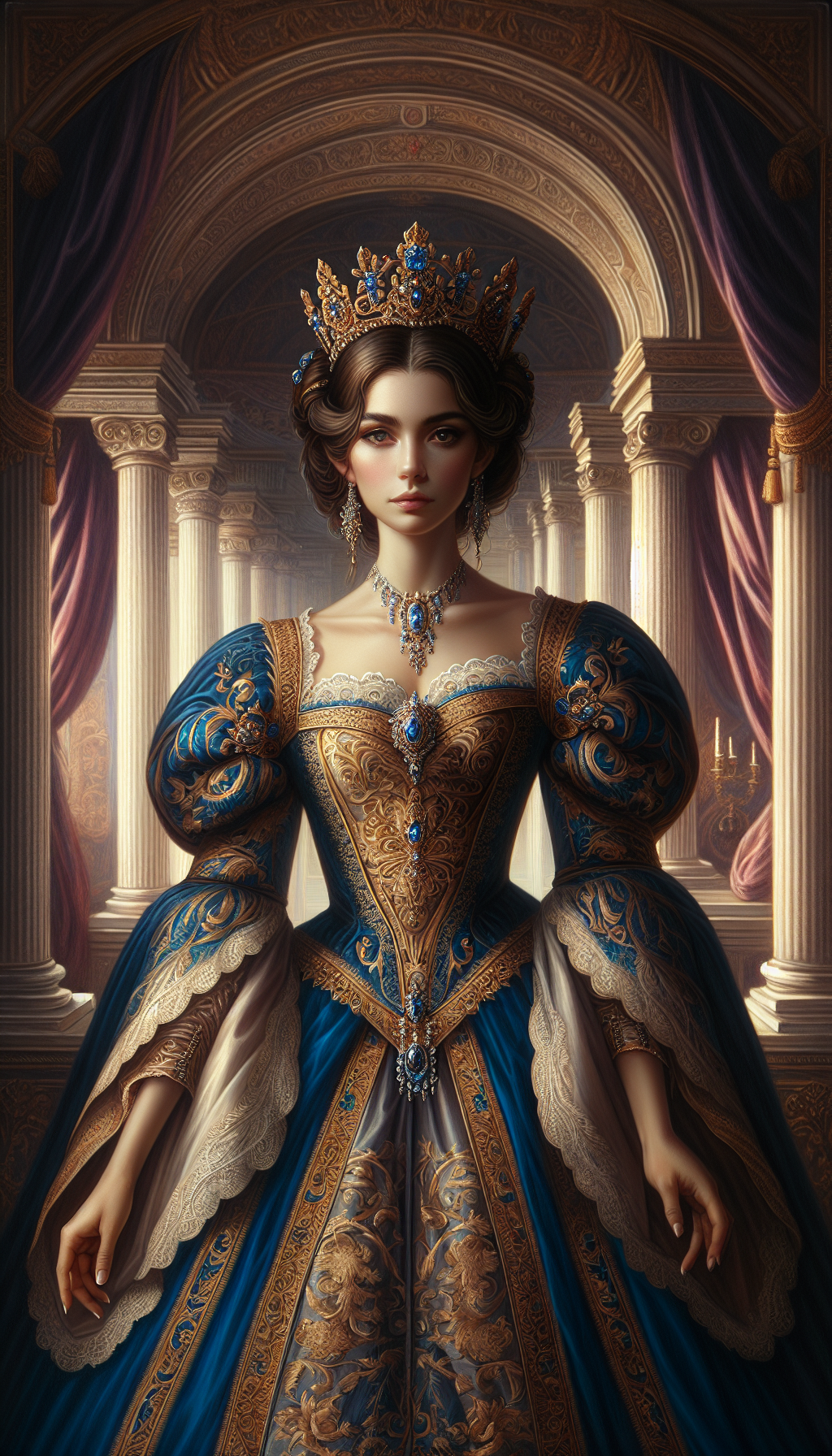
Queen Regnant
女王 · Queen Regnant — A Female Monarch Who Ascended the Throne in Her Own Right
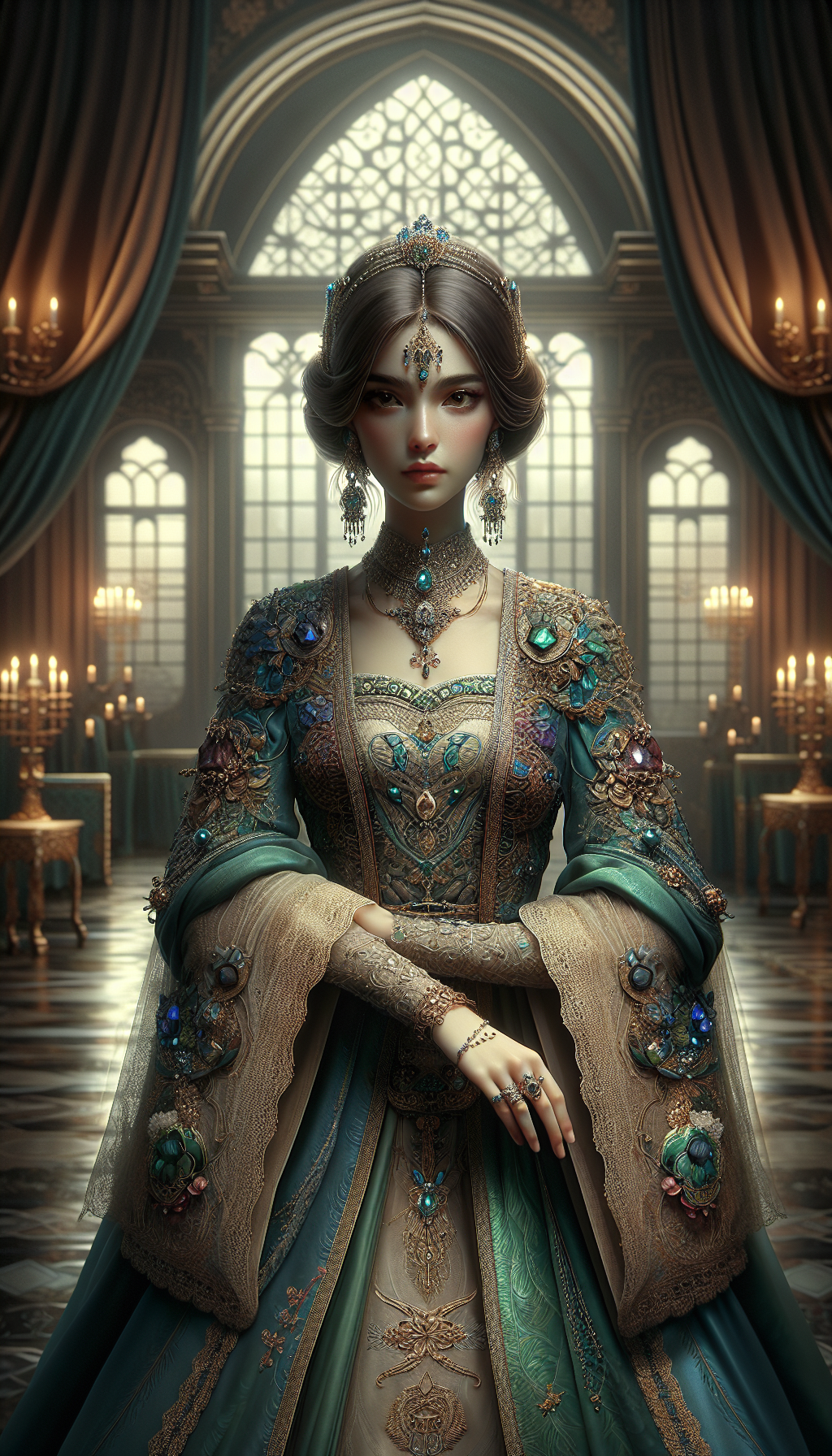
Baroness
Wife of a Baron or Female Baron

Crown Prince
皇太子 · Crown Prince — The Sole Heir to the Empire

Grand Duke
大公 · Grand Duke / Archduke — The Highest Noble, Near-Royalty

Dame
女騎士 · Dame — A Female Warrior Who Earned Her Title by Sword and Oath

Emperor
皇帝 · Emperor — The Empire's Supreme Pinnacle, the Living Law Itself

Noble Consort
貴妃 · Noble Consort — Second Only to the Empress, the Highest-Ranking Imperial Consort
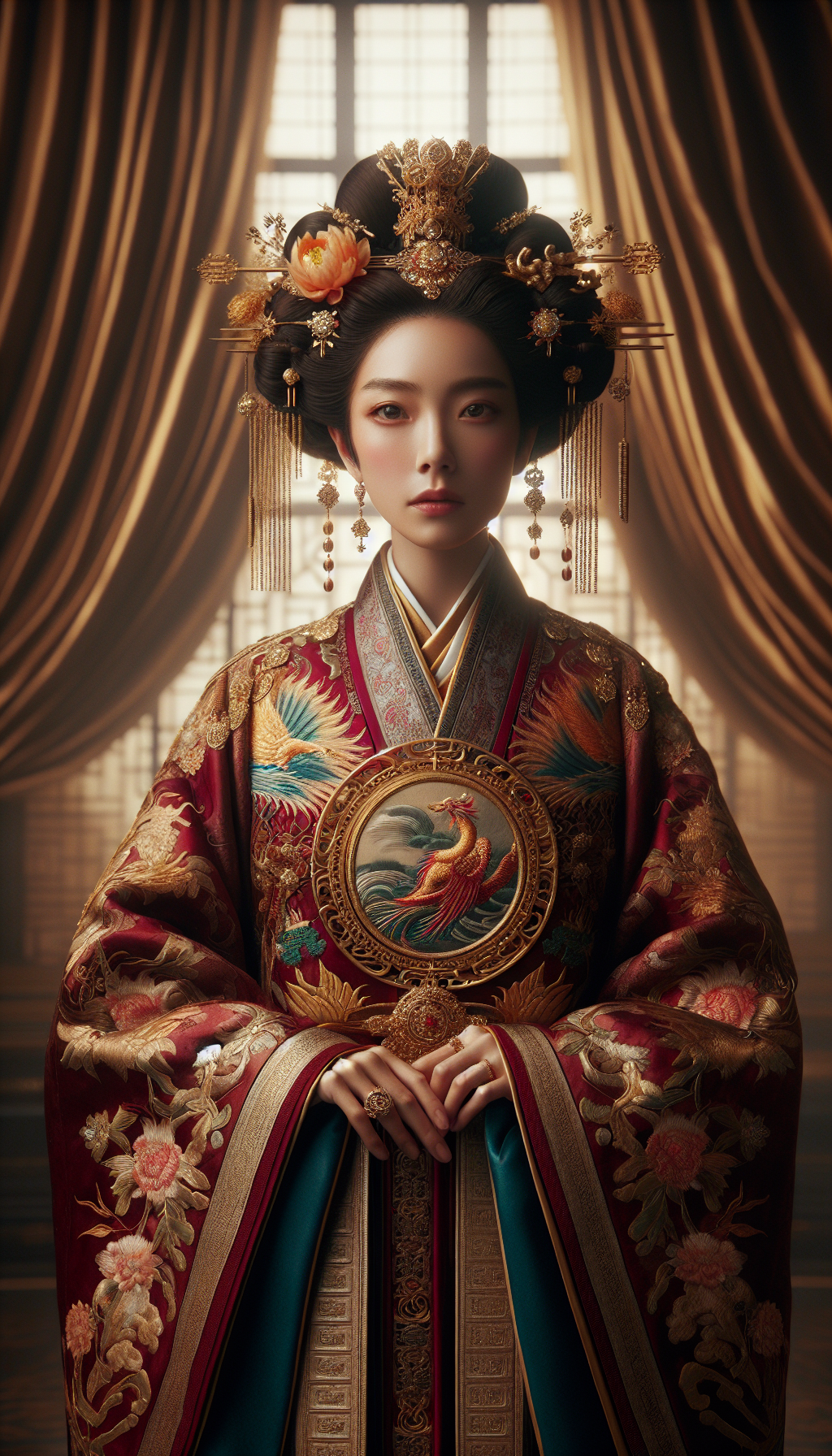
Empress Dowager
太后 · Empress Dowager — The Hand That Moves the Empire from Behind the Current Emperor