🎵 categories.instruments-misc
Admin workspace
30 items

Harp
Harp · Lyre variant — Ancient stringed instrument
The harp is a string instrument with strings stretched across a triangular or curved frame. Played by plucking the strings with fingers, it is known for its clear and resonant tones. Harps have been widely used across Europe, the Middle East, and beyond since antiquity.
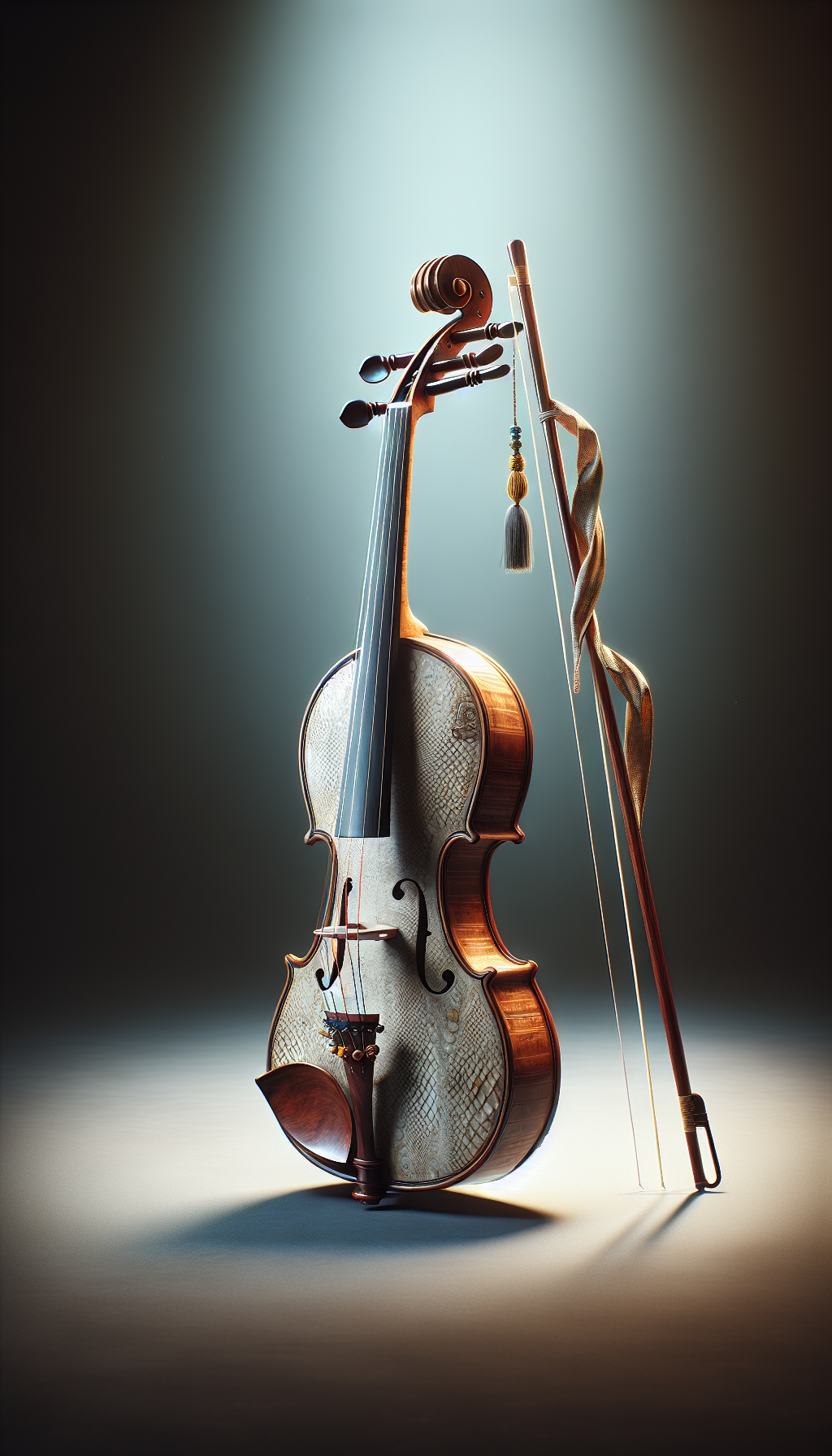
Erhu
Chinese Two-stringed Fiddle · Bowed string instrument — Iconic traditional Chinese instrument
The erhu is a traditional Chinese bowed string instrument with two strings. It is renowned for its expressive, melancholic tone and is a staple in solo, folk, and orchestral Chinese music. Its sound is produced by a bow rubbing against the strings across a snakeskin resonator.
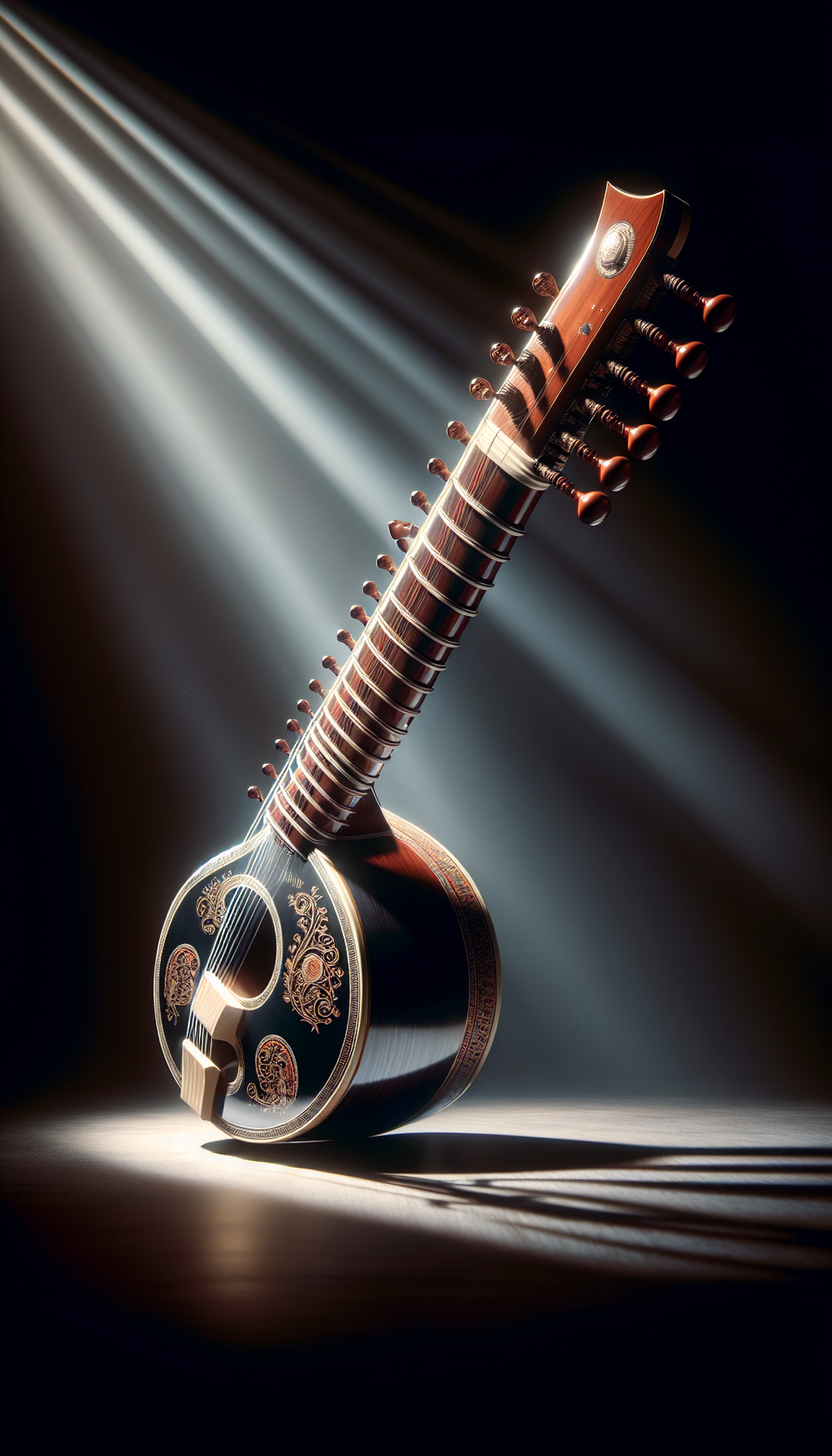
Sitar
Indian Lute · Iconic String Instrument — Deep-toned South Asian lute
The sitar is a prominent string instrument originating from India and South Asia. It features a long neck, a large resonating chamber, and separate sets of playing and sympathetic strings, creating a rich and complex timbre. It is widely used in classical and folk music traditions.
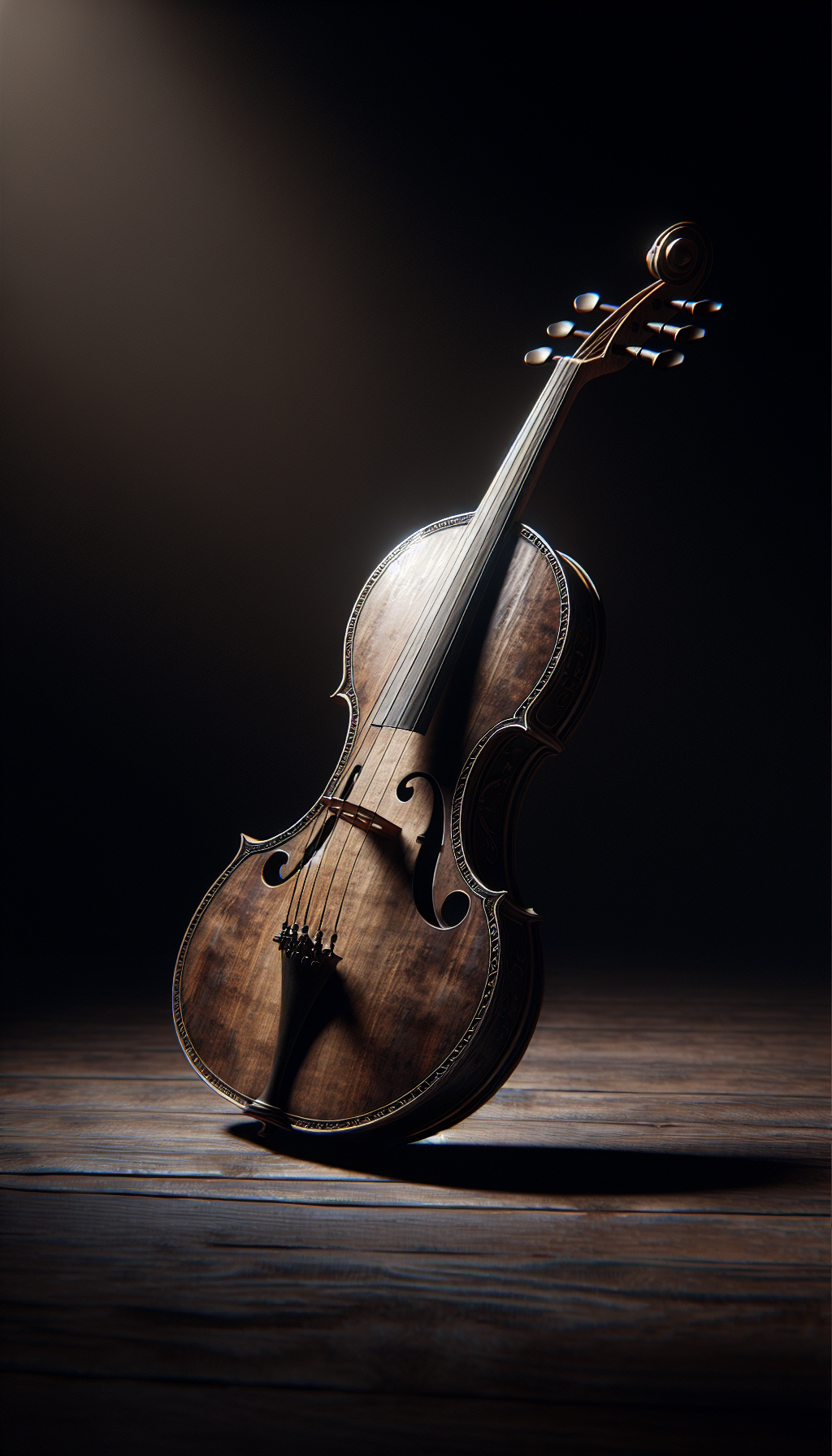
Vielle
Vielle · Ancient Bowed String Instrument — Iconic Medieval European Fiddle
The vielle is a medieval European bowed string instrument widely used before the Renaissance. It is considered the predecessor to the modern violin. Characterized by its five strings, it is capable of producing a range of tones.

Tambura
Tambura · Traditional Drone String Instrument — Eastern background instrument
The tambura is a plucked string instrument originating from Eastern traditions, especially South Asia. It provides continuous drone notes that offer harmonic support in vocal and instrumental performances. Its long neck and resonant body define its distinctive sound.

Harp
Harp · Western String Instrument — Elegant curved traditional string instrument
The harp is a large string instrument played by plucking its vertical or horizontal strings with the fingers. It is known for its graceful frame and wide range of tones. Throughout history, it has been prominent in European court and folk music.
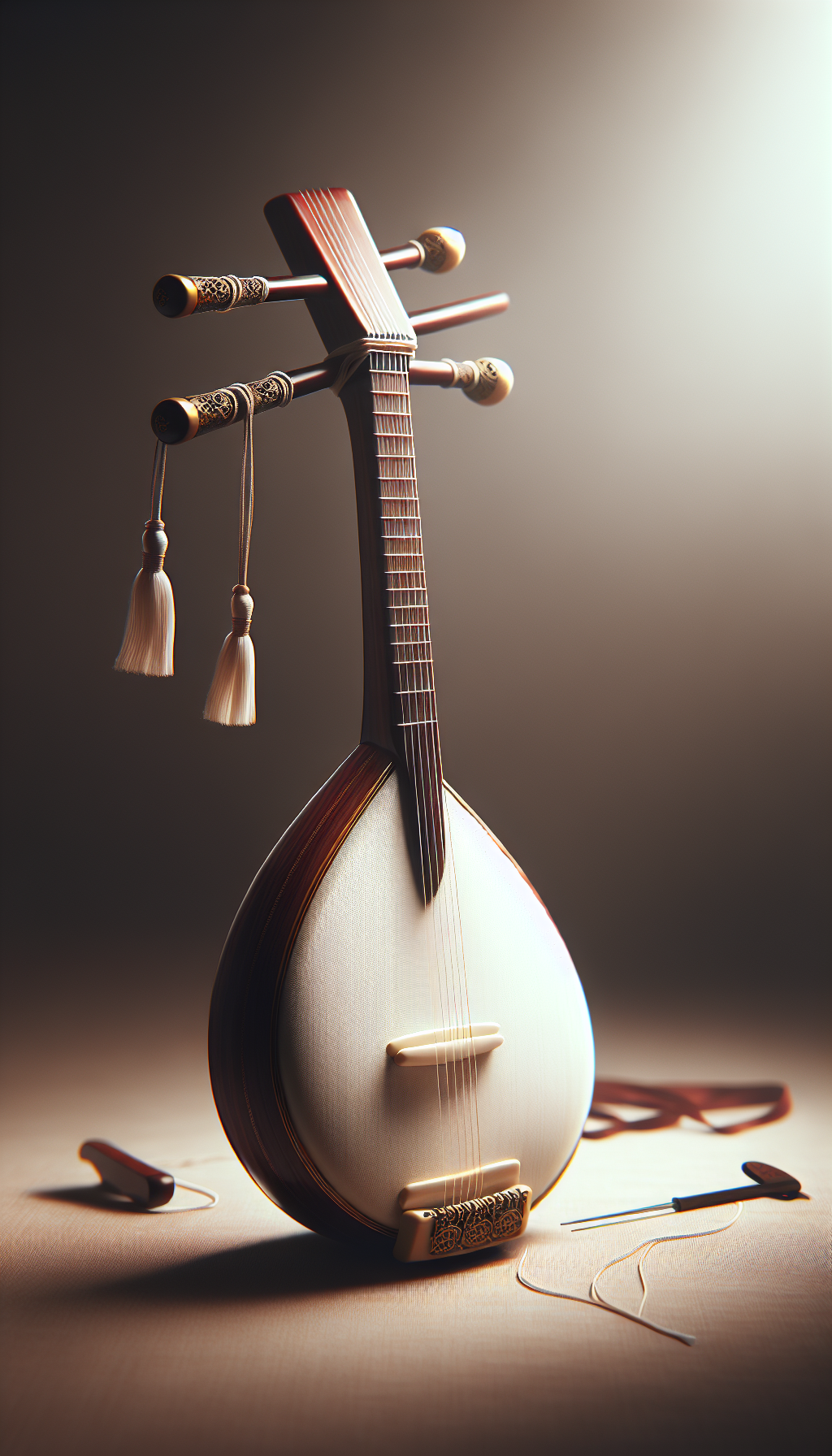
Shamisen
Shamisen · Three-stringed Lute — Traditional Japanese String Instrument
The shamisen is a traditional Japanese three-stringed instrument. It features a wooden body covered with skin, a long slender neck, and three thick strings. Played with a plectrum called bachi, it plays a key role in various Japanese musical styles.
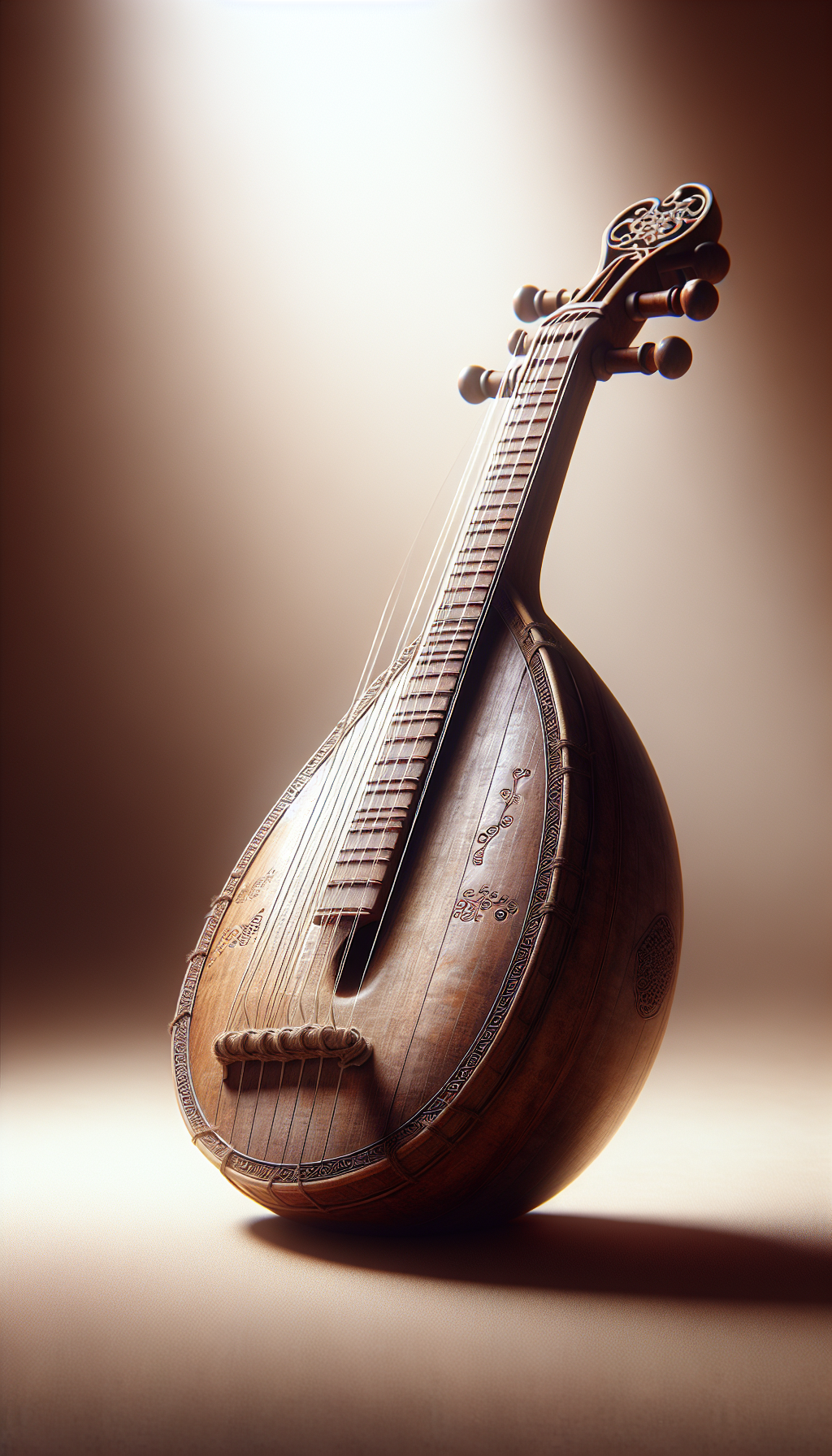
Bineno
Ancient String Instrument · A Rare Asian Plucked Lute
The Bineno is an ancient stringed instrument once played in Korea and Central Asia, producing sound by plucking its strings. Made with wood, animal hide, and silk or plant fibers, it was mainly used in court music and ceremonial settings. Its unique timbre and structure make it a rare artifact in musical history.
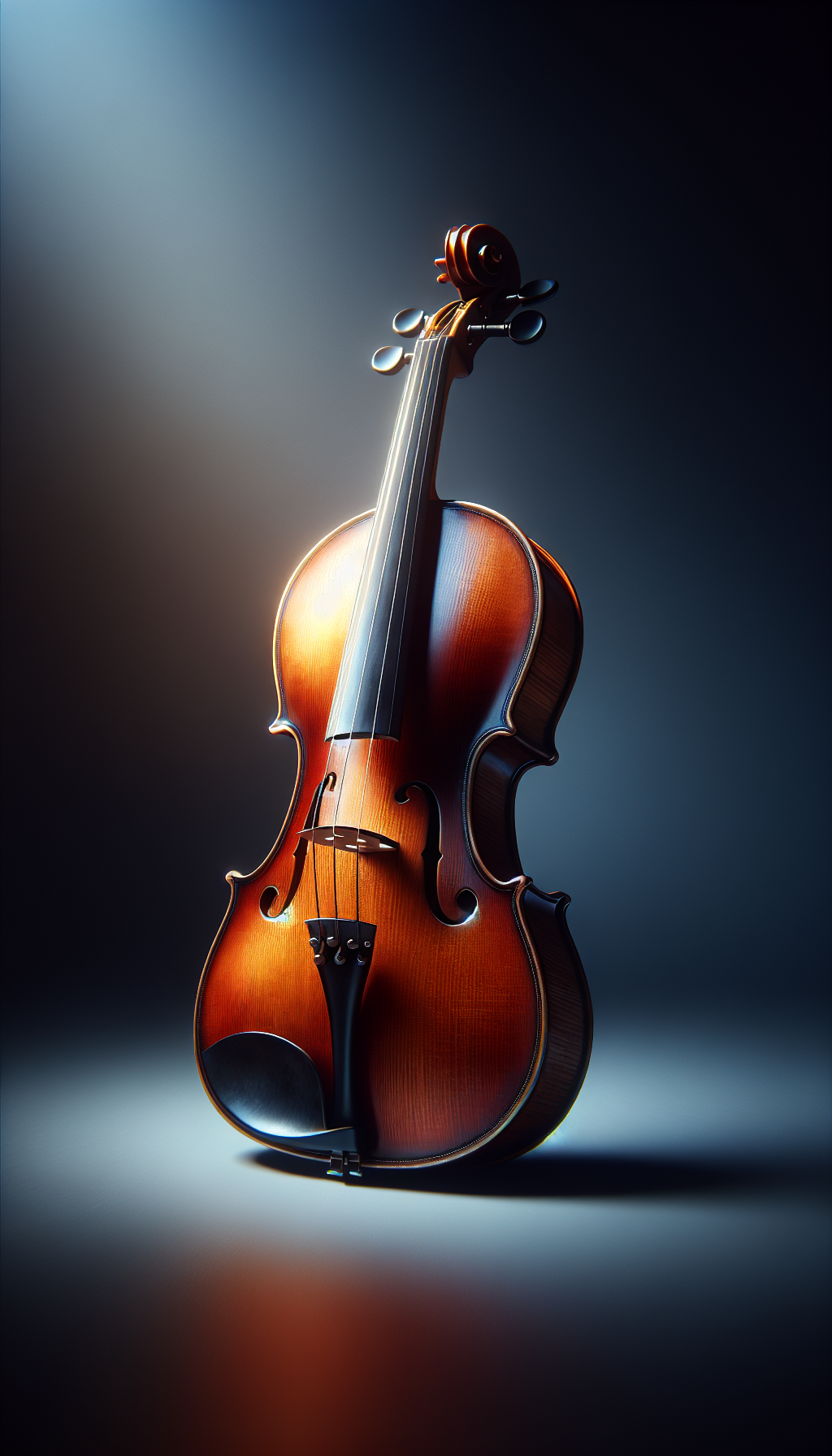
Viola
Viola · Alto String Instrument — Bridges the gap between violin and cello
The viola is a string instrument similar to the violin but slightly larger, with a deeper, mellower tone. It primarily occupies the alto range in ensembles, playing inner harmonies and melodic lines in string quartets and orchestras. Its warm, rich timbre makes it distinct among string instruments.
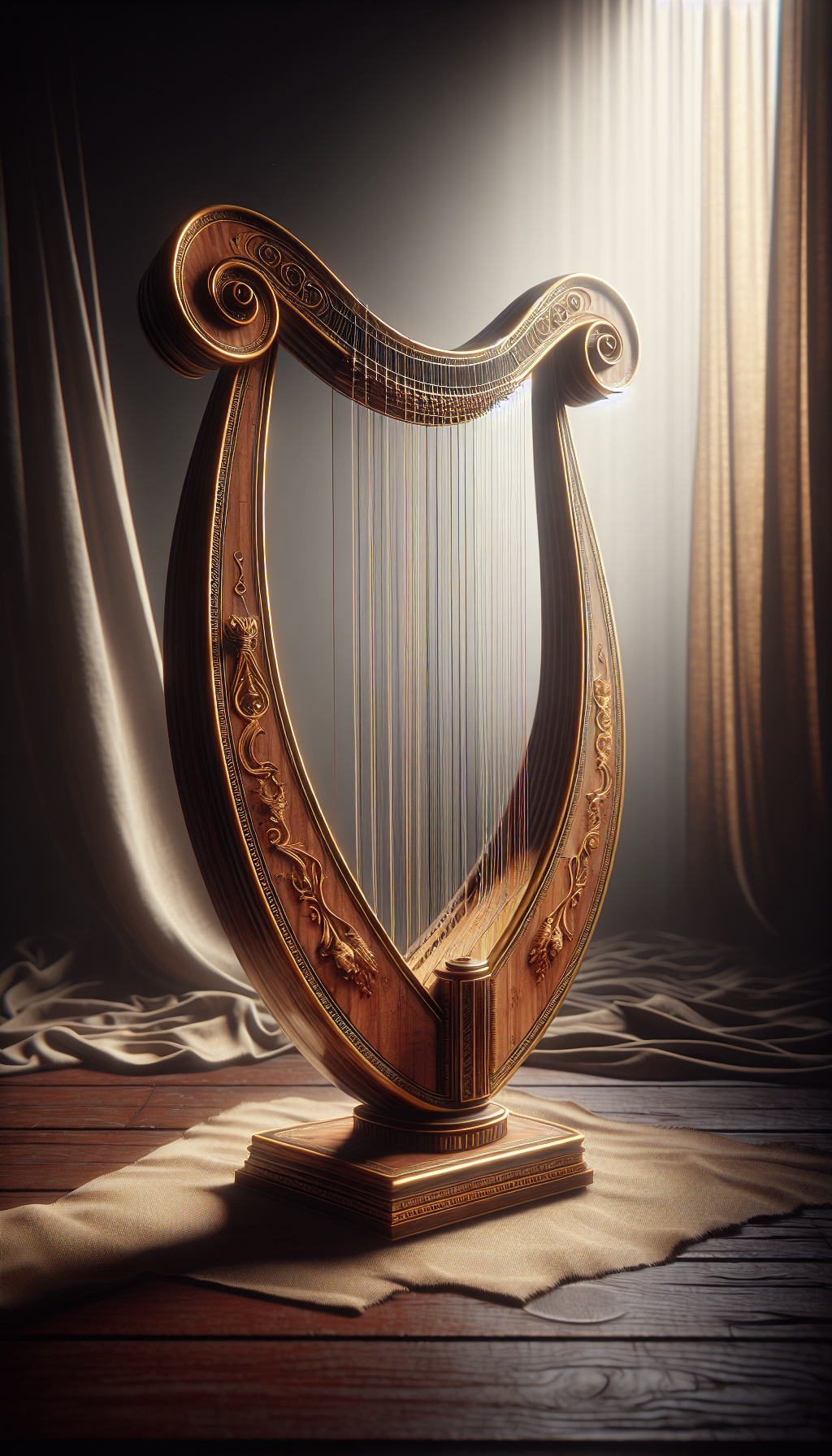
Lyre
Ancient String Instrument · Iconic in Greek Antiquity
The lyre is a plucked string instrument commonly associated with ancient Greece. Characterized by its U-shaped frame and multiple strings, it played a central role in poetry recitals, rituals, and music performances. Its small, lightweight construction made it portable and versatile.
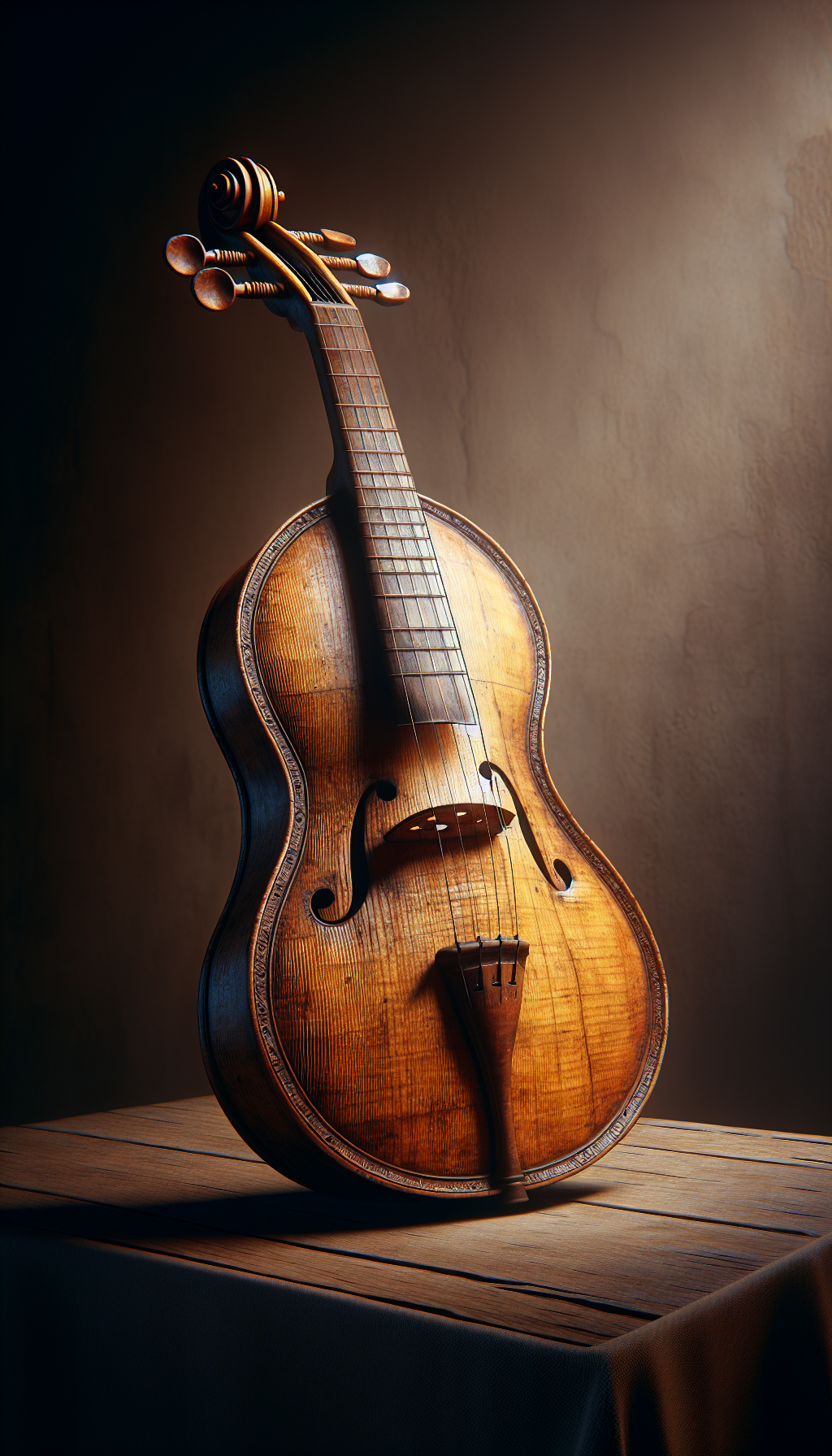
Gadu
Gadu · Ancient Korean string instrument
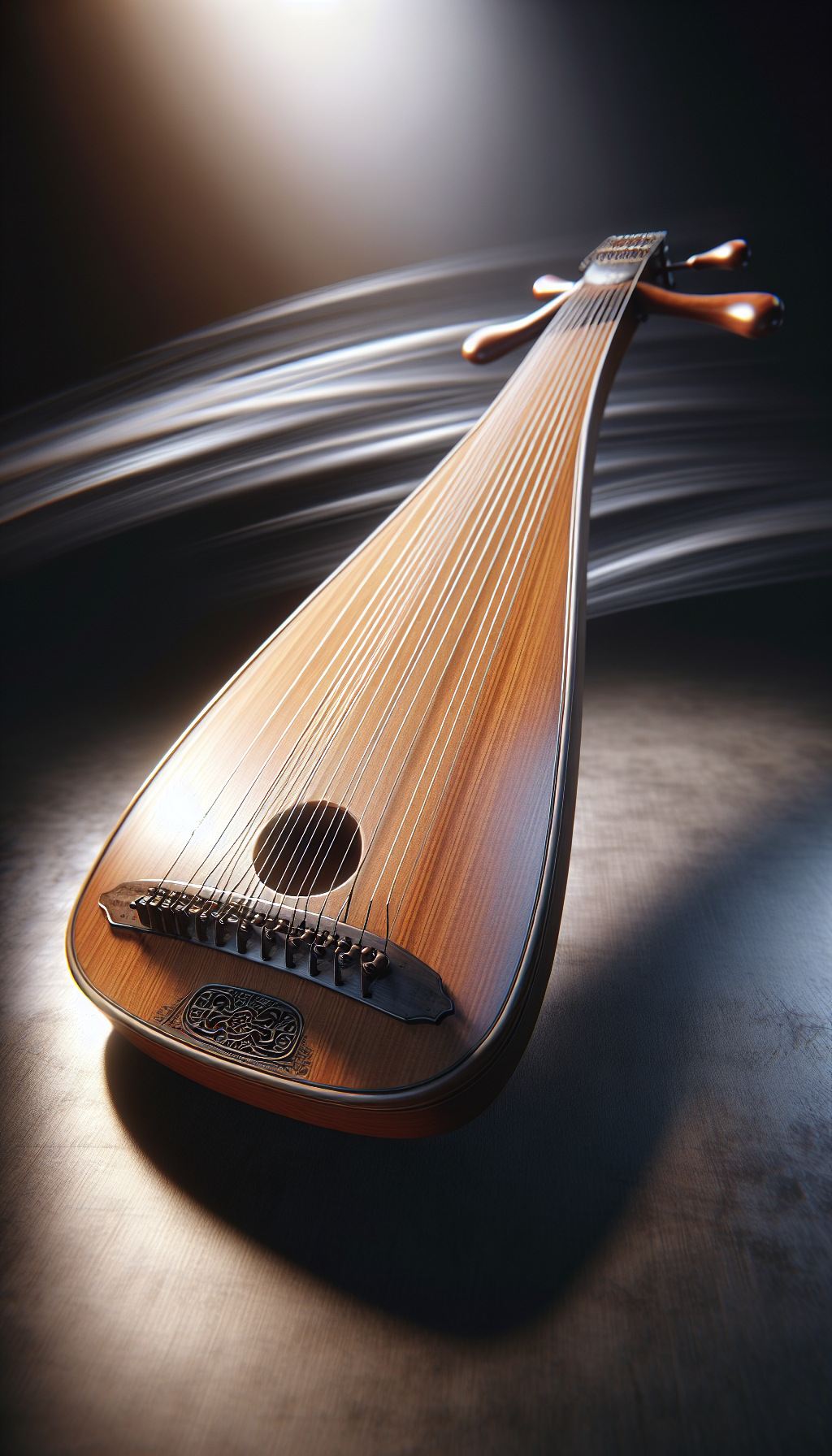
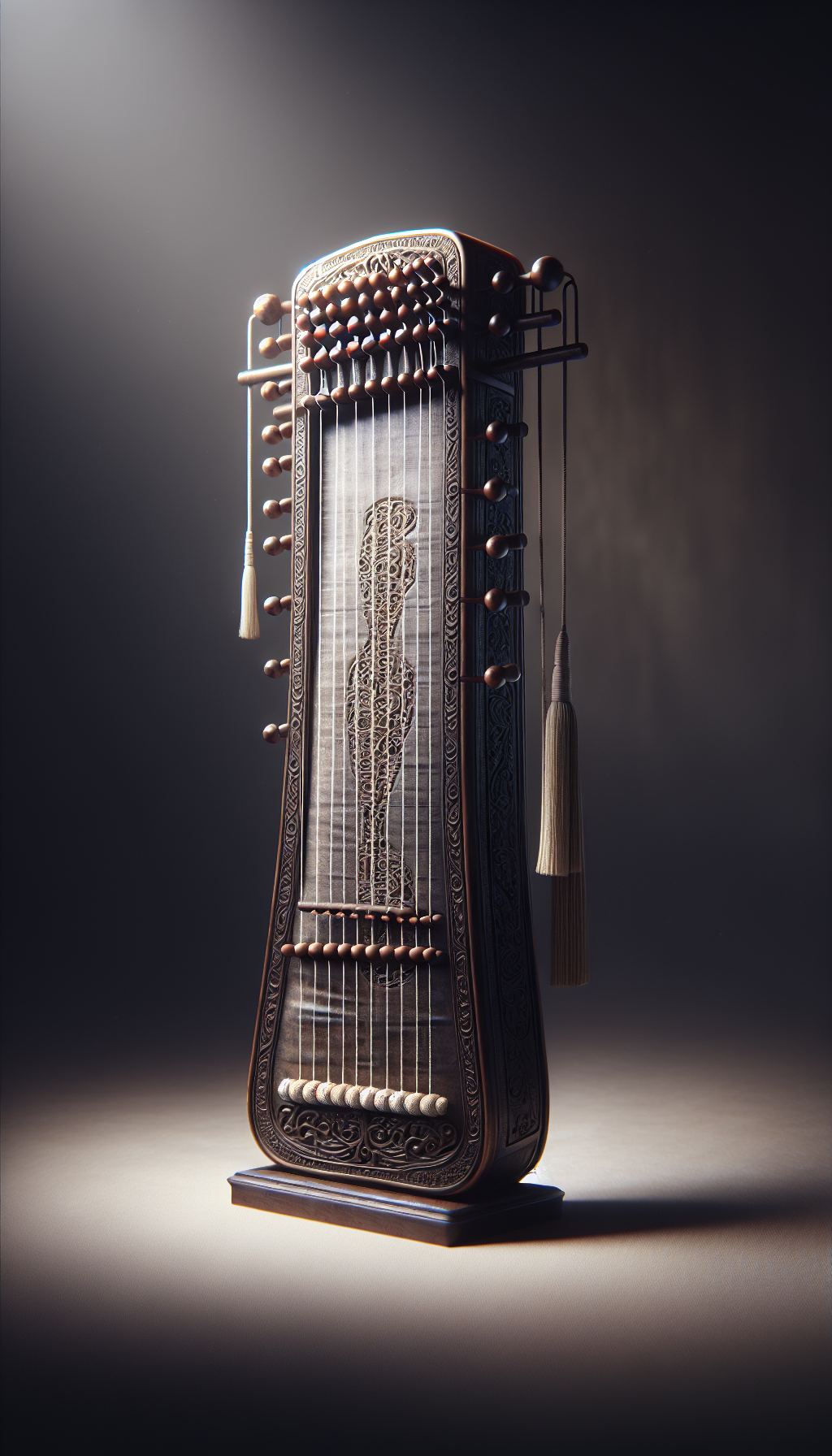
The Gadu is an ancient Korean string instrument used during the Three Kingdoms and Goryeo periods. It featured a leather-covered body and multiple strings, and was played with fingers or a plectrum. The instrument was primarily used in court music and ceremonial contexts.
Bagpipe
Bagpipe · Wind Instrument — Traditional reed instrument played with stored air
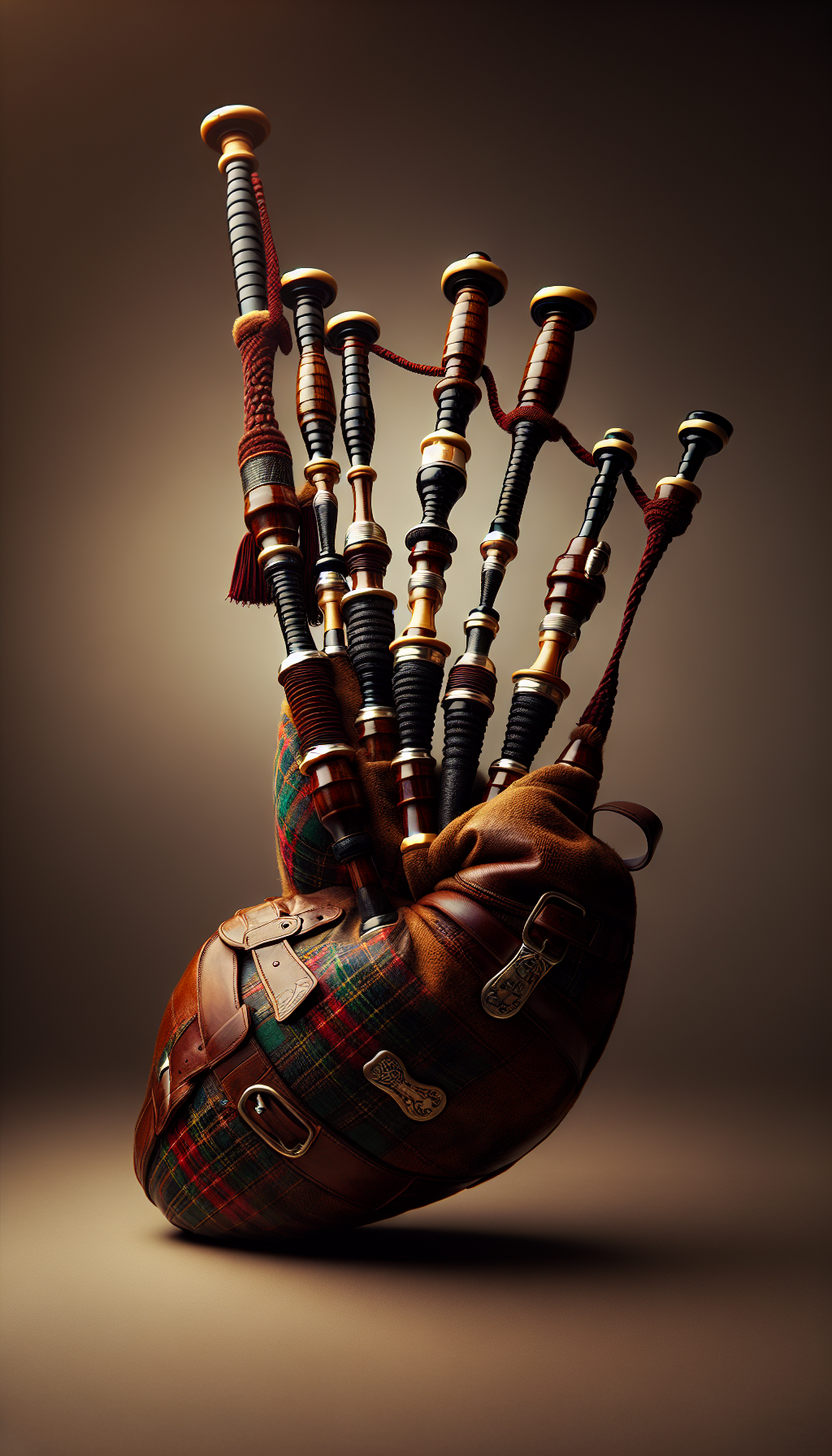
The bagpipe stores air in a bag, which is then pushed through several pipes fitted with reeds to produce sound. It is traditionally used across Europe, especially in Scotland, known for its powerful and majestic tone.
Renaissance Crumhorn
Crumhorn · Curved Reed — A distinctive double-reed wind instrument of the Renaissance
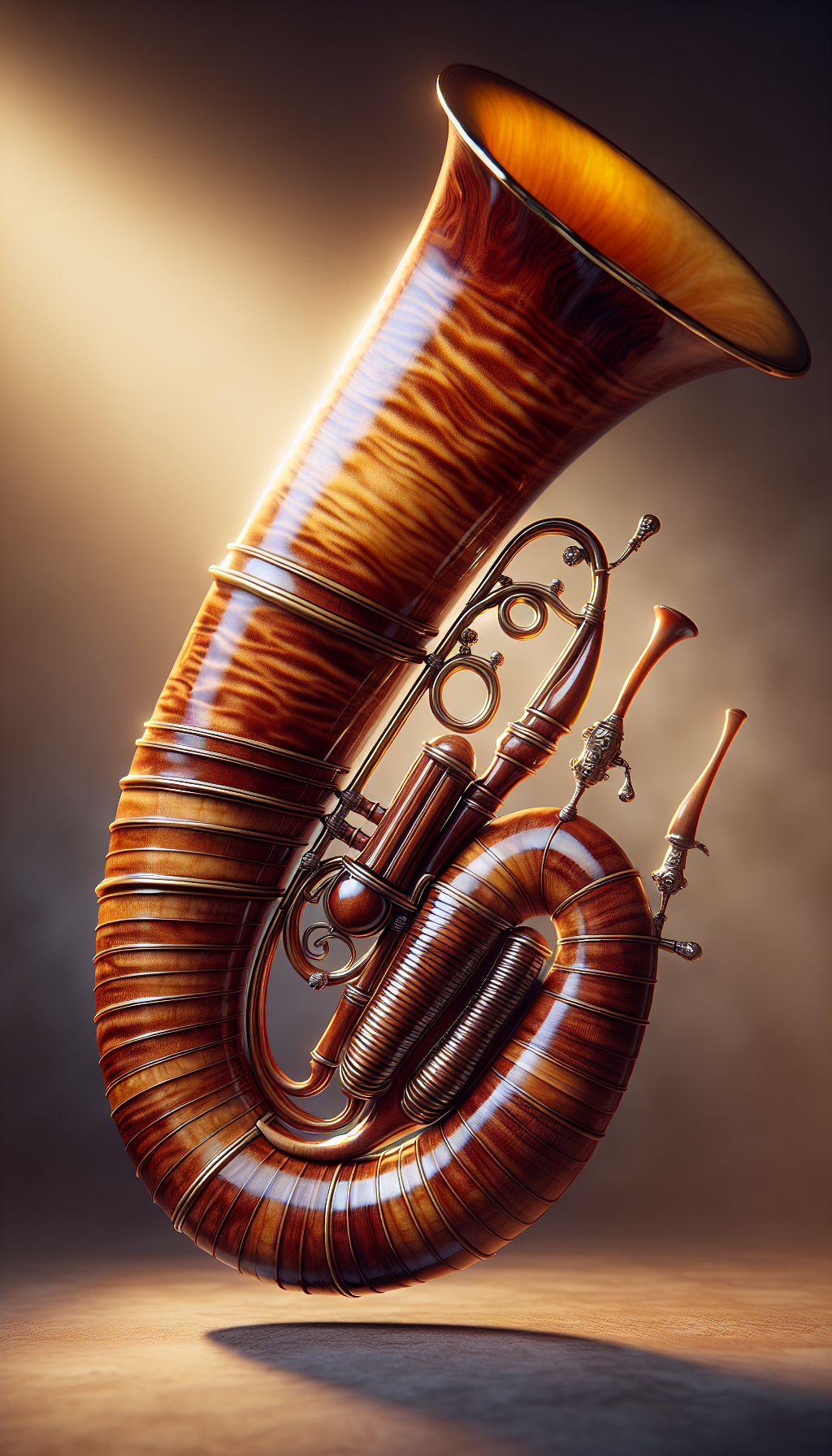
The Renaissance crumhorn is a woodwind instrument popular in 15th to 17th-century Europe. It features a curved wooden body and a capped double reed, producing a buzzing, nasal tone. Crumhorns were favored in court, dance, and ensemble music of the period.
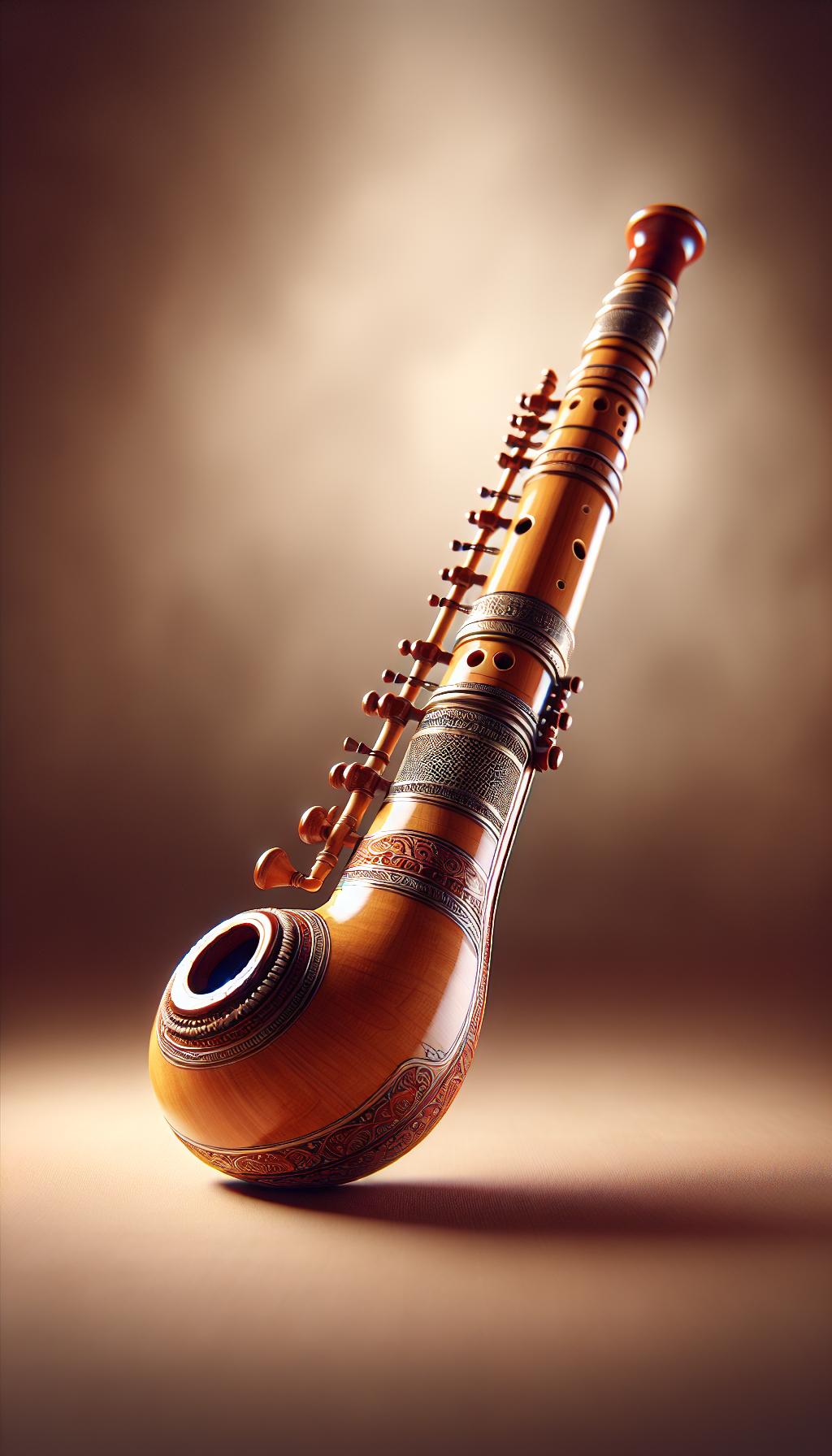
Shehnai
Shehnai · Double-reed Woodwind — Traditional Indian and Central Asian instrument
The shehnai is a traditional double-reed woodwind instrument from India and Central Asia. It produces a bright, penetrating sound and is commonly played at weddings, religious ceremonies, and processions. Made of wood with a flared metal bell, it is notable for its distinctive timbre.
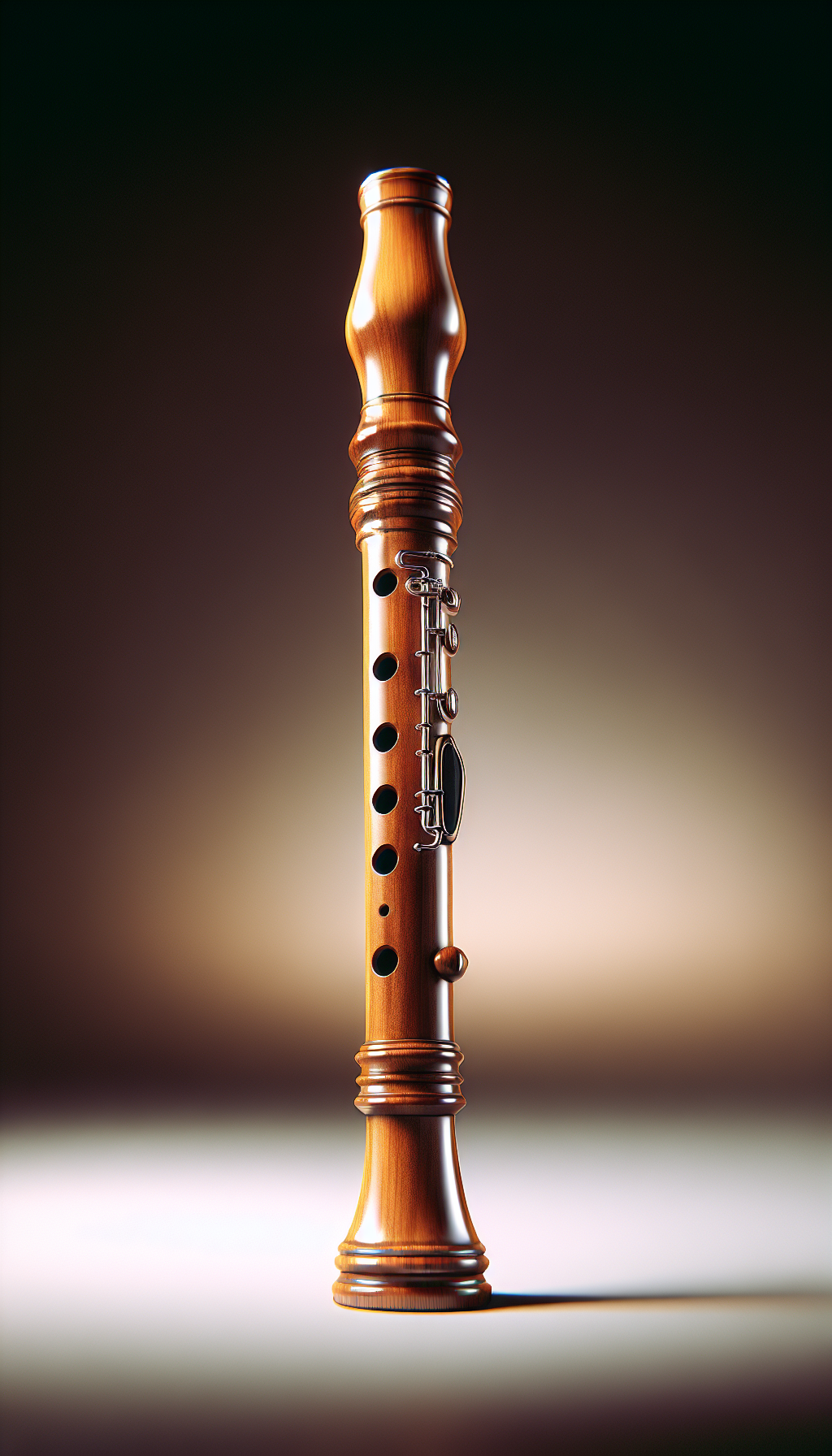
Recorder
Recorder · Woodwind — Simple yet expressive flute-family instrument
The recorder is a woodwind instrument played vertically and belongs to the flute family. Its straightforward design and clear tone made it especially popular for music education. Historically, it was widely used in Renaissance and Baroque Europe.
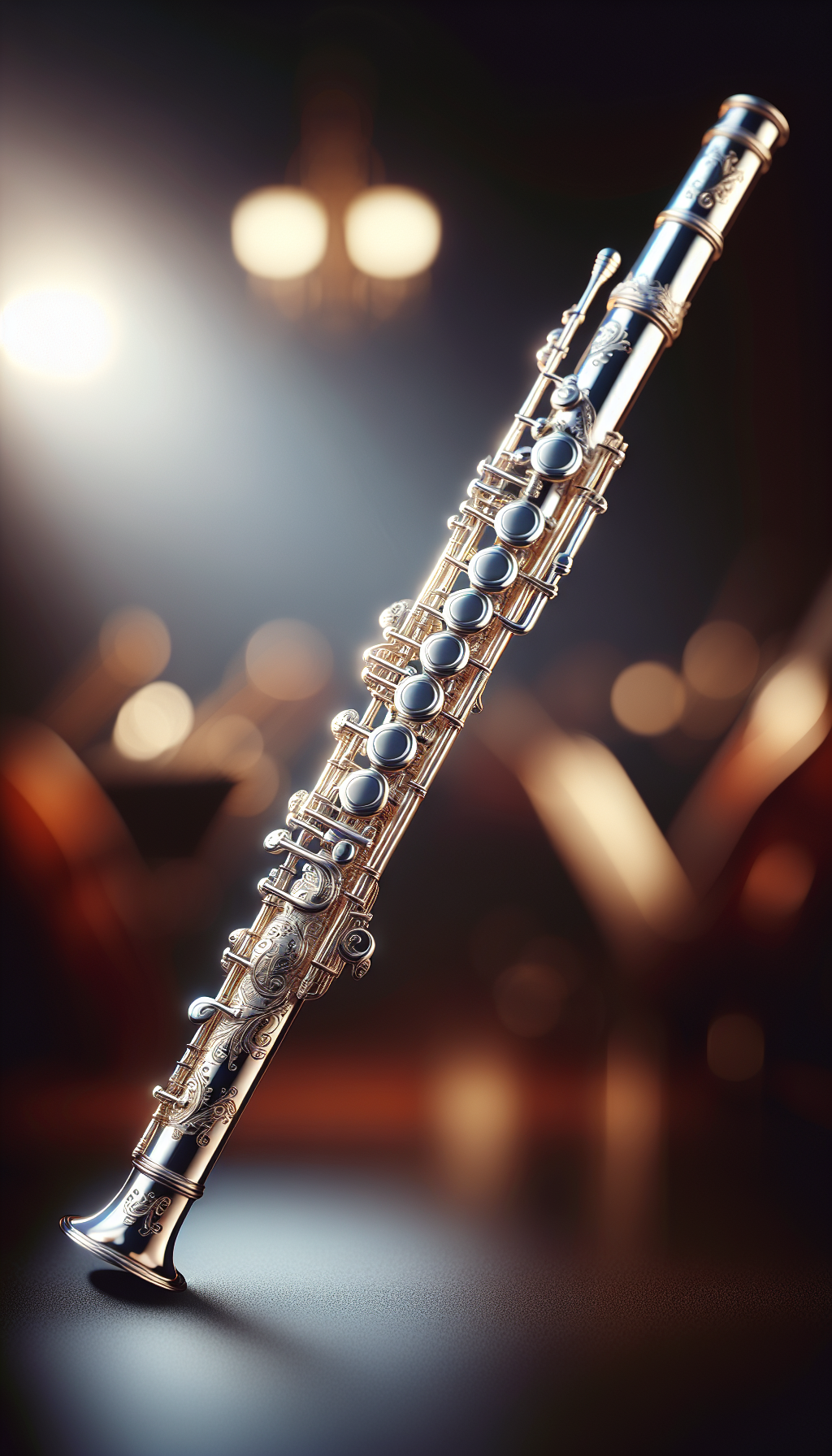
Flute
Flute · Wind Instrument — Produces clear and brilliant tones
The flute is a woodwind instrument played by blowing air across an opening. It is typically made of metal or wood and is known for its bright, clear, and high-pitched sound. Widely used in orchestras, military bands, and traditional music.

Ulm Pfeife
Ulm Pipe · German Folk Reed — A distinctively structured German woodwind
The Ulm Pfeife is a woodwind instrument originating from the medieval Ulm region in Germany. Featuring a single reed and a short, thick wooden tube, it produces a bright and piercing tone. It was commonly used in folk music, ceremonies, and festivities.
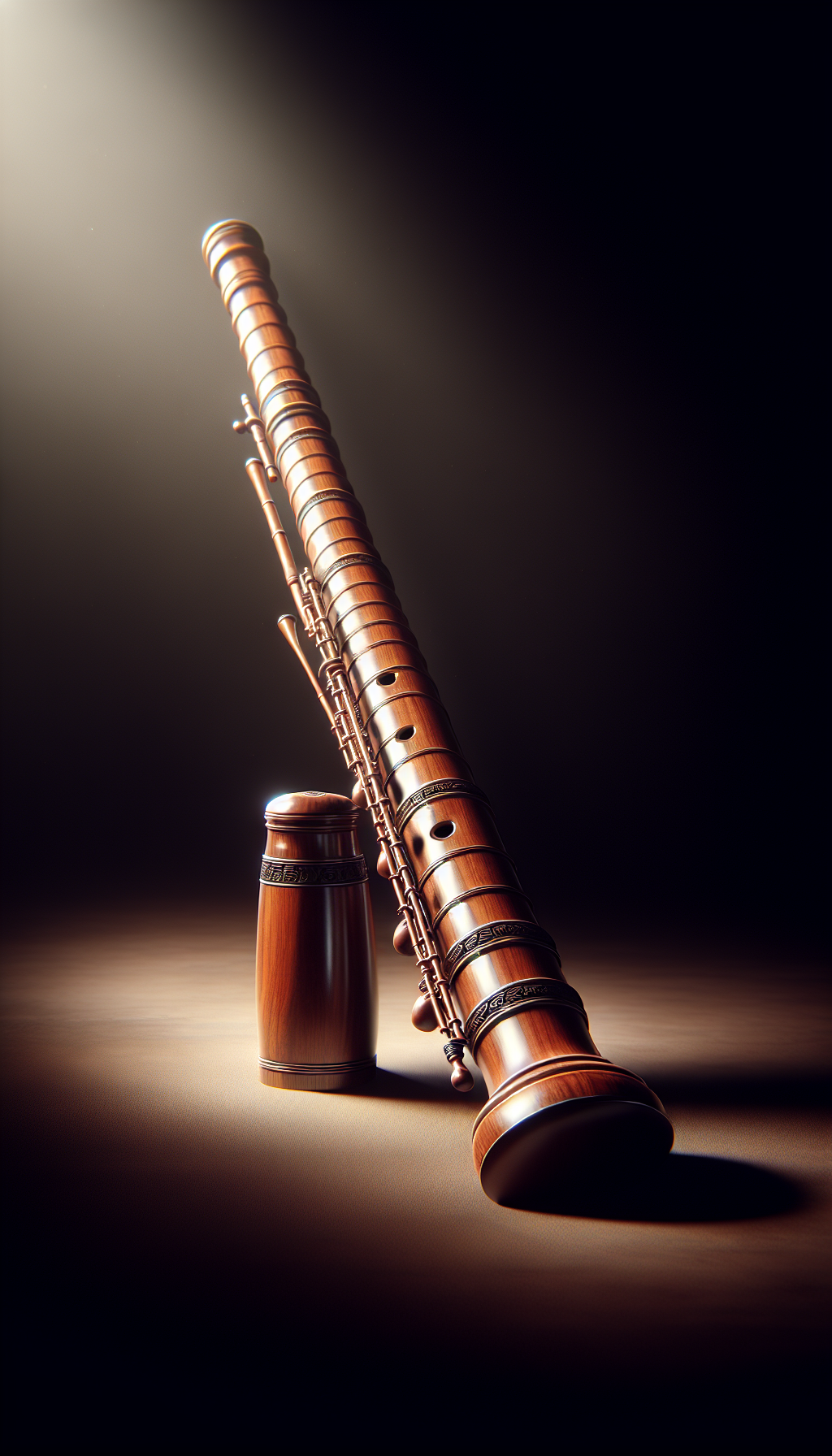
Didyumuduru
Didyumuduru · Traditional Wind Instrument — Goryeo-era Woodwind
The Didyumuduru is a wooden wind instrument used during Korea’s Goryeo period. It was primarily played in royal courts and ceremonies, noted for its distinctive tone and structure. Today, its existence is known only through historical texts and records.
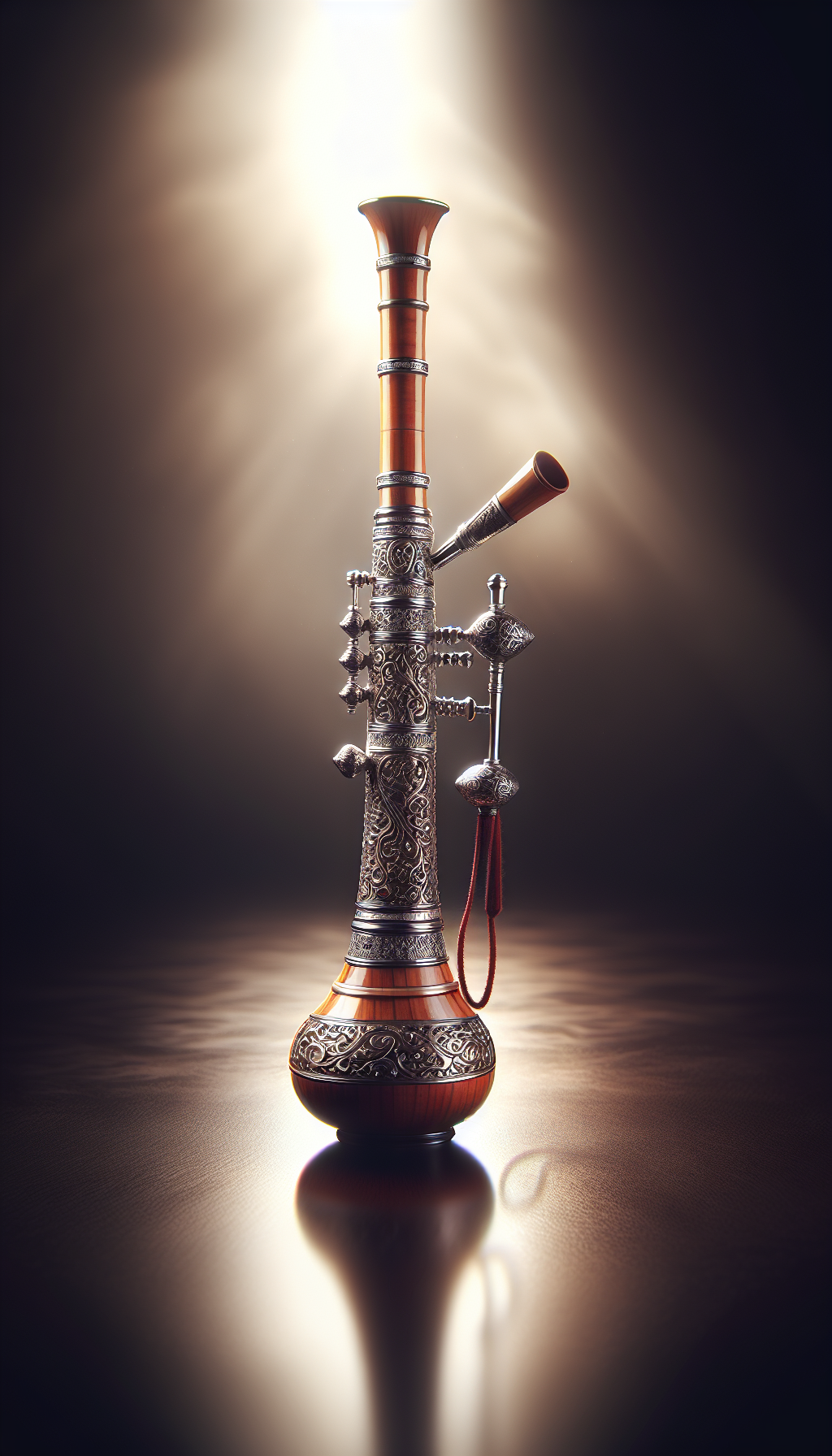
Surnai
Surnai · Traditional Double-Reed Wind Instrument — Used in folk music across Central Asia and Korea
The surnai is a double-reed wind instrument known for its sharp and powerful sound. It is commonly played during weddings and festive ceremonies as an accompaniment. In Korea, it is especially used in nongak (farmer's music) and traditional folk events.
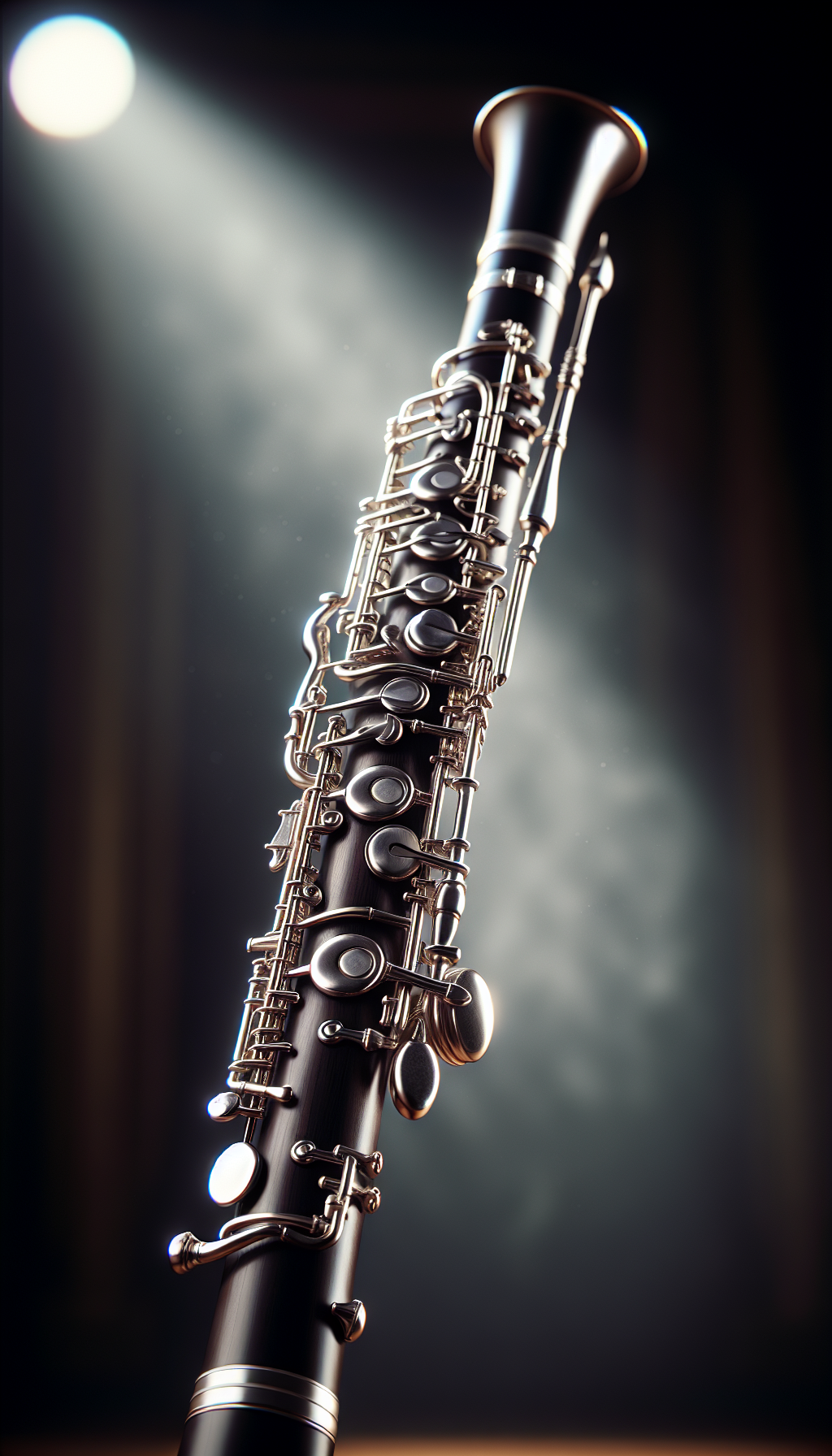
Oboe
Oboe · Double Reed Instrument — Clear and Distinctive-Toned Woodwind
The oboe is a woodwind instrument using a double reed, known for its clear and penetrating tone. It often leads the melody in orchestras and chamber ensembles. Historically, it was also used in military and court music.
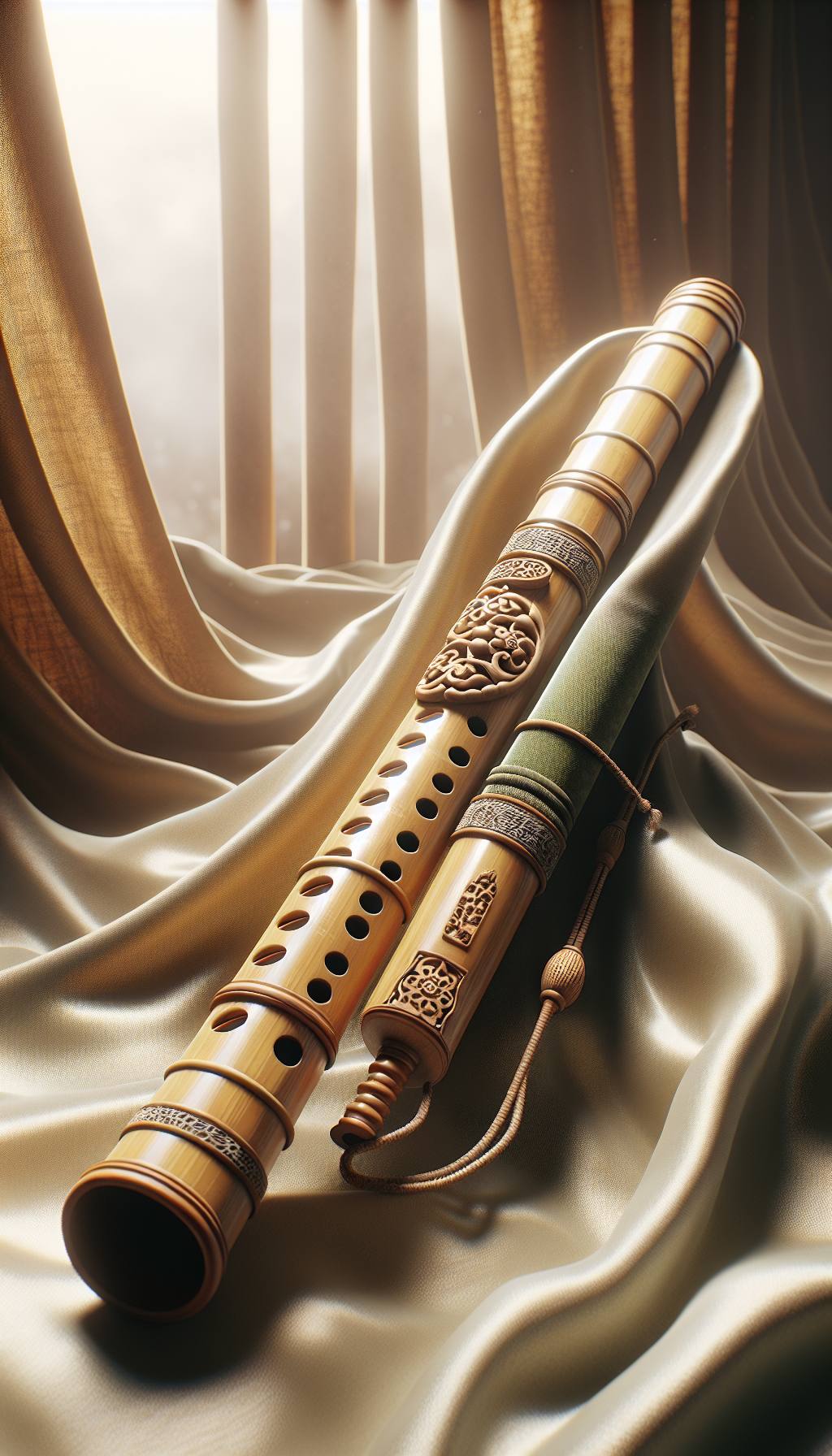
Nansoole
Nansoole · Bamboo Flute — Vertical wind instrument of the Joseon Dynasty
The Nansoole is a traditional bamboo wind instrument used in Joseon court music. Played vertically, it produces a gentle and pure timbre well-suited for ceremonial and court performances. Its delicate sound is valued in Korean classical ensembles.
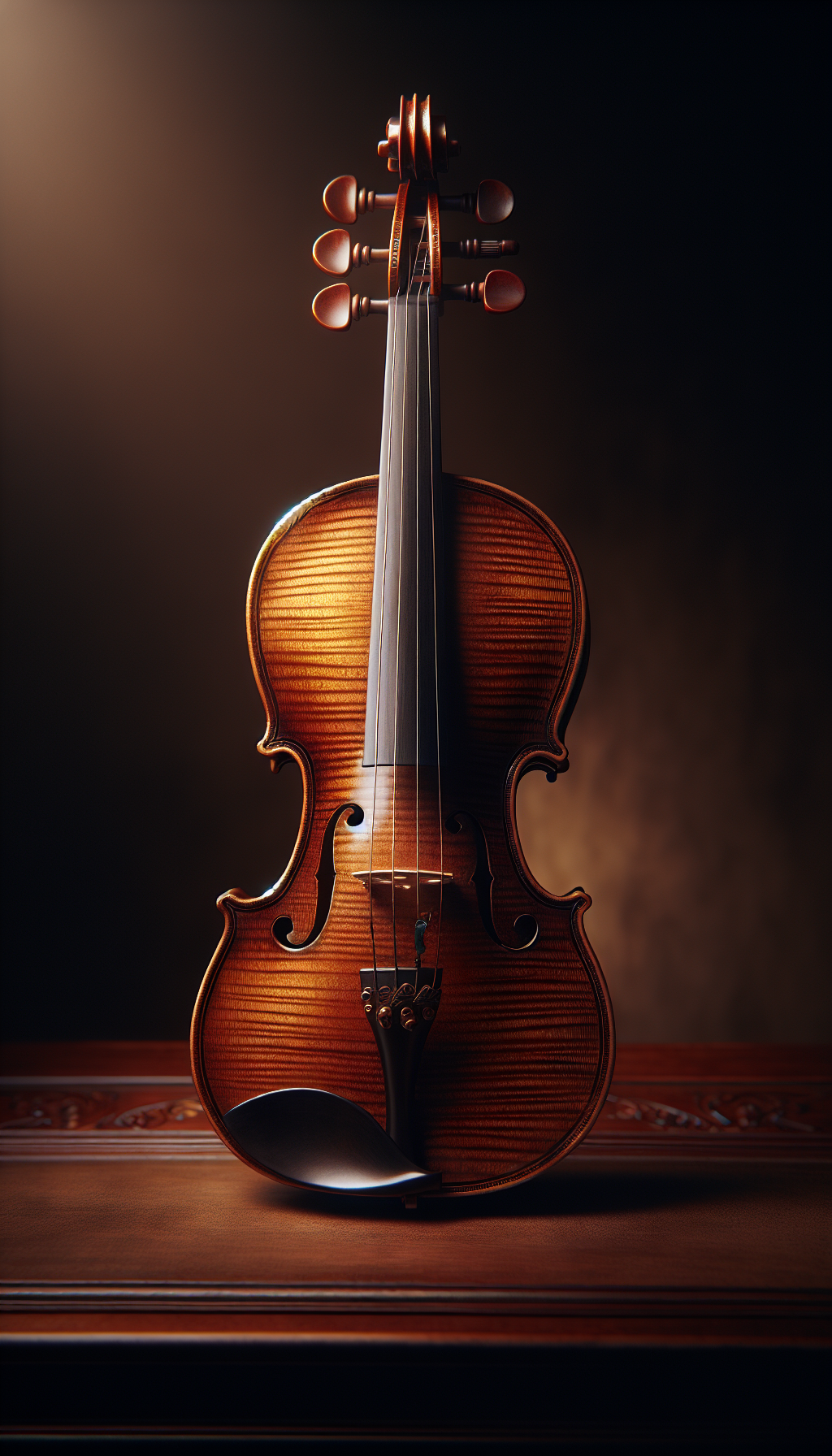
Galante
Galante · Classical String Instrument — European-Style Violin Introduced to Late Joseon Korea
The Galante is a string instrument of the violin family that was introduced to Korea during the late Joseon dynasty. With the influx of Western music, it was played at court and elite gatherings. Its clear and rich tone offered a new sound distinct from traditional Korean instruments.