⚔️ Weapons
Swords, bows, spears, axes, magic weapons, firearms
62 items
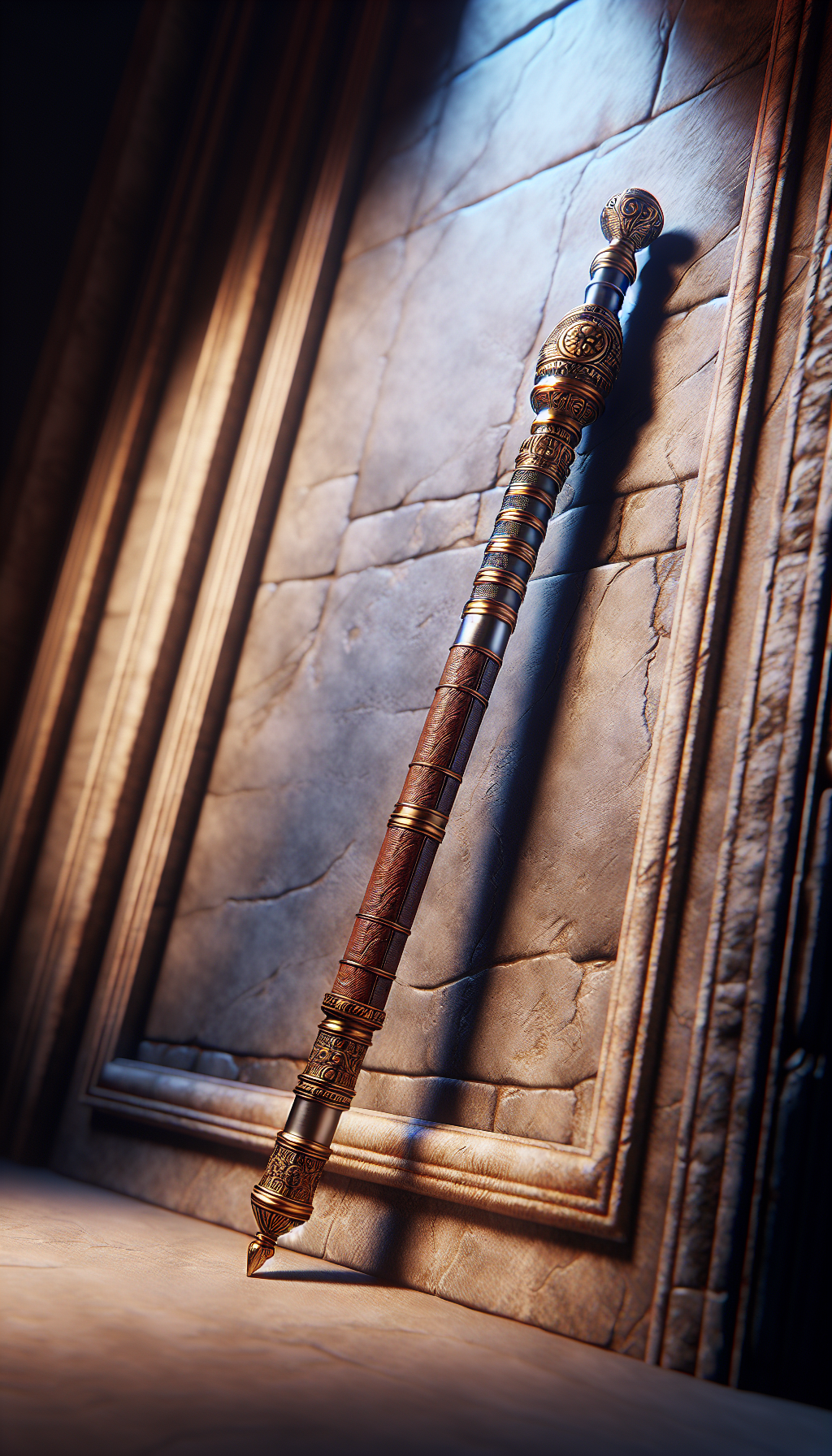
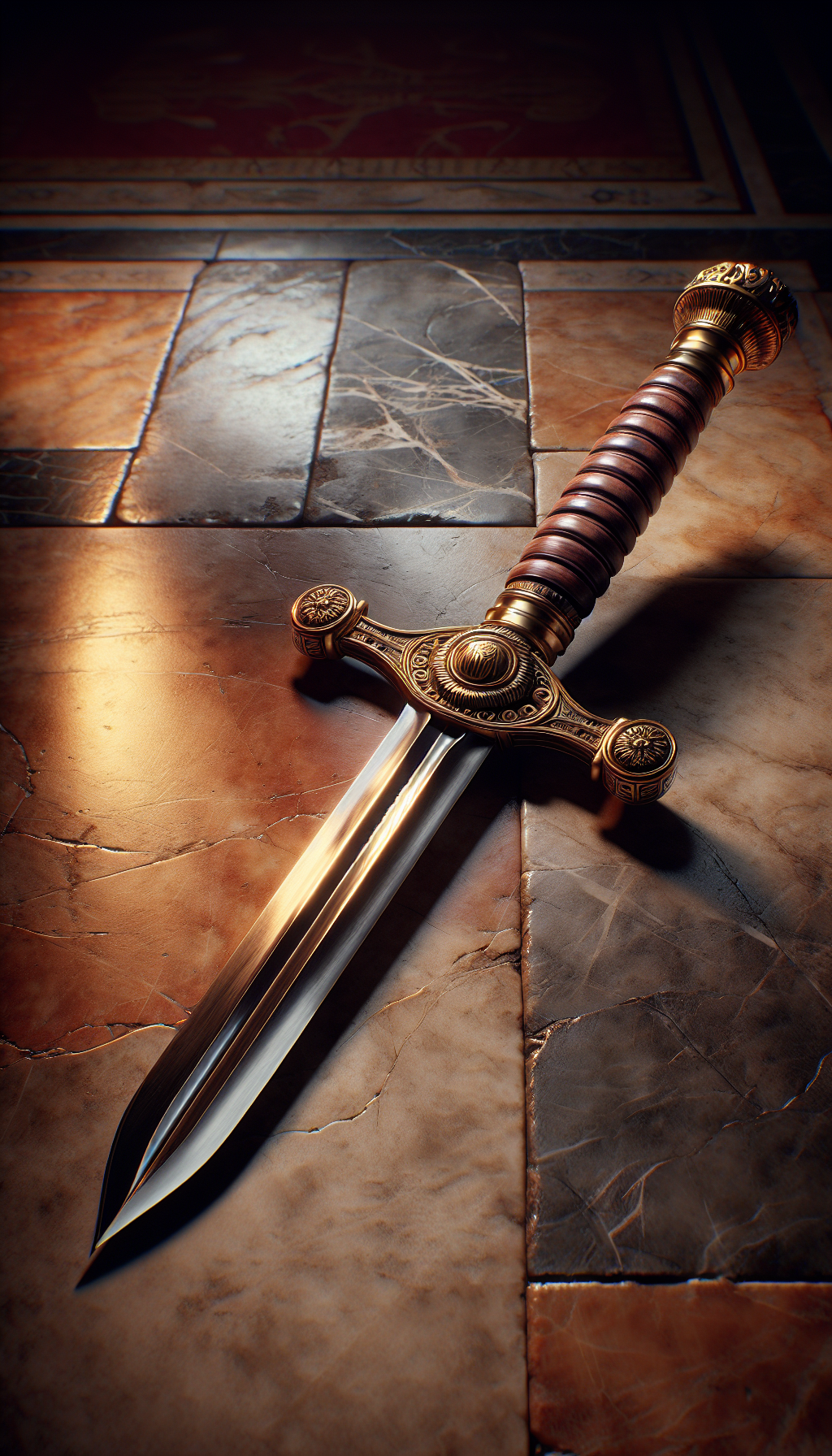
Spatha
Spatha · Roman Longsword — Long sword used by Roman cavalry and infantry
The spatha is a straight, long sword used primarily by cavalry and later by infantry in the Roman Empire. It is significantly longer than the gladius and effective for both cutting and thrusting. From the 2nd century CE, it gradually became the standard weapon for late Roman soldiers.
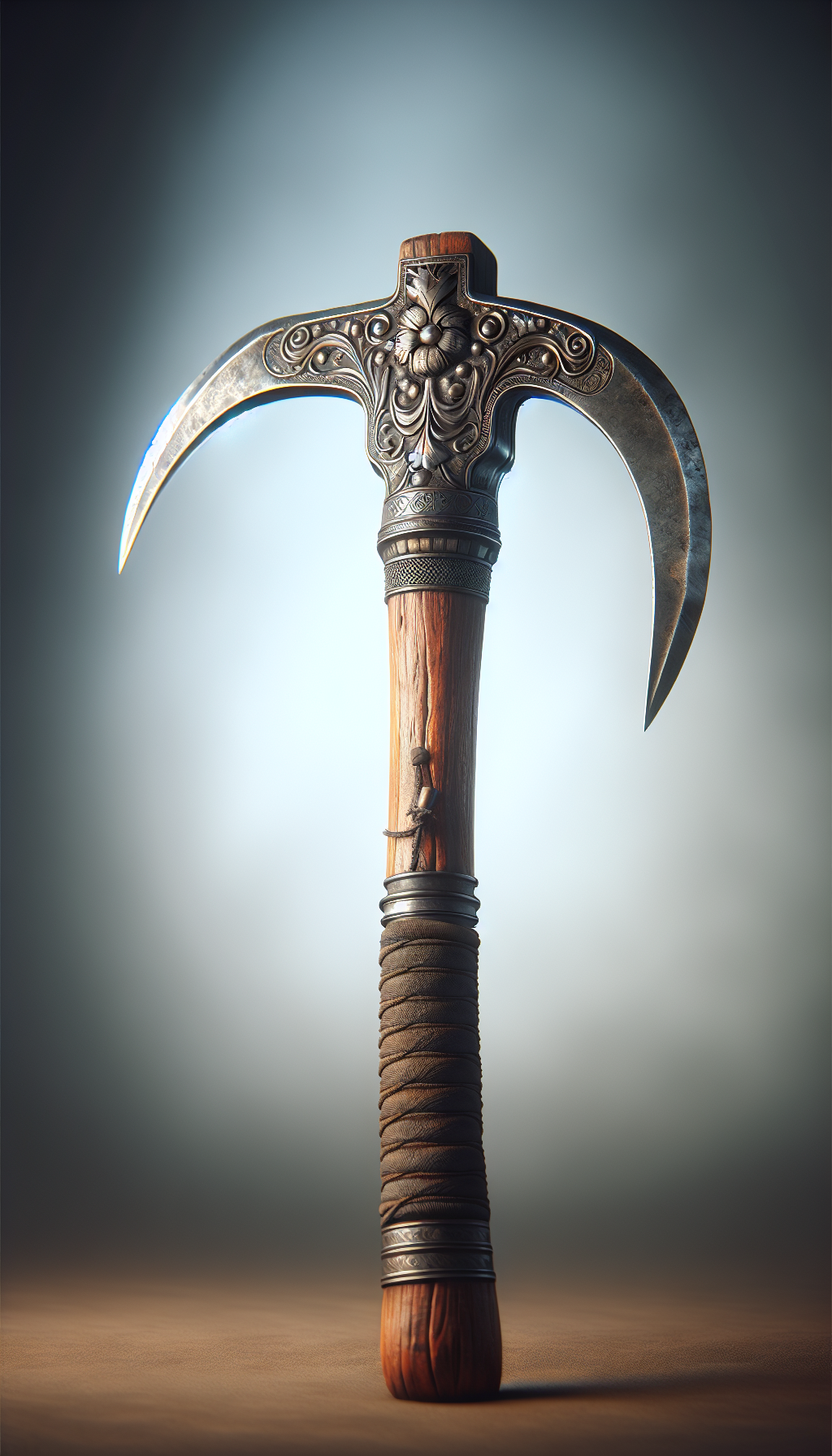
Cheotkal
Cheotkal · Peasant Weapon — Pickaxe-shaped Traditional Weapon
The Cheotkal is a traditional Korean weapon shaped like a pickaxe. Originally used as an agricultural tool, it was often repurposed by peasants as a weapon during uprisings. Its deeply curved blade is suitable for close-range combat.
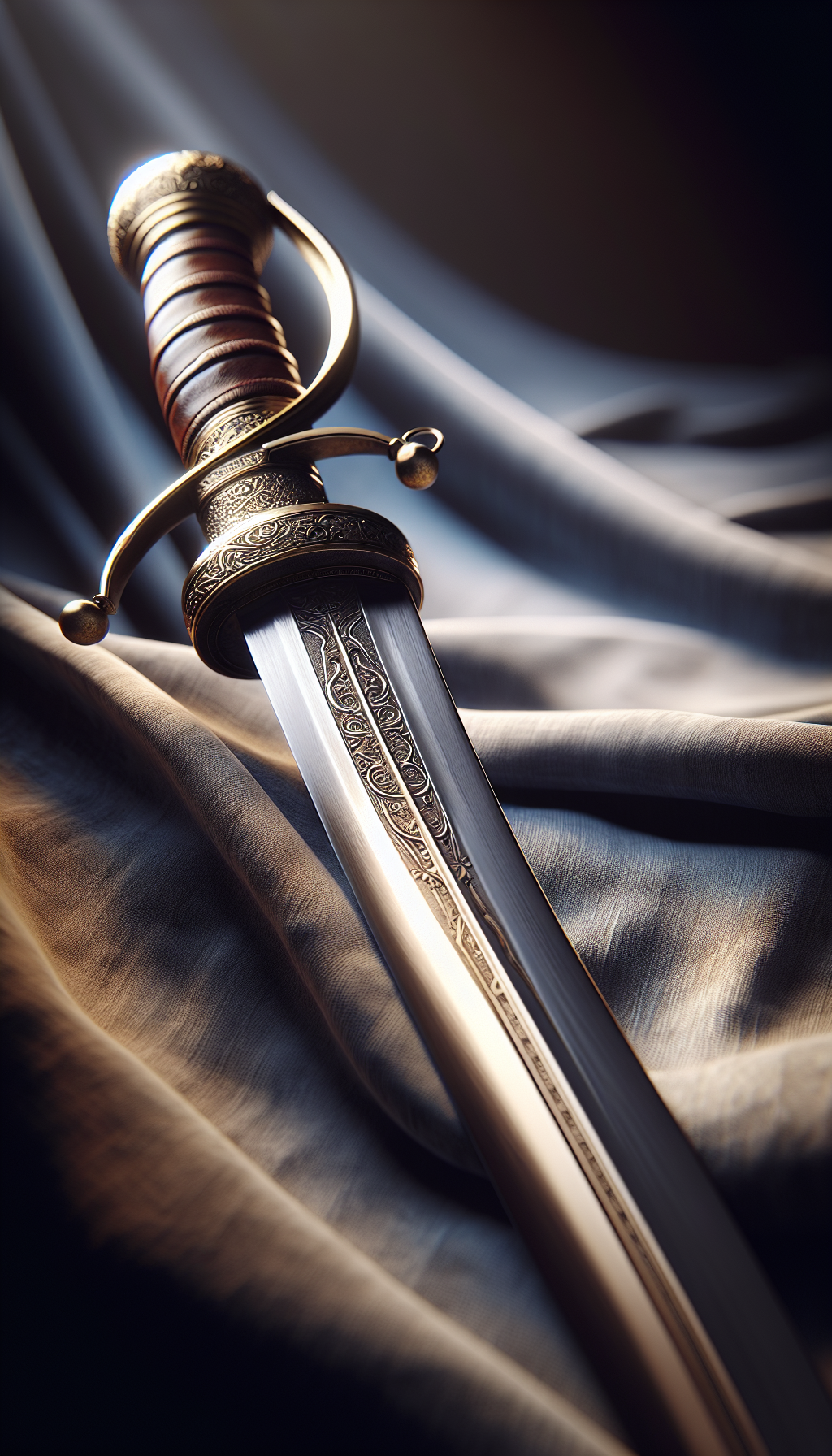
Saber
Curved Single-Edged Sword · Cavalry Blade — A classic cutting weapon
The saber is a curved, single-edged sword primarily designed for one-handed use. Renowned for its cutting power, it was widely utilized in cavalry and infantry throughout both Eastern and Western cultures. Most famously, it became a symbol of European cavalry in the 18th and 19th centuries.
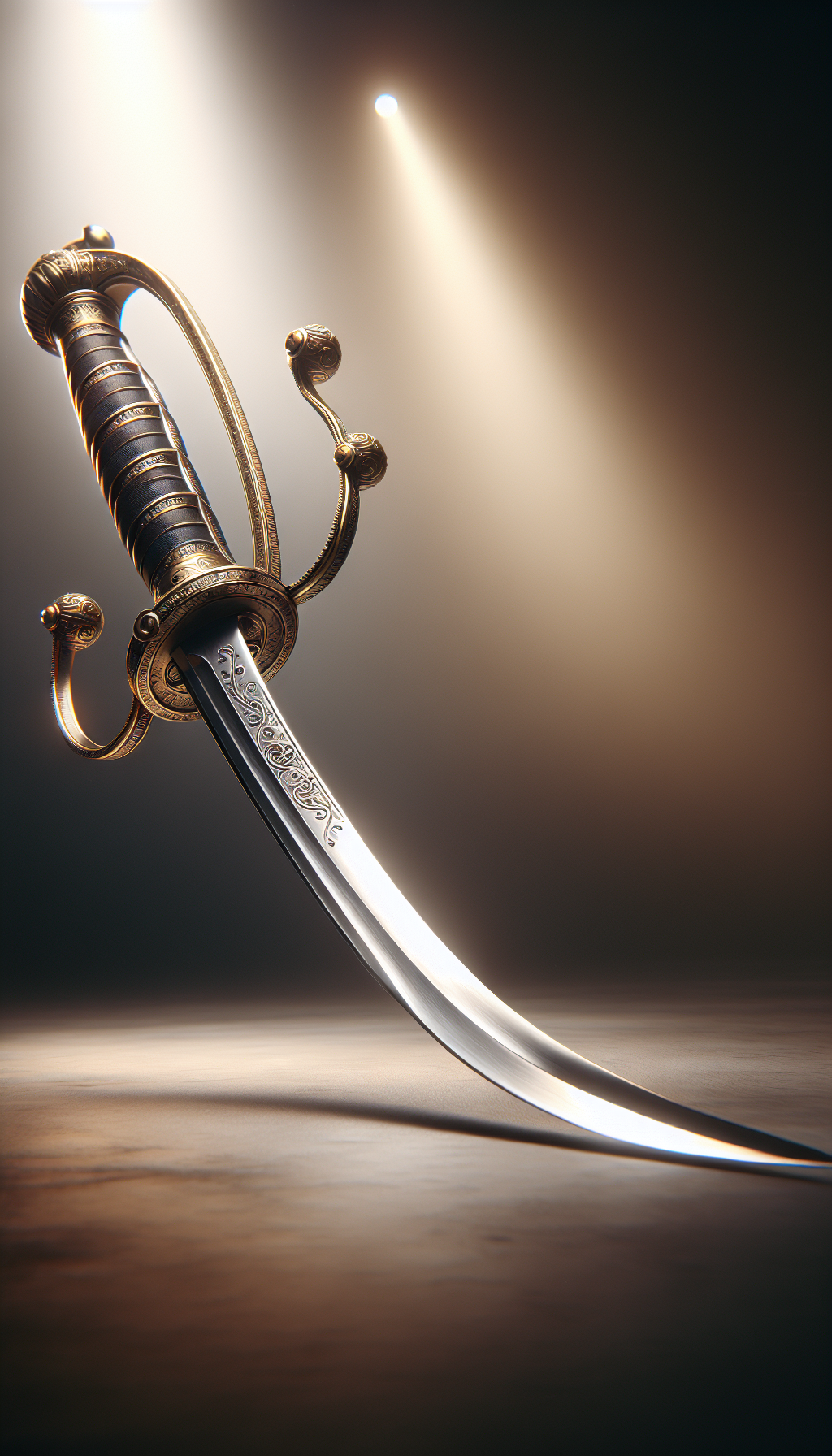
Saber
Curved Cavalry Sword · Sabre — Single-edged, curved sword
The saber is a single-edged, curved sword designed primarily for use with one hand. It became prominent as a cavalry weapon, optimized for slashing attacks. Different variants appeared across Europe and Asia.
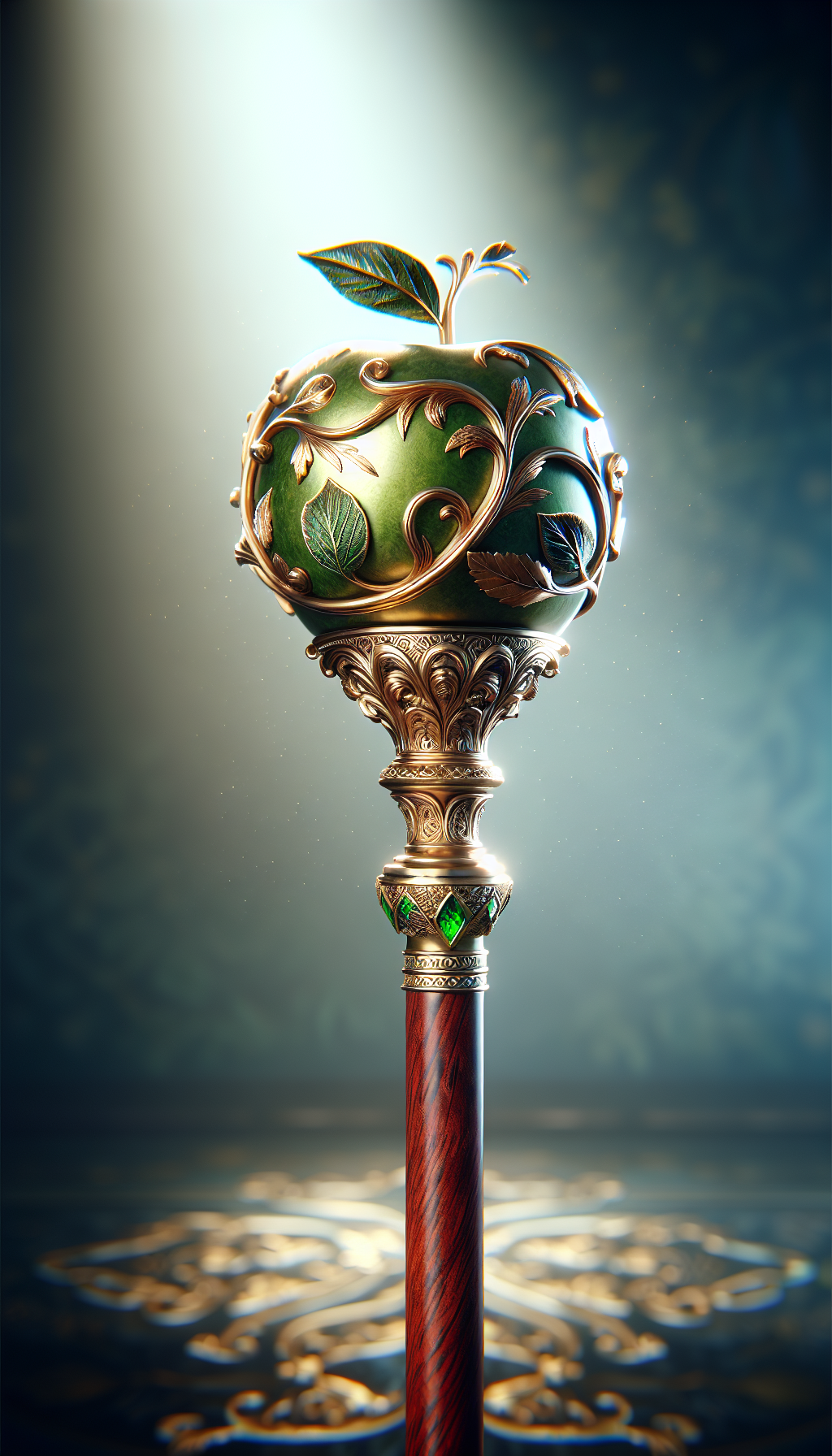
Apple Sword
Apple-Shaped Sword · Fruit Weapon — A unique sword with an apple motif
The Apple Sword features a blade or hilt adorned with an apple-shaped design, primarily intended for ceremonial or decorative use. It was not utilized in real combat, but held symbolic significance in royal court rituals during the Joseon dynasty.
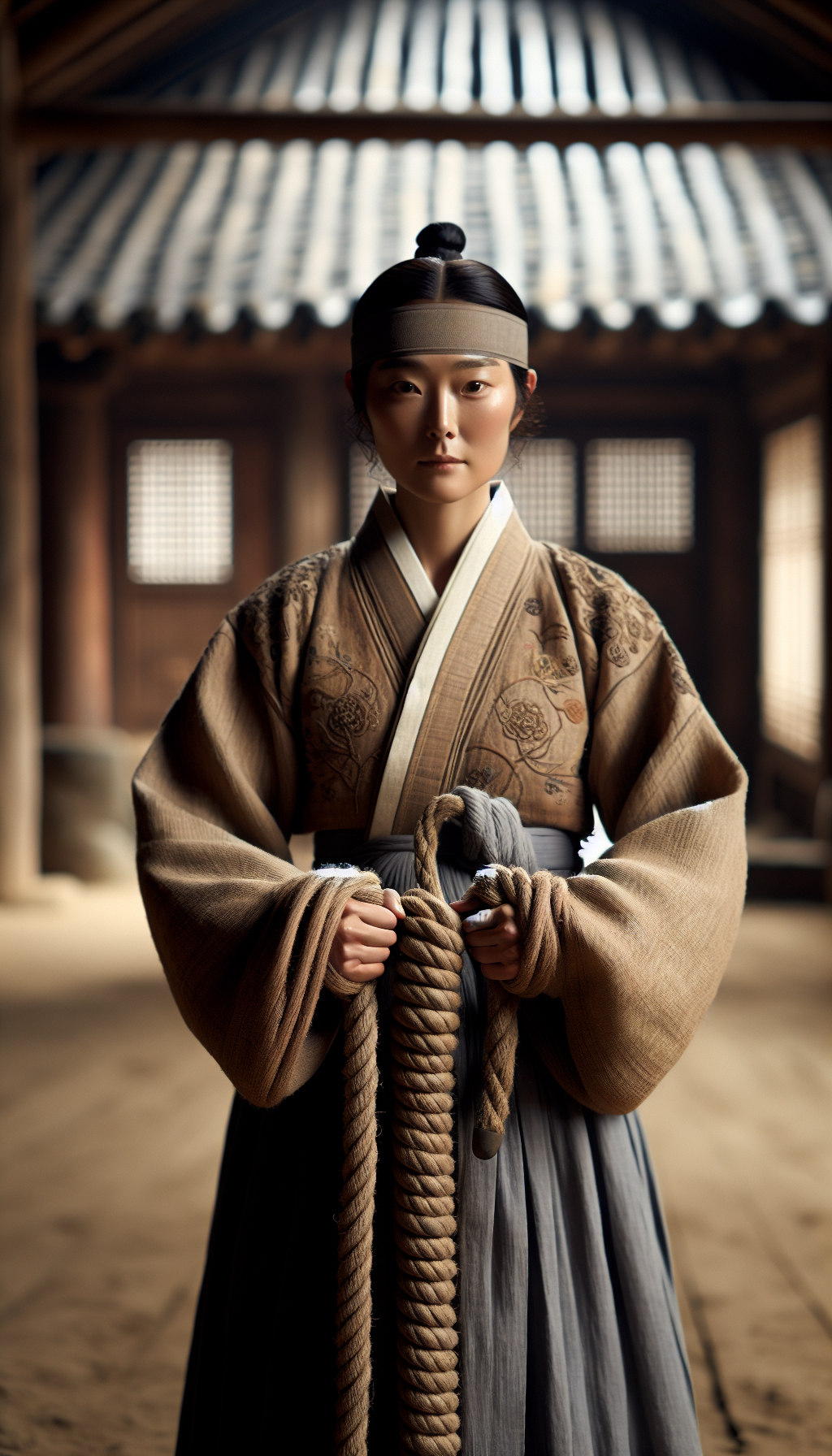
Julli
Julli · Traditional Rope Weapon — One-string bludgeoning and throwing weapon
The Julli is an ancient Korean weapon made from a single rope or cord, often used by swinging or throwing to strike opponents. Sometimes equipped with a weighted end, it was particularly effective for close-range defense and subduing foes.

Jing
Jing · Large Metal Gong — Signal and Ceremonial Weapon
The Jing is a large percussion instrument made from thick metal. Traditionally struck with a mallet, it produces a deep, resonant sound used for military signals and ceremonial purposes. It played a crucial role in relaying commands and boosting morale on the battlefield.
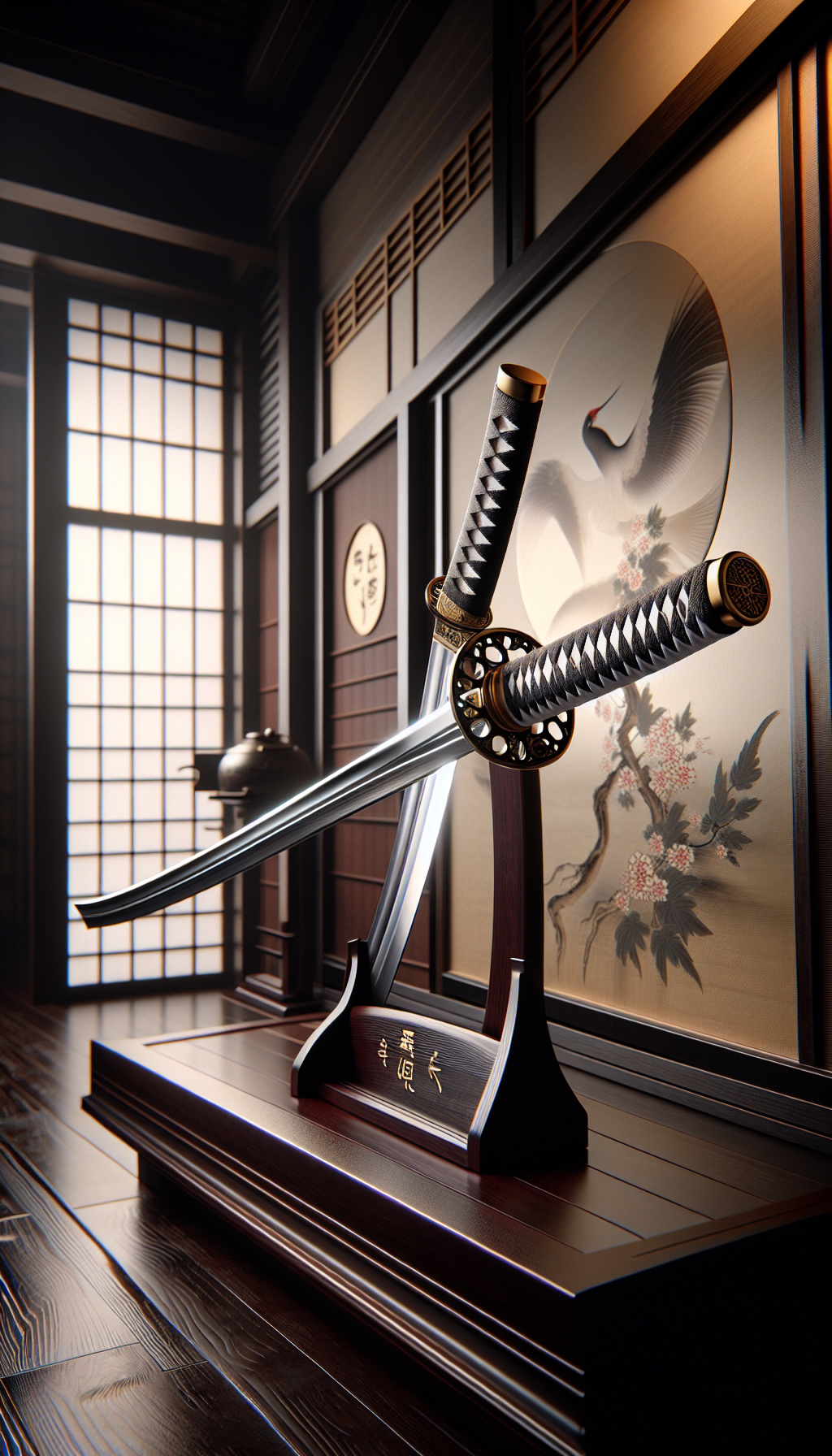
Katana
Katana · Japanese Sword — Iconic Curved Blade of the Samurai
The katana is the quintessential long sword used by Japanese samurai. Featuring a single-edged, curved blade, it is renowned for its cutting efficiency. It became a symbol of the samurai’s spirit and honor in medieval Japan.
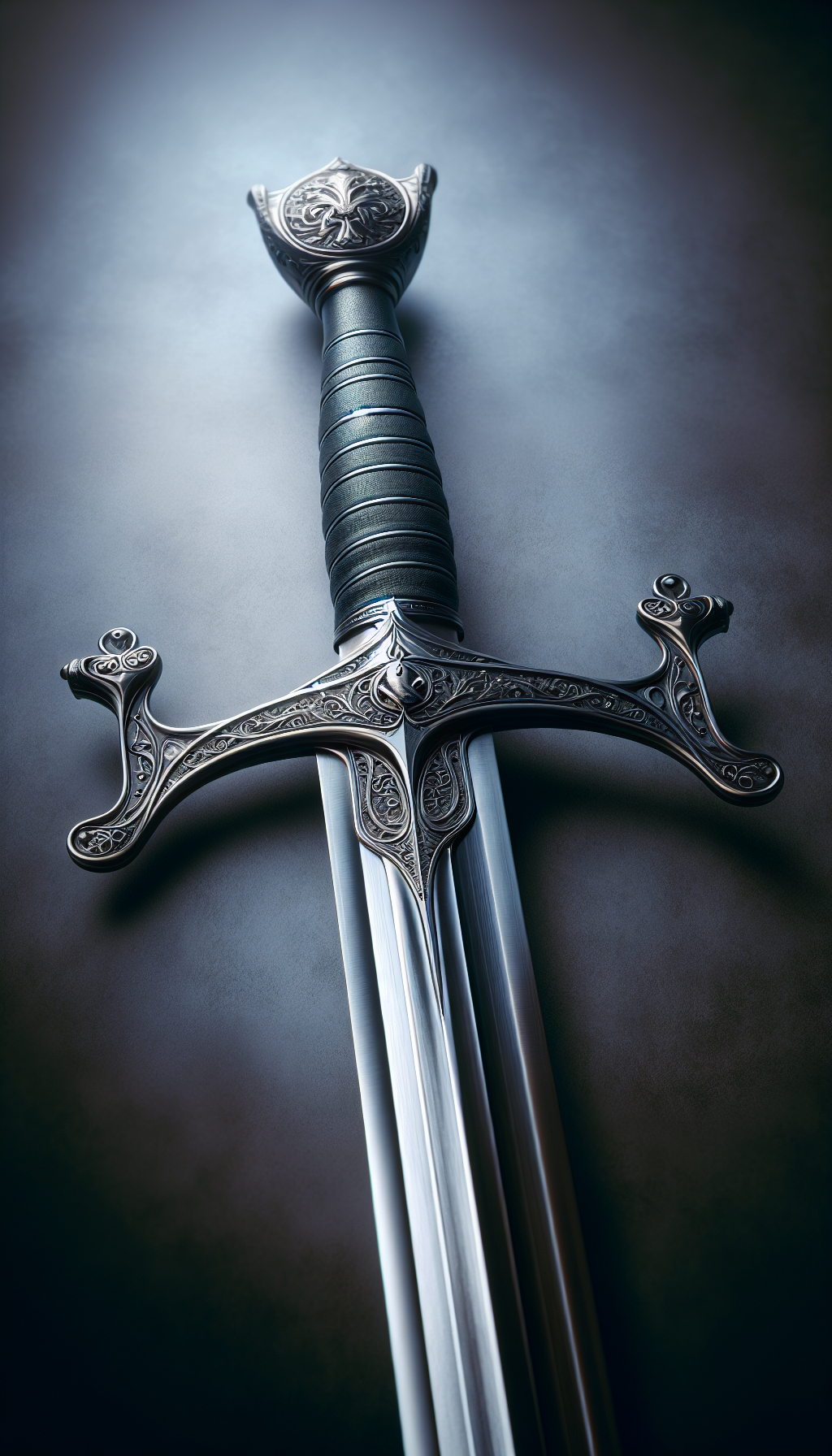
Bastard Sword
Versatile Hand-and-a-Half Sword · Flexible Medieval Weapon
The bastard sword is a long sword from medieval Europe, designed for use with either one or two hands. Its extended grip and balanced blade allowed adaptability to changing combat situations. It earned a reputation for versatility among knights and soldiers.
Shamshir
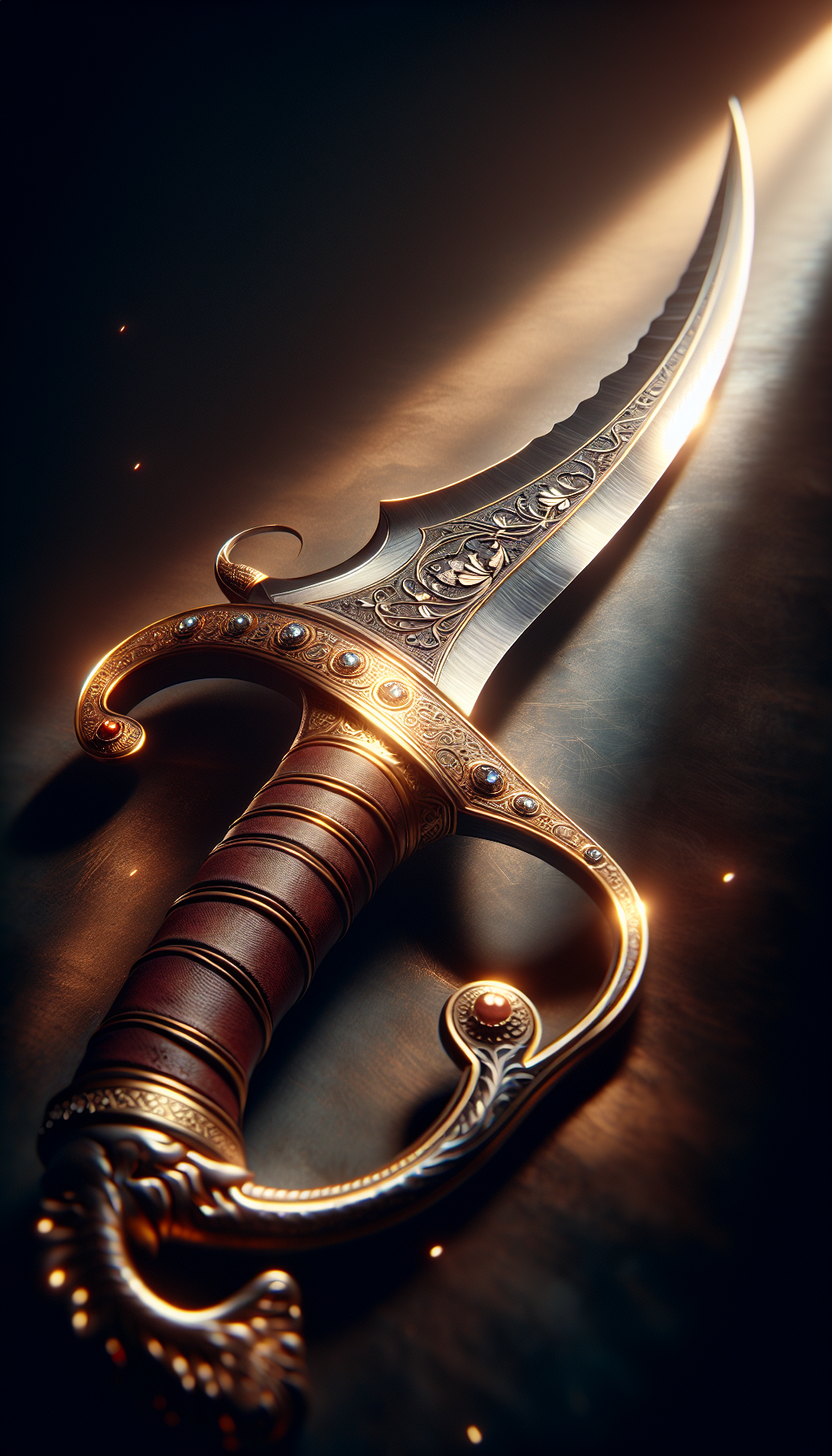
Curved Persian Sword · Sabre — Iconic single-edged cavalry weapon
The Shamshir is a deeply curved, single-edged sword originating from medieval Persia. Favored by cavalry, its design maximizes cutting power and agility. This blade influenced swordsmithing across the Islamic world and beyond.
Xavier
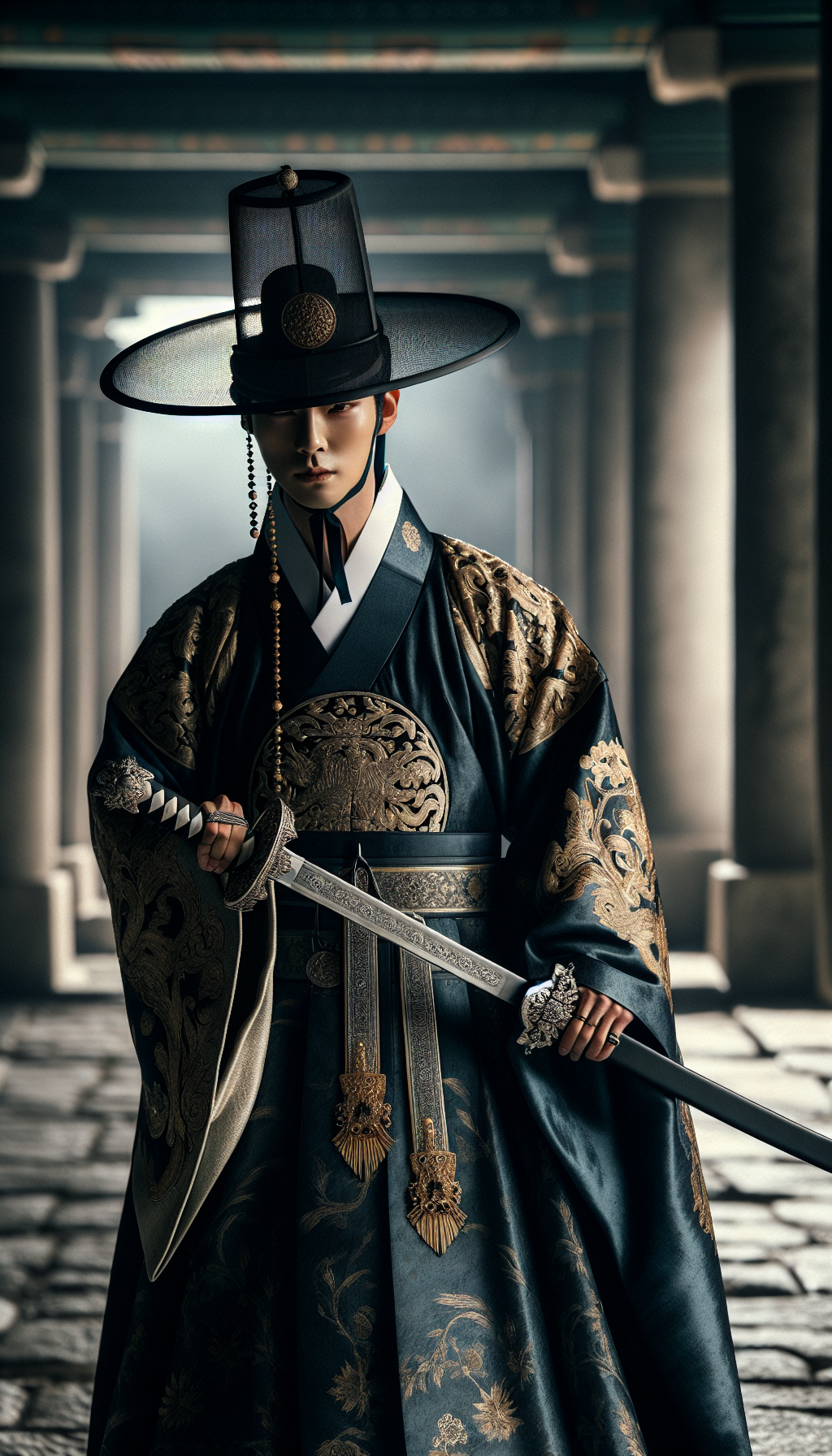
Xavier · Foreign-style Sword — Western longsword in late Joseon Korea
The Xavier is a foreign-style longsword introduced to Korea through Western contact in the late Joseon period. It was mainly used by royal guards and members of the aristocracy. Its straight, elongated blade and ornate hilt distinguish it from traditional Korean swords.
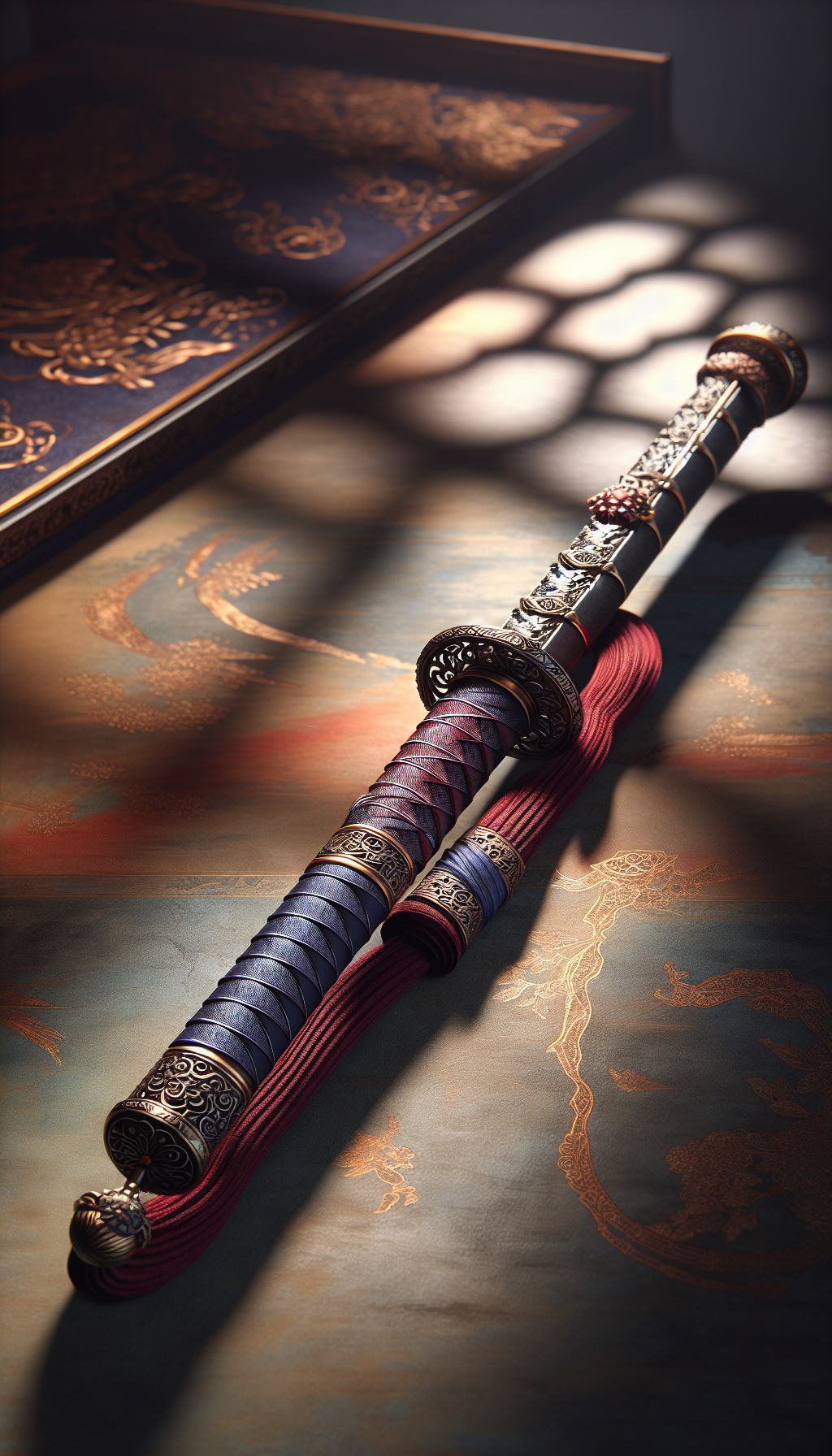
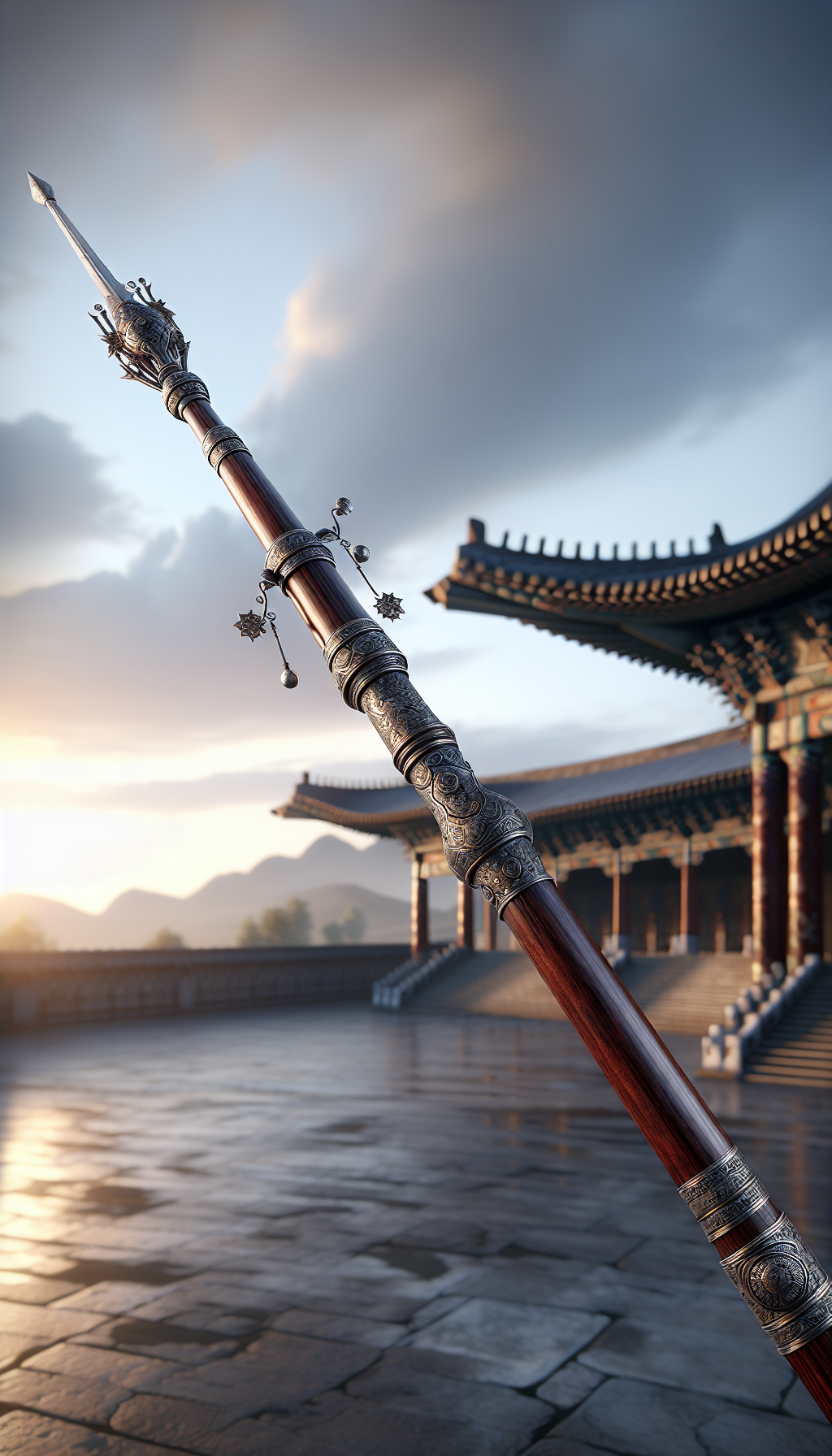
Maeseoryeo
Maeseoryeo · The Fierce Sword — Late Joseon Double-Edged Longsword
The Maeseoryeo is a double-edged longsword featured in late Joseon martial arts manuals. It was primarily wielded by military officers and warriors, characterized by its long and sharp blade. The design allows for one-handed or two-handed use.