LoreArc

악마

15 items tagged with "악마"

beelzebub

Beelzebub

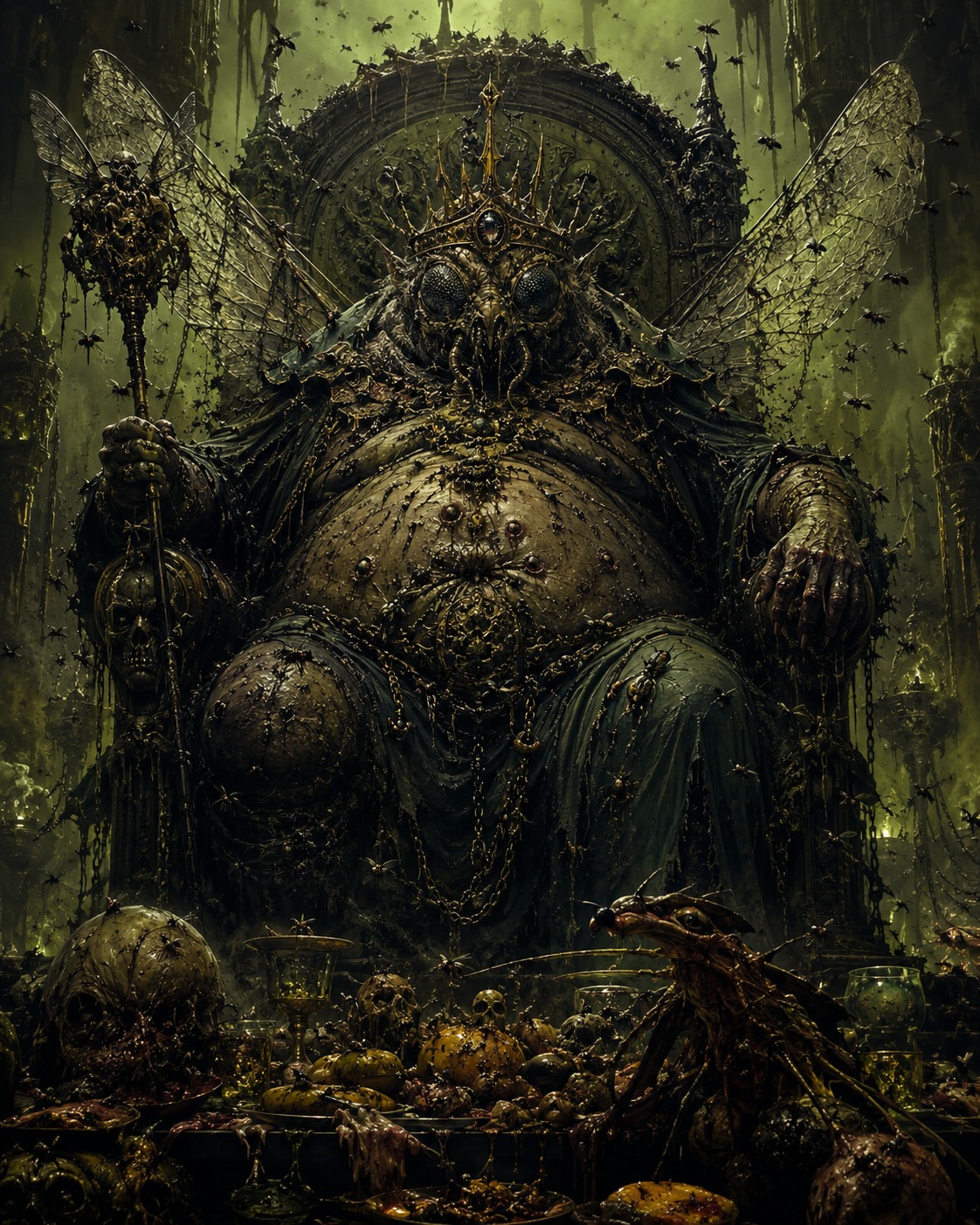
Beelzebub · Lord of the Flies — Prince of Gluttony

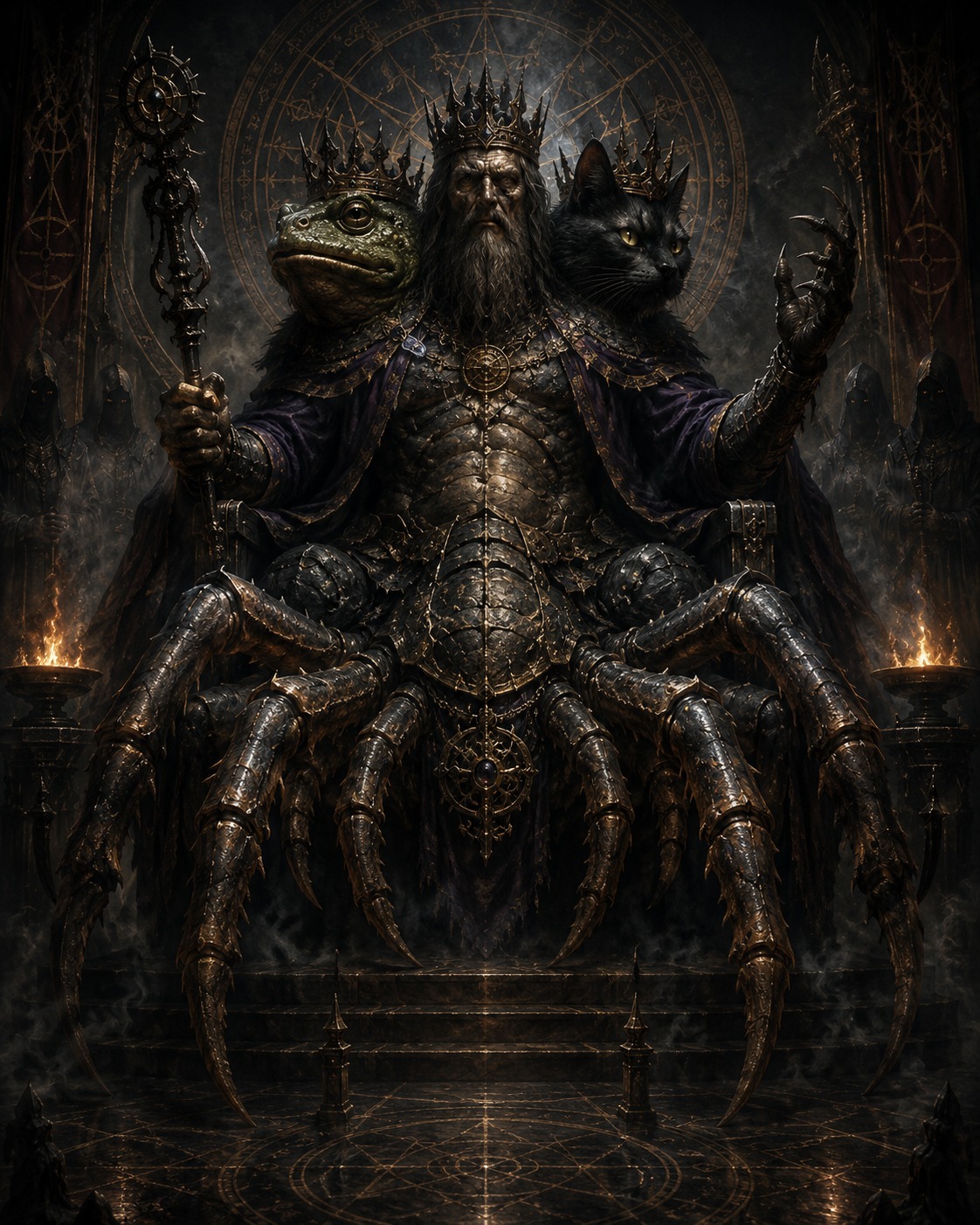
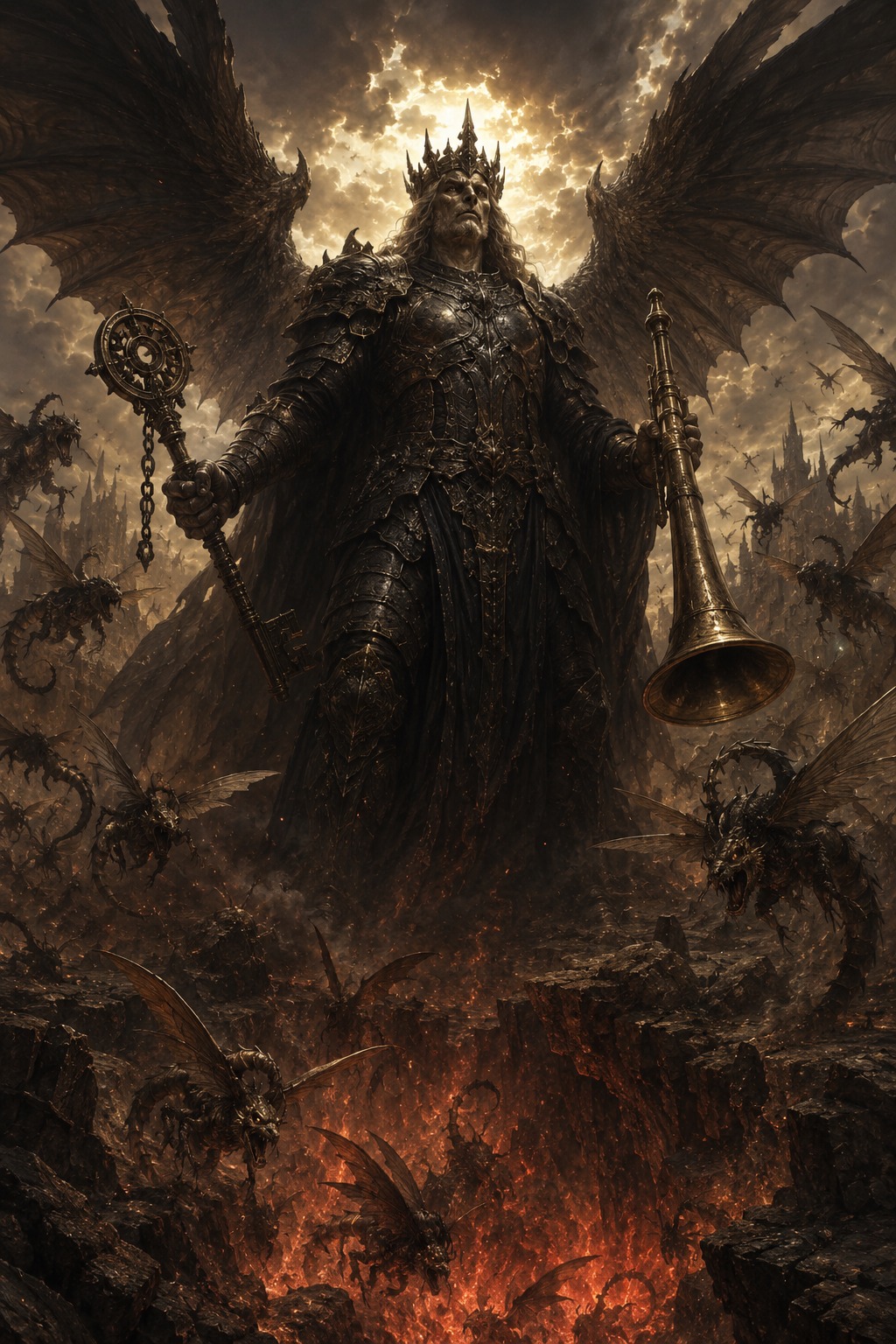
Beelzebub (Hebrew Baʿal-Zəvuv, Greek Beelzeboul, Latin Beelzebub) is the great demon of the Judeo-Christian tradition — the decisive canon — derived from the Hebrew Baal-zebub meaning 'Lord of the Flies' — the decisive canonical iconographic figure originating in the city of Ekron of Philistia where the god 'Baal-Zebul (Baal-Zebul, prince Baal)' was worshipped, with Jews scornfully changing the name to 'Lord of the Flies (zebub = fly)'. Aliases — Beelzeboul, Lord of the Flies, prince of devils, and Archduke of 'Gluttony (Gula, Gluttony)' among the Seven Deadly Sins — are the decisive canonical vocabulary. The decisive textual canon is the decisive origin canon of 2 Kings 1:2-16 of c. 6th-4th century BCE in which the king of Israel Ahaziah (Ahaziah) fell ill and sent messengers to consult Beelzebub of Ekron, only to be rebuked by Elijah (Elijah), and the decisive canon of Matthew (Matthew) 12:24-27, Luke (Luke) 11:15-19, and Mark (Mark) 3:22 of the 1st century CE in which the Pharisees slandered Christ by saying 'he casts out demons by Beelzebub, the prince of demons'. The decisive 17th-century English-literary canon of John Milton's (John Milton) Paradise Lost (Paradise Lost) Book 1 lines 78-81 of 1667 — the fallen angel next to Lucifer — and the decisive 20th-century English-literary canon of William Golding's (William Golding) novel Lord of the Flies (Lord of the Flies) of 1954.

astaroth

Astaroth

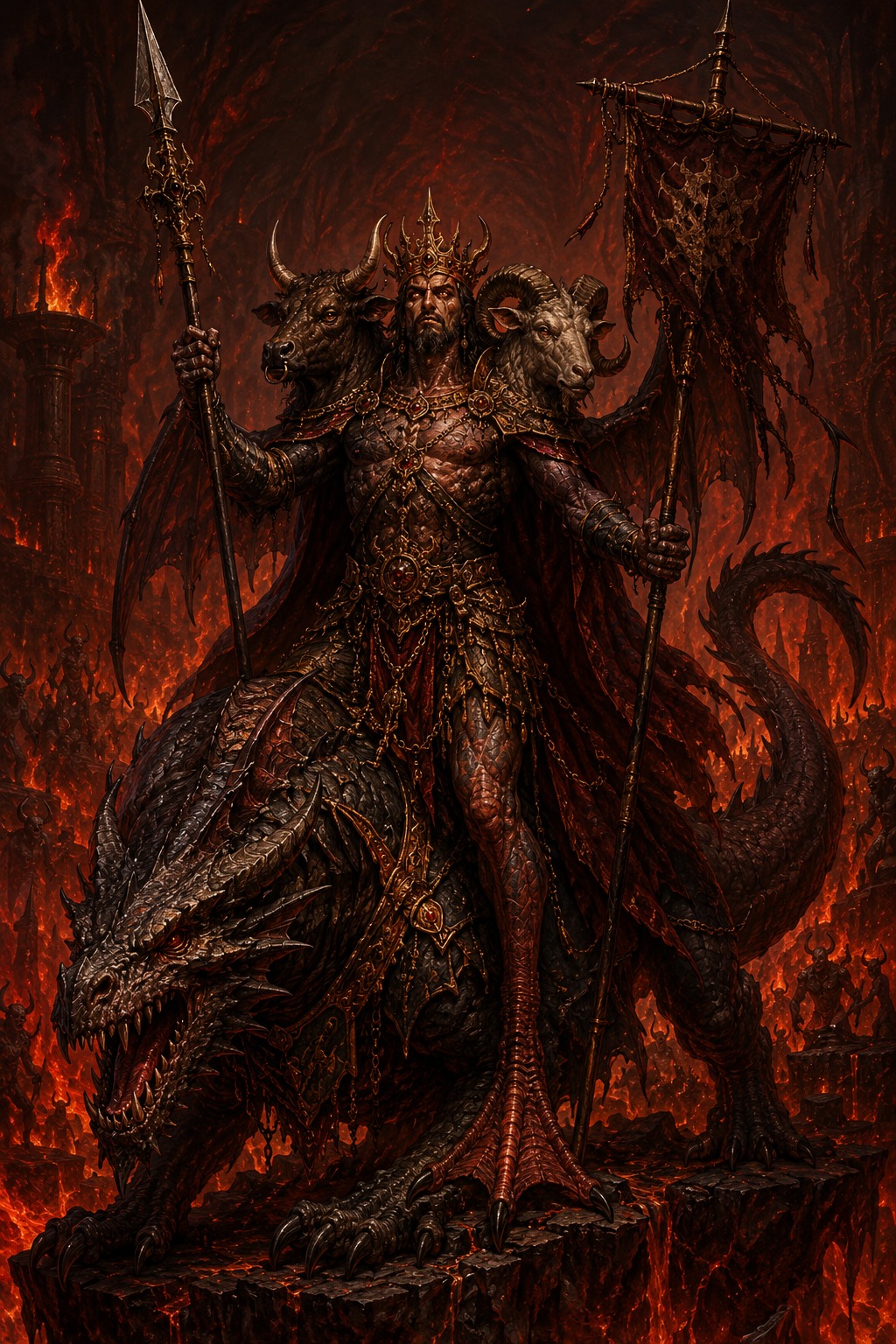
Astaroth · 29th of Solomon's 72 Spirits — Great Duke

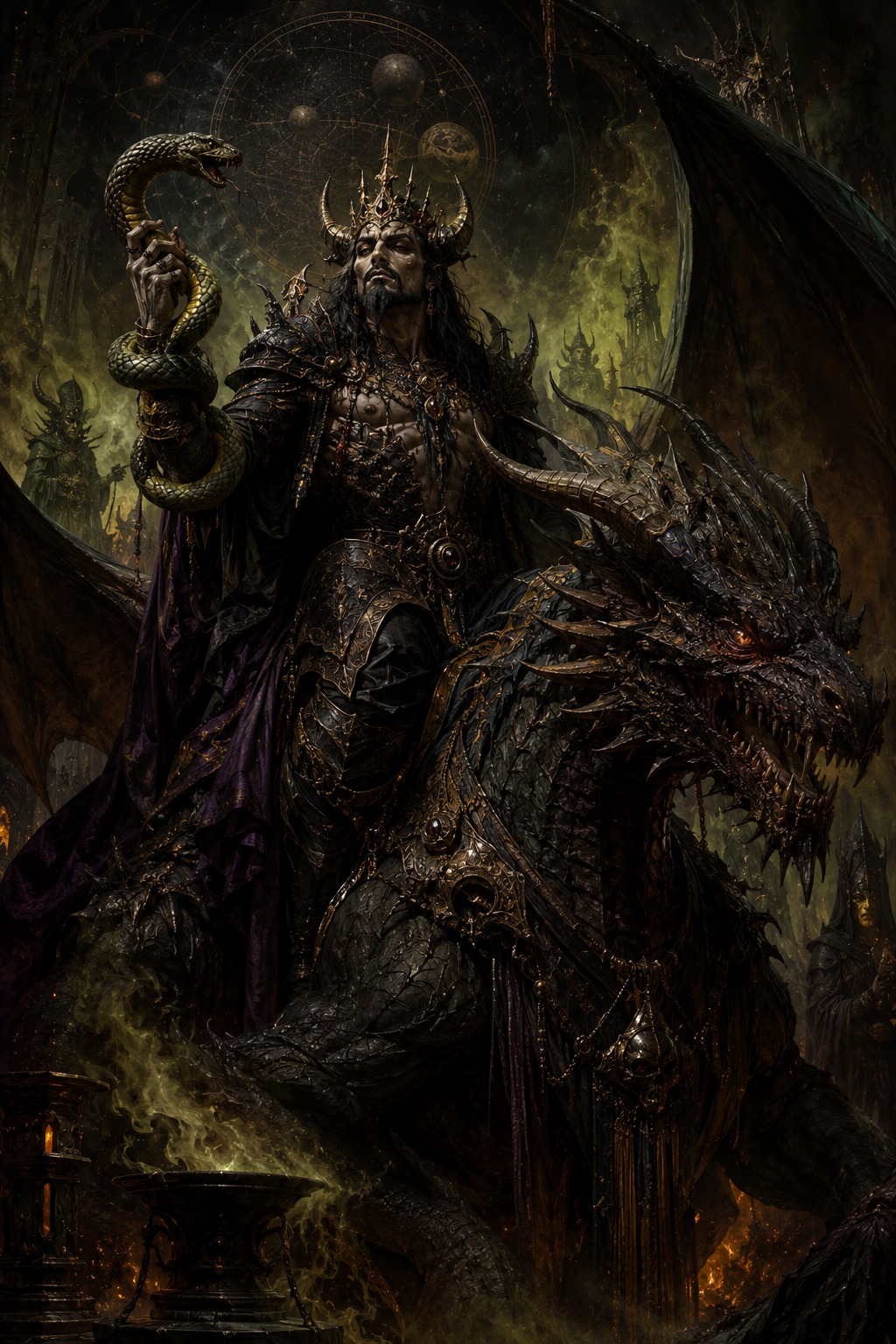
Astaroth (Latin Astaroth, English Astaroth) is the demon of the Great Duke rank, 29th of the 72 demons in Book 1 Ars Goetia (Ars Goetia) of the 17th-century grimoire — the decisive canon — The Lesser Key of Solomon (Lemegeton Clavicula Salomonis) — commanding 40 legions (legions) of demons — the decisive canonical iconographic figure. The etymological origin is the decisive canonical vocabulary of Ishtar (Ishtar, Akkadian), the Mesopotamian goddess of fertility, love, and war of c. 2000 BCE → Phoenician and Canaanite Astarte (Astarte) → the foreign goddess Ashtoreth (Ashtoreth) of the Old Testament → the male duke-demon of the 16th-17th century grimoires. Aliases — Ashtoreth (Ashtoreth), Astarte (Astarte), Ishtar (Ishtar), the Duke of liberal sciences — are the decisive canonical vocabulary. The decisive textual canon is the decisive origin canon of Astaroth in Pseudomonarchia Daemonum (Pseudomonarchia Daemonum) of Johann Weyer (Johann Weyer) of 1563, and the decisive canon of the 29th rank Great Duke of the 72 demons in Book 1 Ars Goetia of The Lesser Key of Solomon (Lemegeton Clavicula Salomonis) of the 17th century. The decisive 19th-century art canon of the Astaroth iconography on the wicked dragon in the Dictionnaire Infernal (Dictionnaire Infernal) of Collin de Plancy of 1818, and the decisive 21st-century global game canon of Astaroth (in the form of a golem wielding a giant axe) in the Soulcalibur (Soul Edge/Soulcalibur) series by Japanese Namco (Namco) from 1995.